Category: Power Wheelchair
Posted by 2025-12-09 10:12
recliner lift chairs for elderly covered by medicare
Are Power Lift Recliners Covered by Medicare? A Practical Guide for Securing Funding for Seniors
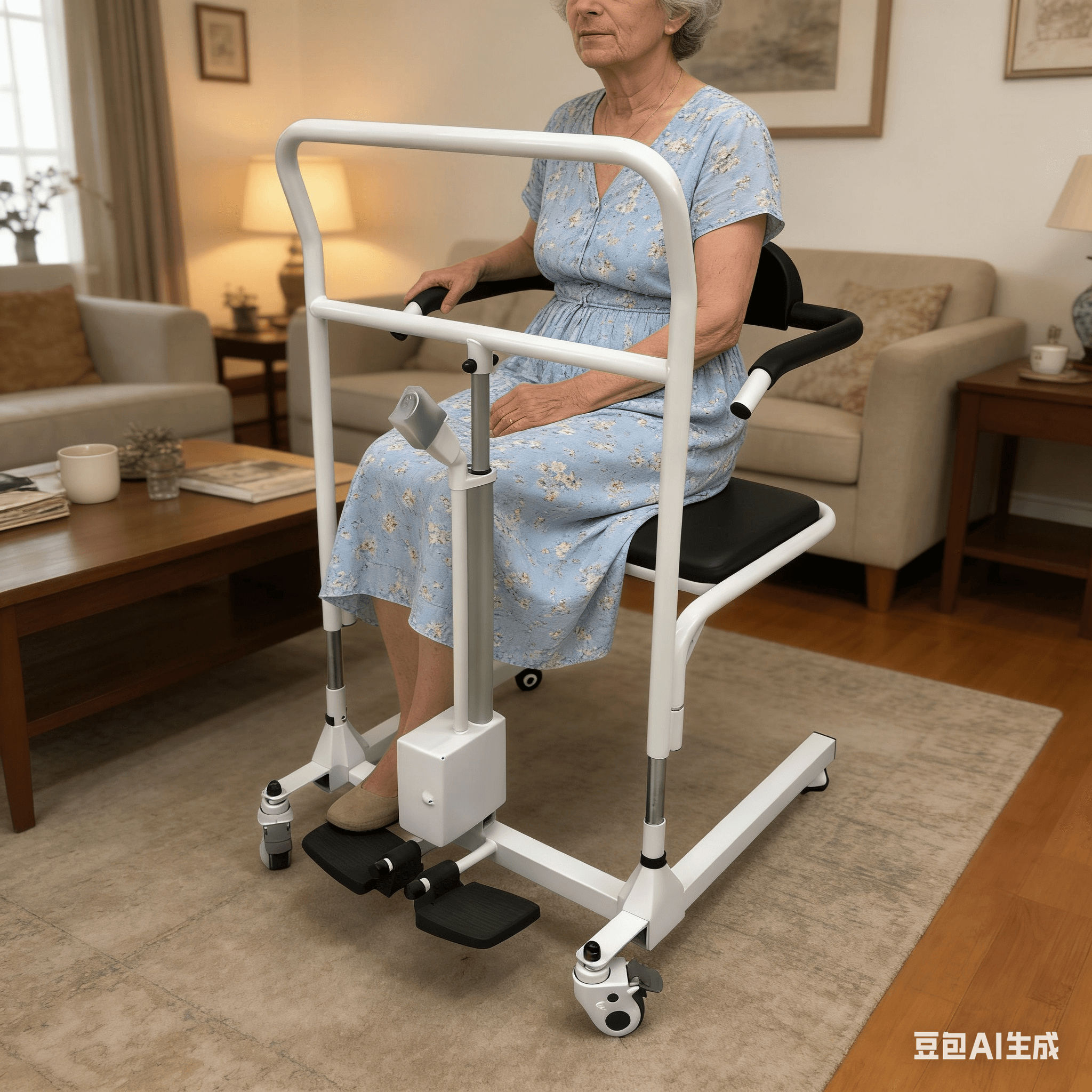
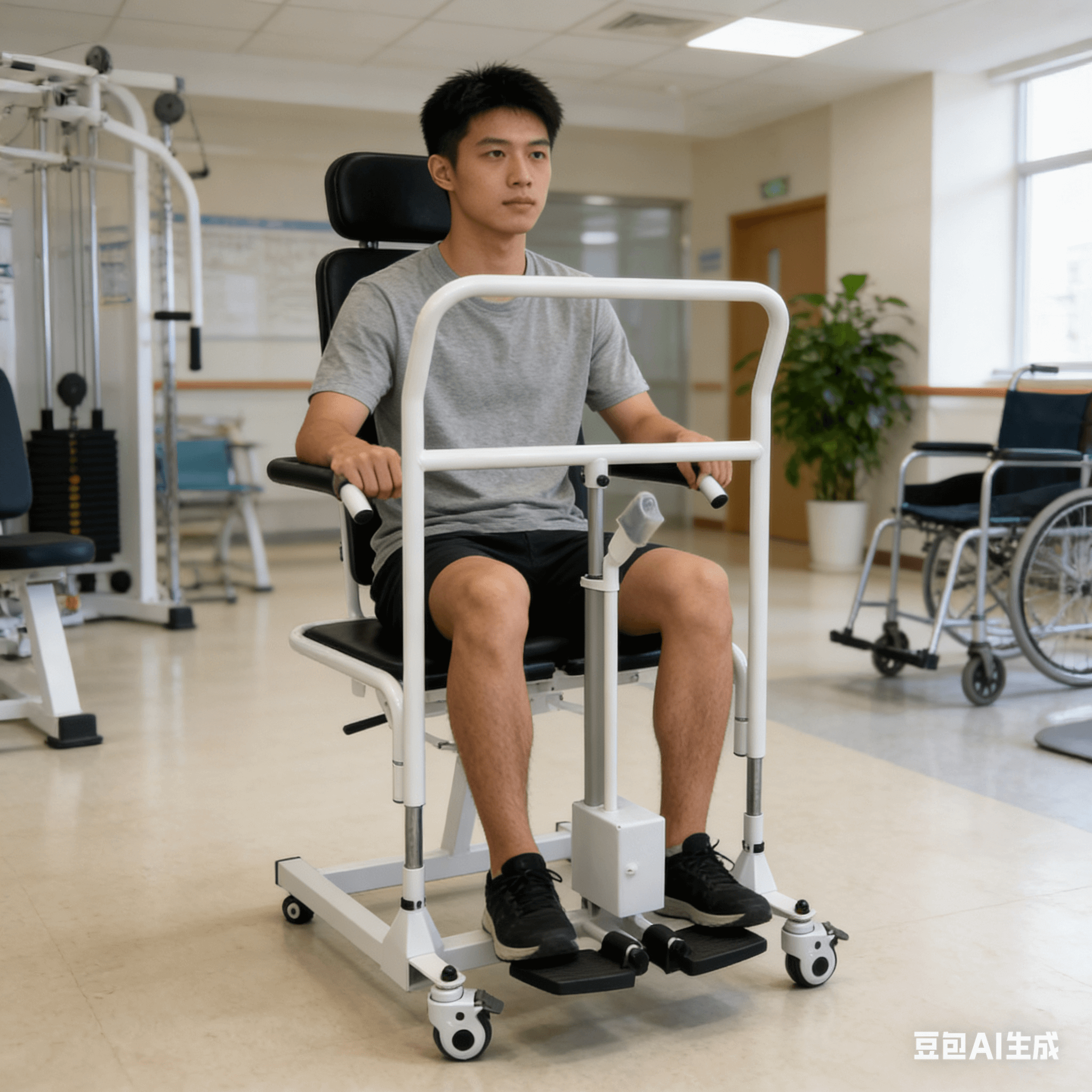
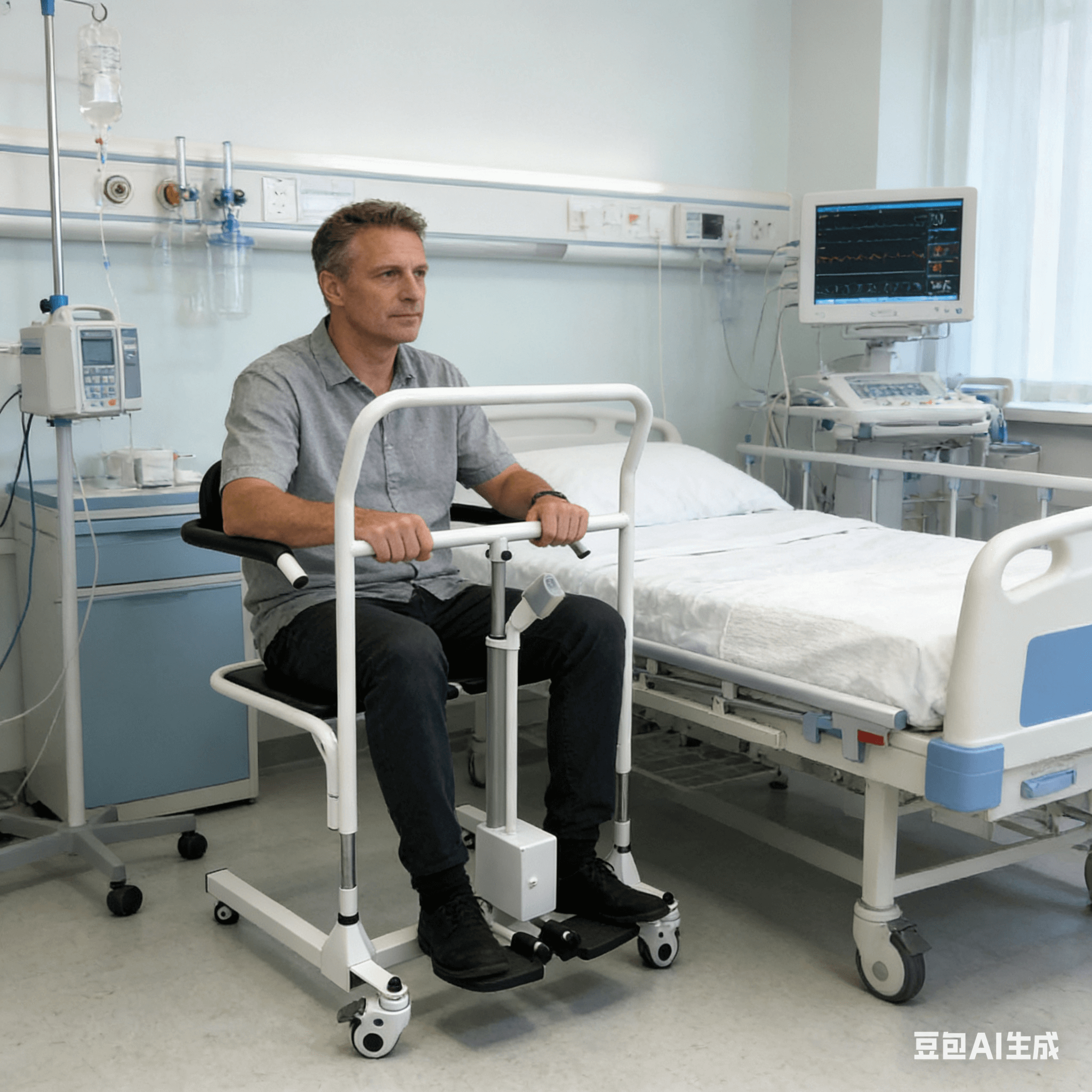
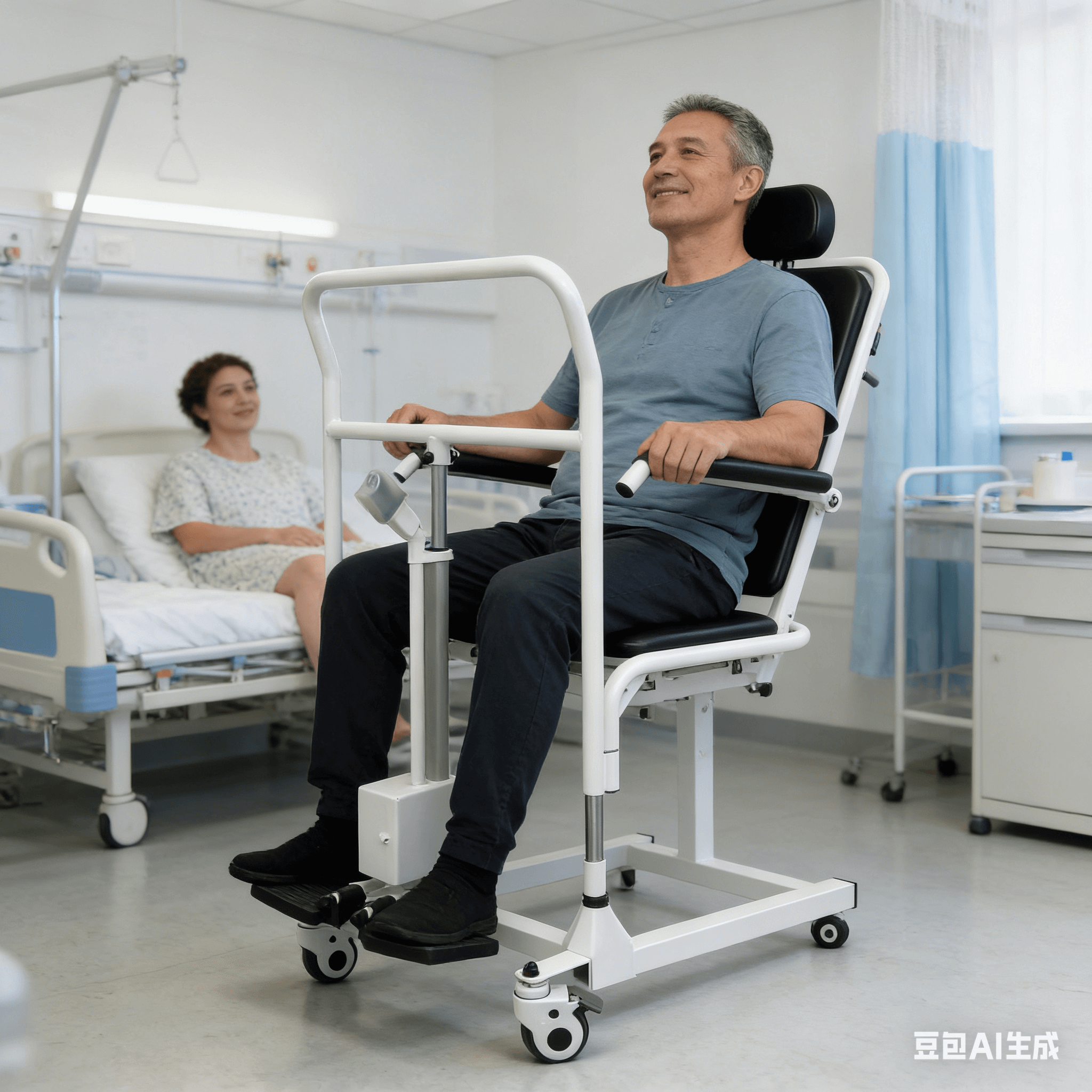
When elderly family members struggle to stand up safely from sofas due to arthritis, stroke, post-surgery recovery, or muscle weakness, many households consider purchasing a power lift recliner for support. Equipped with a built-in motor, these chairs help users transition smoothly from a sitting to a standing position, significantly reducing the risk of falls and enhancing independence and dignity in daily life.
However, faced with prices often ranging from hundreds to thousands of dollars, many families hopefully ask: “Are recliner lift chairs for the elderly covered by Medicare?”
Unfortunately, for the vast majority of American seniors, Original Medicare (Part A and Part B) does not cover power lift recliners. This reality is often disappointing, but understanding the underlying reasons, policy boundaries, and potential alternative pathways can help you plan care budgets more wisely and even identify other funding opportunities.
Why Does Medicare Usually Not Cover Power Lift Recliners?
Medicare classifies medical equipment as “Durable Medical Equipment (DME),” and only devices that meet strict criteria may qualify for partial coverage under Part B. To be covered, a device must satisfy all the following conditions:
Primarily used for medical purposes;
Prescribed in writing by a doctor;
Expected to have a useful life of at least three years;
Used in the home;
Determined to be “medically necessary,” rather than a “convenience” or “comfort” item.
The issue is that Medicare categorizes most power lift recliners on the market as “furniture” rather than “medical equipment.” Despite their function of assisting with standing, their appearance, structure, and use are highly similar to traditional sofas. As a result, they are classified as consumer goods for enhancing quality of life, not as essential tools for treatment or rehabilitation.
Even if a doctor deems the chair “beneficial” for fall prevention or rehabilitation support, Medicare may still deny coverage on the grounds that it is “not medically necessary.”
Are There Any Exceptions?
In extremely rare cases, if a device is clearly defined as a medical-grade fully electric recliner (e.g., with a fixed headrest, non-removable footrest, medical frame, and used for managing specific conditions) and meets HCPCS coding requirements (such as code E0635), it may theoretically be considered for coverage. However, in practice, approval for such devices is extremely rare, and their prices are usually far higher than those of standard power lift recliners.
More importantly: Even if technical standards are met, Medicare Part B only covers rental costs (not purchase costs). Additionally, beneficiaries must still pay a 20% coinsurance fee and meet their annual deductible.
Is Medicare Advantage (Part C) Different?
Medicare Advantage plans (offered by private insurance companies like UnitedHealthcare, Humana, and Kaiser Permanente) have greater flexibility in coverage. Some MA plans may include power lift recliners as “Supplemental Benefits,” especially those emphasizing home safety, fall prevention, or chronic disease management.
However, this depends entirely on the specific terms of the plan and is not a universal policy. You need to:
Review your Summary of Benefits document;
Call your insurance company’s customer service directly and ask: “Does my plan cover lift chairs as a supplemental benefit for fall prevention or mobility support?”;
Confirm whether a doctor’s certification, occupational therapist evaluation, or purchase through a designated supplier is required.
Even if coverage is provided, there may be limits (e.g., a $300–$500 annual subsidy) or restrictions to rental only.
What Are the Alternatives If Medicare Doesn’t Cover It?
While Original Medicare offers little hope of coverage, the following options may help reduce financial burdens:
1. Apply Through Medicaid
If you qualify for both Medicare and Medicaid (i.e., “Dual Eligible”), Medicaid programs in some states may cover power lift recliners, provided that:
A doctor provides proof of medical necessity;
The device is supplied by a state-certified DME provider;
The device meets Medicaid’s coding and approval requirements.
Policies vary widely by state—contact your local Medicaid office or Area Agency on Aging for details.
2. Department of Veterans Affairs (VA)
Eligible veterans can apply for assistive devices through the VA healthcare system. If an occupational therapist assesses that a power lift recliner is “necessary” for home safety, the VA may provide it free of charge or subsidize its purchase.
3. Nonprofit Organizations and Community Assistance
Area Agency on Aging (AAA): Provides lists of assistive device resources, and some programs offer small grants;
Lions Club, Salvation Army, Catholic Charities: Occasionally fund medical equipment needs for low-income seniors;
Easterseals, National Council on Aging (NCOA): Offer information on financial assistance and application guidance.
4. Choose Cost-Effective Options
Certified Refurbished Units: Officially refurbished by brands like Golden Technologies and Pride Mobility, these devices are fully functional and cost over 40% less than new ones;
Clearance of Display Models: Furniture stores often sell showroom display models at significant discounts;
Rent-to-Own: Rent the chair for a few weeks first, then decide to purchase if satisfied—reducing the risk of making a wrong choice.
Practical Advice for Family Caregivers
Do not rely on Medicare coverage when making a purchase decision—assume it will not be covered to avoid future financial stress;
Prioritize having seniors test-sit the chair: Fit is more important than price; a poor choice may cause discomfort or even injury;
Keep all medical records: Even if Medicare does not cover the chair, a doctor’s certification is crucial when applying for Medicaid or charitable assistance later;
Consult an Occupational Therapist (OT): They can provide professional assessments and recommend the most suitable type of device.
Conclusion
While Original Medicare almost never covers power lift recliners, this does not mean you have to bear the full cost alone. By understanding policy boundaries, exploring alternative resources, and adopting cost-effective purchasing strategies, you can still find a safe, comfortable, and affordable lift chair for your loved one.
True care is not about how expensive a device is, but about whether it can steadily support a safe stand-up moment every morning, afternoon, and evening. And this sense of security is worth taking the time to pursue—even if Medicare doesn’t foot the bill, love can still make it happen.