Category: Power Wheelchair
Posted by 2025-12-17 10:12
hoyer lift electric
Electric Hoyer Lift: The Labor-Saving Revolution in Modern Caregiving
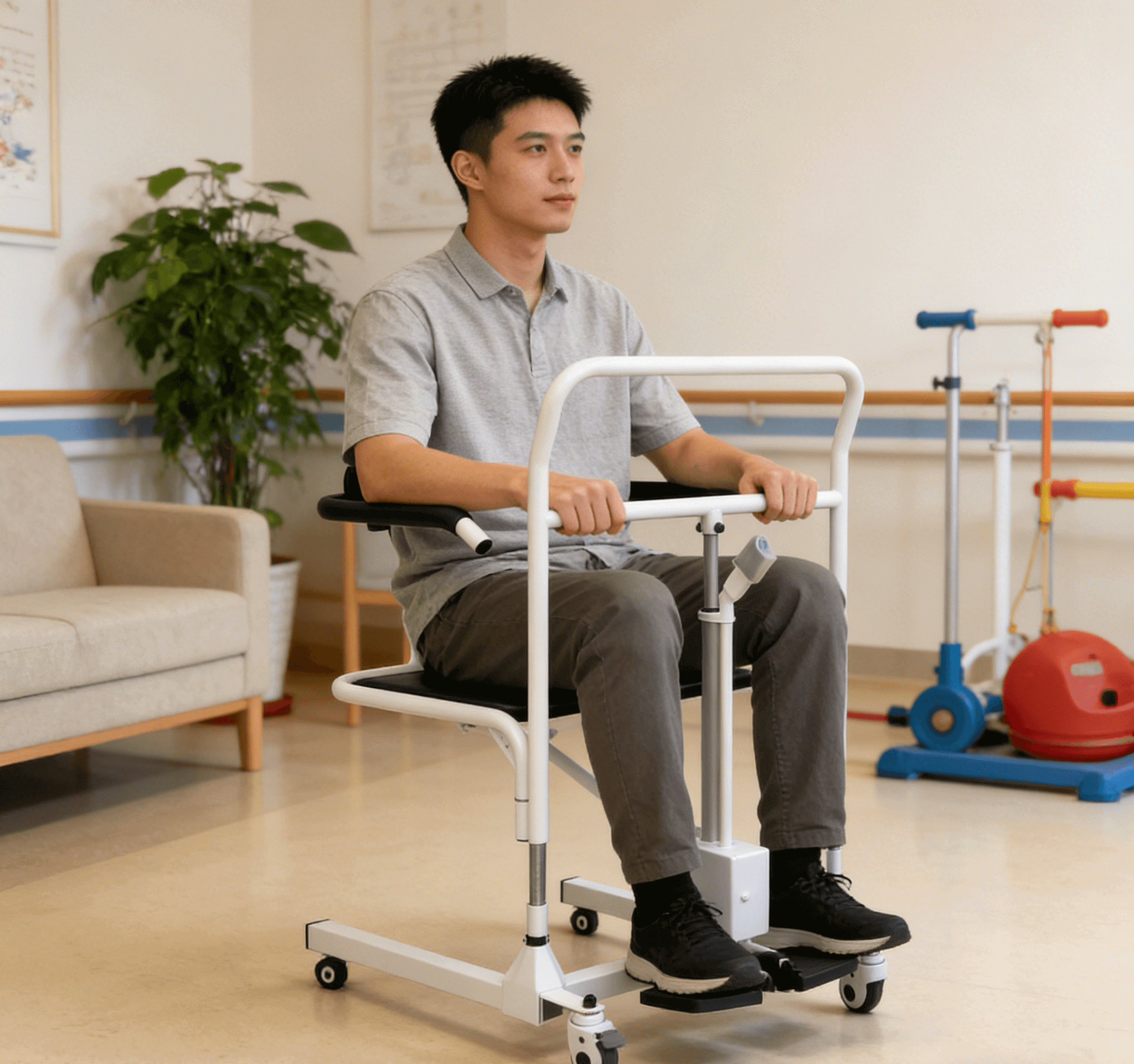
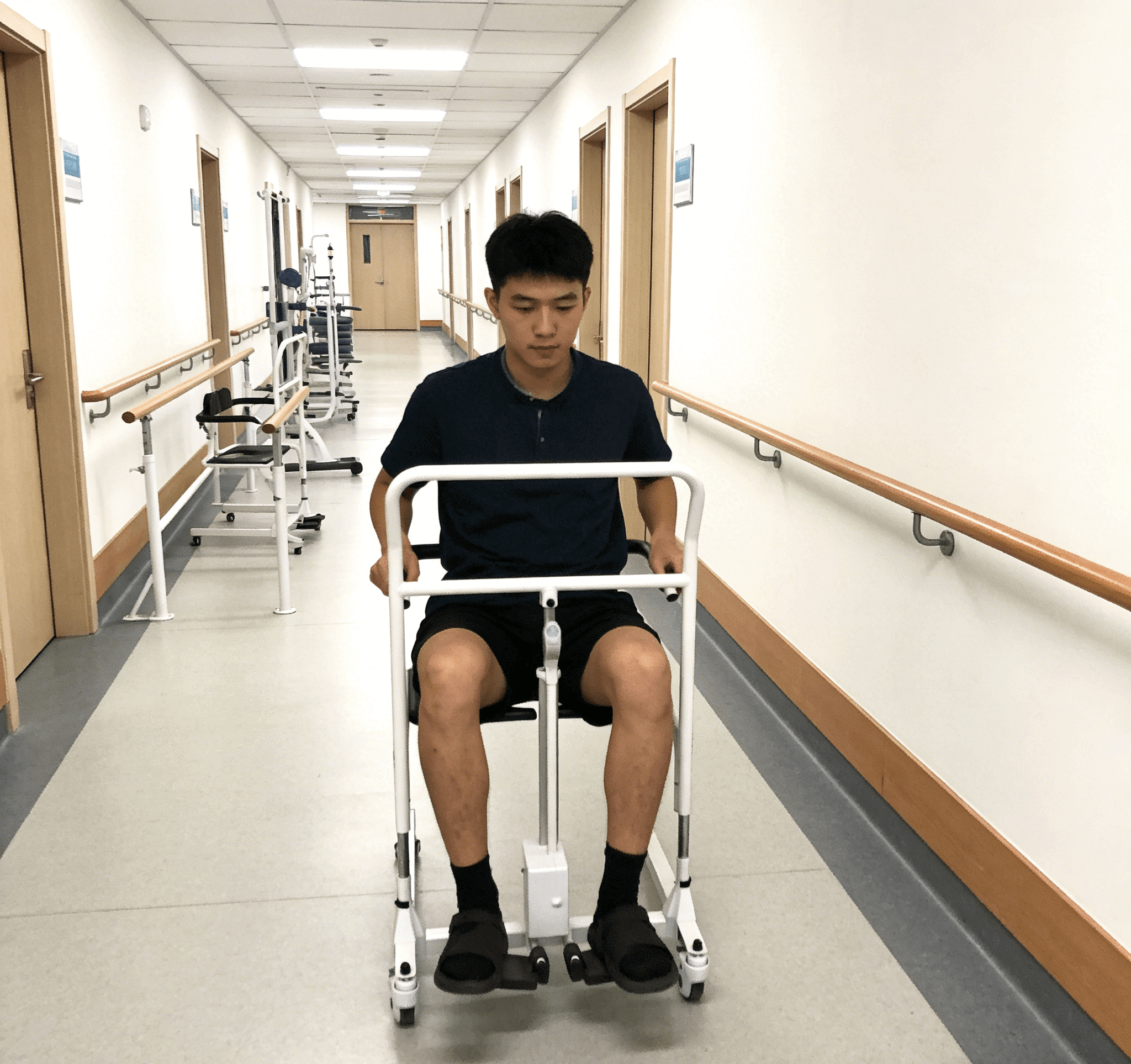
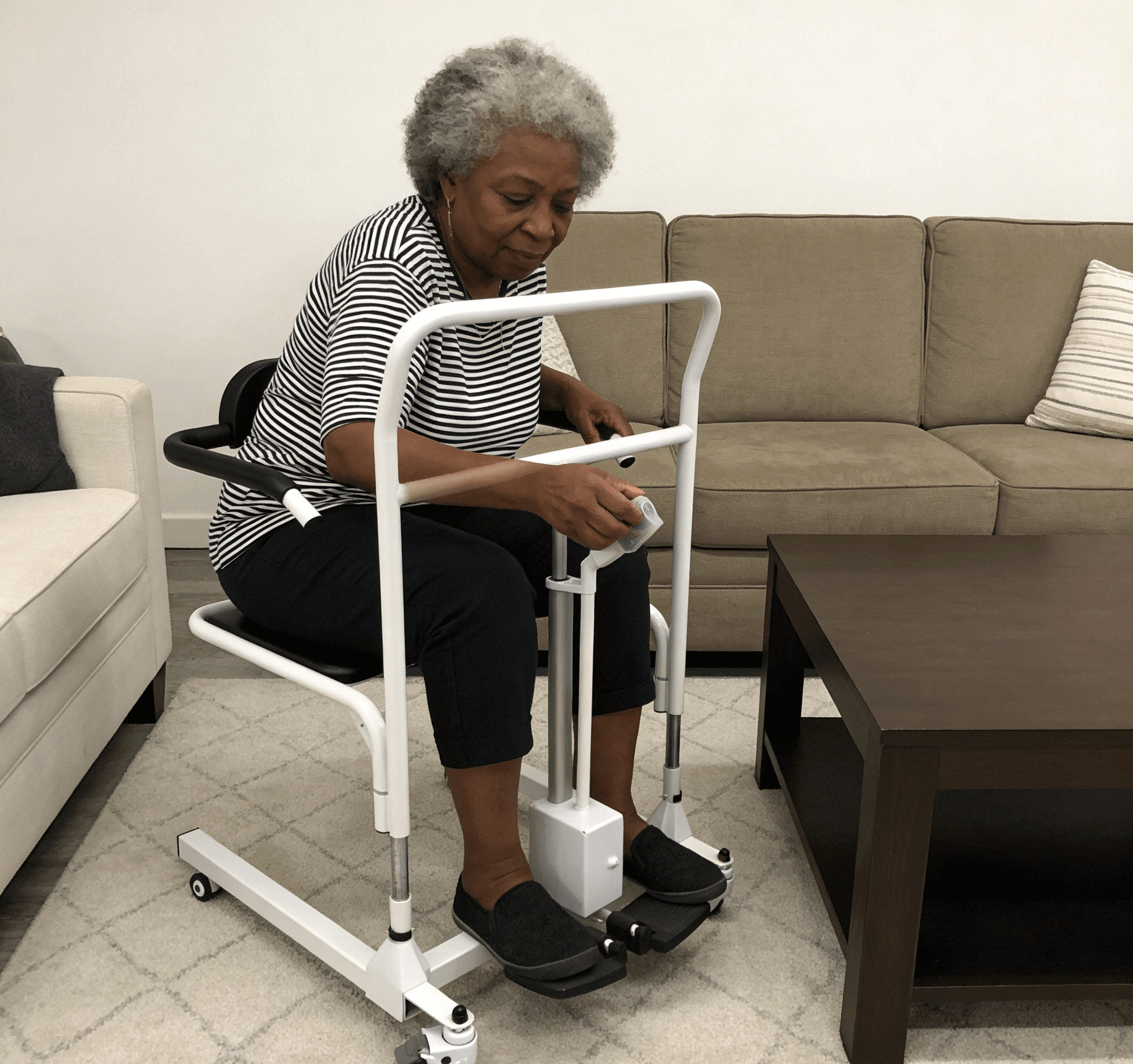
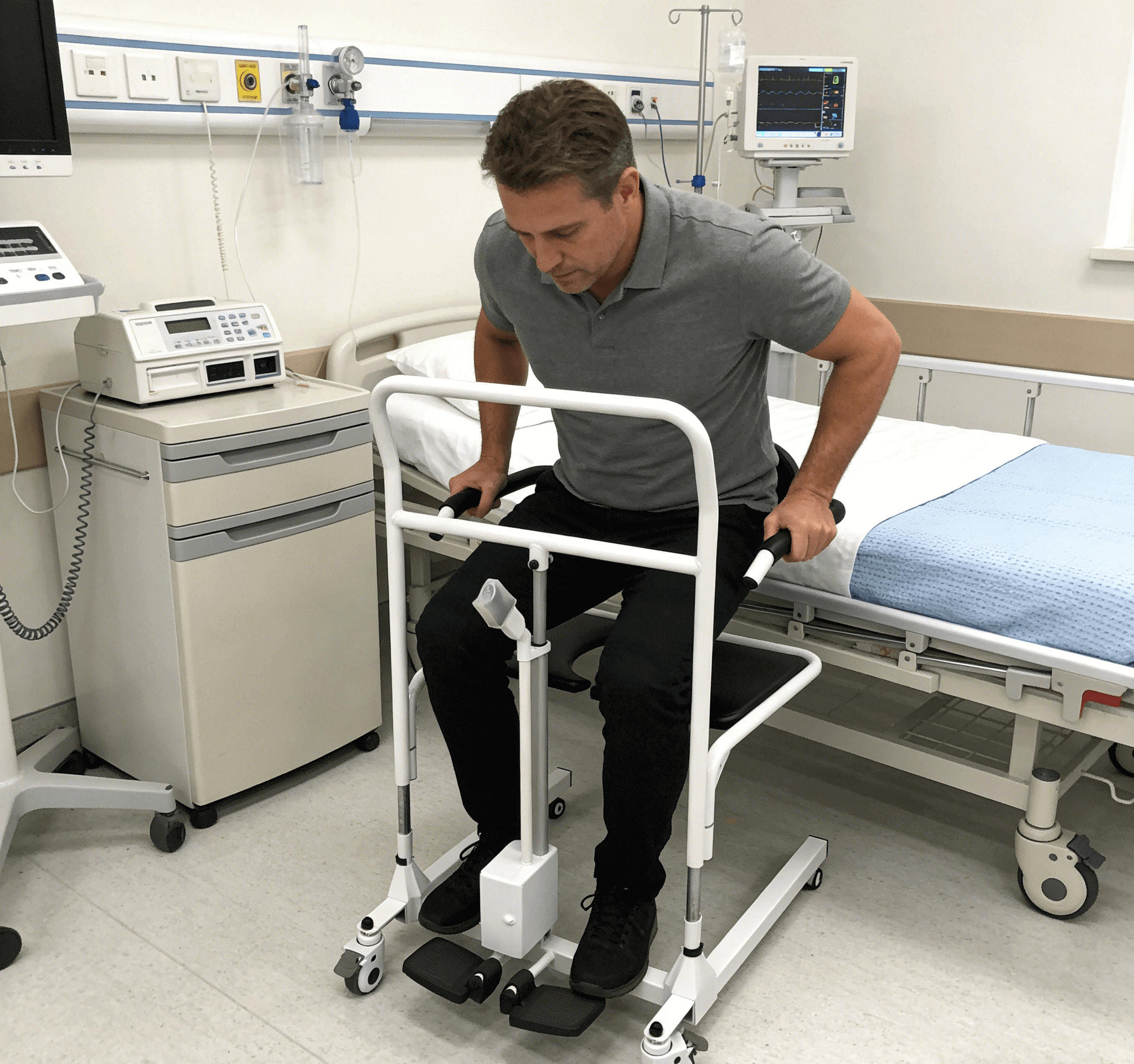
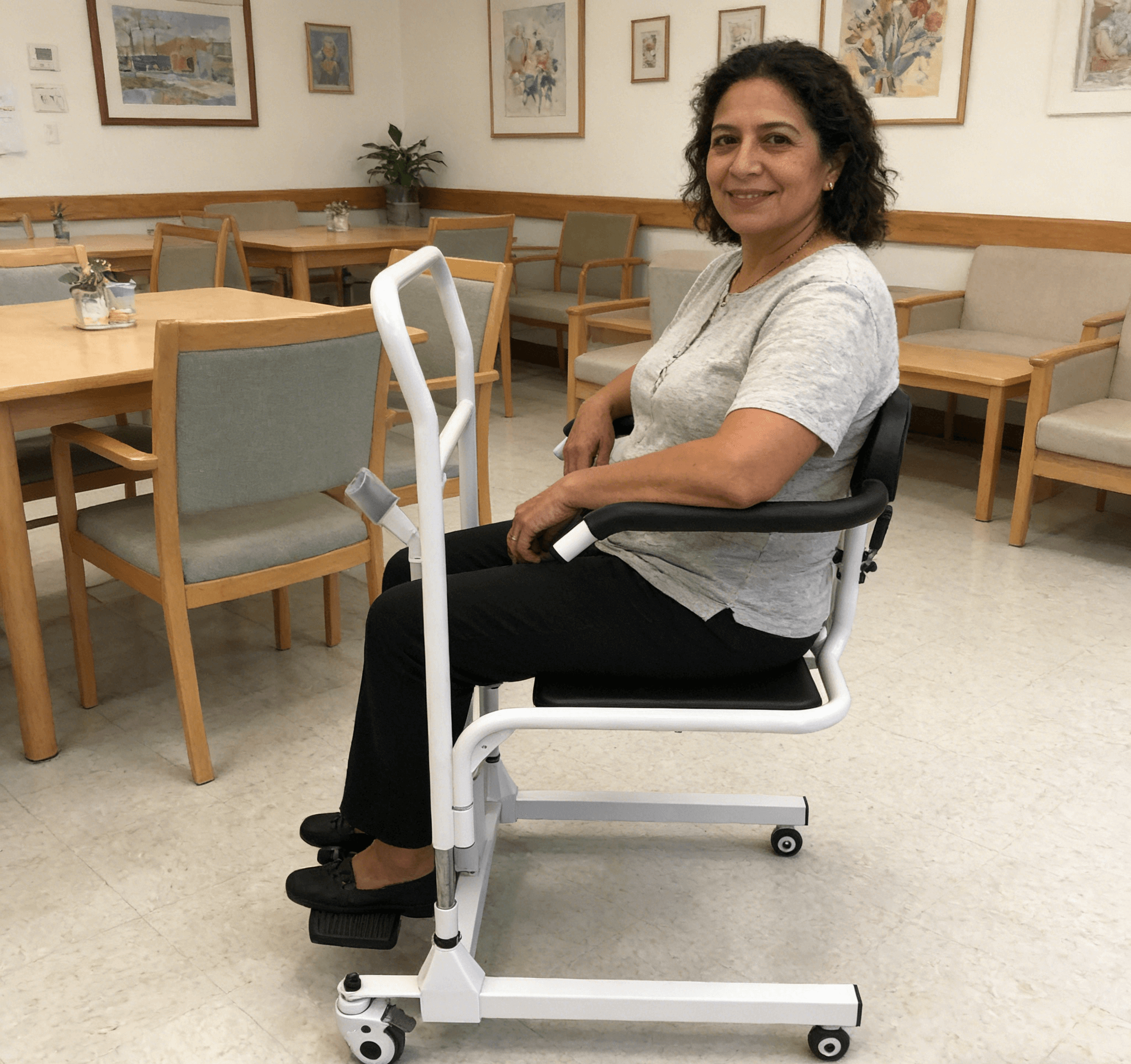
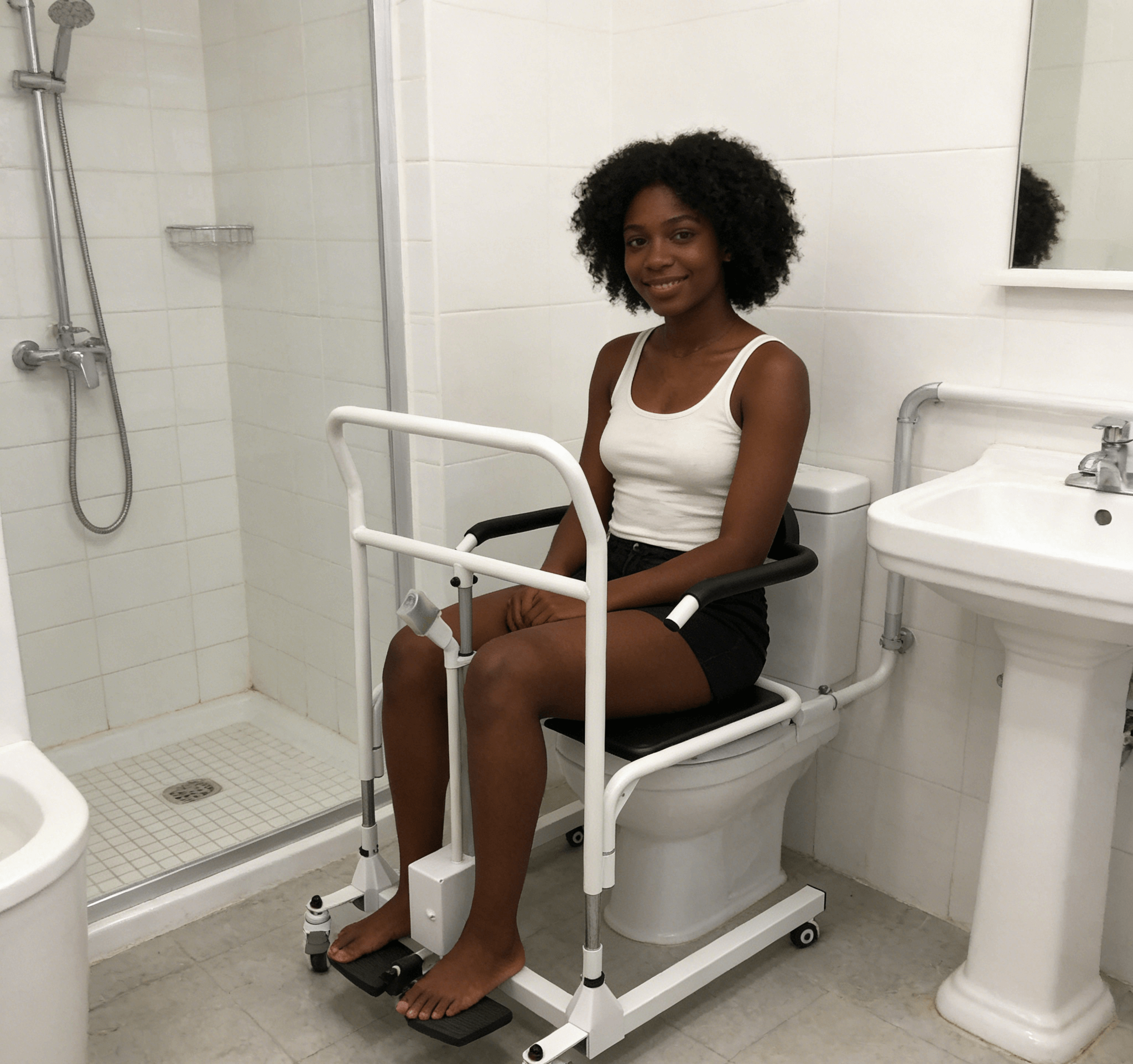
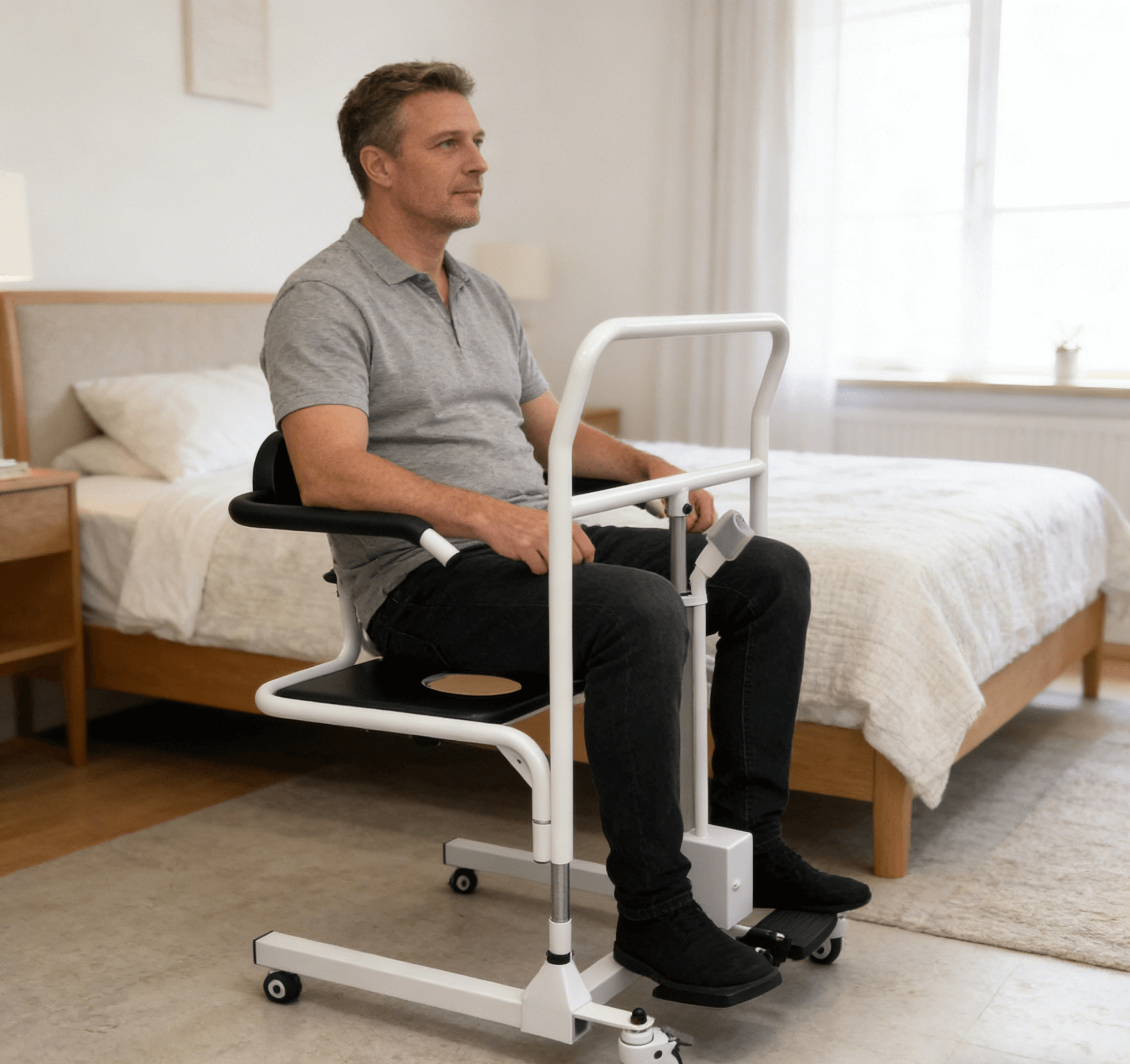
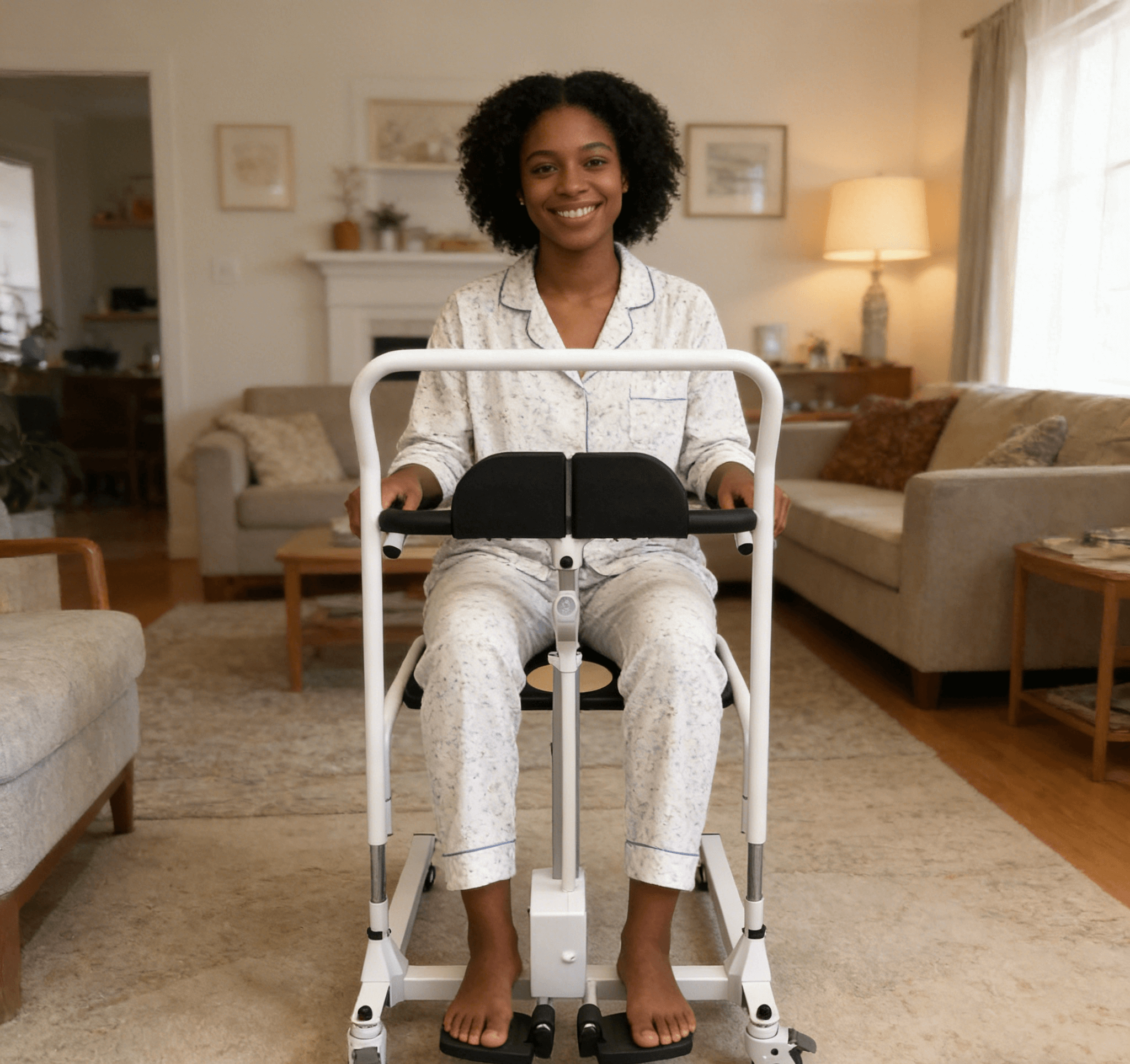
In the field of patient transfer, the electric Hoyer Lift represents a significant leap from manual labor to technical assistance. Powered by electricity, it completely eliminates the need for caregivers to manually lift patients, serving as a key device that protects caregivers’ back health while providing users with a smooth and comfortable experience.
Why Choose an Electric Lift? Core Advantages
Ultimate Labor Savings to Protect Caregivers
Fundamental Advantage: Electric lifts complete all lifting and lowering operations with the press of a button; caregivers only need to guide the direction. This fundamentally prevents back strain, sprains, and other musculoskeletal injuries caused by repetitive lifting, making it a health safeguard for professional caregivers and family caregivers alike.
Unmatched Smoothness and Control
Electric motors provide uniform, controllable lifting and lowering speeds, avoiding the jolts or sudden drops that may occur with hydraulic or manual models. This delivers a safer, more comfortable "ride" experience for users—especially crucial for those with pain, spasms, or fear of transfer.
Enhanced Efficiency and Dignity
Operation is simpler and faster, making the transfer process smoother and reducing stress and awkwardness for both parties. The smooth operation also better preserves the user’s dignity.
Reduced Long-Term Risks
For scenarios requiring frequent transfers (e.g., multiple times a day), electric models are the only sustainable solution. They ensure caregivers do not become overexerted and are able to provide long-term care.
How Does an Electric Lift Work?
The core of an electric lift is a motor system powered by a rechargeable battery.
Power Source: The device is equipped with a sealed lead-acid battery or lithium battery, which is charged via a standard power outlet.
Controller: Caregivers use a handheld wired or wireless remote control to operate the motor with simple buttons (up/down).
Transmission Mechanism: The motor drives a mechanical device (such as a lead screw or gear system) to smoothly lift or lower the chain or sling connected to the boom.
Key Considerations When Choosing an Electric Lift
Battery Life and Charging
Battery Life: Understand how many complete lifting cycles the device can perform on a full charge. High-quality models should meet the needs of general household use for several days.
Charging Convenience: Look for easily accessible charging ports and develop the habit of "charging after each use" to ensure the device is always ready.
Weight Capacity
Electric models also come in standard and bariatric capacities. Be sure to choose a model with a capacity that exceeds the user’s current weight by at least 20%—this accounts for weight fluctuations and prevents motor overload.
Controller Design
Intuitiveness: The controller should be easy to understand with clearly labeled buttons.
Ergonomics: It should fit comfortably in the hand and allow one-handed operation.
Cable Management: For wired controllers, the cable should be long enough and resistant to tangling.
Safety Features
Emergency Stop Button: The controller should have a prominent emergency stop button for unexpected situations.
Manual Release Valve: This is an essential safety feature! If the battery is completely dead or the motor fails, this valve allows the user to be safely lowered manually.
Overload Protection: Advanced models have built-in sensors that automatically stop operation if overloaded.
Base and Mobility
Although lifting is electric, the device still needs to be pushed manually. Check if the casters move flexibly, especially on carpeted surfaces. The base must provide sufficient stability when fully extended.
Electric vs. Hydraulic: Why Electric Is the Better Choice
While hydraulic lifts are cheaper, electric models outperform them in nearly every aspect:
Aspect Electric Lift Hydraulic Lift
Labor Requirement No physical effort needed Requires repeated handle pumping by caregivers
Smoothness Superior Less smooth
Caregiver Health Eliminates physical strain completely May cause strain from repeated pumping
Conclusion: For any scenario requiring long-term or frequent lift use, electric models are the worthwhile investment of choice.
Best Practices and Maintenance Tips
Regular Charging: Do not let the battery fully discharge. Even if used infrequently, it is recommended to perform a full charge-discharge cycle monthly to maintain battery health.
Familiarize with the Manual Release Valve: All caregivers must learn and practice the manual lowering process together before using the device for the first time. This is the most important safety drill.
Keep It Clean: Clean the device surface and controller according to the instruction manual to prevent liquid ingress.
Professional Maintenance: If there is any abnormal noise, unsmooth movement, or electrical issues, stop using the device immediately and contact an authorized service provider.
Conclusion
The electric Hoyer Lift is more than just an upgraded option—it embodies the standards of modern caregiving. Through technology, it transforms a high-risk manual task into a safe, controllable routine operation. Investing in an electric lift is an investment in the long-term health and work sustainability of caregivers, as well as in providing users with the highest standards of comfort and safety. When making a choice, be sure to experience the operation firsthand, and ensure all potential users receive comprehensive training—allowing this powerful tool to truly deliver on its revolutionary value.