Category: Power Wheelchair
Posted by 2025-12-20 11:12
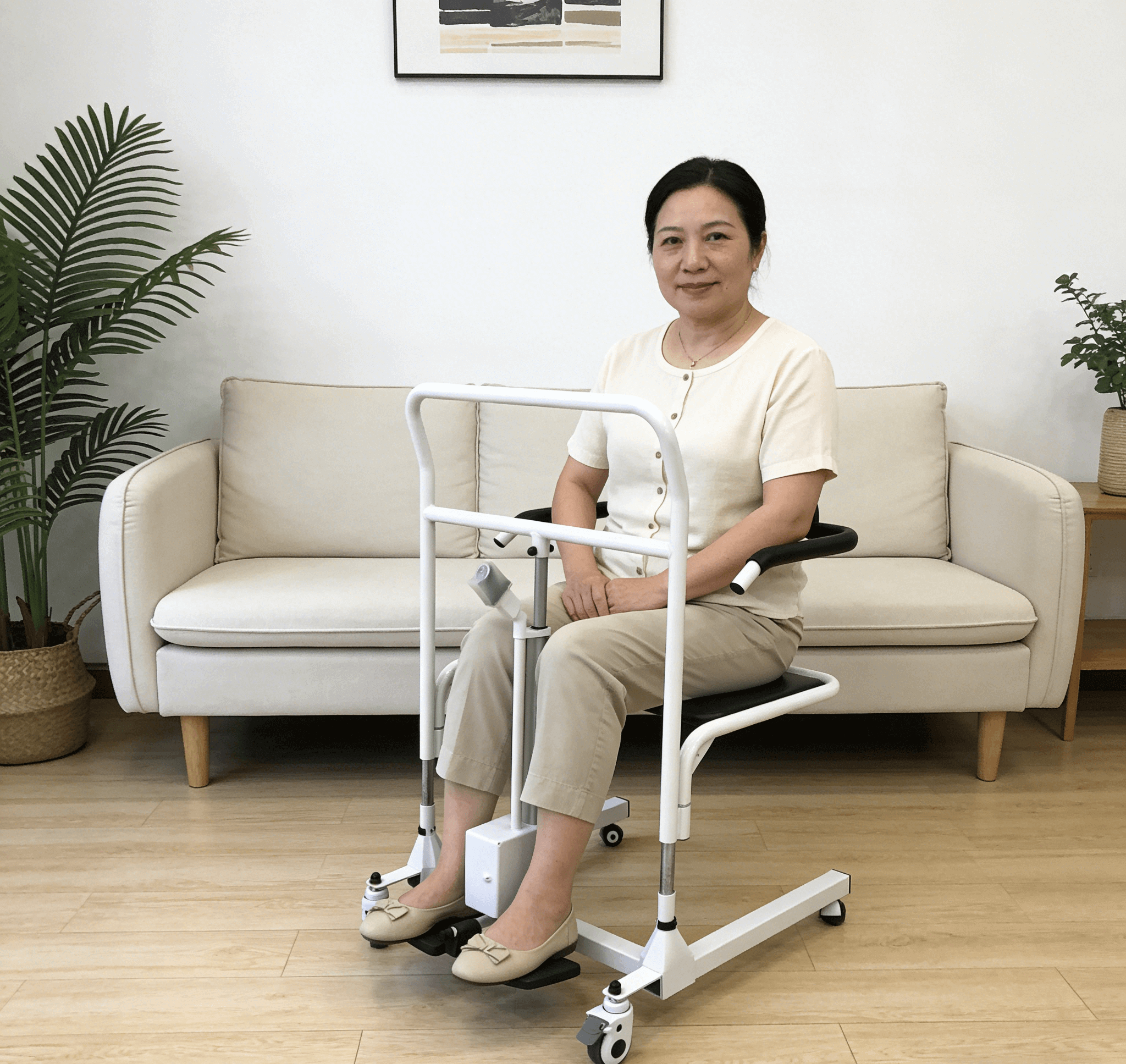
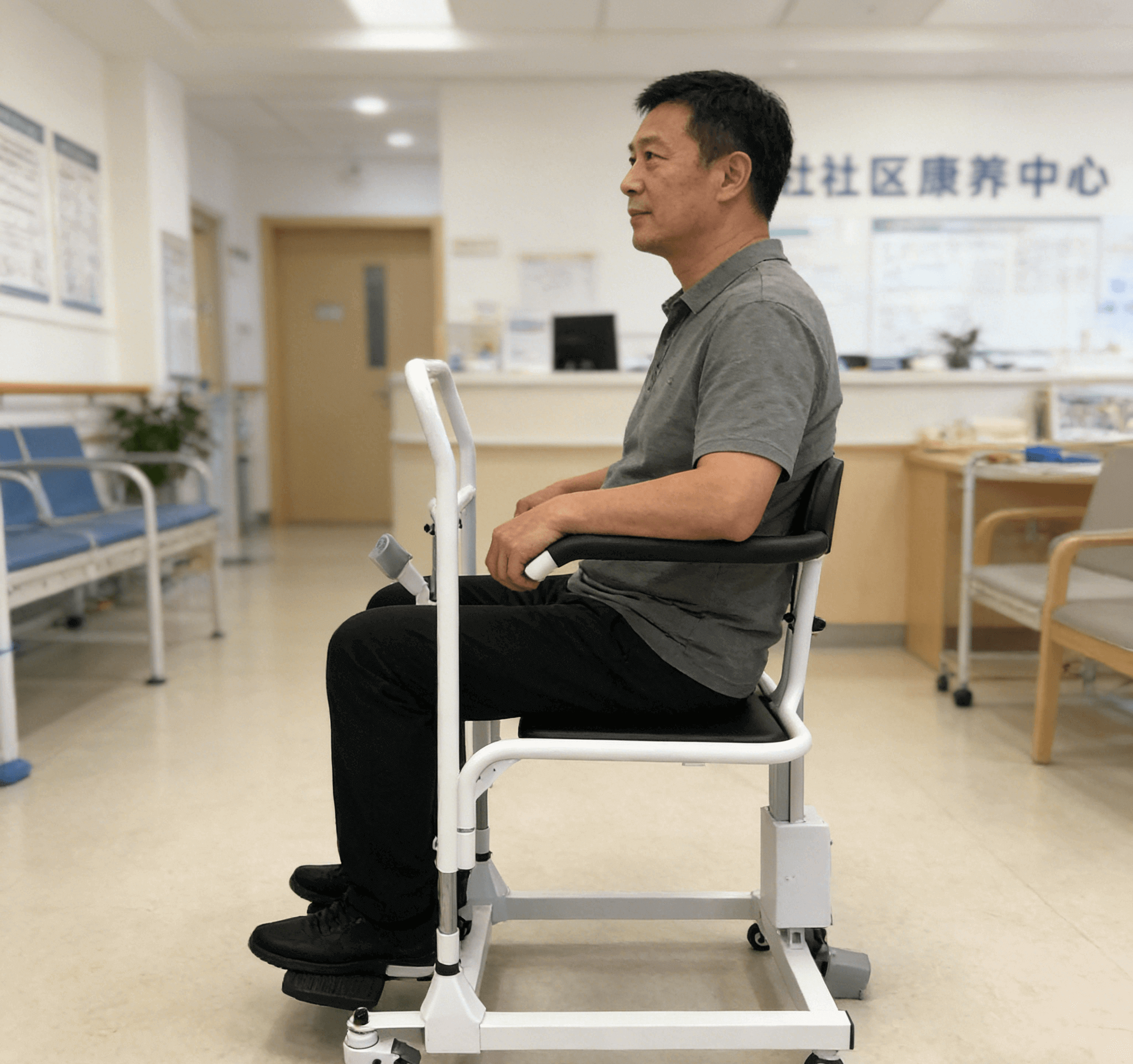
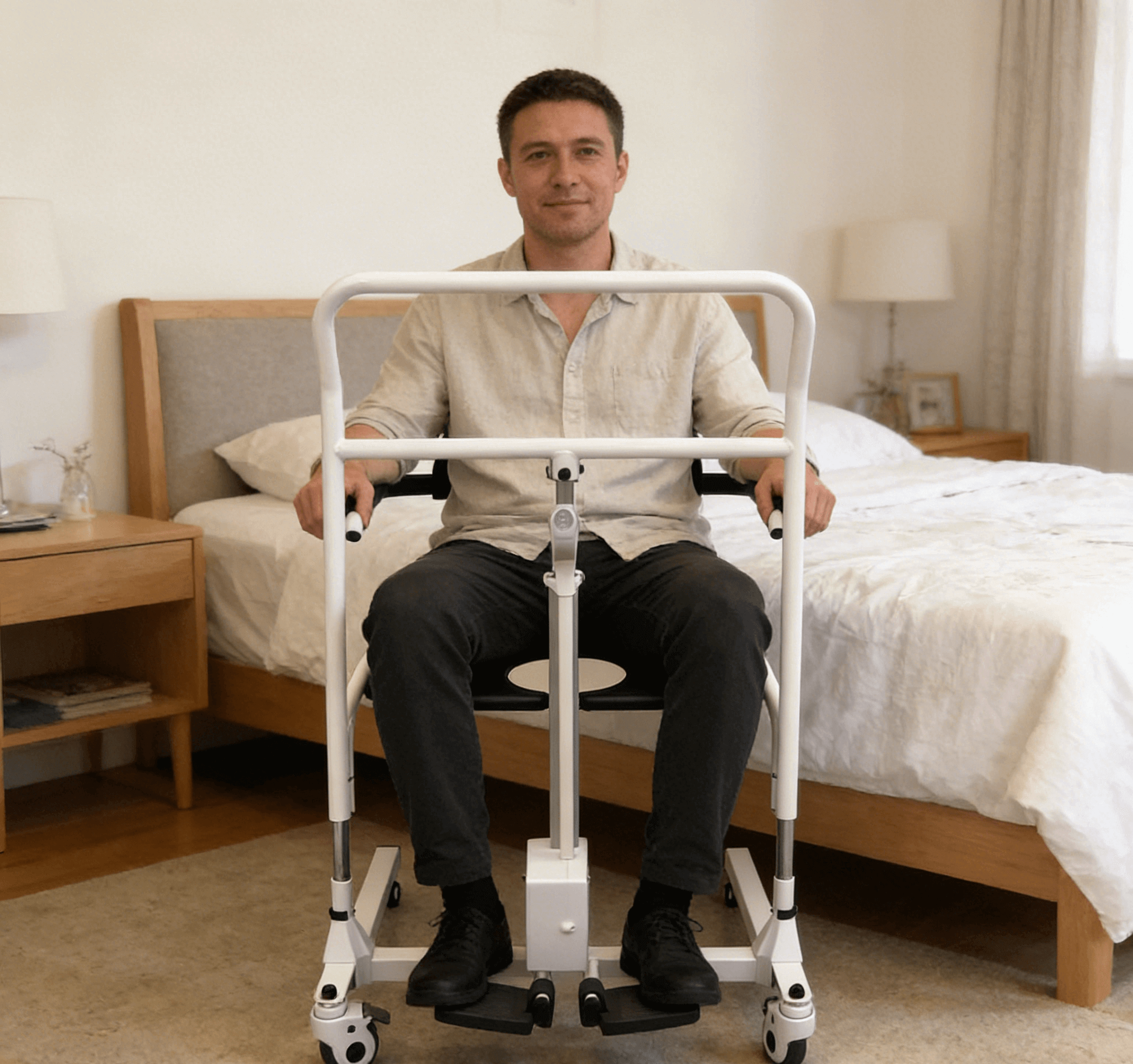
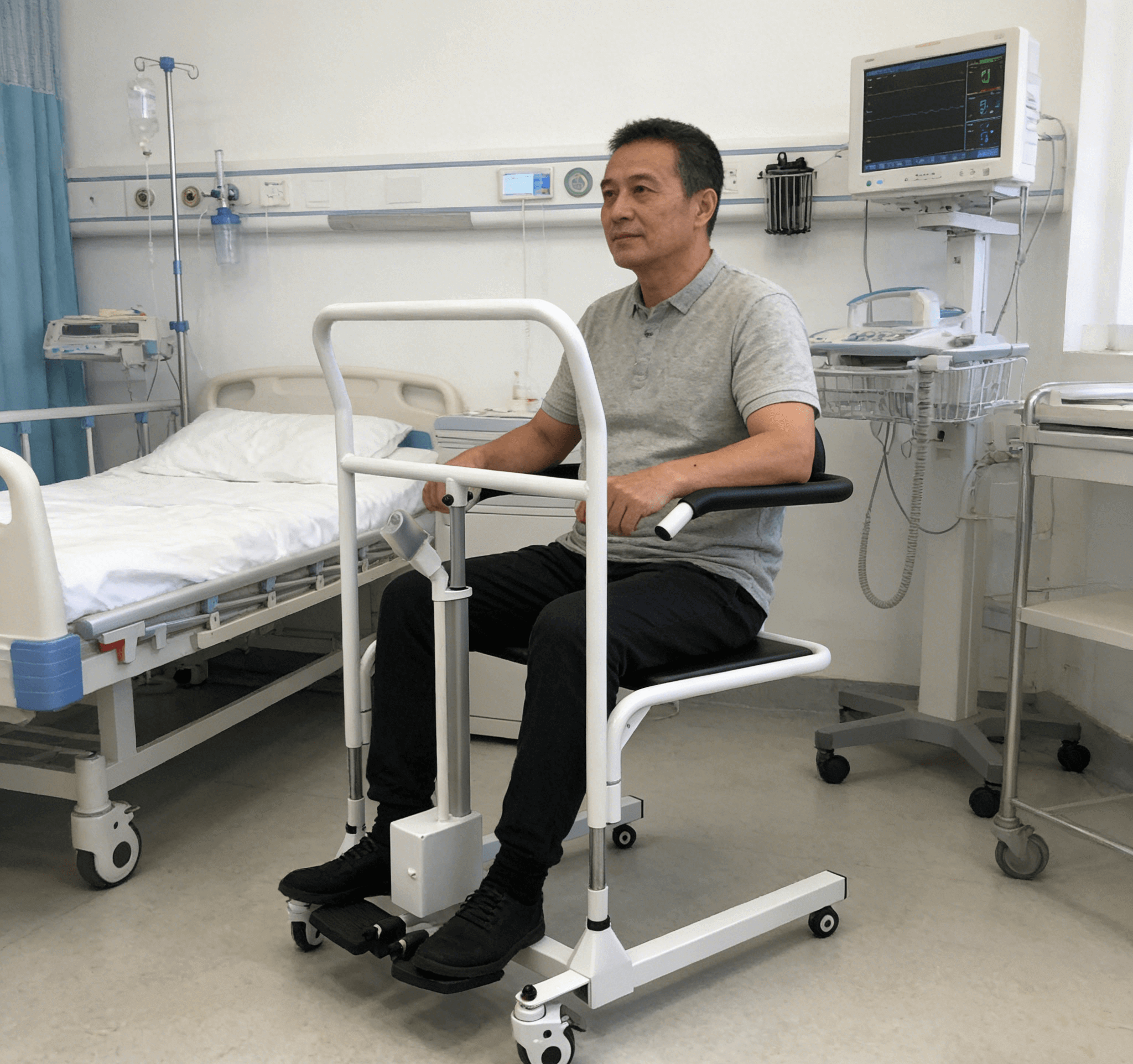
hoyer lift for commode
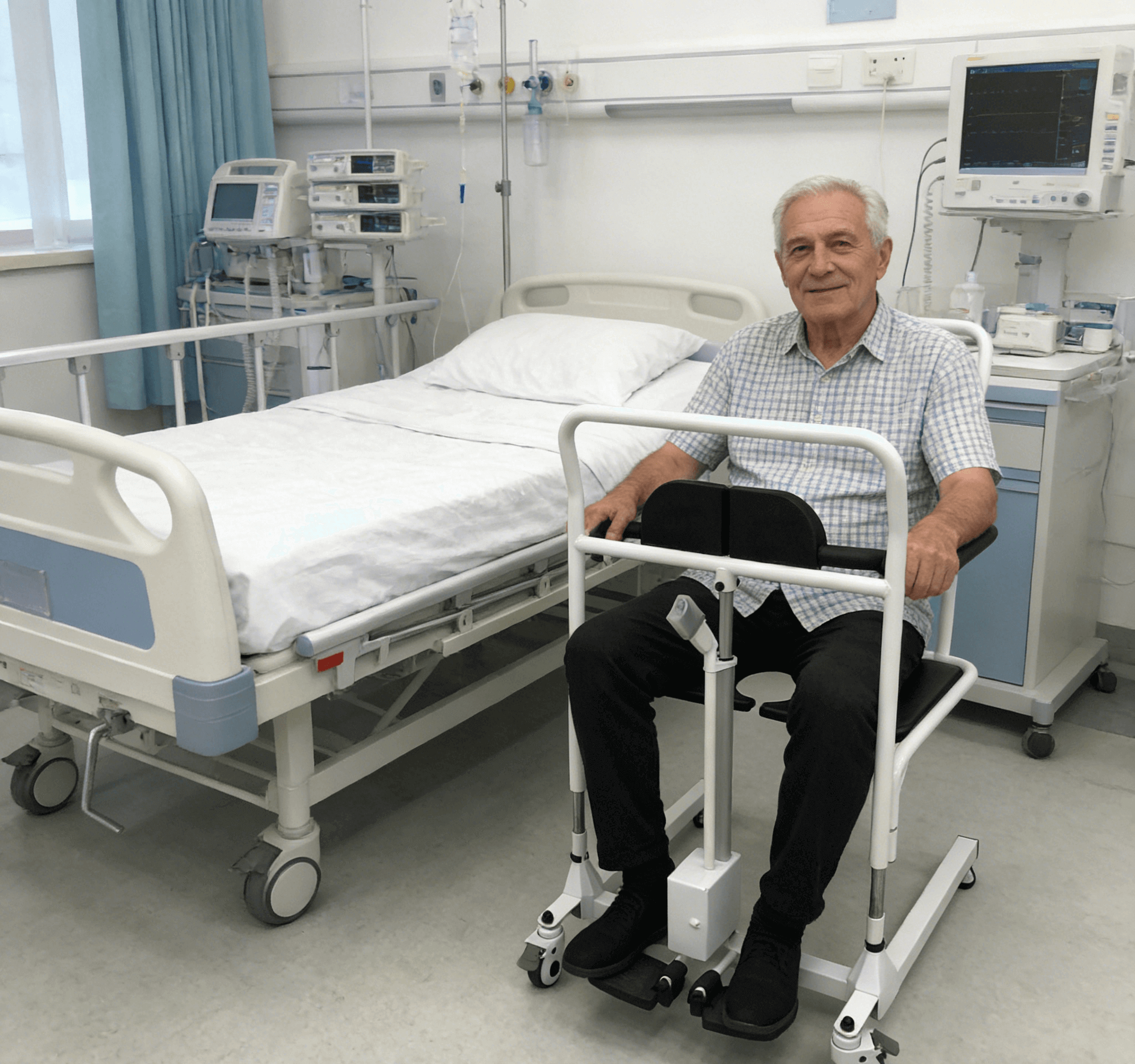
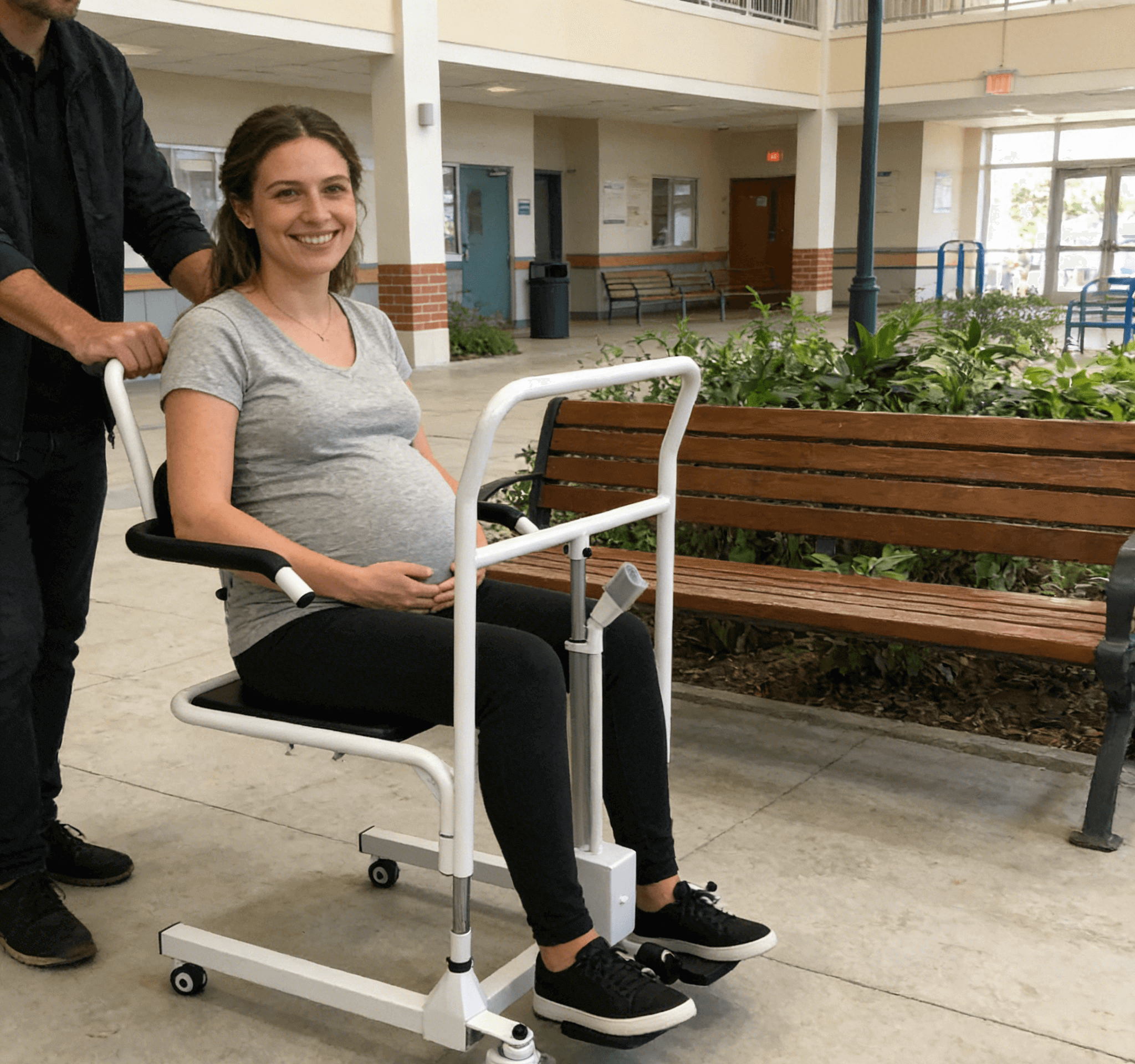
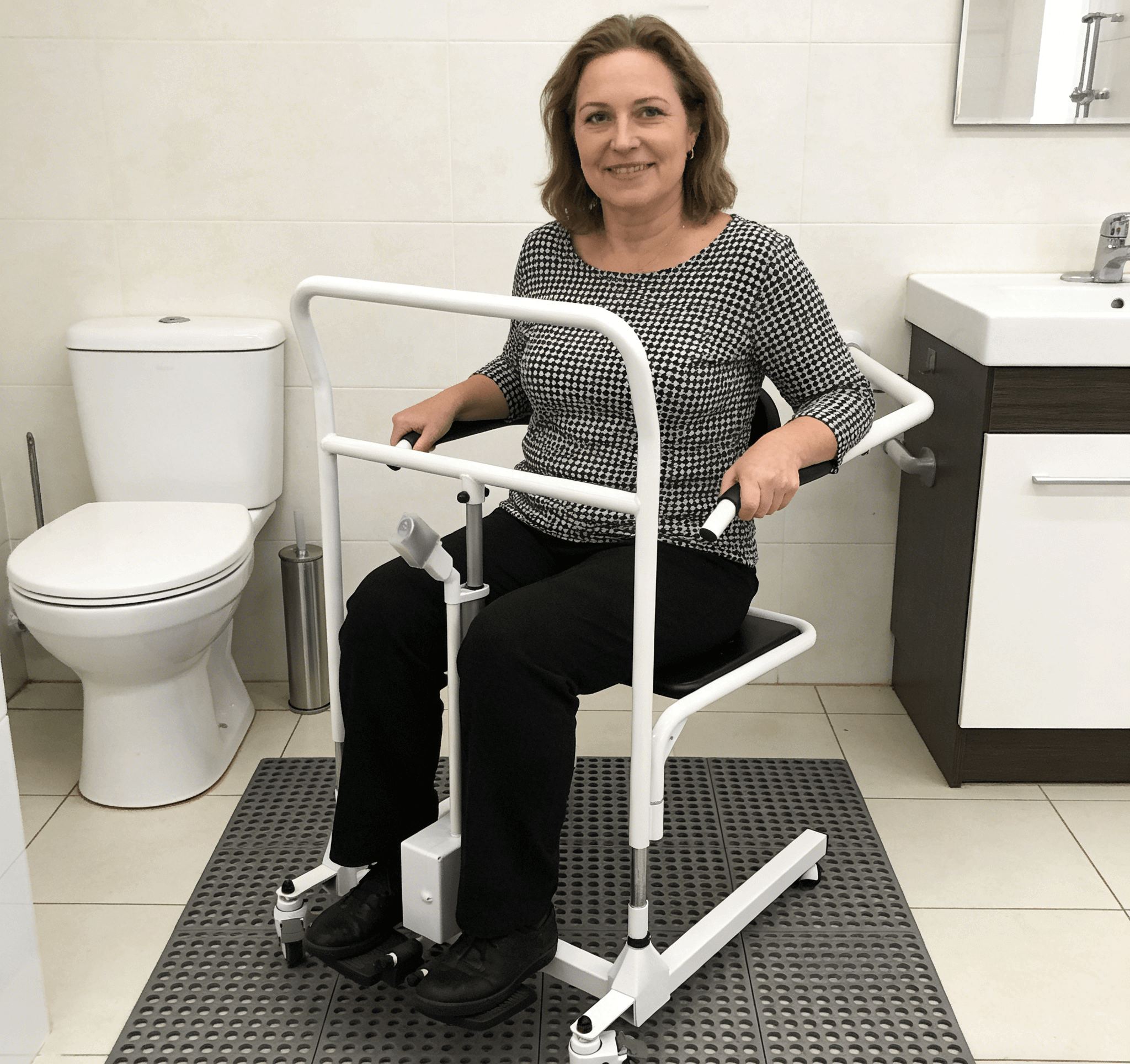
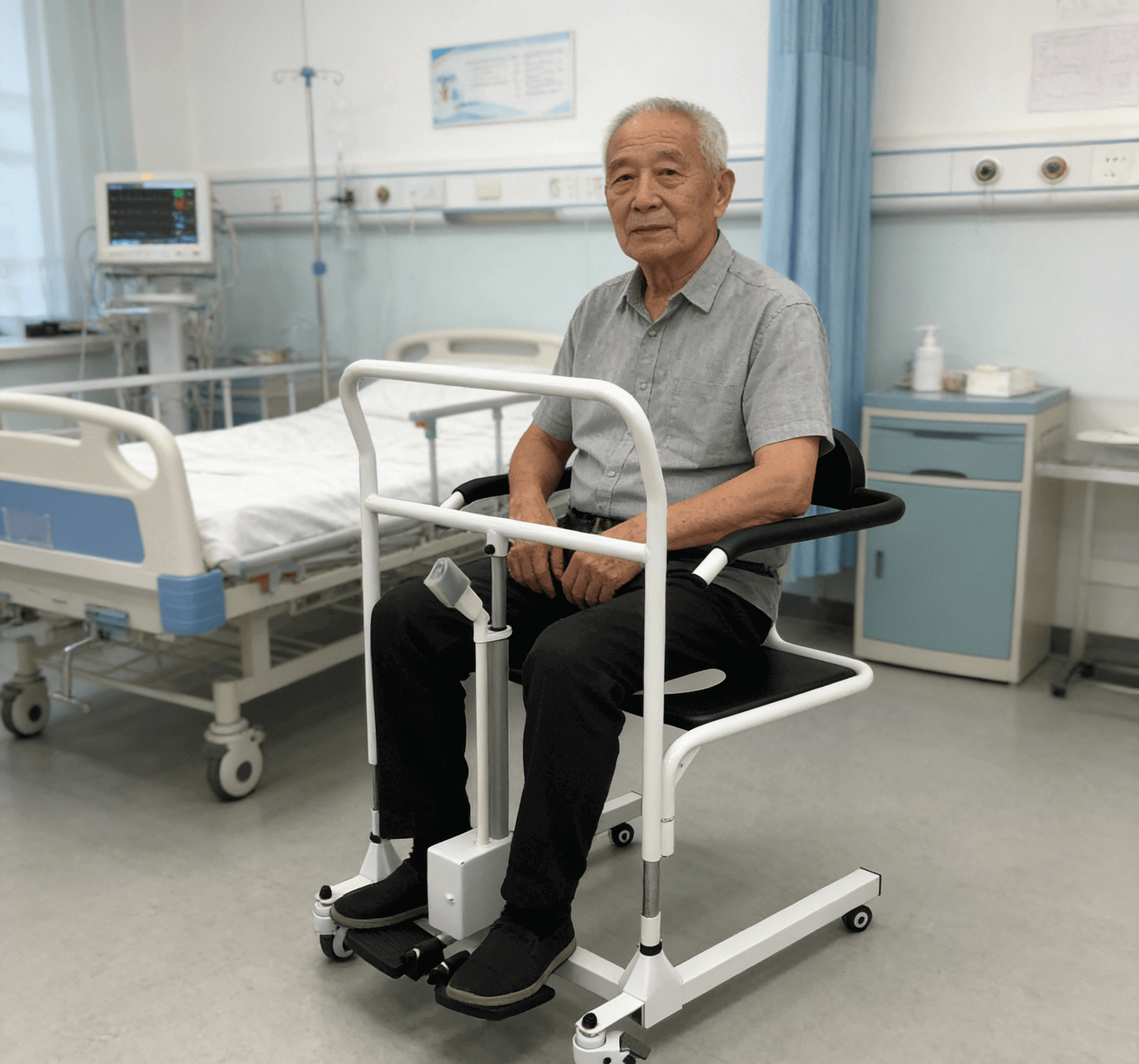
Hoyer Lift for Commode Chairs: Safeguarding Safety and Dignity During Toileting Transfers
For patients with complete disability or severe mobility impairments, toileting is not only a physiological need but also a core daily activity closely tied to dignity. However, the transfer process from bed to a commode chair (or toilet) is often fraught with challenges: a heavy body, stiff joints, fragile skin, and the narrow, humid environment of the bathroom—all of which can turn each toileting session into a high-risk operation.
In such cases, a Hoyer Lift is more than just a labor-saving tool; it is a key support for achieving safe, independent, and dignified toileting. This article will detail how to correctly, efficiently, and gently apply a Hoyer Lift to commode chair transfer scenarios.
I. Why Is a Hoyer Lift Particularly Needed for Toileting Transfers?
Compared to bed-to-wheelchair transfers, toileting transfers present unique difficulties:
Narrow space: Bathrooms are usually less than 2 square meters, leaving little room for maneuvering;
Slippery floors: Moisture and splashes increase the risk of slipping;
High posture requirements: Precise alignment with the commode seat is necessary to avoid sideway falls;
Sensitivity to privacy: Patients may feel anxious due to exposure and resist cooperation.
For the following groups, a Hoyer Lift is almost the only safe option:
✅ Individuals completely unable to bear weight or stand (e.g., high-level paraplegia, advanced ALS)
✅ Those with excessive weight (>80 kg) that cannot be lifted by one person
✅ Patients with sacrococcygeal pressure sores or skin damage, who need to avoid dragging and friction
✅ Individuals at risk of osteoporosis or pathological fractures