Category: Power Wheelchair
Posted by 2025-12-22 11:12
hoyer lift for home
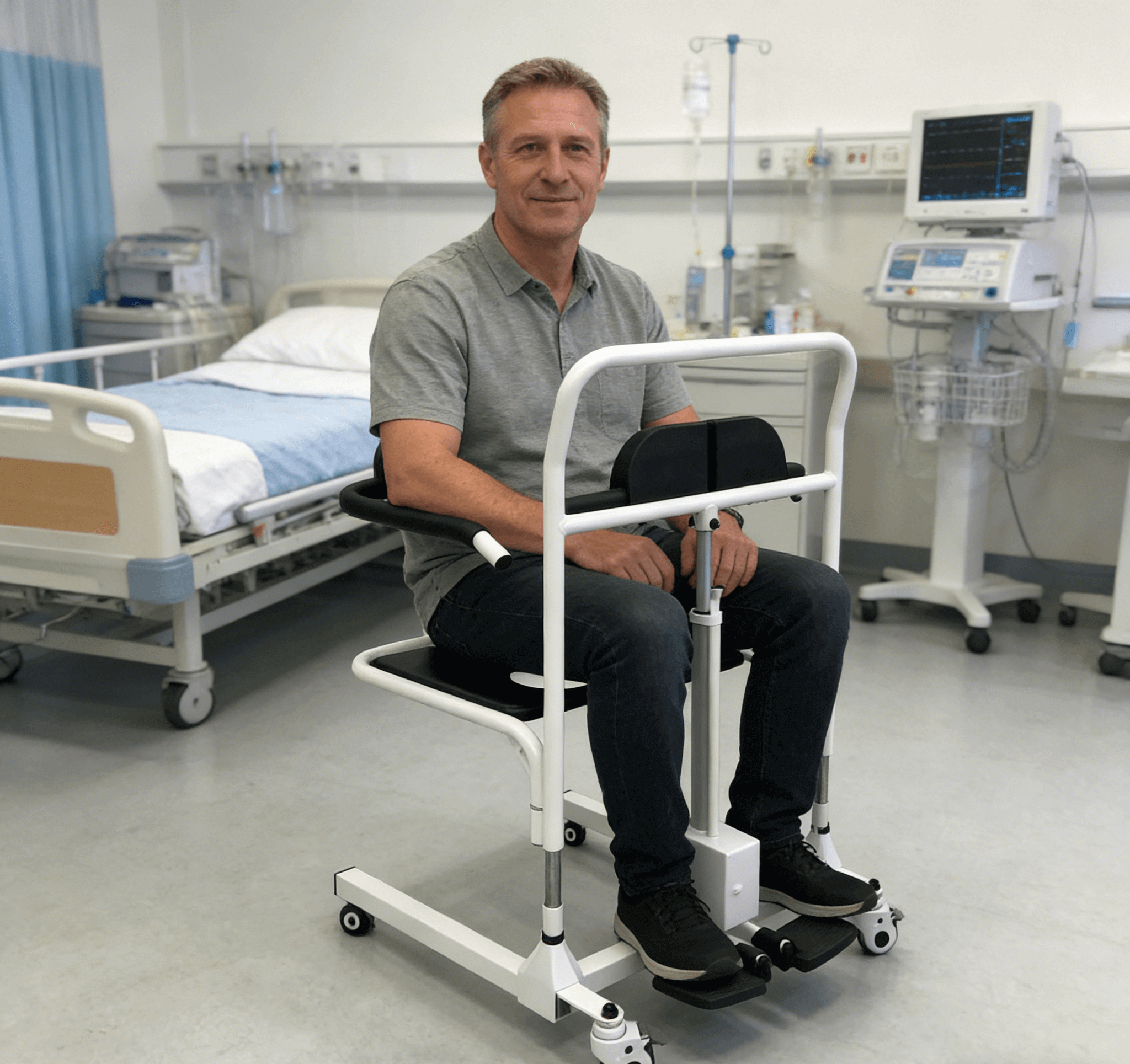
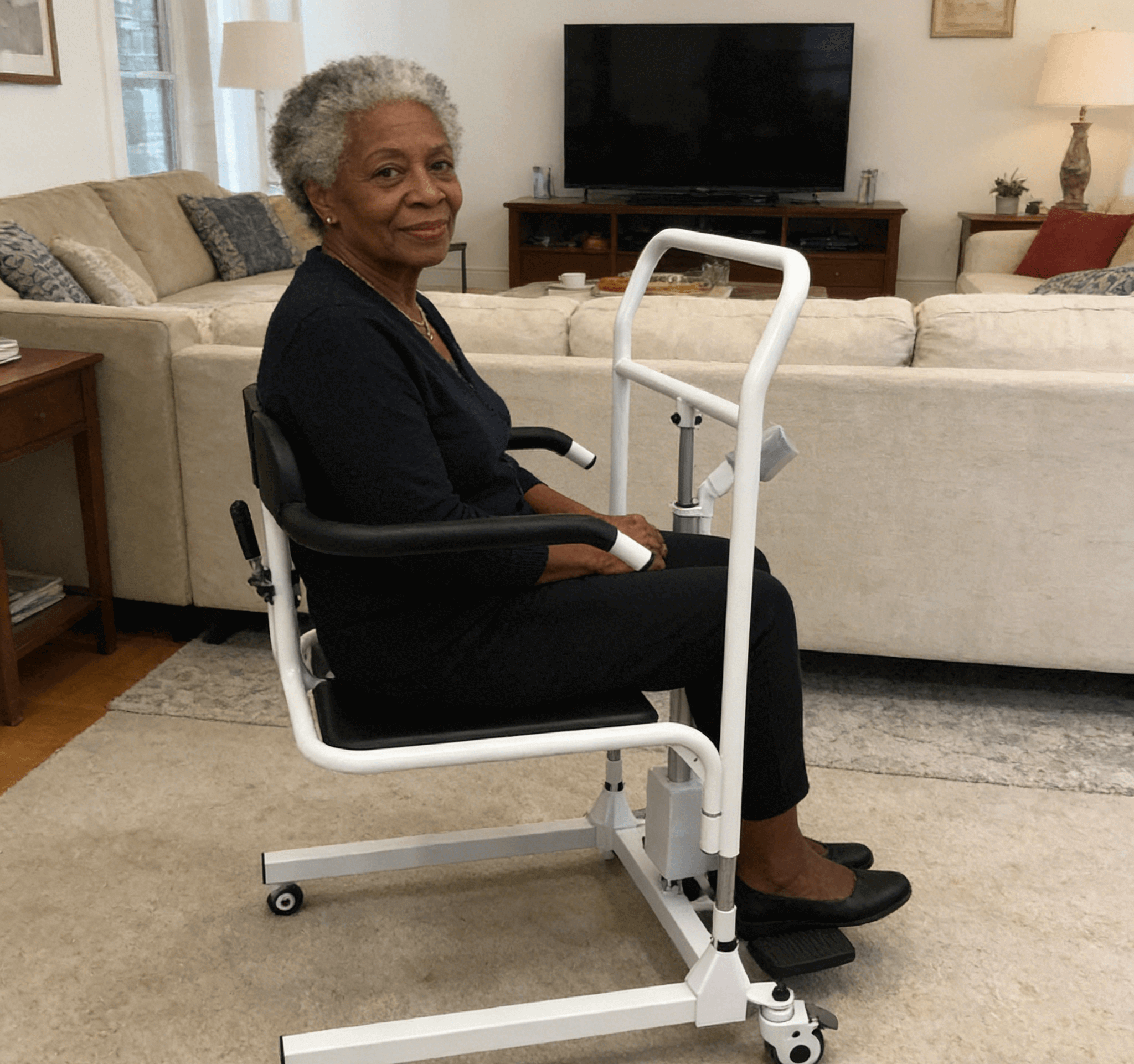
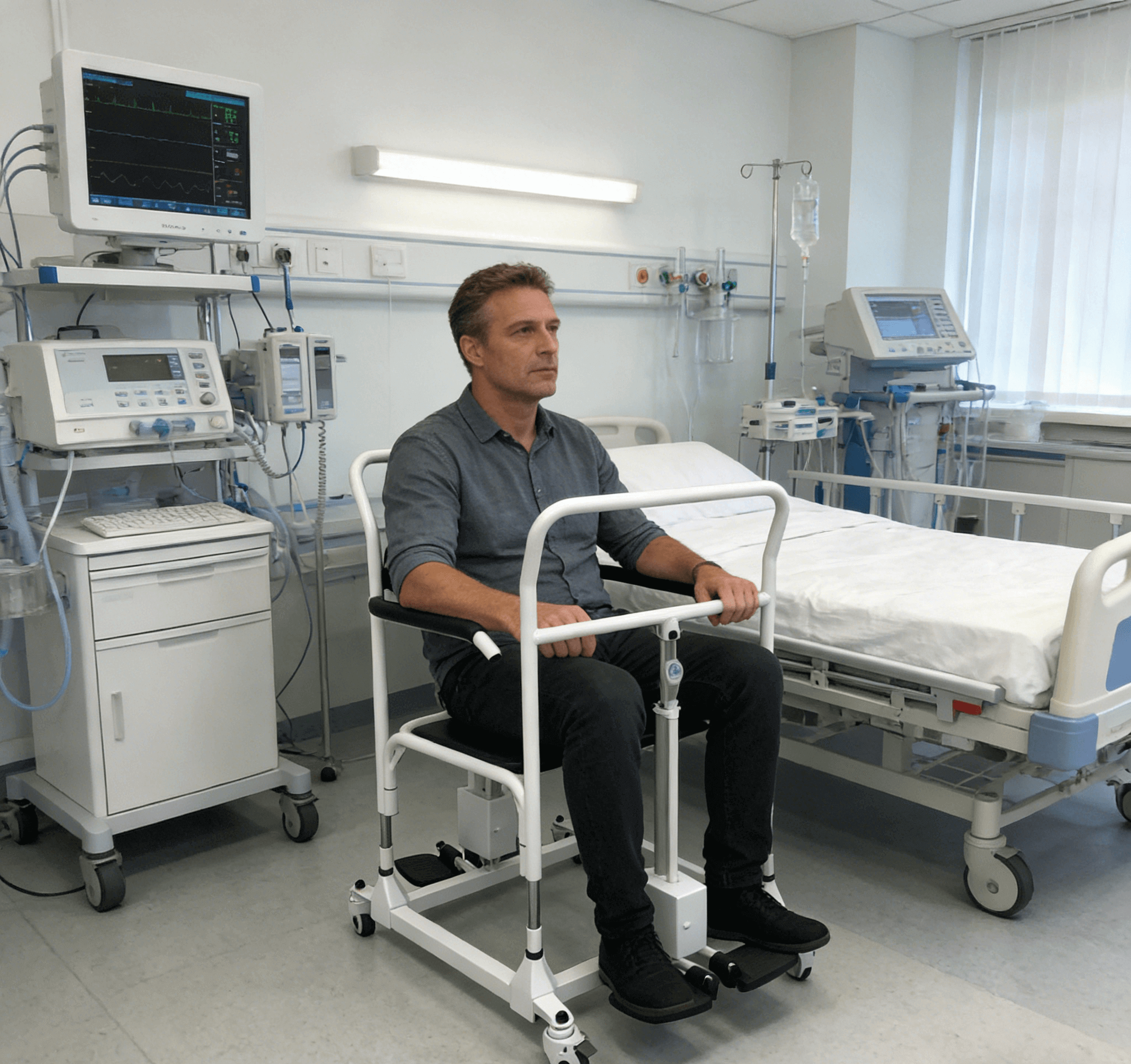
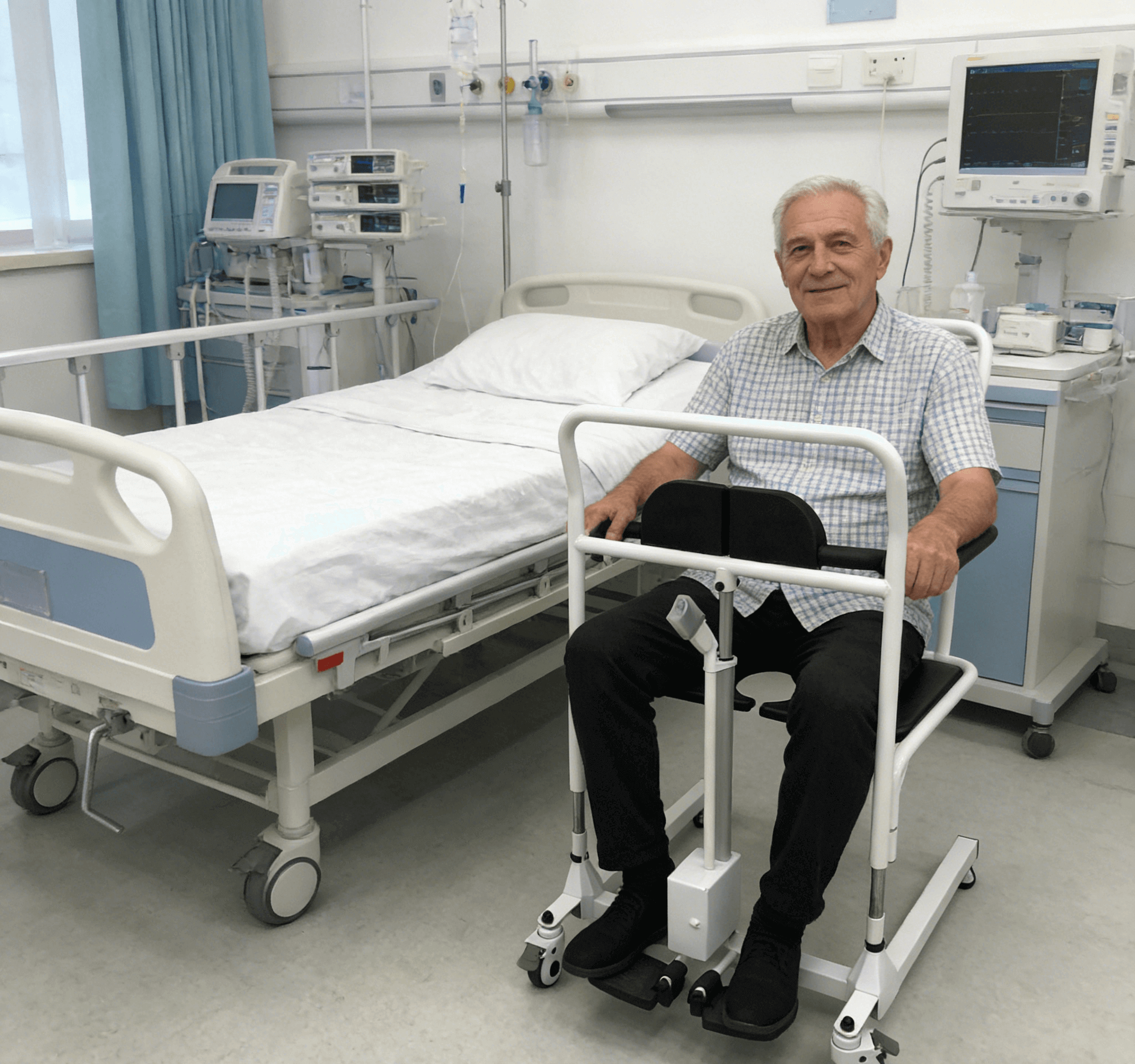
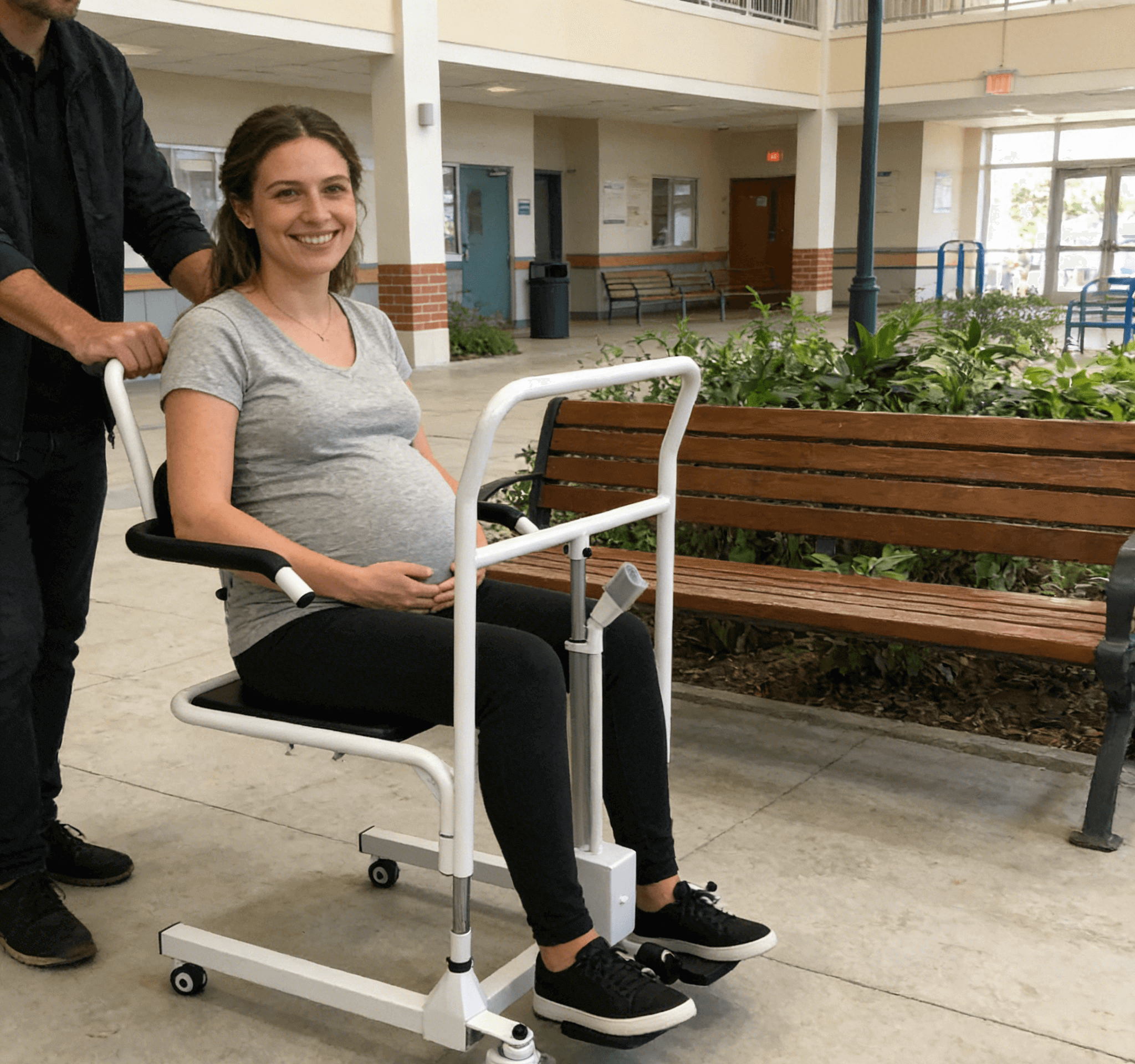
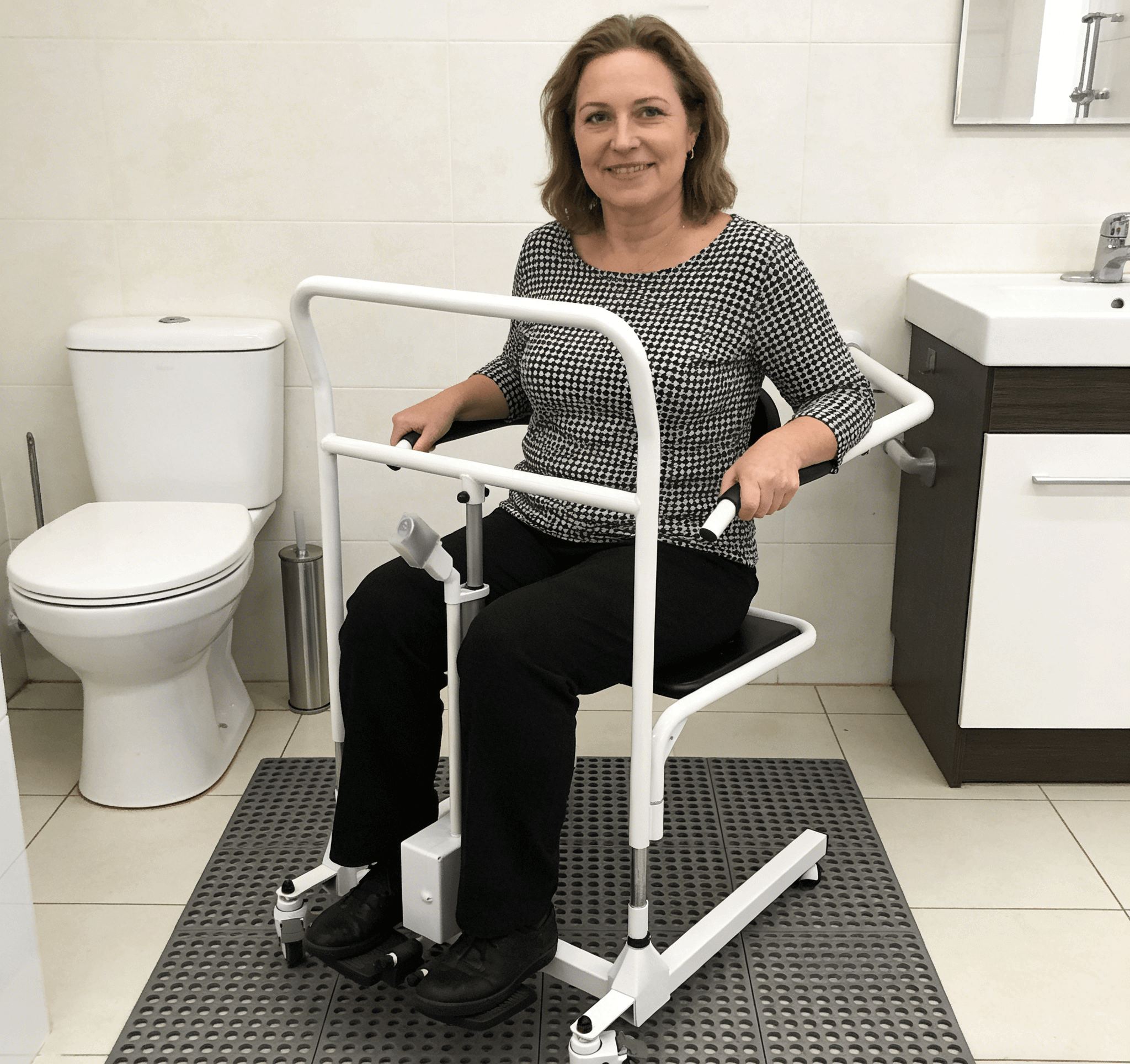
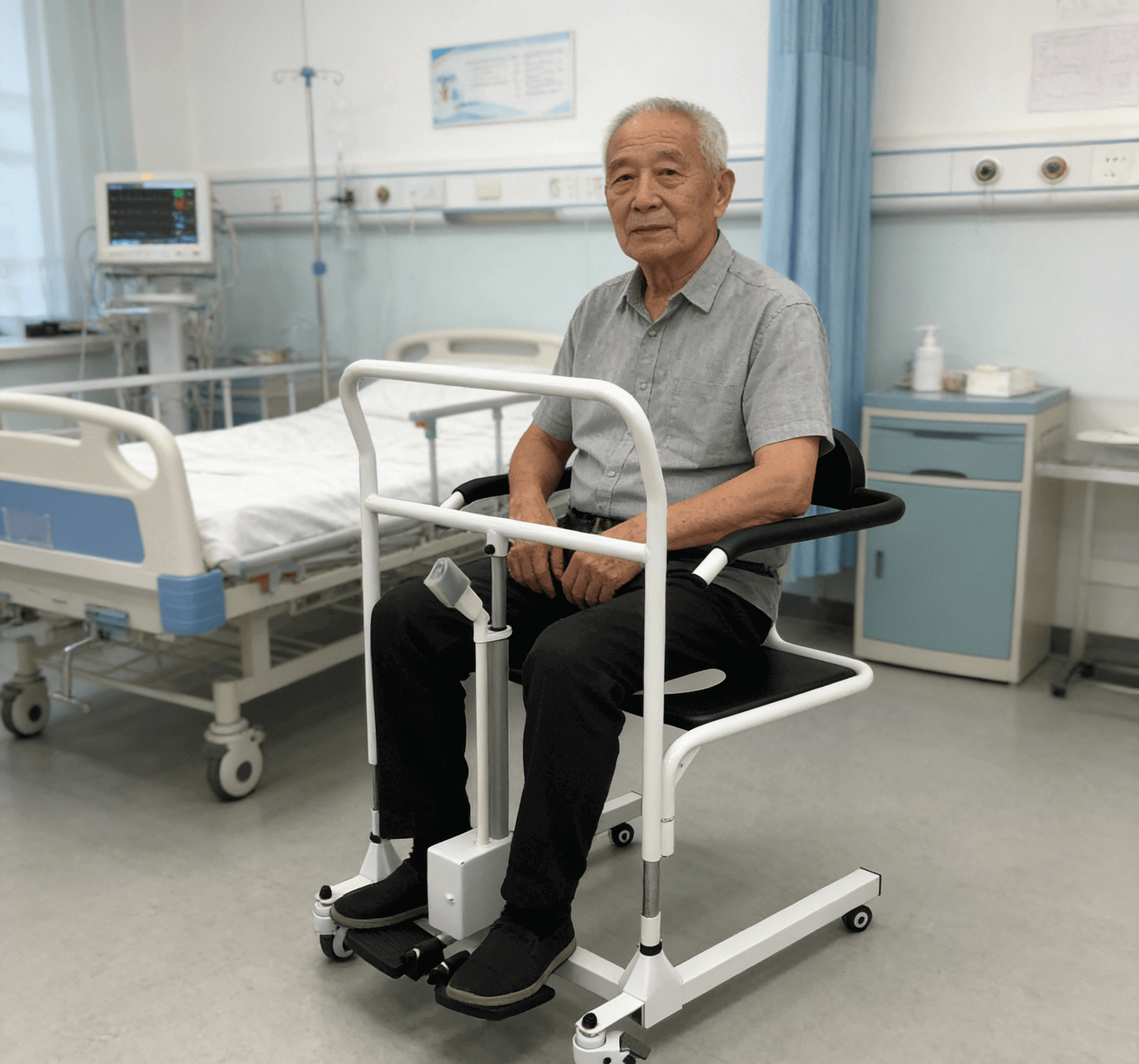
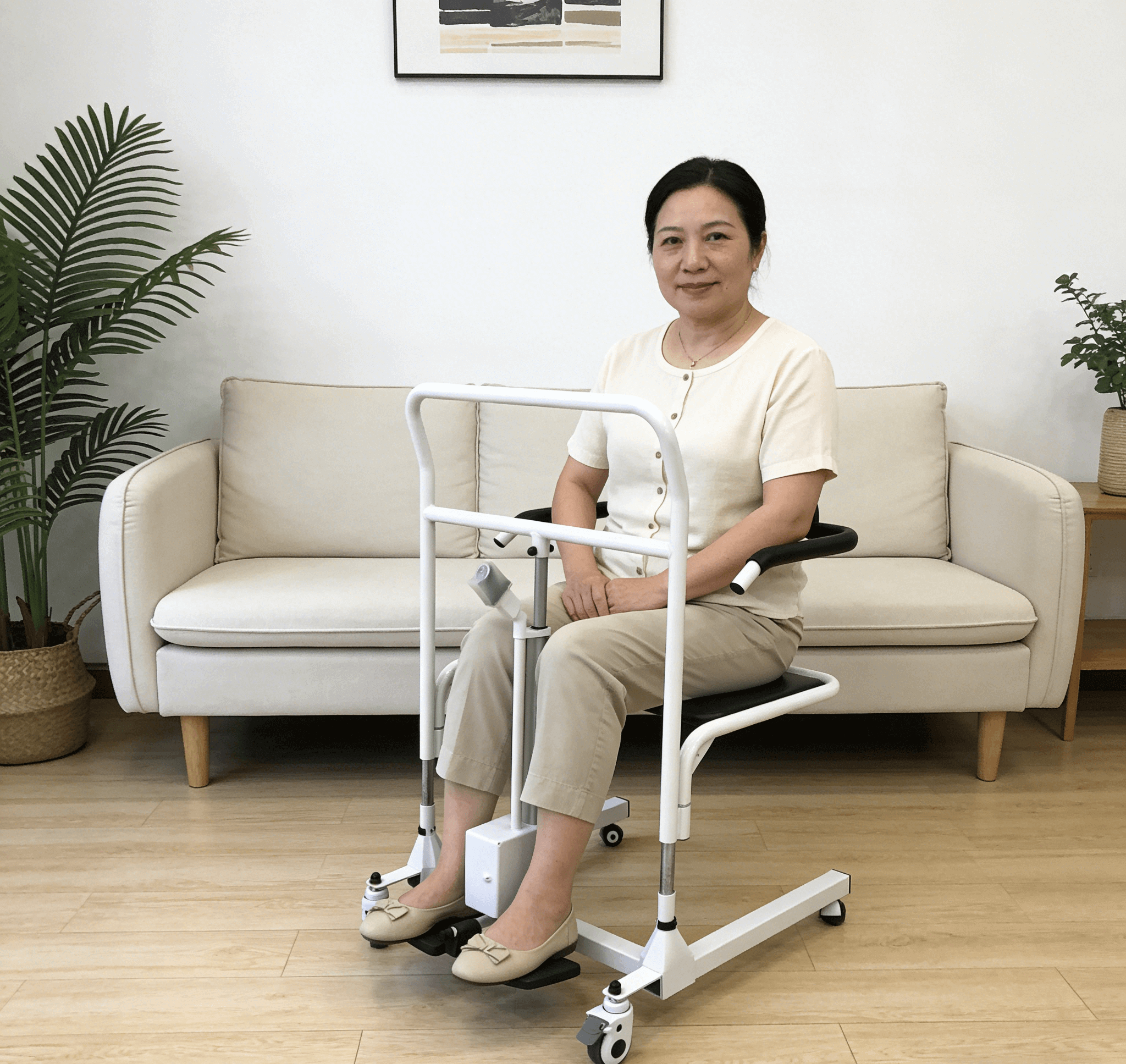
Home-Use Hoyer Lift: Making In-Home Care Safer and More Relaxed
As more and more families choose "aging in place" today, how to safely and comfortably care for family members with limited mobility has become a practical challenge for many adult children and spouses. When parents cannot stand or transfer independently due to stroke, fractures, Parkinson’s disease, or frailty from old age, every movement—from the bed to the wheelchair, or from the wheelchair to the toilet—can turn into a test of physical strength and risk. Against this backdrop, the home-use Hoyer Lift is gradually moving from hospitals to living rooms, becoming a key auxiliary tool in modern in-home care.
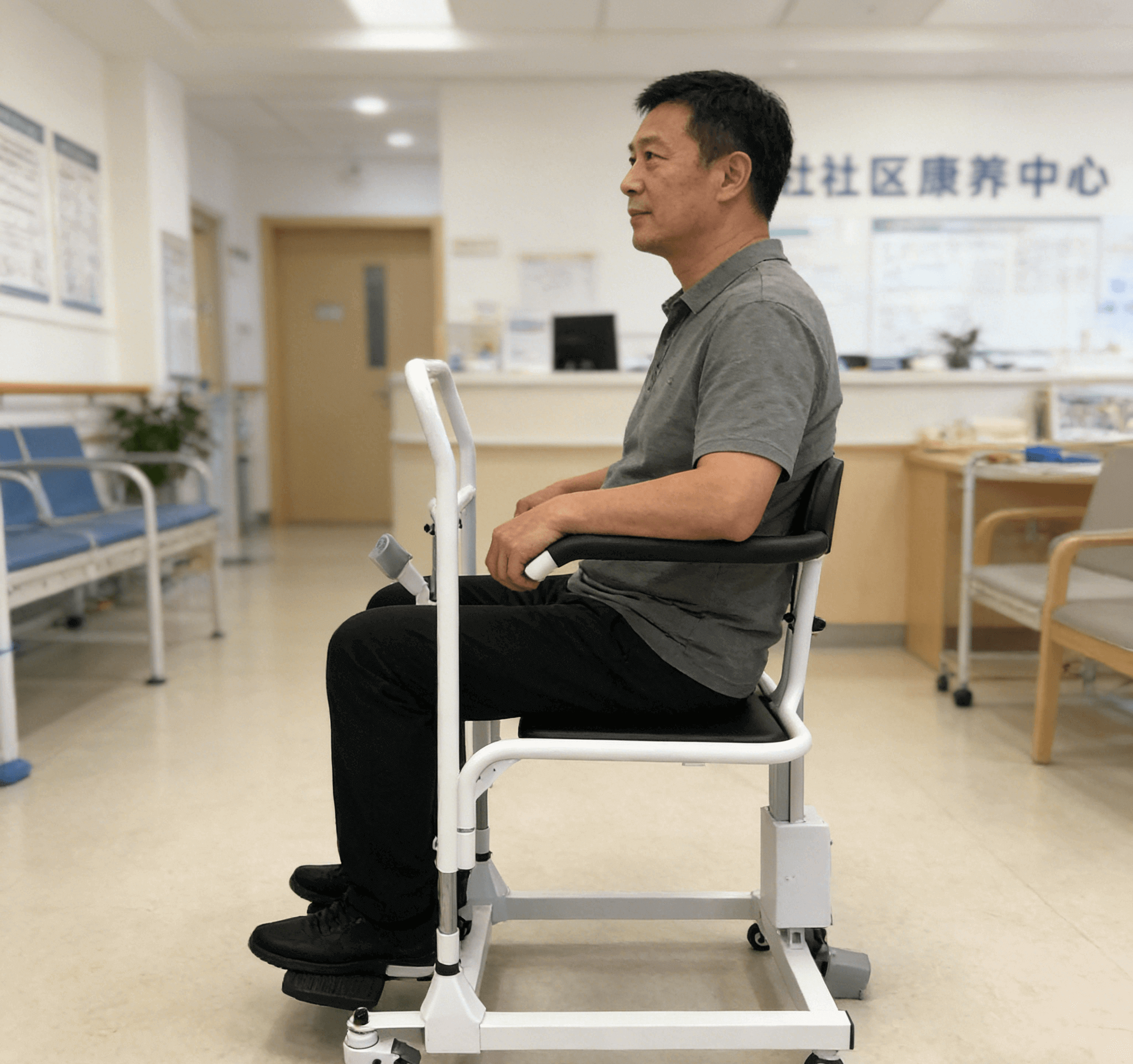
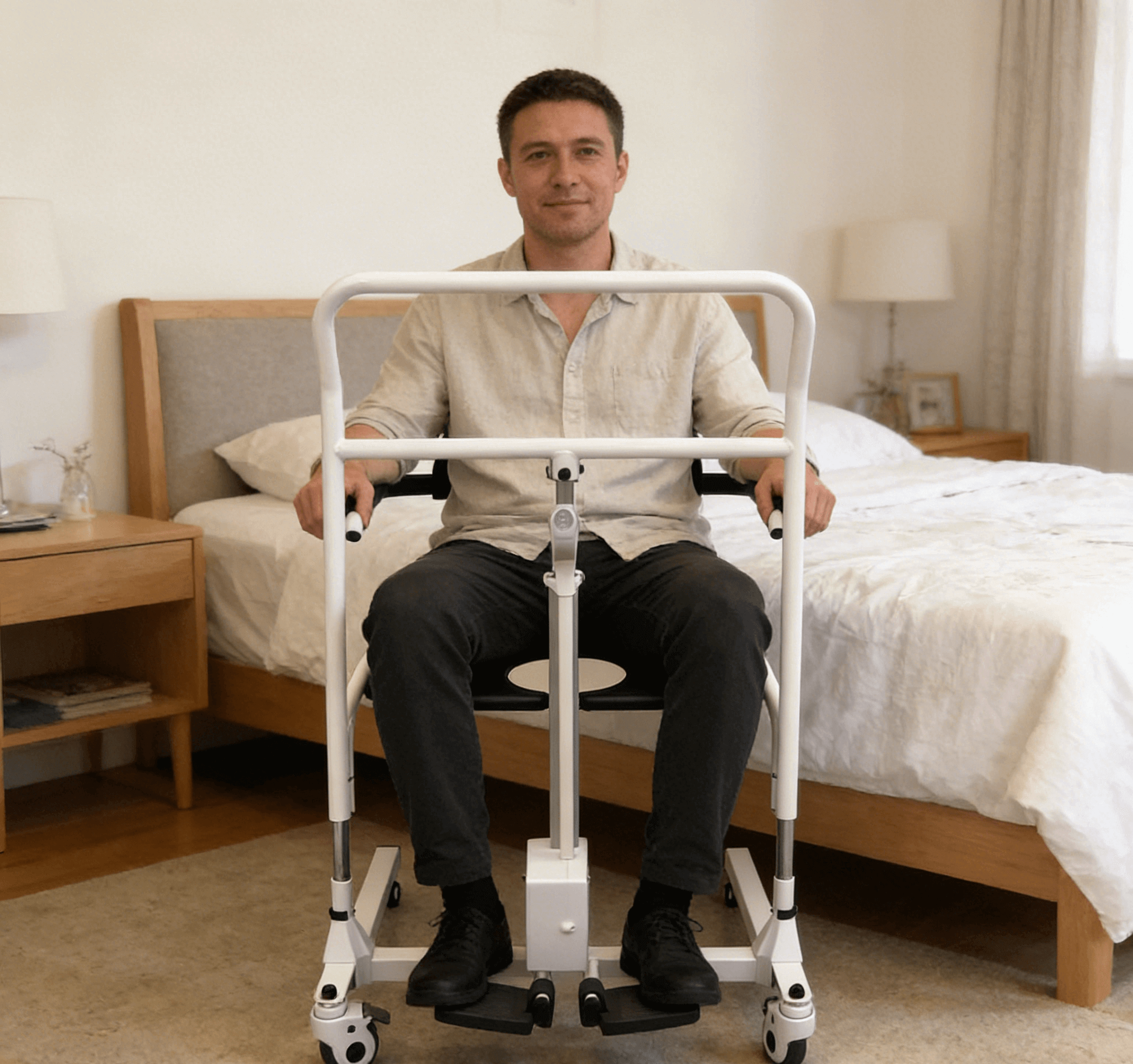
Originally used in medical institutions, a Hoyer Lift is a device that smoothly lifts and transfers people via slings and mechanical/electric mechanisms. Although "Hoyer" was originally a brand name, it has now become a generic term for this type of patient transfer lift. In the past, it was mostly seen in hospital wards or nursing homes; now, with technological advancements and growing demand for in-home care, lightweight, quiet, and foldable lifts designed specifically for home environments are being accepted by more and more families.
Why Do Families Need a Hoyer Lift?
Manual lifting may seem simple, but it is actually full of hidden risks. For elderly people with a larger body weight, it is almost impossible for one person to complete a safe transfer; even with two people working together, improper posture can easily cause back injuries to caregivers, or lead to the elderly falling, skin tears, or even fractures due to slipping or loss of balance. Thanks to its scientific mechanical design, a Hoyer Lift allows just one caregiver to complete a smooth, controlled transfer, significantly reducing the risk of injury to both parties.
More importantly, it enhances the sense of dignity and comfort in care. When the elderly are assisted to move gently and steadily, they do not feel "dragged" or "handled," and their privacy is easier to protect. This respect in details is crucial for maintaining the mental health of elderly family members.
What Are the Features of Home-Use Models?
Unlike the large-scale equipment used in hospitals, home-use Hoyer Lifts usually have the following features:
Smaller size and lighter weight: Easy to operate in narrow spaces such as bedrooms and bathrooms.
Foldable design: Can be folded and stored against the wall when not in use, saving space.
Low-chassis structure: Can easily slide under ordinary beds without the need to replace them with special hospital beds.
Quiet motor: Reduces noise interference, especially suitable for elderly people sensitive to sound.
Battery-powered: No need for an external power source, enabling more flexible movement; some models support rechargeable use.
Multiple sling options: Including full-body support slings, sitting slings, and toilet-specific slings, suitable for different physical conditions.
How to Choose a Home-Use Lift?
Before purchasing, it is recommended to consider the following points:
User’s weight: Ensure the equipment’s weight capacity covers the elderly’s actual weight with a safety margin.
Living environment: Measure door width, bed height, and bathroom space to confirm whether the equipment can pass through and unfold smoothly.
Caregiver’s physical strength and skills: If the caregiver is elderly or has limited physical strength, prioritize electric models.
Frequency of use: For multiple transfers per day, choose a durable electric model; for occasional use, a manual hydraulic model can be considered.
Professional assessment: It is best to invite a rehabilitation therapist or assistive device consultant to conduct an on-site assessment and recommend a suitable model and sling type.
Safety in Use Cannot Be Ignored
No matter how good the equipment is, improper operation can lead to risks. Before using a Hoyer Lift at home, be sure to:
Receive formal operation training (many medical equipment suppliers offer free guidance).
Check for sling wear and secure hook connections before each use.
Maintain communication with the elderly during the transfer and observe their reactions.
Ensure the floor is flat and free of obstacles to prevent the equipment from sliding or tipping over.
Is Investing in a Lift Worth It?
The initial purchase cost may be one of the reasons for family hesitation. A home-use electric Hoyer Lift usually costs between several thousand and ten thousand yuan. However, in the long run, it can:
Avoid medical expenses caused by injuries from manual lifting.
Reduce reliance on caregiving labor (such as frequently hiring caregivers).
Extend the time the elderly can age at home and improve their quality of life.
Make caregivers more physically and mentally relaxed, maintaining a healthier family relationship.
In some regions, such equipment has been included in long-term care insurance, disability assistive device subsidies, or medical insurance reimbursement. Families can consult local civil affairs or health departments to learn about policy support.
Conclusion
A home-use Hoyer Lift is more than just a metal frame and a sling; it represents an important step in in-home care from "barely managing" to "professional reassurance." It allows love to no longer come at the cost of health, and makes companionship more relaxed and less worrying. As an aging society accelerates, equipping a suitable lift for a family member with limited mobility at home may be the most practical protection you can give them—safe, comfortable, and full of dignity.