Category: Power Wheelchair
Posted by 2025-12-23 11:12
hoyer lift for outside
Safe Transfers Outdoors Too: Exploring the Outdoor Applications of Hoyer Lifts
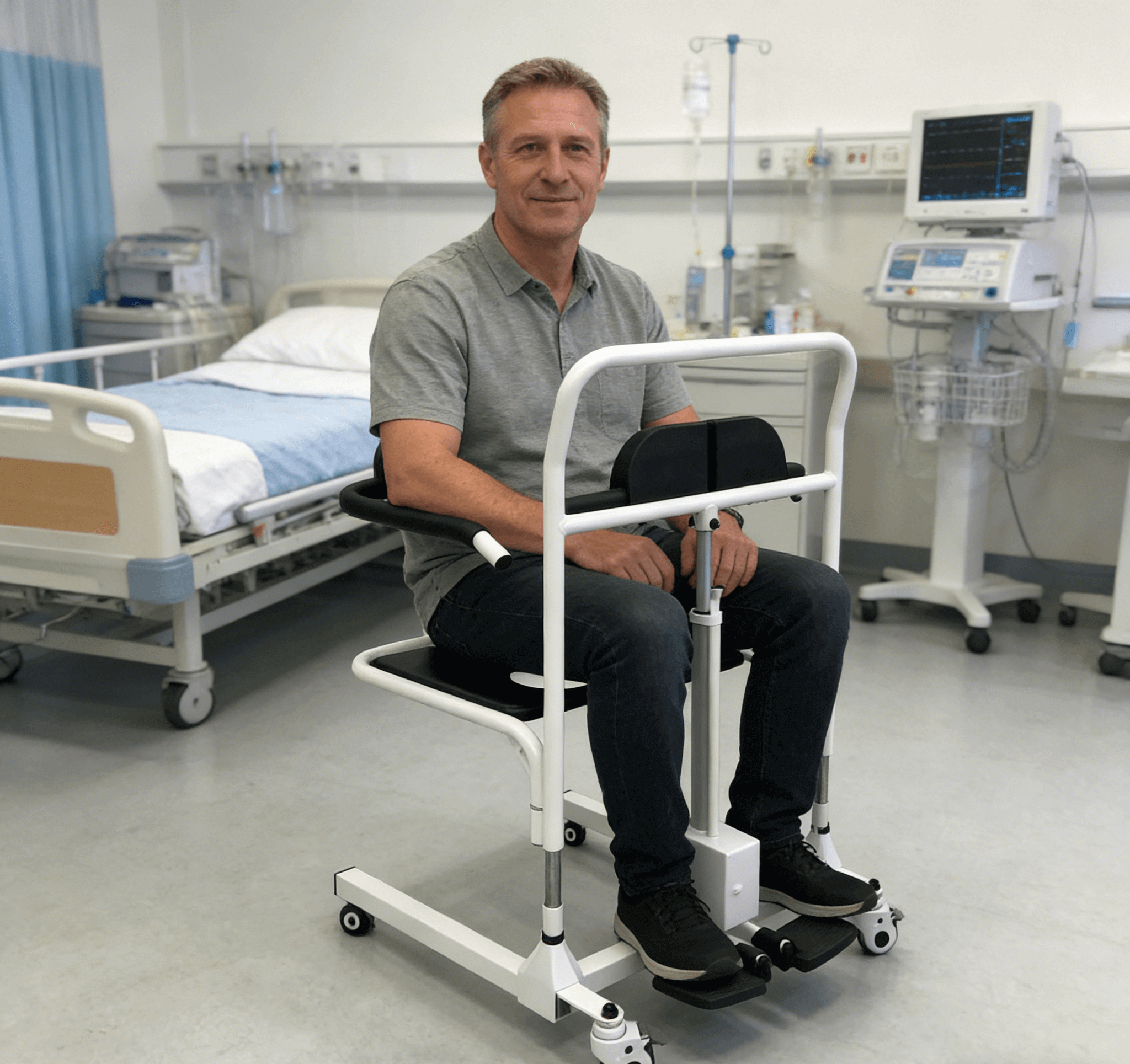
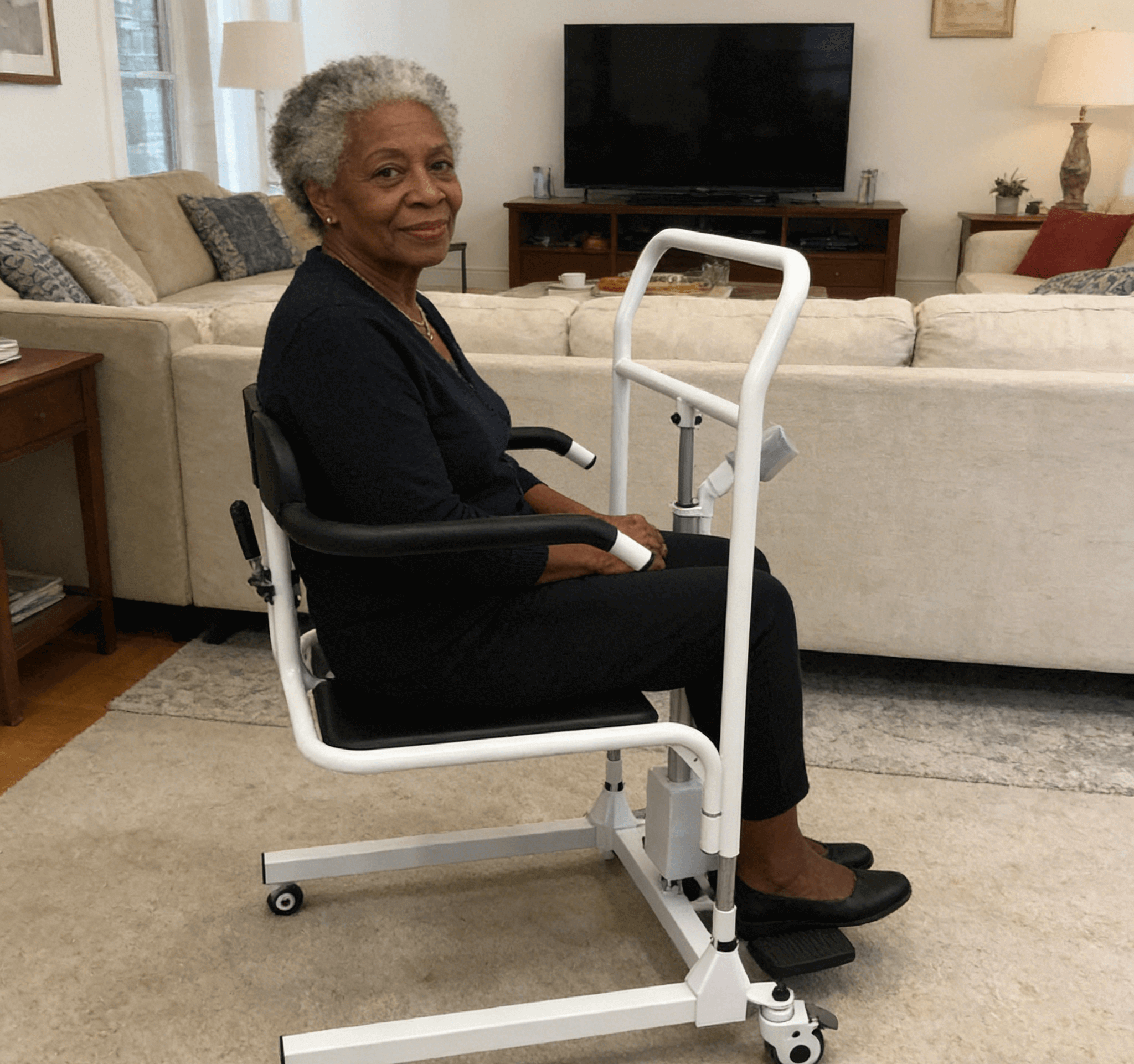
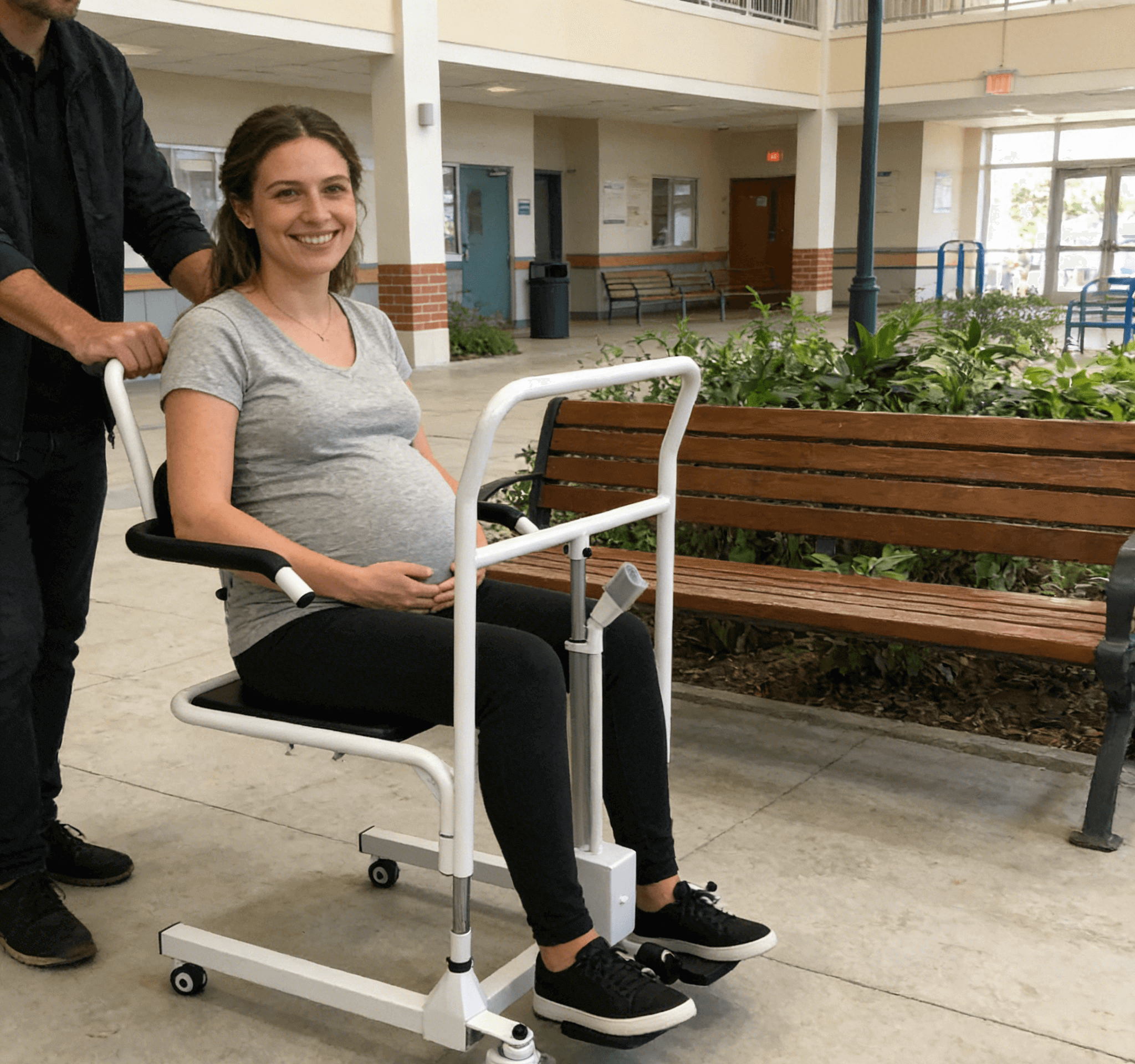
When elderly family members or individuals with mobility impairments are bedridden for long periods or rely on wheelchairs, a simple outdoor activity—such as sunbathing, visiting a park, or attending a family gathering—often becomes an unattainable wish. Beyond the constraints of transportation and accessible facilities, safely transferring them from indoor spaces to cars, garden seats, or outdoor wheelchairs is a practical challenge faced by many families. Traditional Hoyer Lifts are mostly designed for flat indoor floors, but under specific conditions and with proper selection and preparation, certain models can indeed be used in short-term, controlled outdoor scenarios, opening the door to nature and social interaction for those with limited mobility.
Why Is Outdoor Use More Challenging?
Hoyer Lifts are originally designed for hospitals, nursing homes, or indoor home environments, and their stability and safety are highly dependent on flat, hard, and unobstructed floors. Outdoor environments, however, often present the following risk factors:
Uneven ground: Grass, gravel, slopes, or gaps between bricks can easily cause the equipment to tilt or even tip over;
Space limitations: Thresholds at doorways, narrow paths, or tree obstructions hinder the equipment from unfolding properly;
Weather impacts: Rain and slippery ground reduce tire grip, while direct sunlight may interfere with electronic components;
Power issues: Electric models rely on battery life, and there is no access to on-demand charging outdoors;
Equipment weight: Most lifts are heavy, making them difficult to push over long distances.
Therefore, not all Hoyer Lifts are suitable for outdoor use. Nevertheless, with scientific model selection and thorough preparation, limited outdoor transfers are feasible.
Which Hoyer Lifts Are More Suitable for Outdoor Scenarios?
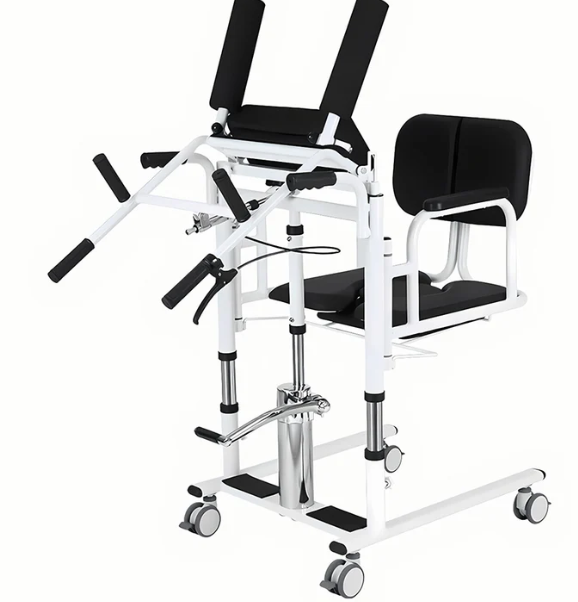
If there is a genuine need for outdoor transfers (e.g., from the doorstep to the garden, or from the house to a car parked in the driveway), priority should be given to models with the following features:
Large-Diameter All-Terrain Tires
Ordinary small wheels tend to get stuck in grass gaps or gravel. Models equipped with inflatable or solid wide tires of 8 inches or larger can better handle uneven ground.
High Ground Clearance and Sturdy Base
A higher chassis prevents the equipment from getting stuck on thresholds or curbs; U-shaped or fork-style base structures offer greater stability and stronger resistance to tipping.
Long-Lasting Lithium-Ion Batteries
Choose electric models that support 4–6 hours or more of continuous operation, and carry a spare battery with you.
Lightweight yet High-Load-Bearing Design
Some new models use aviation-grade aluminum, reducing their weight while ensuring a load capacity of over 200 kg, making them easier to push.
Ingress Protection (IP) Rating
Although not fully waterproof, motors and control panels with basic splash-proof capabilities can be used safely in dry or slightly damp environments.
Currently, there are no Hoyer Lifts specifically designed for "wilderness" use, but some portable or "all-terrain assistive transfer devices" (such as certain custom models with tracked bases) are exploring this field, mainly for high-end home care or special rehabilitation programs.
Practical Recommendations for Safe Outdoor Use
If you plan to use a Hoyer Lift outdoors, be sure to follow these principles:
Limit to short-distance, controlled environments: Use it only in areas like your own driveway, flat patio, or accessible garden. Avoid public roads, slopes, or soft grass;
Survey the route in advance: Clear obstacles such as gravel, branches, and toys, and ensure the path width is sufficient (usually ≥90 cm);
Avoid rainy or windy weather: Slippery ground greatly increases the risk of tipping, and strong winds may affect the stability of the sling;
Have someone monitor throughout the process: At least two people should work together—one operating the equipment and the other observing the surrounding environment and the user’s condition;
Test the equipment before use: Complete a full lifting cycle indoors to confirm the battery is fully charged and the sling is secure;
Prepare an emergency plan: In case of equipment failure, do you have a backup transfer method (e.g., transfer board, sliding belt)? Are you near an area where you can ask for help?
A More Practical Alternative: The "Combination Strategy" for Outdoor Transfers
For most families, relying entirely on a Hoyer Lift for long-distance outdoor transfers is unrealistic. A more feasible approach is to adopt a "relay" transfer strategy:
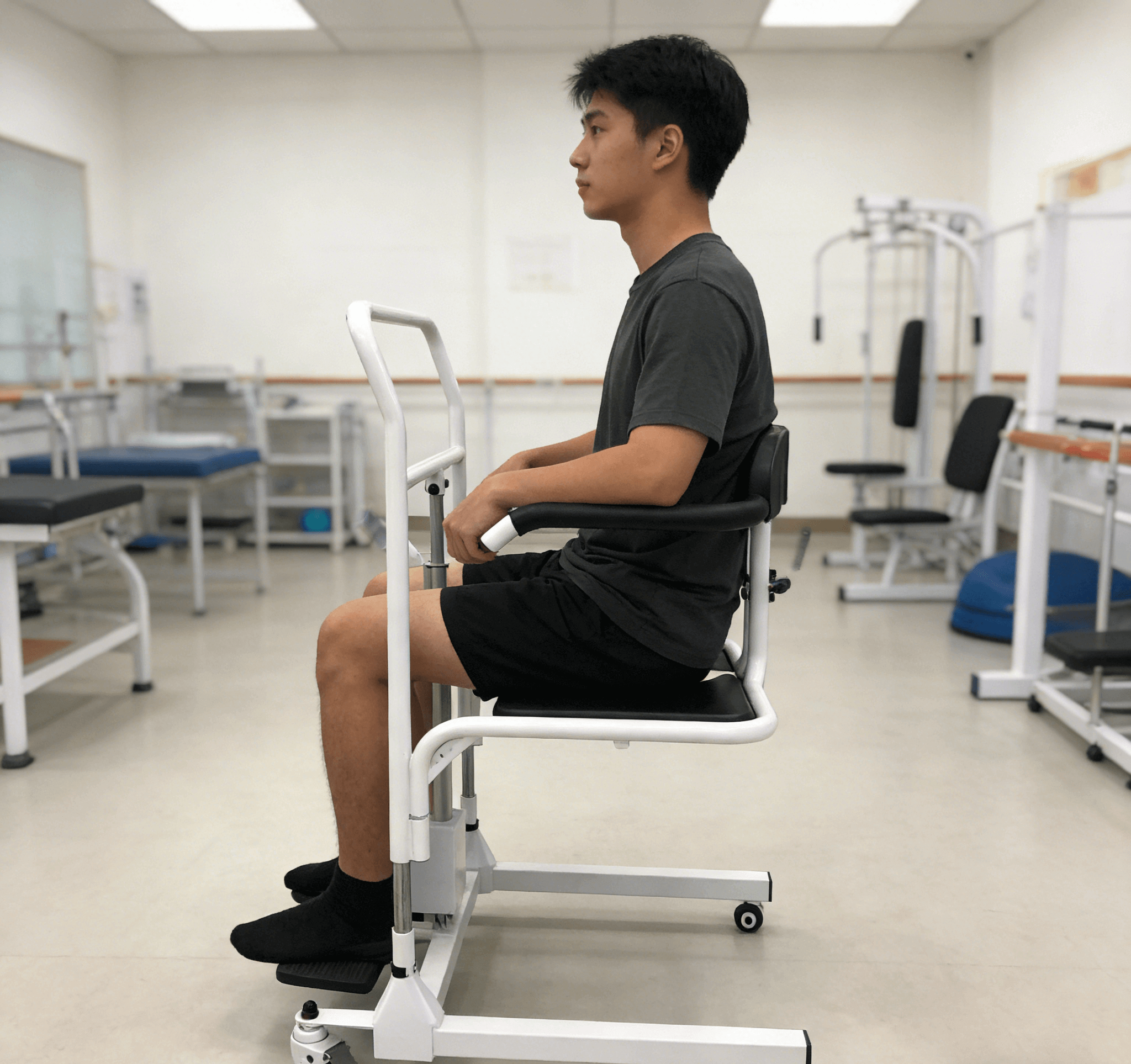
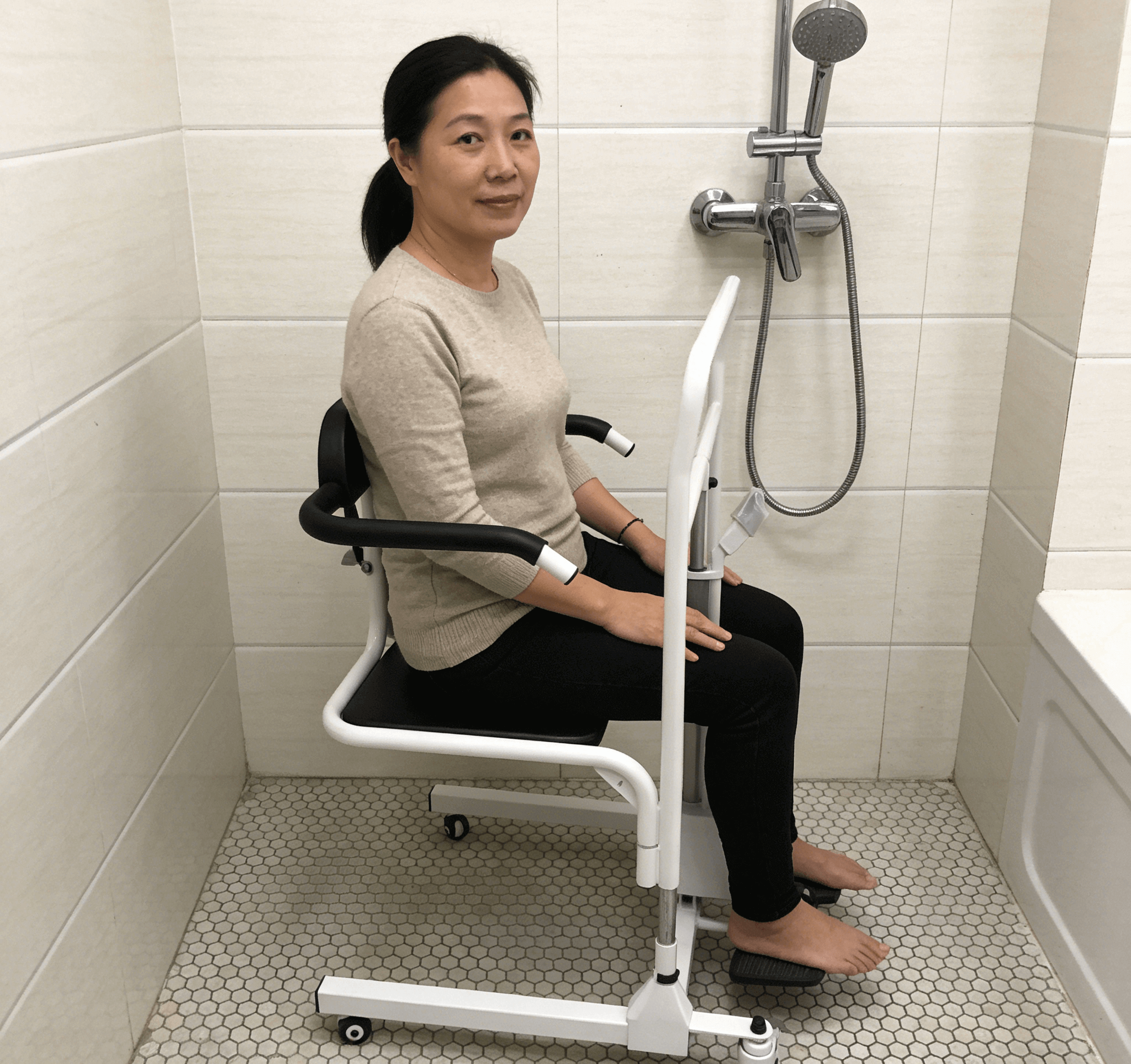
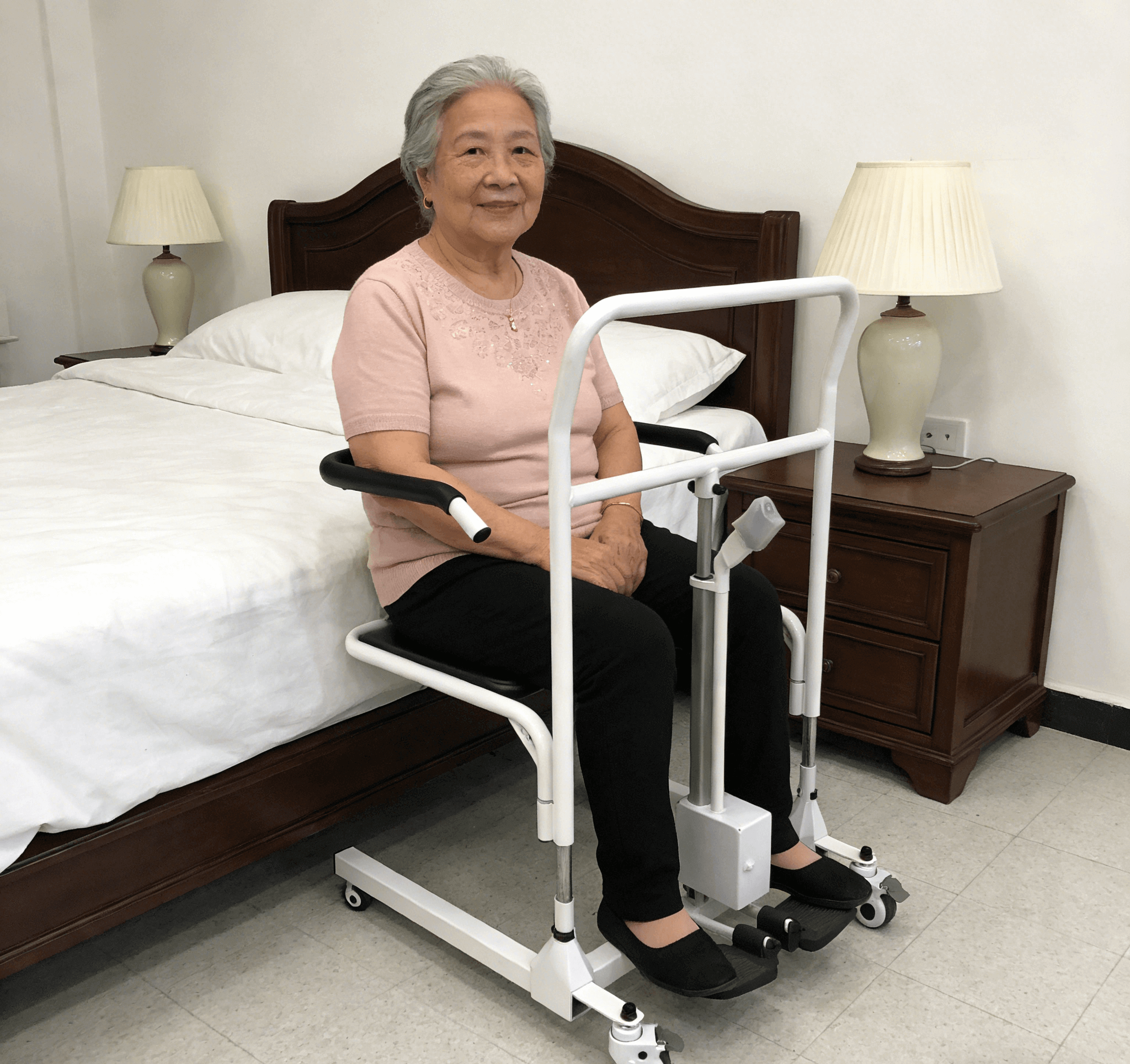
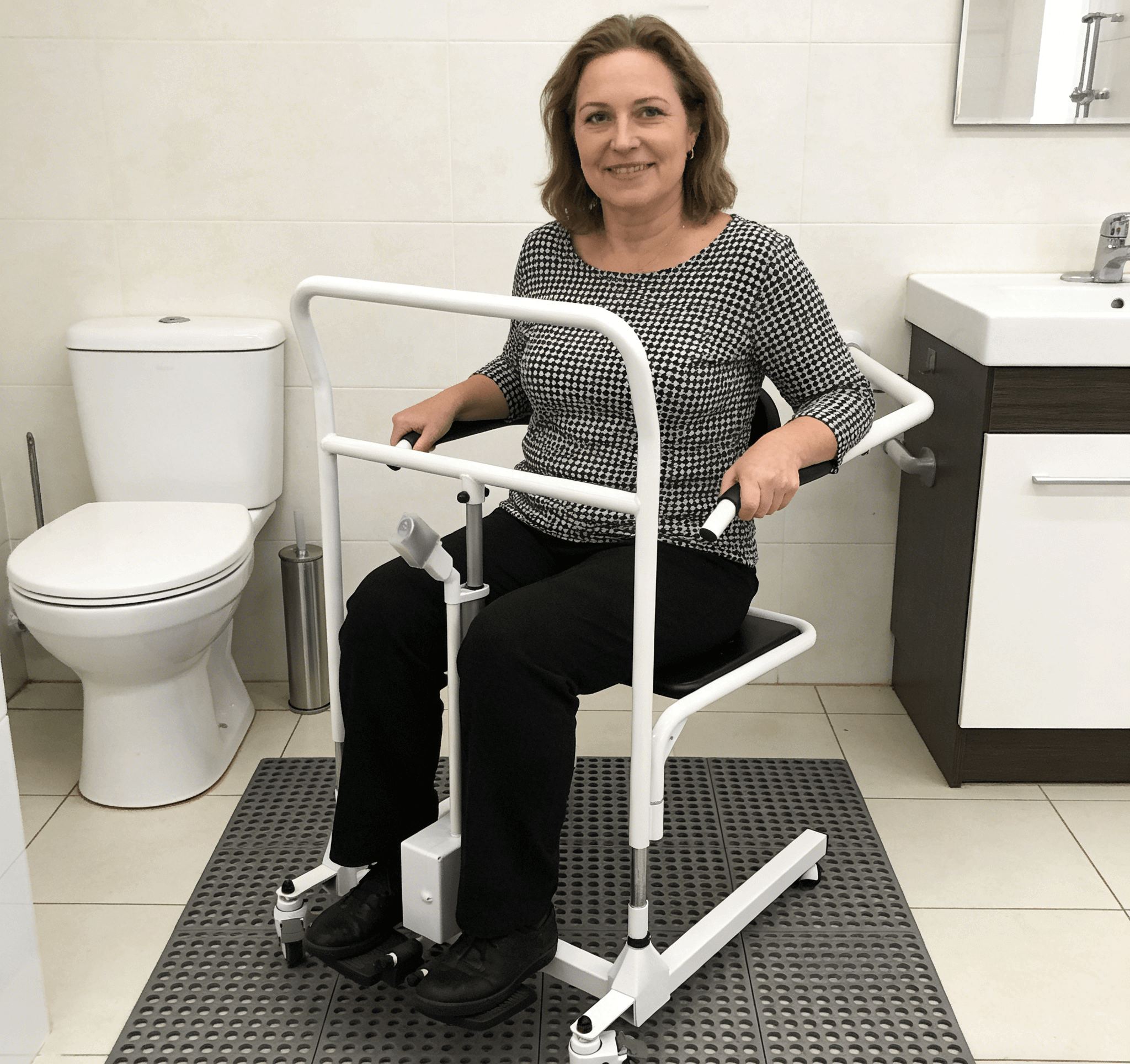
Use the Hoyer Lift indoors to transfer the person to a lightweight, foldable transfer wheelchair;
The caregiver pushes the wheelchair to the vehicle via an accessible route;
Use a vehicle-mounted lift platform (e.g., wheelchair lift) or a portable transfer board to complete the final step of getting into the car.
This method not only leverages the safety advantages of Hoyer Lifts indoors but also avoids their limitations in complex outdoor environments.
Humanistic Significance: More Than Just Movement—Participating in Life
For individuals with mobility impairments who are confined indoors for long periods, a safe outdoor transfer represents access to sunlight, breeze, bird songs, and real moments of coexistence with family. It is not just a change in physical location, but an expansion of psychological boundaries. Even sitting in front of the door for ten minutes to sunbathe can significantly improve mood, sleep, and overall quality of life.
Therefore, exploring the reasonable outdoor application of Hoyer Lifts is essentially about breaking the invisible cage of "disability = isolation," ensuring that care is not just about survival, but about living a fulfilling life.
Conclusion
Although standard Hoyer Lifts are not designed for outdoor use, with careful planning and equipment adaptation, they can still serve as a bridge connecting indoor safety and outdoor freedom. The key lies in: recognizing limitations, selecting models scientifically, making thorough preparations, and prioritizing safety. In the future, with the development of assistive technology, we look forward to the emergence of more intelligent transfer devices that truly adapt to diverse environments—so that every individual with limited mobility, no matter where they are, can be gently yet firmly supported to move toward a broader world.