Category: Power Wheelchair
Posted by 2025-12-27 10:12
hoyer lift from wheelchair to bed
Hoyer Lift from Wheelchair to Bed: A Care Guide for Safe and Smooth Critical Transfers
For elderly individuals with limited mobility, people with disabilities, or post-surgery rehabilitation patients, transferring from a wheelchair to a bed (Wheelchair-to-Bed Transfer) is an indispensable daily routine. While this process may seem simple, it is actually fraught with challenges. Factors such as height differences, space constraints, and insufficient physical support make manual lifting highly likely to cause low back injuries in caregivers, as well as risks like falls and skin tears for the person being cared for.
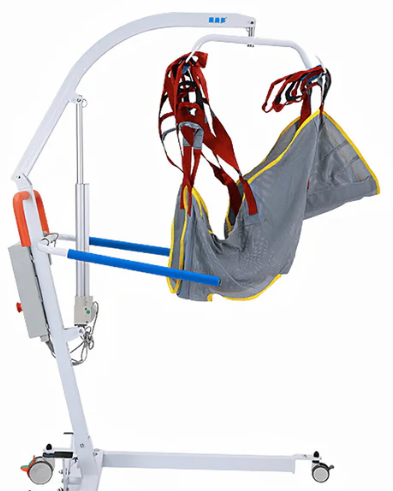
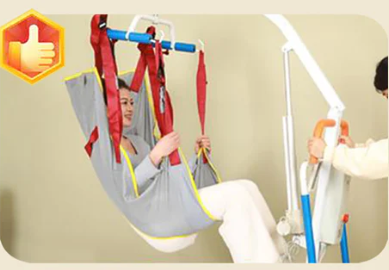
As a core assistive device in modern care systems, the Hoyer Lift enables safe, labor-saving, and dignified "wheelchair-to-bed" transfers through mechanical lifting and a dedicated sling system. hoyer lift from wheelchair to bed This article provides a comprehensive breakdown of the operating procedures, key equipment selection points, common pitfalls, and practical tips for this scenario, helping family caregivers and professional nursing staff efficiently complete this critical task.
I. Why Is a Hoyer Lift Needed for Wheelchair-to-Bed Transfers?
1. High Frequency and High Physical Exertion
Individuals with disabilities need to move between the bed and wheelchair multiple times a day (e.g., for afternoon naps, nighttime sleep, or rest after rehabilitation training).
When manually lifting a 70 kg adult, the pressure on the caregiver’s lower back can exceed 150 kg.
2. Ergonomic Challenges
Wheelchair seat heights typically range from 45–50 cm, while the height of home bed surfaces is often 50–60 cm, creating a height difference.
Wheelchair armrests and footrests block access to the bed edge.
The person being transferred may be unable to coordinate their strength or maintain balance while sitting.
3. Dual Needs for Safety and Dignity
Prevents shear injuries to the skin on the buttocks or thighs caused by dragging.
Reduces the time the body is exposed during the transfer.
Enhances the user’s sense of control over their daily rhythm.