Category: Power Wheelchair
Posted by 2026-01-05 10:01
hoyer lift not working
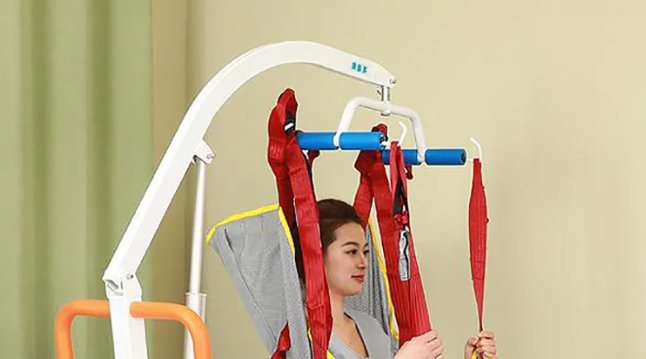
Comprehensive Guide to Hoyer Lift Troubleshooting: Professional Diagnosis and Repair Solutions
When a Hoyer Lift malfunctions, timely and accurate diagnosis and repair are crucial. hoyer lift not working This article provides complete solutions from basic inspections to professional maintenance, helping you quickly restore the safe operation of the equipment.
Quick Fault Diagnosis Process
Initial Safety Inspection
Stop use immediately: Cease operation right away when abnormalities are detected.
Assess safety risks: Determine if there are immediate hazards.
Relocate the user: Ensure the user is in a safe position.
Record symptom details: Document the fault manifestations and occurrence context in detail.
Systematic Diagnosis Steps
Symptom classification: Identify whether the fault is mechanical, hydraulic, or electrical.
Environment inspection: Check if the operating environment affects equipment performance.
Operation review: Analyze the operation process before the fault occurred.
Historical reference: Review the equipment's maintenance and repair records.
Handling of Common Fault Categories
Hydraulic System Faults
Symptom Manifestations
Difficulty lifting or complete inability to lift
Sudden drop during the lifting process
Hydraulic rod oil leakage
Abnormal looseness of the operating handle
Possible Causes
Insufficient or contaminated hydraulic oil
Worn or damaged seals
Air entering the hydraulic system
Internal failure of the hydraulic pump
Emergency Handling
Check hydraulic oil level and quality
Test the function of the manual pressure relief valve
Perform system air bleeding operation
Contact professional maintenance services
Electrical System Faults (for Electric Models)
Symptom Manifestations
No response at all
Intermittent operation
Abnormal noise or overheating
Battery failure to charge
Diagnosis Steps
Check power connection and battery status
Test the function of control buttons
Inspect fuses and circuit protection
Measure the working current of the motor
Safety Measures
Disconnect the power supply immediately
Avoid disassembling electrical components by yourself
Use the backup manual function
Wait for professional technicians
Mechanical Structure Issues
Common Problem Points
Failure of the leg locking mechanism
Difficulty in boom rotation
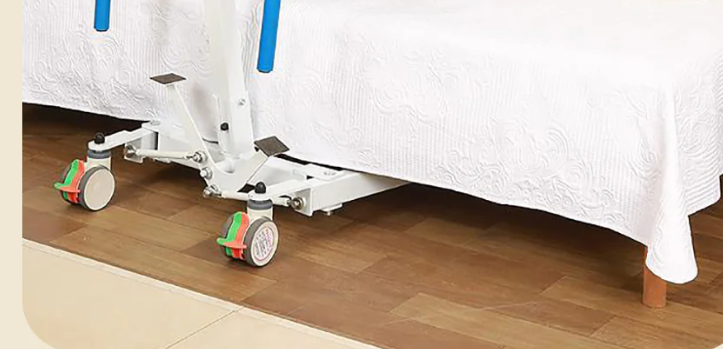
Jammed or poorly rotating wheels
Deformed or damaged hooks
On-site Inspection
Check the wear of all moving parts
Test the reliability of mechanical locks
Confirm no deformation or cracks in structural parts
Inspect the firmness of connection points
Step-by-Step Troubleshooting Guide
Step 1: Basic Inspection
Confirm power/battery status
Check hydraulic oil level
Test the function of all safety locks
Inspect wheels and brake system
Evaluate the integrity of slings and hooks
Step 2: Function Test
No-load lifting test
Movement test in all directions
Verification of emergency lowering function
Load capacity test (conduct with caution)
Monitoring for abnormal noises
Step 3: Professional Diagnosis
Hydraulic system pressure test
Electrical system parameter measurement
Professional evaluation of structural integrity
Verification of the effectiveness of safety devices
Emergency Handling Plans
Equipment Stops During Lifting
Stay calm and comfort the user
Attempt to operate the emergency lowering device
Seek additional support if the emergency device fails
Contact emergency technical services
Record the entire incident process
Sudden Rapid Drop
Take immediate support measures
Check if the user is injured
Isolate the equipment to prevent reuse
Conduct a thorough safety inspection
Complete the accident report
Abnormal Noise or Vibration
Stop operation immediately
Identify the source of the noise
Inspect relevant components
Perform necessary tightening or adjustments
Test to confirm the problem is resolved
Preventive Maintenance Plan
Daily Maintenance Tasks
After each use:
Clean the equipment surface
Check for visible damage
Test basic functions
Record usage conditions
Weekly inspection:
Conduct a detailed inspection of the hydraulic system
Test all safety devices
Check structural integrity
Clean and lubricate moving parts
Regular Professional Maintenance
Monthly maintenance:
Comprehensive inspection of the hydraulic system
Safety testing of the electrical system
Detailed inspection of structural parts
Performance testing and calibration
Annual overhaul:
Hydraulic oil replacement
Seal replacement
Comprehensive safety testing
Certification and label update
Maintenance Decision Guide
Issues That Can Be Handled by Yourself
Adding hydraulic oil
Basic cleaning and lubrication
Simple adjustments and tightening
Accessory replacement (e.g., slings)
Issues Requiring Professional Services
Hydraulic system maintenance
Electrical system faults
Welding or replacement of structural parts
Maintenance of safety devices
Considerations for Equipment Replacement
Maintenance cost exceeds 50% of the equipment value
Severe damage to major structural parts
Outdated technology with difficulty in obtaining accessories
Safety risks that cannot be completely eliminated
Backup Plan Development
Emergency Alternative Solutions
Manual transfer techniques: Train on safe manual transfer methods
Backup equipment: Maintain backup lifts or transfer devices
External resources: Establish emergency equipment rental channels
Staff deployment: Arrange additional personnel to assist with transfers
Long-Term Backup Plans
Equipment rotation: Establish an equipment rotation system
Preventive replacement: Planned replacement based on service life
Technology update: hoyer lift not working Regularly evaluate new technologies and equipment
Service contract: Sign emergency response contracts with maintenance service providers
Documentation and Record Management
Maintenance Record Requirements
Fault description: Detailed symptoms and occurrence situation
Diagnosis process: Diagnostic methods adopted and results
Maintenance measures: Specific maintenance operations and replaced parts
Test results: Post-maintenance function and safety tests
Recommendations: Suggestions for subsequent use and maintenance
Historical Data Analysis
Track the frequency and type of faults
Analyze the relationship between faults and usage patterns
Evaluate the effectiveness of the maintenance plan
Guide future equipment procurement decisions
Suppliers and Technical Support
Service Provider Selection Criteria
Response time: Response speed for emergency services
Technical capability: Qualifications and experience of professional technicians
Accessory supply: hoyer lift not working Inventory and supply capacity of genuine accessories
Service records: Historical service quality and customer reviews
Service Contract Considerations
Response time commitment: Clear maximum response time
Service scope definition: Included and excluded service content
Fee structure: Clear charging standards and methods
Performance guarantee: Guarantee of service quality and remedies
Conclusion
Hoyer Lift faults not only affect care efficiency but also relate to the safety of users and caregivers. By establishing a systematic fault diagnosis process,hoyer lift not working implementing a strict preventive maintenance plan, and preparing adequate emergency plans, we can minimize the impact of equipment faults. Remember, in medical equipment management, prevention is better than treatment, and regular maintenance is better than emergency repair. Investing in a sound equipment management system and professional technical support is investing in continuous, safe, and high-quality care services.