Category: Power Wheelchair
Posted by 2026-01-09 11:01
hoyer lift sit to stand

Hoyer Lift Sit-to-Stand Transfer Function: Regaining the Strength to Stand Safely
When caring for loved ones with limited mobility, we often face a dilemma: we want them to maintain their physical functions as much as possible, yet we worry that assisting them to stand without proper support could lead to falls or injuries. This challenge is especially acute for patients recovering from strokes, post-surgery, or those who struggle to get up from chairs or beds due to old age and frailty—every attempt to stand becomes a difficult endeavor.
Fortunately, advancements in modern assistive devices have provided an intelligent solution: Hoyer Lifts equipped with sit-to-stand transfer capabilities. hoyer lift sit to stand Unlike traditional full-body suspension lifts that "hoist" patients entirely off the ground, these lifts use scientific mechanical design to support and guide patients in actively participating in the standing process while ensuring safety. Each time a patient rises, it becomes a gentle yet effective functional training session.
What Is a Sit-to-Stand Hoyer Lift?
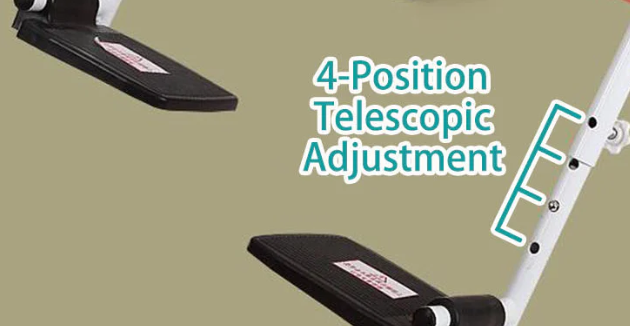
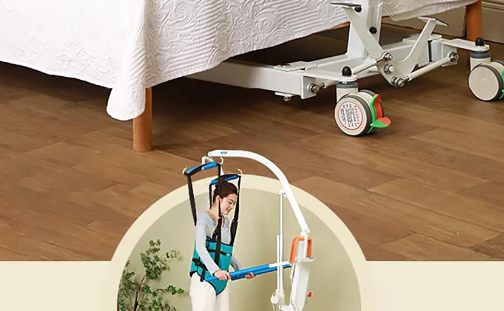
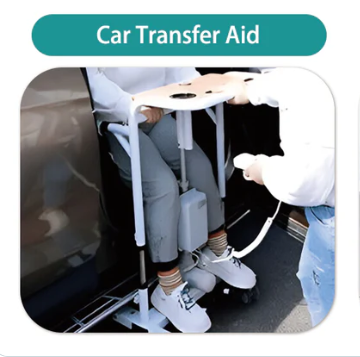
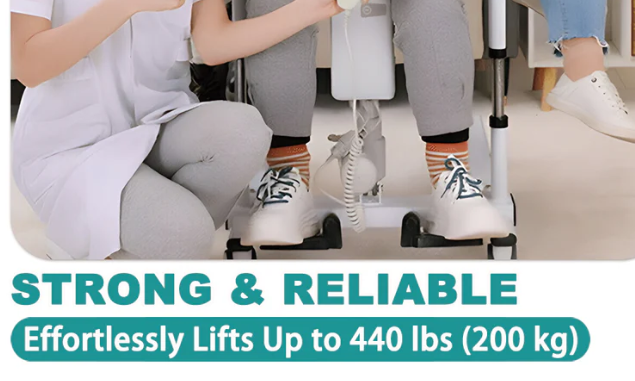
A sit-to-stand lift (also called a standing assist lift) is specifically designed for patients who still retain partial lower limb strength and can bear weight with assistance. Its core structure typically includes a U-shaped support frame, adjustable knee pads, and a chest/abdomen safety belt. During use, the patient stands firmly on the ground with their feet. By slowly lifting the torso, the device leverages mechanical principles to help the patient transition naturally from a sitting to a standing position.
The entire process emphasizes "assistance" rather than "replacement"—the device provides support and balance, but the strength to stand primarily comes from the patient themselves. This design not only aligns better with ergonomic principles but also avoids the sense of passivity and psychological stress associated with traditional suspension transfers.
Who Is Suitable for a Sit-to-Stand Assist Lift?
Not all patients are suitable for this type of device. Ideal users typically meet the following criteria:
Can maintain sitting balance with minimal assistance from others;
Can bear partial weight on their legs, even if their strength is weak;
Is mentally alert and can understand and follow simple instructions;
Has received medical clearance to engage in standing training.
Common beneficiaries include: patients with hemiplegia after a stroke but with strength in their unaffected leg, post-hip/knee replacement patients in the rehabilitation phase, individuals with Parkinson’s disease or age-related frailty who struggle to stand, and those with reduced muscle strength after long-term bed rest who need to gradually regain standing ability.
Conversely, patients who cannot bear weight at all, have unhealed lower limb fractures, severe osteoporosis, or cognitive impairments that prevent cooperation are not suitable for sit-to-stand devices. In such cases, a traditional suspension Hoyer Lift should be used instead.
Why Does Sit-to-Stand Assistance Offer Greater Rehabilitation Value?
Traditional Hoyer Lifts excel at safely transferring fully dependent patients, but they are essentially a "replacement" solution—patients remain passive throughout the process, with no muscle activation. Sit-to-stand devices, however, integrate transfer and rehabilitation into one.
When a patient attempts to push themselves up with their legs while supported by the device, their lower limb muscles are activated, blood circulation accelerates, bone density is stimulated, and the cardiovascular system gradually adapts to the change in body position. More importantly, this active participation significantly boosts the patient’s self-confidence and sense of dignity. They are no longer "moved around" hoyer lift sit to stand as passive objects but become individuals who can stand up on their own.
Additionally, gradual standing helps reduce the risk of orthostatic hypotension. Compared to suddenly transitioning from lying down to standing upright, sit-to-stand assistance gives the body time to adjust blood pressure, lowering the chance of dizziness or fainting.
Key Steps for Safe Operation
Using a sit-to-stand Hoyer Lift requires following a standardized process:
First, ensure the patient wears non-slip shoes and the floor is dry and free of obstacles. Assist the patient to sit at the edge of the bed or the front of a stable chair, with their feet flat on the ground.
Gently slide the U-shaped frame in from the front and adjust the position of the knee pads—they must be placed on the back of the thighs near the knees, never directly pressing the popliteal fossa (back of the knee) to avoid damaging nerves and blood vessels.
Fasten the chest/abdomen safety belt. The tightness should allow two fingers to fit between the belt and the patient’s body—tight enough to prevent forward leaning, but not so tight that it restricts breathing.
The caregiver stands directly in front of the patient, placing one hand lightly on the patient’s back and holding the remote control with the other. When starting the lift, encourage the patient simultaneously: "Slowly push with your legs—I’m here to support you."
The device will lift at a steady speed. During this process, closely monitor the patient’s facial color, expressions, and reactions. If the patient turns pale, sweats, complains of pain, or shows obvious fear, pause immediately or lower the device slowly.
After the patient successfully stands, they can stay upright for a few seconds to half a minute for balance training before deciding whether to transfer them to a wheelchair or walker.
After each use, record the standing duration, the patient’s tolerance level, and any abnormalities to inform subsequent rehabilitation plans.
Important Reminders for Use
Safety always comes first. Never overlook assessments in a rush to make progress. hoyer lift sit to stand Even patients who seem able to "walk a few steps" may lose balance the moment they try to stand. Therefore, for first-time users or those with unstable conditions, two caregivers are recommended—one to operate the device and the other to provide close protection.
At the same time, regularly inspect all parts of the device: check if the knee pads are secure, if the safety belt buckles are intact, and if the lifting mechanism operates smoothly. Stop using the device and seek repairs if any looseness or abnormal noises are detected.
Most importantly, respect the patient’s feelings. Do not force them if they express fear or fatigue. Rehabilitation is a marathon, not a sprint. Today’s "one more try" may lead to independent walking tomorrow.
Conclusion: Standing Is Both a Physical Awakening and a Spiritual Uprightness
A sit-to-stand Hoyer Lift is more than just a machine—it embodies a belief: even in moments of extreme weakness, the human body still holds the strength to stand. It does not replace the patient’s ability to walk but accompanies them in taking the first step. It does not eliminate all risks, but controls risks within acceptable limits to unlock greater functional potential.
When an elderly person, with the help of this device, stands up on their own legs for the first time and walks to the window to catch a glimpse of the long-missed sunshine, hoyer lift sit to stand the significance of this technology goes far beyond being a mere tool. It becomes a fulcrum of hope, a carrier of dignity, and an extension of love.
On the journey of care, we must not only safeguard safety but also protect the belief that "I can still do this." The sit-to-stand assist lift is precisely such a gentle yet steadfast bridge—connecting dependence to independence, and the present to the future.