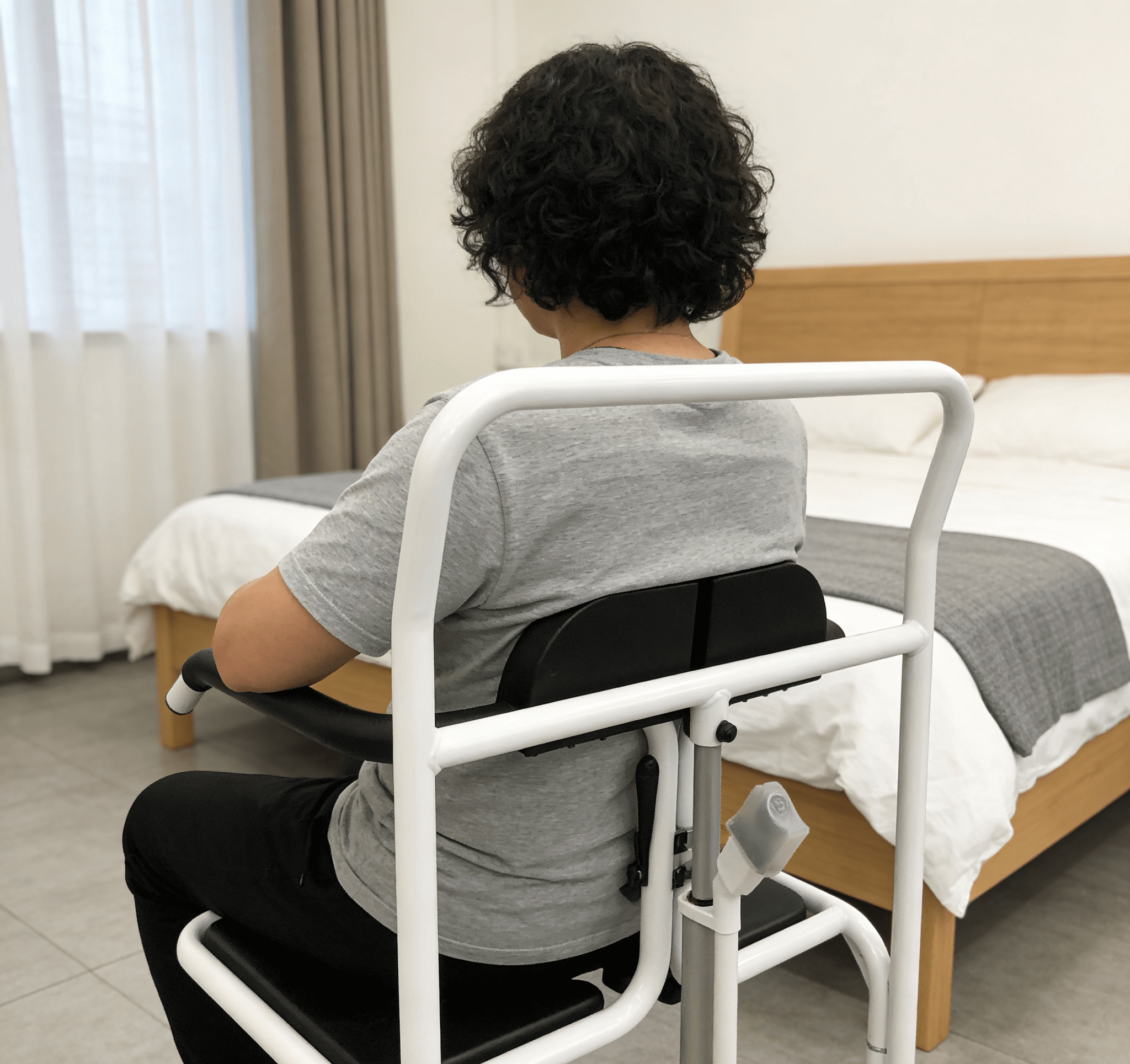
Category: power lift chairs
Posted by 2025-12-11 11:12
hoyer lift assist
Hoyer Lift-Assisted Transfer: Not Replacing Human Effort, but Empowering Safety and Dignity
In long-term care, "transfer"—helping patients move from bed to wheelchair, wheelchair to toilet, or stand up from the floor—is one of the most frequent yet high-risk tasks. Driven by love and a sense of responsibility, many caregivers are accustomed to using their hands to "carry," "drag," or "lift" patients to complete these movements. However, they may not realize that every bend of the waist could plant the seed of a herniated lumbar disc, and every drag might cause skin tears or joint injuries to the patient.
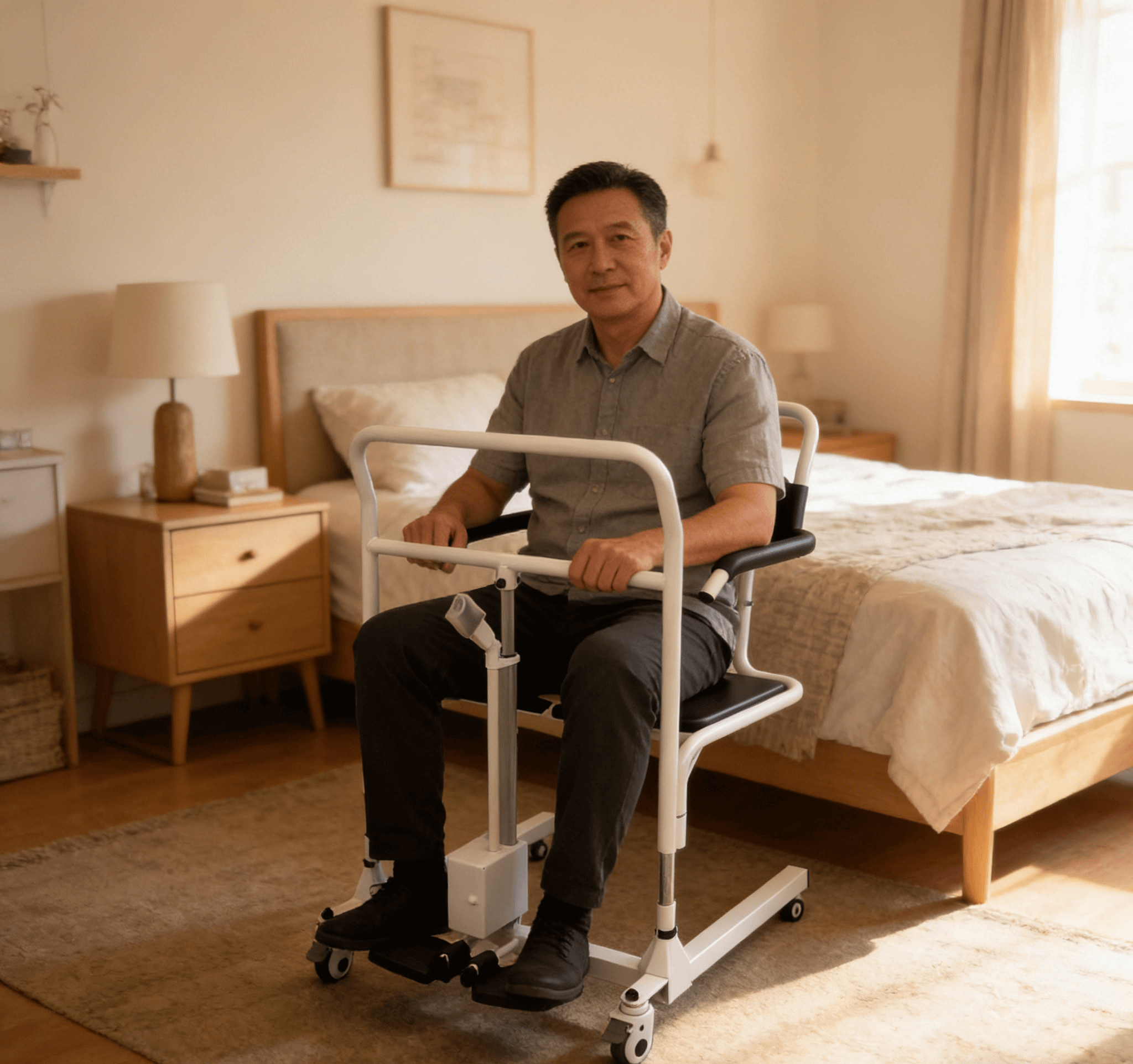
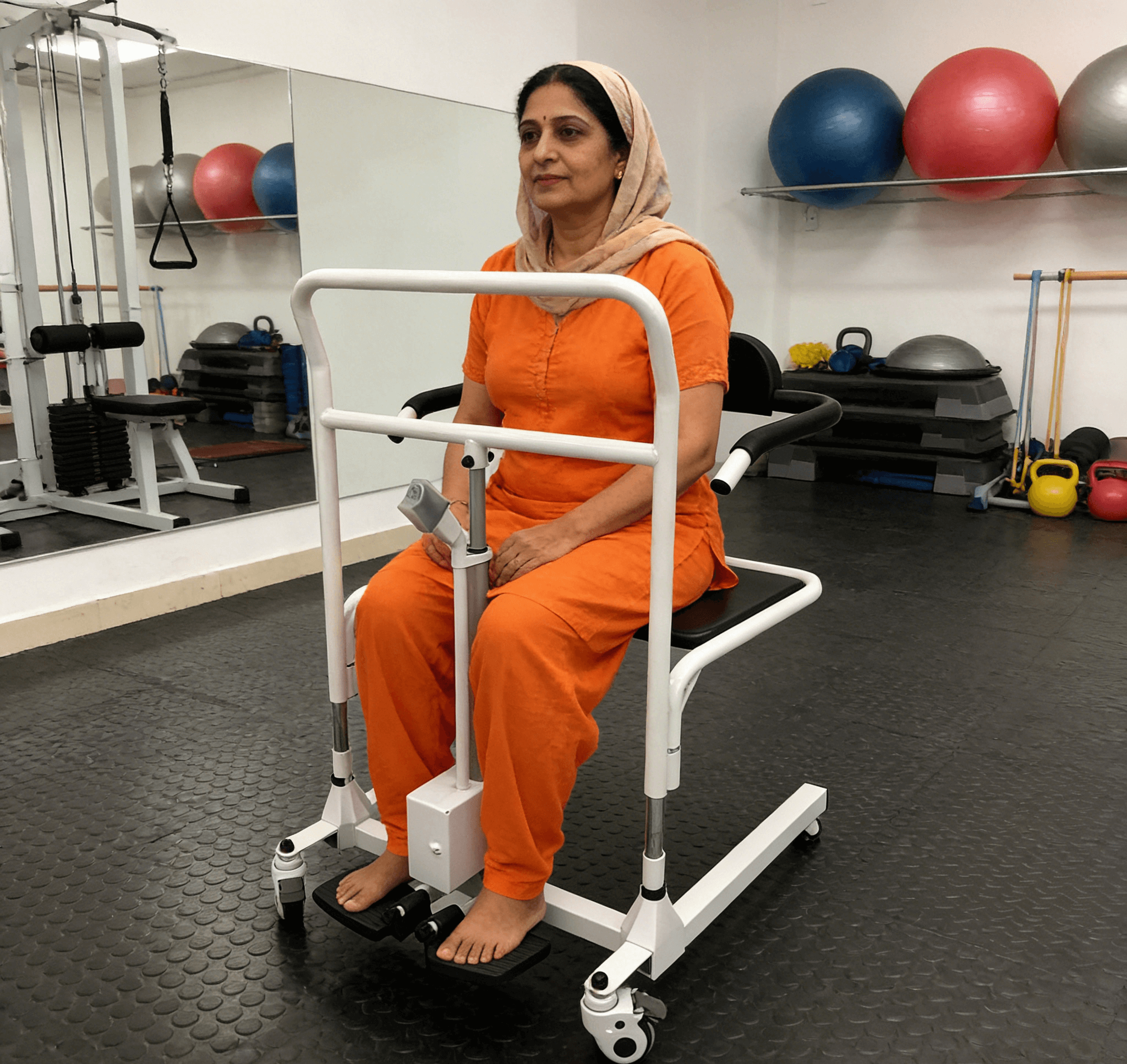
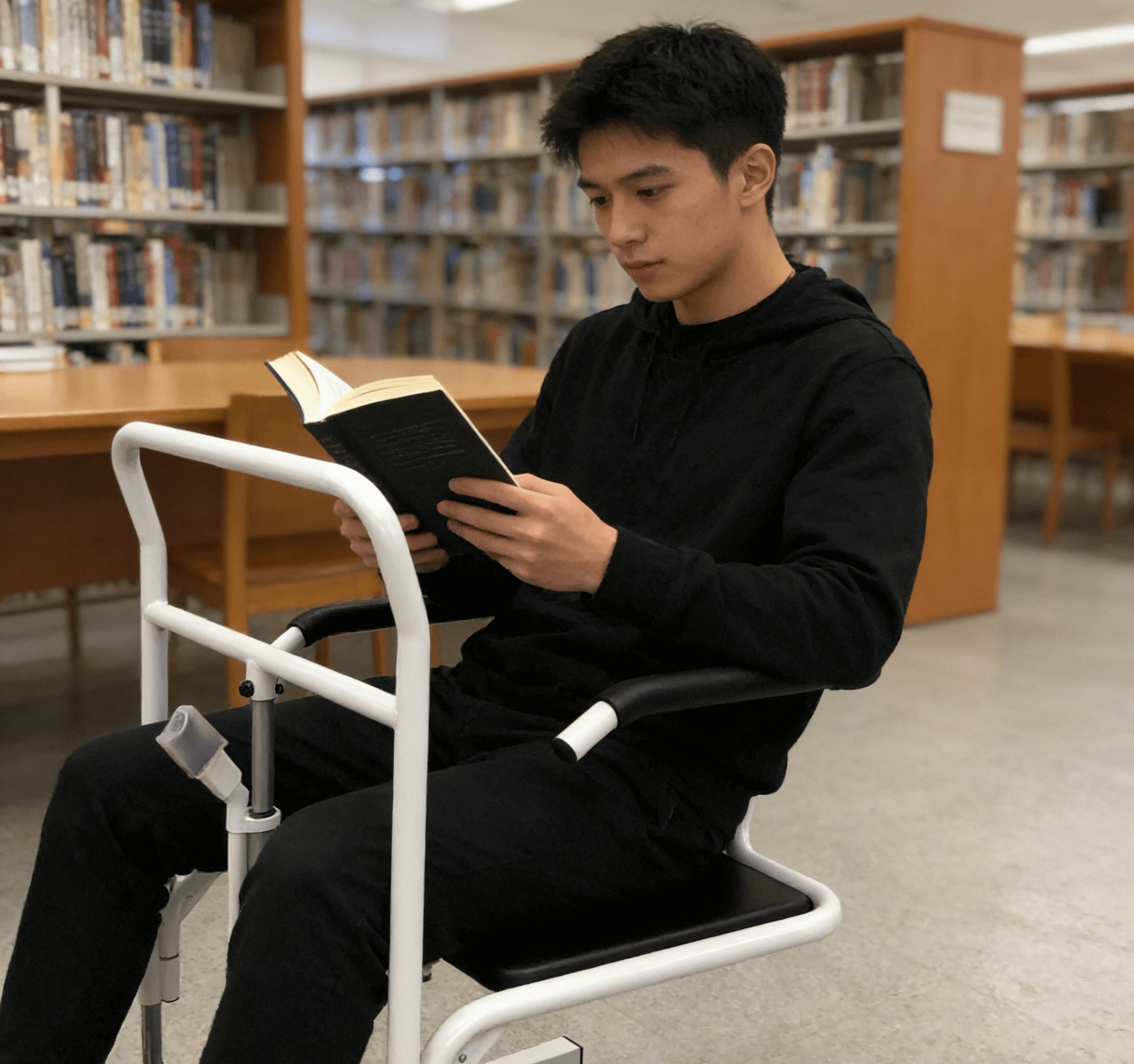
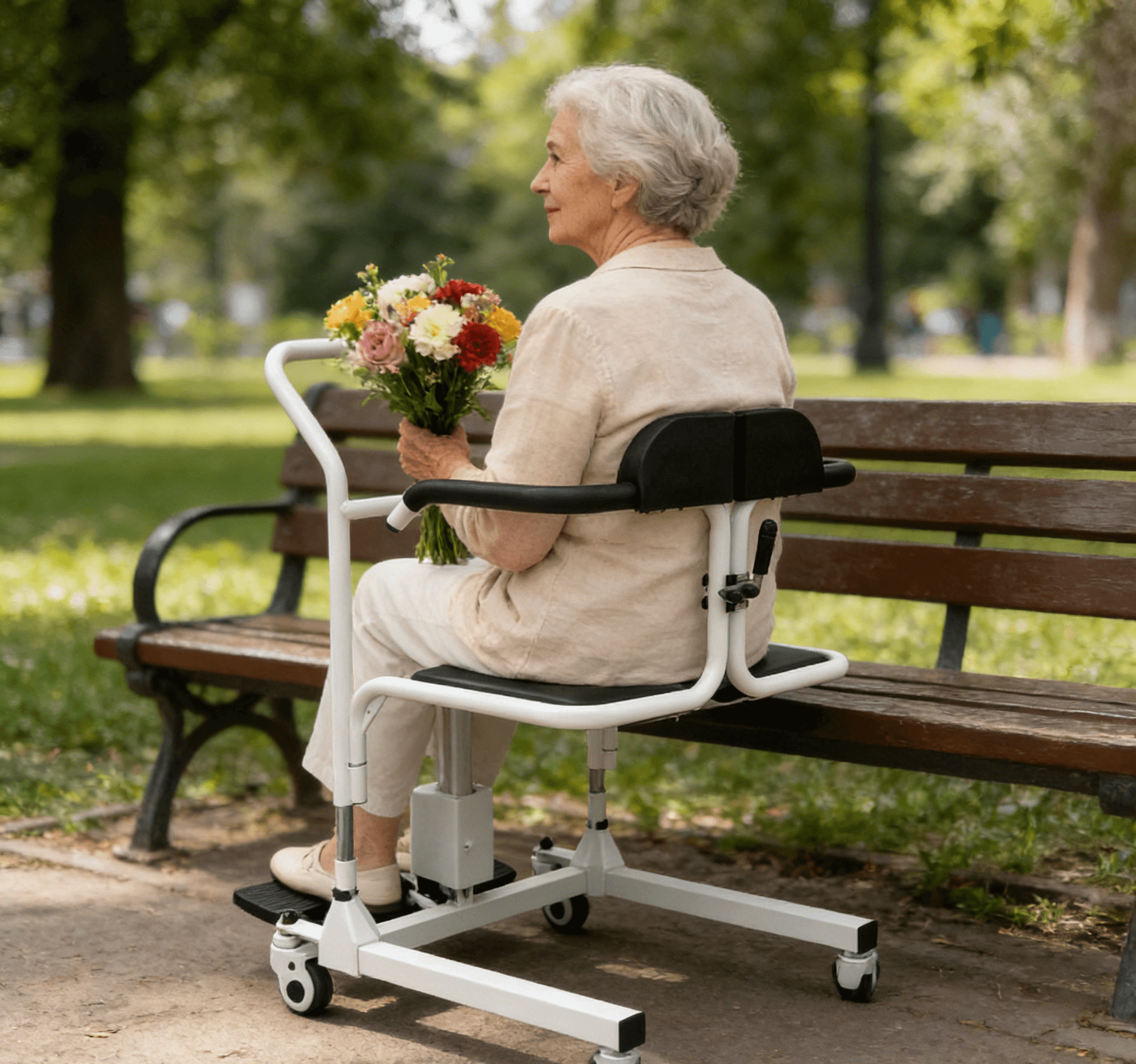
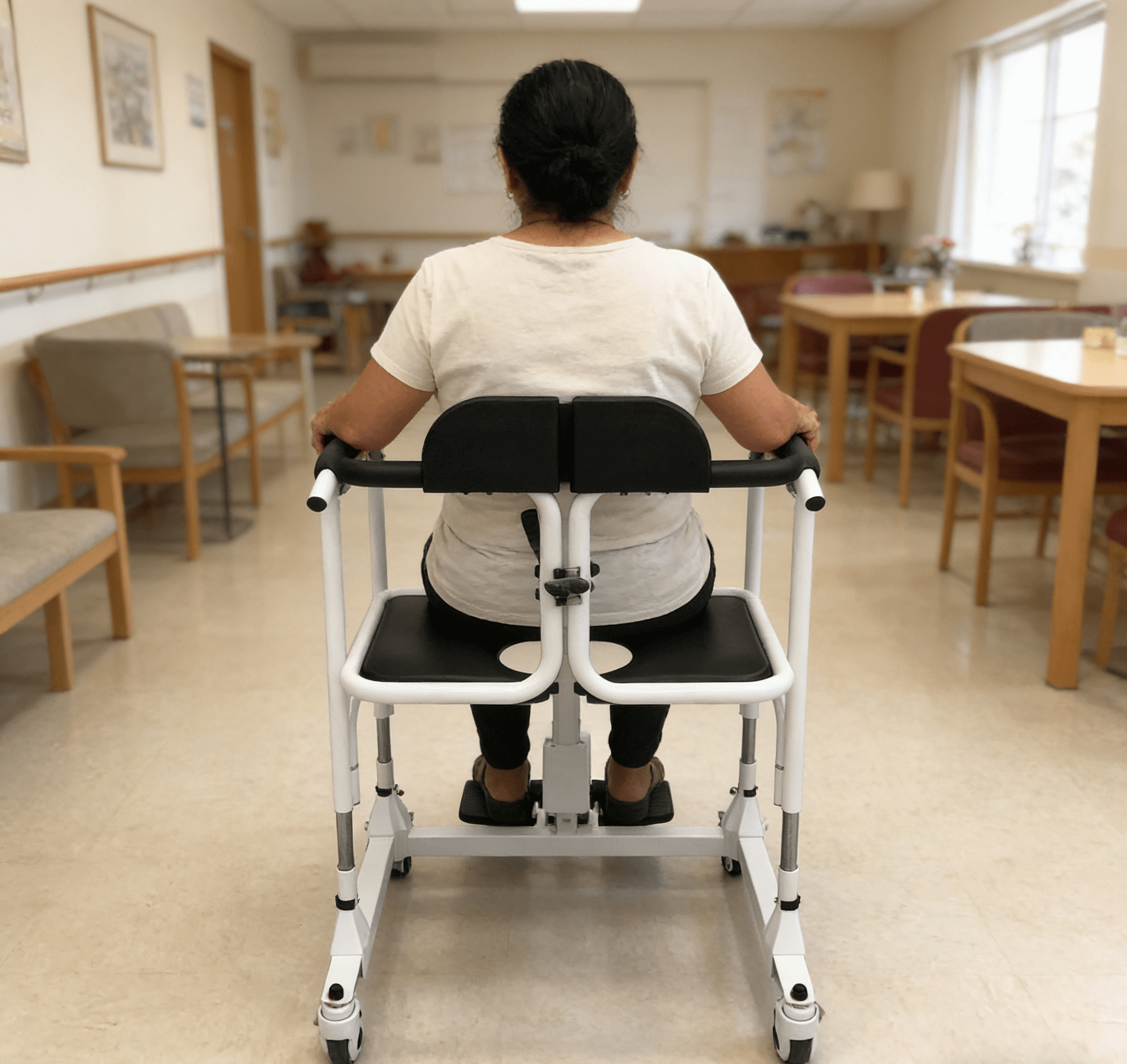
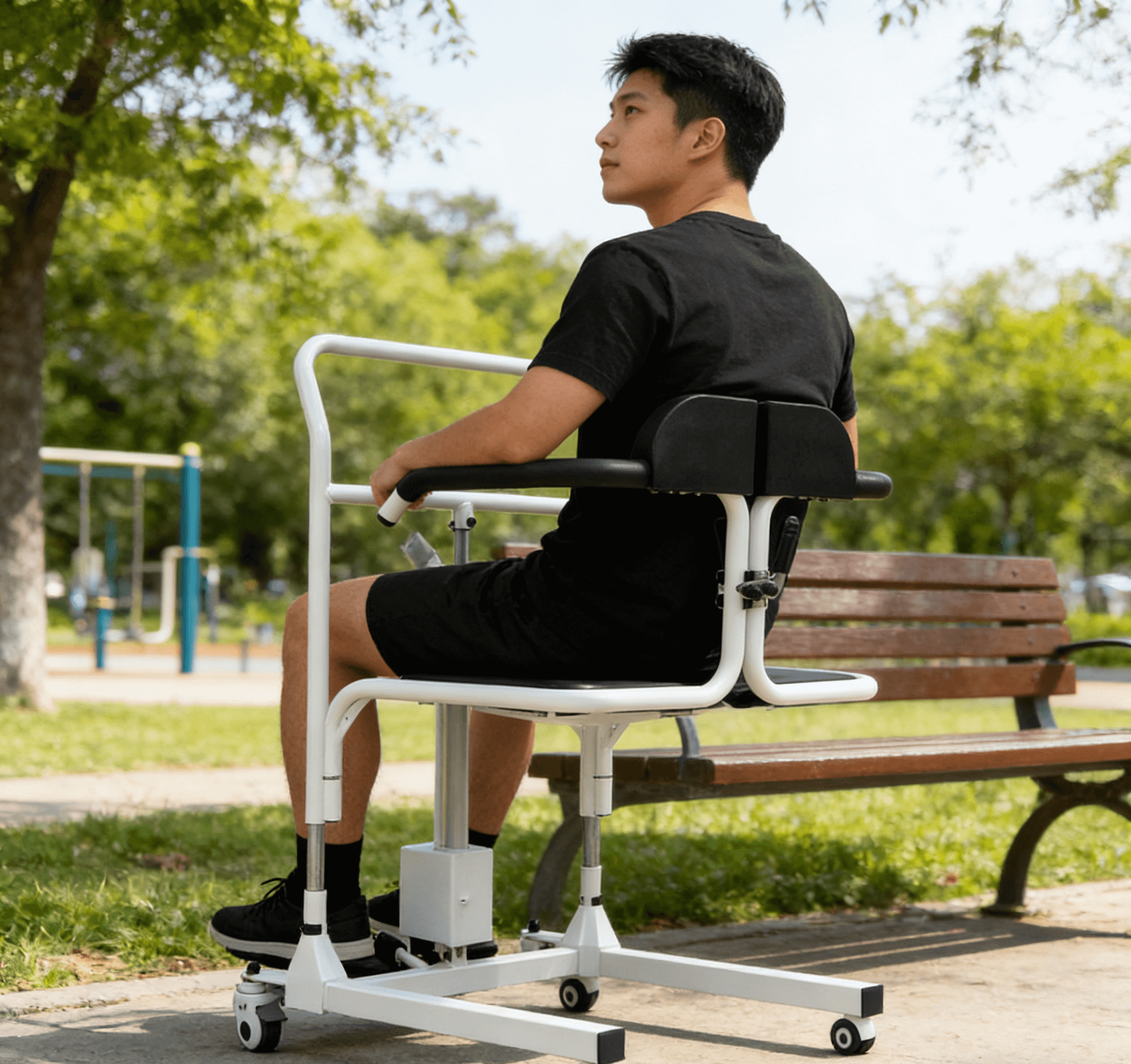
The emergence of the Hoyer Lift is not intended to replace caregivers; instead, as a scientific assistive tool (Lift Assist), it transforms high-risk manual lifting into a safe, smooth, and dignified mechanical transfer. It is not a cold machine, but an extension of the caregiver’s hands and a concrete embodiment of the concept of professional care.
This article will take you to deeply understand the true meaning, applicable boundaries, and operational essence of "Hoyer Lift-assisted transfer."
I. "Assisted" Rather Than "Fully Automatic": The Essence of Human-Machine Collaboration
Although the Hoyer Lift has lifting and moving functions, it cannot completely replace human judgment and companionship. True "assisted transfer" includes three dimensions:
Physical assistance: The equipment bears the entire body weight, so caregivers do not need to carry any load;
Operational assistance: Caregivers control the lifting/lowering and movement direction to ensure a safe path;
Emotional assistance: Continuous communication, comfort, and observation of the patient’s reactions during the transfer.
✅ Key Insight:The Hoyer Lift solves the problem of "how to move safely,"while the caregiver addresses "why to move, when to move, and how to settle after moving."
II. Who Needs Hoyer Lift Assistance Most?
Not all individuals with limited mobility need to use a lift. Whether to use it should be based on an assessment of the patient’s weight-bearing capacity and fall risk:
Applicable Groups (Strongly Recommended):
Those completely unable to stand or bear weight: Such as high paraplegia, advanced amyotrophic lateral sclerosis (ALS), and quadriplegia after severe stroke;
Those prohibited from bearing weight by medical advice: Such as within 6 weeks after hip replacement surgery and during the recovery period of pelvic fractures;
Patients with heavy body weight and caregivers with limited physical strength: To avoid occupational injuries;
Patients with fragile skin or at risk of pressure ulcers: To eliminate drag and friction.
Optional Use (Transition Period):
Those with partial weight-bearing capacity but extremely poor balance: Such as advanced Parkinson’s disease and severe orthostatic hypotension;
Patients with cognitive impairment and restlessness: Need fast and stable transfer to reduce the risk of struggling.
Inapplicable Situations:
Patients can walk independently or with light support;
Only short-distance assistance is needed (e.g., sitting up beside the bed);
The space is extremely limited and no suitable model is available (other assistive solutions should be sought in this case).
III. Five Core Principles of Assisted Transfer
1. Assessment First
Before transfer, confirm the patient’s consciousness state, painful areas, and whether tubes (such as catheters and infusion tubes) are properly secured;
Check the equipment’s battery level, the integrity of the sling, and ensure the path is unobstructed.
2. Communication Throughout the Process
Inform in advance: "We are now going to transfer you to the wheelchair. It will lift a little—don’t be nervous";
Ask during transfer: "Is this comfortable? Does any part hurt?";
Confirm after completion: "Are you sitting firmly? Do you need to adjust the backrest?"
3. Precisely Match the Sling
Full-body slings are used for patients with complete disability, and seated slings are used for toilet transfers;
The size of the sling must match the patient’s waist circumference and leg length. An overly loose sling may slip, while an overly tight one may compress blood vessels.
4. Smooth Operation, Avoid Sudden or Violent Movements
The lifting/lowering speed should be based on the standard that "the patient feels no swaying";
Keep the boom vertical when moving horizontally to avoid swinging caused by diagonal pulling.
5. Dual Protection of Environment and Equipment
The floor should be dry and non-slip, and the lighting should be sufficient;
Lock the casters of the lift and step on the brakes of the hospital bed/wheelchair tightly;
The position of the emergency descent valve should be clear for manual operation in case of power failure.
IV. Common Challenges and Solutions in Home Care
❌ Challenge 1: "The machine is too big to fit in the room"→ Solution: Choose a lift with a narrow base (Sliding Leg) or scissor base, with a minimum width of only 60cm, which can be inserted under most hospital beds.
❌ Challenge 2: "The operation is too complicated for the elderly to learn"→ Solution: Select an electric model with a single-handle remote control to simplify operation; ask a nurse or supplier to provide on-site training for the first use.
❌ Challenge 3: "Using a machine seems unfilial"→ Solution: Change the mindset—scientific care is true filial piety. Forcibly lifting the patient manually may cause injury to yourself, which will only make the patient feel more guilty.
❌ Challenge 4: "Putting on the sling is troublesome"→ Solution: Fold the sling into a "saddle shape" in advance and slide it under the patient from behind in one go; or use a split-type quick-wear sling to reduce turning.
V. Beyond Transfer: The Extended Value of the Lift
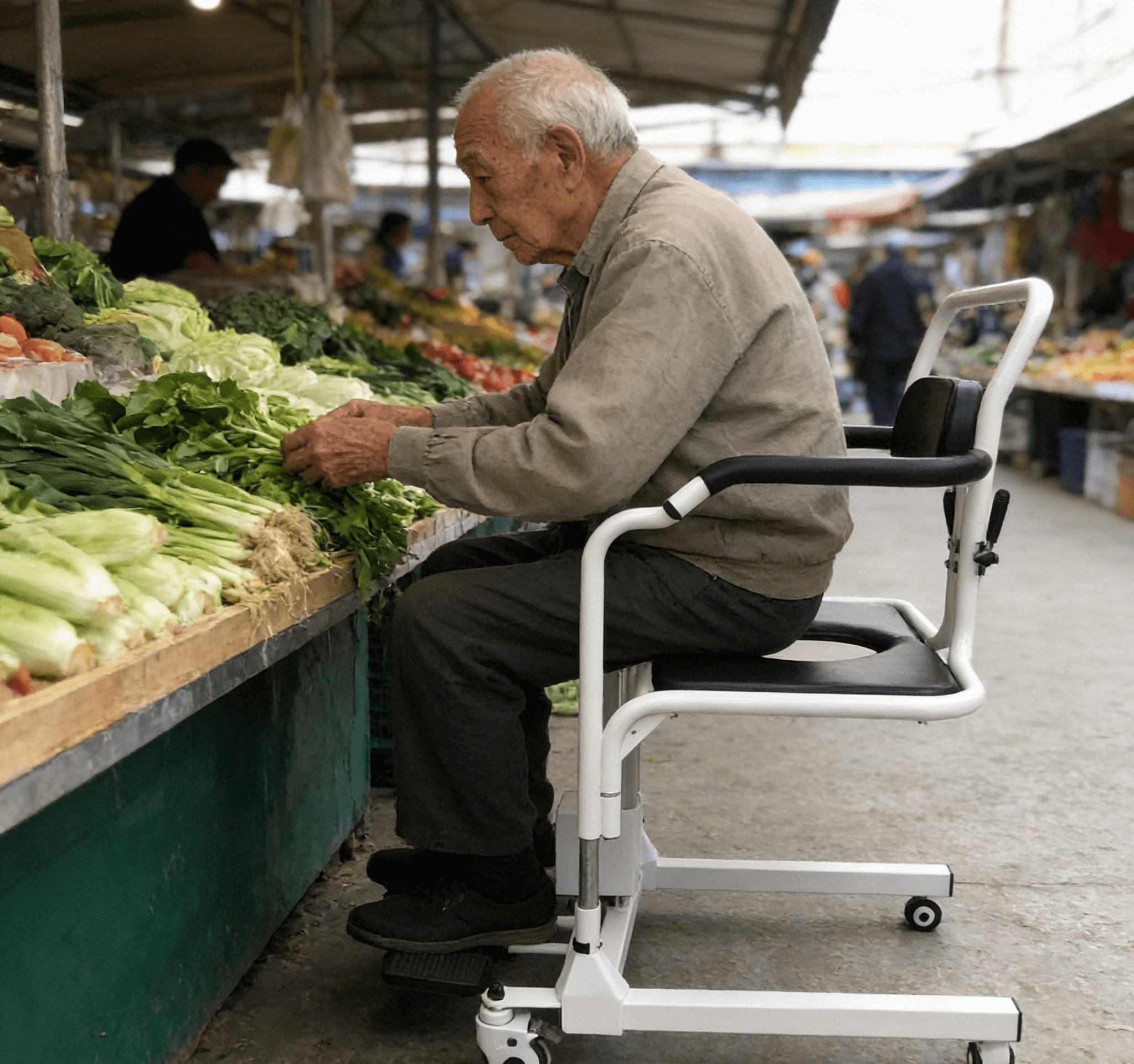
Promote daily participation: Safe transfer to the dining table, balcony, and living room improves quality of life;
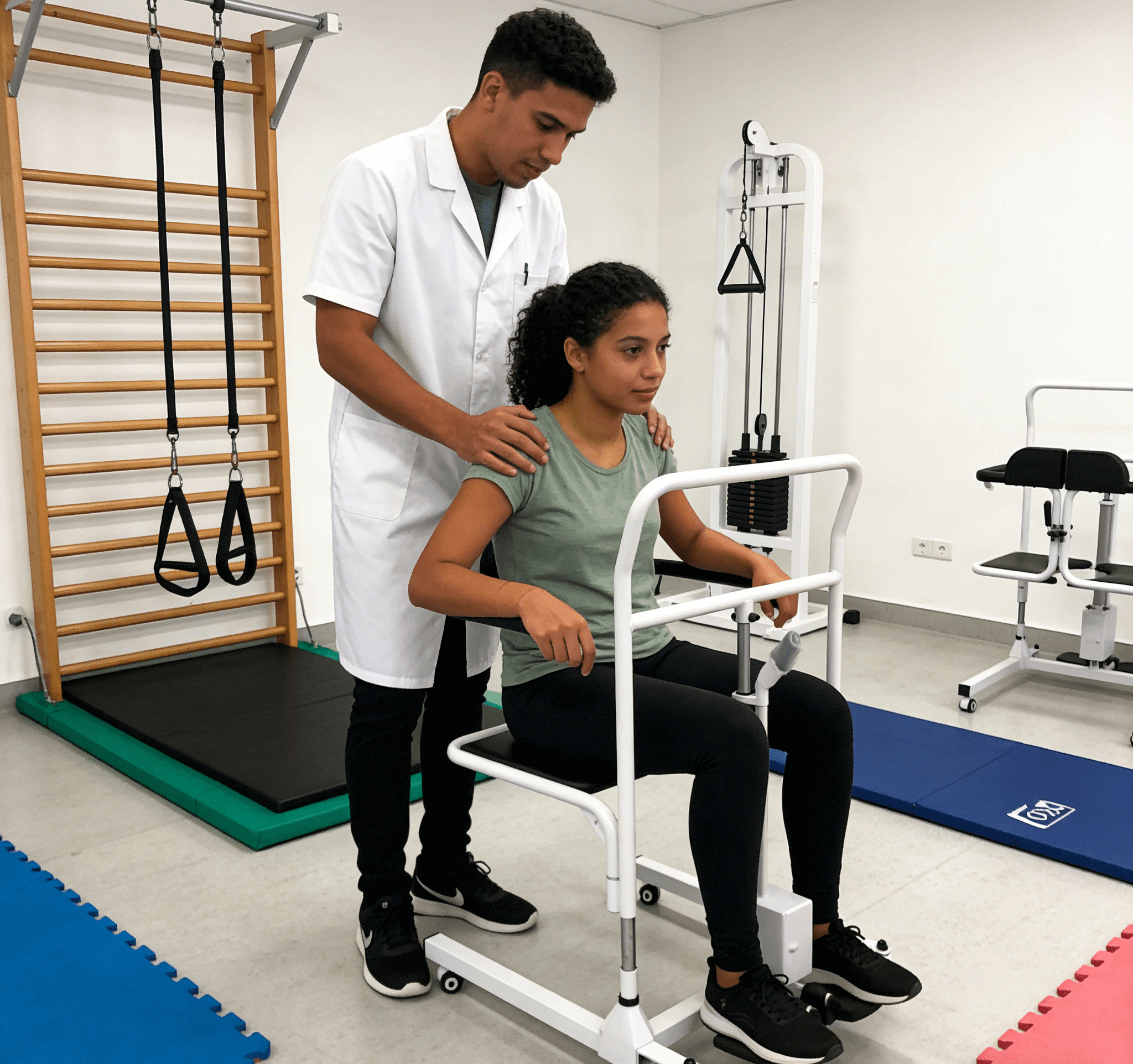
Support rehabilitation training: Cooperate with a standing sling for progressive weight-bearing exercises;
Reduce caregiving anxiety: Caregivers no longer fear "being unable to lift," greatly reducing psychological burden;
Comply with occupational safety regulations: In institutional care, the use of lifts is a mandatory requirement of regulations such as those from OSHA (Occupational Safety and Health Administration, USA).
VI. Access and Support Channels
United States: With a doctor’s prescription, it can be rented through Medicare Part B (covering 80% of the cost);
China: Brands such as Yuwell, Hubang, and Maidesite provide home-use models, which are also available on e-commerce platforms;
Community resources: Elderly care service centers in many cities offer equipment trials, operation training, and short-term rentals;
Video learning: Search for "Hoyer lift tutorial" on YouTube or Bilibili to watch standard operation demonstrations.
Conclusion
Hoyer Lift-assisted transfer,is not a cold mechanical intervention,but a solemn support for the weight of life.
It frees caregivers from "carrying heavy loads,"and relieves patients from the "shame of being dragged."
True assistance,is using tools to protect people’s safety,and using professionalism to convey the warmth of love.
May every moment that requires transfer,no longer be an adventure,but a stable arrival;
May every caregiver,with the support of technology,save their strength,for hugs, conversations, and companionship.