Category: power lift chairs
Posted by 2025-12-16 10:12
hoyer lift drive medical
Drive Medical Hoyer Lift: A Cost-Effective Home Solution? A Comprehensive Analysis
When searching for a home-use Hoyer Lift, Drive Medical is a brand you will encounter frequently. It is renowned for its highly competitive pricing and wide accessibility. But is choosing a Drive Medical product suitable for your specific situation? This article will delve into the brand’s advantages, disadvantages, applicable scenarios, and provide clear purchasing advice.
Brand Positioning: Who Is Drive Medical?
Drive Medical is a global designer and manufacturer of medical consumer goods, with an extremely broad product line—ranging from wheelchairs and walkers to hospital beds and lifts. Its market positioning is very clear: to provide affordable, functionally practical medical equipment for the home and long-term care markets.
Core Features of Drive Medical Lifts
Significant Advantage: Cost-Effectiveness
Primary Appeal: Compared to professional brands like Arjo and Invacare, Drive Medical’s lifts are usually more price-friendly. This is a key consideration for families purchasing out-of-pocket or with limited budgets.
Product Line Coverage
Drive Medical offers various types of lifts, including:
Standard Electric Lifts: Such as its classic electric models, typically with a weight capacity ranging from 300 to 400 pounds.
Heavy-Duty Lifts: Models with higher weight capacity to meet the needs of users with larger body weights.
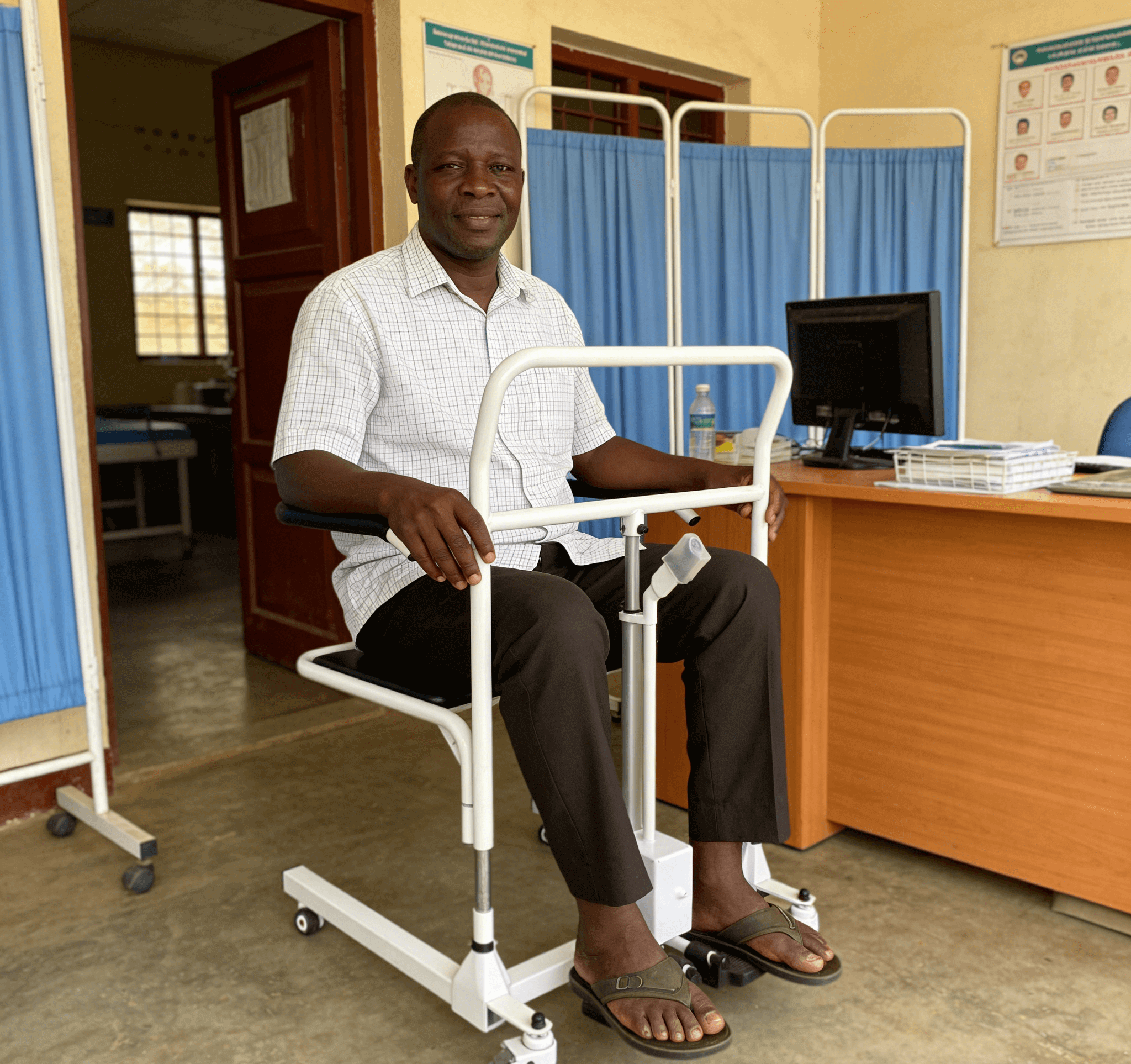
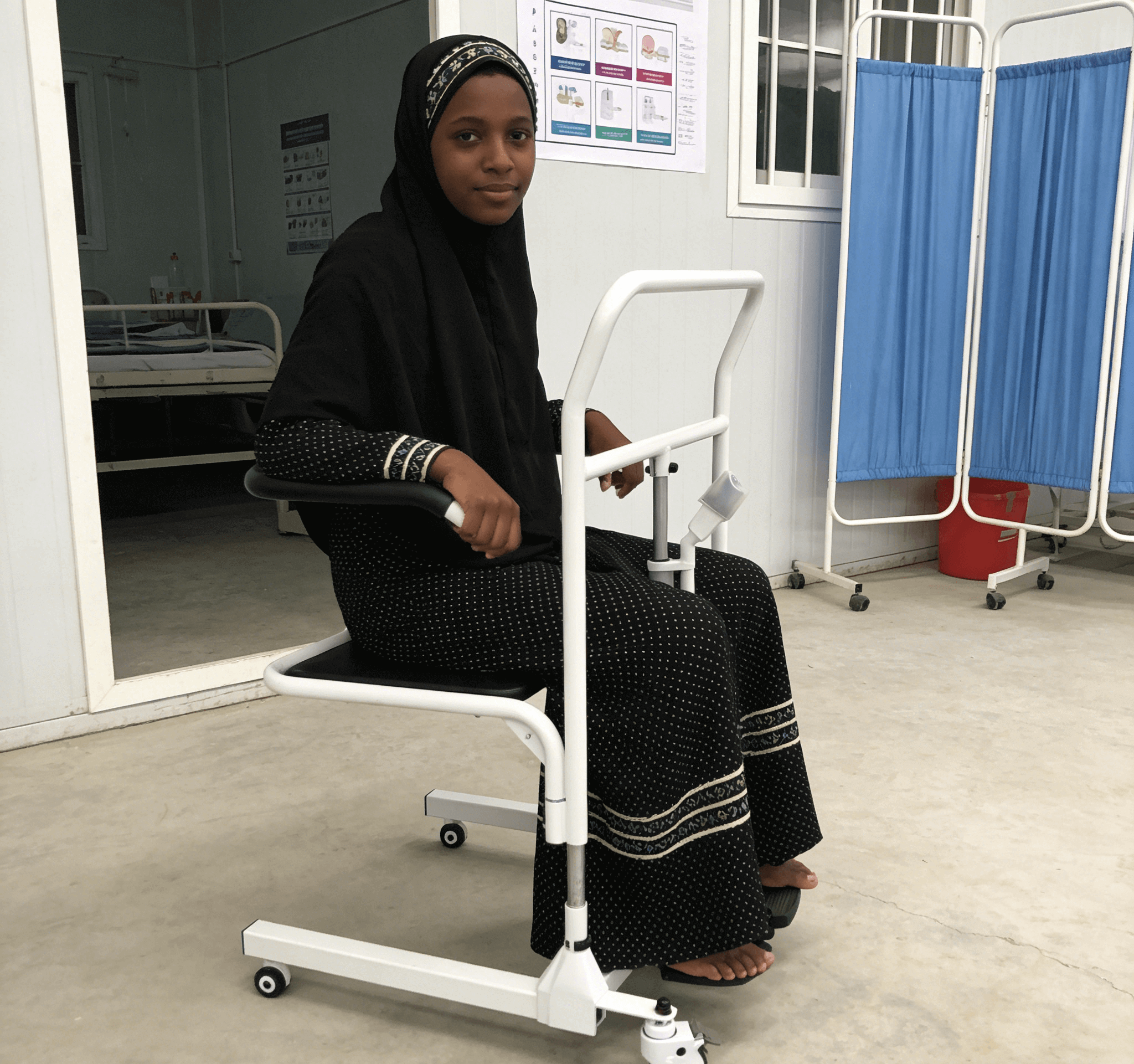
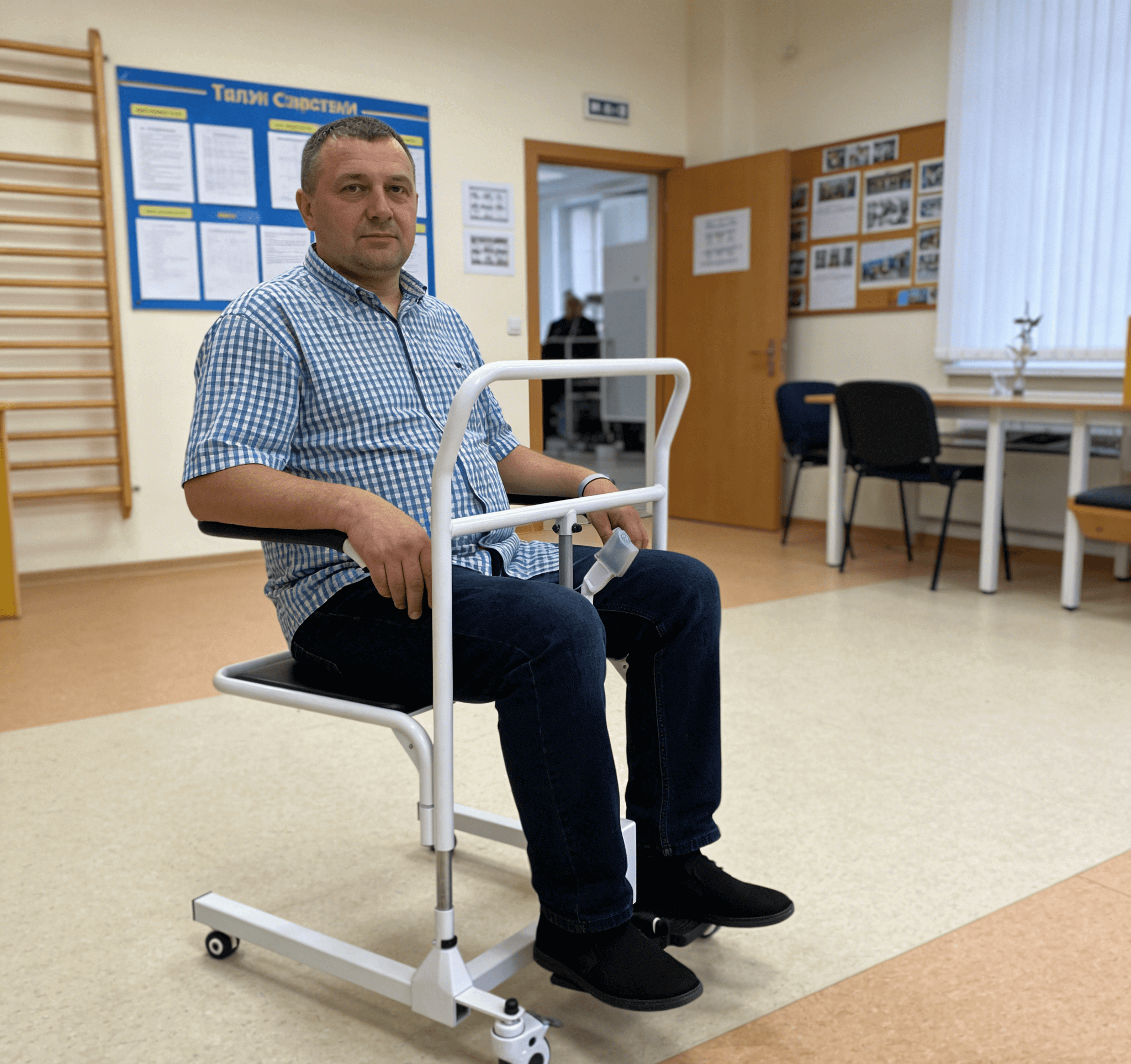
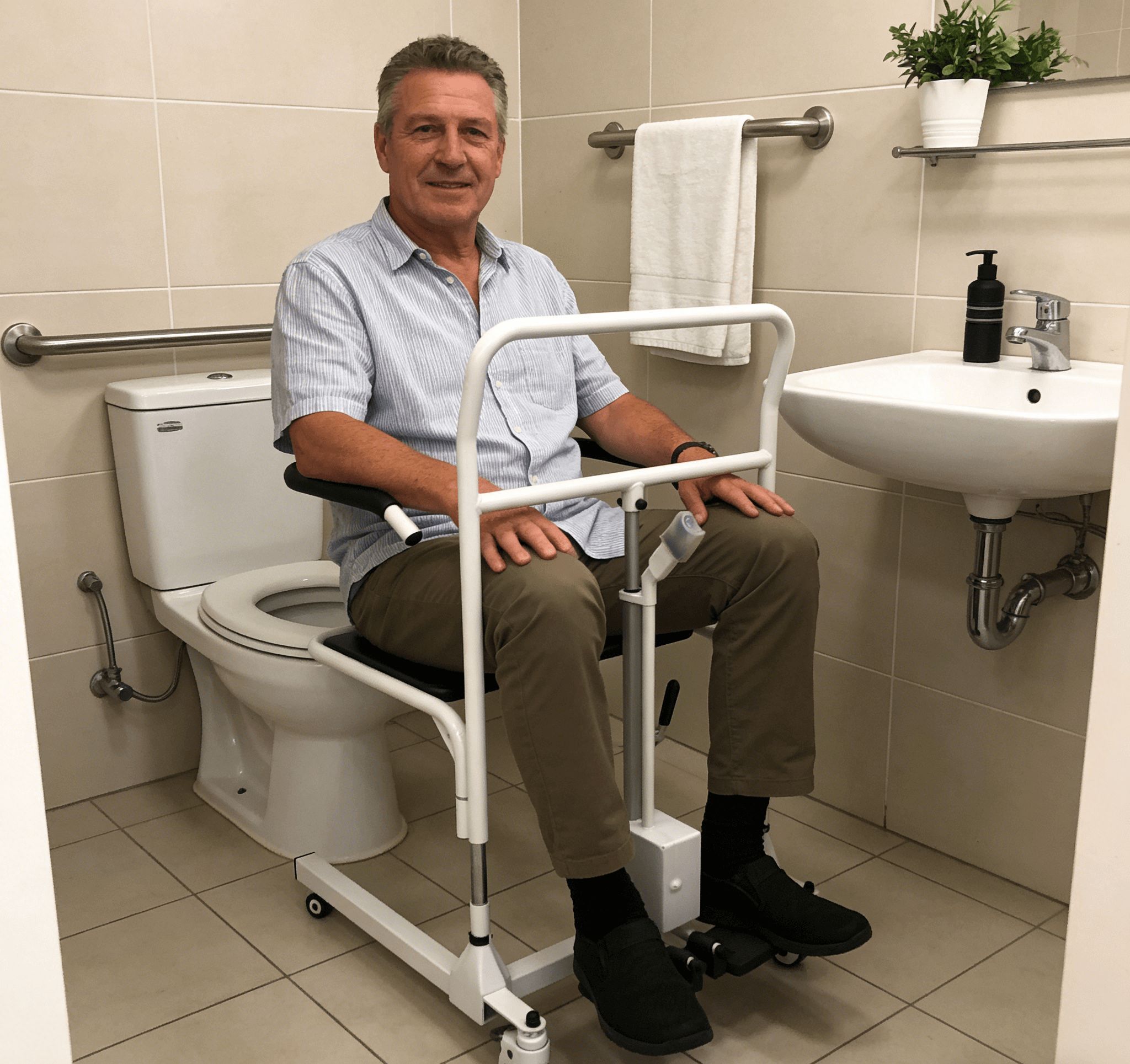
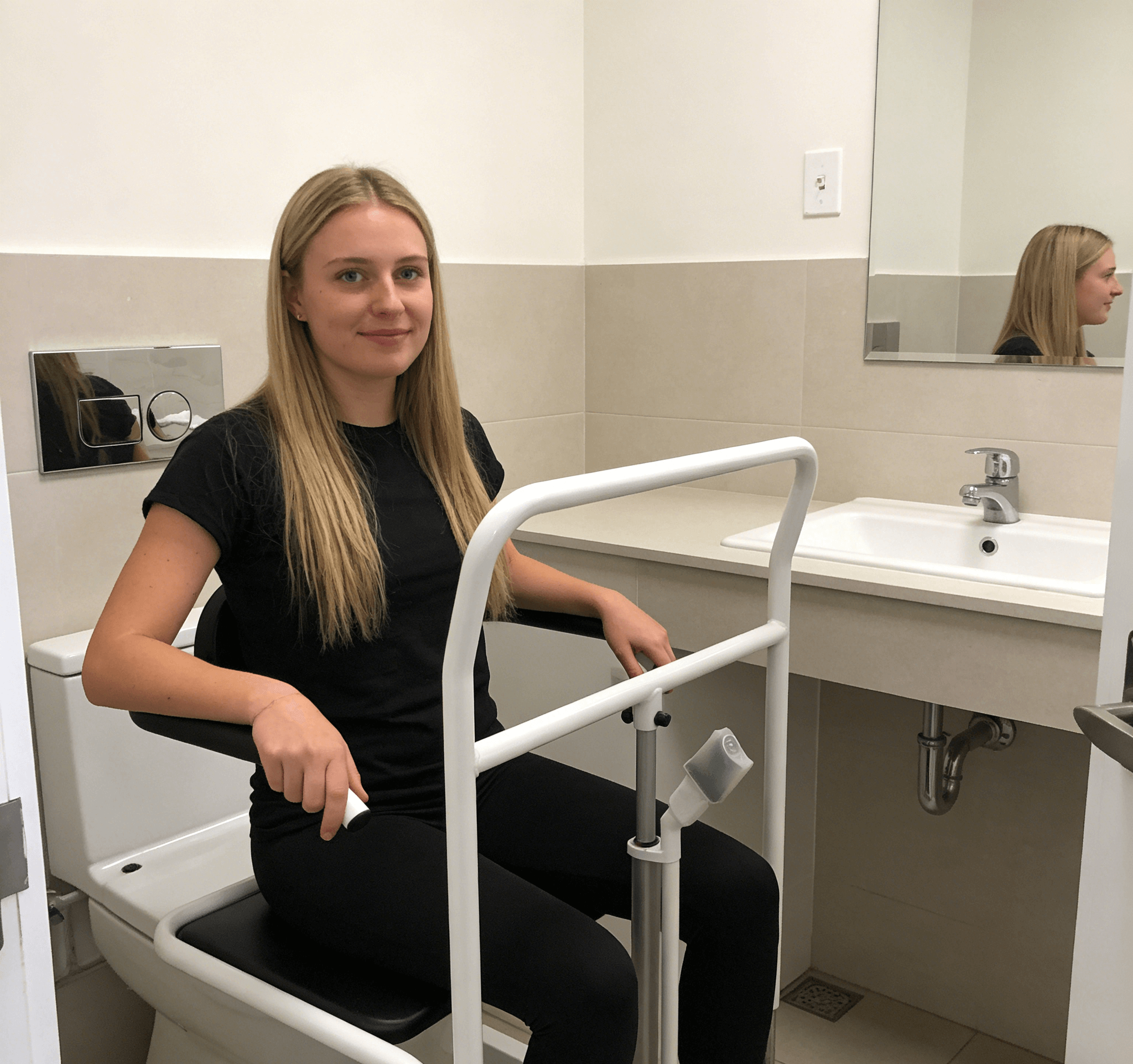
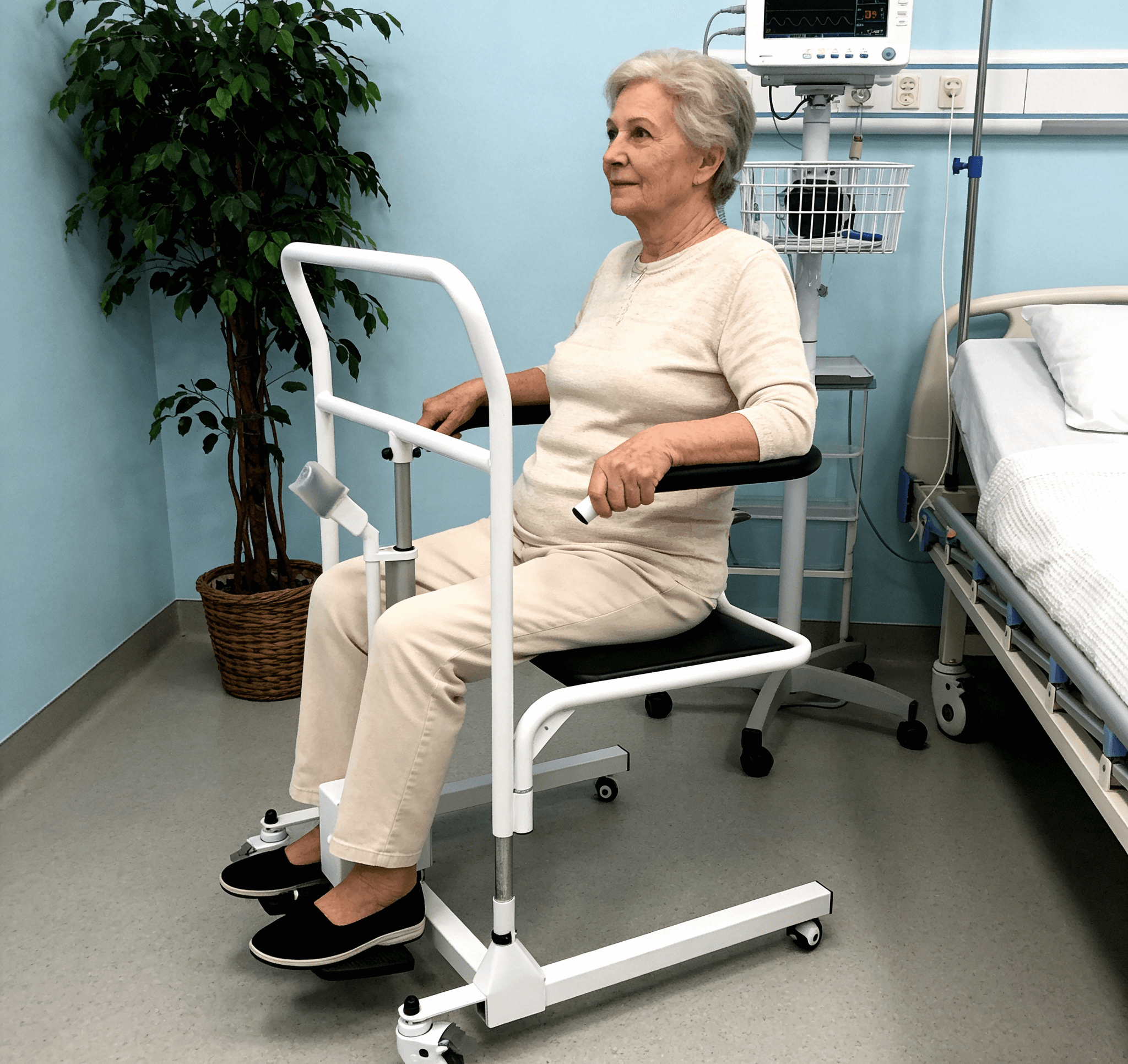
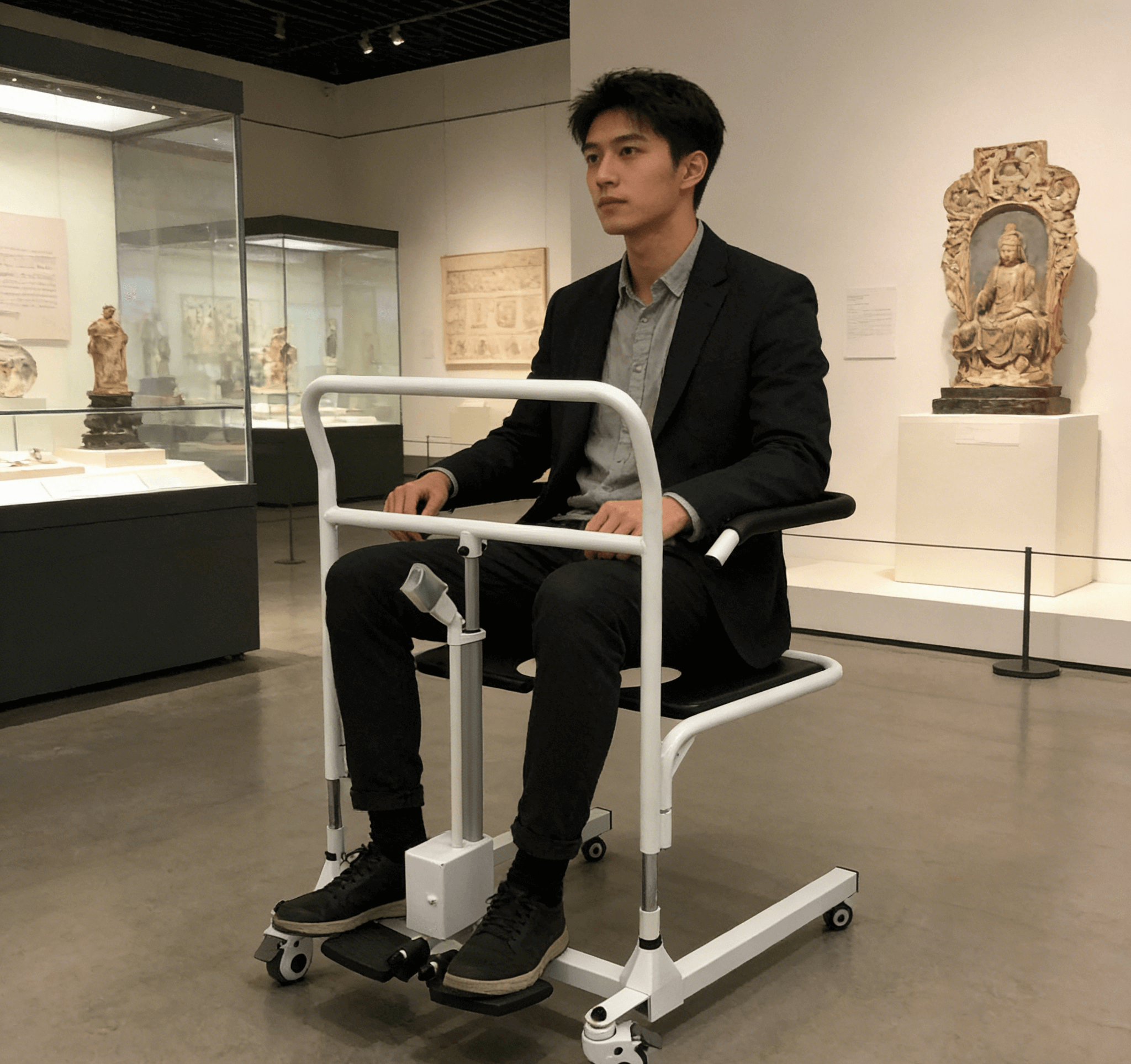
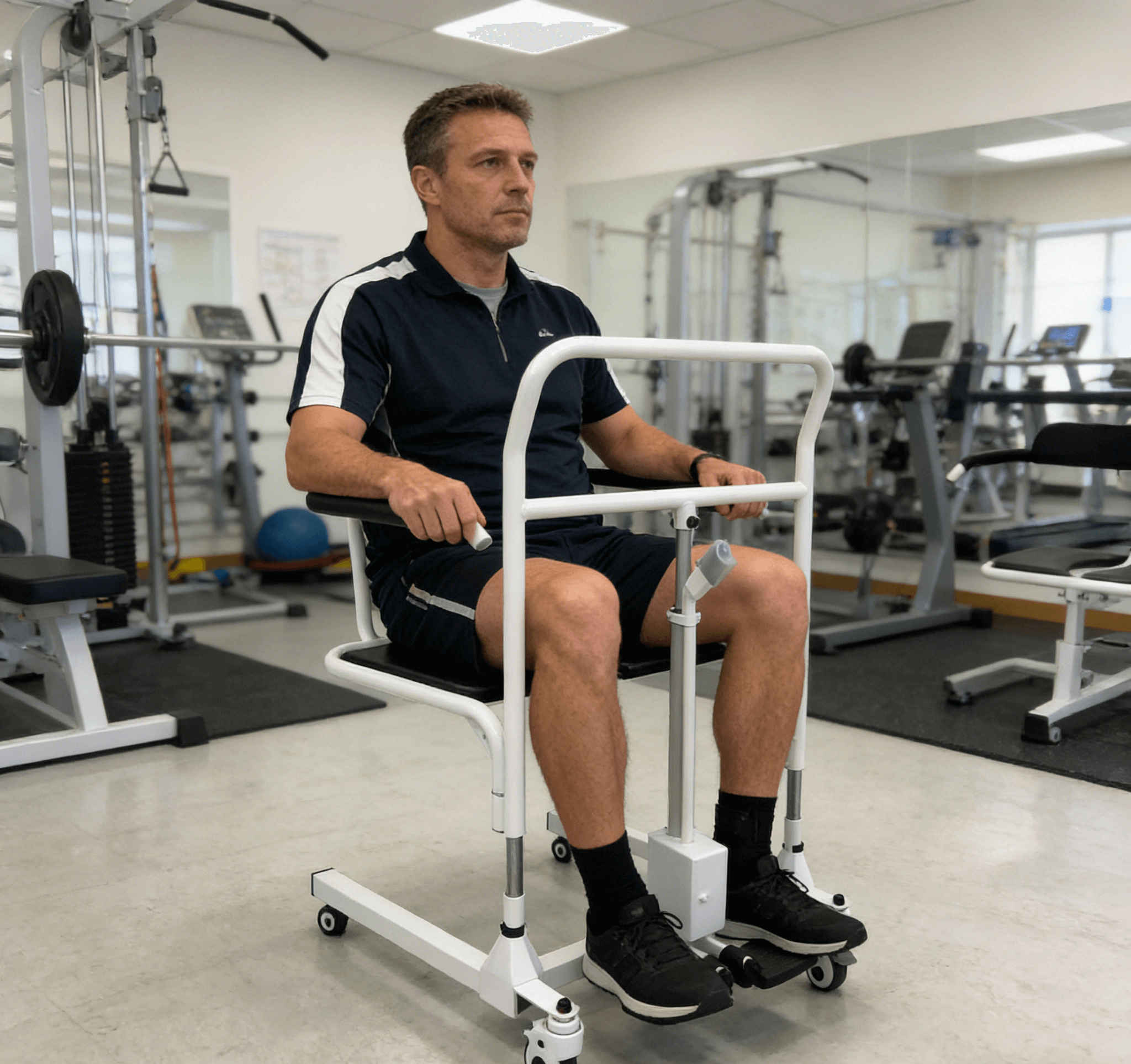
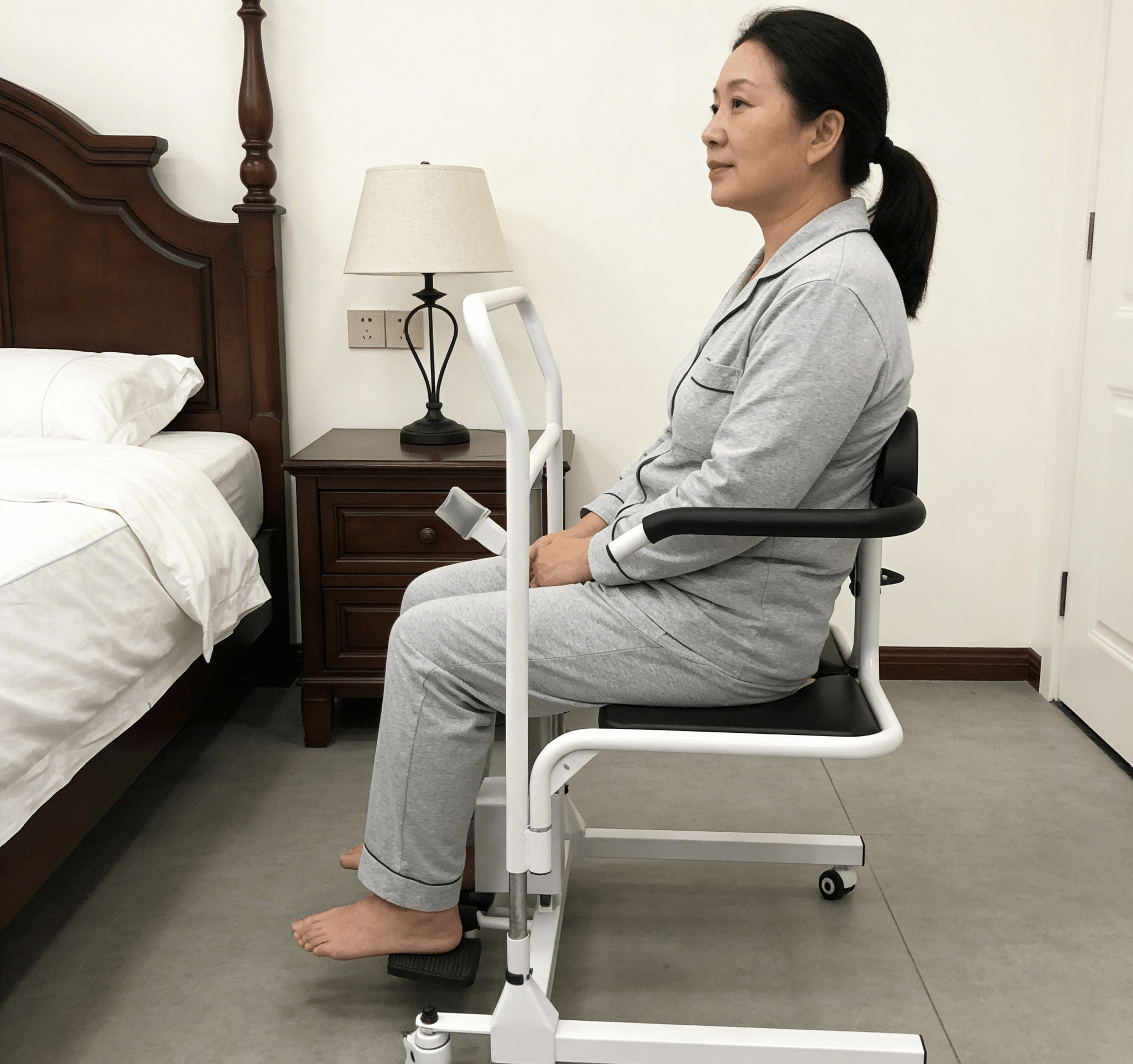
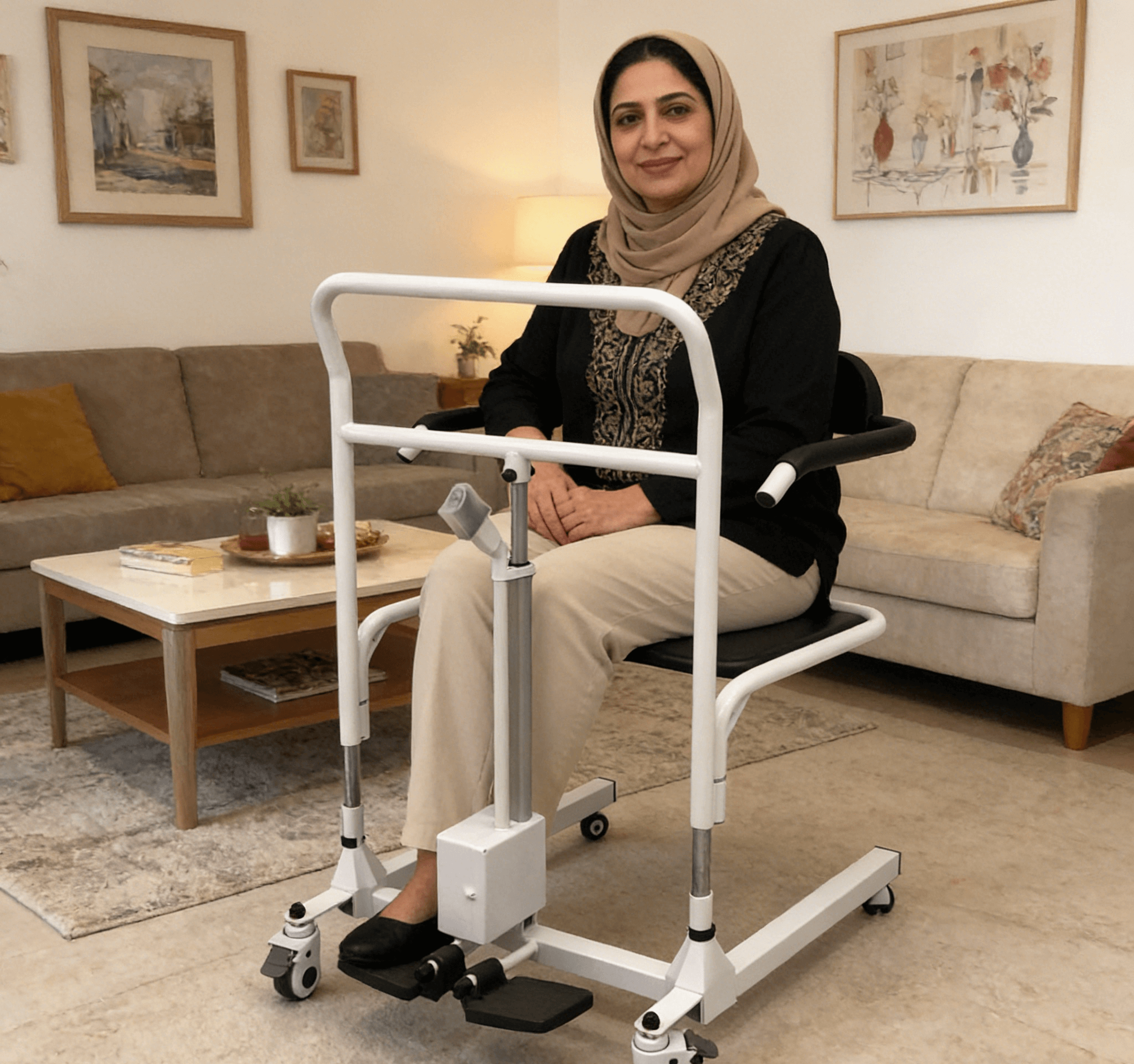
Stand-Up Lifts: Devices that assist users with partial weight-bearing ability to stand up.
Convenient Purchasing Channels
Its products are sold through major online retailers such as Amazon, Walmart.com, and SpinLife, as well as local medical equipment stores, making purchases very convenient.
Potential Limitations and Considerations
While you may be attracted by the price, it is essential to understand its potential limitations:
Durability and Institutional Use
Key Difference: Drive Medical’s equipment is primarily designed for home environments, where usage frequency and intensity are generally lower than in hospitals or nursing homes.
If you need a device for more than a dozen transfers per day, models designed for high-intensity use by professional brands (such as Arjo) may be more durable and have a longer lifespan.
Design and User Experience
In some details, compromises may be made to control costs, such as:
Operational Smoothness: The smoothness of lifting, lowering, and rotation may not match that of high-end brands.
Base Design: The width and stability of the base may feel slightly different when pushed, especially on carpets.
Professional Support and Training
One of the Biggest Challenges: When purchasing from online retailers, you may not have access to professional on-site installation and face-to-face operation training provided by authorized suppliers.
For novice caregivers, the lack of professional hands-on guidance poses a significant safety risk. You will rely heavily on video instructions and user manuals.
Suitable and Unsuitable User Groups
Drive Medical Lifts May Be Suitable for:
Families with limited budgets.
Short-term or temporary needs (e.g., post-surgery recovery periods).
Home environments with low usage frequency (e.g., only 2–3 uses per day).
Caregivers who are willing and able to obtain safety training through other channels (e.g., hiring an occupational therapist).
You May Need to Consider Investing in a More Professional Brand If:
The user’s weight is close to or exceeds 400 pounds (requiring a more stable heavy-duty device).
The device needs to be used in institutions with high intensity and frequency.
The caregiver has no experience at all and cannot access external training.
You plan to seek reimbursement through insurance or ADP and have a designated list of suppliers (Drive Medical may not be on it).
Purchasing Decision Guide: If You Decide to Choose Drive Medical
Carefully Verify Specifications
Weight Capacity: Choose a model with a capacity that exceeds the user’s current weight by at least 50–100 pounds.
Base Dimensions: Measure your doorways and room passageways to ensure the device can pass through and be operated flexibly.
Power Source: Confirm it is electrically operated to protect the caregiver.
Seek External Professional Evaluation
Strong Recommendation: Before purchasing, consult an occupational therapist. They can conduct a neutral assessment of your specific needs, determine if a Drive Medical model is suitable, and provide the necessary training.
Read User Reviews, but Exercise Judgment
Focus on reviews that detail long-term usage experiences, not just unboxing impressions. Pay attention to recurring quality issues.
Understand Warranty and Return Policies
Clarify the warranty period and coverage. Familiarize yourself with the return process in case the device is not suitable.
Conclusion
Drive Medical plays an important role in the Hoyer Lift market: it makes this vital care equipment affordable for more families. It can be regarded as the "Toyota Corolla" of medical equipment—reliable, practical, and economical, but may not have the luxury and ultimate performance of a "Lexus."
The final choice should be based on a comprehensive trade-off of usage scenarios, frequency, budget, and most crucially, access to safety training resources. If you make a choice within your budget, be sure to invest additional time and resources to ensure all caregivers receive adequate training from occupational therapists or detailed official video tutorials, to compensate for the potential lack of supplier guidance. Safety is always the top priority, regardless of the brand.