Category: power lift chairs
Posted by 2025-12-18 11:12
hoyer lift for bathroom
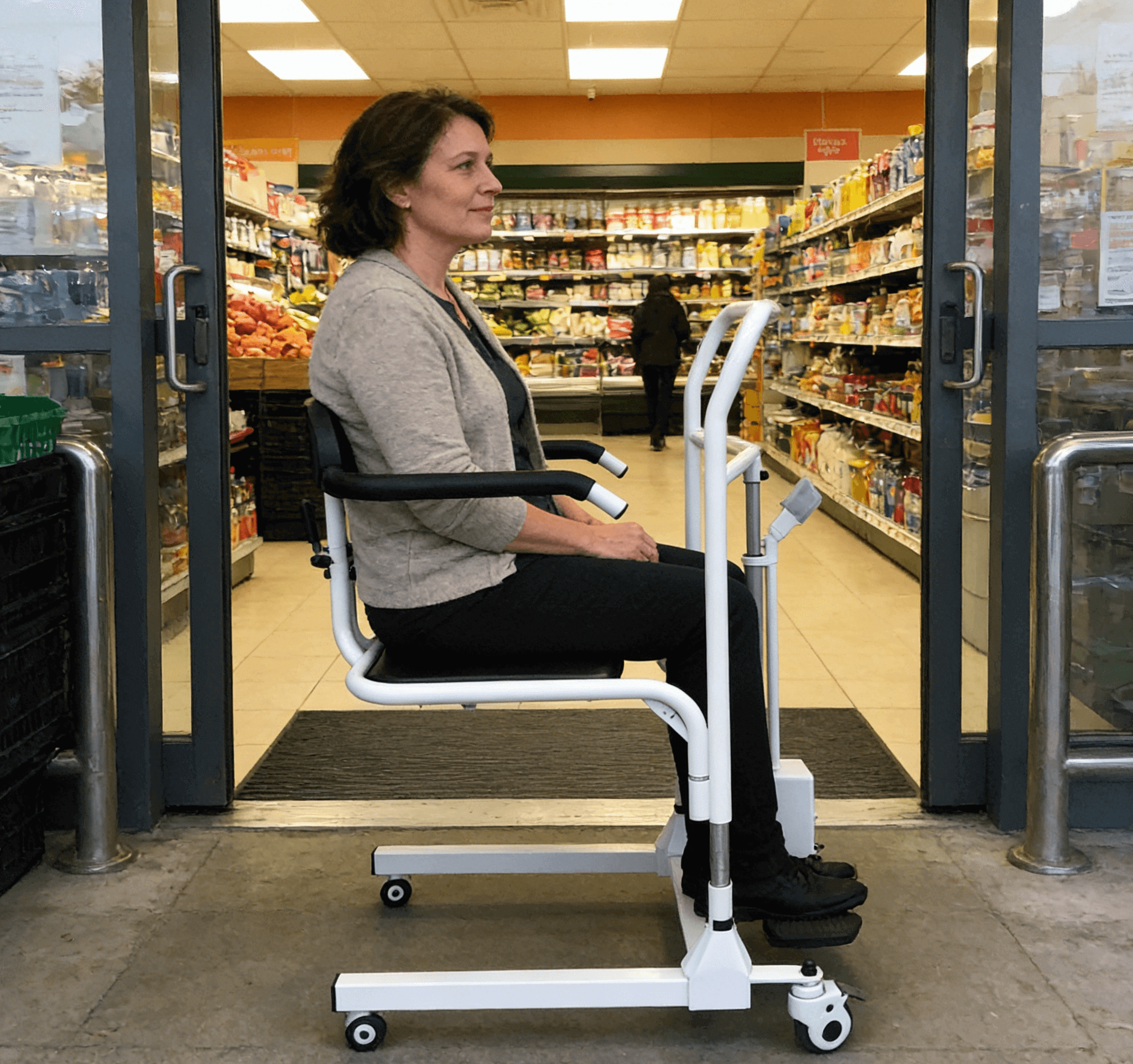
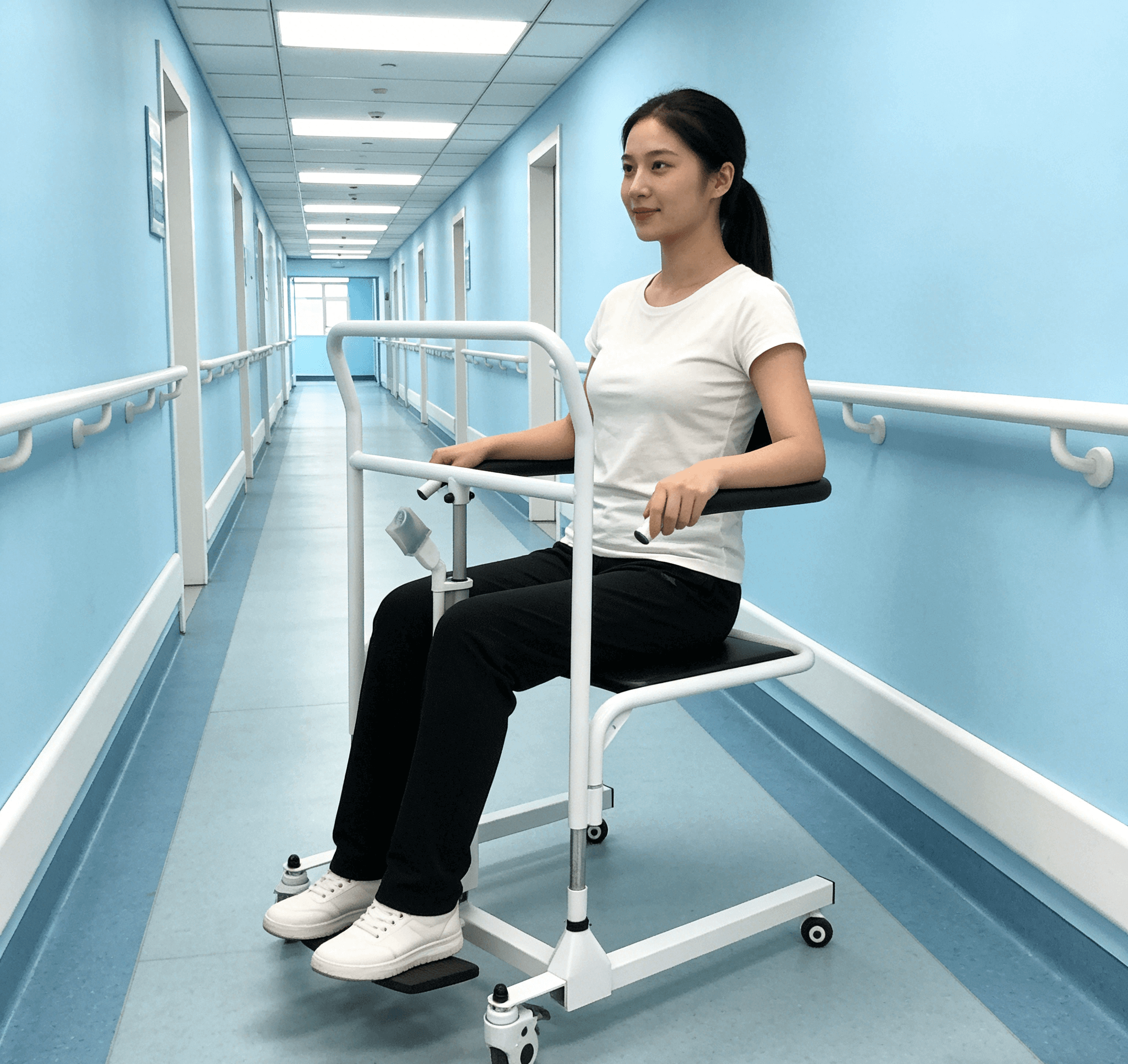
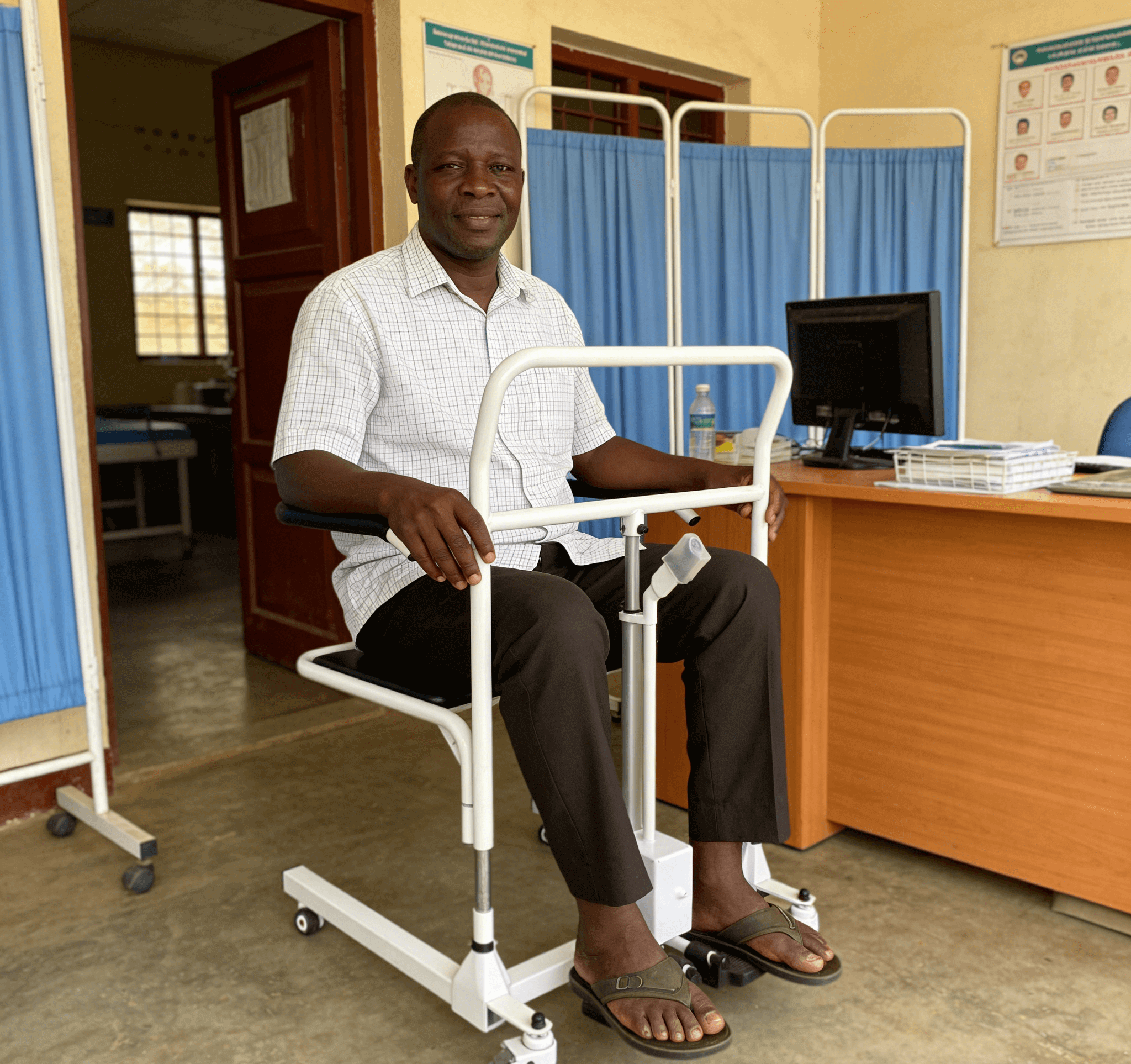
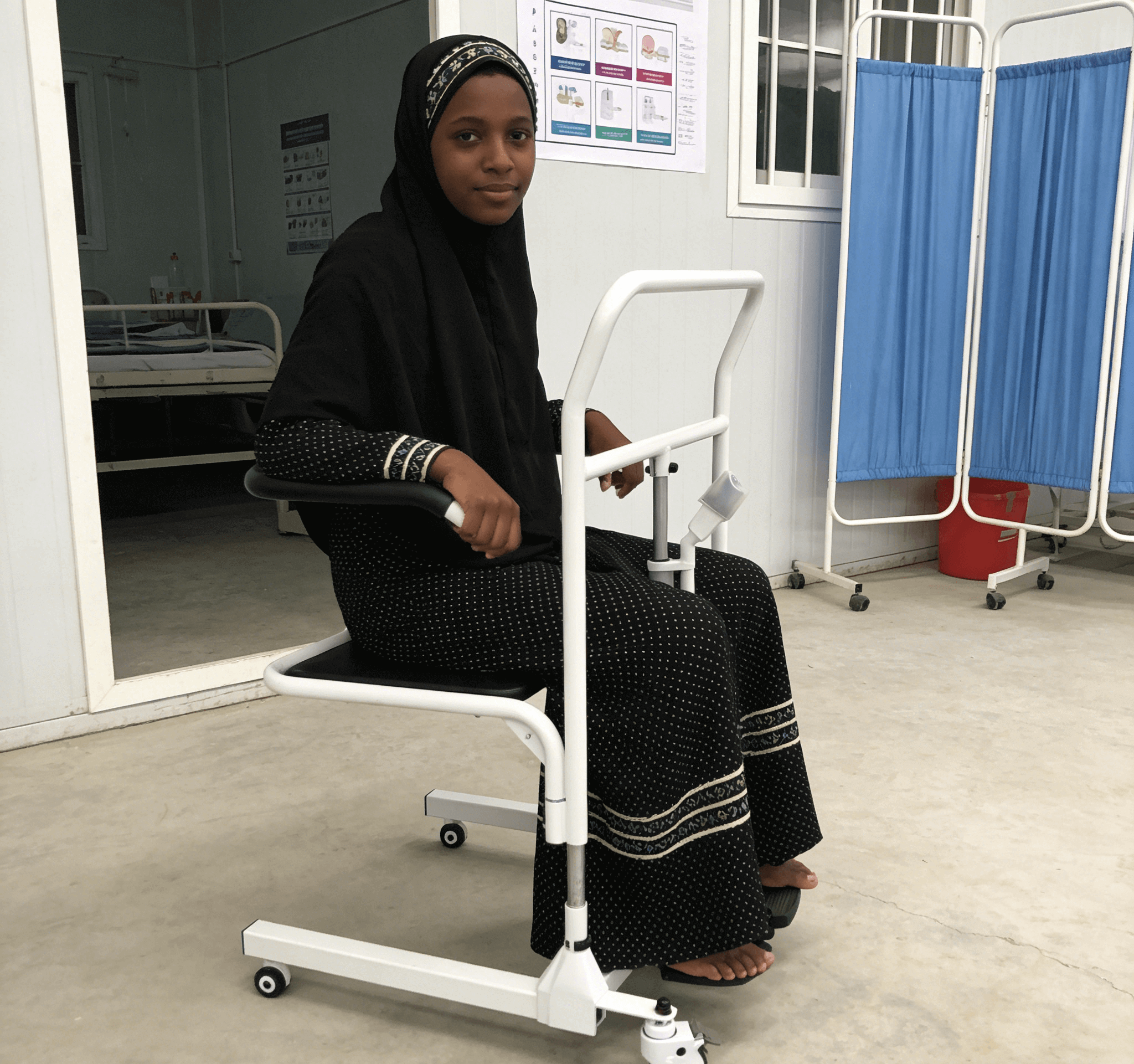
Bathroom Hoyer Lift: A Solution for Safe and Independent Bathroom Care
The bathroom—a smooth, damp, and often narrow space—is the area with the highest risk of falls and injuries in home care. For individuals with mobility impairments, the inability to use the toilet or bathe safely can severely compromise dignity and quality of life. Hoyer lifts offer a key solution to this problem, yet the bathroom environment imposes unique requirements on their use.
Why Does Bathroom Transfer Require Special Consideration?
High-Risk Environment: Water, soap, and smooth surfaces create inherently hazardous conditions.
Space Constraints: Standard portable lifts may struggle to maneuver and operate effectively in small bathrooms.
Need for Precise Positioning: Users must be placed accurately onto toilets or shower chairs with minimal margin for error.
Solution 1: Using a Portable Hoyer Lift
This is the most common and flexible solution, but it requires careful planning.
Keys to Success:
Measure, Measure, Measure: Before purchasing, accurately measure the width of bathroom doors, internal turning radii, and available space around the toilet.
Choose a "Scissor-Style" or Narrow Base: These bases are extremely narrow when collapsed, making them easy to pass through standard doorways, and they occupy less front-to-back space when extended in front of the toilet.
Ensure Clear Floor Space: Remove all obstacles such as small rugs and scales.
Operation Process:
Extend the lift’s base outside the bathroom door.
Push the lift into the bathroom and suspend the user directly above the toilet.
Lower the user slowly and guide them to sit firmly.
Release the hooks and move the lift away to free up space.
After using the toilet or bathing, repeat the process to transfer the user back.
Solution 2: Installing a Ceiling-Mounted Lift (The Ultimate Solution)
For long-term care needs, this is the safest and most convenient bathroom transfer option.
Working Principle:
Tracks are installed on the bathroom ceiling, and an electric hoist travels along these tracks to transfer the user directly from the doorway to positions above the toilet, sink, or bathtub.
Significant Advantages:
Absolute Safety: The user remains suspended throughout the process, completely avoiding contact with slippery floors.
Maximum Effort Savings: Caregivers do not need to exert force to push or pull equipment in narrow spaces.
Space Liberation: Floor obstacles are eliminated entirely, facilitating wheelchair use and cleaning.
Precise Positioning: The user can be easily and accurately lowered onto the toilet.
Challenges:
Requires professional structural assessment and installation, with relatively high costs.
May not be suitable for renters or households where installation is not feasible.
Solution 3: Specialized Bathroom Lifts and Accessories
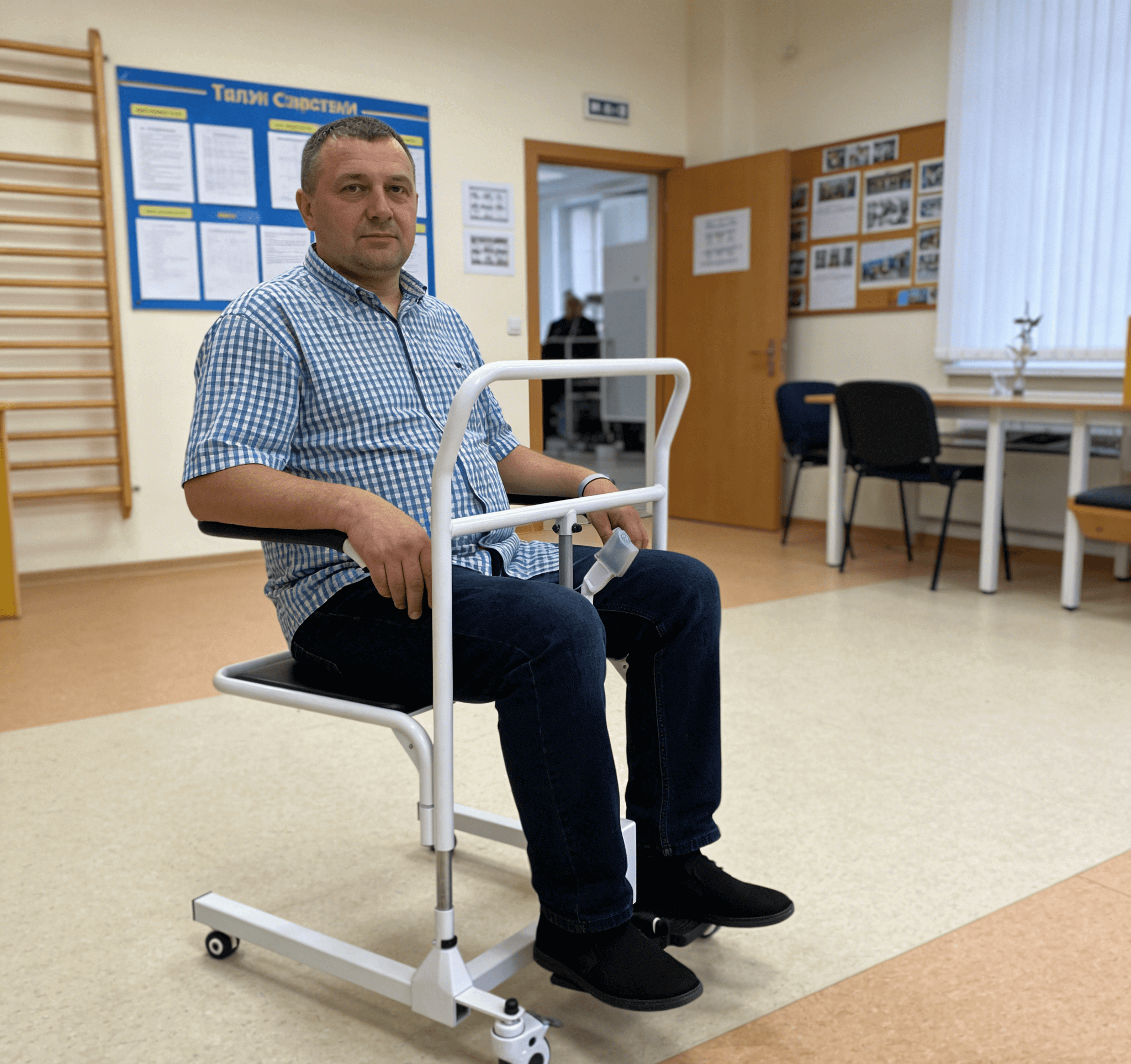
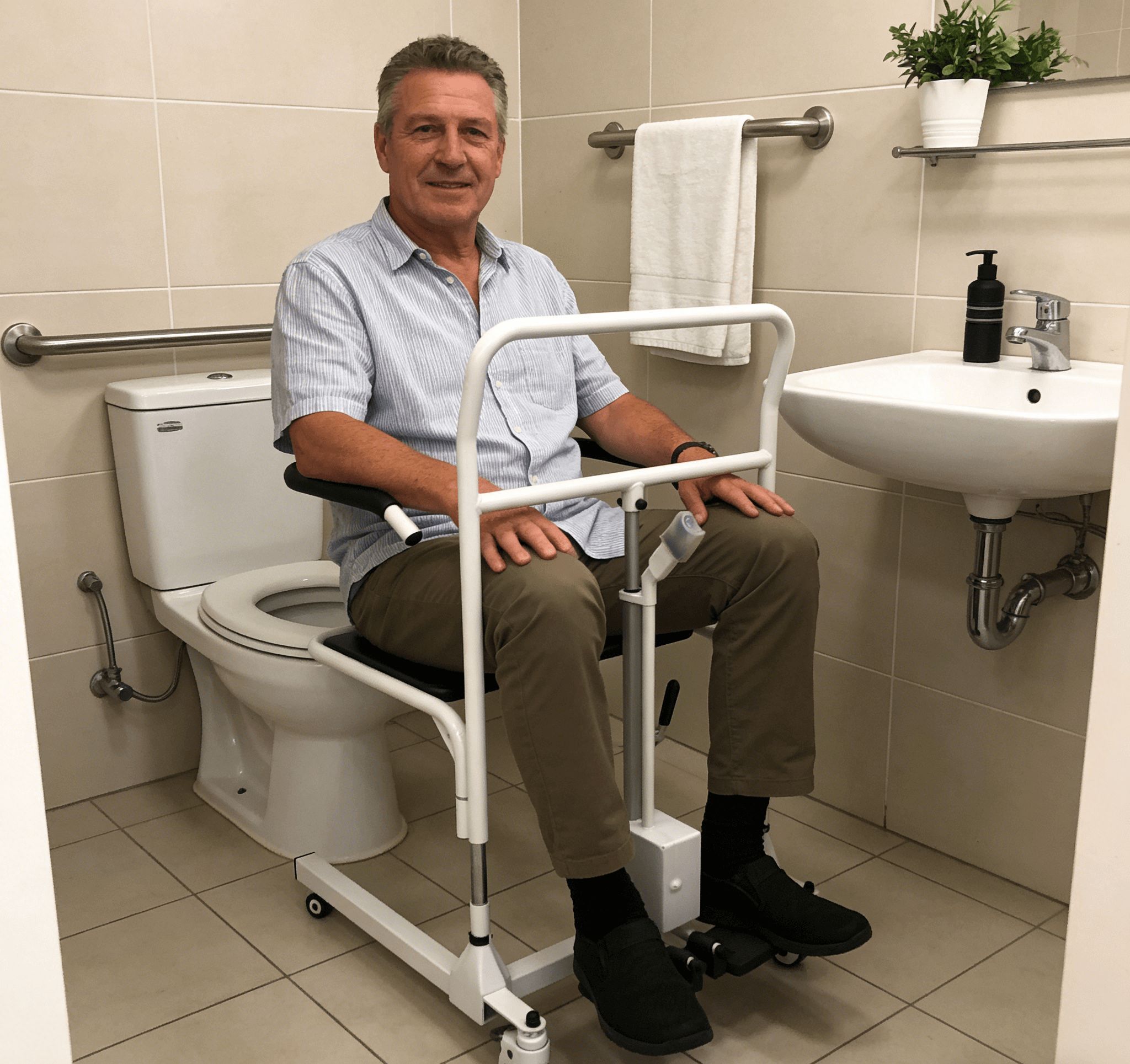
Toilet Lifts: Specifically designed for toilet transfers, these are typically wall-mounted lifting devices with a removable seat cushion. The user sits on the cushion, which is then lifted and rotated above the toilet before being lowered. This greatly enhances independence for individuals with partial mobility.
Bathtub Lifts: Designed exclusively for entering and exiting bathtubs, these are usually lifting chairs installed above the bathtub that can move vertically and rotate to lower the user into the tub.
Key Safety Tips (Regardless of the Solution Used)
Non-Slip Flooring Is Essential: Use non-slip mats in the operating area or ensure the floor is completely dry.
Lock Wheelchairs and Lifts: Always lock the wheels of all equipment before and after transfers.
Use Appropriate Slings:
Toilet Slings: Slings with an opening in the middle allow the user to use the toilet without removing the sling, making them ideal for frequent use.
Ensure slings are always kept dry and clean to prevent skin infections and pressure sores.
Plan a Clear Path: Ensure an unobstructed path from the doorway to the toilet.
Practice Emergency Procedures: All caregivers must know how to operate the manual release valve in case the electric lift loses power in the bathroom.
Choosing the Right Lift for the Bathroom Environment
Consult an Occupational Therapist (OT): An OT can conduct a home visit to assess your specific bathroom layout and recommend the safest, most feasible solution. They may also suggest minor modifications, such as installing grab bars or replacing the toilet, to complement the lift.
Funding Support: Due to the medical necessity of safe bathroom transfers, applications for reimbursement of bathroom lifts (especially ceiling-mounted ones) through health insurance or assistive device programs tend to have higher success rates. A detailed OT assessment report is crucial.
Conclusion
Introducing a Hoyer lift into the bathroom can transform one of the most dangerous rooms in the home into a safe, accessible space that preserves personal dignity. Whether through a carefully selected portable device or an investment in an integrated ceiling system, the goal remains the same: to turn using the toilet or bathing from a fear-filled struggle into a daily activity that can be completed safely and easily. The peace of mind, independence, and improved quality of life gained from this investment are invaluable.