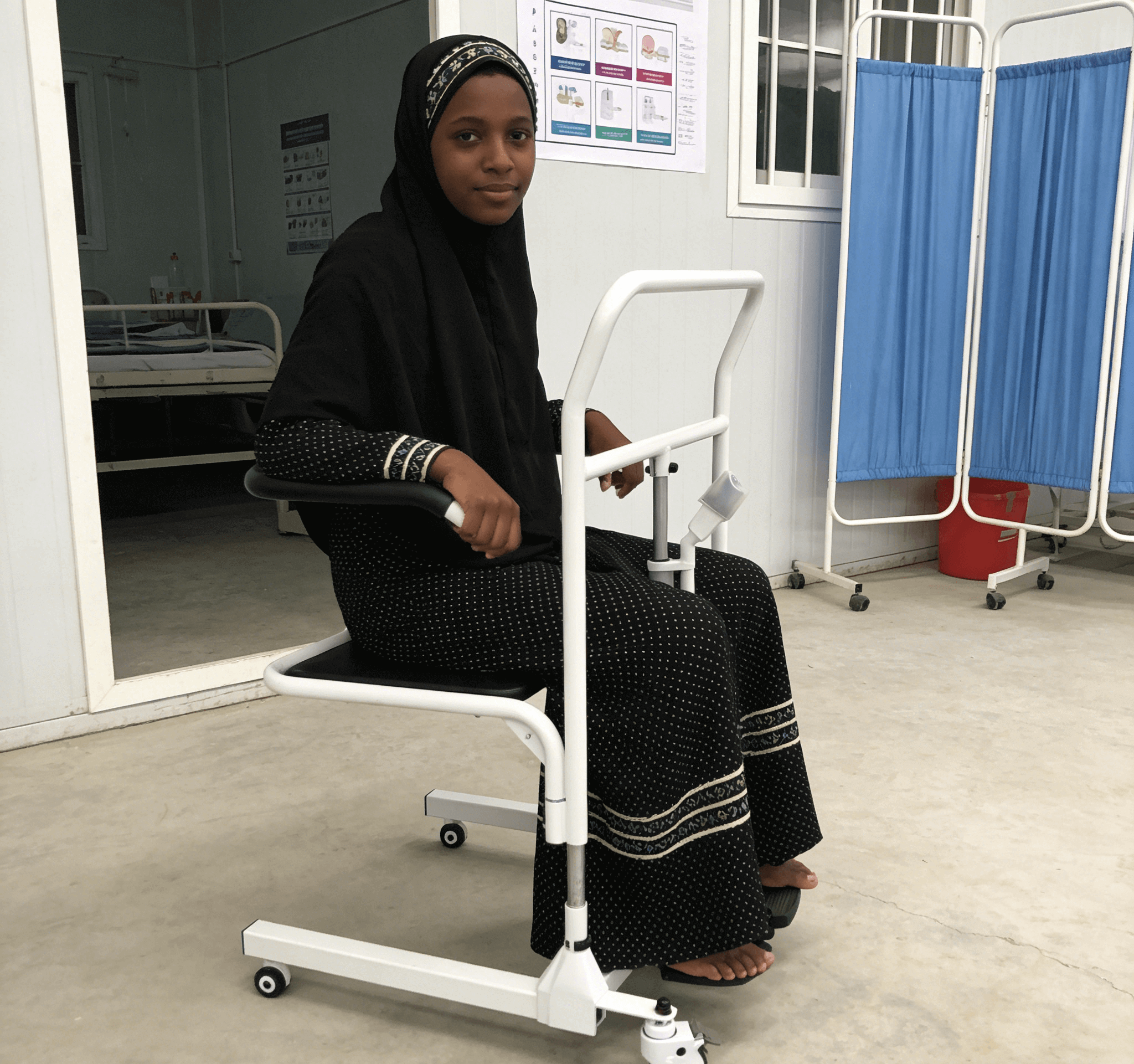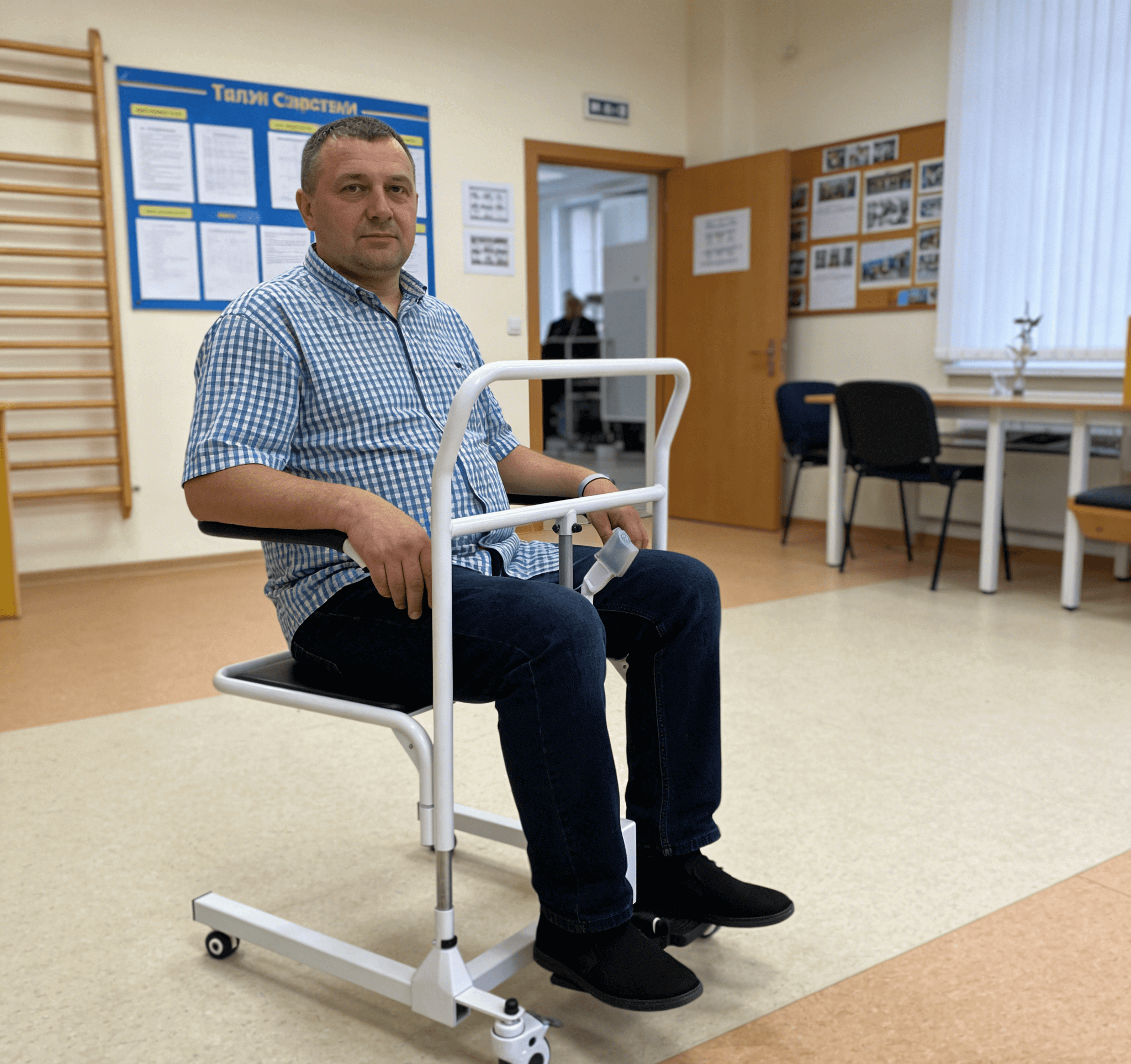
Category: power lift chairs
Posted by 2025-12-18 11:12
hoyer lift for bed
Hoyer Lift for Bedside Use: The First Line of Defense for Safe Transfers
In home or institutional care, transferring a patient from bed to wheelchair is one of the most frequent and critical daily tasks. For patients with complete disability, severe weakness, or a high risk of falling, relying on manual lifting during this process not only easily causes back injuries to caregivers but also may lead to skin tears, fractures, or even psychological fear in patients.
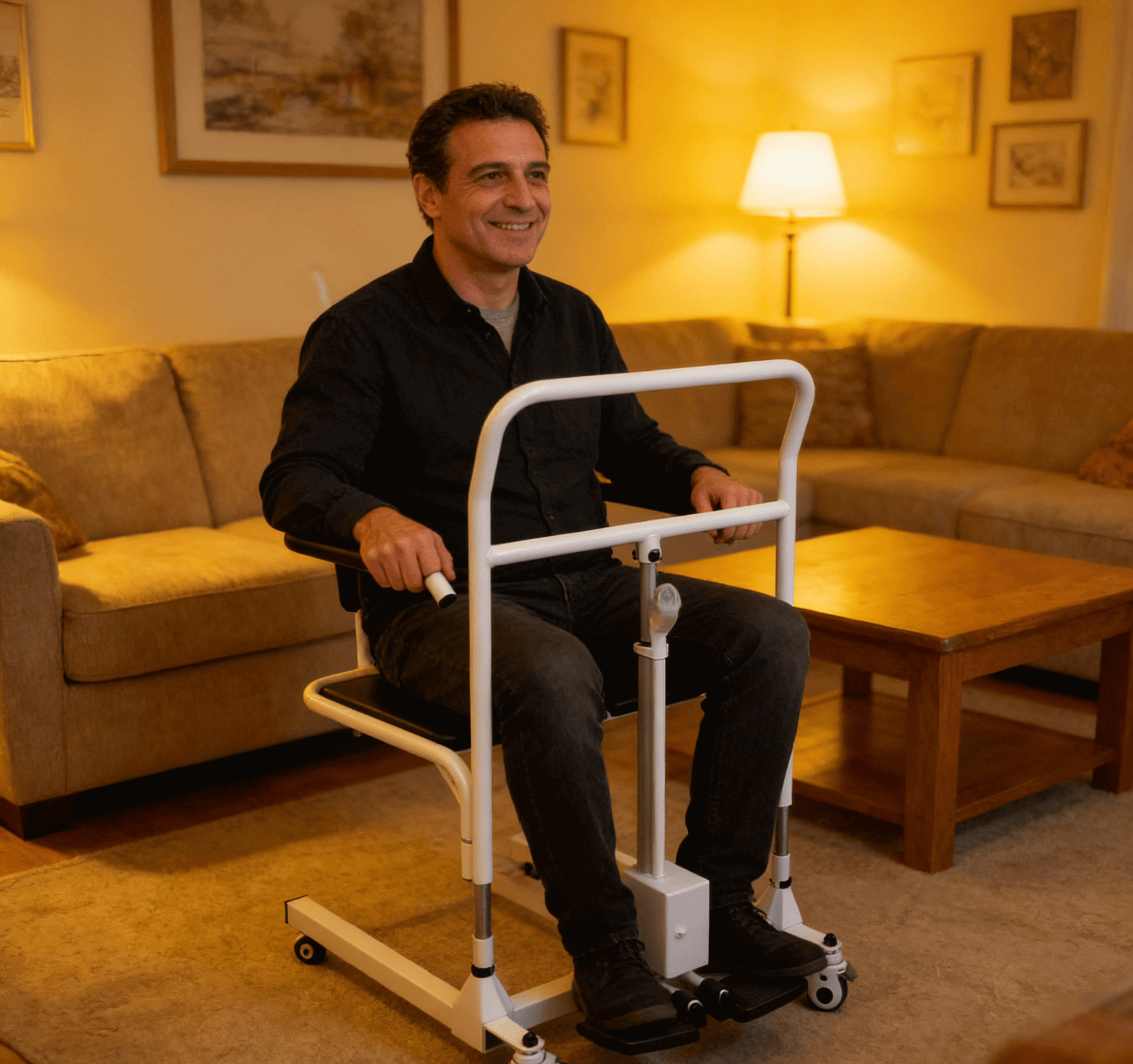
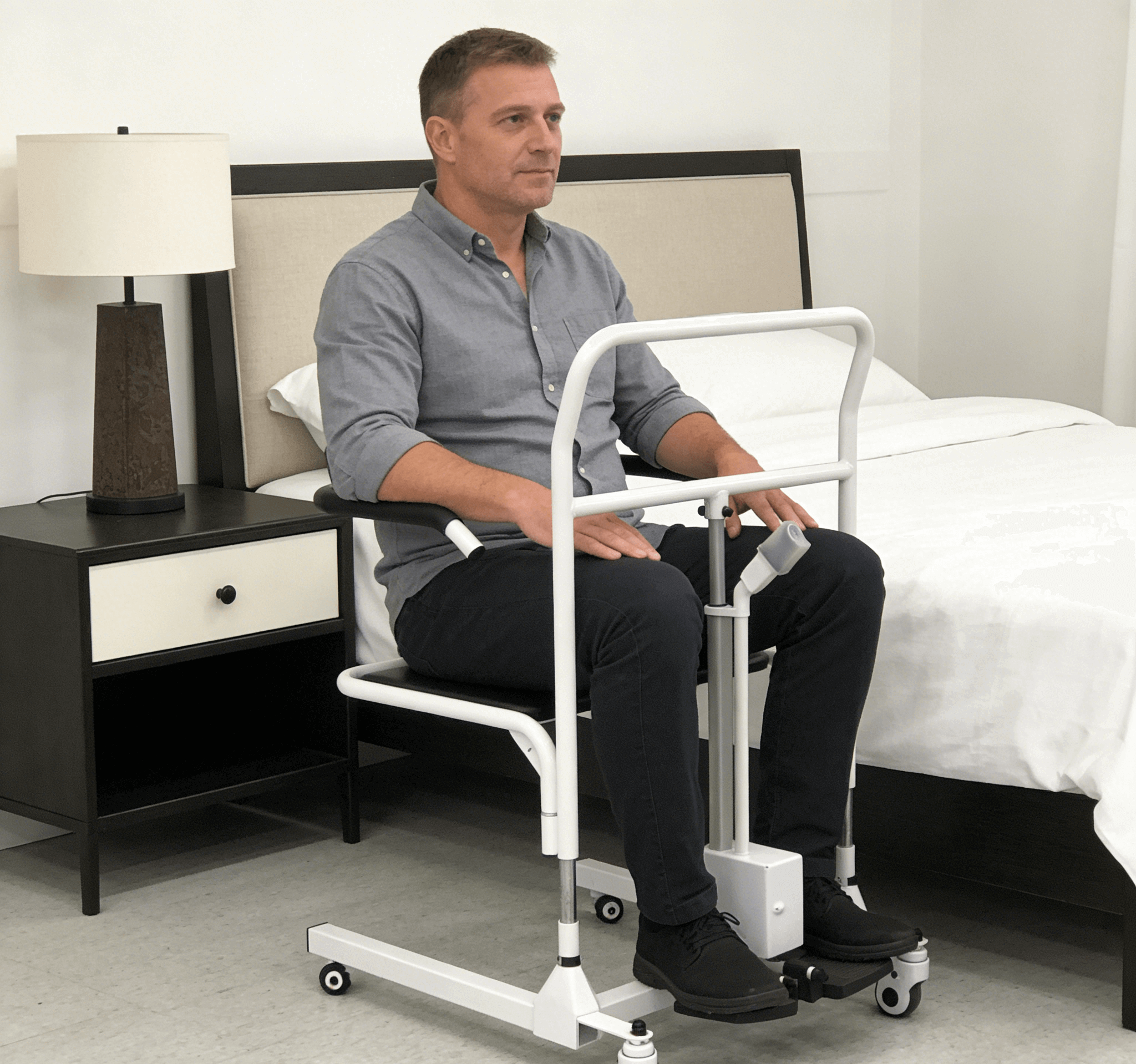
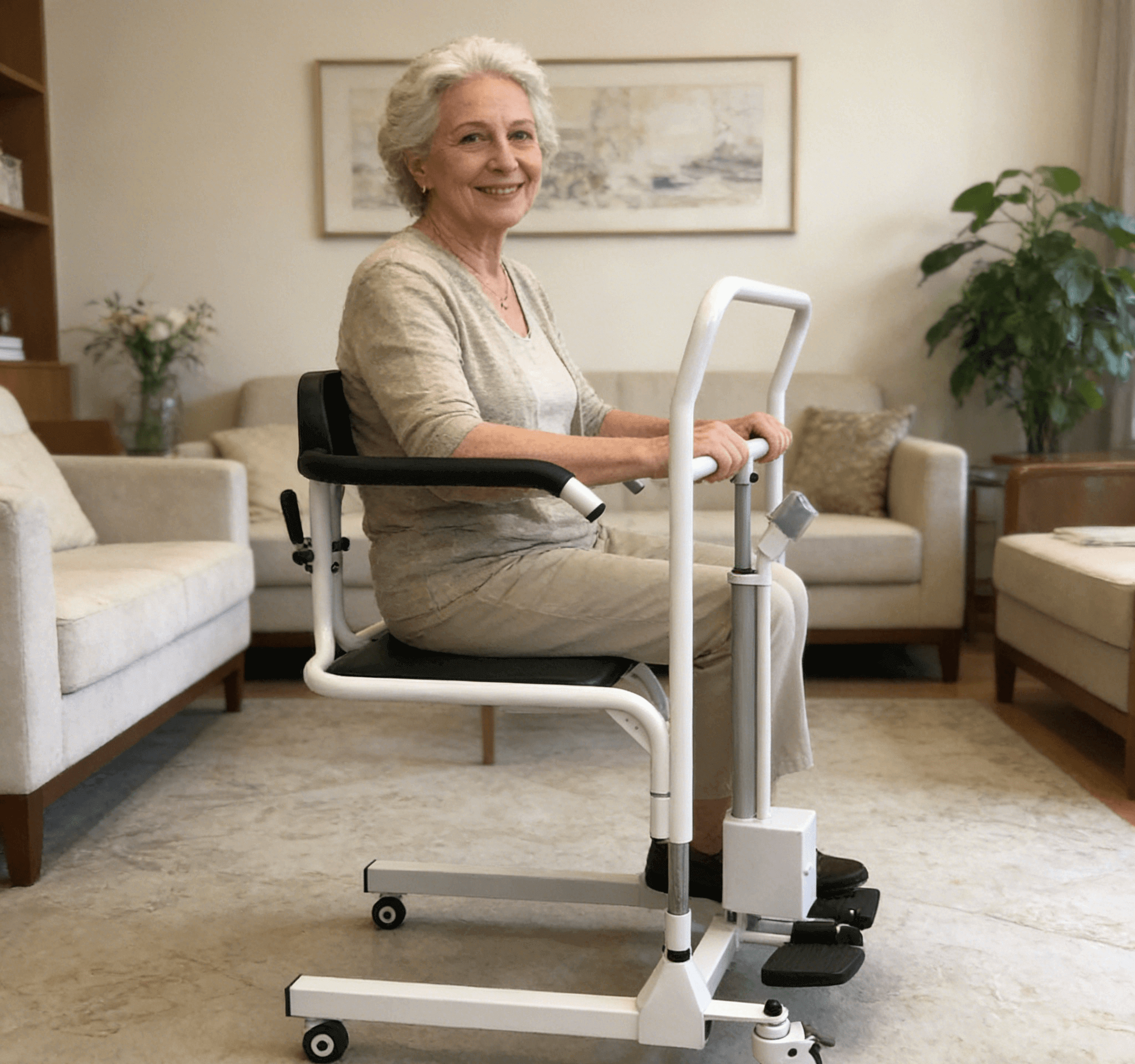
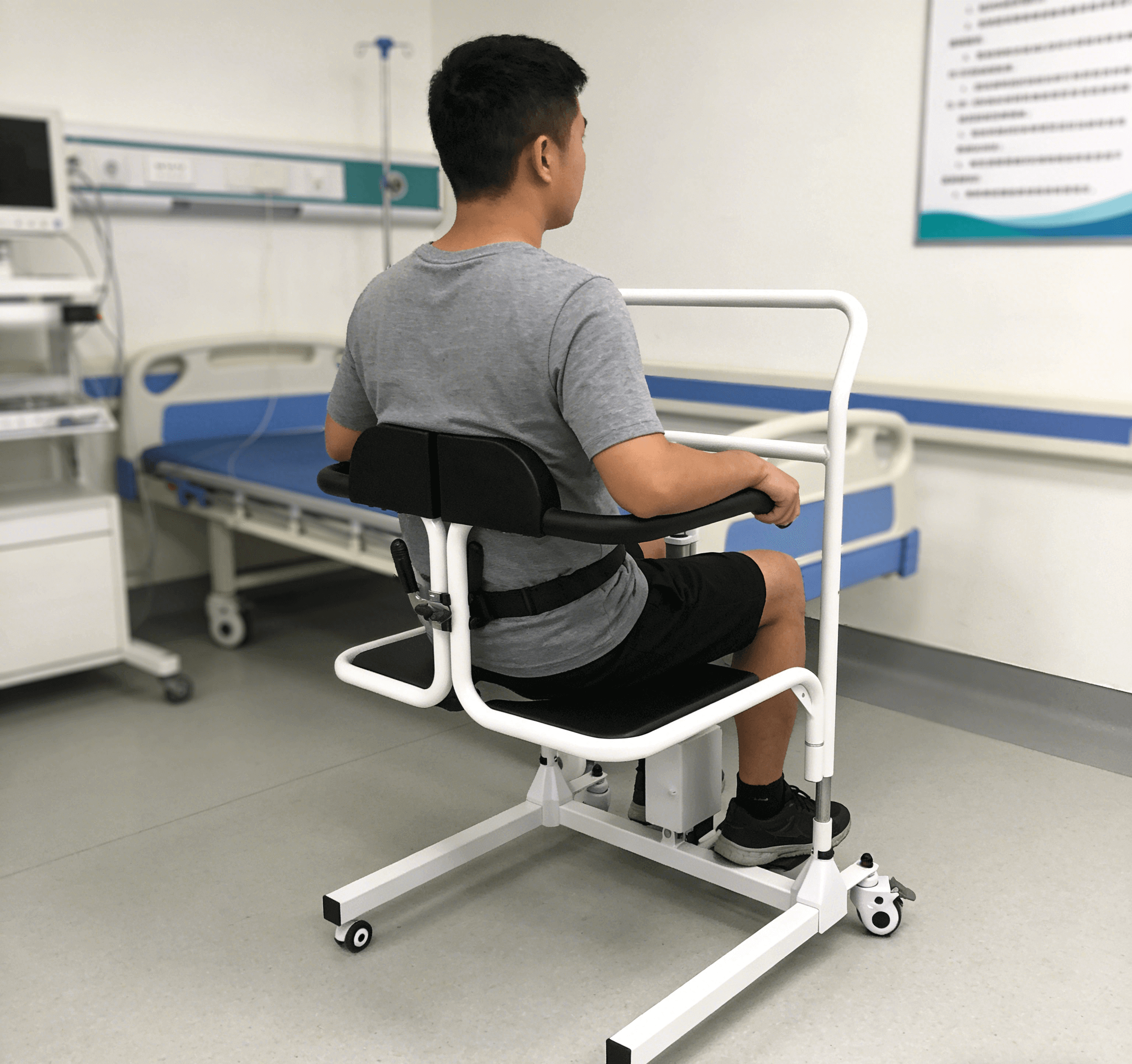
The Hoyer Lift is designed precisely for this purpose—it transforms high-risk manual lifting into a controlled, smooth, and dignified mechanically assisted transfer. The bedside is undoubtedly the core and most effective scenario for using a Hoyer Lift.
This article will detail how to correctly and safely use a Hoyer Lift for bedside transfers and avoid common mistakes.
I. Why Is the Bedside the "Main Battlefield" for Hoyer Lifts?
The bed is where patients with disabilities spend the most time, and it serves as both the starting point and endpoint of transfers. The following daily needs all rely on bedside transfers:
Transferring from bed to wheelchair in the morning to start daily activities;
Transferring to a commode chair or toilet before using the bathroom;
Transferring to a shower chair before bathing;
Transferring from wheelchair back to bed for rest at night.
These high-frequency and highly dependent operations mean that whether the bedside space is suitable for a Hoyer Lift directly determines the quality and sustainability of care.
II. Key Prerequisites for Using a Hoyer Lift at the Bedside
Not all beds are suitable for use with a transfer lift. Please first confirm the following conditions:
✅ Sufficient Clearance Under the Bed Is a Must
The base of a standard Hoyer Lift needs to be inserted at least 10–15 cm under the bed;
A recommended bed height of 45–55 cm (close to the height of a wheelchair seat) avoids excessive lifting distance;
Beds with storage drawers, closed bottom panels, or extremely low profiles (such as tatami mats or Japanese-style beds) should be avoided.