Category: power lift chairs
Posted by 2025-12-19 11:12
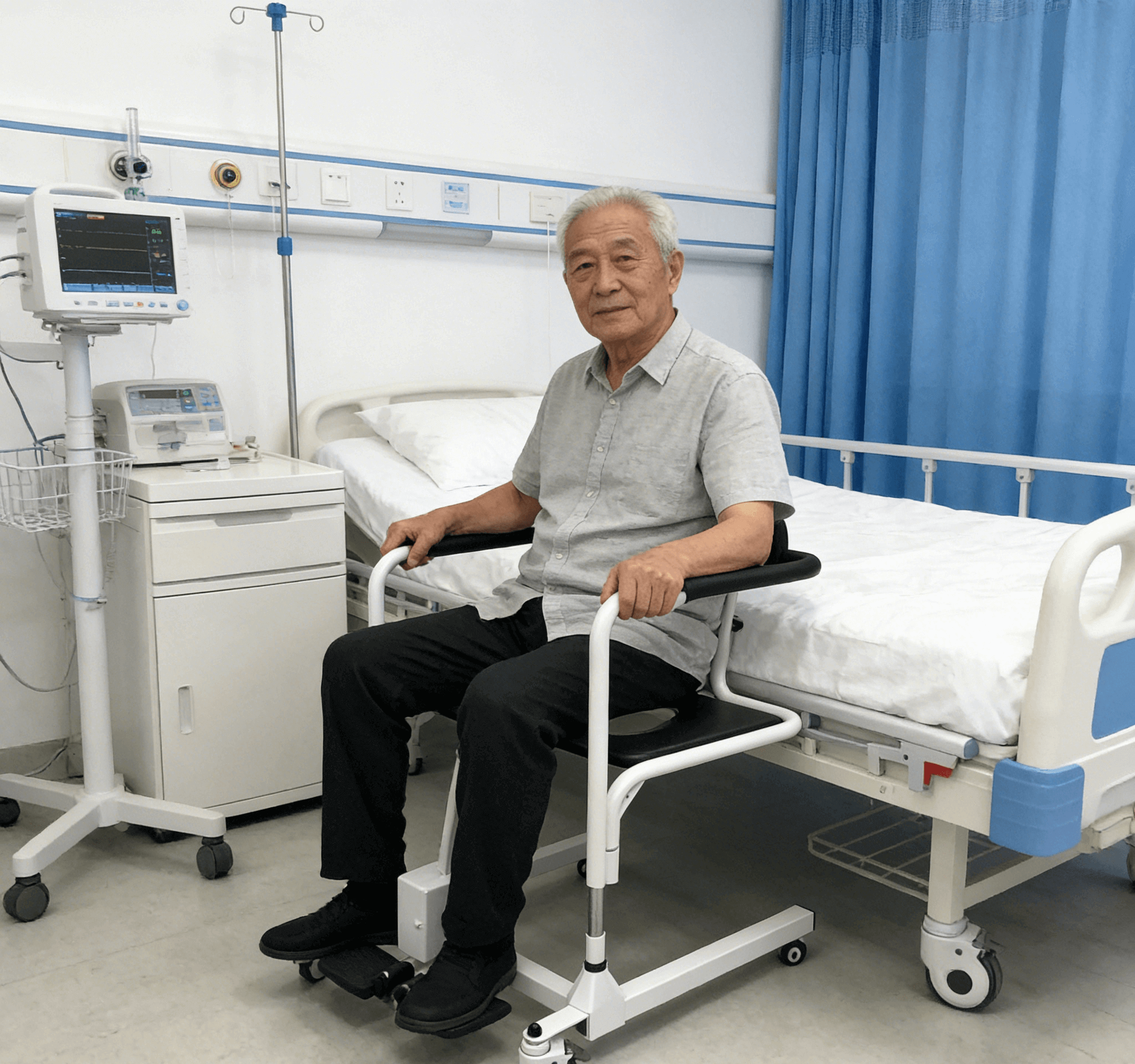
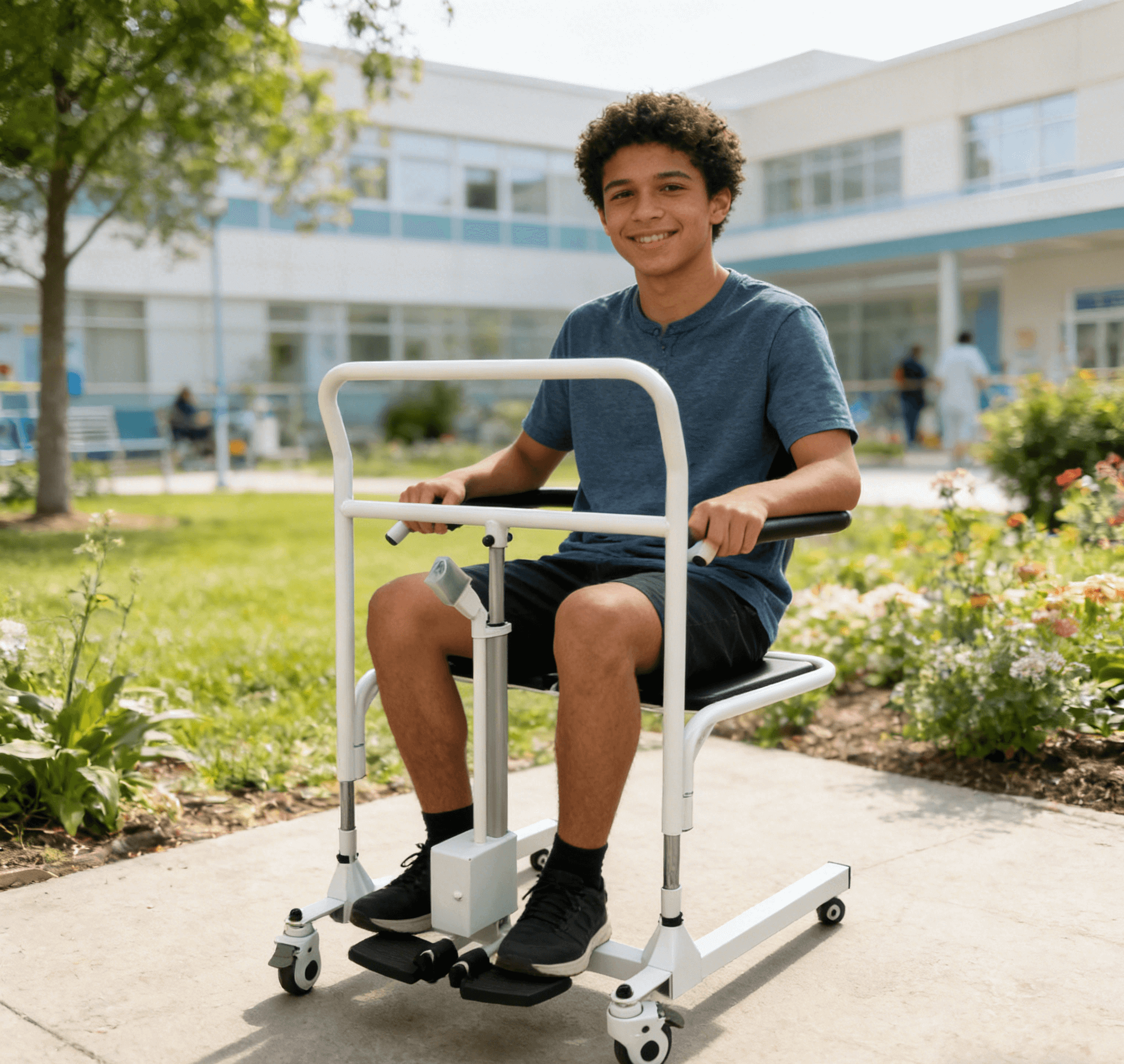
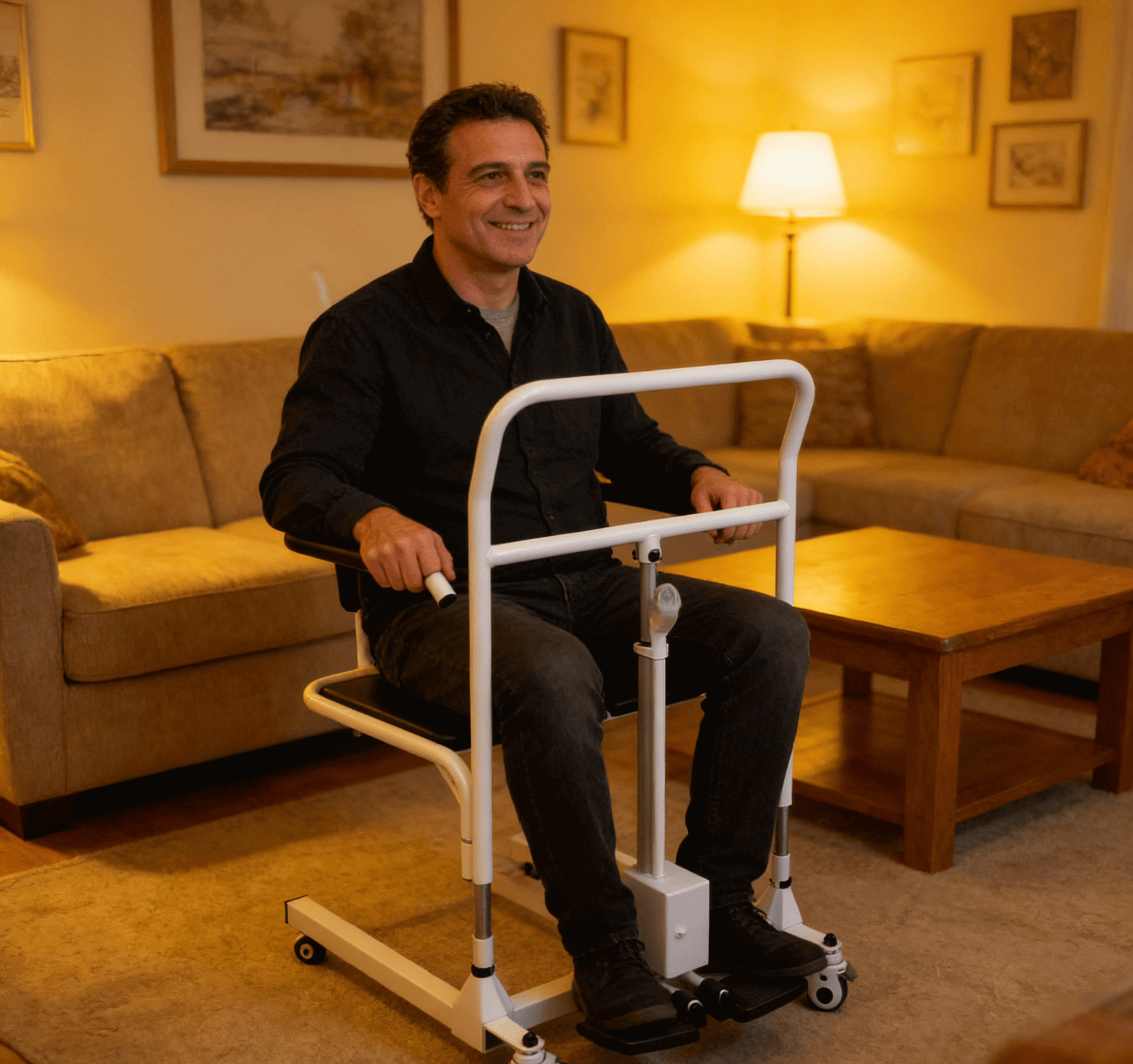
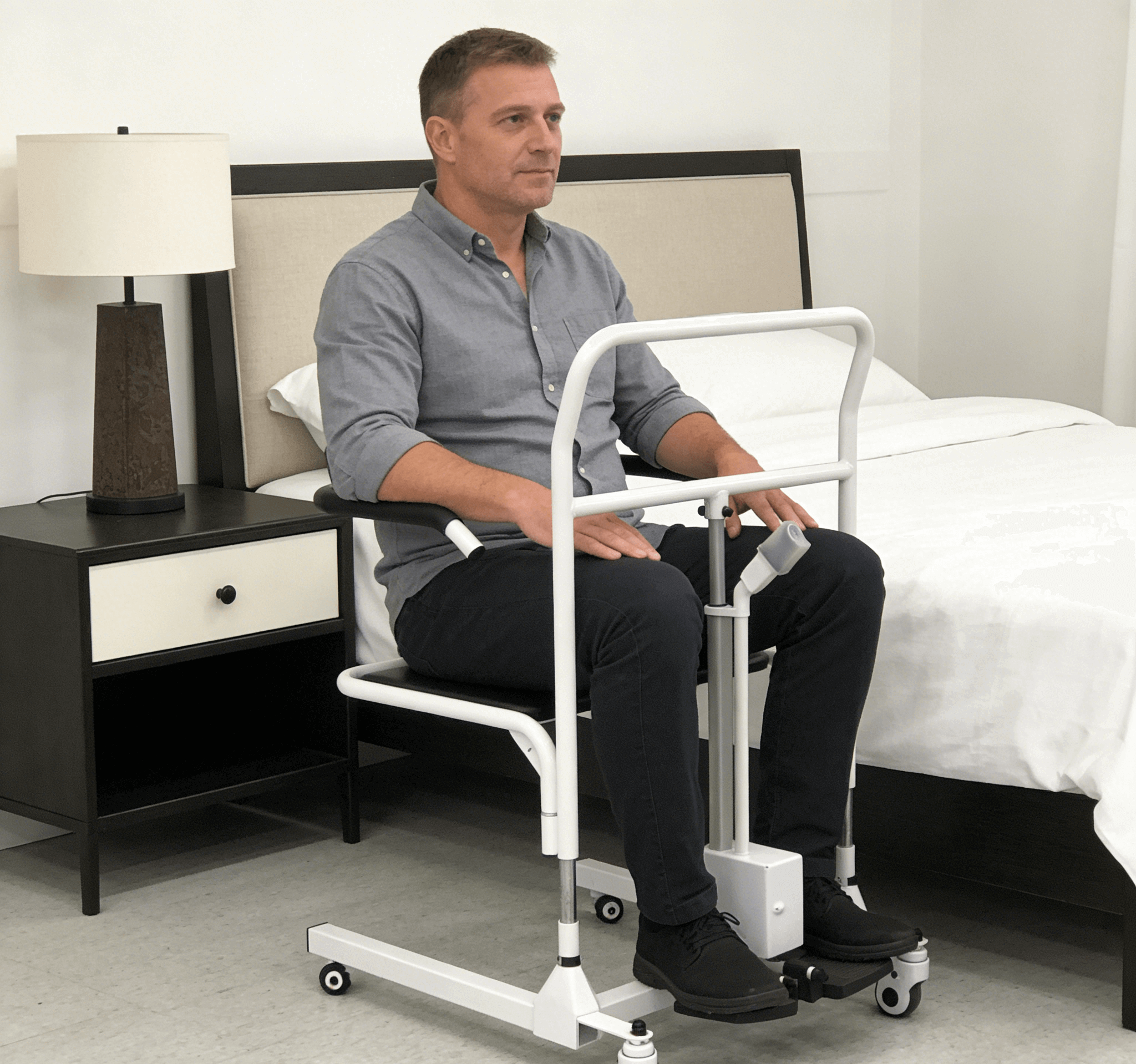
hoyer lift for child
Pediatric Hoyer Lift: Guardian of Safety, Growth, and Dignity
When children face mobility challenges due to congenital conditions (such as cerebral palsy, spina bifida), neuromuscular disorders, major surgeries, or accidental injuries, daily transfers become a core challenge for families and care facilities. The pediatric Hoyer Lift (more accurately referred to as a "pediatric patient transfer lift") is specifically designed to meet the unique needs of small bodies. It is not only a safety tool but also a bridge that enables children to participate in life, learning, and growth.
Why Do Children Need Specialized Lifts?
Precise Physical Support
Children’s body proportions, weight, and musculoskeletal development are vastly different from those of adults. Adult equipment is too large to provide safe and comfortable support for children, and may even cause harm.
Special Medical Needs
Many children with disabilities may have weak trunk control, joint contractures, or abnormal muscle tone (either too high or too low). Pediatric lifts can provide precise posture management through adjustable hooks and specially designed slings.
Promotion of Development and Participation
Proper transfer and positioning help children engage in desk learning, floor play, and family interactions in optimal postures—this is crucial for their physical, cognitive, and social development.
Protection for Caregivers (Parents and Teachers)
Repeatedly lifting a growing child over the long term easily leads to back strain in caregivers. Lifts are key to protecting the long-term health of parents and teachers and ensuring sustainable care.
Core Features of Pediatric Lifts
Compared to adult models, pediatric equipment differs significantly in details:
Size and Weight Capacity
Lightweight and Adjustable: The overall equipment is lighter, with a narrower base to fit children’s beds, desks, and narrow spaces. Many models have adjustable components that can grow with the child for several years.
Weight Range: Specifically designed for children and adolescents weighing less than 150 pounds (approximately 68 kg).
Boom and Hooks
Multi-Hook System: Typically equipped with 4 independent hooks. This allows caregivers to finely adjust the angles of the child’s head, trunk, and legs, providing personalized posture support—essential for children with joint contractures or those requiring specific positions (e.g., at risk of hip dislocation).
Shorter Boom: Reduces the child’s swaying in mid-air, enhancing stability and a sense of security.
Specialized Pediatric Slings
This is the core of safety and comfort. Adult slings must never be used as a substitute.
Key features:
Multiple Sizes: Strict size options available, ranging from infant to adolescent.
Comprehensive Support: Slings with integrated headrests are essential for children with weak neck strength, providing better support for the trunk and pelvis.
Safety Design: Leg-separating straps must be used to prevent the child from slipping out.
Child-Friendly: Made of softer materials, often with colors or patterns to reduce the child’s fear.
How to Choose the Right Equipment for Your Child?
Step 1: Professional Assessment Is a Must
Pediatric occupational therapists or physical therapists are critical. They will conduct a comprehensive assessment of the child’s physical condition, functional abilities, and home/school environment, and issue a detailed "equipment prescription" specifying the required model, sling type, and all necessary accessories.
Step 2: Consider the Child’s Growth Potential
Inquire with suppliers about the "adjustable range" of the equipment. Choose a model that can grow with the child for a longer period—it is a more cost-effective long-term investment.
Step 3: Pay Attention to the Child’s Psychological Feelings
Positive Communication: Refer to the lift as "your space chair" or "super flying carpet," and introduce it through gamification.
Empower Choice: If possible, let the child choose the color of the sling.
Patient Guidance: First let the child use the lift to lift their beloved stuffed toys, helping them build trust and familiarity.
Safe Usage: Key Points for Communication and Operation with Children
Always Communicate: Explain each step in language the child can understand: "Are you ready? We’re going to take off!"
Extremely Smooth Operation: Children are very sensitive to movement—slow, steady operation is a must.
Close Supervision at All Times: Never leave the child suspended in mid-air alone, even for just a few seconds.
Unified Training for All Caregivers: Ensure family members, school teachers, and nursing staff receive the same set of standard training.
Application Scenarios: Beyond Bed-to-Chair Transfers
Pediatric lifts have a wide range of applications, helping children:
At Home: Safely transfer between beds, wheelchairs, sofas, floor play mats, commodes, and bathtubs.
At School: Transfer between desks, specialized seats, standing frames, and floor activity areas, enabling true "educational integration."
In the Community: Access swimming pools for hydrotherapy or participate in other rehabilitation and recreational activities.
Ways to Access Resources
Pediatric equipment is relatively expensive, but the following resources can be explored:
Early Intervention Programs (for children aged 0–3).
School Systems: If the equipment is necessary for accessing education, schools are obligated to provide it.
Health Insurance/Medicaid.
Charitable Organizations: Such as local children’s hospital foundations, the United Healthcare Children's Foundation, etc.
Conclusion
Investing in a suitable pediatric Hoyer Lift is far more than purchasing a medical device—it is an investment in the child’s independence, dignity, and future potential. It breaks down physical barriers, allowing children to explore, learn, and laugh on an equal footing. By working closely with pediatric rehabilitation specialists and choosing a truly child-centered design, you can ensure this powerful tool becomes part of the child’s active life, guarding every one of their "flights."