Category: power lift chairs
Posted by 2025-12-22 11:12
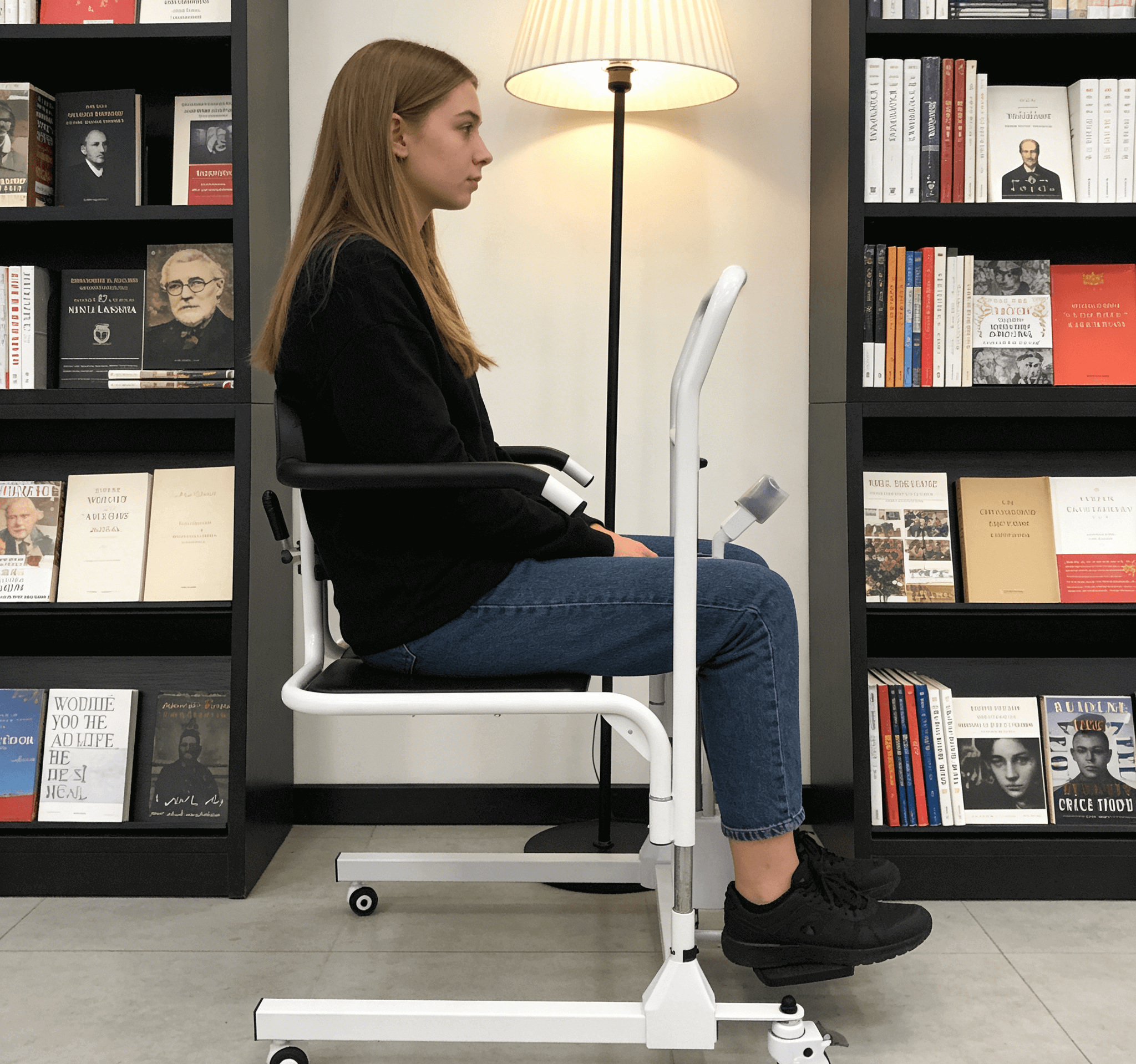
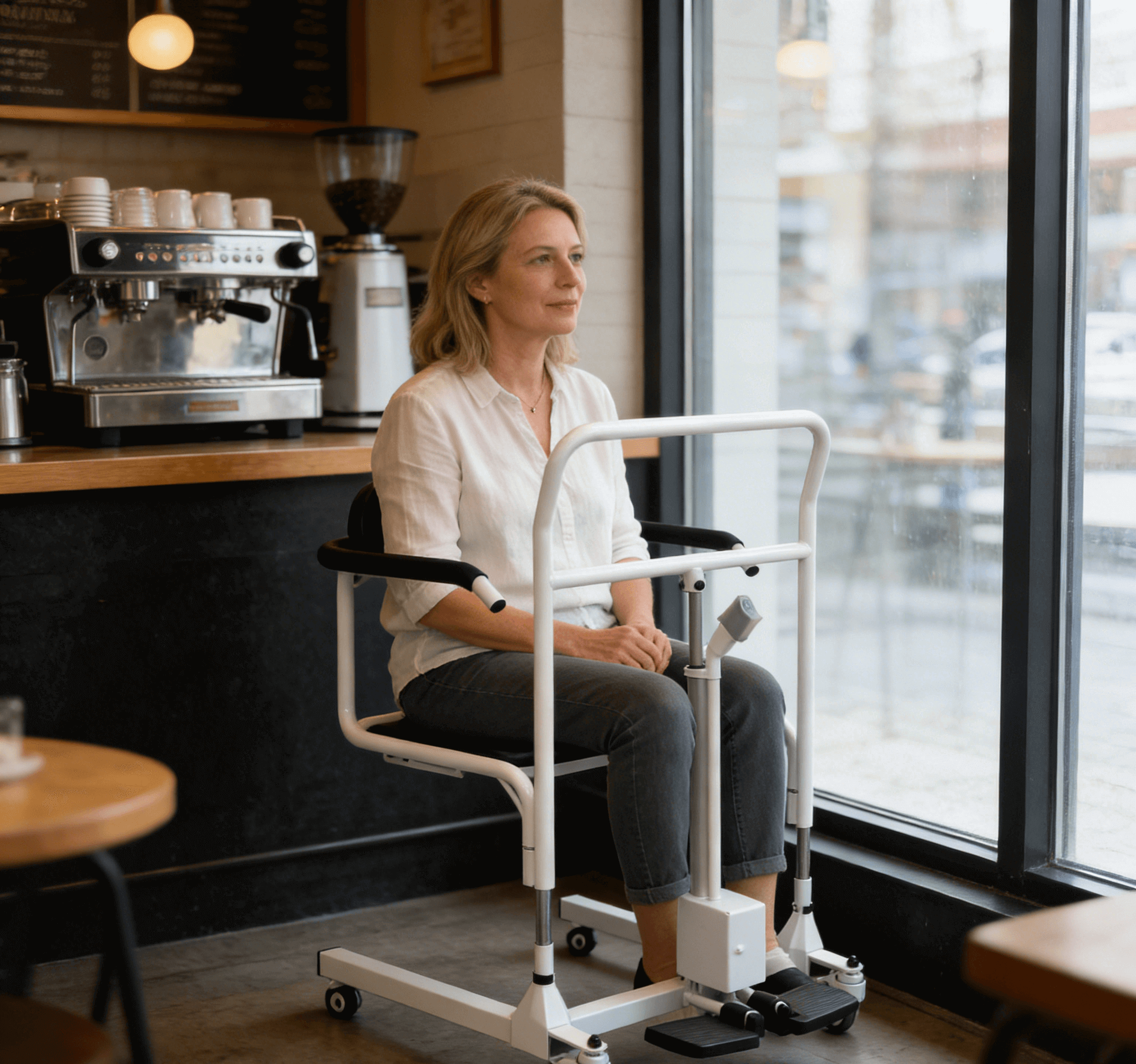
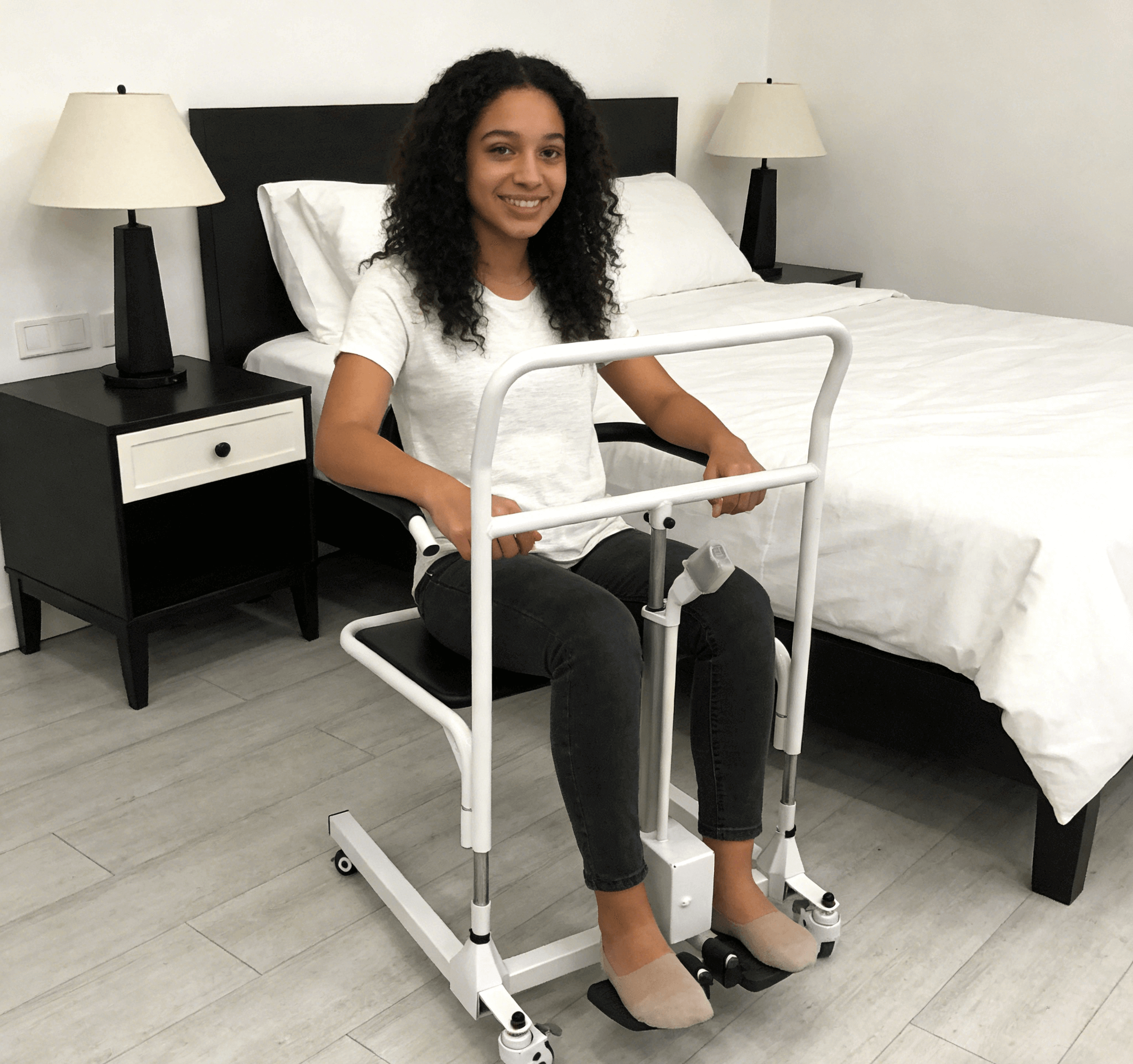
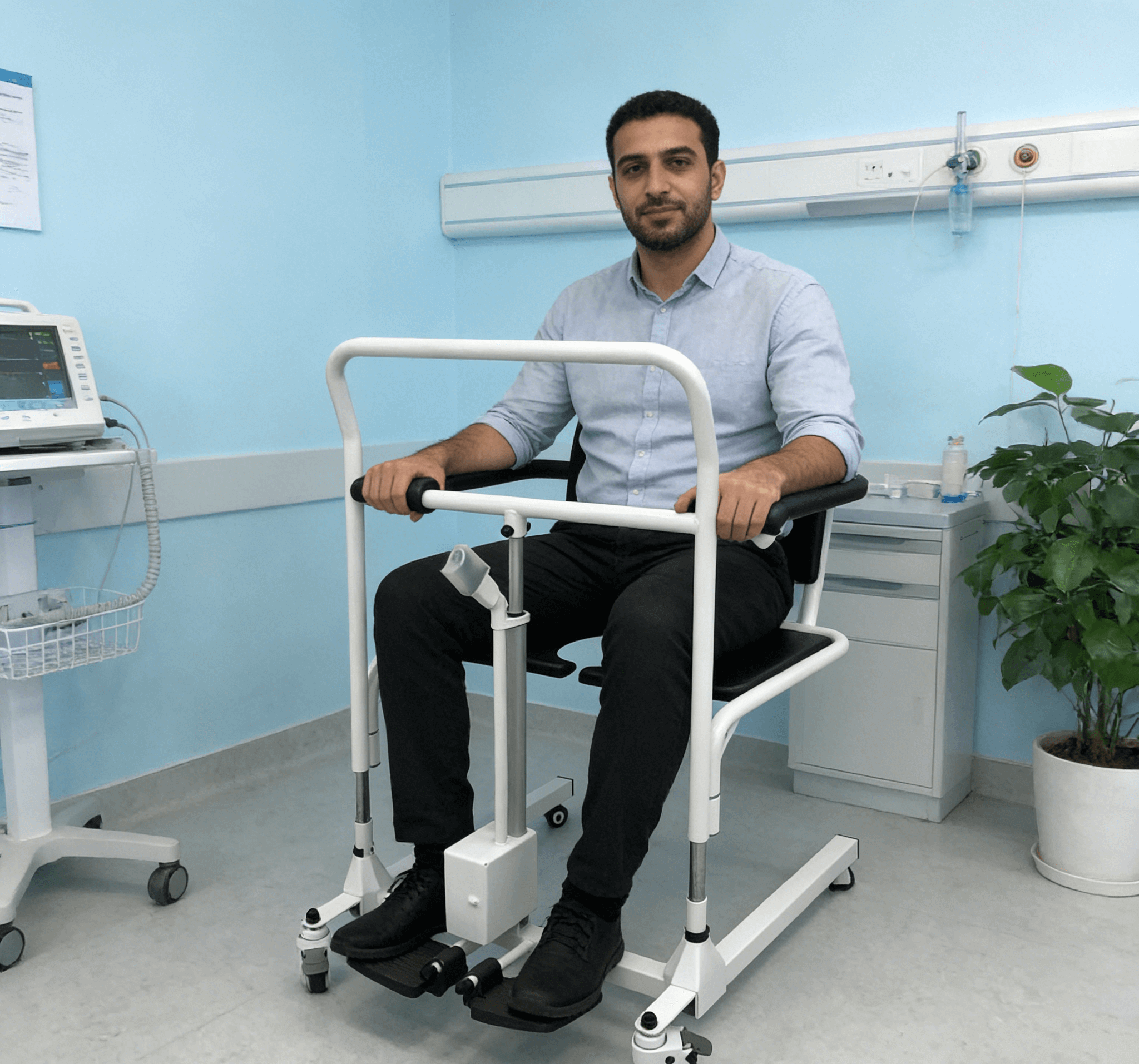
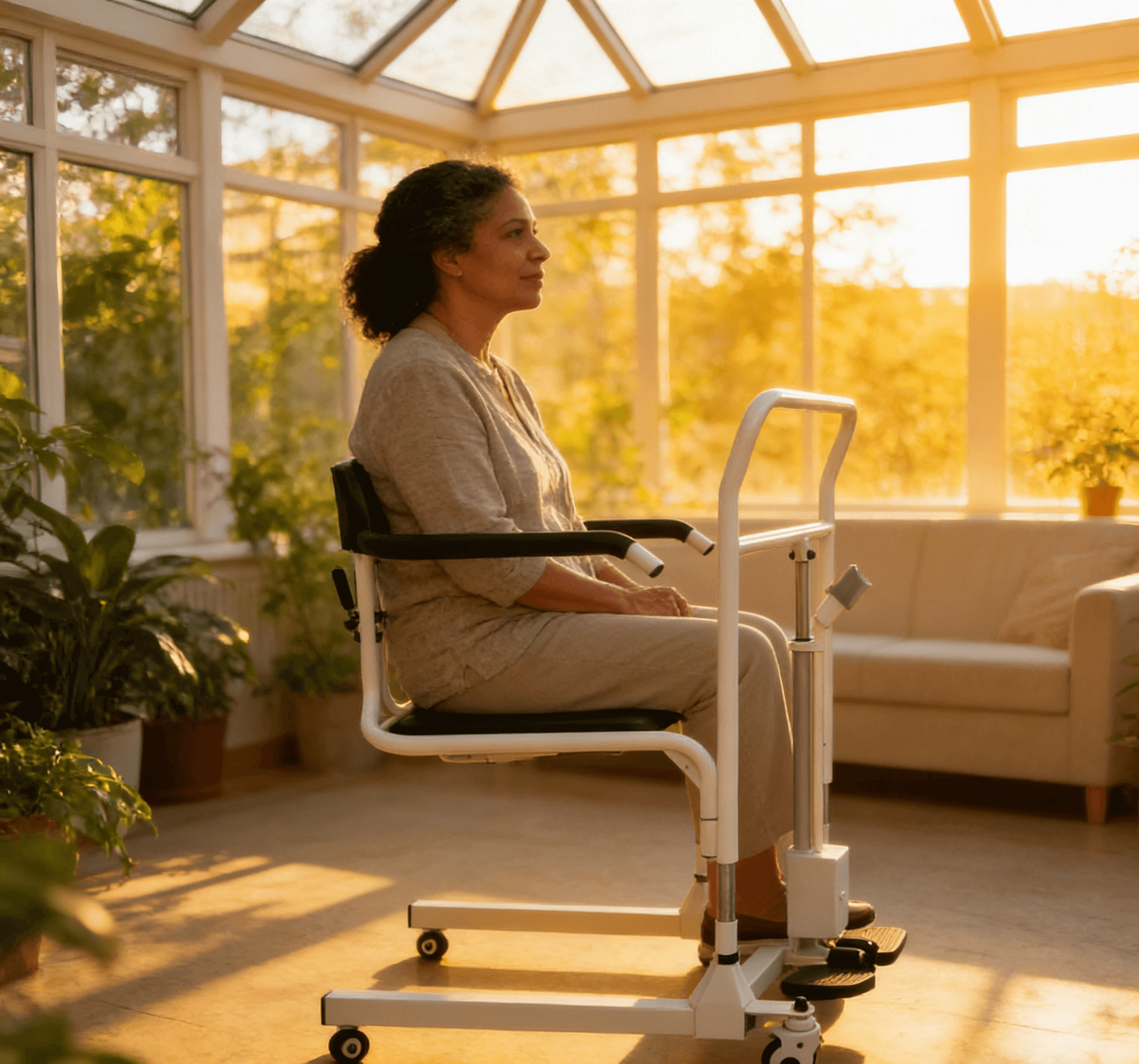
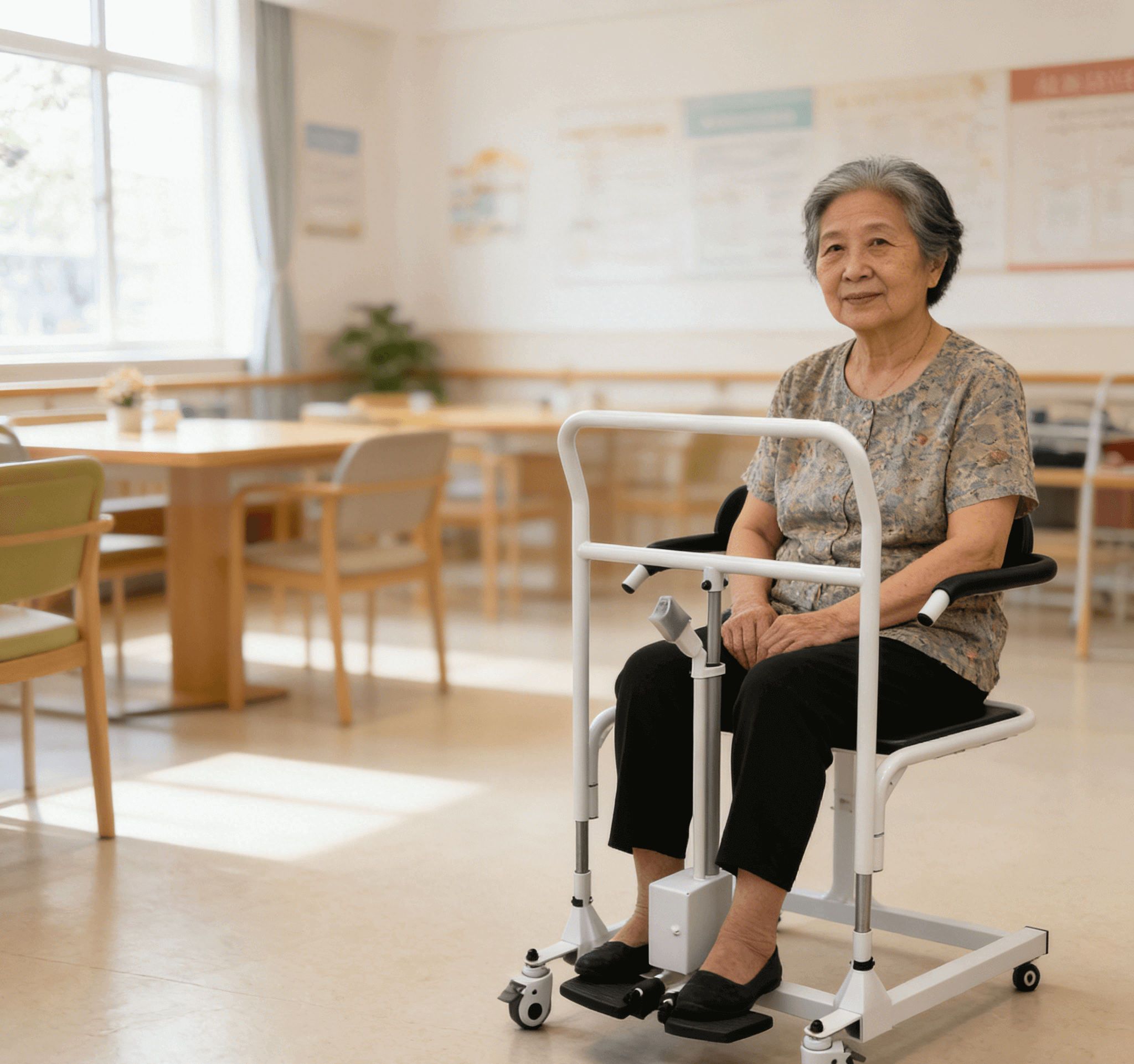
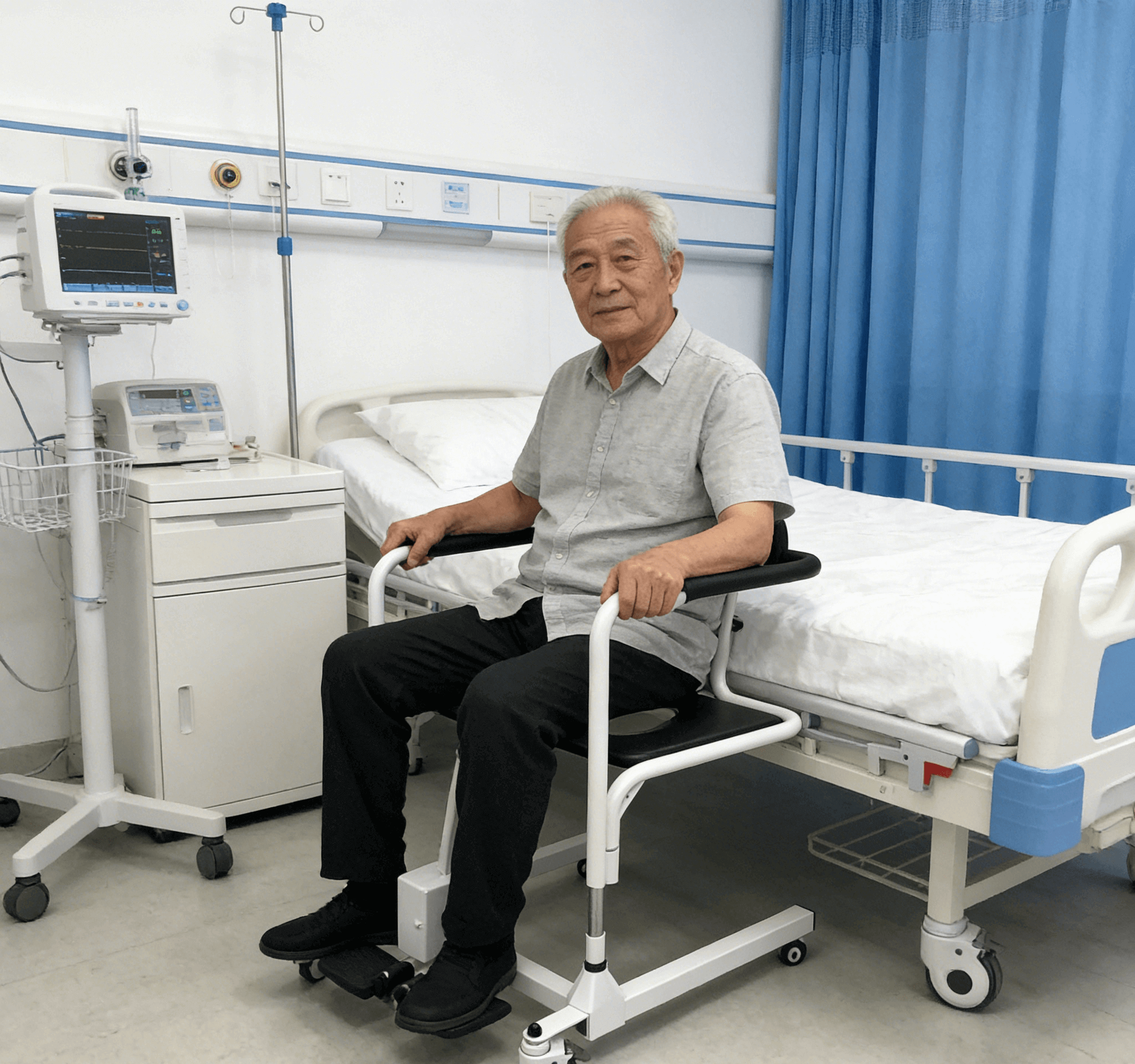
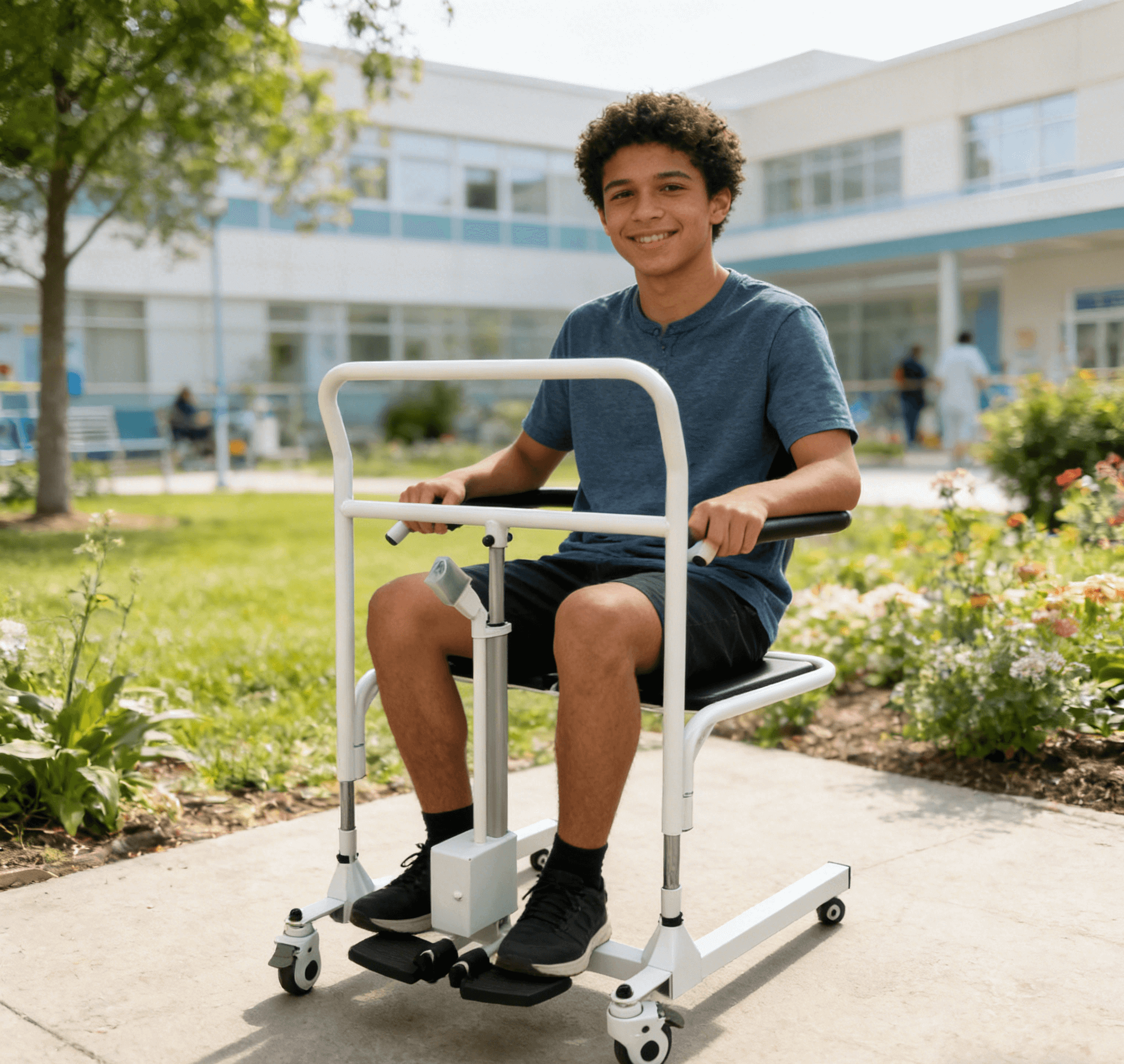
hoyer lift for handicap
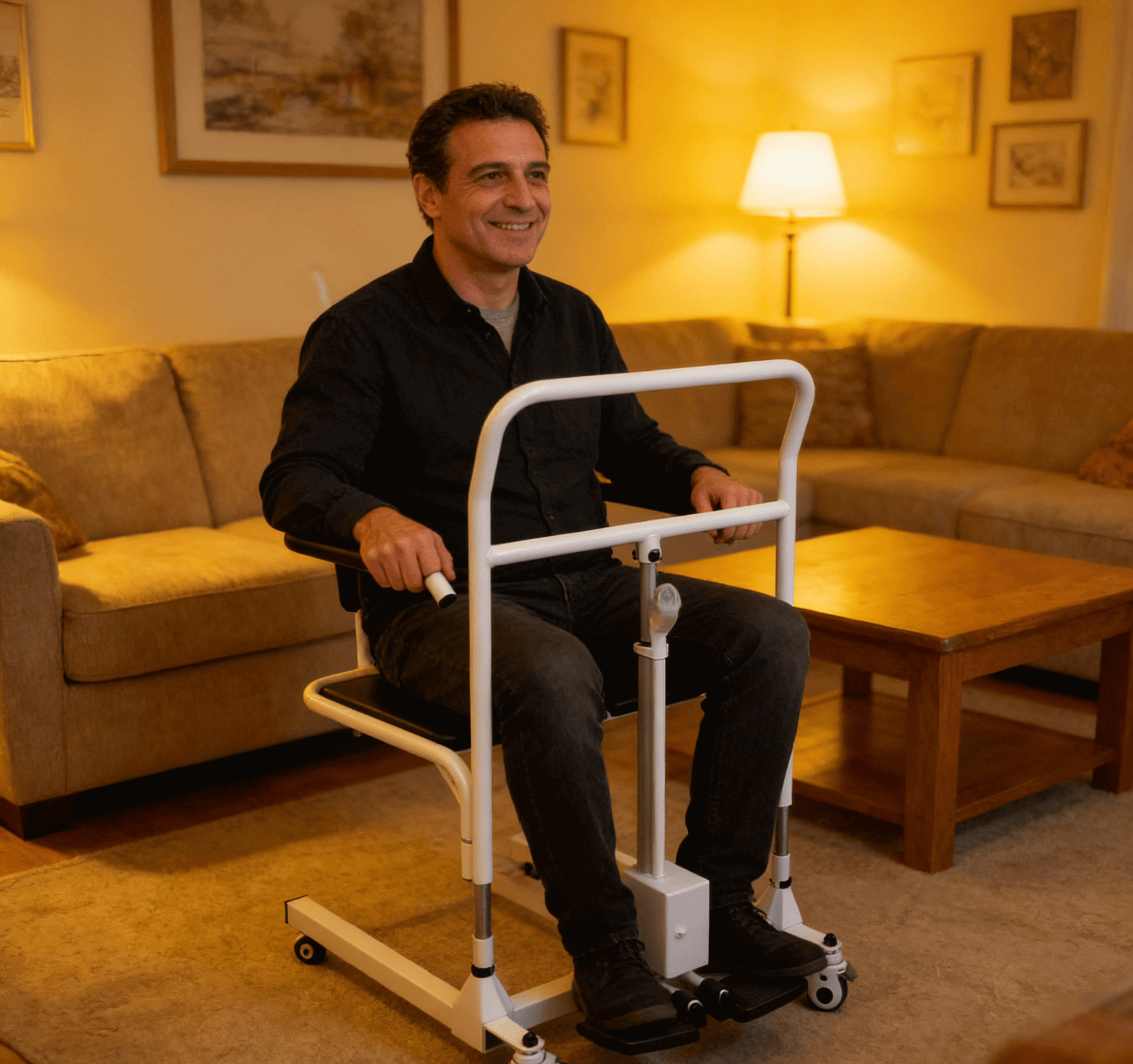
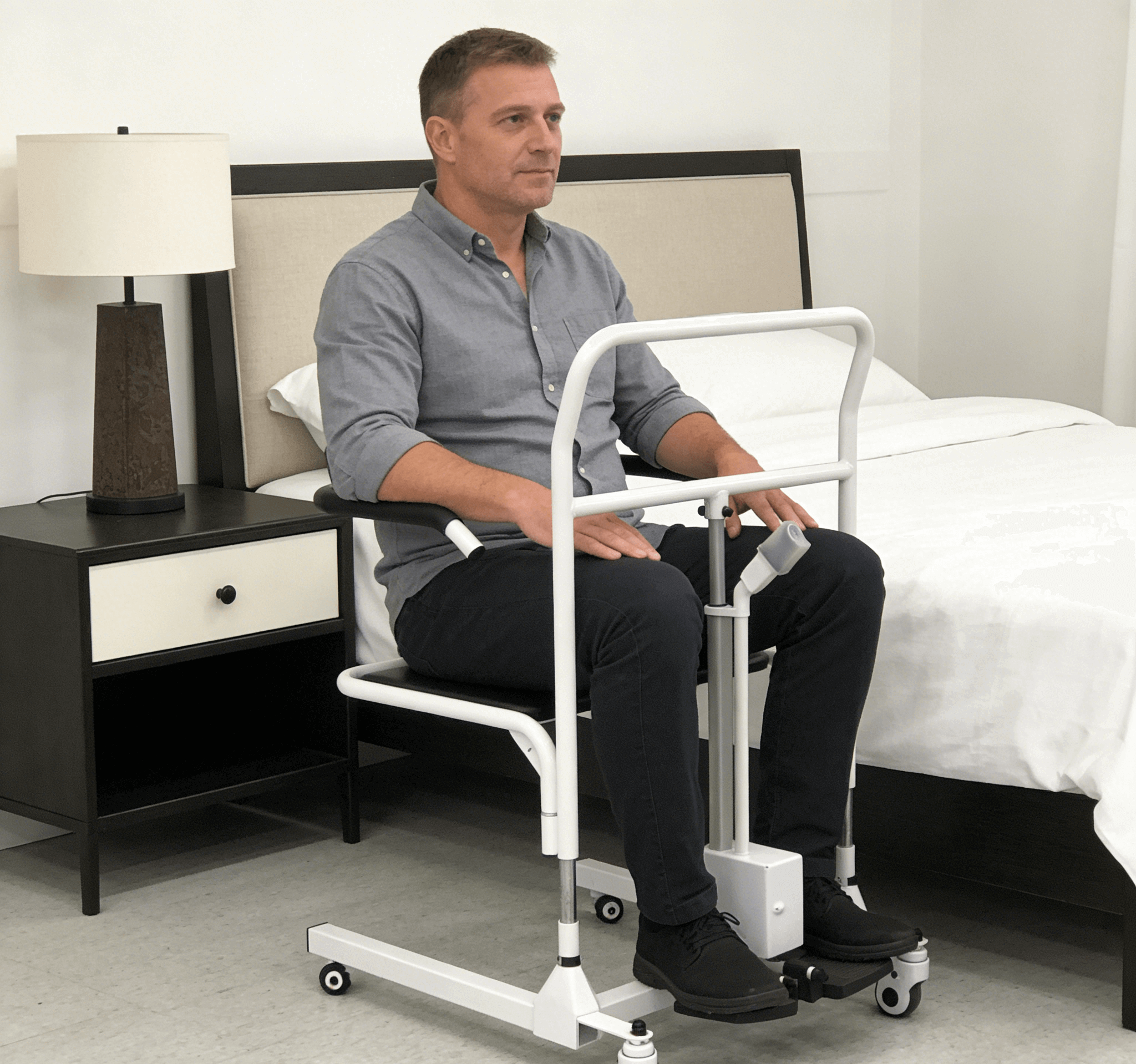
Hoyer Lift Empowers People with Disabilities: A Care Solution Enhancing Safety, Independence, and Dignity
For individuals with limited mobility due to physical disabilities—such as spinal cord injuries, cerebral palsy, amyotrophic lateral sclerosis (ALS), severe arthritis, or post-stroke sequelae—daily transfer activities, like moving from a bed to a wheelchair or from a wheelchair to a toilet, pose a significant challenge. The Hoyer Lift (patient lift) is far more than a simple mechanical tool; it is an empowering device that significantly improves the quality of life for both people with disabilities and their caregivers.
I. How Does a Hoyer Lift Empower People with Disabilities and Their Caregivers?
Ensure Safety and Prevent Injuries
For care recipients: It eliminates the risk of slips, falls, and scrapes that may occur during manual transfers. Mechanical lifting enables smooth, controlled movement, which is particularly safer for people with disabilities who have stiff bodies or experience spasms.
For caregivers: It completely removes the risk of occupational injuries—such as back strains and herniated discs—caused by manual lifting. This allows family members or professional caregivers to provide long-term, sustainable support.
Preserve Dignity and Promote Independence
Transfers no longer involve the embarrassing "dragging" motion. People with disabilities can put on the sling in private first, and then complete the transfer through simple mechanical operations by the caregiver, reducing body exposure and feelings of helplessness.
For some people with disabilities who retain partial upper limb function, they can even learn to operate the lift’s controller themselves (especially with electric models). This gives them valuable a sense of control and independence during transfers.
Expand Activity Range and Social Opportunities
Safe, effortless transfers mean people with disabilities can change positions more frequently. They are no longer confined to beds or the same chair for long periods simply because "transfer is too difficult."
This encourages them to participate in family activities, and even go out for medical appointments or social gatherings. In turn, this improves their mental health and overall quality of life.
Alleviate Caregivers’ Physical and Mental Burdens
Reduced physical burden directly eases mental stress. Caregivers no longer feel fear or anxiety about multiple daily transfers, which helps improve family relationships and prevent caregiver burnout.
II. Choosing the Right Hoyer Lift for People with Disabilities
Selection should take into account the specific physical conditions of the person with a disability and the home environment:
Assessment of Physical Conditions
Weight and body type: Choose a model with an appropriate weight capacity. For special body types (e.g., overly tall or broad), select extended or widened slings.
Muscle tone and spasms: For people with disabilities who experience spasms, opt for highly adjustable slings that provide sufficient support to maintain a comfortable posture.
Joint mobility: For individuals with joint contractures, specialized sitting or lying slings may be required.
Selection of Equipment Type
Manual hydraulic type: It has a lower cost and simple maintenance, making it suitable for families with limited budgets or infrequent usage needs.
Electric type: Highly recommended for daily frequent transfers or when caregivers have limited strength. With one-button operation, it is labor-saving and smooth, greatly enhancing the user experience.
Ceiling track system: This is the optimal solution for people with disabilities seeking maximum independence. Tracks are installed on the ceiling, taking up no floor space. Users can move independently between rooms via a remote control, enabling seamless transfers from the bed to the toilet and bathroom.
Slings – The Key to Comfort and Safety
Full-body slings: Designed for users who need full-body support, suitable for transfers in a lying position.
Sitting slings: The most common type, used for transfers between seated positions (e.g., from bed to wheelchair).
Commode/shower slings: Made of mesh material that dries quickly, suitable for transfers to the toilet and bathroom.
Specialized slings: Tailored for specific situations—such as slings with leg support, which provide extra support for people with disabilities who have leg fractures or amputations.
III. Safe Usage Guidelines: Going Beyond Basic Operation
Professional Assessment is a Must
Before purchasing and using a Hoyer Lift, an assessment by an occupational therapist (OT) is essential. The OT will:
Recommend the most suitable equipment and sling type.
Measure and determine the correct size of the sling.
Train both the caregiver and the person with a disability on safe operation.
Develop a Personalized Transfer Plan
Clearly outline the steps for each transfer, who will operate the equipment, and which body parts require special attention (e.g., presence of fistulas or feeding tubes).
Skin Inspection
After each transfer, check the skin condition of the pressure points on the person with a disability’s body (e.g., underarms, spine, and under the thighs) to prevent pressure sores.
Psychological Comfort and Communication
Always explain the next step before performing an operation.
For first-time users, conduct several short-distance, low-height "trial" lifts to build trust and a sense of security.
IV. Advanced Solution for Independent Living: Ceiling Lifts
For people with disabilities pursuing a high level of independence, a ceiling track lift system is the ultimate solution. It allows users to move freely between living areas (bedroom, toilet, bathroom) without assistance. Although the initial installation cost and home renovation requirements are relatively high, the dignity, independence it brings, and the long-term reduction in care costs make it a highly valuable investment.
Conclusion
For families of people with disabilities, the Hoyer Lift has evolved from a "device" to a "partner." It breaks down the physical barriers caused by limited mobility, transforming a risky, stressful task into a safe, respectful, and routine process. It is not merely a tool for moving a person from one place to another; it expands the possibilities of life, enabling both people with disabilities and their caregivers to enjoy a higher quality of life with greater dignity. Investing in the right equipment and professional training is an investment in the well-being of the entire family.
Would you like me to refine the terminology in this translation to better align with regional English usage (e.g., adjusting expressions for the U.S. or UK market)? Or should I format key information (like sling types) into a comparison table for clearer reference?