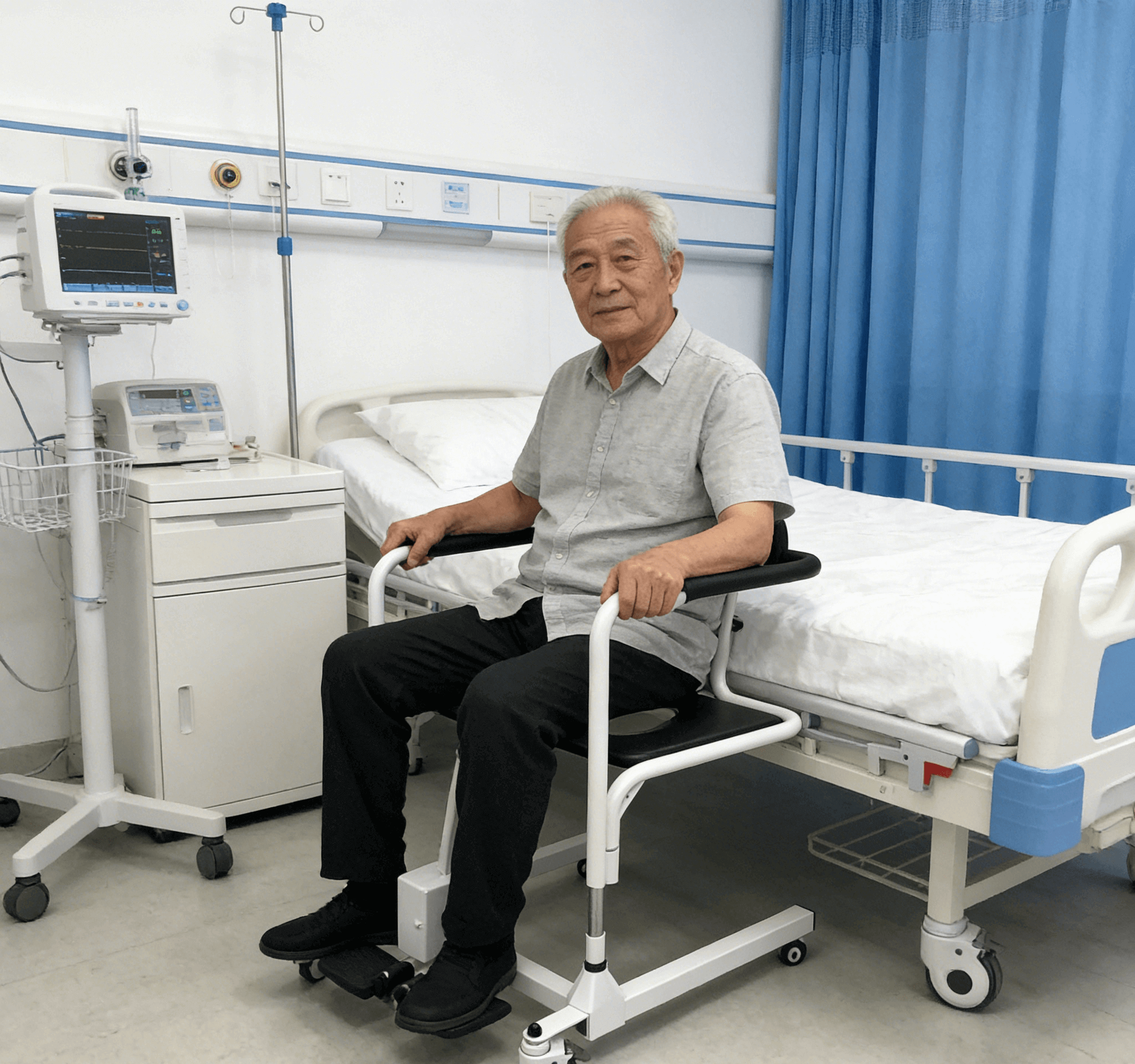
Category: power lift chairs
Posted by 2025-12-23 11:12
hoyer lift for rent
The Complete Guide to Hoyer Lift Rental: A Flexible and Cost-Effective Care Solution
When facing short-term or uncertain care needs, purchasing a Hoyer Lift may not be the most economical choice. At this point, rental emerges as an attractive and flexible alternative. Whether for post-surgery rehabilitation, short-term illness recovery, or equipment trial purposes, renting can provide professional care support at a lower cost. This guide will take you through all aspects of the rental process.
I. Why Choose to Rent a Hoyer Lift?
Rental is most suitable for the following situations:
Short-term needs (usually within a few months): Such as rehabilitation after hip/knee replacement surgery or recovery from short-term injuries/illnesses.
Trial experience: Before deciding to buy, you want to first figure out which model best meets your and your family’s needs.
Financial considerations: The upfront investment is much lower than purchasing, which can significantly reduce financial pressure.
Responding to emergencies: In urgent situations, renting allows you to obtain the equipment as quickly as possible.
Space constraints: Long-term storage is inconvenient, and the equipment can be returned immediately after use.
II. The Four-Step Rental Process
Step 1: Find a Reliable Local Supplier
Keyword search: Use search terms like "home medical equipment rental," "durable medical equipment (DME) supplier," "patient lift rental" plus your city name.
Consult professionals: Reach out to hospital discharge planners, occupational therapists (OT), or physical therapists (PT). They usually have partnerships with reputable suppliers and can provide referrals.
Verify qualifications: Ensure the supplier is a formal company with a good reputation.
Step 2: Assess Needs and Obtain Quotes
After contacting the supplier, you need to clarify the following points:
Rental duration: How long do you expect to rent the equipment? Most rental contracts are monthly.
Equipment model: Do you need a manual or electric model? What weight capacity is required? Suppliers usually recommend models based on your specific situation.
Cost breakdown: Ask for details on:
What is the monthly rental fee?
Are there fees for delivery, installation, and training?
Is there an equipment setup fee?
What is the security deposit amount?
Is part of the cost covered by insurance? (See below)
Included services: Confirm whether the rental price covers subsequent maintenance and repair for malfunctions.
Step 3: Handle Insurance and Documentation
Insurance coverage: If the rental is medically necessary (with a doctor’s prescription), Medicare Part B, Medicaid, and many private insurance plans usually cover part of the cost. You need to:
Obtain a written prescription from your doctor.
Confirm with the supplier whether they accept your insurance.
Understand your deductible and coinsurance ratio.
Sign the contract: Read the rental contract carefully, focusing on terms related to the rental period, renewal and early termination, and liability for damage compensation.
Step 4: Receive the Equipment and Learn to Use It
Professional delivery: A reliable supplier will send staff to deliver the equipment to your home.
Insist on training: This is the most critical step! Ask the delivery personnel to demonstrate on-site how to operate the equipment correctly and safely, including how to attach the sling, lift, move, and clean the equipment. Ensure all caregivers master the operation before the personnel leave.
Inspect the equipment: When receiving the equipment, check for any existing damage and report it to the supplier immediately.
III. Rental vs. Purchase: Pros and Cons Analysis
Aspect Rental Purchase
Upfront cost Low, paid monthly. High, one-time large investment.
Long-term cost Total cost of long-term rental (over 6–12 months) may exceed the purchase price. More economical, one-time payment for long-term use.
Flexibility High, rental can be terminated immediately after needs are met. Low, permanent ownership of the equipment.
Maintenance and repair Usually handled by the supplier, included in the rental fee. The user is responsible, with additional costs required.
Equipment ownership Must be returned after use. Permanent ownership, available for use at any time.
Suitable scenarios Short-term, temporary, or trial use. Long-term, permanent needs.
IV. Key Questions to Ask When Renting
"Does the rental fee include all costs (delivery, installation, training, maintenance)?"
"If the equipment malfunctions, what is your repair or replacement process? How long will it take?"
"If I need to extend or shorten the rental period, what is the process? Will there be penalties?"
"What types of slings do you provide? Which one is included in the rental fee? If I need to switch to another type, what will the cost be?"
"Can you demonstrate on-site and guide me through a complete transfer process?"
V. Important Safety Tips
Do not neglect safety because of rental: Rental equipment also requires strict safety checks. Before each use, inspect the sling for wear and ensure the hooks are securely locked.
Only use slings provided or recommended by the supplier: Ensure the sling is compatible with the lift model and has sufficient weight capacity.
Keep contact information handy: Place the supplier’s customer service number in a visible location. If you have any operational questions or equipment issues, contact them immediately.
Conclusion
Renting a Hoyer Lift is a smart and practical strategy that can provide crucial professional support for home care at an affordable cost. The key to a successful rental lies in choosing a reliable supplier that offers comprehensive services (including training and support). Through careful planning and asking the right questions, you can ensure a safe and dignified care experience for your loved one while maintaining financial flexibility.