Category: power lift chairs
Posted by 2026-01-06 10:01
hoyer lift on cruise ship
Hoyer Lifts on Cruise Ships: A Comprehensive Solution for Accessible Sailing
With the growing popularity of cruise travel and the aging of the population, the demand for cruise trips among people with mobility impairments is increasing. hoyer lift on cruise ship The proper configuration and use of Hoyer Lifts in the cruise ship environment have opened the door for these passengers to explore the world.
Considerations for the Unique Cruise Ship Environment
Challenges of Space Constraints
Cabin Door Width: Standard cabin doors are usually only 70–80 centimeters wide.
Bathroom Space: Cruise ship bathrooms are generally compact, with insufficient operating radius for equipment.
Corridor Width: The passability of the lift must be considered in corridors and public areas.
Storage Space: Safe storage of the equipment is required during the voyage.
Impact of Ship Movement
Stability Requirements
Ship sway caused by ocean waves
Need for special stabilization devices
Importance of selecting appropriate operation timings
Essential emergency safety measures
Enhanced Safety Factors
Higher safety margins required for the equipment’s weight-bearing capacity
Strengthened anti-slip measures
Higher standards for emergency braking systems
Necessity of user securing devices
Selection Criteria for Cruise Ship Hoyer Lifts
Specialized Models for Cruise Ships
Compact Design
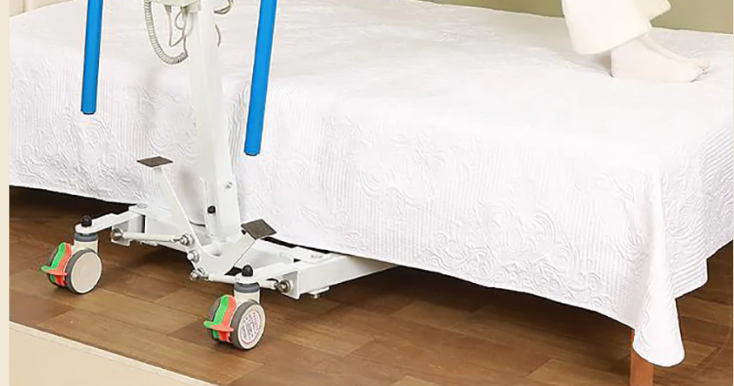
Foldable models for easy storage
Narrow base design
Construction with lightweight materials
Quick-disassembly function
Ship Certification Requirements
Corrosion resistance certification for marine environments
Safety standards for shipboard equipment
Electromagnetic compatibility certification
Fire safety rating
hoyer lift on cruise ship
hoyer lift on cruise ship
Recommended Technical Features
Advantages of Electric Models
Precise control to counteract ship sway
Battery power supply to avoid difficulties in finding power outlets
Smooth lifting/lowering to reduce user discomfort
Emergency backup power for security
Safety Feature Requirements
Dual braking system
Tilt-sensing safety locks
Overload protection devices
Waterproof and moisture-proof design
Pre-Voyage Preparation Guide
Communication with the Cruise Line
Advance Notification
Inform the cruise line of special needs at least 60 days in advance
Provide the specific model and dimensions of the Hoyer Lift
Confirm cabin suitability for the equipment
Understand relevant policies and fees
Documentation Preparation
Equipment operation manual
Safety certification documents
Insurance information
Operator qualification certificates
Cabin Selection Criteria
Features of Accessible Cabins
Spacious entryways and interior space
Reinforced bathroom load-bearing structures
Emergency call systems
Accessible bathroom facilities
Location Considerations
Proximity to elevators to reduce travel distance
Avoid areas with high levels of ship sway
Near medical service areas
Easy access to emergency evacuation routes
Optimization of Embarkation Procedures
Equipment Transportation Arrangements
Embarkation Formalities
Application for priority embarkation rights
Use of dedicated access channels
Safety inspection procedures for the equipment
Coordination of on-board receipt and installation
Storage and Usage Planning
Fixed storage location within the cabin
Contingency plans for use in public areas
Movement routes for emergency situations
Daily maintenance schedules
Personnel Coordination
On-Board Service Team
Designated contact persons
Service hour arrangements
Emergency response procedures
Multilingual service support
Care Team
Definition of the scope of crew assistance
Accommodation arrangements for private caregivers
Working hours and rest areas
Training and support requirements
Special On-Board Operation Techniques
Handling Ship Movement
Timing Selection
Choose calm sea conditions for operation
Avoid operating during ship turns or acceleration
Utilize stable periods when the ship is docked
Monitor daily weather forecasts
Stabilization Techniques
Use beds and furniture for stabilization
Adhere to the principle of low-center-of-gravity operation
Conduct slow, phased movement
Be ready to activate brakes at any time
Addressing Space Constraints
Operation in Small Spaces
Precise position calculation
Utilize the equipment’s rotation function
Complete complex movements in phases
Master skilled micro-operation techniques
Safety Boundaries
Define safe operation areas
Use anti-collision protective pads
Establish visual warning signs
Prepare emergency evacuation plans
Emergency Response Procedures
Medical Emergencies
Response Process
Immediately activate the emergency call system
Initiate the ship’s medical emergency procedures
Safely and quickly move the equipment out of the way
Cooperate with the medical team
Equipment Management
Store the equipment safely and quickly
Ensure unobstructed access to emergency routes
Provide equipment-related information
Document the details of the incident
Shipboard Emergencies
Emergency Plans
Emergency securing procedures for the equipment
Principle of prioritizing personnel safety
Simplified operations for rapid response
Follow crew instructions
Evacuation Preparation
Know the location of assembly stations
Prepare simplified transfer plans
Keep essential items on hand
Equip with emergency communication devices
Coordination of Cruise Ship Services
Utilization of On-Board Services
Professional Assistance
Support from the housekeeping service team
Resources from the medical center
Coordination from customer service
Technical support services
Facility Usage
Navigation of accessible facilities
Special arrangements for restaurant access
Support for participation in entertainment activities
Assistance with shore excursions
Dining and Activities
Dining Arrangements
In-cabin dining service
Accessible seating in restaurants
Accommodation of special dietary needs
Flexible dining time arrangements
Activity Participation
hoyer lift on cruise ship
hoyer lift on cruise ship
Advance reservation for activity spots
Dedicated viewing areas
Support for participation in performances and events
Convenient arrangements for social activities
Shore Excursion Planning
Destination Accessibility
Advance Research
Accessibility of port facilities
Compatibility with local transportation
Access conditions at scenic spots
Availability of medical service resources
Excursion Options
Specialized accessible excursions
Customized private itineraries
On-board leisure alternatives
Virtual tour experiences
Equipment Usage Considerations
Shore-Based Equipment
Information on local equipment rental services
Compatibility with equipment standards
Rental costs and quality
Booking and confirmation procedures
Emergency Plans
Handling of medical emergencies
Response to equipment malfunctions
Contingency plans for transportation delays
Guarantee of communication and contact
Maintenance and Cleaning
On-Board Maintenance
Daily Maintenance
Corrosion prevention maintenance for marine environments
Salt spray protection measures
Regular function checks
Cleaning and disinfection requirements
Professional Support
Assistance from on-board engineers
Arrangements for spare parts supply
Emergency repair resources
Contact for technical support
Hygiene Management
Cleaning Protocols
Marine environmental protection requirements
Coordination with cabin cleaning services
Implementation of disinfection standards
Waste disposal regulations
Successful Case Studies
Practical Sailing Experiences
Well-Prepared Cases
Smooth execution through advance communication
Reduced issues with detailed planning
Enhanced experience through team collaboration
Flexible response to various situations
Problem-Solving Examples
Innovative solutions for space constraints
Emergency adjustments for weather changes
Rapid response to equipment malfunctions
Remedial measures for insufficient services
Future Development Trends
Improvements in Cruise Ship Design
Accessibility Optimization
Accessible design for next-generation cruise ships
Dedicated equipment storage spaces
Intelligent cabin facilities
Comprehensive improvement of accessibility
Enhancement of Technical Services
Technical Support
Satellite communication for remote guidance
Global maintenance service network
Digital management platforms
Application of intelligent equipment
Conclusion
Cruise travel should not be a luxury for people with mobility impairments. hoyer lift on cruise ship Through careful planning, appropriate equipment selection, and professional operation skills, Hoyer Lifts can serve as the key to unlocking ocean voyages. Amidst the blue sea and sky, everyone deserves to enjoy the pleasure of sailing and experience the charm of different cultures. As the cruise industry places increasing emphasis on accessible facilities and technology continues to advance, the cruise experience for passengers with mobility impairments will only get better. With professionalism and dedication, let us help everyone who dreams of sailing realize their ocean dreams.