Category: Patient Lifts
Posted by 2025-12-03 11:12
chairs lift elderly
Chair Lift Equipment and the Elderly: A Gentle Force Safeguarding Mobility Freedom in Later Life
As people age, many elderly individuals face the practical challenge of declining mobility. Climbing up and down stairs becomes strenuous, transferring from a bed to a wheelchair requires assistance from others, and even moving around at home is fraught with the risk of falls. Against this backdrop, chair lift equipment—including stair chair lifts and patient transfer lifts—are gradually becoming crucial tools for improving the quality of life of the elderly and preserving their dignity and independence. They are not just cold machines, but silent caregivers that infuse safety, convenience, and autonomy into the golden years.
Why Do the Elderly Need Chair Lift Equipment?
In old age, the human body generally experiences weakened muscle strength, balance, and joint flexibility. Chronic conditions such as osteoporosis, arthritis, post-stroke sequelae, or Parkinson’s disease further significantly impair daily mobility. A short flight of stairs may become an insurmountable "chasm" separating the bedroom from the living room; even the action of getting up from a sofa could lead to a fall if improper force is applied.
Traditional solutions often involve relying on family members for support or moving into a single-story residence. However, this not only increases the burden on caregivers but may also cause the elderly to feel the psychological pressure of "being a burden to the family." The emergence of chair lift equipment offers a more sustainable and dignified alternative—it allows the elderly to retain the right to move independently within the familiar environment of their own home.
Stair Chair Lifts: Eliminating "Forbidden Zones" at Home
For elderly people living in duplexes or old multi-story residences, stair chair lifts are among the most common assistive devices. Installed on a track along one side of the staircase, they feature an electric seat; with a simple press of a button, the device can smoothly transport the user up or down the stairs.
The advantages of this equipment are evident:
It does not require modifications to the house structure and does not interfere with other family members’ normal use of the staircase.
It is easy to operate—most elderly users can master independent use after a short period of learning.
It boasts high safety, equipped with non-slip seat cushions, safety belts, obstacle sensors, and an emergency power-off system.
More importantly, it enables the elderly to continue using the upstairs bedroom, bathroom, or balcony, preventing them from being "trapped" on the first floor due to mobility limitations and thus maintaining their normal daily routine and family interactions.
Patient Transfer Lifts: Reducing Caregiver Burden and Ensuring Safety for Both Parties
In the care of elderly individuals with complete or partial disability, transferring from a bed to a wheelchair or from a wheelchair to a toilet is the most frequent and high-risk task. Manual lifting not only easily causes back strain in caregivers but may also lead to injuries to the elderly if slips occur.
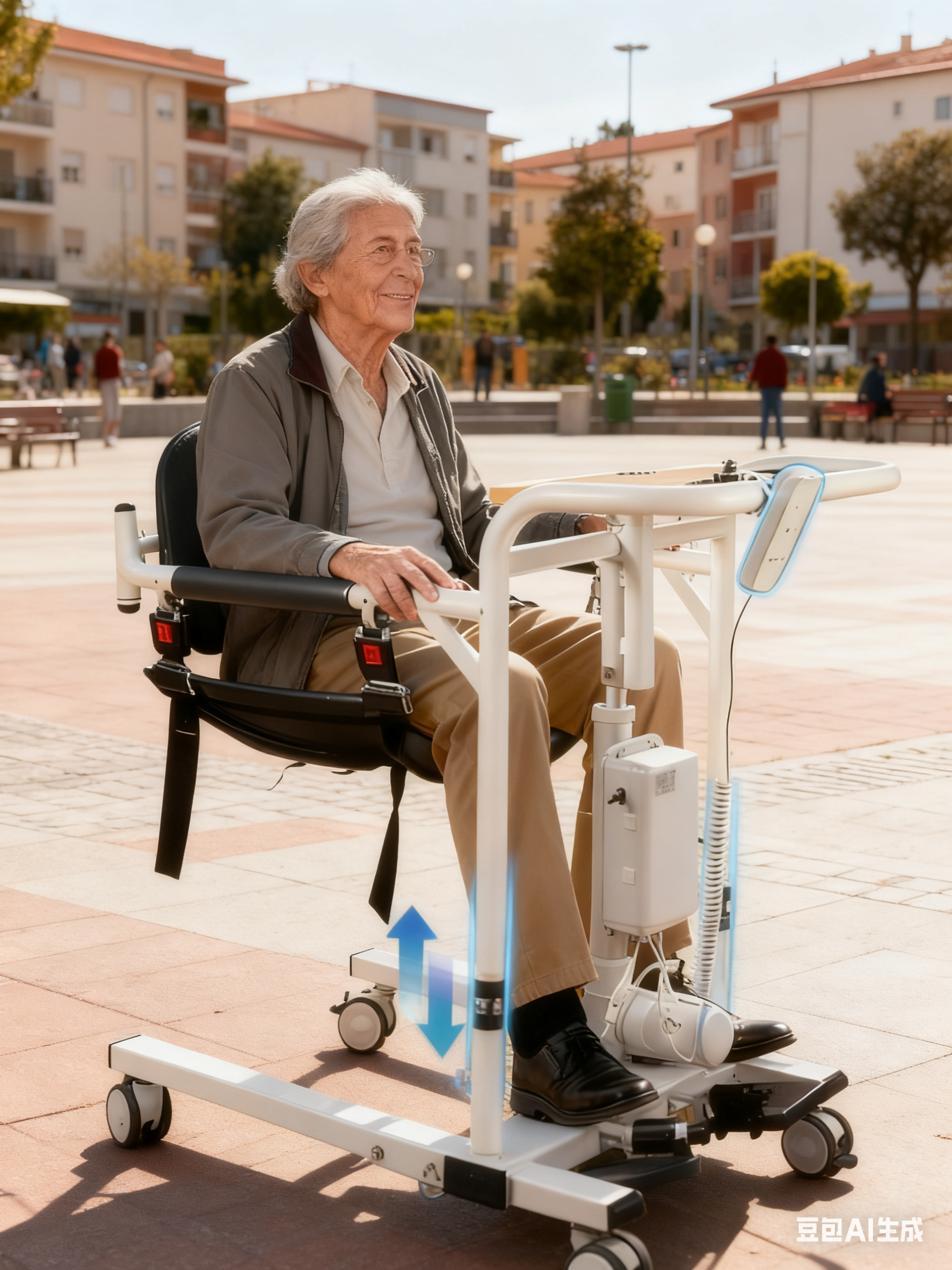
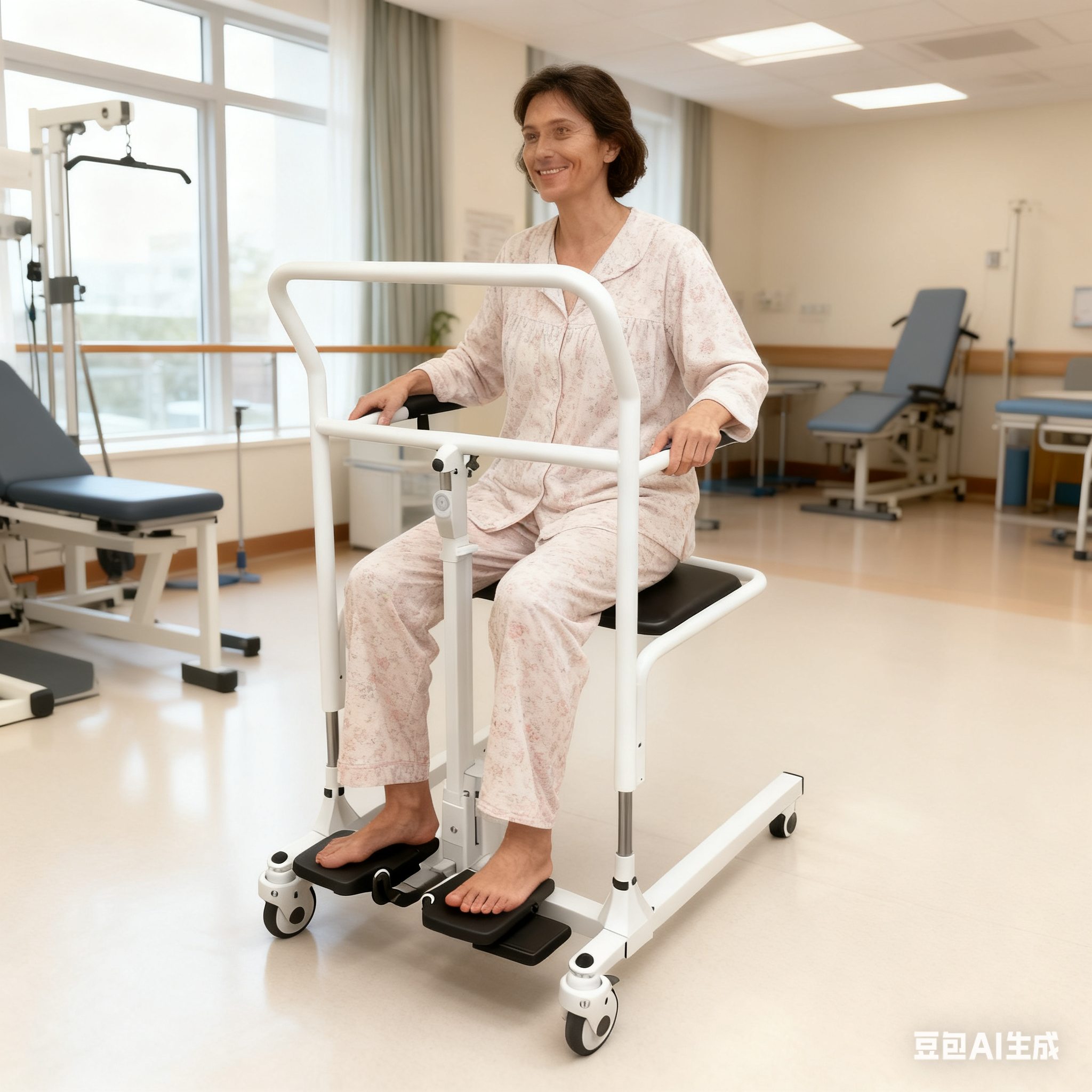
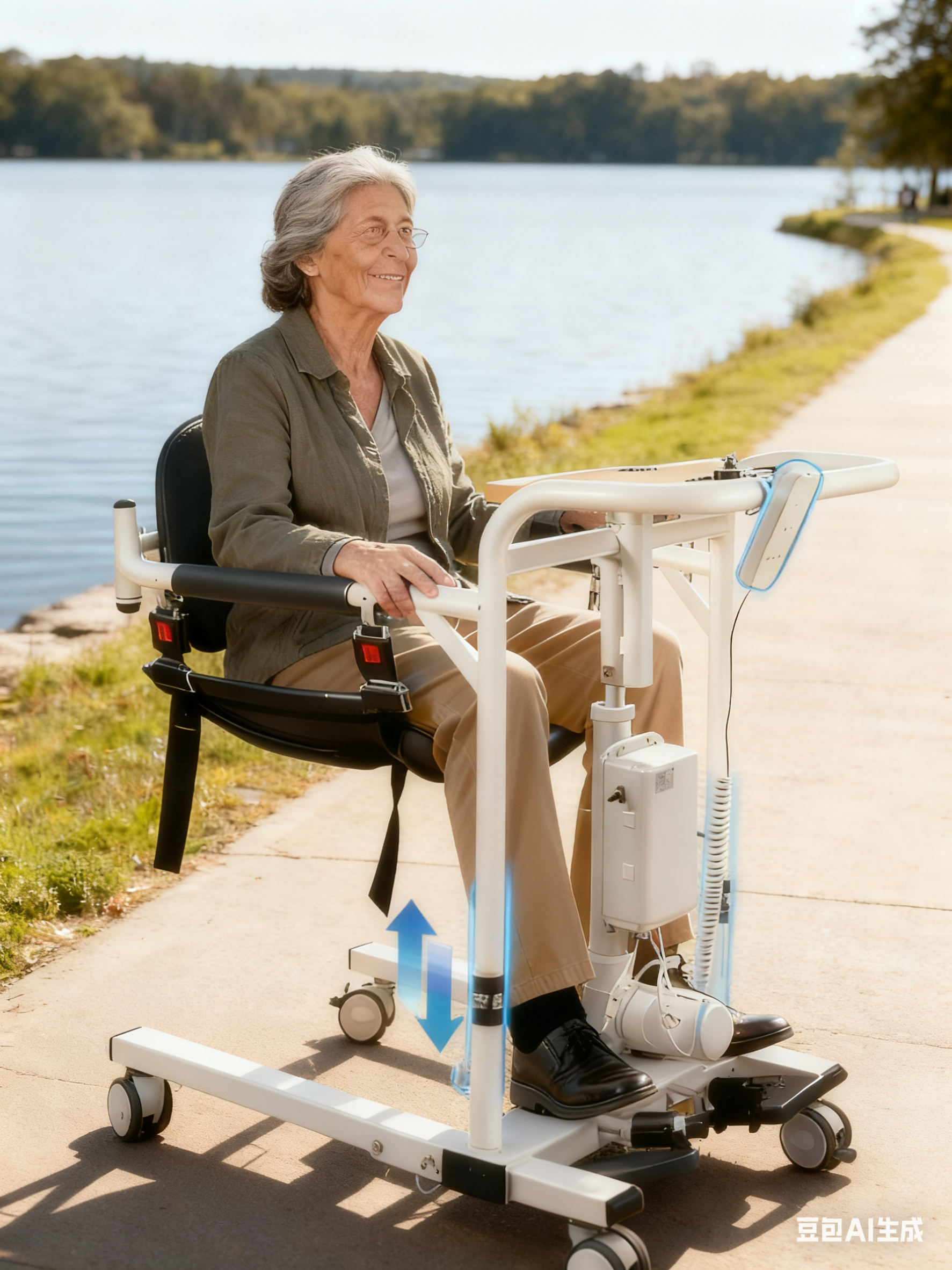
At this point, patient transfer lifts (also known as sit-to-stand lifts) play a key role. Typically equipped with adjustable support arms and comfortable seats, these devices use electric or hydraulic systems to gently lift the elderly from a sitting position to a standing one, then smoothly transfer them to the target location. Some models also support standing training functions, which help delay muscle atrophy and promote blood circulation.
For family caregivers, this is not just a labor-saving tool but also a form of psychological support—they no longer have to bear the heavy physical burden alone and can provide emotional companionship more calmly, rather than being limited to physical labor.
Profound Psychological Impact
The value of this technology is not limited to the physical level. When an elderly person can go upstairs to fetch a coat by themselves, go to the study on the second floor to read alone, or use the bathroom without calling for their children, the sense of self-identity that comes with "I can still do this" is irreplaceable by any medication.
Studies have shown that maintaining mobility autonomy in the home environment can significantly reduce the incidence of depression, anxiety, and loneliness among the elderly. Although chair lift equipment is small in size, it subtly rebuilds their sense of control over life, delays the premature solidification of the "care recipient" identity, and makes later life more quality-driven and dignified.
Selection and Adaptation: A People-Centered Design Philosophy
Today’s chair lift equipment places increasing emphasis on humanized design: silent motors reduce disturbance, foldable structures save space, soft curves enhance riding comfort, and even the appearance can blend with home decor styles. Professional assessment services are also becoming more widespread—technicians will visit the home to measure staircase angles, evaluate the elderly person’s physical condition, and recommend the most suitable model and installation plan.
In addition, some communities and government programs have begun to provide subsidies or rental services, lowering the threshold for initial family investment and benefiting more ordinary elderly individuals.
Conclusion
Chair lift equipment is not a panacea, but it provides a gentle and practical response to an aging society. It does not attempt to reverse aging; instead, while respecting the laws of nature, it strives to eliminate environmental restrictions on mobility. In this sense, a quietly operating lift chair is not just the operation of machinery, but the most concrete practice of the ideal of "a secure and dignified old age."
When we consider future living arrangements for our parents or grandparents, we might as well take a closer look at these seemingly ordinary devices—they may well be the most reliable bridge connecting independence and dependence, freedom and safety.