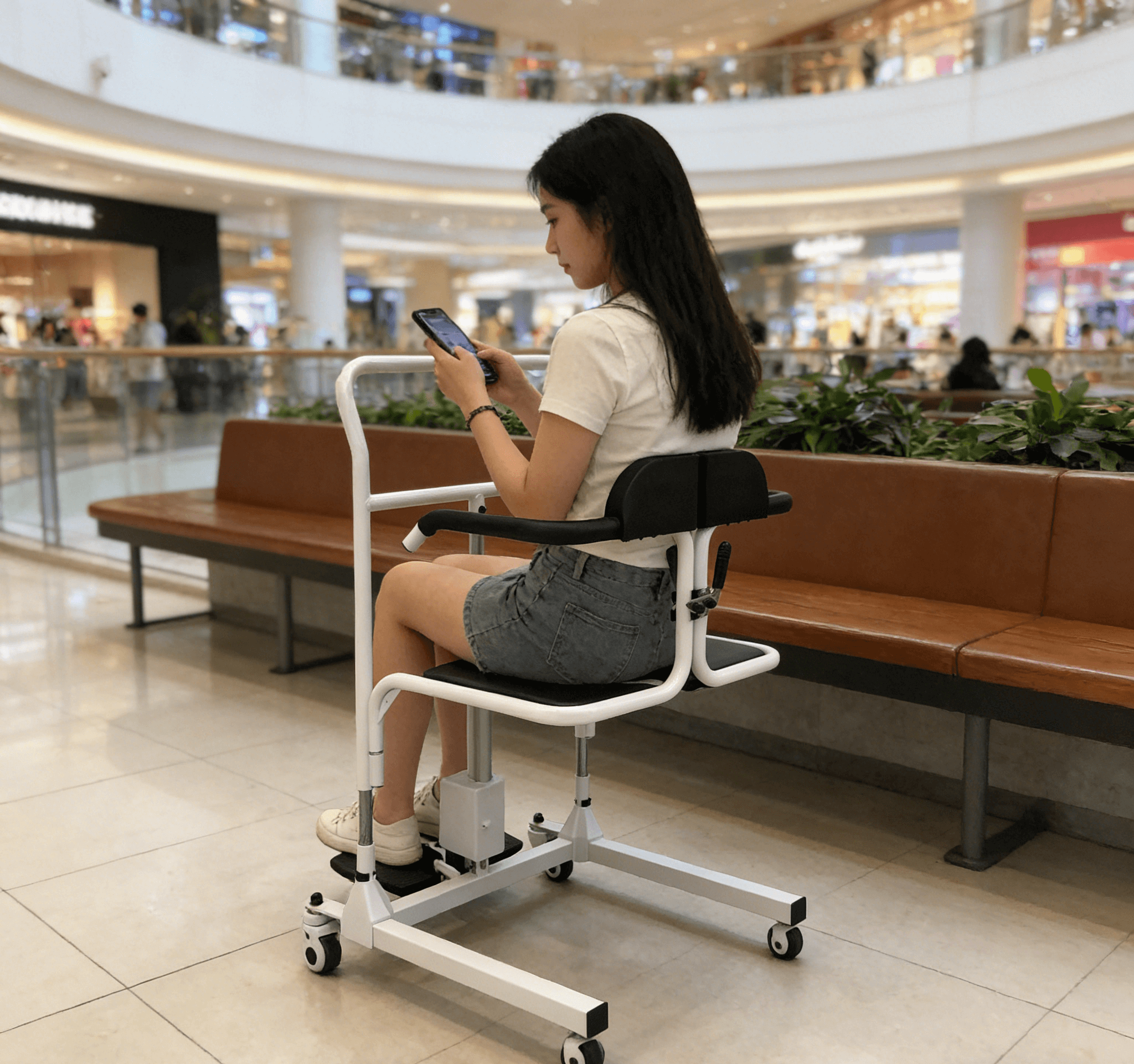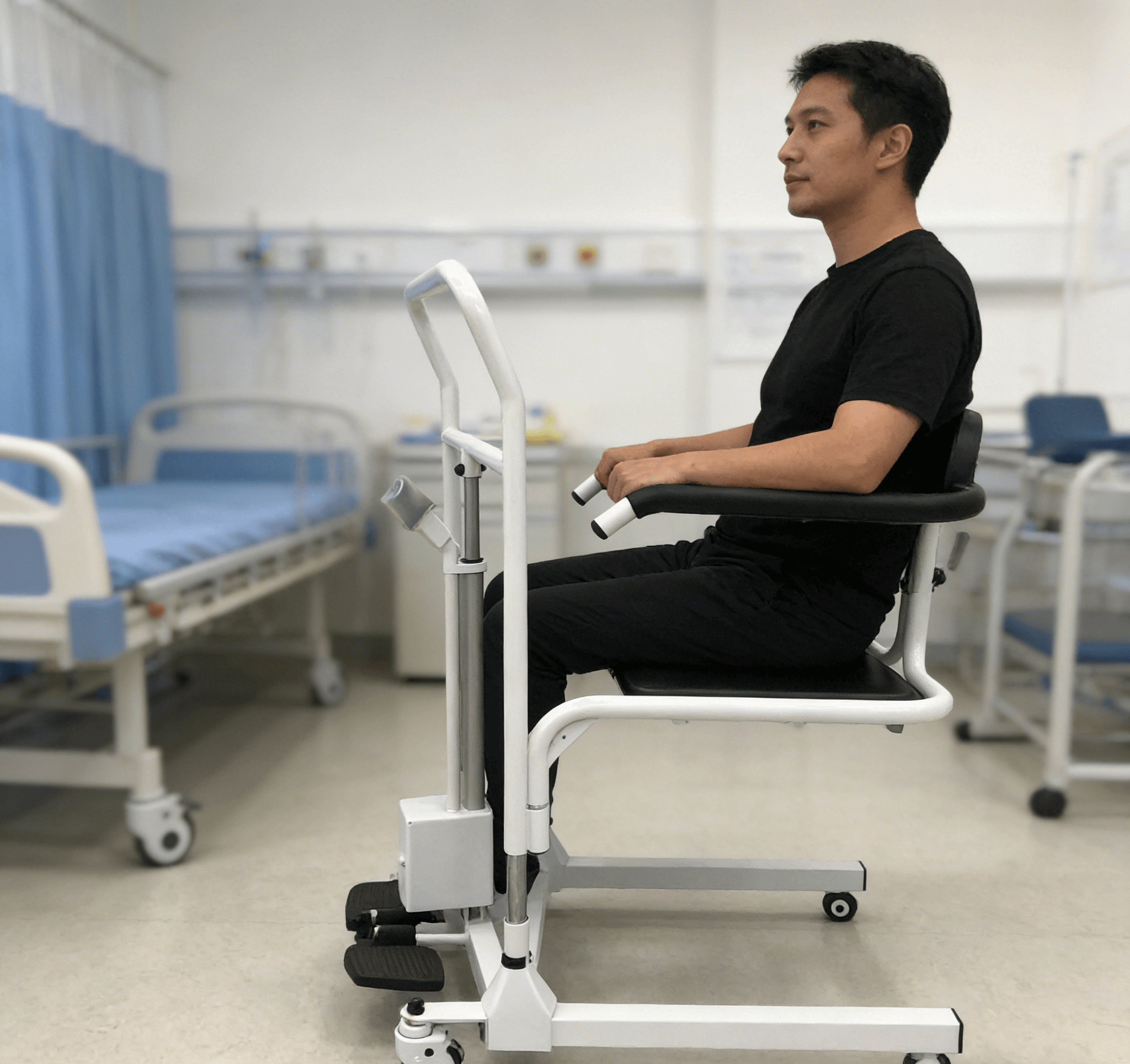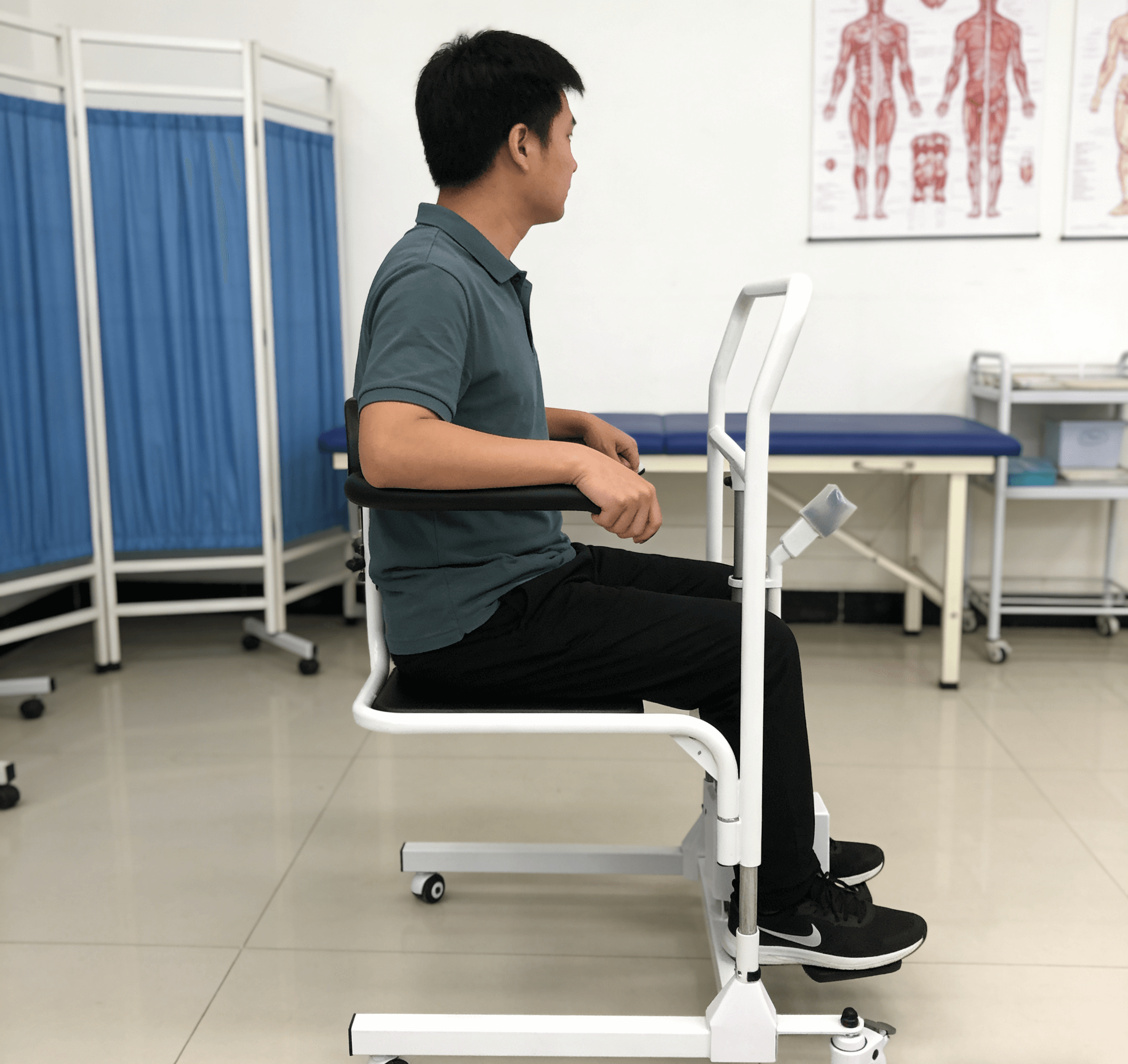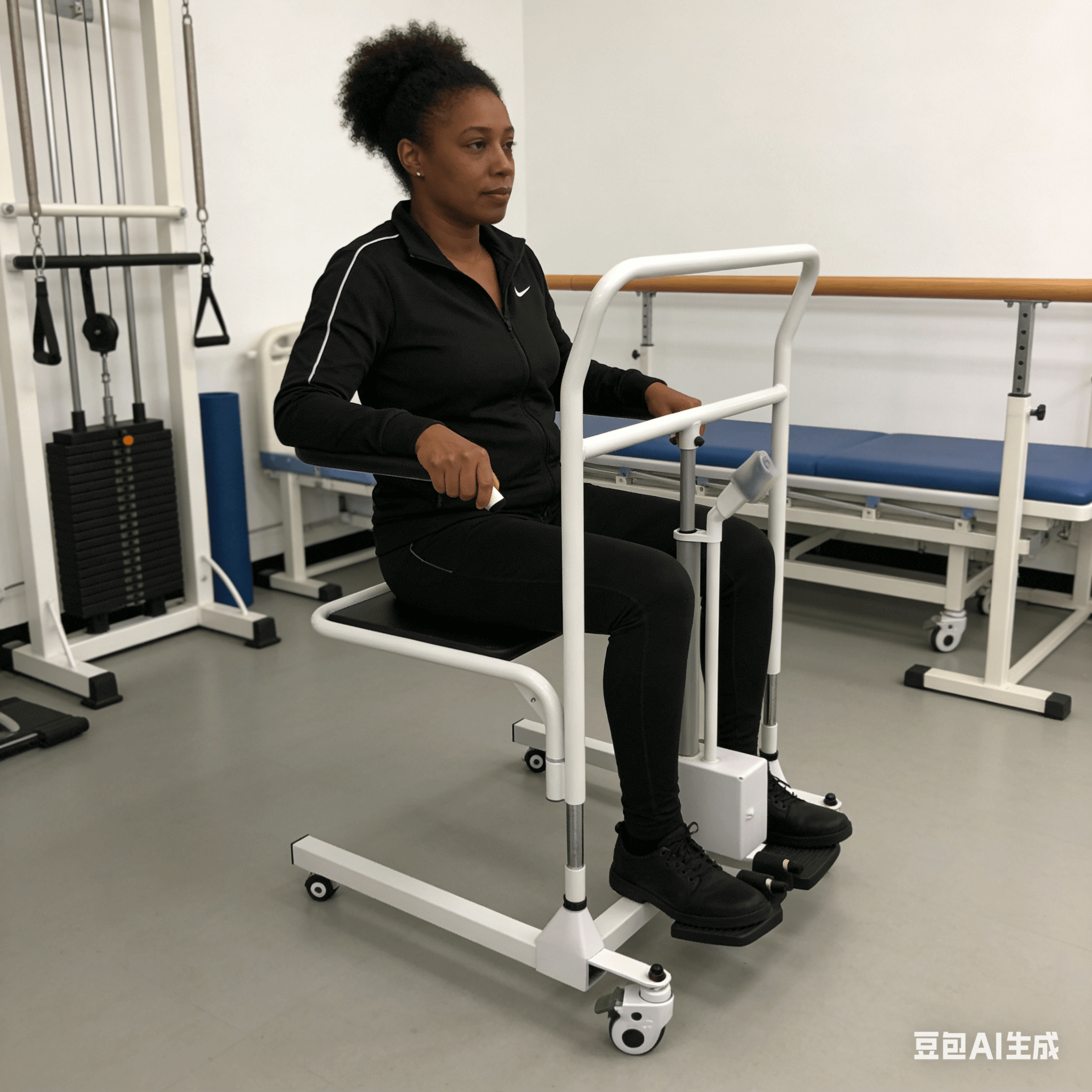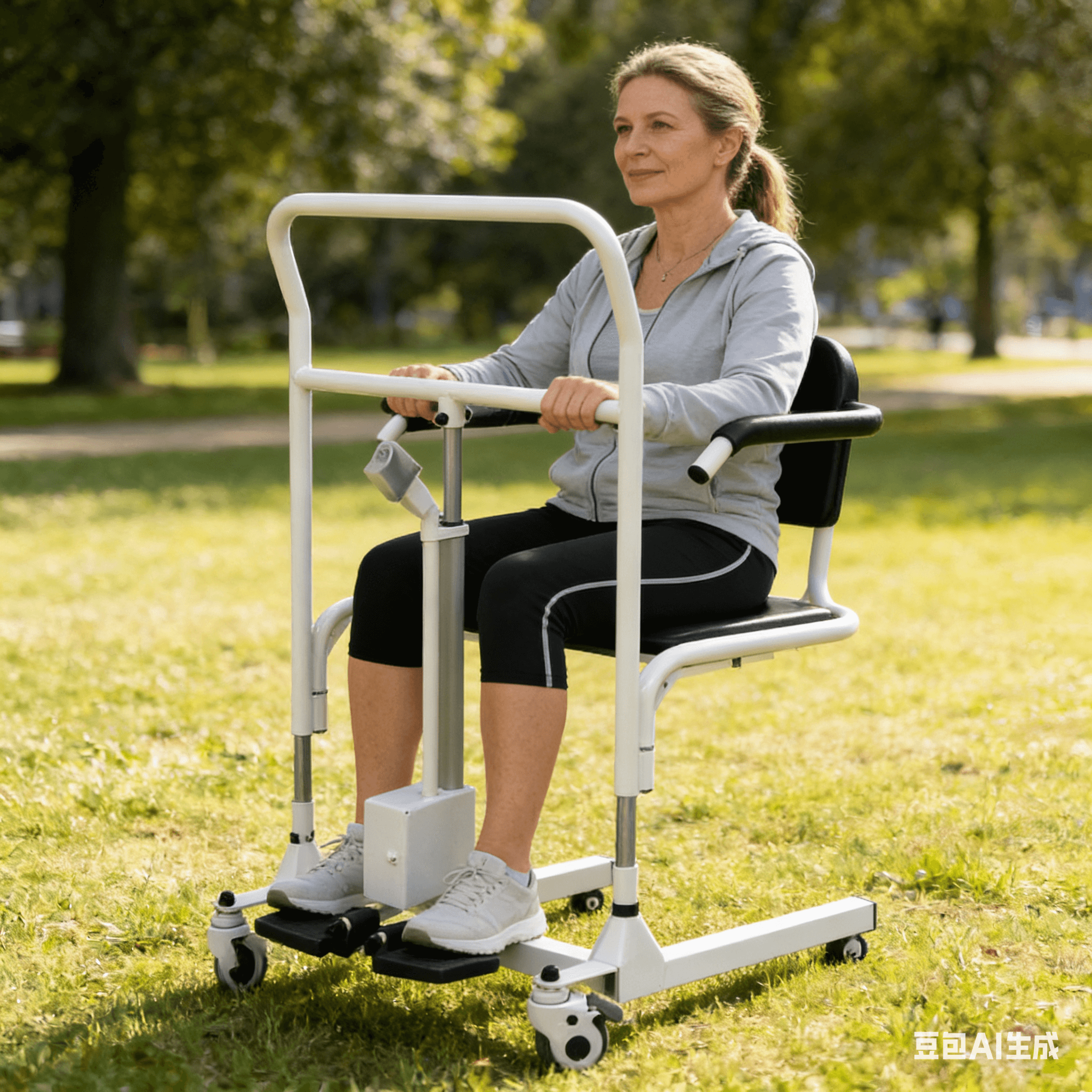
Category: Patient Lifts
Posted by 2025-12-10 11:12
recliner lift chairs covered by medicare
When People Search for "Are Lift Recliners Covered by Medicare?"
When people search for "whether lift recliners are covered by Medicare (U.S. Federal Health Insurance)," it is usually because they or their family members are facing mobility issues. They hope to use this type of equipment— which not only assists with standing up but also provides comfortable rest—to improve their quality of life while reducing financial burdens. However, the actual situation regarding whether Medicare covers lift recliners is far more complex than what is claimed in advertisements. Understanding the real policies helps avoid misunderstandings, save expenses, and find more feasible ways to obtain support.
Simple Answer: Medicare Typically Does Not Cover Entire Lift Recliners
Original Medicare (including Part A and Part B) generally does not cover the cost of ordinary electric lift recliners. Although such chairs are significantly helpful for patients with arthritis, post-surgical recovery needs, or muscle weakness, Medicare classifies them as "household furniture" rather than "medically necessary equipment." Therefore, even with a doctor’s prescription, most commercially available lift recliners do not meet Medicare’s reimbursement criteria.
The Only Possible Exception: Limited to "Seat Lift Mechanisms"
In rare cases, Medicare Part B may cover a type of equipment called a "Seat Lift Mechanism"—but all of the following strict conditions must be met simultaneously:
Medical Necessity Certification from a Doctor: A Medicare-approved doctor must confirm in writing that the user cannot stand up independently from a regular chair due to a severe illness (such as advanced arthritis, neuromuscular diseases, post-stroke sequelae, etc.), and that the lift mechanism is necessary to maintain basic daily functions.
The Equipment Must Be a Standalone Durable Medical Equipment (DME): Medicare may only reimburse detachable lift mechanical bases, not integrated structures built into recliners. In other words, if you purchase an entire recliner with a built-in lift function (which is the case for most products on the market), Medicare will almost never cover it.
Purchase from a Medicare-Certified Supplier: Reimbursement applications are only possible if the equipment is rented or purchased from a DME supplier participating in the Medicare program.
Coverage Limited to the Mechanical Part, Not the Chair Itself: Even if approved, Medicare usually only covers 80% of the cost of the lift motor or base (the remaining 20% must be paid out of pocket unless you have supplementary insurance). It does not cover components such as the seat cushion, backrest, armrests, or exterior parts.
In reality, approved cases for such applications are extremely rare. Many families eventually discover that the so-called "Medicare-Certified Lift Recliners" are merely marketing slogans.
Beware of Misleading Advertising
Many merchants on the market use slogans like "Medicare-Approved" or "Medicare-Reimbursable Lift Recliners," which easily lead consumers to believe that the entire chair can be reimbursed. In fact, this usually only means that the internal motor meets DME standards technically, and does not imply that Medicare will actually cover the cost. Consumers are advised to:
Ask merchants to provide written explanations;
Verify eligibility directly by calling Medicare’s official hotline (1-800-MEDICARE);
Never place an order solely based on advertising promises.
More Practical Alternative Funding Channels
If Medicare does not provide coverage, consider the following options:
Medicaid: Policies vary by state. Medicaid programs in some states (especially Home and Community-Based Services Waivers) may provide funding for lift recliners for eligible low-income seniors or individuals with disabilities.
Veterans Affairs (VA) Benefits: The U.S. Department of Veterans Affairs may provide assistive equipment through medical or caregiver support programs.
Long-Term Care Insurance: Some private insurance policies cover costs related to home aging-in-place modifications or assistive furniture.
Nonprofit Organizations and Community Resources: Entities such as Area Agencies on Aging, Easterseals, and local charities sometimes offer subsidies, rental services, or donations of used equipment.
Installment Plans or Manufacturer Financing: Many retailers provide interest-free installment payment options to reduce the pressure of one-time expenses.
Buying Advice: Prioritize Needs Over Reimbursement Myths
When selecting a lift recliner, prioritize the following factors:
Whether the chair matches the user’s height, weight, and physical condition;
Whether the lifting process is smooth and quiet;
Whether the operation is simple (especially for elderly users with limited vision or hand dexterity);
Whether reliable warranty and local after-sales services are provided.
Conclusion
While Medicare’s coverage for lift recliners is extremely limited, this does not mean you have to bear the entire cost alone. By understanding the real policies, proactively exploring alternative funding channels, and choosing reputable suppliers, you can still obtain the necessary assistive equipment in a reasonable way. Most importantly: Do not purchase an unsuitable product because you mistakenly believe in "Medicare reimbursement." Taking the time to do thorough research will help you select a truly safe, comfortable, and reliable lift recliner for your family or yourself.