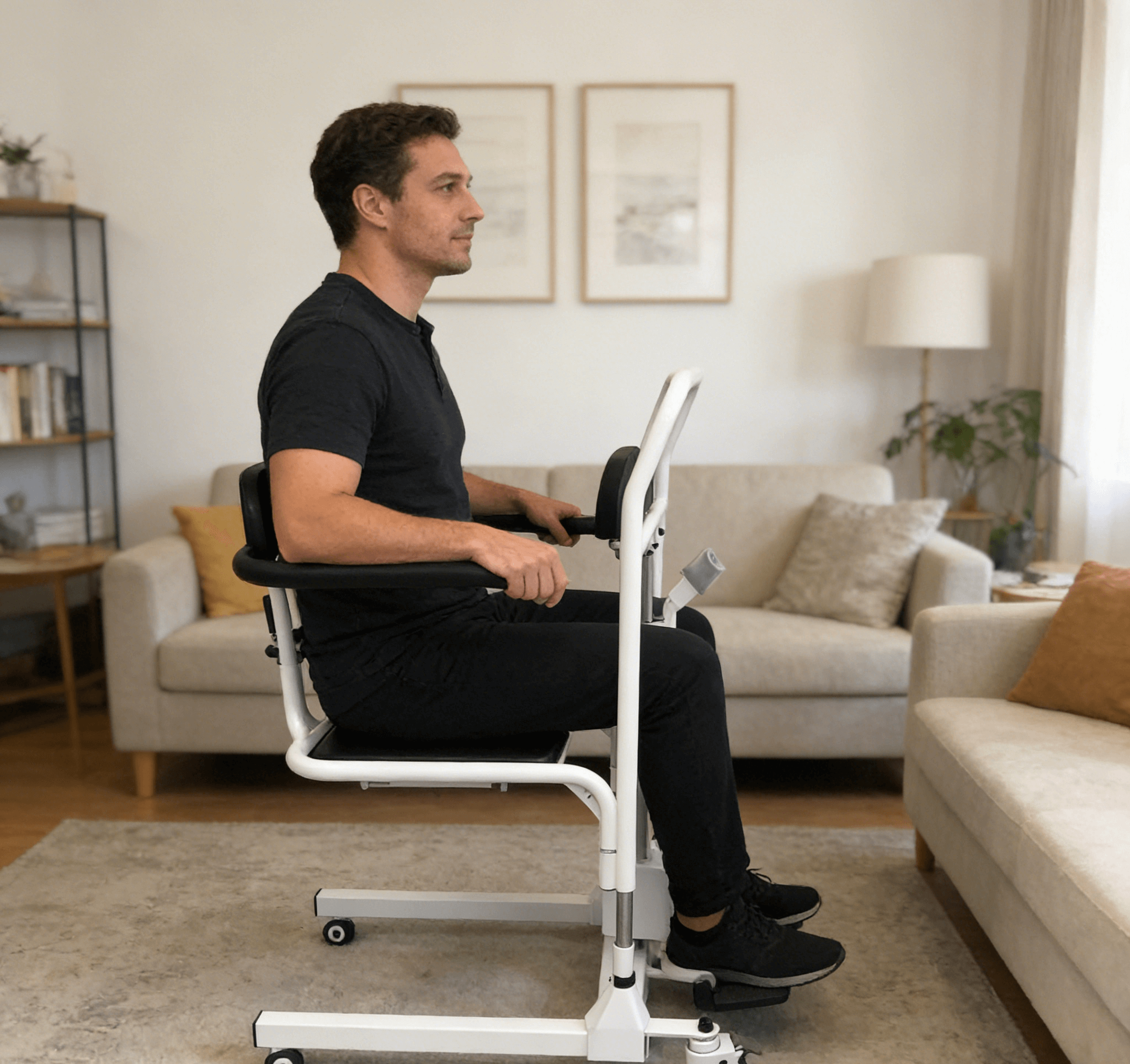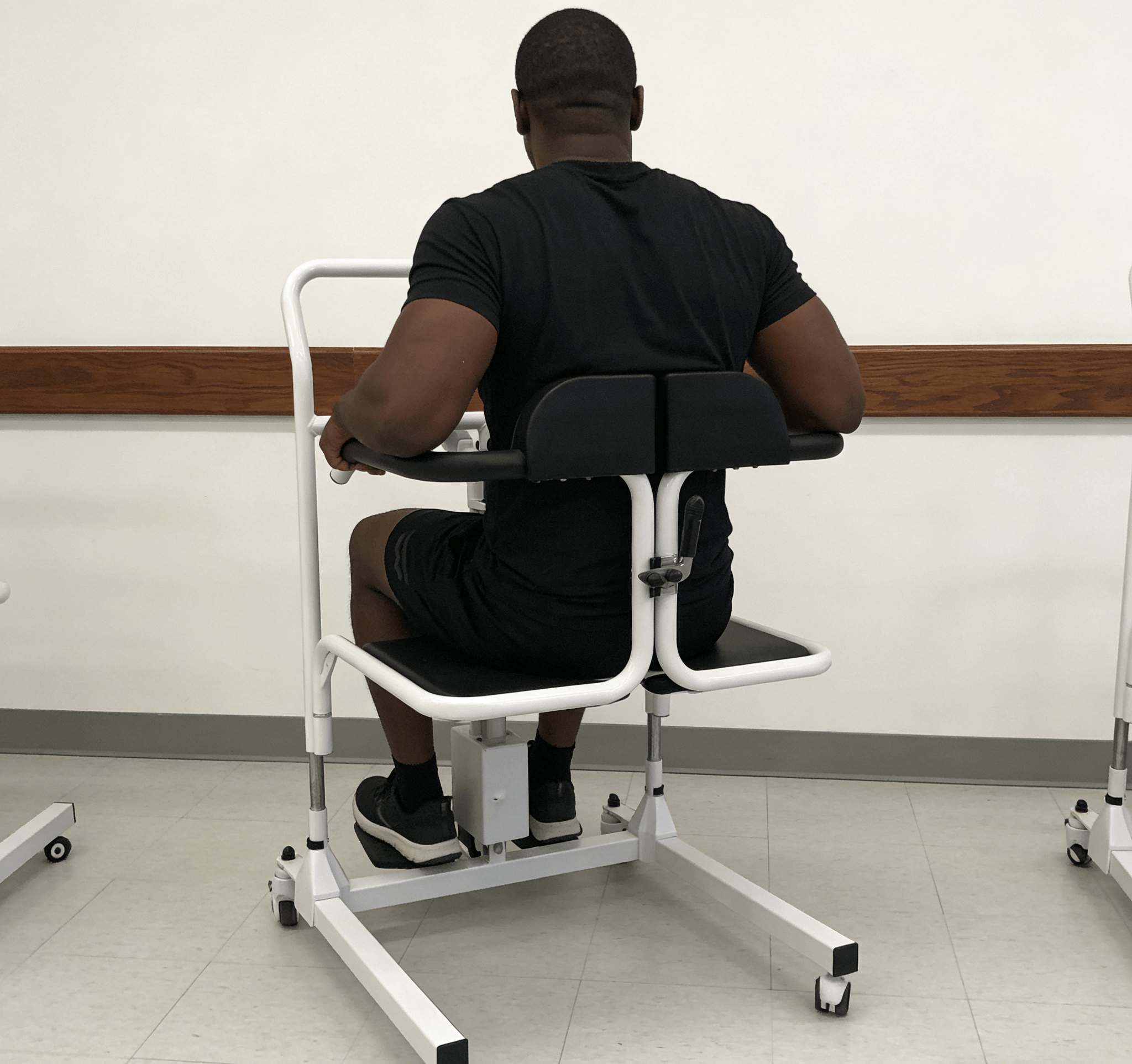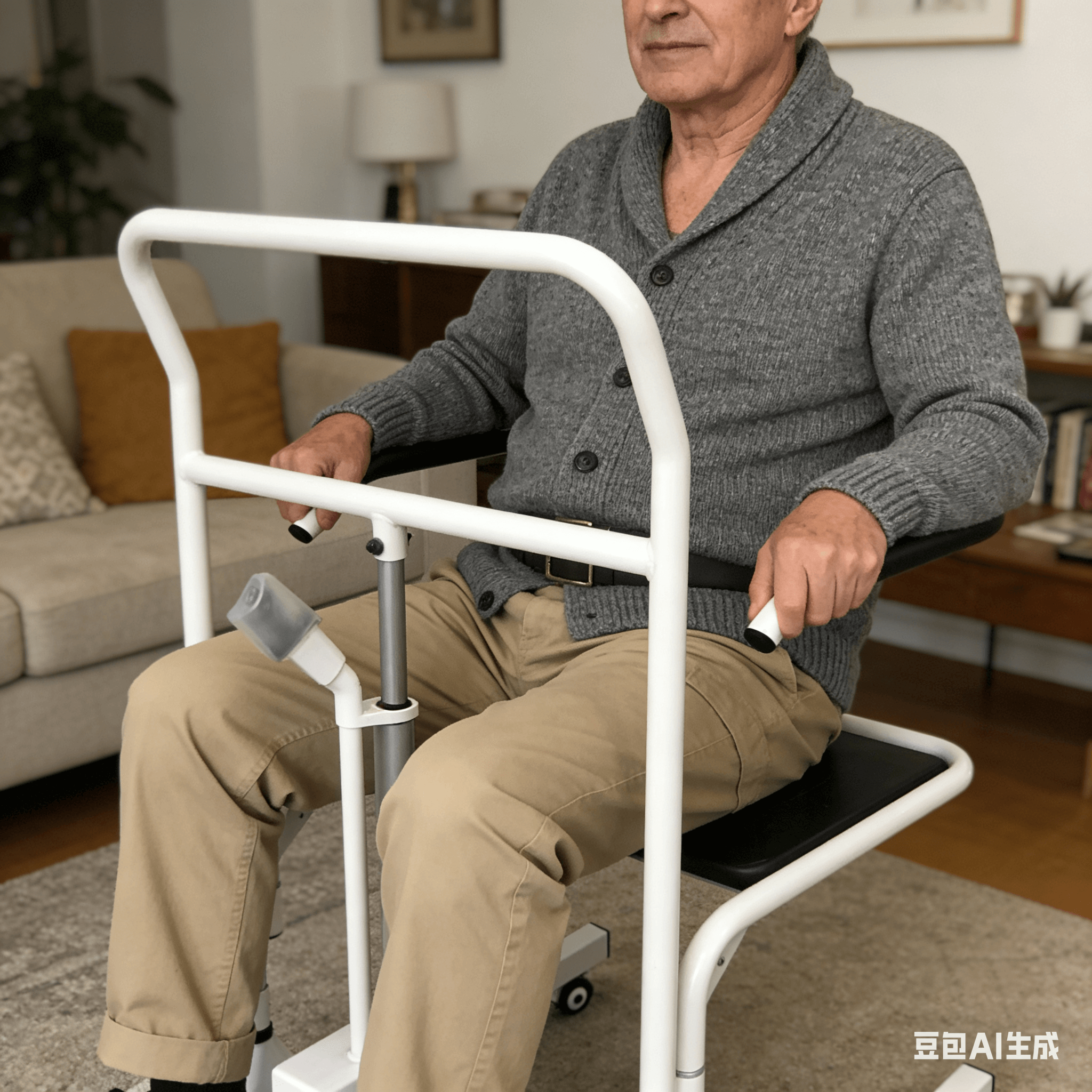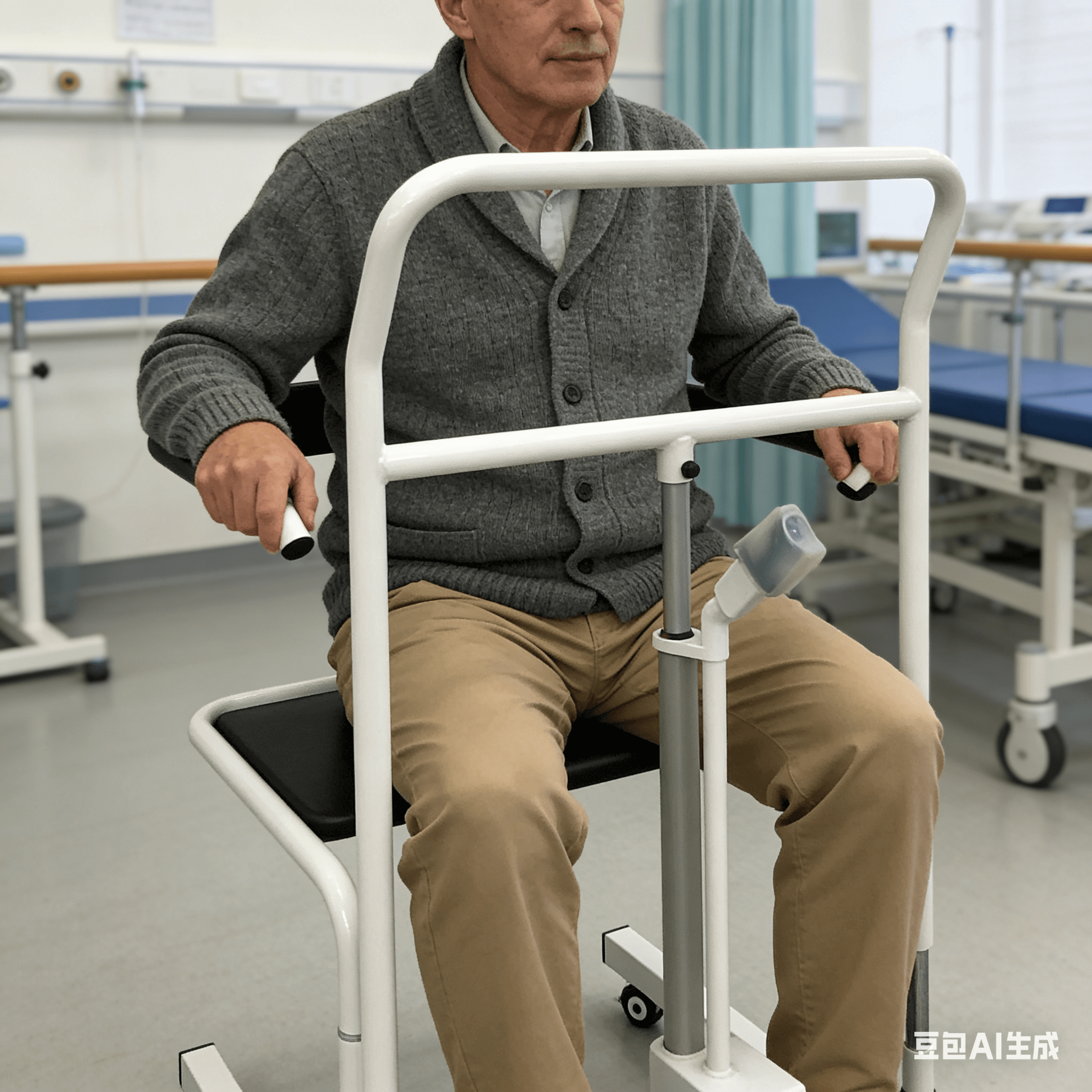
Category: Electric Transfer Chair
Posted by 2025-12-10 11:12
recliner lift chairs medicare
When You Search for "Recliner Lift Chairs Medicare"
When you search for "recliner lift chairs Medicare," you are likely seeking financial support—either for an elderly family member or yourself—to afford a lift recliner chair that enhances both safety and comfort in daily life. However, the reality of whether Medicare covers such equipment is more complex than many people assume. Understanding the details of relevant policies can help you avoid misunderstandings, save on unnecessary expenses, and find truly viable funding options.
Medicare Typically Does Not Cover Standard Lift Recliners
First, it is important to clarify: U.S. federal health insurance (Medicare) generally does not cover the cost of ordinary electric lift recliners. Although these chairs are highly helpful for people with limited mobility, Medicare classifies them as "convenience furniture" rather than "medically necessary equipment." Therefore, even with a doctor’s prescription, standard household lift recliners usually do not qualify for reimbursement under Medicare Part B.
When Might Medicare Provide Coverage?
While ordinary lift recliners are not covered, Medicare may cover a type of medical equipment called a "Seat Lift Mechanism"—but only if strict conditions are met:
Written Certification from a Doctor: A Medicare-approved doctor must confirm that the user has severe mobility impairments due to illness or injury, cannot stand up independently from a regular chair, and that the use of a lift mechanism is medically necessary.
Equipment Must Meet DME Standards: The lift mechanism must be classified as "Durable Medical Equipment (DME)" and cannot be an integrated part of a piece of furniture. For example, some standalone lift bases that can be attached to an existing chair may qualify, while a full recliner with built-in lifting functionality typically does not.
Purchased from a Medicare-Certified Supplier: The mechanism must be rented or purchased from a DME supplier that participates in the Medicare program; otherwise, reimbursement cannot be claimed.
Only Covers the Mechanical Part, Not the Furniture: Even if approval is granted, Medicare usually only covers 80% of the cost of the lifting mechanical components (the remaining 20% is the beneficiary’s responsibility, unless supplemented by additional insurance). It does not cover the cost of the chair’s upholstery, frame, or decorative elements.
In practice, such approvals are extremely strict, and approved cases are relatively rare. Many families eventually find that marketing claims of "Medicare-approved lift chairs" are often misleading.
More Practical Alternative Options
If you are looking for financial assistance to purchase a lift recliner, consider the following avenues:
Medicaid: Policies for Medicaid programs vary by state. Some states may offer broader funding for assistive devices (including lift recliners) under specific conditions. Low-income seniors or people with disabilities can consult local social service agencies for details.
VA Benefits (U.S. Department of Veterans Affairs): Eligible veterans can apply for assistive device support through the VA healthcare system.
Long-Term Care Insurance: Some private long-term care insurance policies cover costs related to home modifications or assistive furniture.
Nonprofit Organizations and Community Programs: Entities like the Area Agency on Aging or local charities sometimes offer subsidies, rental services, or donations of used equipment.
Installment Plans or Manufacturer Financing: Many lift recliner retailers offer interest-free installment plans to reduce the burden of one-time payments.
Buying Tip: Beware of "Medicare Approved" Marketing Language
Some merchants on the market use phrases like "Medicare Approved Lift Chair" in their advertising. However, this usually only means that the chair’s lifting motor theoretically meets DME technical standards—it does not mean Medicare will actually reimburse the cost of the entire chair. Consumers should ask merchants for written explanations and verify their eligibility directly with Medicare (by calling 1-800-MEDICARE) to avoid being misled.
Conclusion
While Medicare coverage for lift recliners is extremely limited, this does not mean you have to bear the full cost out of pocket. By understanding the actual policies, exploring alternative funding channels, and choosing reputable suppliers, you can still find a more affordable way to obtain the assistive equipment you need. Most importantly, do not rush to purchase an unsuitable product because you mistakenly believe in "Medicare reimbursement" promises. Taking the time to do thorough research will help you select a lift recliner that is truly safe, comfortable, and financially feasible for yourself or your family.