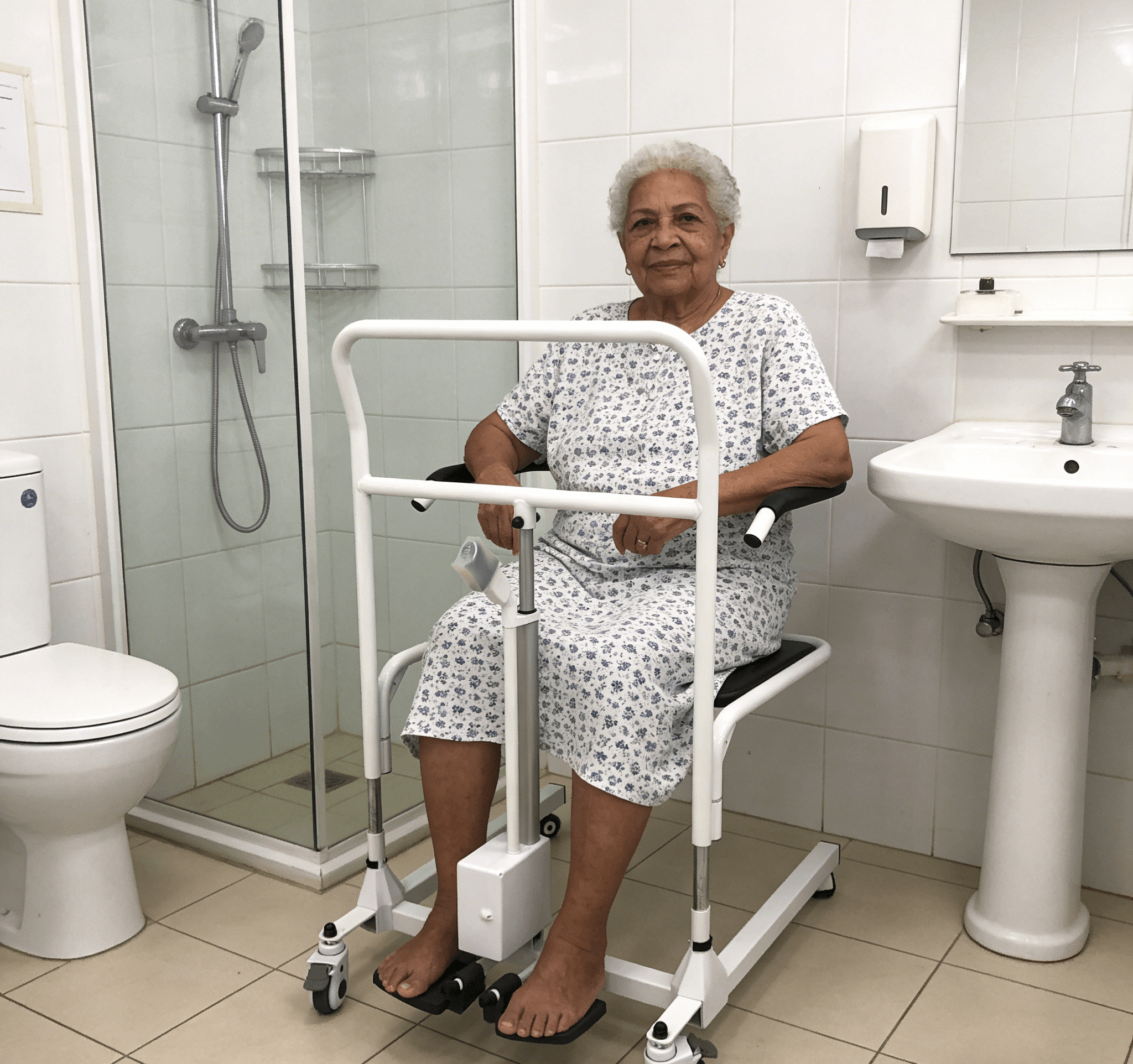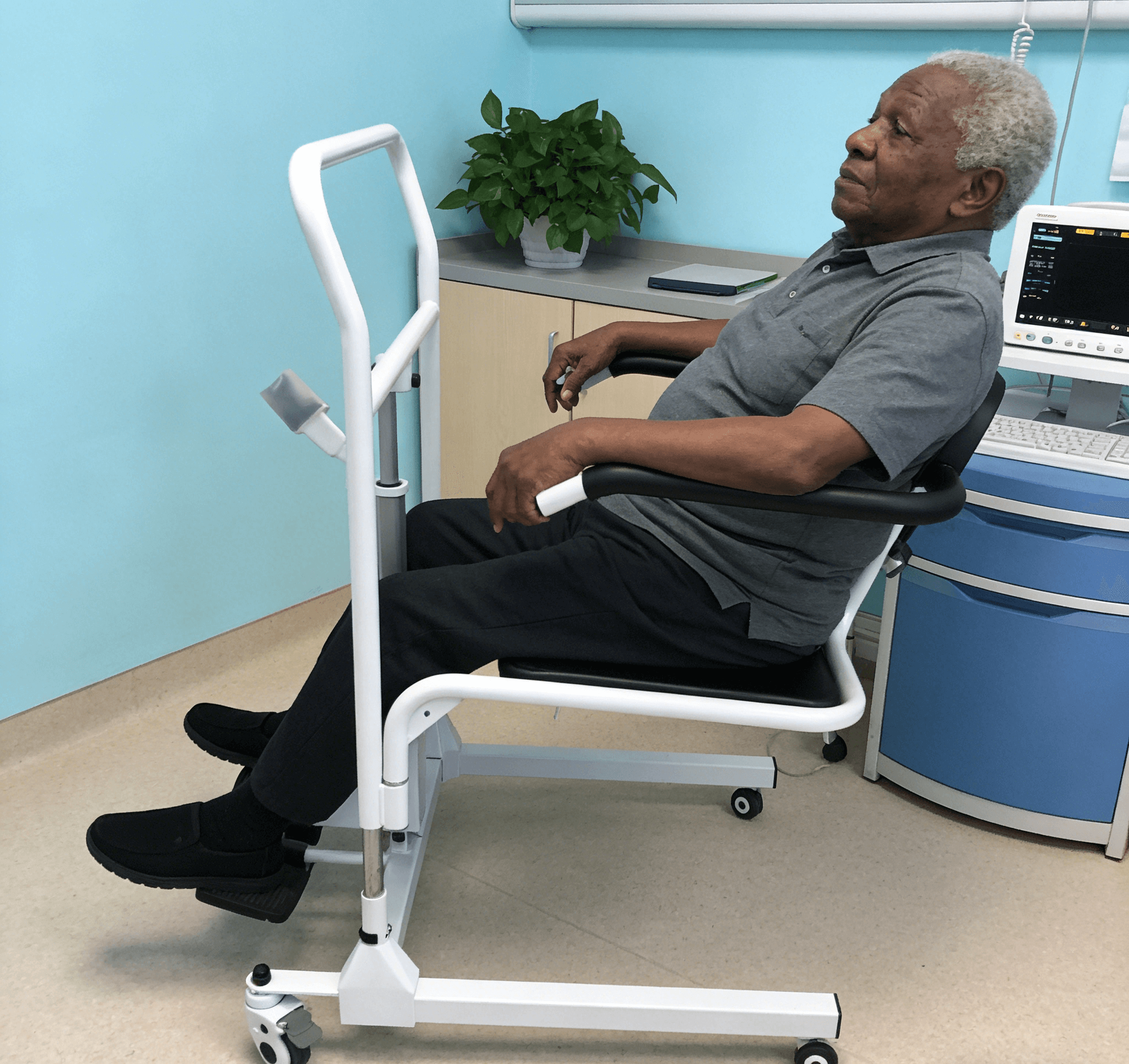
Category: Patient Lifts
Posted by 2025-12-17 10:12
hoyer lift electric for sale
Buying an Electric Hoyer Lift: A Comprehensive Guide to Selection and Avoiding Pitfalls
When deciding to purchase an electric Hoyer Lift for in-home care, it’s easy to feel overwhelmed by the numerous brands, models, and purchasing channels available. How can you make the most cost-effective choice while ensuring safety and quality? This guide will walk you through the entire process from assessment to placing an order.
Key Considerations Before Buying
Before you start browsing products, be sure to clarify the following points:
Prioritize Professional Assessment
This is the most important step! Consult an occupational therapist (OT) or physical therapist (PT). They will evaluate the user’s physical condition and home environment, then provide a written recommendation specifying the required equipment type, weight capacity, and special features (such as boom type and sling category). This not only ensures you purchase a suitable device but also serves as a prerequisite for insurance reimbursement.
Determine Core Specifications
Weight Capacity: Choose a model with a weight capacity that exceeds the user’s current weight by at least 20%–30%.
Base Dimensions: Measure the width of doorways and room passageways to ensure the lift can pass through and turn flexibly. Narrow or scissor-style bases are more suitable for tight spaces.
Lifting Range: Ensure the minimum height can accommodate your bed or sofa, and the maximum height meets your transfer needs.
Power Supply: Confirm it is an electric model, and understand the battery life and charging method.
Explore Funding Sources
Insurance/Medicare: Contact your insurance provider or Medicare to learn about their coverage policies for durable medical equipment (DME). A doctor’s prescription and proof of medical necessity are usually required.
Assistive Device Programs (ADP): If ADP is available in your area, understand its application process and partner suppliers.
Out-of-Pocket Budget: Define the range of your out-of-pocket budget.
Where to Buy? Analysis of Channel Pros and Cons
Authorized Medical Equipment Suppliers
Pros:
Professional Services: Offer professional assessment consultations, on-site installation, and crucial hands-on operation training.
Quality Assurance: Sell genuine original equipment with full warranty coverage.
Insurance Coordination: Familiar with coordinating with insurance companies and assist in processing reimbursement documents.
Cons: Prices may be higher than those from online retailers.
Recommendation: This is the most recommended and safest channel, especially for novice caregivers.
Online Medical Equipment Specialty Stores
Pros:
Transparent Pricing: Often offer more competitive prices and promotional activities.
Wide Selection: Easily compare different brands and models.
Cons:
Lack of Training: Cannot provide face-to-face training; caregivers must master operation through videos and instruction manuals independently.
Logistics Challenges: Equipment is heavy, and delivery may not include installation services.
Recommendation: Suitable for caregivers with some experience, limited budgets, and access to training through other means.
Second-Hand Markets
Pro: Lowest price.
Significant Risks:
Safety Hazards: Equipment may have unknown damage or wear, with no guarantee of safety.
No Warranty or Training: Once problems arise, there is no way to claim responsibility.
Missing Accessories: Specialized slings or chargers may be missing.
Recommendation: Highly not recommended. If you must consider it, be sure to hire a professional (such as an OT or equipment technician) to conduct a comprehensive inspection of the device, and ensure you can obtain the original user manual.
Purchase Process Checklist
Obtain a prescription and assessment report.
Get a list of authorized suppliers from your OT or doctor.
Contact multiple suppliers to get quotes, and compare prices and services (whether training, installation, and warranty are included).
Verify the specifications of the final model to ensure it fully matches your needs.
Confirm the order, and clarify the delivery date and training schedule.
Carefully inspect the goods upon receipt to ensure all parts are complete and free from shipping damage.
Participate in training and ensure all caregivers are proficient in operation—especially the use of the emergency manual release valve.
Pitfalls Behind "Good Deals"
Be wary of deals with unusually low prices. Ask yourself the following questions:
Does it sacrifice key safety features?
Is it from an unknown or untrustworthy brand?
Does the price exclude necessary training and support?
Is it an overly old or heavily used second-hand device?
Remember: "Saving money" on medical equipment may end up costing more in terms of the user’s safety or the caregiver’s health.
Conclusion
Purchasing an electric Hoyer Lift is a significant investment. The lowest upfront cost is not necessarily the most economical choice in the long run. Place safety, training, and professional support at the core of your decision-making.
By following the path of "professional assessment → define specifications → compare channels → prioritize services," you will be more likely to find an electric Hoyer Lift that not only fits your budget but also provides long-term, reliable, and safe service for you and your loved ones.