Category: Patient Lifts
Posted by 2025-12-18 11:12
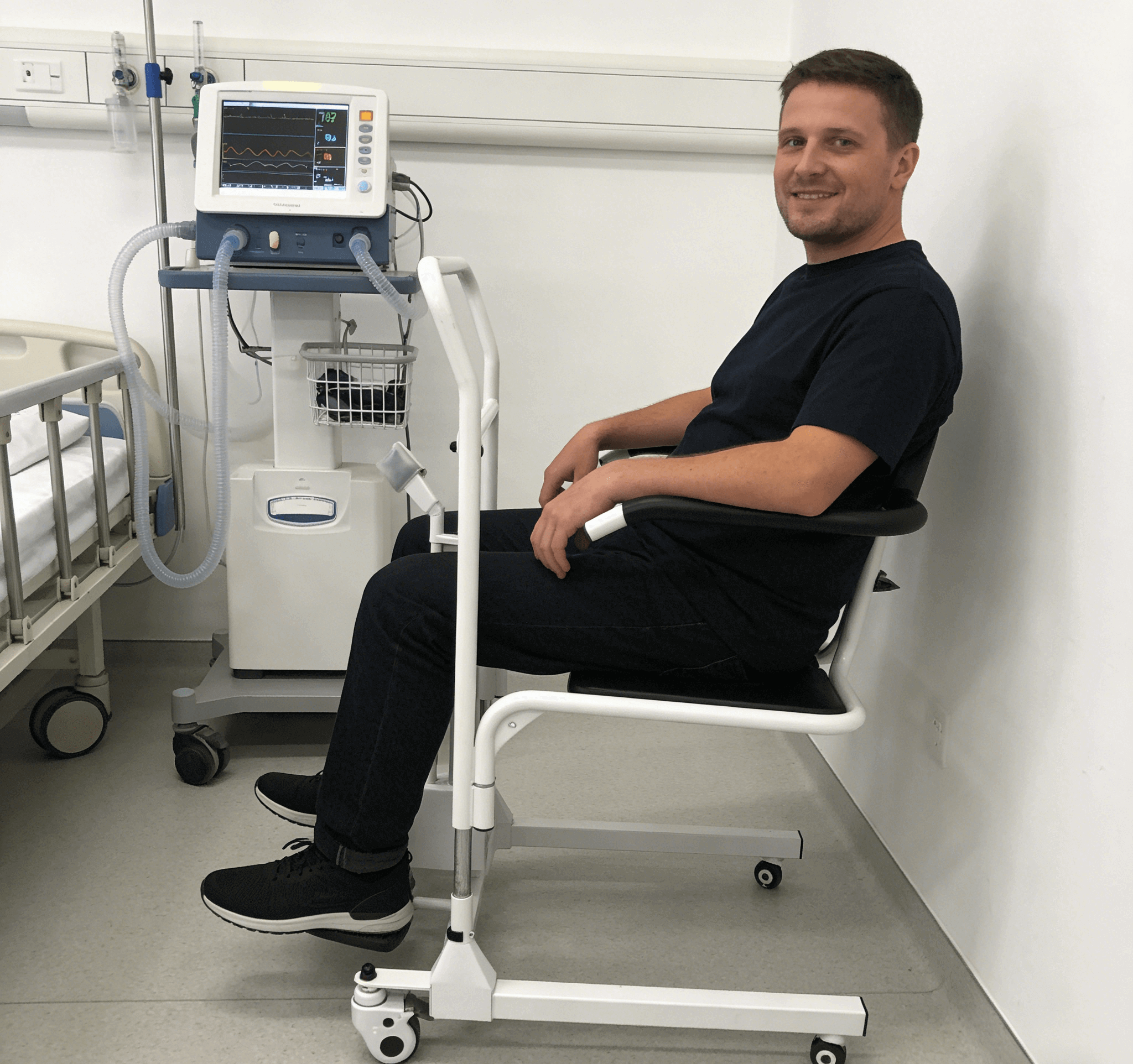
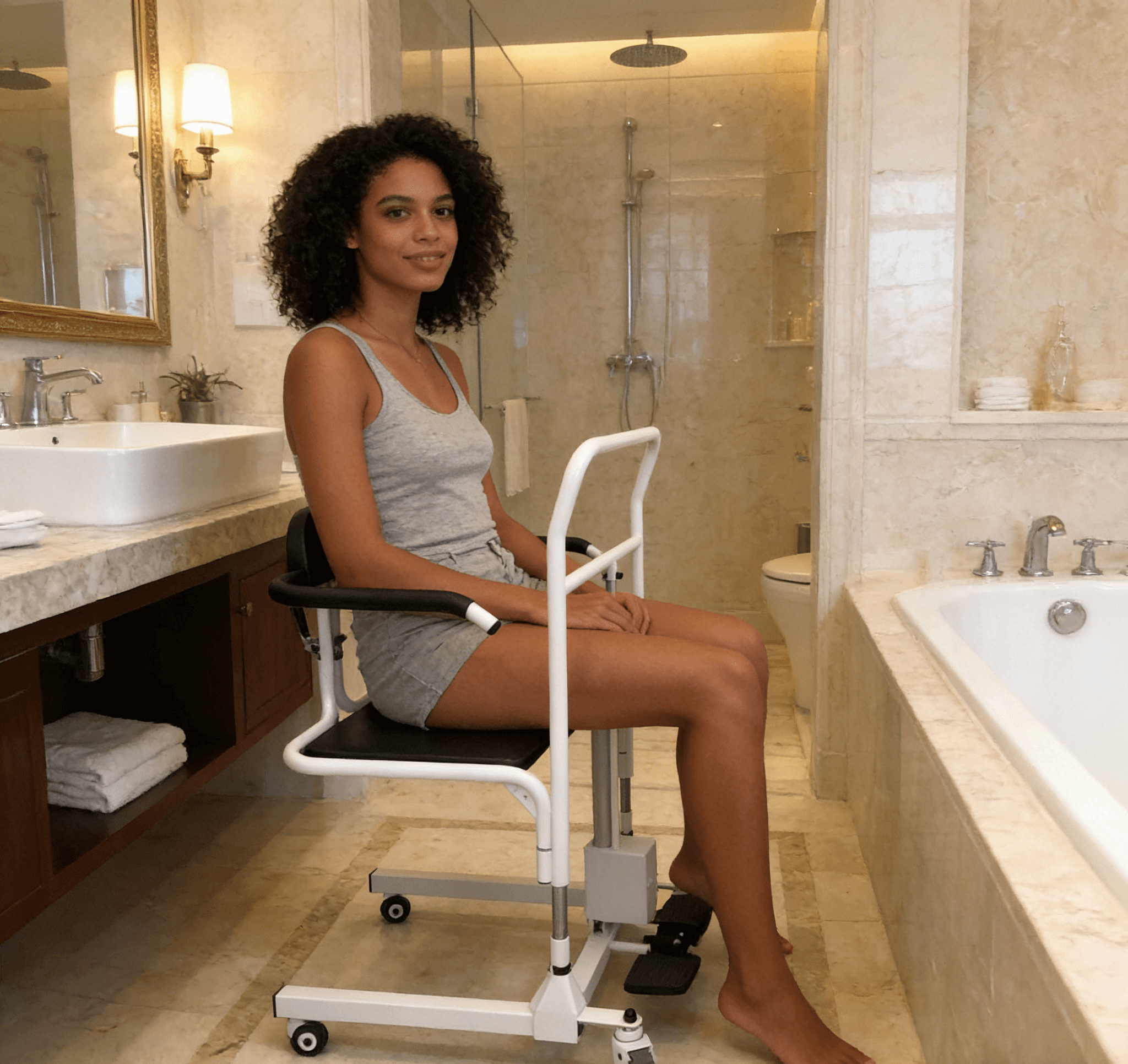
hoyer lift for at home
Guide to Home Hoyer Lifts: Creating a Safe and Independent In-Home Care Environment
Introducing a Hoyer lift into your home is a significant decision that can completely transform the caregiving experience. It not only turns a high-risk physical task into a safe routine operation but also preserves the dignity of your loved one and protects the health of the caregiver themselves. This guide will help you understand how to select, prepare for, and effectively use a lift in a home environment.
Why Does a Home Need a Hoyer Lift?
Safe Transfers to Prevent Falls
Falls are the most common and dangerous accidents in home care. A Hoyer lift completely eliminates the risk of falling when transferring between the bed, wheelchair, toilet, and sofa.
Protection for Caregivers
Manually lifting and carrying an adult is the primary cause of back injuries, herniated discs, and muscle strains among caregivers. The lift bears all the weight, serving as "insurance" for the caregiver’s health.
Preservation of the User’s Dignity
A smooth, controlled transfer process reduces physical embarrassment and discomfort, making the user feel more respected.
Improved Quality of Life
The user can change positions more easily and frequently, and participate in family activities—thereby reducing feelings of isolation and improving both physical and mental well-being.
Sustainable Caregiving
By reducing the physical burden, caregivers can provide high-quality care for a longer period, avoiding premature burnout or physical strain.
Choosing a Home-Appropriate Hoyer Lift: Key Decisions
1. Type: Portable vs. Ceiling-Mounted
Portable Hoyer Lifts
Advantages:
Flexibility: Can be used in multiple rooms (e.g., bedroom, living room, bathroom).
Lower initial cost: Purchase and installation costs are usually lower than ceiling-mounted models.
No installation required: Ready to use immediately (though training is still necessary).
Disadvantages:
Requires storage space: Needs a place to store when not in use.
Floor space needs: The base requires a certain amount of space to operate, which may be inconvenient in narrow areas.
Physical effort for movement: Pushing a fully loaded lift requires some strength.
Ceiling-Mounted Hoyer Lifts
Advantages:
Space-saving: Fully frees up floor space, making cleaning and furniture rearrangement easier.
Maximum convenience: The most labor-saving to operate—transfers can be completed with the press of a button, especially suitable for frequent nighttime transfers.
Aesthetic and neat: Tracks can be integrated into home design, making them less like medical equipment.
Disadvantages:
High initial cost: Includes equipment and professional installation fees.
Permanent installation: Requires structural assessment and construction; cannot be taken when moving house.
Fixed coverage area: Can only transfer within the range covered by the ceiling track.
2. Power Source: Electric vs. Manual
Electric: Highly recommended for home use. Operated via buttons, it is extremely labor-saving and provides smooth lifting/lowering. Although the price is higher, its protection for caregivers is irreplaceable.
Manual: Lower in price, but requires the caregiver to repeatedly press a hydraulic pump, resulting in high physical exertion. Only suitable for situations where the budget is very limited and usage frequency is extremely low.
3. Key Specifications
Weight Capacity: Choose a model with a capacity at least 50 pounds (approximately 23 kilograms) more than the user’s current weight to account for weight fluctuations and the weight of clothing.
Base Size: Measure your doorways and passages! Ensure the lift (especially its width when folded) can pass through smoothly. Scissor-style bases are ideal for narrow spaces.
Lifting Range: Ensure its minimum height allows the user to be lifted from your home’s low sofas or mattresses.
Home Environment Preparation and Modification
Before the equipment arrives, take time to optimize your home environment:
Clear passageways: Remove small rugs, wires, and other obstacles that may cause tripping.
Measure spaces: Ensure there is sufficient space around the bed, wheelchair, and bathroom to operate the lift.
Consider flooring: Hard floors (wooden floors, tiles) are easiest to move the lift on. Shag carpets may increase resistance.
Plan storage: If using a portable lift, decide in advance where to store it when not in use.
Safe Usage: A Must-Learn for Home Caregivers
Receive professional training: Do not rely solely on the instruction manual. Ask the equipment supplier or occupational therapist to provide on-site training, and let all family members learn in the actual home environment.
Perform daily checks: Before use, check the battery level, whether the sling is damaged, and whether all safety locks are functioning properly.
Always lock safety locks: After attaching the hooks, be sure to confirm that each safety lock has clicked into place.
Learn to use the manual release valve: This is the "lifeline" of an electric lift. All caregivers must know its location and practice how to safely lower the user in case of a power outage.
Consider two-person collaboration: Especially during initial use or unstable transfers, two-person cooperation (one operating the lift, the other stabilizing and observing the user) is the safest approach.
Funding Support and Acquisition Channels
Insurance: Contact your health insurance or long-term care insurance provider to understand their coverage policies for durable medical equipment. A doctor’s prescription and proof of medical necessity are usually required.
Assistive Device Programs: Check if there are government-funded programs in your area (e.g., Ontario’s Assistive Devices Program/ADP).
Rental options: If the lift is only needed for a short period (e.g., post-surgery recovery), renting may be more cost-effective than purchasing.
Suppliers: Purchasing from authorized medical equipment suppliers is the safest option, as they can provide genuine products, training, and after-sales service.
Conclusion
Introducing a Hoyer lift into your home is a profound investment in the quality of life of your loved one and your own long-term health. It represents a shift from crisis-driven, reactive care to planned, dignified, and proactive care.
By carefully assessing your needs, selecting appropriate equipment, preparing your home environment, and investing time in learning safe operation, you can transform this powerful tool into a reassuring and reliable core part of home care—making care safer, easier, and more sustainable.