Category: Patient Lifts
Posted by 2026-01-03 10:01
hoyer lift mesh sling
Hoyer Lift Mesh Sling: A Breathable, Lightweight, and Safe Choice for Patient Transfers
In the use of Hoyer Lifts, the sling is a critical component that directly contacts the patient’s body and bears their entire weight. Among various types of slings, the Mesh Sling stands out as the top choice for bathing scenarios, hot environments, or patients with sensitive skin, thanks to its unique breathability, quick-drying properties, and comfort. Its advantages become even more prominent in summer, tropical regions, or care settings requiring frequent cleaning.
This article provides a comprehensive analysis of the features, target user groups, usage precautions, and purchasing recommendations for Hoyer Lift Mesh Sling, helping caregivers make safer and more human-centered choices.
What Is a Mesh Sling?
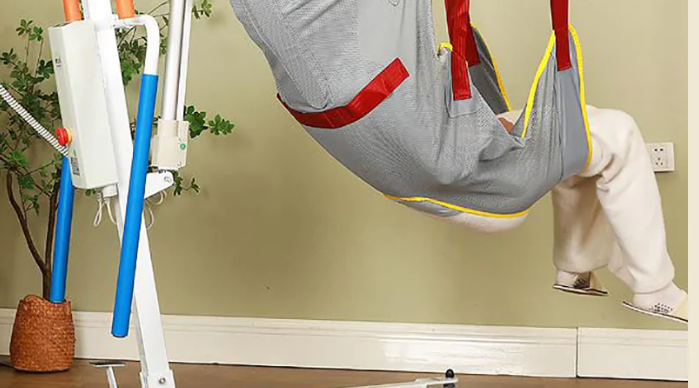
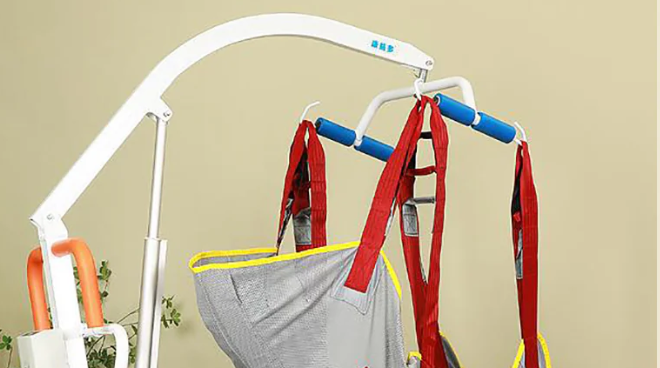
A Mesh Sling is a type of Hoyer Lift sling made from high-density polyester or nylon mesh fabric. Unlike traditional solid cotton or polyester slings, its surface is covered with tiny breathable holes, forming a "honeycomb-like" structure that enables air circulation while ensuring sufficient strength.
Despite its lightweight appearance, qualified Mesh Slings are certified to meet the international standard ISO 10535, with a weight capacity comparable to standard slings (typically 350–600 lbs). They are by no means "low-cost substitutes."
Core Advantages: Why Choose Mesh Material?
1. Excellent Breathability to Prevent Skin Issues
The mesh structure promotes air circulation, significantly reducing stuffiness.
Lowers the risk of skin maceration and pressure injuries caused by sweating.
Particularly suitable for patients who are bedridden for long periods, sweat heavily, or have thermoregulation disorders.
2. Quick-Drying, an Ideal Companion for Bathing
Air-dries naturally in just a few minutes after bathing, eliminating the need for prolonged drying.
Resists mold growth and odor, improving hygiene standards.
Most Mesh Slings have a waterproof coating and can be used directly for showers or sponge baths.
✅ For this reason, Mesh Slings are often referred to as "Shower Slings" and are considered the gold standard for transfers in bathroom settings.
3. Lightweight Design for Easier Handling
30%–50% lighter than traditional slings, reducing the caregiver’s burden when putting on or removing the sling.
Folds into a small size, facilitating storage and portability.
4. Easy to Clean and Disinfect
Can be cleaned with soapy water, disinfectant wipes, or in a washing machine (on a gentle cycle).
Resistant to chlorine and UV rays, suitable for high-frequency use.
Target User Groups and Typical Scenarios
Target User Group Typical Scenarios
Patients requiring regular bathing Transfers from bed to shower chairs or bathtubs
Patients who sweat heavily or have thermoregulation disorders Care in summer, fever periods, or autonomic nervous system disorders
Patients with fragile skin or existing pressure injuries Reducing friction and moisture irritation
Households in tropical/humid regions Preventing slings from staying damp and developing mold
Rehabilitation centers and nursing homes High-frequency use requiring quick turnover
❗ Note: Mesh Slings are not suitable for all situations. For example:
For patients with severe osteoporosis or an extremely high risk of skin tears,hoyer lift mesh sling a softer padded sling may be necessary.
Some mesh materials are relatively slippery and provide slightly less support for patients with very low muscle tone; individual suitability must be evaluated.
Key Points for Safe Use
1. Confirm Weight Capacity
Check the maximum weight capacity on the sling label (e.g., 350 lbs / 160 kg).
Never use the sling beyond its weight capacity, even if the mesh material appears "sturdy."
2. Inspect for Integrity
Before each use, check for holes, snags, or split seams in the mesh.
Once mesh material is damaged, its strength decreases rapidly—discontinue use immediately.
3. Proper Application
Ensure the patient’s hips fully rest in the bottom of the sling to avoid "sitting empty."
Leg straps should be positioned at the mid-thigh; never fasten them behind the knees (popliteal fossa).
The back section should be free of twists, with even weight distribution across both shoulders.
4. Avoid Sharp Objects
Long patient nails, jewelry, or clothing with zippers/buttons may snag and tear the mesh.
It is recommended to trim the patient’s nails and remove accessories before transfer.
Comparison with Other Sling Types
Type Advantages Disadvantages Best Uses
Mesh Sling Breathable, quick-drying, lightweight Slightly softer support; not suitable for patients with extreme dependence Bathing, hot environments, daily transfers
Standard Polyester Sling Strong support, durable Stuffy, slow-drying Daily bed-to-chair transfers, cold seasons
Padded Sling Extremely comfortable, anti-shear Bulky, hard to clean, prone to trapping dirt Patients with extremely fragile skin, post-surgery recovery
Toileting Sling Open crotch design for easy toileting Only for toilet transfers; not suitable for bathing Toilet transfers
✅ Many professional caregivers equip the same patient with 2–3 types of slings, switching between them based on scenarios.
Purchasing Recommendations: How to Choose a High-Quality Mesh Sling?
Look for Certifications: Choose products labeled with ISO 10535 certification or FDA registration.
Reliable Brands: Brands such as Arjo (formerly Hoyer), Medline, Handicare, and Invacare all offer high-quality Mesh Slings.
Proper Sizing: Select sizes (S/M/L/XL) based on the patient’s height and weight—oversized slings may slip, while undersized ones cause discomfort from pressure.
Compatibility Check: Confirm that the sling’s loop type (4-point, 2-point) matches your Hoyer Lift.
Read User Reviews: Focus on genuine feedback regarding "durability" and "actual quick-drying performance."
⚠️ Beware of low-cost "universal Mesh Slings": Many unbranded products falsely label their weight capacity and have insufficient mesh density, posing a risk of breakage.
Maintenance and Lifespan Management
Cleaning: Machine wash on a gentle cycle (30°C) or hand wash, then hang to dry.
Disinfection: Wipe with 70% alcohol or soak in diluted bleach (follow the product manual).
Storage: Store in a dry, well-ventilated area; avoid direct sunlight to prevent material aging.
Replacement Cycle: Even if undamaged, replace every 6–12 months; for frequent use or bathing, mandatory replacement every 6 months.
Conclusion: Care Is Reflected in the Details
While a Mesh Sling may seem like just an accessory for a Hoyer Lift, it embodies deep care for the patient’s comfort and dignity. hoyer lift mesh sling On sweltering summer days, a breathable mesh sling can turn an ordinary transfer into a refreshing experience instead of an ordeal; during bathing, its quick-drying property eliminates the hassle of cleaning.
Choosing a Mesh Sling is not just a technical decision, but a humanistic one—because truly good care focuses not only on "whether a transfer is possible," but also on "how the patient feels during the transfer."