Category: Patient Lifts
Posted by 2025-12-11 11:12
hoyer lift and medicare
Hoyer Lift and Medicare: A Complete Guide to Eligibility and Coverage Process
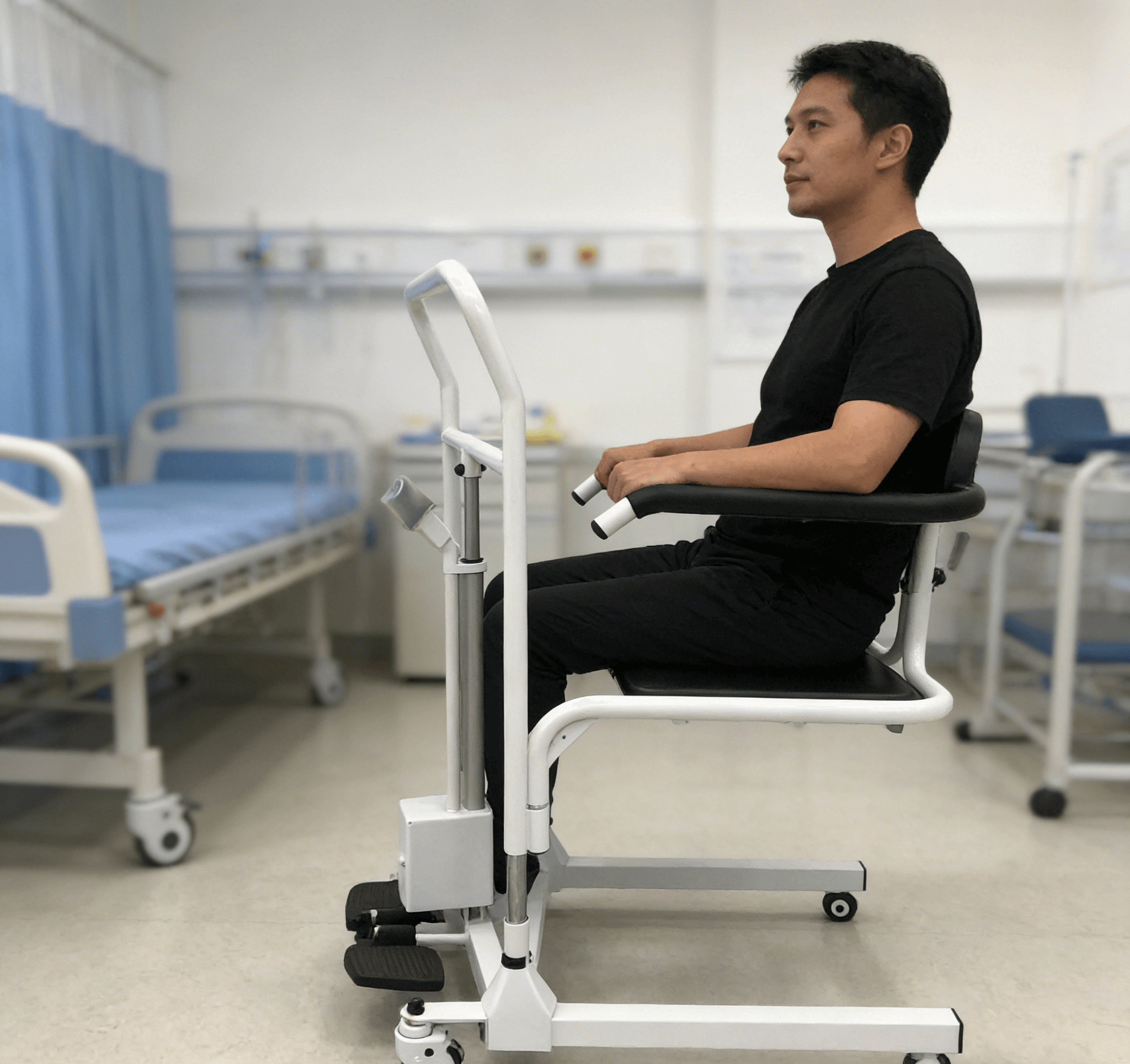
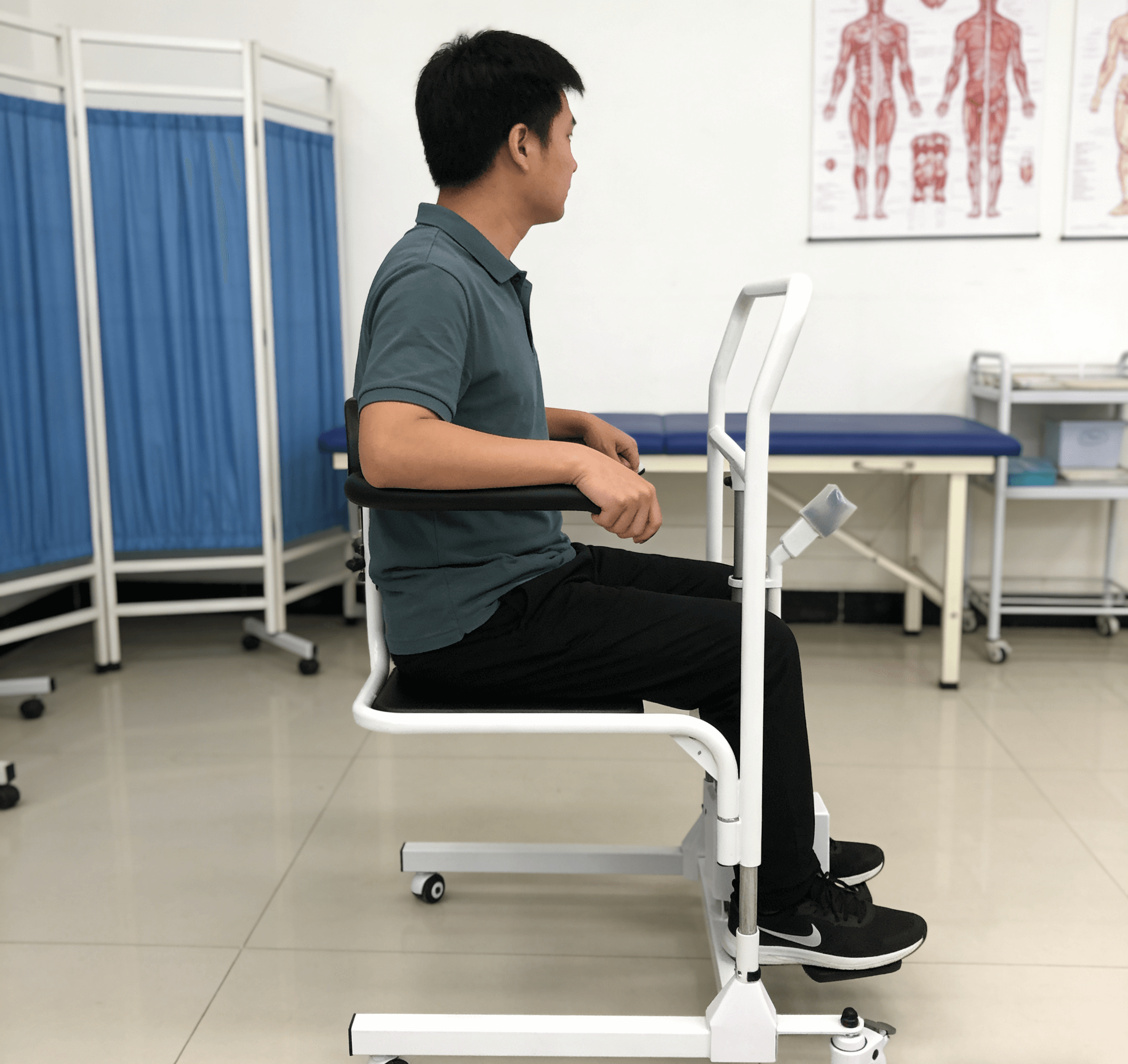
For Medicare beneficiaries who fully rely on others for transfers, a Hoyer Lift (patient lift) is a critical device for ensuring safety and maintaining quality of life. A common question is: "Does Medicare cover Hoyer Lifts?" The answer is yes—but only if a series of strict criteria are met. Medicare does not cover devices for convenience; it only provides coverage for durable medical equipment (DME) that is deemed medically necessary.
I. Which Part of Medicare Covers Hoyer Lifts?
Hoyer Lifts are typically covered under Medicare Part B (Medical Insurance). Part B covers doctor services, outpatient care, and durable medical equipment.
Important Prerequisite: You must be enrolled in Medicare Part B.
II. Eligibility Criteria for Coverage
To obtain Medicare approval, you and your doctor must demonstrate that you meet all of the following conditions:
1. Medical Necessity (Core Requirement)
Your doctor must issue a written prescription stating that a Hoyer Lift is "medically necessary" for your in-home care.
You must be completely unable to walk and unable to transfer between a bed and a chair/wheelchair without assistance from another person.
Claims such as "it helps" or "it makes caregiving easier" are not sufficient. You must prove that safe transfers would be impossible without the device.
2. In-Home Use
The device must be used in your home. If you reside in a nursing home or long-term care facility, coverage falls under Medicare Part A, and the rules for coverage differ.
3. Physician Involvement and Documentation
Your doctor must document your physical condition (e.g., paralysis, myasthenia gravis, advanced arthritis, post-surgical strict weight-bearing restrictions) in detail in your medical records, and explain why manual transfers are unsafe or unfeasible.
Your doctor must collaborate with a DME supplier to complete all required paperwork.
4. Approved Supplier
You must rent or purchase the device from a Medicare-participating and authorized durable medical equipment supplier. Using a non-participating supplier will result in Medicare denying reimbursement.
III. What Does Medicare Cover?
Covered Items:
Medicare usually covers the rental of a Hoyer Lift, rather than direct purchase.
Coverage includes a basic, manual hydraulic or electric patient lift that meets your medical needs.
Necessary slings are also covered.
Items Typically Not Covered or Limited Coverage:
High-end models purchased solely for convenience (if a basic model already meets your needs).
Extra, non-essential slings or accessories.
Ceiling track systems installed in the home. While medically effective, Medicare’s coverage criteria for these systems are extremely strict, and approval is usually difficult—since they involve home modifications. Successful approval requires extensive documentation and a strong medical justification.
IV. Cost and Payment Structure
After meeting your annual Part B deductible, Medicare will cover 80% of the approved amount.
Example:
You have paid your annual Part B deductible.
Assume the Medicare-approved annual rental cost for a Hoyer Lift is $1,000.
Medicare pays: $1,000 × 80% = $800.
Your out-of-pocket cost: $1,000 × 20% = $200 (this is called "coinsurance").
How to Cover Your Share of Costs:
If you have a Medigap (Medicare Supplement Insurance) plan, it typically covers this 20% coinsurance.
If you are enrolled in a Medicare Advantage (Part C) plan, contact your plan administrator directly to learn about its specific cost-sharing rules, in-network DME supplier requirements, and prior authorization process.
V. Step-by-Step Application Guide
Consult Your Doctor: Discuss your mobility challenges and care needs with your primary care physician.
Obtain a Prescription: If your doctor determines a Hoyer Lift is necessary, they will issue a detailed prescription.
Choose a Medicare-Approved DME Supplier: Use the Medicare.gov website to find participating suppliers in your area.
Supplier Handles Paperwork: The approved supplier will work with your doctor to submit all required documents to Medicare for prior authorization.
Approval and Delivery: Once approved, the supplier will arrange for delivery to your home and provide training for you and your caregiver on safe use.
VI. What If My Application Is Denied?
You have the right to appeal Medicare’s decision. The appeals process has strict time limits—be sure to keep all documents and follow official guidelines.
Conclusion
Obtaining a Hoyer Lift through Medicare is entirely possible, but it requires crossing the core threshold of "medical necessity." The key to success lies in open, detailed communication with your doctor and strong documentation support from them. If you qualify, this benefit can significantly reduce your financial burden and greatly improve your safety and quality of life at home. Start with the first step—talking to your doctor—and ensure you choose a Medicare-approved supplier to keep the process smooth.