Category: Patient Lifts
Posted by 2025-12-30 11:12
hoyer lift home
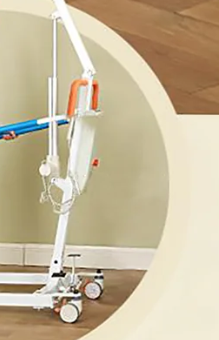
The Complete Guide to Hoyer Lift Home Use: Creating a Safe and Comfortable Home Care Environment
Introducing a Hoyer Lift into a home care environment is more than just purchasing equipment—it represents a comprehensive upgrade to the home care philosophy. Making the right selection and using the equipment properly can significantly improve care quality while protecting the physical and mental health of caregivers.
Key Points for Home Environment Assessment
Space Planning Considerations
Door Frame Width: Ensure the equipment can pass through all doorways smoothly (a minimum width of 80 cm is recommended).
Operating Radius: Reserve an operating space of at least 1.5m × 1.5m around the bed.
Storage Space: Plan a safe storage location for the equipment when not in use.
Floor Conditions: Ensure the floor is level, and remove loose carpets or obstacles.
Movement Path Design Principles
Optimal Path: Plan the shortest obstacle-free path from the bedroom to the bathroom.
Turning Space: Consider the space required for the equipment to turn in corridors.
Multi-Scene Coverage: Ensure the equipment can reach all areas where it is needed.
Emergency Exits: Keep main passageways unobstructed at all times.
Professional Guide to Equipment Selection
Model Selection Recommendations
Compact Design: Suitable for homes with limited space.
Electric Models: Reduce the burden on caregivers and enable smoother operation.
Adjustable Base: Offers flexibility to adapt to different furniture heights.
Quiet Design: Minimizes disruption to the home environment.
Load Capacity Calculation
Calculate as: Actual body weight + clothing weight + safety margin (15-20% is recommended).
Account for potential future changes in body weight.
Choose a load capacity slightly higher than current needs.
Understand the actual load requirements for different body positions.
Accessory System Configuration
Basic Slings: Seated slings for daily transfers.
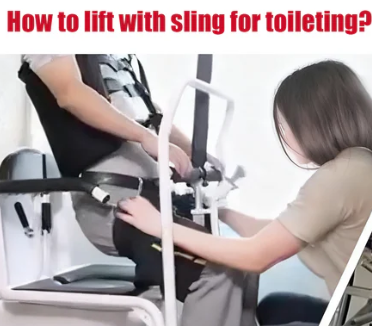
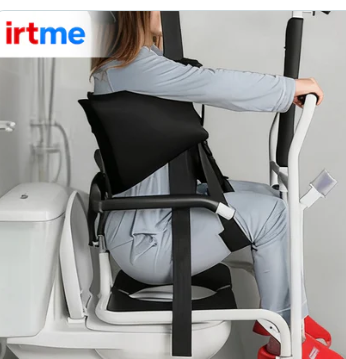
Toileting/Bathing Slings: Quick-drying slings for use in the bathroom.
Cleaning Supplies: Specialized disinfection and cleaning tools.
Spare Accessories: Emergency reserves of key wearable parts.
Home Installation and Commissioning
Equipment Position Optimization
Bedroom Layout: Ensure the equipment can access the bed from three sides.
Bathroom Adaptation: Consider the operating space around the toilet.
Storage Solutions: Select a storage location that is both safe and unobtrusive to daily life.
Charging Arrangement: Plan a convenient charging location for electric models.
Safe Environment Modification
Lighting Upgrade: hoyer lift home Ensure sufficient lighting in the operating area.
Anti-Slip Measures: Add anti-slip treatments to wet-area floors.
Handrail Installation: Install auxiliary handrails at key locations.
Emergency Call System: Set up a convenient emergency assistance system.
Standard Home Operation Procedures
Daily Use Preparation
Conduct an environmental safety check (clear obstacles, inspect the floor).
Verify equipment status (function tests, accessory checks).
Communicate with the user (explain the process, obtain cooperation).
Prepare auxiliary items (cushions, blankets, etc.).
Standardized Operation
Two-Person Cooperation: It is recommended that two people operate the equipment together initially.
Rhythm Control: Maintain a steady and slow operating speed.
Continuous Communication: Stay updated on the user’s feelings at all times.
Post-Use Tasks: Clean the equipment and return it to its storage location after use.
Safety Monitoring Key Points
Observe the user’s physical and psychological state.
Maintain ongoing attention to the equipment’s operating status.
Conduct real-time assessment of environmental factors.
Prepare for and prevent emergency situations.
Home Caregiver Training System
Basic Skill Training
Understand the equipment’s principles and structure.
Master standard operating procedures.
Learn daily maintenance skills.
Develop a thorough understanding of safety standards.
Advanced Competence Development
Build the ability to handle special situations.
Learn emergency response techniques.
Master methods to optimize efficiency.
Enhance skills in providing psychological support.
Continuous Learning Mechanisms
Review operating skills regularly.
Learn the latest care knowledge.
Participate in user support groups.
Stay informed about equipment updates.
Home Maintenance Management System
Daily Maintenance Plan
After Each Use: Perform basic cleaning and simple inspections.
Weekly: Conduct detailed function tests and deep cleaning.
Monthly: Carry out professional-level maintenance checks and care.
Quarterly: Invite professional technicians for on-site service.
Record Management System
Usage Records: Date, time, and operator.
Maintenance Records: Maintenance content and identified issues.
Consumable Management: hoyer lift home Sling replacement cycles and cleaning supply inventory.
Issue Tracking: Fault records and repair history.
Psychological Adaptation and Family Harmony
User Psychological Support
Introduce the equipment gradually to reduce resistance.
Emphasize the autonomy and safety the equipment brings.
Protect the user’s dignity and privacy.
Build a positive user experience.
Family Member Coordination
Clarify each person’s responsibilities and division of labor.
Establish a rotating care schedule.
Hold regular family meetings to discuss care issues.
Provide emotional support to one another.
Integration into the Living Environment
Integrate the equipment into home decor.
Maintain the comfort of the living space.
Preserve the family’s normal daily rhythm.
Balance care needs with quality of life.
Cost Management and Resource Acquisition
Budget Planning Recommendations
Equipment purchase or rental costs.
Estimated ongoing maintenance expenses.
Consumable replacement cycles and costs.
Potential home modification costs.
Resource Acquisition Channels
Explore possibilities for health insurance coverage.
Apply for government subsidy programs.
Seek resources from non-profit organizations.
Utilize community support services.
Long-Term Care Planning
Equipment Lifecycle Management
Understand the expected service life.
Develop plans for equipment replacement and upgrades.
Track technological advancements.
Prepare backup solutions.
Care Plan Evolution
Regularly assess changes in care needs.
Adjust care plans and equipment use accordingly.
Prepare care plans for different stages.
Build a professional support network.
Conclusion
Integrating a Hoyer Lift into a home care environment is a systematic project that requires careful planning and professional execution. hoyer lift home From equipment selection to environmental modification, from skill training to psychological adaptation, every link impacts the quality of care and family harmony. With professional knowledge, thoughtful preparation, and continuous learning, a Hoyer Lift can become an indispensable and reliable assistant in home care—protecting the user’s safety and comfort while safeguarding the physical and mental health of caregivers. In this process, the equipment is not just a care tool, but also an important bond that maintains family warmth and dignity.