Category: Patient Lifts
Posted by 2025-12-27 11:12
hoyer lift function
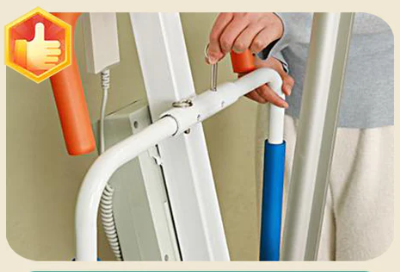
Comprehensive Analysis of Hoyer Lift Functions: A Complete Guide from Basic Operation to Smart Applications
As a revolutionary device in the modern care field, the Hoyer Lift integrates the wisdom of engineering, ergonomics, hoyer lift function and nursing science into its functional design. Gaining an in-depth understanding of its functional features helps users fully unlock the device’s potential and ensure a safe, efficient operating experience.
Analysis of Core Functional Systems
Lifting System
Hydraulic Mechanism: Manual models adopt precision hydraulic pumps to provide stable power output.
Electric Drive: Motor-driven worm gear mechanisms enable precise lifting control.
Emergency Lowering: Manual pressure relief valves or backup power supplies ensure safe descent in emergency situations.
Speed Adjustment: Multi-speed control adapts to the comfort needs of different users.
Support System
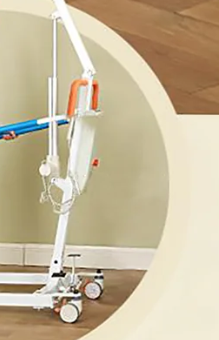
Boom Design: Telescopic booms offer greater operational flexibility.
Rotation Function: 360-degree rotation allows multi-directional transfers.
Height Adjustment: Adapts to various transfer scenarios, from floor-level to high-bed transfers.
Load Distribution: Scientifically designed mechanical structures ensure even weight distribution.
Mobility System
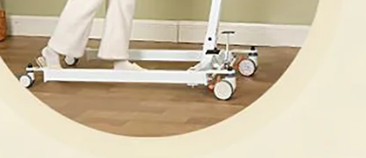
Universal Wheel Set: A combination of front wheels with brakes and fixed rear wheels.
Floor Adaptability: Wheels of different sizes suit various floor conditions.
Steering Control: Ergonomic handle design for easy maneuvering.
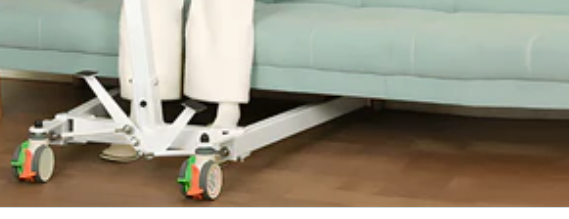
Stability Assurance: Wide bases provide stable support during operation.
Detailed Explanation of Professional Functional Features
Safety Function System
Overload Protection: Automatically detects and prevents operation beyond weight limits.
Anti-Tipping Mechanism: Low-center-of-gravity design and wide bases.
Dual Latches: Ensure secure connection of slings without any risk of detachment.
Abnormal Alarm: Audible and visual alerts for system malfunctions.
Smart Control Functions
Wireless Remote Control: Allows users to perform partial independent operations.
Memory Settings: Stores parameter settings for frequently used lifting positions.
Battery Monitoring: Real-time display of battery status and estimated remaining usage time.
Self-Diagnosis for Faults: Automatically detects and alerts to equipment issues.
Human-Centered Design Features
Quiet Operation: Particularly important for nighttime use.
Soft Lighting: Facilitates operation in low-light environments.
Height Memory: Saves preferred height settings for different users.
Easy Cleaning: Waterproof design and detachable components for hassle-free maintenance.
Application Scenarios for Special Functions
Rehabilitation Therapy Functions
Progressive Weight-Bearing: Assists patients in gradually regaining standing ability.
Posture Training: Aids in balance and posture control training.
Transfer Practice: Serves as a transitional tool during the rehabilitation process.
Confidence Building: Helps overcome fear of movement through safe support.
Daily Care Functions
Bed-to-Chair Transfer: hoyer lift function The most basic and commonly used function.
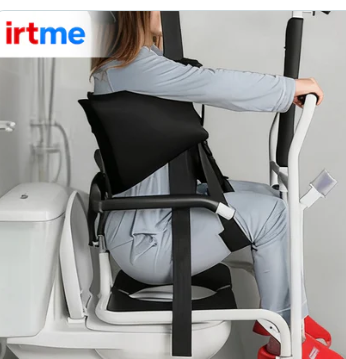
Bathing/Toileting Assistance: Equipped with dedicated bathing/toileting slings and waterproof designs.
Posture Changing: Facilitates regular posture adjustments to prevent pressure sores.
Outing Support: Portable models feature travel and outdoor-use functions.
Emergency Response Functions
Floor Rescue: Equipped with dedicated slings and low-starting-point lifting functions.
Rapid Transfer: Enables efficient movement in emergency situations.
Confined Space Adaptation: Compact models suit special narrow-space scenarios.
Multi-Person Collaboration: Some models support team operation modes.
Detailed Explanation of Operational Functions
Basic Operational Functions
Height Adjustment: Precise height control down to the centimeter.
Horizontal Movement: Smooth mobility across floors.
Precise Positioning: Millimeter-level accuracy for placement.
Speed Control: Adjustable lifting and movement speeds.
Advanced Operational Functions
Automatic Balancing: Intelligently detects and adjusts the center of gravity.
Path Memory: Stores frequently used transfer routes.
Obstacle Sensing: Some models feature collision avoidance sensors.
Voice Guidance: Provides voice prompts for operational steps.
Safe Operational Functions
Emergency Stop: Automatically stops operation when resistance is encountered.
Manual Backup: Manual operation capability in case of power failure.
Position Locking: Temporarily fixes the device in the operating position.
Child Lock: Safety setting to prevent accidental operation.
Maintenance Functional Features
Self-Inspection Functions
Power-On Self-Test: Automatically checks key systems upon startup.
Regular Reminders: Automatic alerts for maintenance schedules.
Usage Statistics: Records equipment usage frequency and duration.
Lifespan Estimation: Predicts component lifespan based on usage conditions.
Maintenance Functions
Cleaning Mode: Special settings for thorough cleaning.
Debugging Interface: Dedicated debugging channel for technicians.
Update Function: Remote update capability for firmware and software.
Log Recording: Detailed records of equipment operating status.
Future Trends in Functional Development
Smart Upgrades
IoT Integration: Links with other smart home devices.
Artificial Intelligence: Learns and adapts to user habits.
Remote Monitoring: Allows medical staff to remotely monitor rehabilitation progress.
Data Analysis: Collects and analyzes health-related data.
Humanization Improvements
Emotional Interaction: More natural human-machine interaction experiences.
Personalized Settings: In-depth customization for individual needs.
Comfort Enhancement: Further improvements to user comfort.
Aesthetic Design: Better integration with home environments.
Technology Integration
Virtual Reality (VR): Combines VR technology for rehabilitation training.
Biofeedback: Real-time monitoring of physiological indicators.
Cloud Services: Cloud-based data storage and analysis.
Modular Design: Upgradeable modules based on specific needs.
Conclusion
The functional design of the Hoyer Lift reflects a profound understanding of user needs and the perfect integration of technological innovation. hoyer lift function From basic safe lifting to smart personalized services, every function carries the vision of improving quality of life. With continuous technological advancement, we have reason to believe that future Hoyer Lifts will no longer be just transfer tools, but smart companions that enhance overall quality of life. Understanding and making good use of these functions can make care work easier, safer, and more effective, allowing every user to enjoy the dignity and convenience brought by technology.