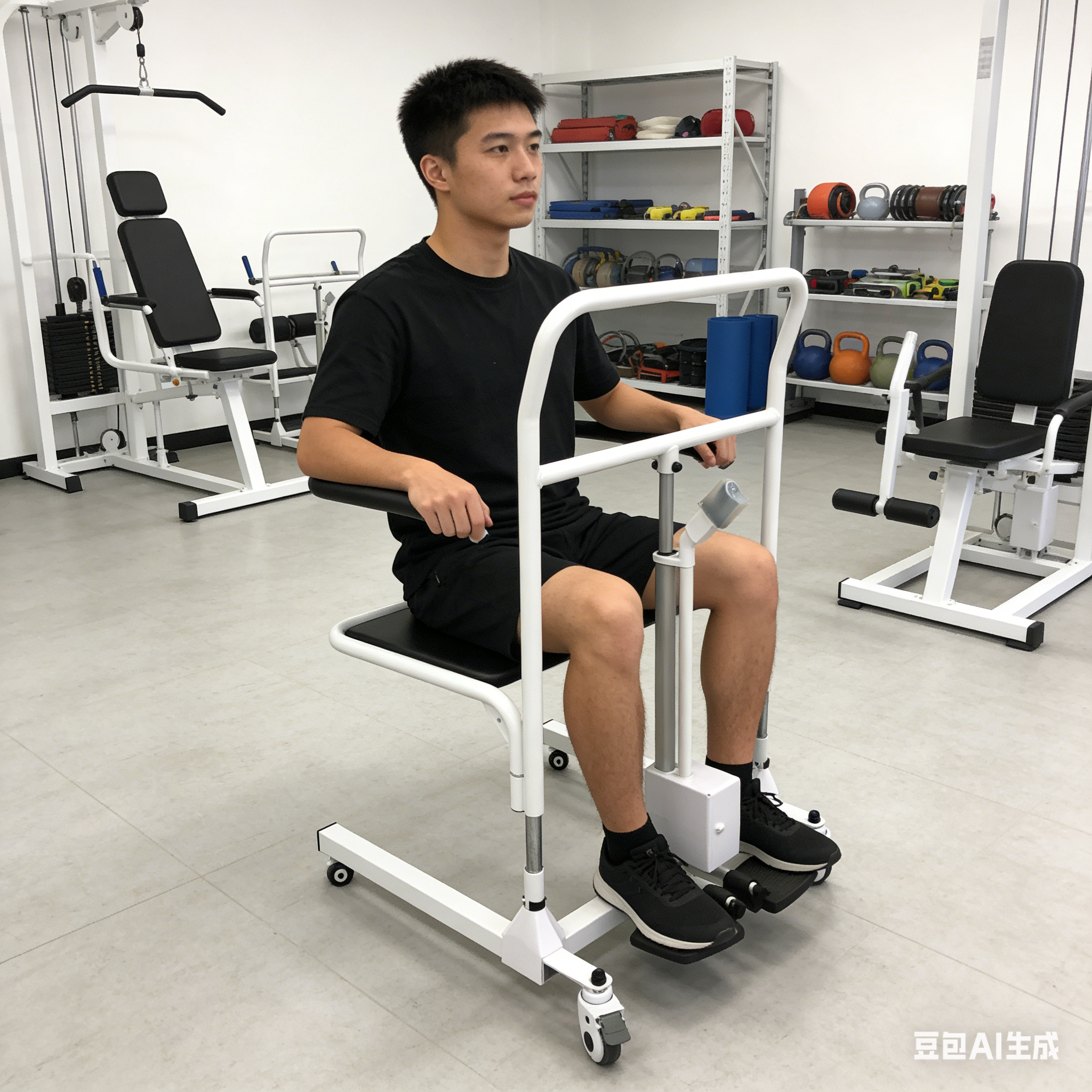
Category: Patient Lifts
Posted by 2025-12-27 11:12
hoyer lift from wheelchair to toilet

Professional Guide to Safe Transfer from Wheelchair to Toilet Using a Hoyer Lift
Transferring from a wheelchair to a toilet is one of the most challenging yet crucial tasks in daily care. hoyer lift from wheelchair to toilet This process not only requires professional skills but also demands full consideration for the user’s dignity and privacy. Below is a comprehensive guide to ensuring a safe and comfortable transfer.
Meticulous Preparation Before Transfer
Key Environmental Preparation Points
Ensure the bathroom door is wide enough for the equipment to pass through (a minimum width of 80 cm is recommended).
Clear all obstacles along the transfer path.
Reserve sufficient operating space in front of the toilet (at least 1.5m × 1.5m).
Check that the floor is dry; lay anti-slip mats if necessary.
Special Equipment Inspection
Select a toileting/bathing-specific sling (mesh, quick-drying material).
Test the lift’s maneuverability in narrow spaces.
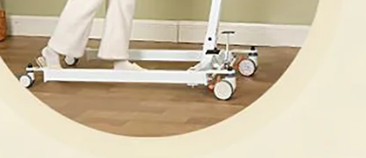
Confirm that the brakes on all wheels function properly.
Inspect the sling for integrity, especially at load-bearing areas.
User Preparation
Ask about the user’s toileting needs in advance and allocate ample time.
Explain the transfer process to ensure the user understands and cooperates.
Position the wheelchair at a 30–45 degree angle relative to the toilet.
Lock the wheelchair brakes and remove any components that may hinder the transfer.
Standardized Operating Procedure
Step 1: Sling Preparation
Assist the user to sit upright in the wheelchair.
Place the toileting/bathing sling downward from the user’s back, ensuring it fully covers the buttocks and back.
Pass the leg straps of the sling under each thigh respectively, hoyer lift from wheelchair to toilet and confirm their correct position.
Adjust the height of the sling to ensure it does not touch the edge of the toilet when the user sits down.
Step 2: Precise Equipment Positioning
Push the lift into place from the rear or side of the wheelchair.
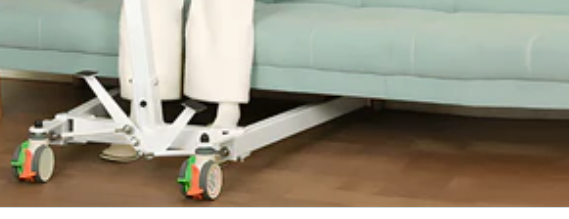
The base of the lift should span the area in front of the toilet.
Step on the brakes of all wheels to secure the equipment.
Adjust the boom to be directly above the user.
Step 3: Confirm Secure Connections
Connect the sling following the "far-to-near" principle.
Double-check that all hooks are fully locked.
Ensure the four corners of the sling bear weight evenly.
Confirm that the sling will not obstruct access to the toilet.
Step 4: Stable Lifting and Transfer
Operate the lift slowly to lift the user off the wheelchair seat.
First lift slightly to check the balance.
Lift steadily to a height sufficient to clear the wheelchair.
Move the user to a position directly above the toilet.
Step 5: Precise Lowering and Positioning
Lower the user slowly, ensuring they sit accurately on the toilet seat.
Pause briefly just before contact to fine-tune the position.
Lower completely and confirm the user’s sitting posture is stable and comfortable.
Unfasten the sling connections, but keep the sling under the user.
Handling Techniques for Special Scenarios
Bathrooms with Limited Space
Choose a lift base with adjustable width.
Use the boom’s telescopic function for precise positioning.
Consider approaching the toilet from the side rather than the front.
Temporarily remove auxiliary grab bars in the bathroom if necessary.
Users with Mobility Difficulties
For users with spasms, adopt a slower transfer speed.
Users with cognitive impairments require simpler and clearer instructions.
Users sensitive to pain may need the transfer to be performed in phases.
Always prepare an emergency plan to stop the operation if needed.
Safeguarding Privacy and Dignity
Ensure the bathroom door can be closed or use a room divider.
Use a blanket to appropriately cover the user during the operation.
Minimize unnecessary body exposure time.
Maintain a professional and respectful communication attitude.
Safety Standards and Risk Prevention
Bathroom-Specific Risks
Be cautious of slippery floor conditions.
Avoid collisions with fixed objects such as the toilet and sink.
Be careful with facilities like hot water pipes that may cause scalding.
Ensure adequate lighting.
Hygiene Protection Measures
Thoroughly clean and disinfect the sling after each use.
Prepare disposable toilet seat covers or disinfectant wipes.
Caregivers should wash their hands before and after the operation.
Regularly check the hygiene condition of the equipment.
Emergency Preparation Plan
Install an emergency call device next to the toilet.
Ensure the caregiver can respond quickly to unexpected situations.
Prepare necessary cleaning supplies and replacement clothing.
Familiarize yourself with the emergency procedure for rapid transfer.
Post-Transfer Workflow
Transfer Back to the Wheelchair
Perform the transfer only after confirming the user has finished using the toilet.
Ensure the sling is dry and clean before reconnecting it.
Follow the same standard procedure in reverse.
Finally, hoyer lift from wheelchair to toilet assist the user in adjusting their clothing and returning to a comfortable sitting posture.
Equipment Cleaning and Disinfection
Immediately clean the toileting/bathing sling with a disinfectant.
Check if the equipment is contaminated with dirt.
Hang the sling to dry for future use.
Record the equipment usage details.
Environmental Restoration
Clean the area of the bathroom that was used.
Return all moved items to their original positions.
Ensure the environment is tidy and comfortable.
Prepare for the next use.
Professional Tips to Improve Care Quality
Psychological Support Methods
Maintain a calm and professional attitude throughout the process.
Use respectful and reassuring language.
Provide the user with appropriate privacy space.
Respond promptly to the user’s needs and concerns.
Efficiency Optimization Strategies
Establish a standardized operating procedure.
Reasonably schedule daily toileting times.
Keep the equipment in optimal standby condition.
Regularly review and optimize operating skills.
Recommendations for Continuous Improvement
Attend professional training courses regularly.
Learn about the latest equipment and technologies.
Exchange experiences with other caregivers.
Improve operations based on feedback from users.
Conclusion
Transferring from a wheelchair to a toilet is a key link that reflects the level of professional care. hoyer lift from wheelchair to toilet Through meticulous preparation, standardized procedures, and humanized operations, this sensitive yet necessary task can be carried out in a safe, comfortable, and respectful manner. Remember, a successful transfer requires not only technical precision but also emotional understanding and respect. Every professional operation upholds the user’s dignity while building a care relationship based on trust and reassurance.