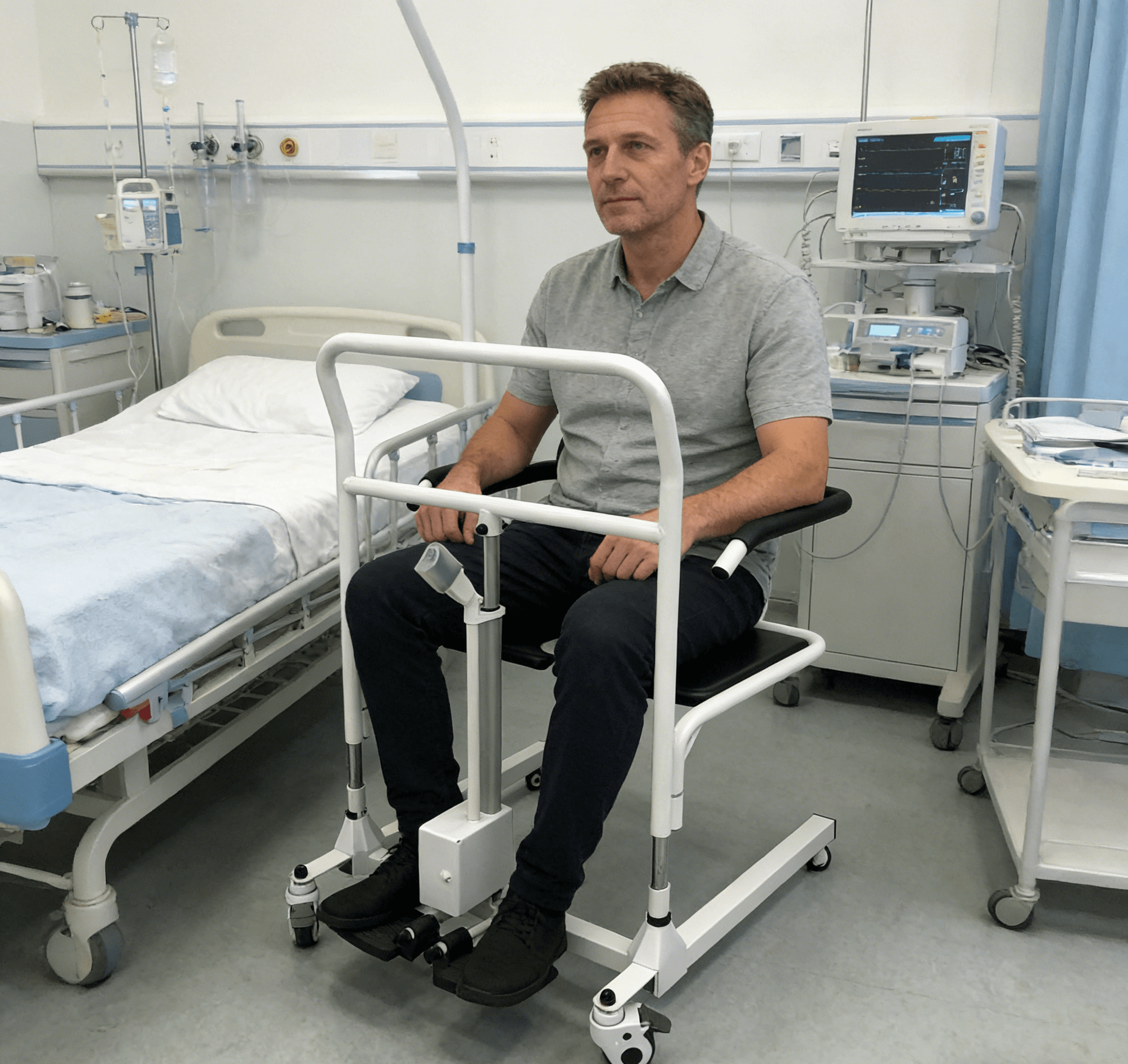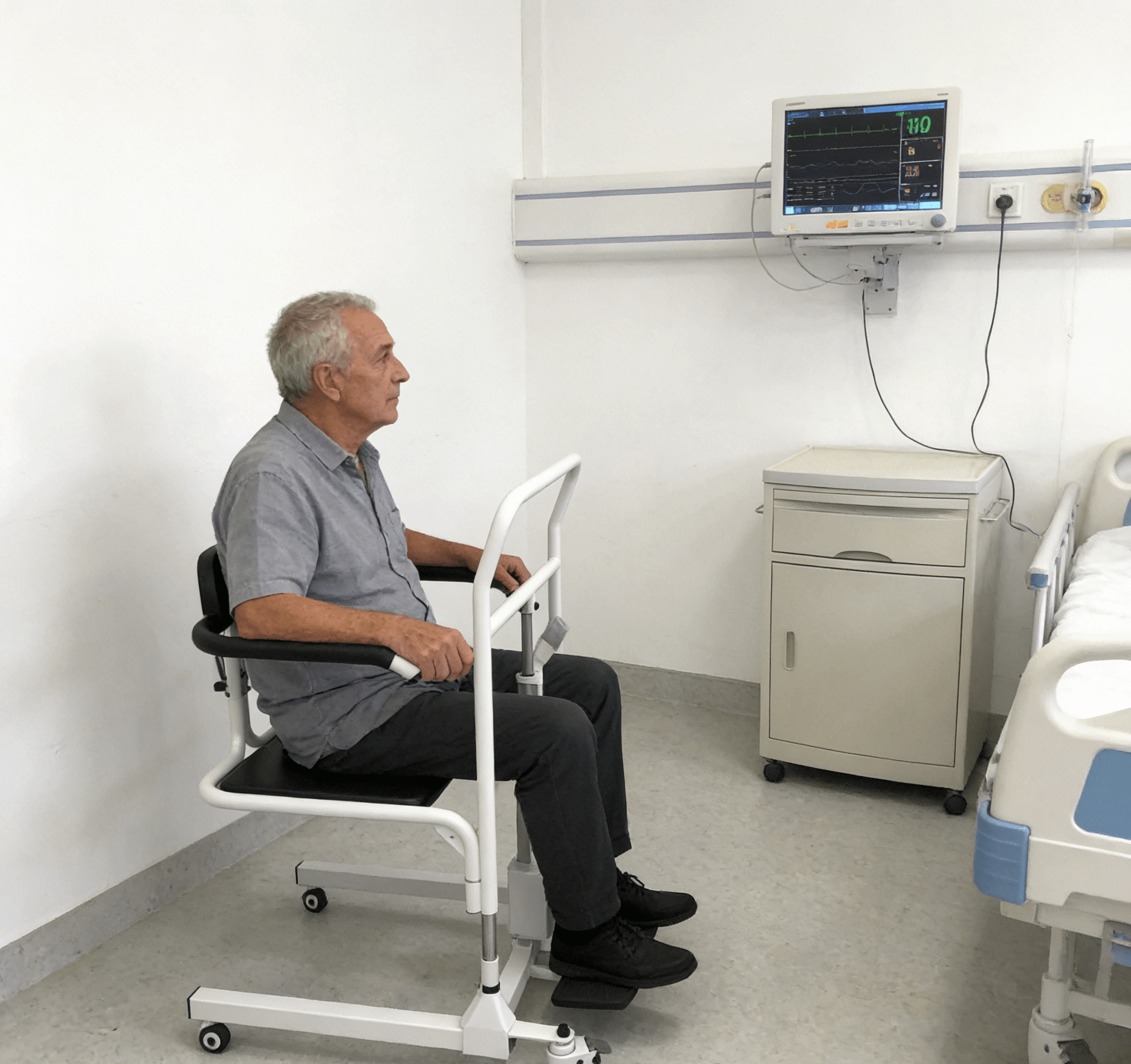
Category: Electric Transfer Chair
Posted by 2025-12-16 10:12
hoyer lift definition
What Is a Hoyer Lift? — A Key Assistive Device for Safely Transferring Individuals with Disabilities
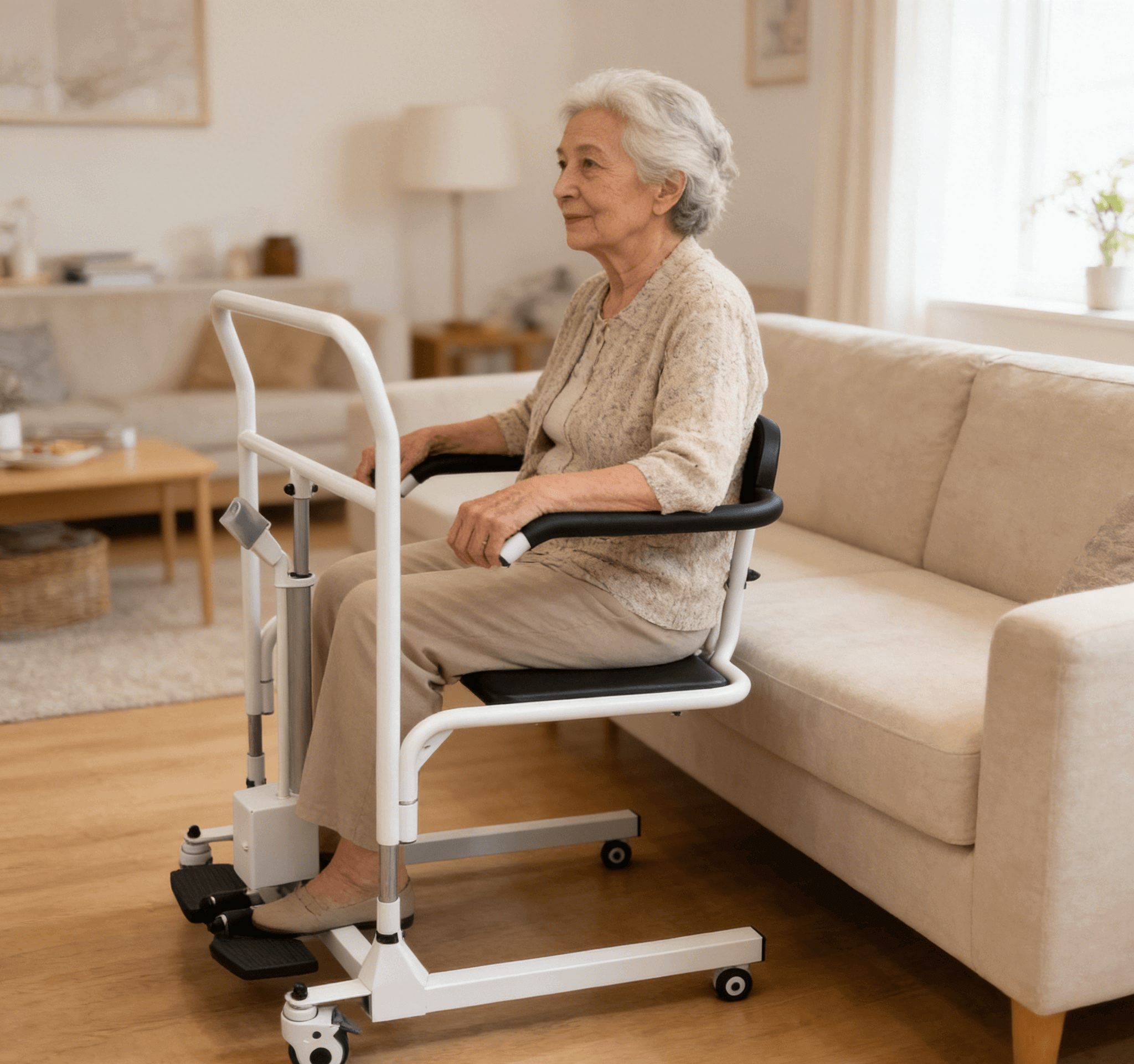
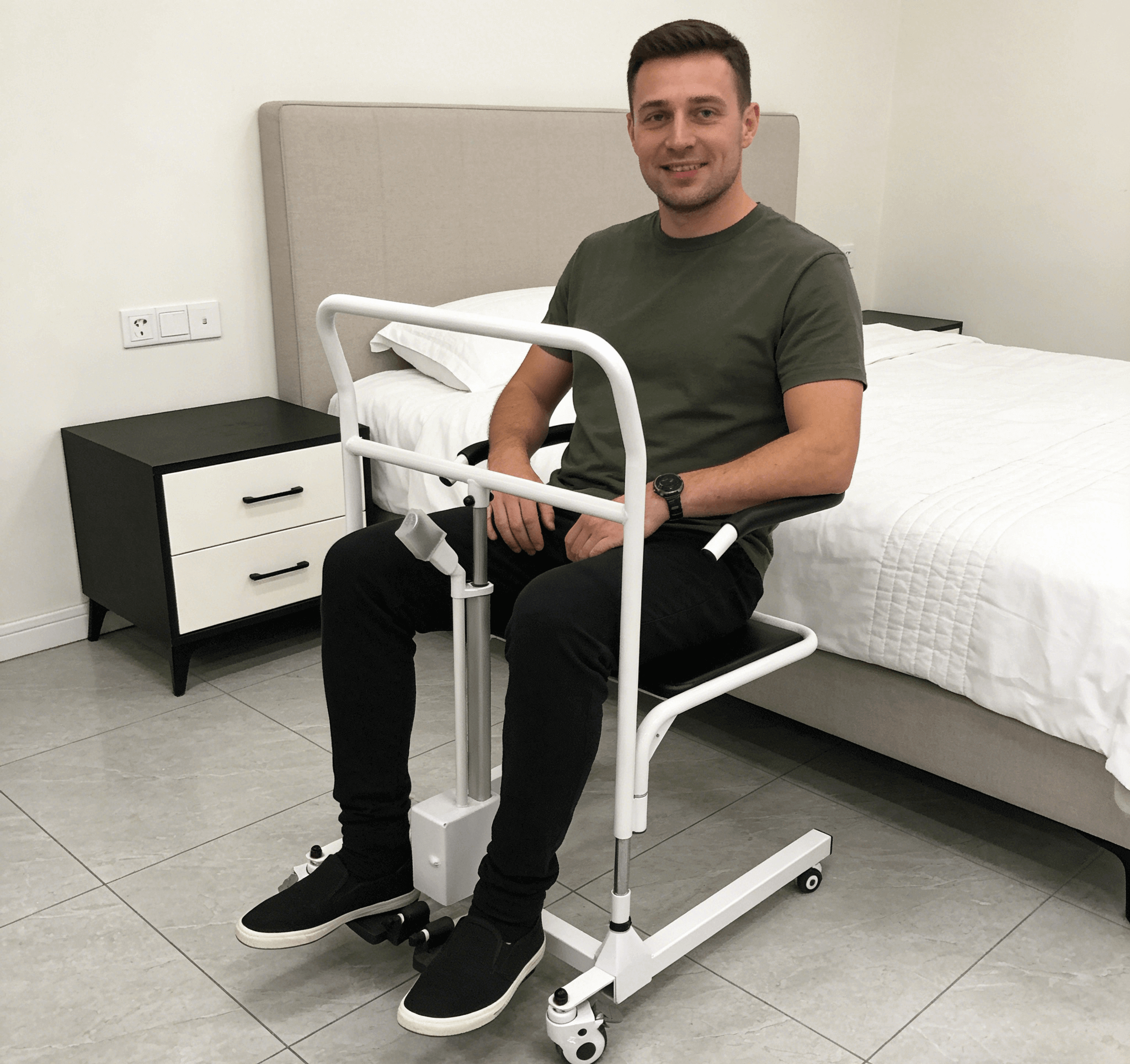
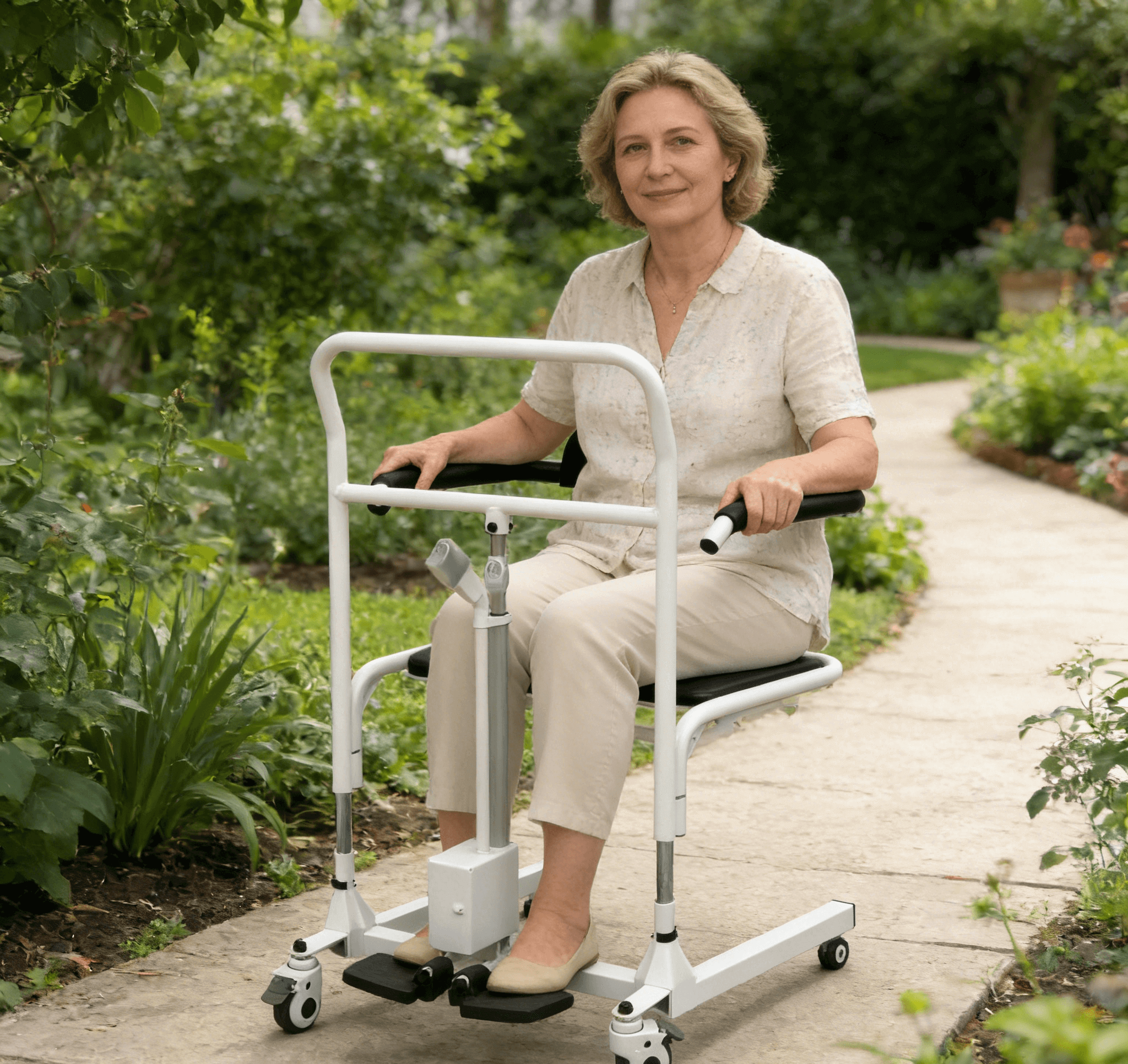
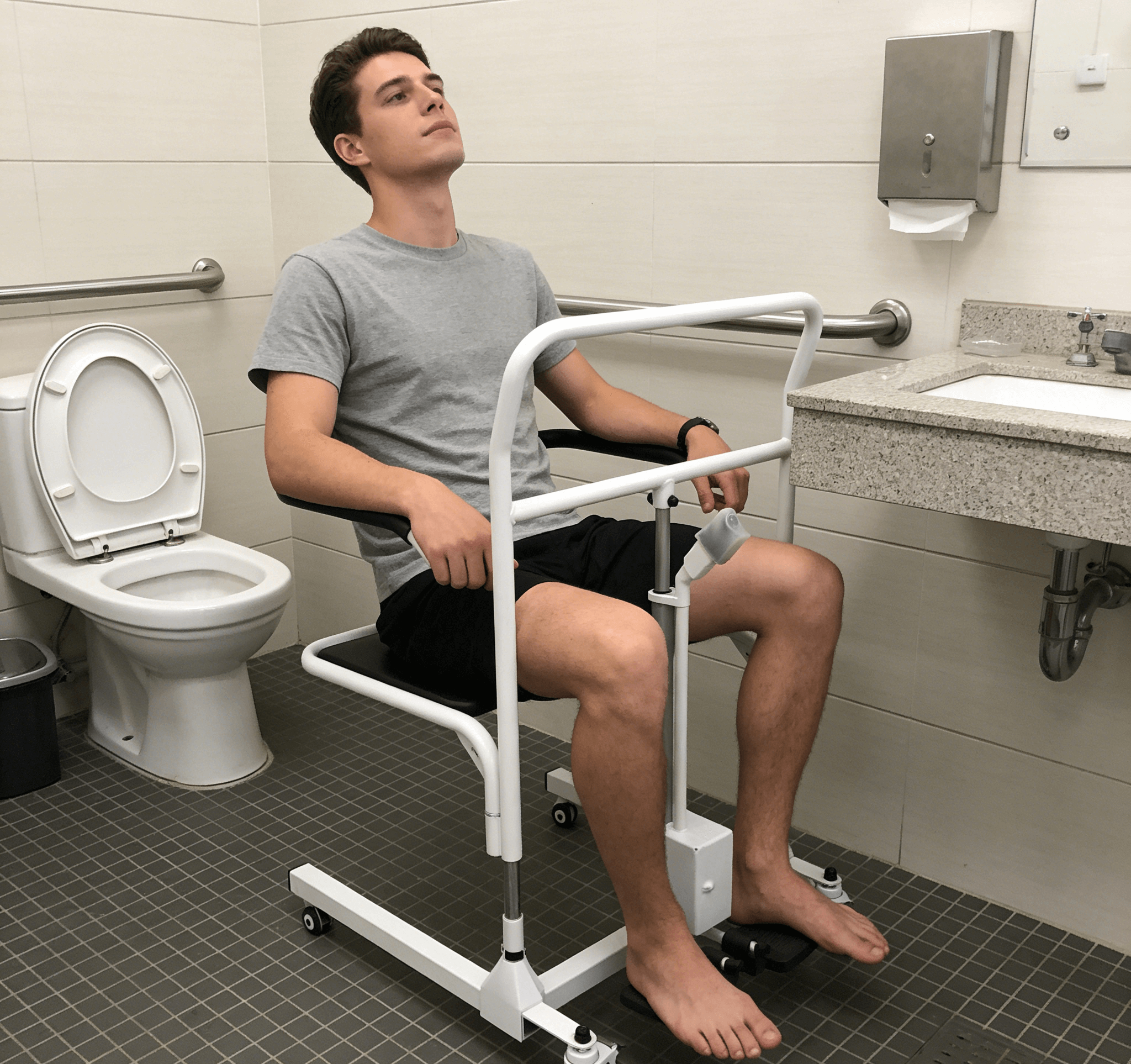
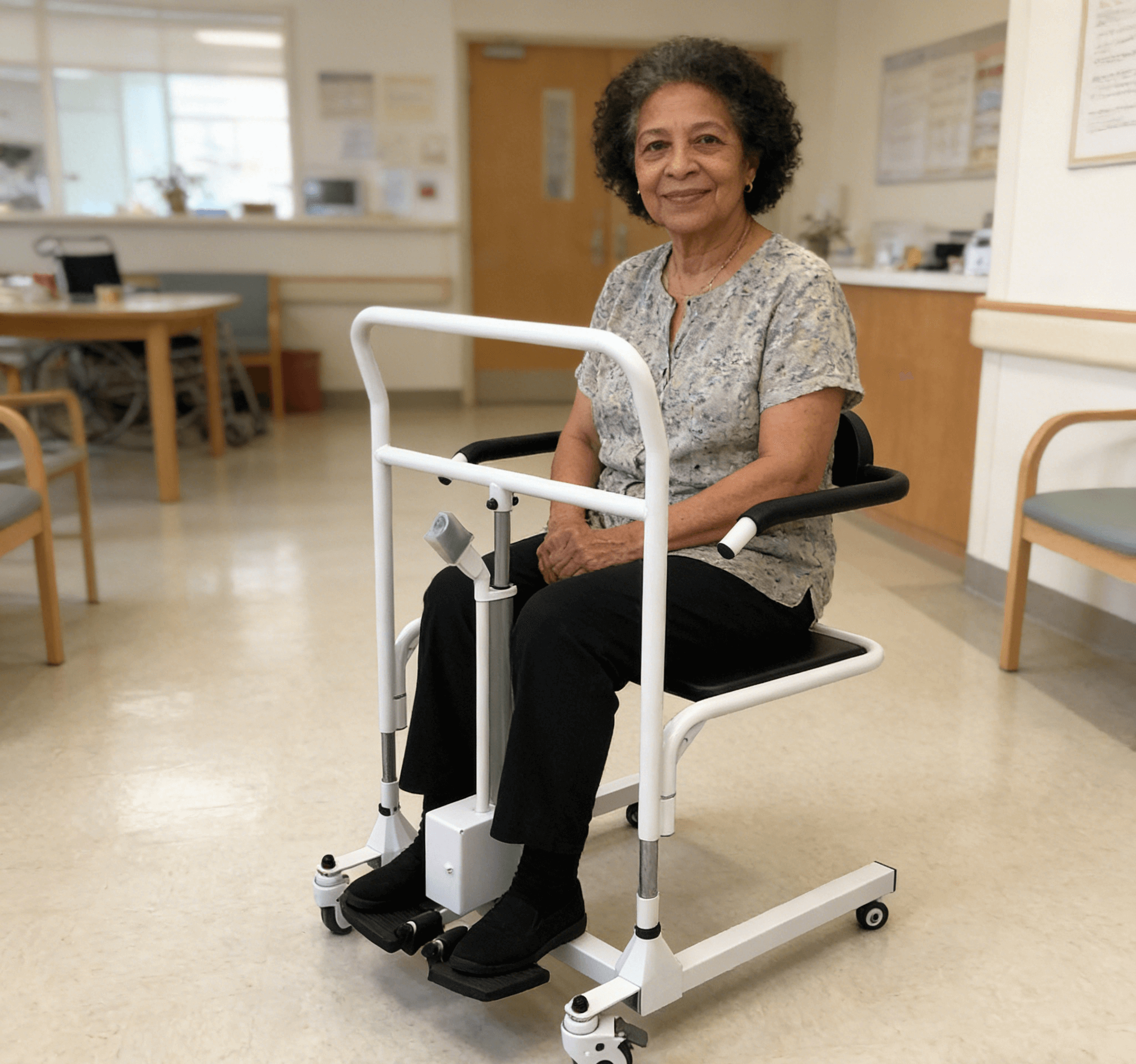
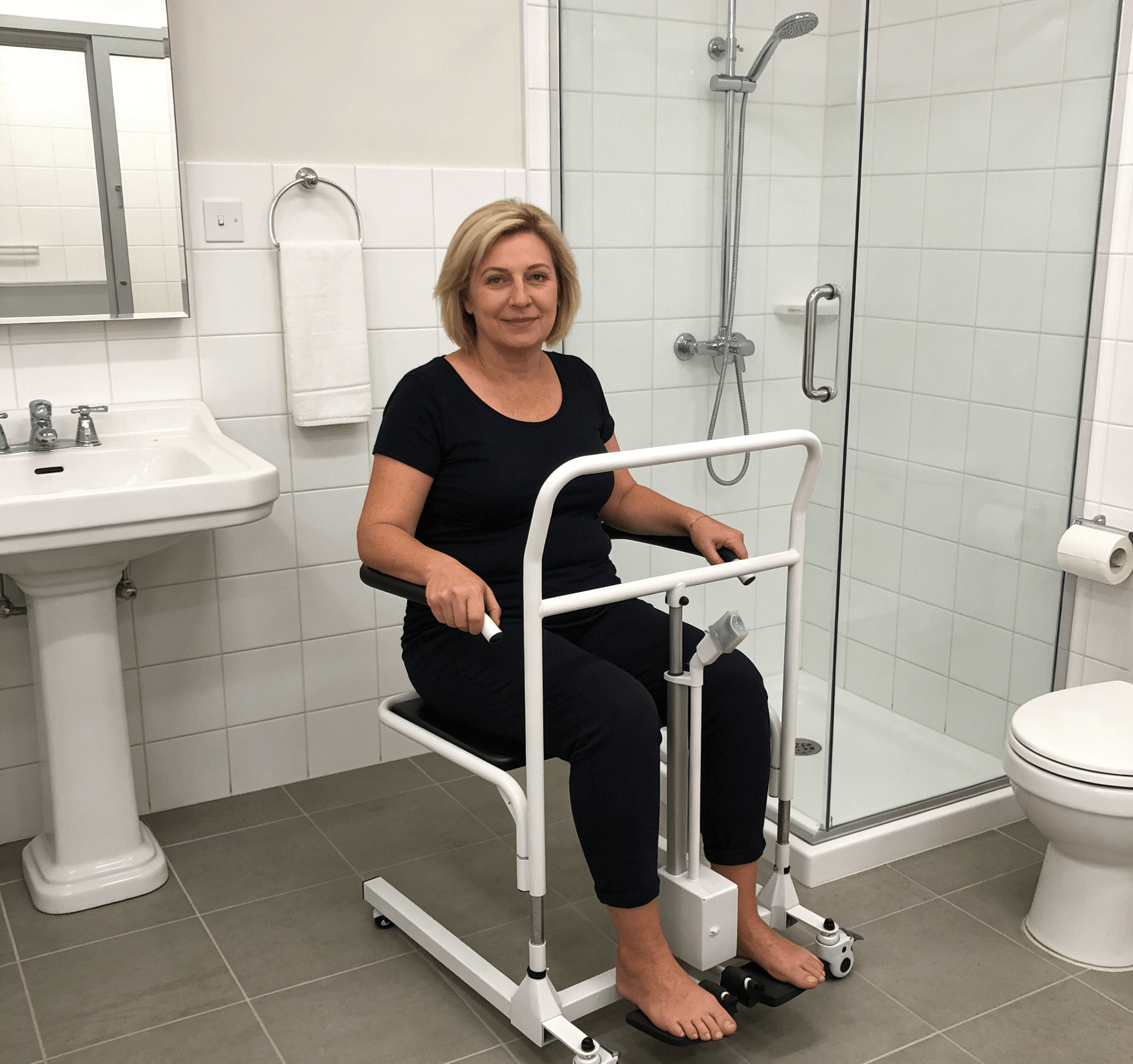
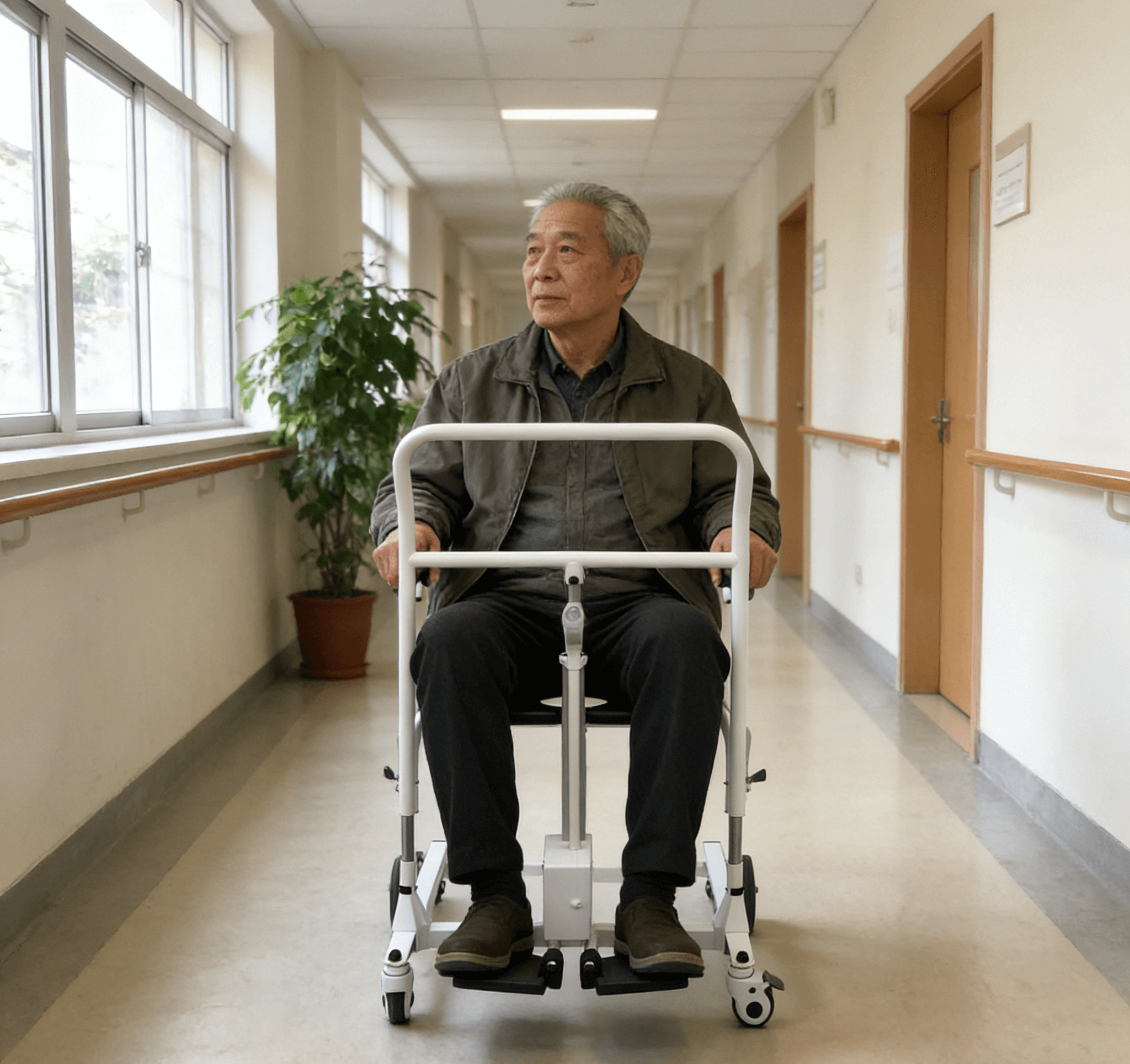
In hospital wards, elderly care facilities, or an increasing number of homes, you may have seen a device like this: it has a U-shaped boom, an expandable base, and a fabric sling suspended below. It can smoothly lift people who are unable to move independently from a bed into the air and then transfer them to a wheelchair, toilet, or shower chair. This device is the well-known Hoyer Lift.
Although "Hoyer Lift" has become a synonym for patient transfer equipment, many people still have misunderstandings about its nature, functions, and scope of application. This article will clearly define this important assistive device and explain why it is regarded as an indispensable safety guarantee in modern care.
I. Formal Definition of a Hoyer Lift
A Hoyer Lift is a mechanical patient transfer assistive device. It is used to safely transfer individuals with severely limited mobility or complete disability from one supporting surface (such as a bed) to another (such as a wheelchair, toilet, sofa, etc.) without the need for direct manual lifting.
Its core function is to provide vertical lifting force through a hydraulic or electric system, and support the patient’s body with a dedicated sling, thereby:
Preventing caregivers from suffering back injuries caused by lifting;
Avoiding skin damage or fractures to patients due to dragging or slipping;
Enhancing the dignity and comfort of the transfer process.
✅ Simply put: A Hoyer Lift = a transfer solution that combines safety, labor-saving, and dignity.
II. Origin of the Name: More Than a Brand, a Symbol of the Category
"Hoyer" was originally the last name of Gustav Zander Hoyer, a Swedish inventor. In the 1940s, he designed the first practical manual patient lift, which was quickly promoted worldwide due to its reliability. Over time, "Hoyer Lift" evolved from a brand name to a generic term, just like "Band-Aid" is to adhesive bandages.
Today, although there are many brands of transfer lifts on the market (such as Drive Medical, Invacare, Yuwell, etc.), "Hoyer Lift" is still widely used to generally refer to all floor-standing patient lifting devices with similar structures.
III. Basic Components and Working Principle
A standard Hoyer Lift usually consists of the following parts:
Base: A triangular or quadrilateral support structure with casters to ensure stability during lifting;
Column and Boom: Form a U-shaped frame to support the lifting mechanism;
Lifting System:
Manual type: Lifted by pressing the handle of a hydraulic pump, and slowly lowered by loosening the valve;
Electric type: Driven by a battery-powered motor, with lifting and lowering controlled by a remote control;
Sling: A fabric support device that wraps around the patient’s body, available in various designs such as full-body, commode, and standing types;
Hook System: Connects the sling to the boom to ensure a secure fit without falling off.
During operation, the caregiver first slides the sling under the patient, attaches it to the hooks, then activates the lifting system to smoothly lift the patient and move them to the target location. Finally, the patient is slowly lowered, and the sling is removed.
IV. Main Types
Manual Hydraulic Hoyer Lift
No power supply required; simple and reliable structure;
Suitable for low-frequency daily use (1–3 times per day);
Commonly used in families with limited resources or as a backup device.
Full-Electric Hoyer Lift
Remote-controlled operation; labor-saving and quiet;
Supports precise control, suitable for high-frequency use or single-person care;
Requires regular charging and is relatively expensive.
Bariatric Hoyer Lift
Weight capacity up to 300–450 kg;
Wider base and larger sling;
Specifically designed for patients with large body weights.
Portable/Travel Hoyer Lift
Detachable and lightweight;
Suitable for short-term outings or temporary use.
⚠️ Note: Although ceiling track transfer systems have similar functions, they have different structures and are usually not classified as "Hoyer Lifts".
V. Target User Groups
Hoyer Lifts are suitable for individuals in the following situations:
Completely unable to stand or bear weight (e.g., high paraplegia, advanced amyotrophic lateral sclerosis);
Severely weak or required to stay in bed strictly after surgery (e.g., early stage after hip replacement surgery);
At high risk of falling and unable to cooperate with transfers;
With a large body weight that cannot be moved safely by one person.
❌ Not suitable for: Individuals with mild dependence who can complete transfers independently or with minimal assistance (active movement should be encouraged in such cases).
VI. Core Value: A Care Revolution Beyond "Labor-Saving"
The significance of Hoyer Lifts goes far beyond reducing physical burden. They represent a people-oriented transformation in care concepts:
For patients: Avoid pain, protect skin integrity, and maintain privacy and dignity;
For caregivers: Significantly reduce the risk of occupational musculoskeletal injuries (one of the main causes of back injuries in caregivers);
For the healthcare system: Reduce secondary injuries caused by improper transfers and lower overall medical costs.
VII. Conclusion: A Small Device with Great Significance
A Hoyer Lift may not have the dazzling appearance of high technology,But what it supports is:
Bodies that cannot move independently;
Responsibilities of care that are not easily given up;
A belief that "even if one cannot walk, they deserve to be treated gently".
The true progress of careis often hidden in these seemingly ordinary tools.
Understanding it and using it correctlyis a solid step towards safer and more dignified care.