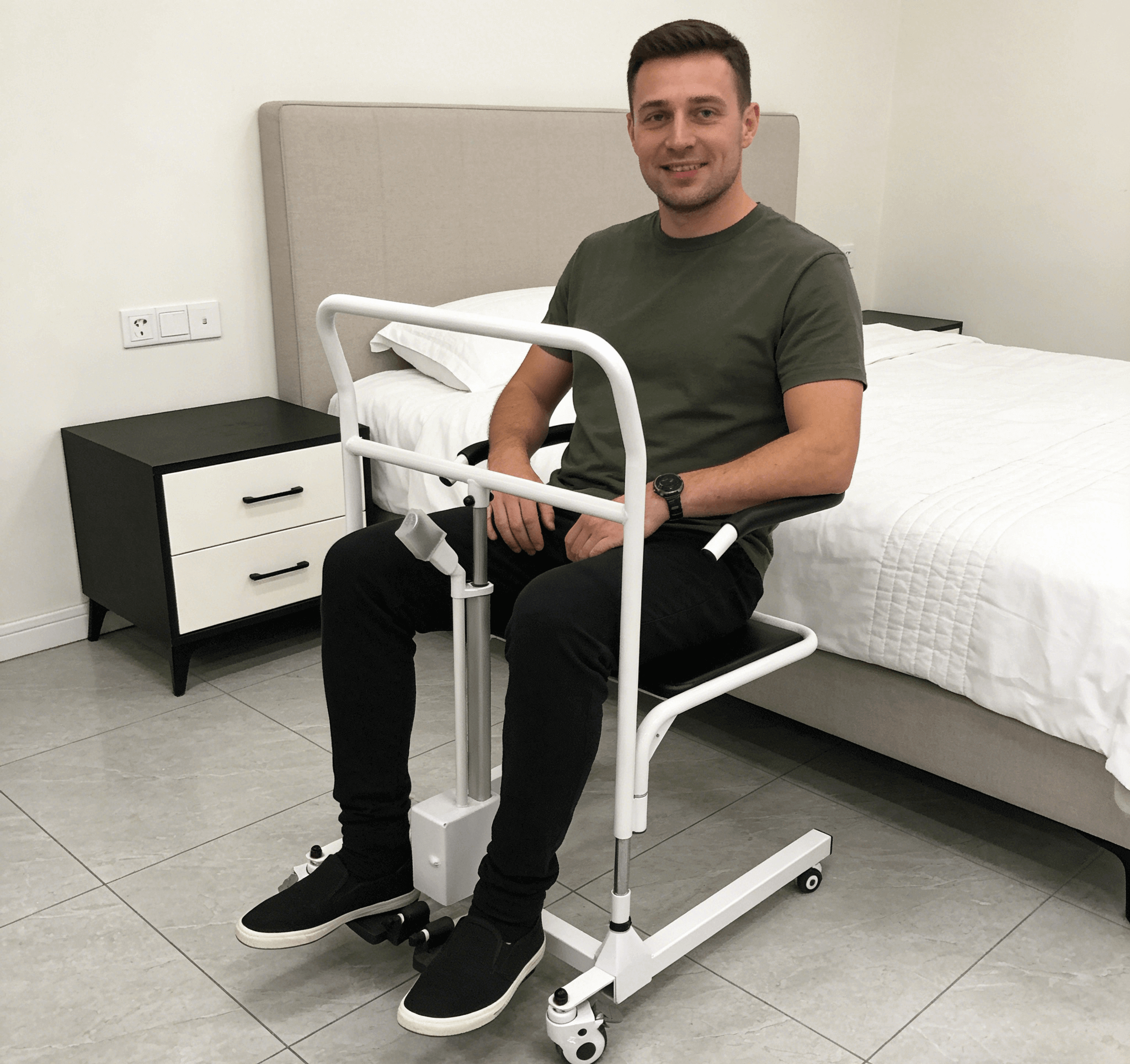
Category: Electric Transfer Chair
Posted by 2025-12-19 11:12
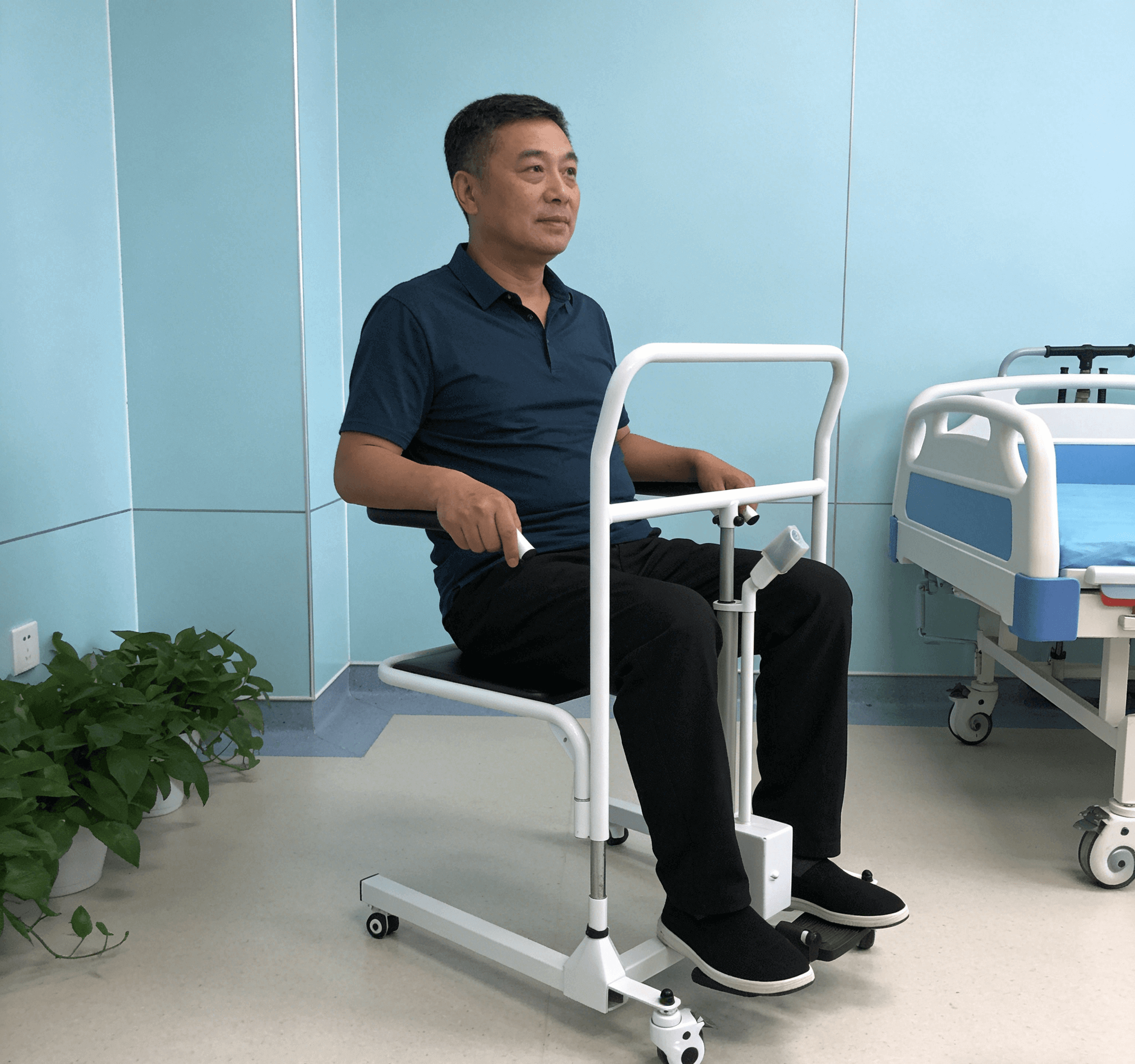
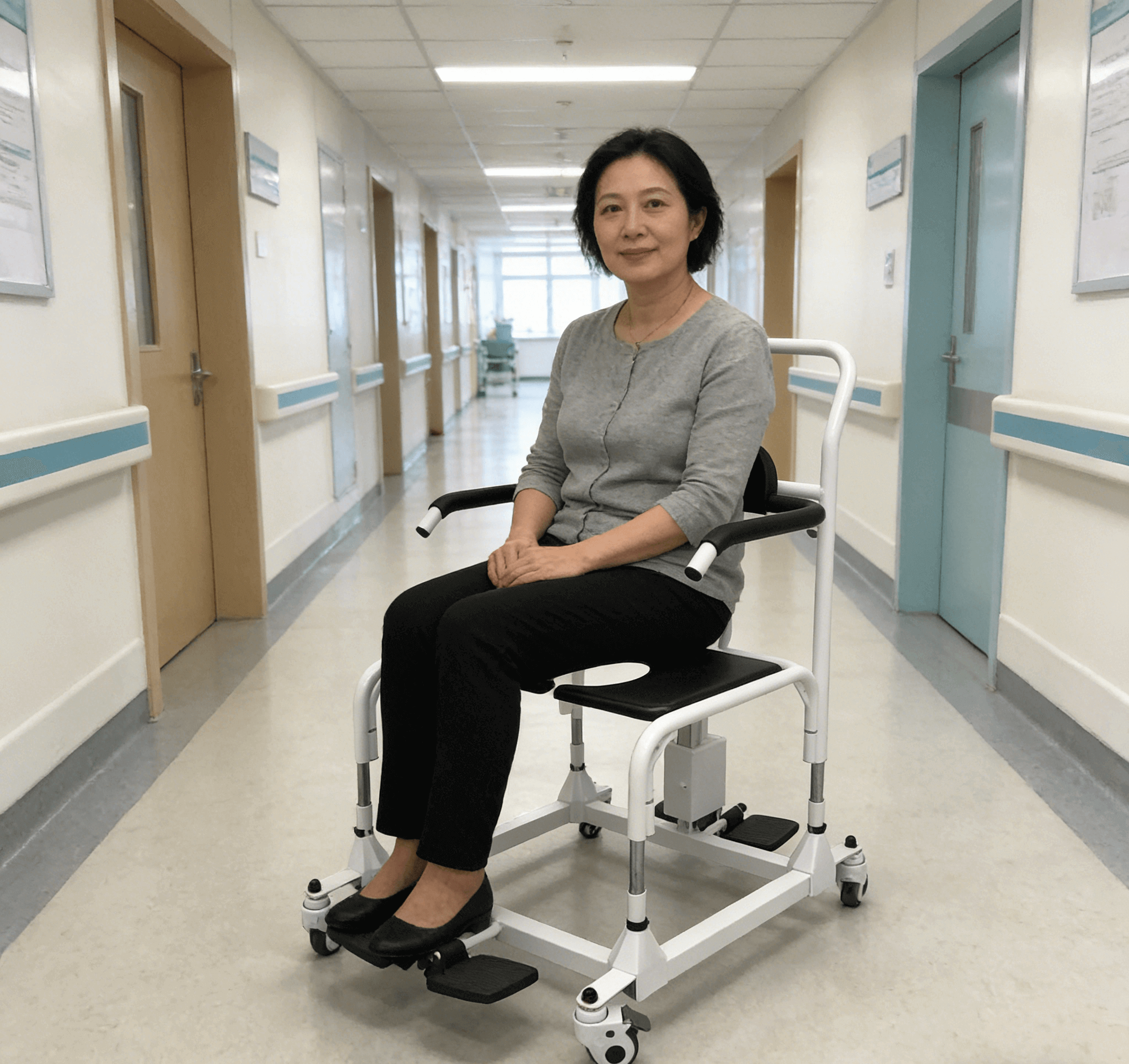
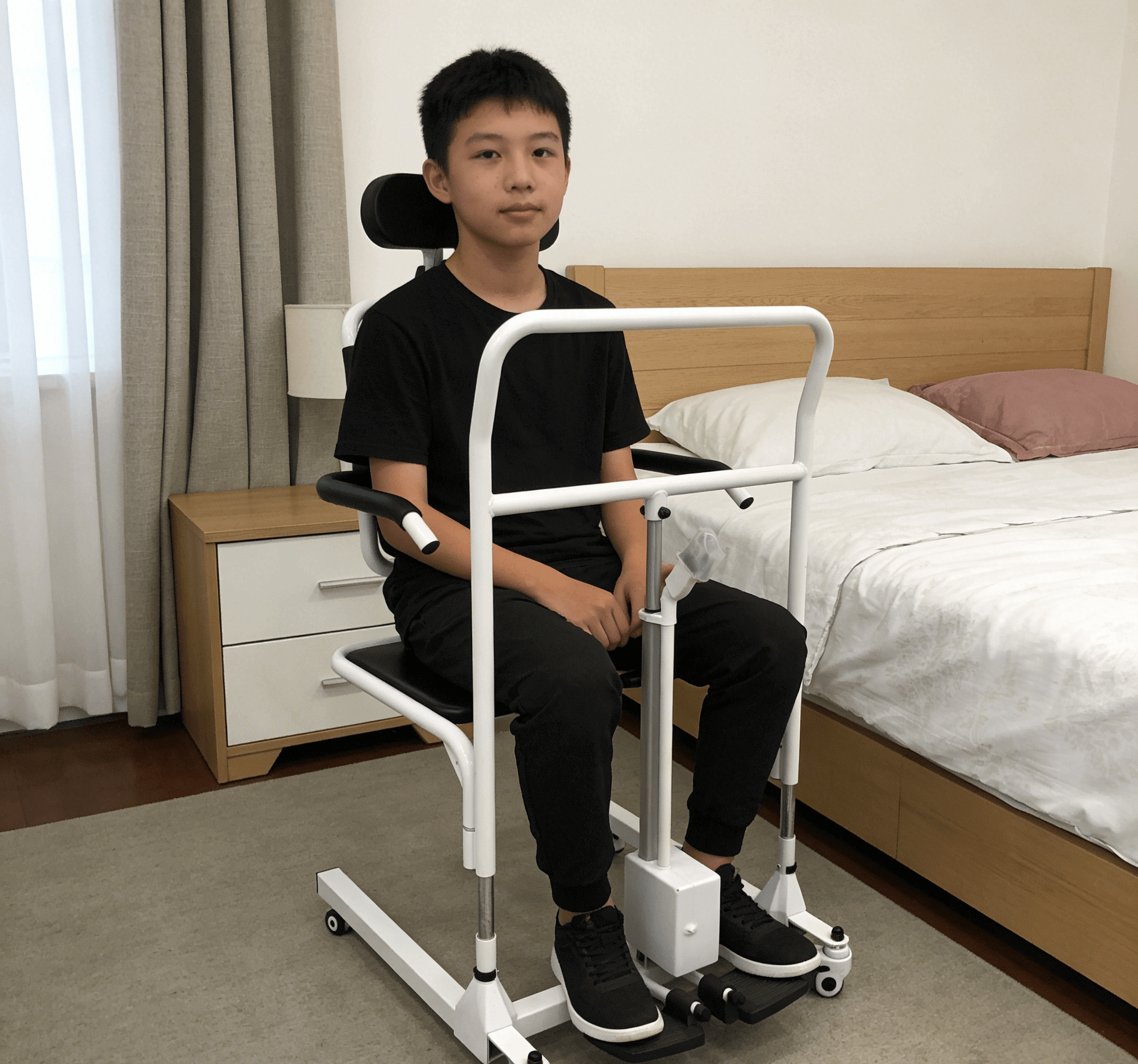
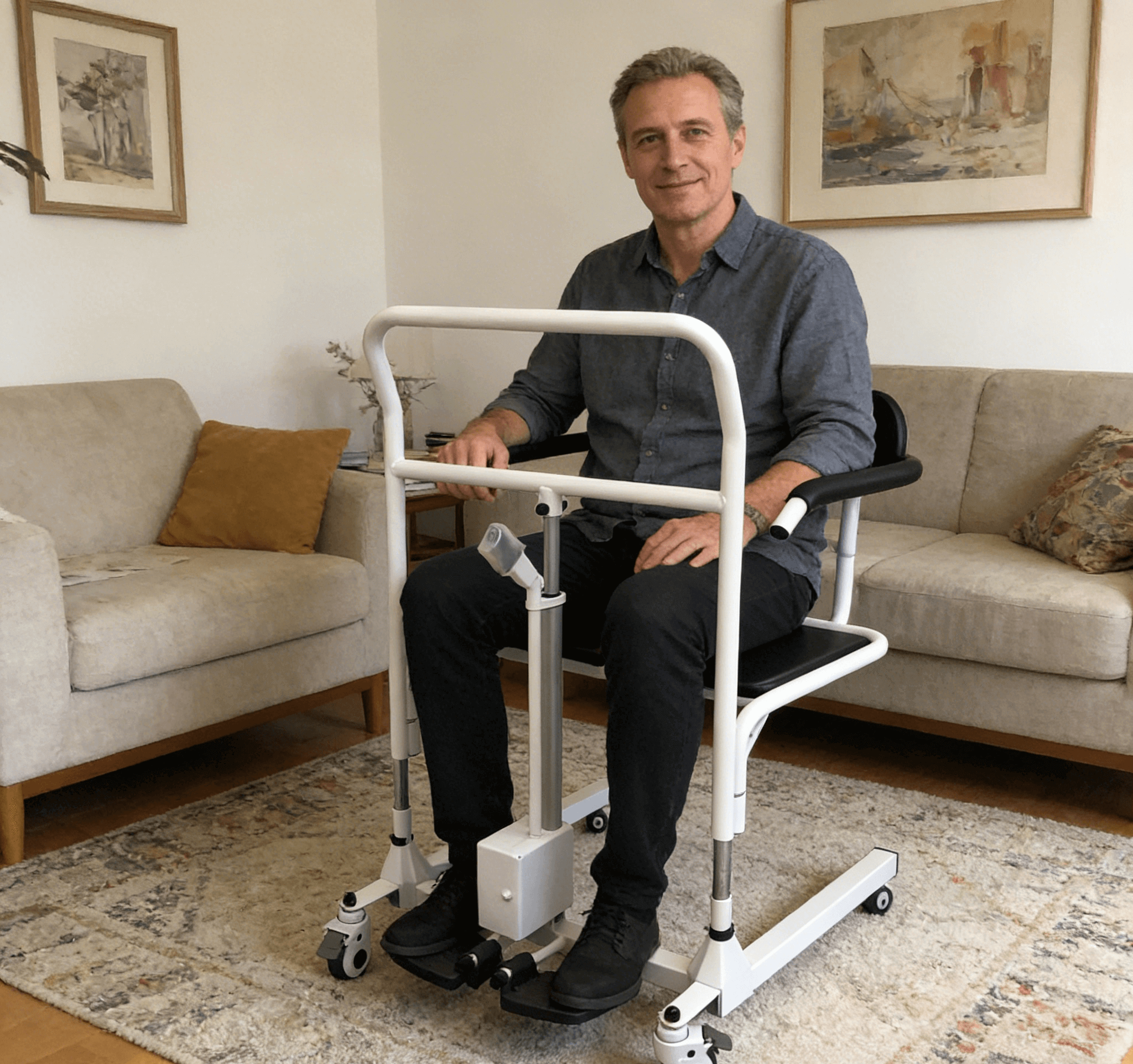
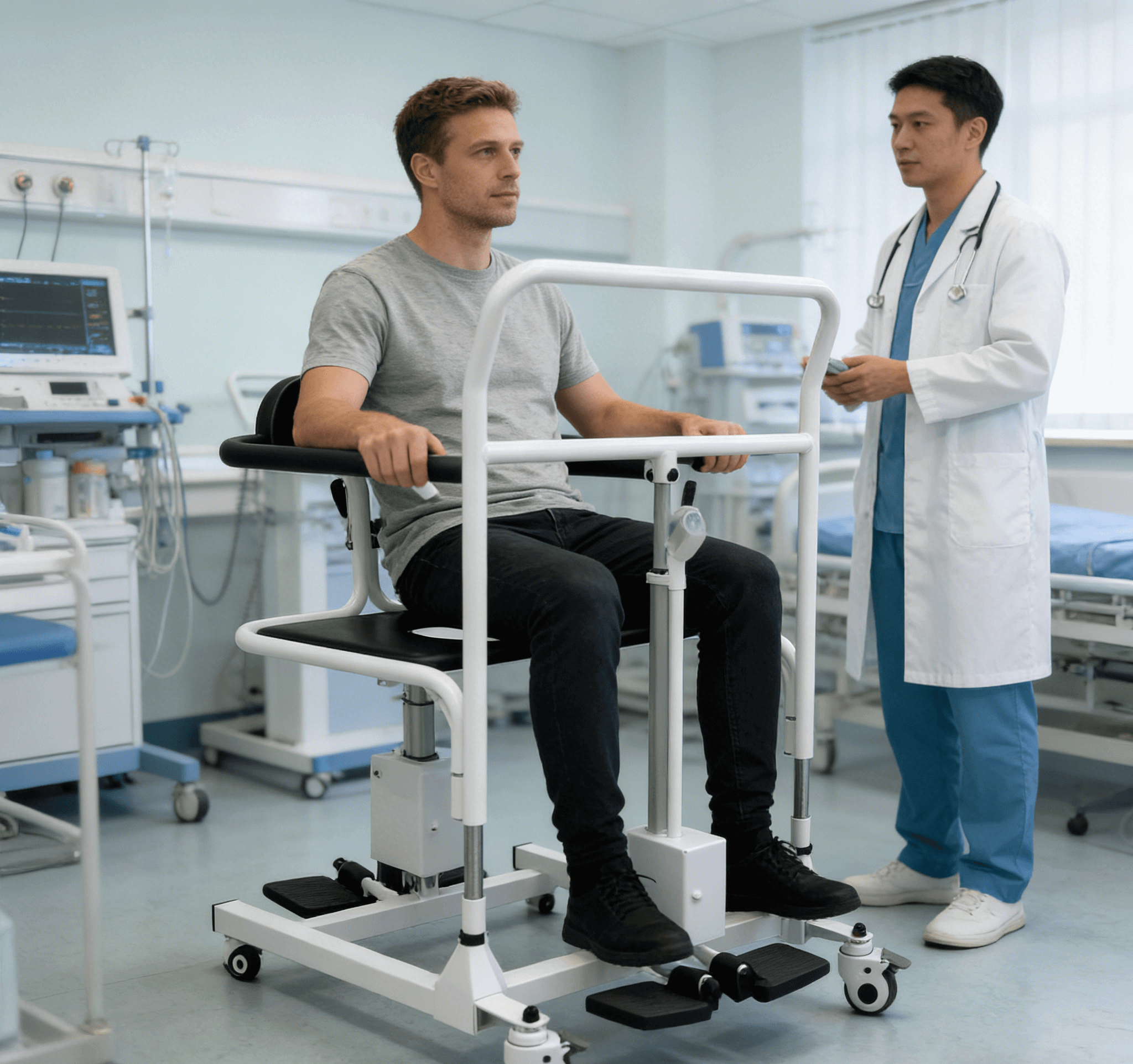
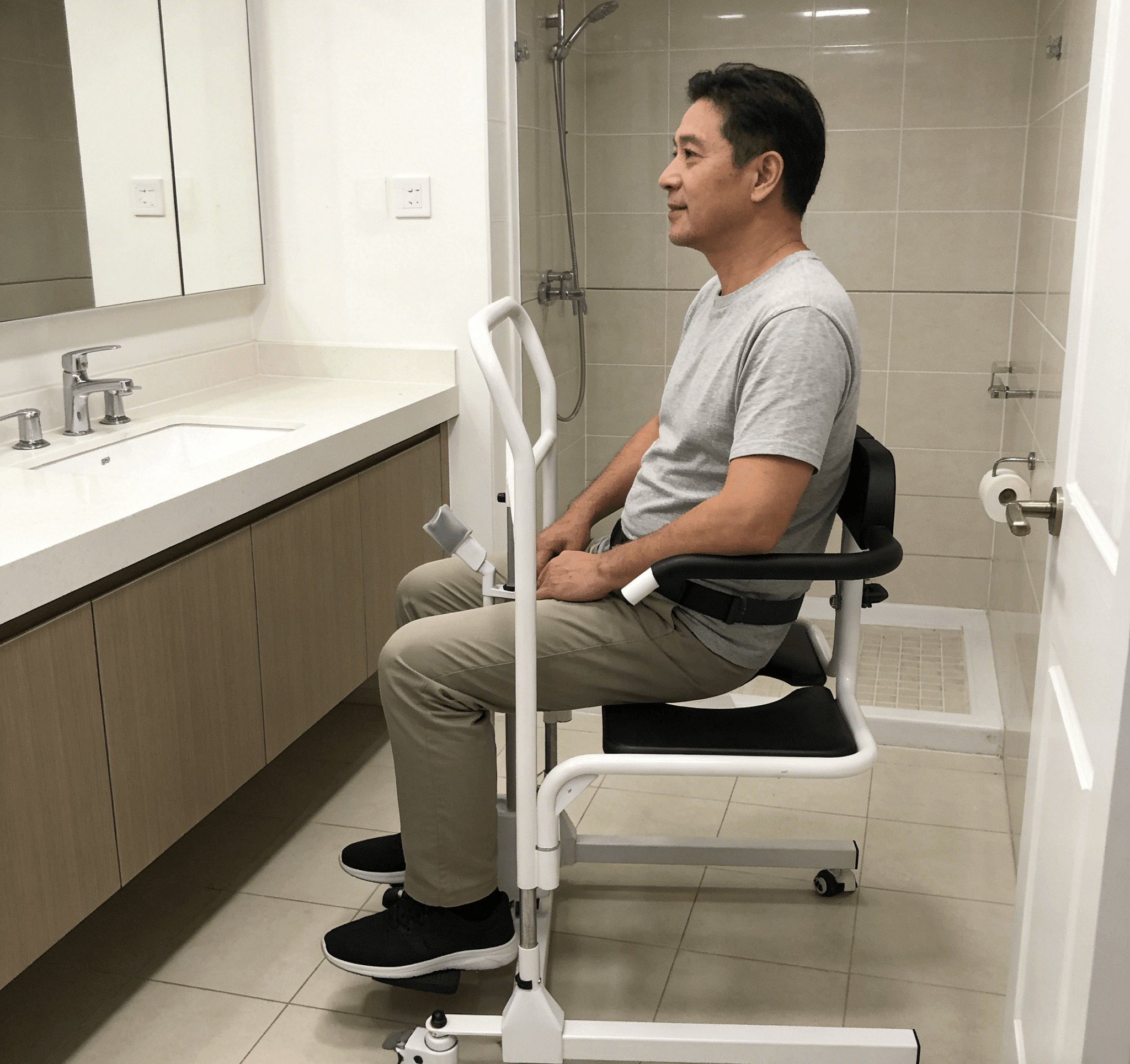
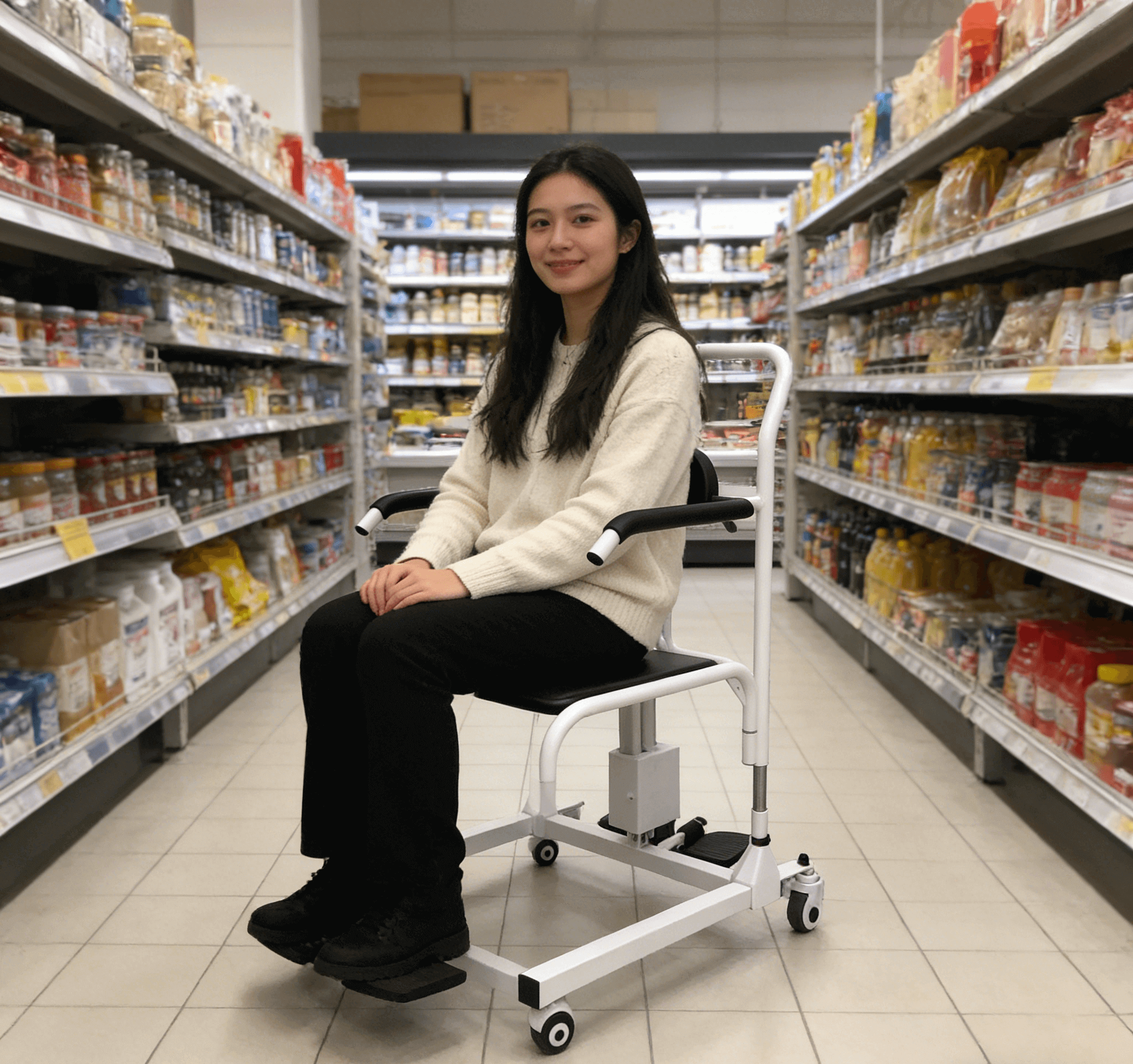
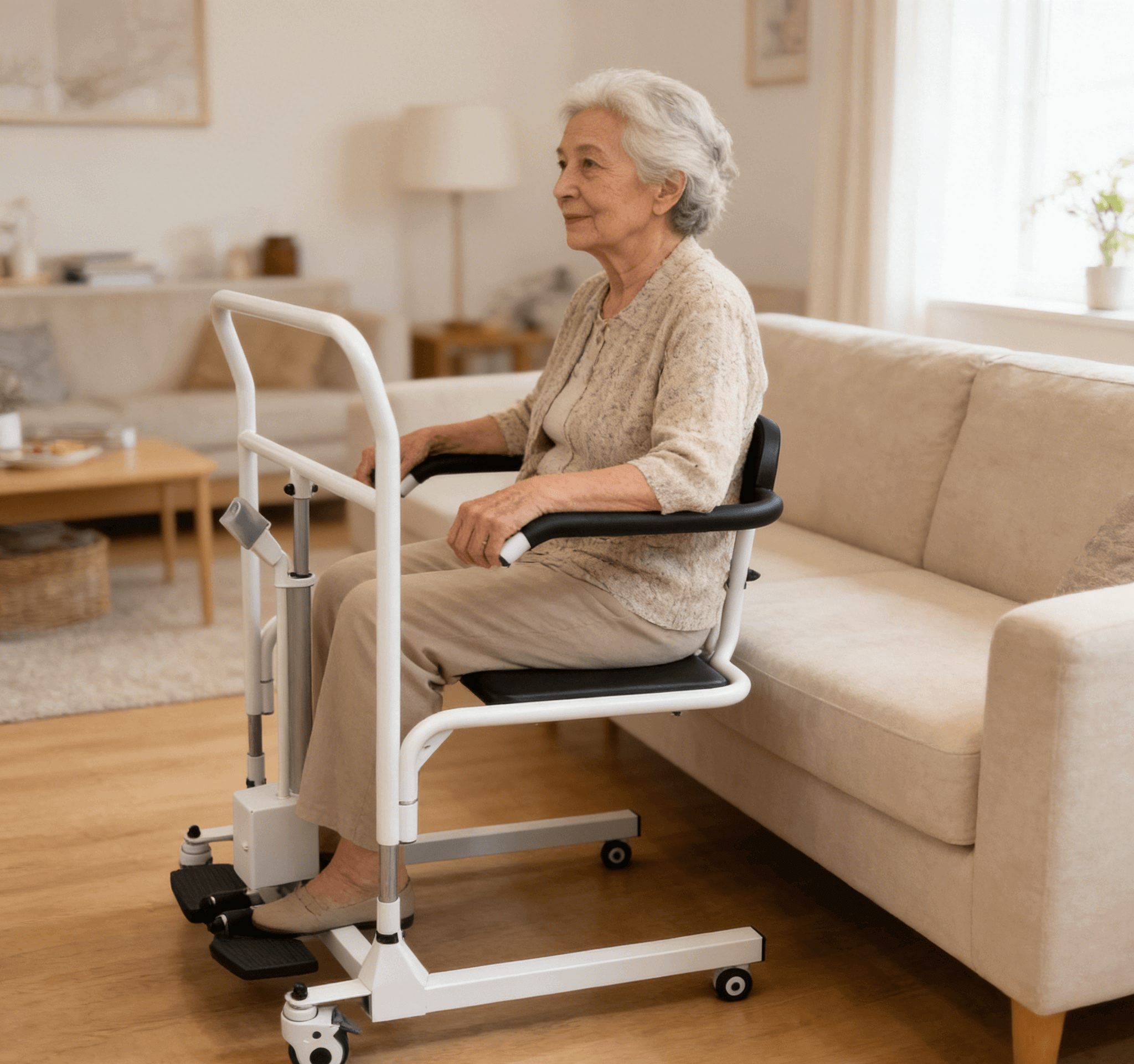
hoyer lift for bedridden patients
Hoyer Lift for Bedridden Patients: Creating Safe and Dignified Mobility Amid Immobility
For fully bedridden patients, their bodies may be confined to a bed, but life does not come to a halt—they still need to use the toilet, bathe, undergo rehabilitation training, engage in family interactions, and even just change positions to relieve pressure sores. Every transfer from the bed to a wheelchair, commode chair, or examination table is a test for their fragile bodies.
The Hoyer Lift, however, is a safe transfer solution tailored specifically for this highly dependent group. It is not just a cold steel device, but a bridge connecting "immobility" and "possibility." This article will detail how to correctly, safely, and compassionately apply the Hoyer Lift to the daily care of bedridden patients.
I. Who Are "Bedridden Patients"? When Is a Hoyer Lift Needed?
"Bedridden patients" generally refer to individuals who cannot sit up, stand, or bear weight on their own due to illness or injury. They are commonly seen in cases such as:
High-level spinal cord injuries (above C4)
Advanced Amyotrophic Lateral Sclerosis (ALS)
Severe post-stroke sequelae
Patients with extreme weakness in the terminal stage of cancer
Periods of immobilization after severe fracture surgery
A Hoyer Lift becomes a necessary choice when a patient meets any of the following criteria:
✅ Completely unable to cooperate with transfer movements
✅ Weight exceeds the safe lifting range of caregivers (usually > 60 kg)
✅ Fragile skin with a risk of pressure sores, requiring avoidance of dragging and friction
✅ High risk of osteoporosis and pathological fractures