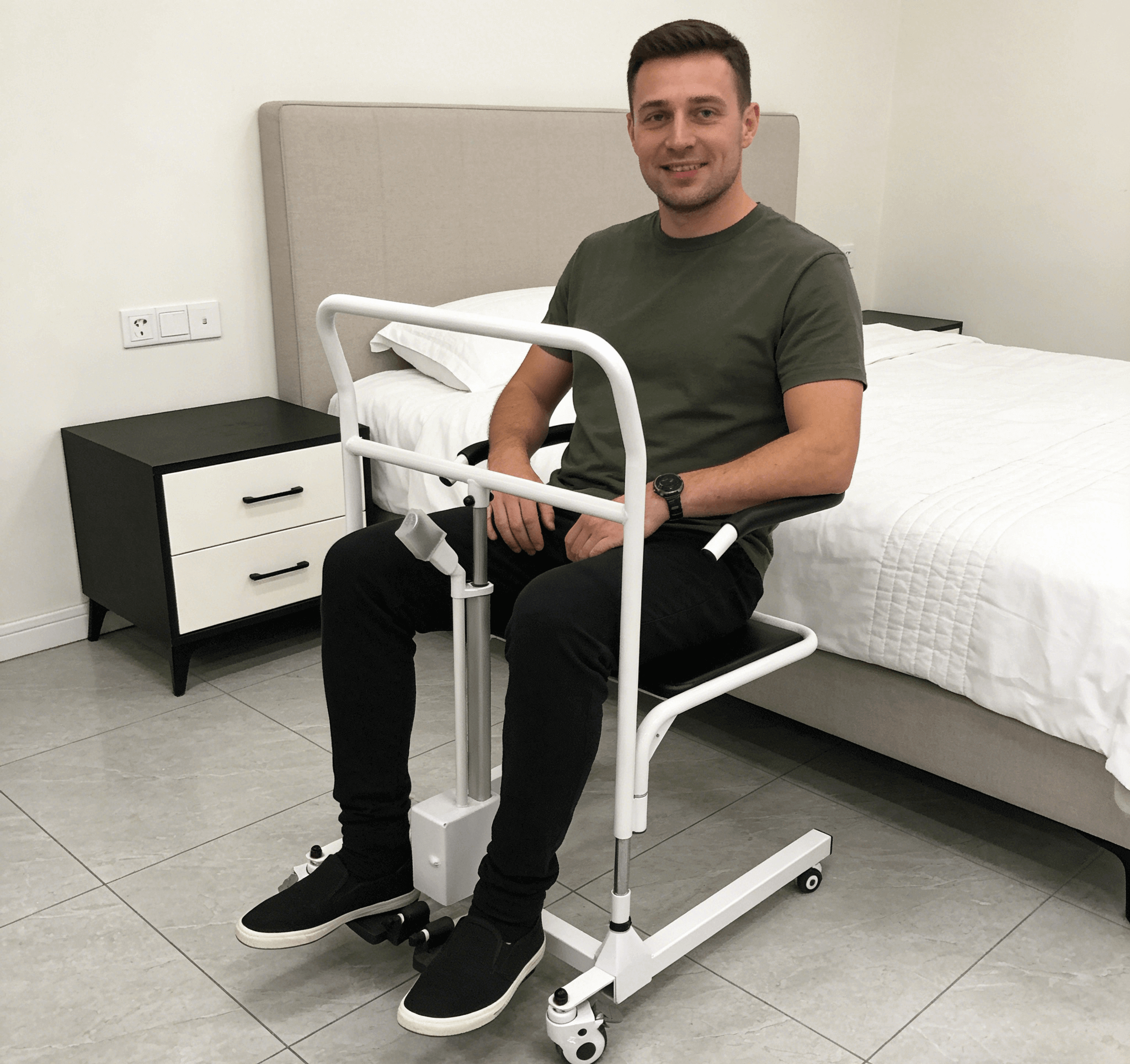
Category: Electric Transfer Chair
Posted by 2025-12-19 11:12
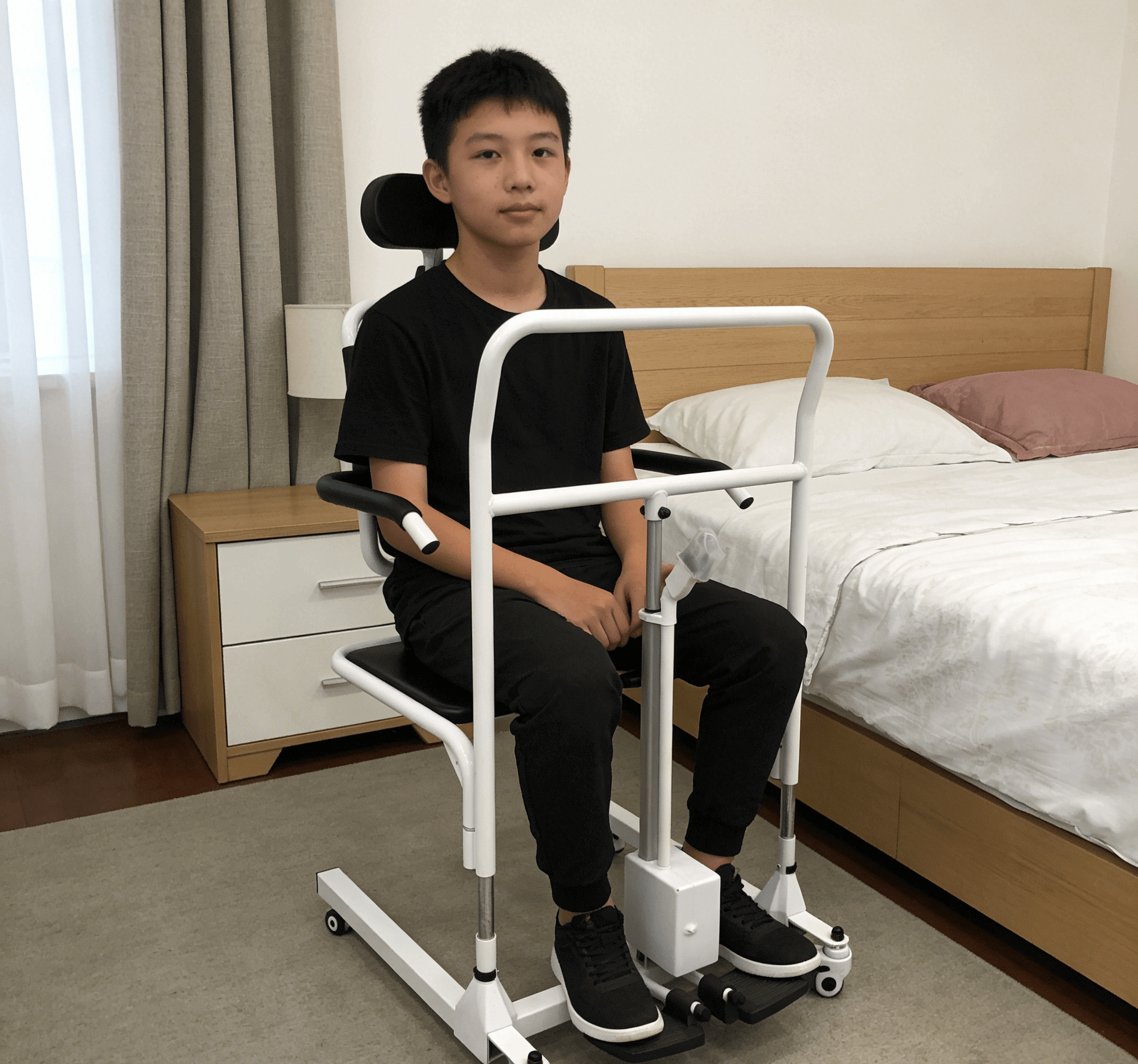
hoyer lift for bedroom
Bedroom Hoyer Lift: Creating a Safe and Comfortable Hub for Sleeping and Waking
The bedroom is the most frequently used and critical "workspace" for a Hoyer Lift. From getting up and going to bed to adjusting positions in bed during the day, safe and efficient bedroom transfers directly impact the user’s comfort, skin health, and the caregiver’s workload. Choosing and using a bedroom lift correctly can completely transform the care experience in the morning and before bedtime.
Why Is the Bedroom the Core Scene for a Lift?
Daily Essential Processes: Waking up and going to bed are the two most important transfers of the day. Usually, the user may be tired or groggy, requiring higher safety standards.
Key to Pressure Sore Prevention: Being able to easily and frequently help the user adjust their posture in bed (e.g., from lying flat to sitting up) is a crucial measure to prevent pressure sores in long-term bedridden individuals.
Caregiver’s Primary Workspace: Caregivers spend a lot of time here, and an optimized workflow can significantly reduce their physical exertion.
Bedroom Lift Solutions: Portable vs. Ceiling-Mounted
1. Portable Hoyer Lift
Applicable Scenarios:
The bedroom has sufficient space for equipment storage.
Budget is limited, or the equipment needs to be used in other rooms (e.g., the living room).
Bedroom Layout Key Points:
Space Around the Bed: Ensure there is enough space (at least 80 cm is recommended) on at least three sides of the bed for the lift base to extend in and for the caregiver to operate.
Storage Location: Plan the storage spot for the equipment when not in use in advance—it should be easy to access without hindering traffic.
Floor Type: Hard floors (wood, tiles) are ideal. Thick carpets in the bedroom may increase the difficulty of pushing the lift.
2. Ceiling-Mounted Hoyer Lift (Ultimate Choice for Bedroom Systems)
Applicable Scenarios:
The bedroom is small and cannot accommodate the turning of a portable lift.
The caregiver has limited physical strength and needs the most labor-saving solution.
The highest level of safety and convenience is required, especially for users who need to get up frequently at night.
Bedroom Layout Key Points:
Track Planning: The track needs to cover the core area of the bed (e.g., from the pillow to the foot of the bed) and can extend to the wheelchair parking spot or armchair in the bedroom.
Structural Assessment: Professionals must confirm that the ceiling structure can bear the weight of the lift.
Bedroom-Specific Functions and Accessories
In-Bed Position Management
The lift can not only complete "bed-to-chair" transfers but also be used to adjust the user’s posture in bed. For example, lift the user from a lying position, adjust the angle of the bed back, and then lower them to a comfortable sitting position.A special in-bed position sling can be used, which is designed specifically for moving the user within the bed (rather than transferring them out of the bed).
Nighttime Toilet Solution
For users who need to get up at night to use the toilet, a ceiling-mounted lift is revolutionary. It can quickly and quietly transfer the user from the bed to a commode chair in the bedroom or directly to the bathroom, greatly reducing the trouble and waiting time for both the user and the caregiver.
Furniture Compatibility
Ensure the height of the selected bed frame allows the lift base to extend smoothly under the bed. Hospital beds are the best choice because they are height-adjustable and have ample space underneath.
If a household bed is used, bed risers may be needed to create sufficient space for the lift base.
Action List: Creating a Safe Bedroom Transfer Area
Clear the Path: Remove all obstacles between the bed and the bedroom door.
Optimize the Area Around the Bed: Ensure there is spacious space beside the bed and avoid sharp-cornered cabinets.
Secure Furniture: Make sure the bed and bedside tables are stable and will not move.
Adequate Lighting: Install night lights or easily accessible bedside lamps to ensure sufficient light during transfers in the early morning or at night.
Get Prepared: Place daily items such as clothes and glasses within easy reach to reduce back-and-forth movement after transfers.
Best Practices for Bedroom Care
Establish a Routine: A fixed wake-up/bedtime routine can make the user feel at ease and make the care work more organized.
Morning Communication: Before transferring, spend a minute communicating the day’s plan with the user to help them mentally prepare.
Use Transfers for Skin Checks: When placing and removing the sling, quickly check the user’s back, hips, and thighs for signs of redness or damage.
Prioritize Comfort and Dignity: Before lifting, ensure the user’s pajamas are smooth to avoid discomfort or embarrassment caused by the sling directly touching the skin.
Conclusion
Integrating a Hoyer Lift into the bedroom is the key to transforming this private space from a potential "care battlefield" into a safe and peaceful haven. Whether choosing a flexible portable device or investing in a one-time ceiling-mounted system, the core goal is the same: to make the start and end of each day full of safety, comfort, and dignity—rather than pain, risk, and stress. Through careful planning and proper use, a bedroom Hoyer Lift can become the most reliable core pillar in your home care ecosystem.