Category: Electric Transfer Chair
Posted by 2025-12-20 11:12
hoyer lift for disabled
Hoyer Lift: Providing Safe and Dignified Mobility Support for People with Disabilities
In modern rehabilitation medicine and long-term care systems, helping people with severe mobility impairments achieve safe and comfortable position transfers has always been a key focus for caregivers and medical professionals. Manual lifting is not only inefficient, but also highly likely to cause lower back injuries to caregivers. At the same time, it may bring pain, skin damage, and even psychological stress to the cared-for individuals. To solve this problem, the Hoyer Lift (Hoyer Hoist) emerged and has gradually become one of the widely adopted standard assistive devices worldwide.
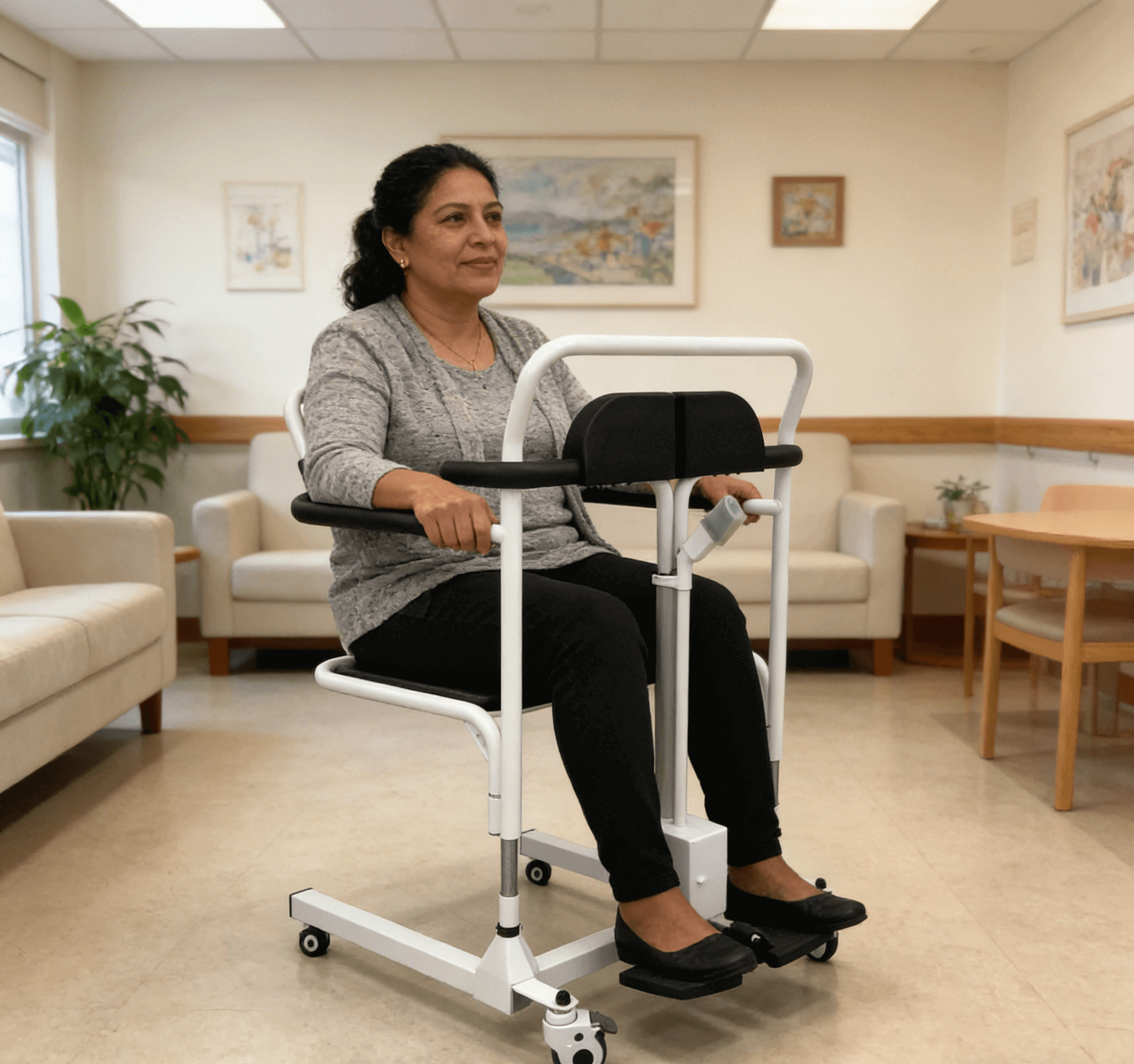
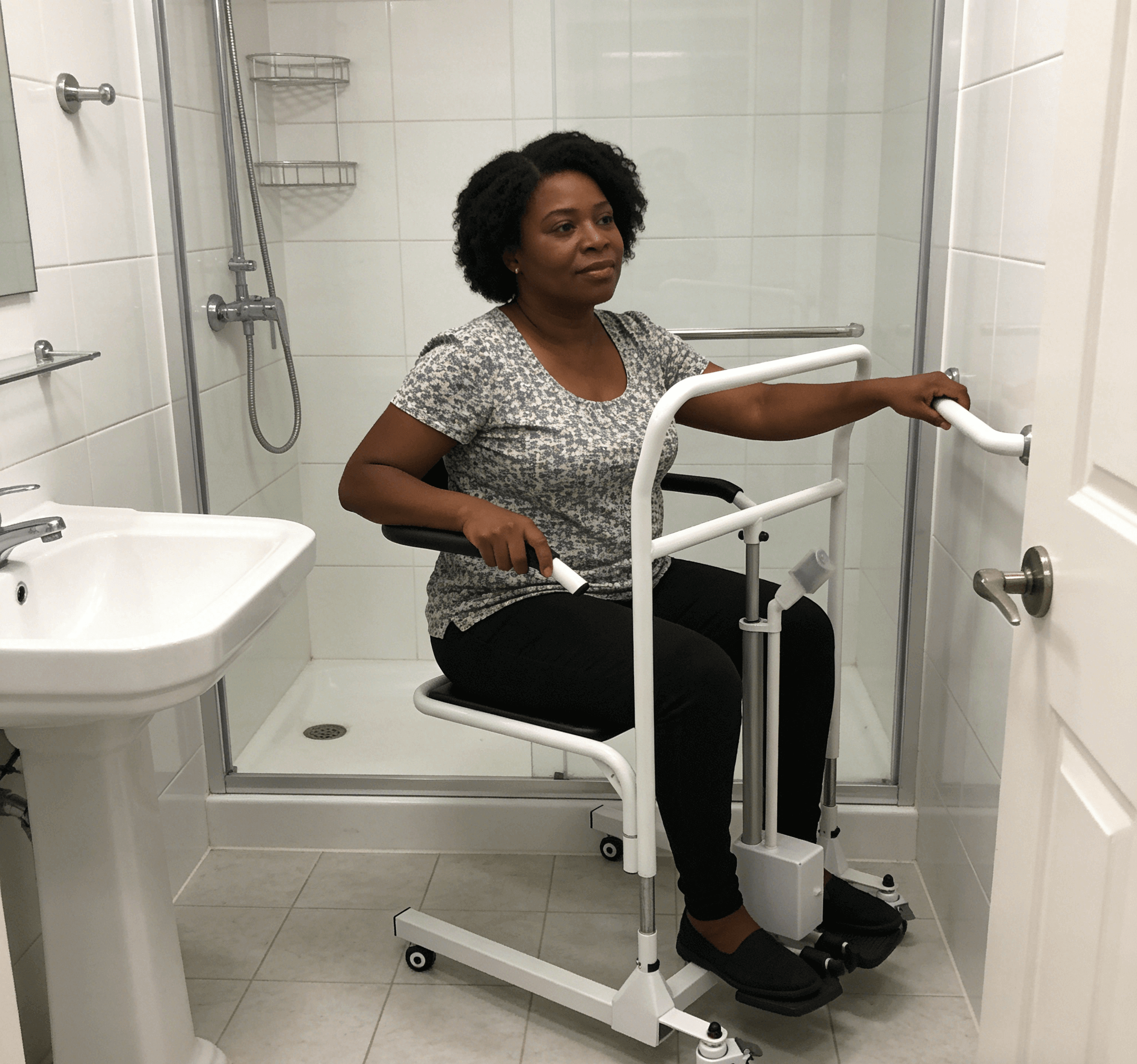
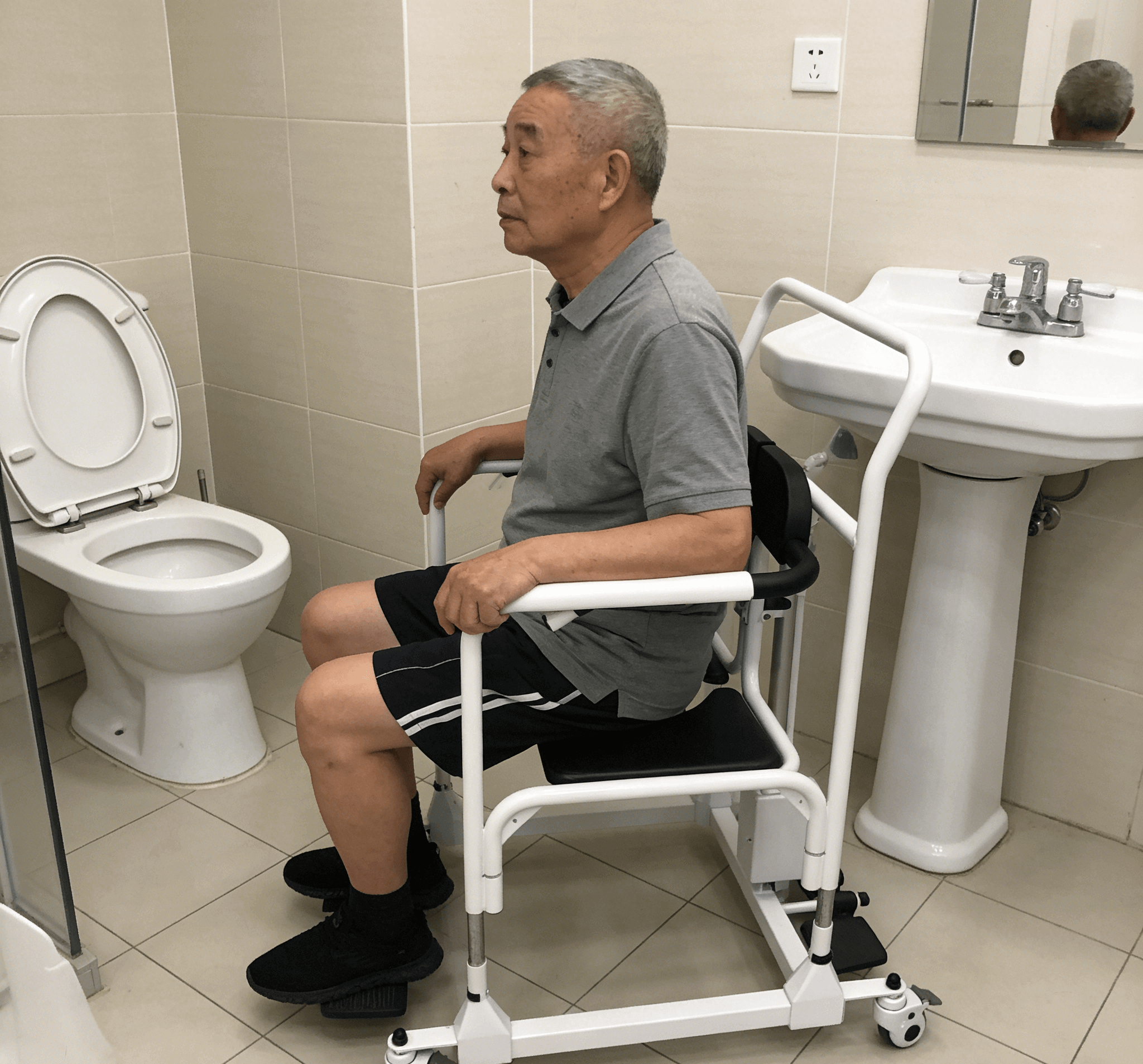
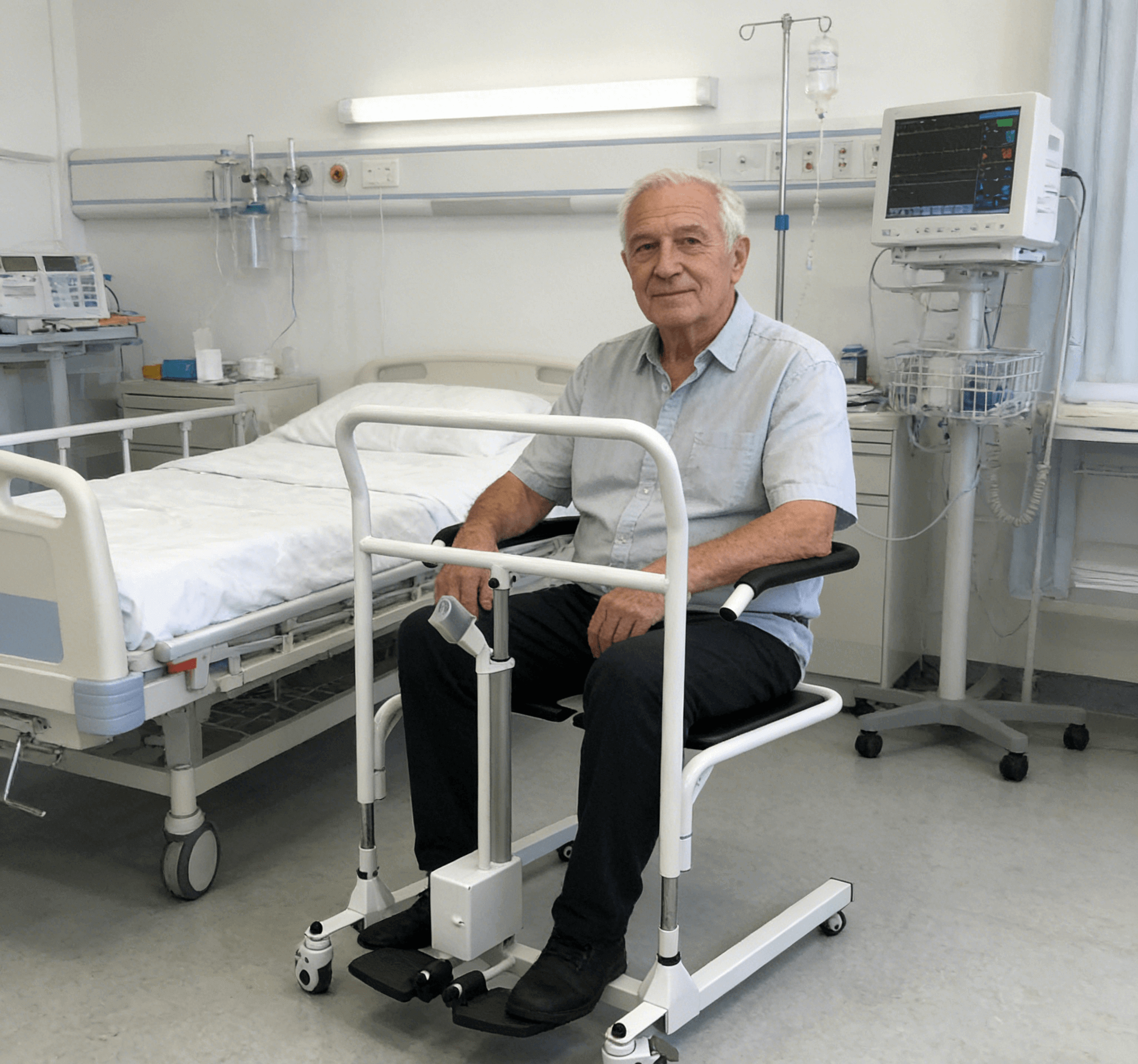
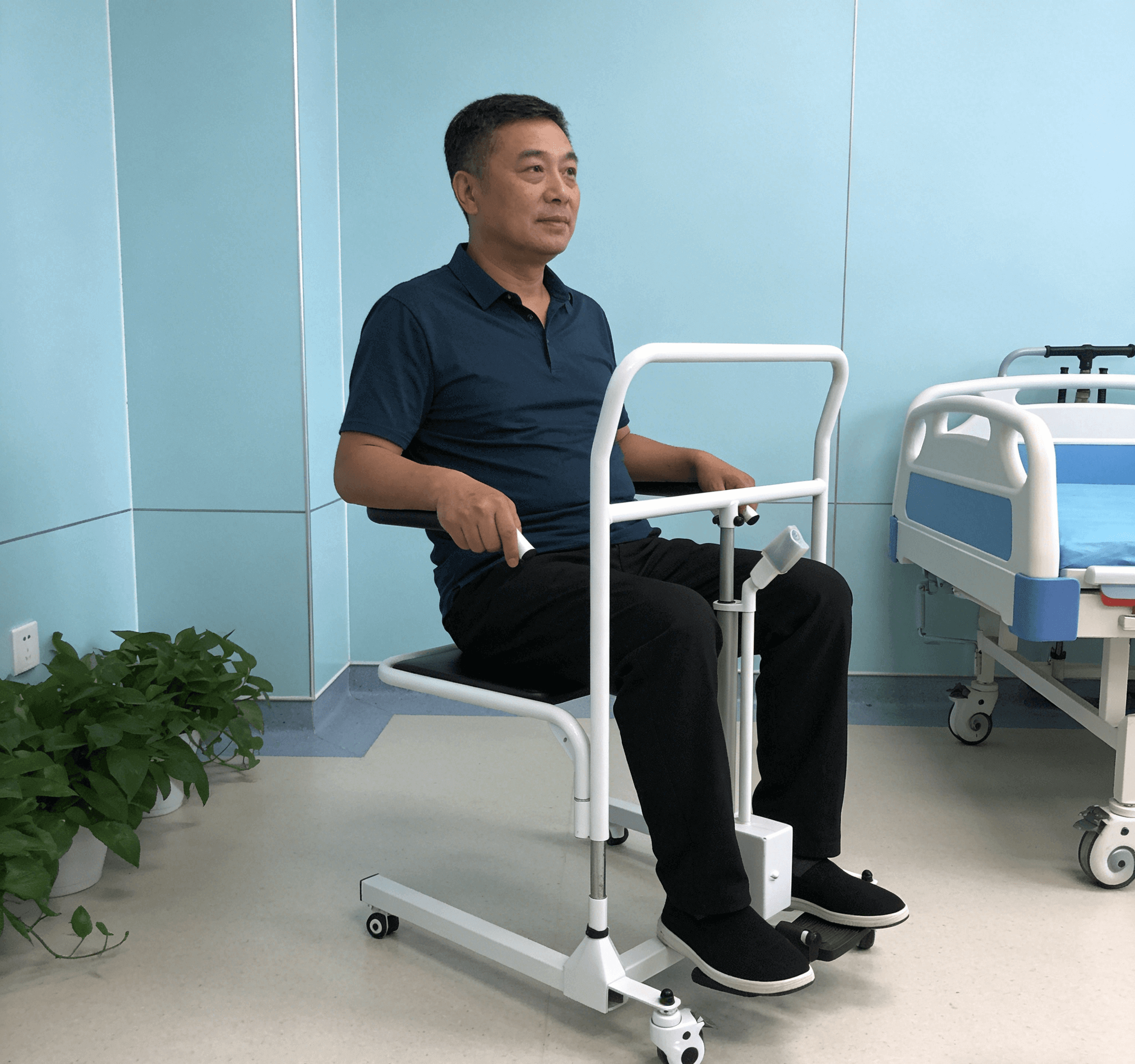
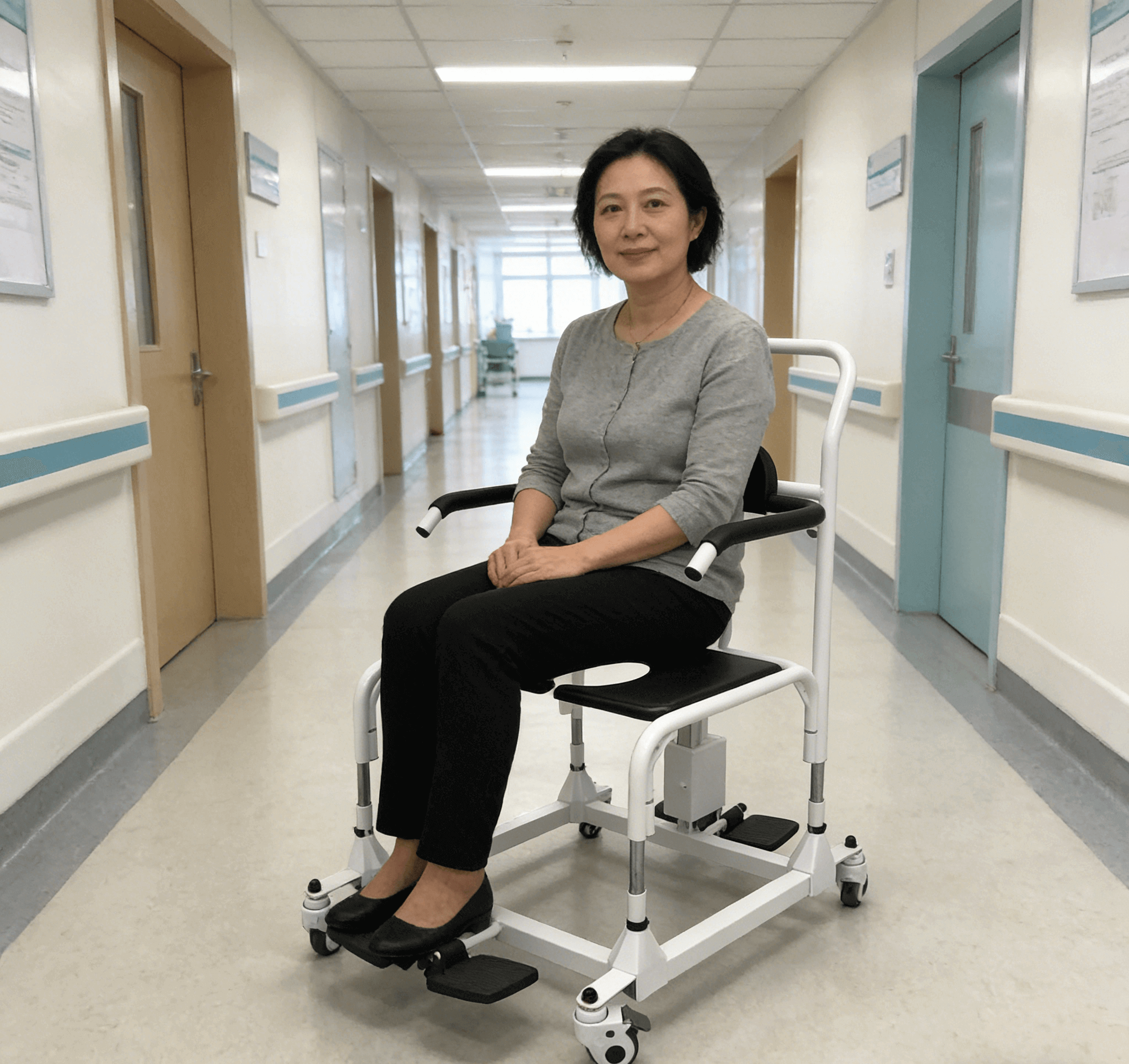
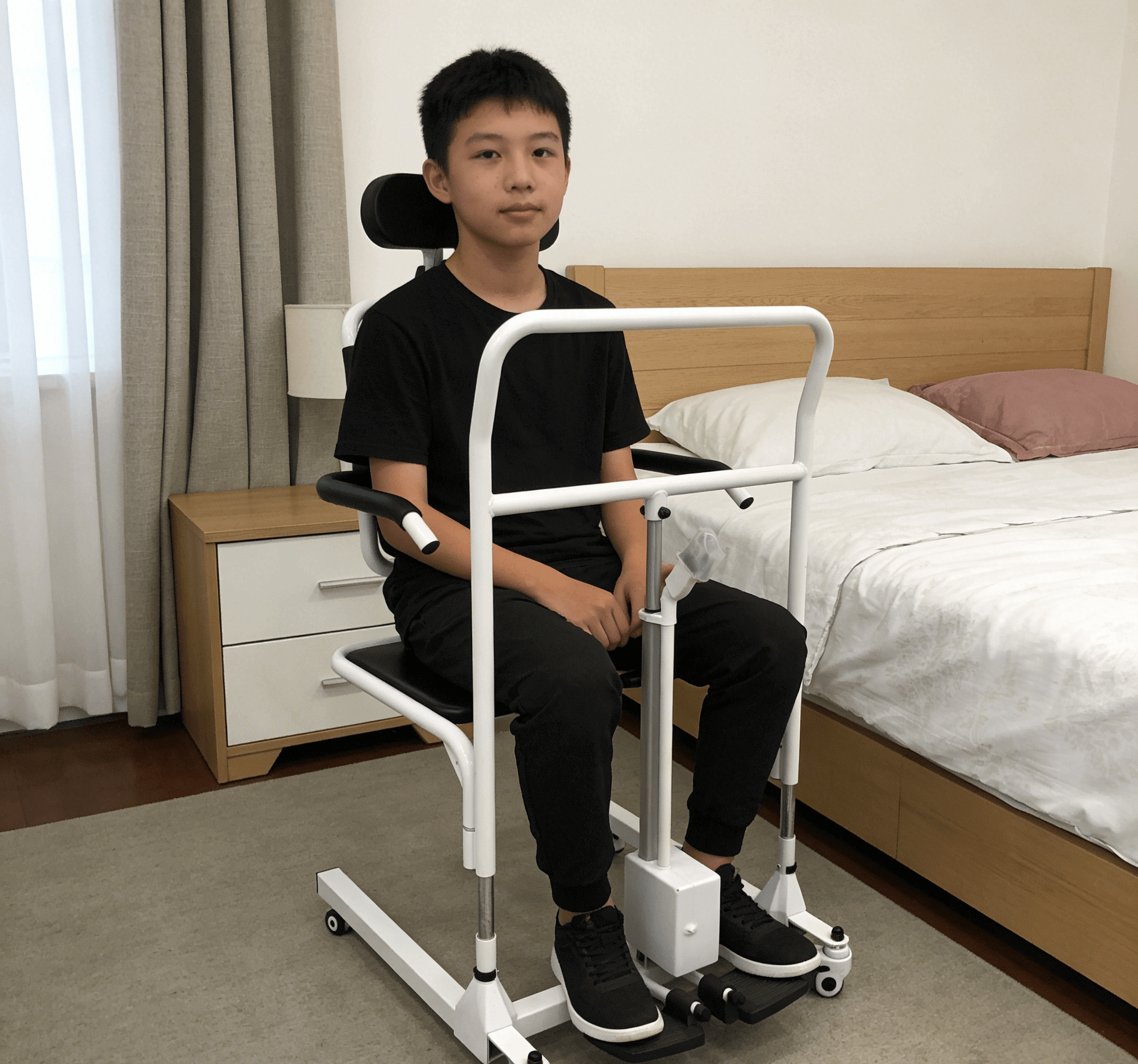
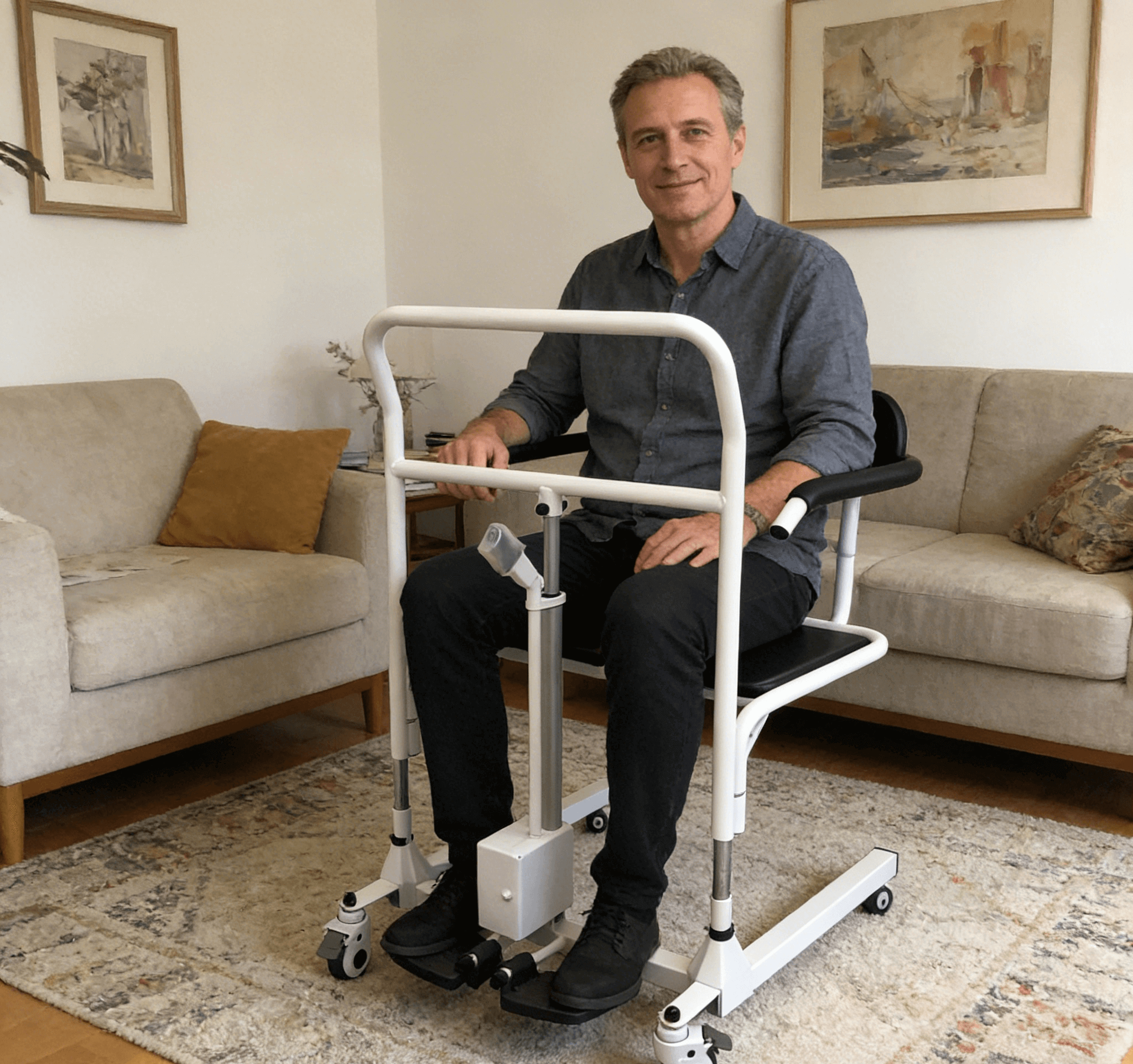
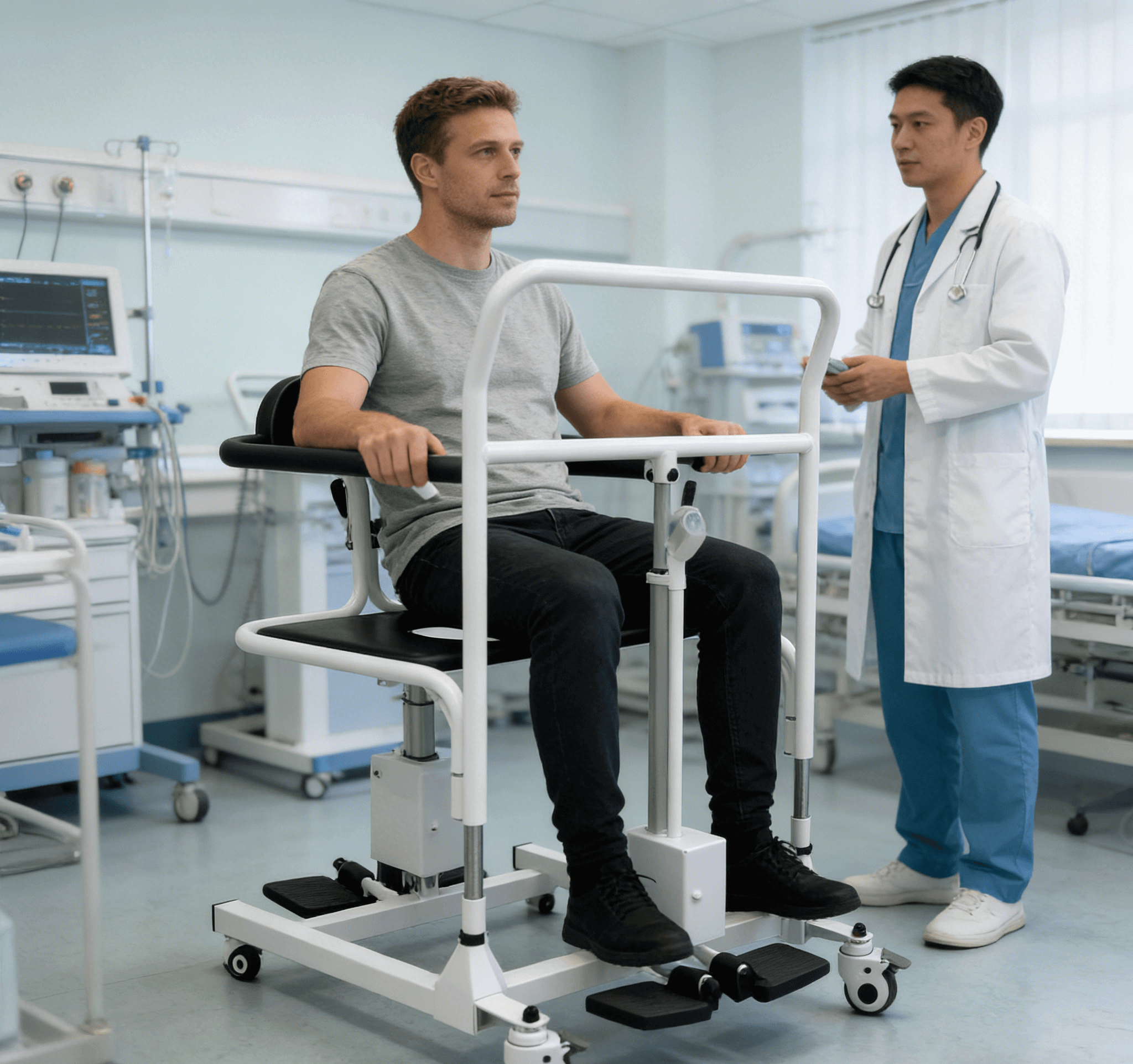
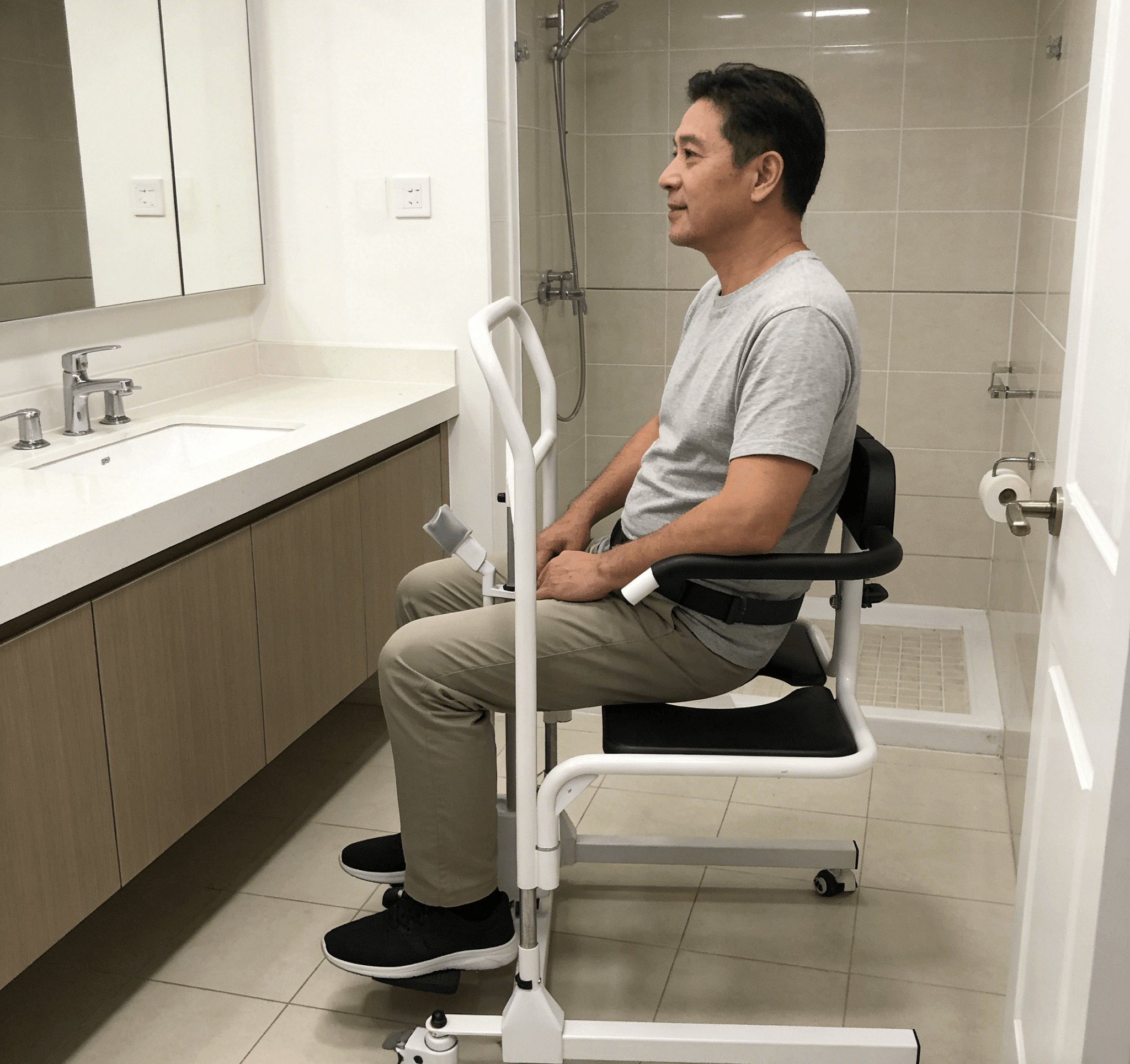
A Hoyer Lift is a mechanical or electric lifting device specifically designed to assist people who cannot stand or walk independently with position transfers. It uses a stable base, a lifting arm, and an adjustable sling system to smoothly transfer the user from a bed to a wheelchair, toilet, shower chair, or other living areas. Although "Hoyer" was originally the brand name of a medical equipment company, this term is now widely used as a generic name for such patient lifts, especially in North America.
For people with disabilities who have severe mobility limitations due to spinal cord injuries, cerebral palsy, amyotrophic lateral sclerosis (ALS), multiple sclerosis (MS), post-stroke sequelae, or severe arthritis, the Hoyer Lift is not just a physical tool, but also a key support for ensuring quality of life. With this device, they can complete daily transfers without relying on the assistance of multiple people, reducing the risk of skin damage caused by friction or dragging, and avoiding the fear brought by sudden loss of balance. More importantly, this standardized and non-intrusive transfer method helps maintain the user’s personal dignity and privacy.
For family caregivers or professional nursing staff, the Hoyer Lift also has irreplaceable value. According to data from occupational safety and health organizations, the nursing industry is one of the occupations with the highest incidence of musculoskeletal injuries, and most of these injuries result from repetitive lifting movements. After introducing lifting equipment, the care burden is significantly reduced, the operation process is more controllable, and the risk of accidental slipping or falling is also lowered. This not only improves care efficiency, but also extends the caregiver’s physical endurance and career sustainability.
Despite its obvious advantages, the popularization of Hoyer Lifts in home environments still faces some practical challenges. For example, some models are relatively large and require a certain amount of living space; although electric models are easy to operate, their prices are relatively high; in addition, correctly selecting slings suitable for the user’s body shape and functional needs (such as full-body slings, sitting slings, toileting-specific slings, etc.) and mastering safe operating procedures all require a certain amount of training and guidance. Therefore, many countries have included such equipment in disability assistive device subsidy programs, medical insurance, or long-term care insurance coverage to improve its accessibility.
In recent years, with the development of assistive technology, Hoyer Lifts have also been continuously optimized. New models tend to be lightweight and quiet, and are equipped with user-friendly functions such as one-button lifting, low-chassis design (facilitating access under the bed), and waterproof materials (suitable for bathrooms). Some high-end products even integrate intelligent sensors, which can automatically pause operation when abnormal loads or obstacles are detected, further enhancing safety.
It is worth noting that the Hoyer Lift is not a one-size-fits-all solution. Its use must be based on individual assessment—including factors such as weight, trunk control ability, skin condition, and living environment. In some cases, other assistive tools such as transfer boards, standing frames, or transfer belts may be more suitable. Therefore, the best practice is usually to develop a personalized transfer plan based on the user’s specific needs under the guidance of physical therapists, occupational therapists, or assistive device assessment experts.
In conclusion, the Hoyer Lift represents an important advancement in assistive technology for promoting the independent living and social participation of people with disabilities. It not only reduces the care burden, but also conveys a concept: every person with mobility limitations should enjoy a safe, comfortable, and dignified daily life. With the deepening of barrier-free concepts and continuous innovation in technology, such equipment will continue to play a key role in improving the quality of life of people with disabilities.
Would you like me to convert this English translation into a shareable PDF file with clear headings and marked key information? This will make it more convenient for you to distribute it to relevant medical staff or families in need.