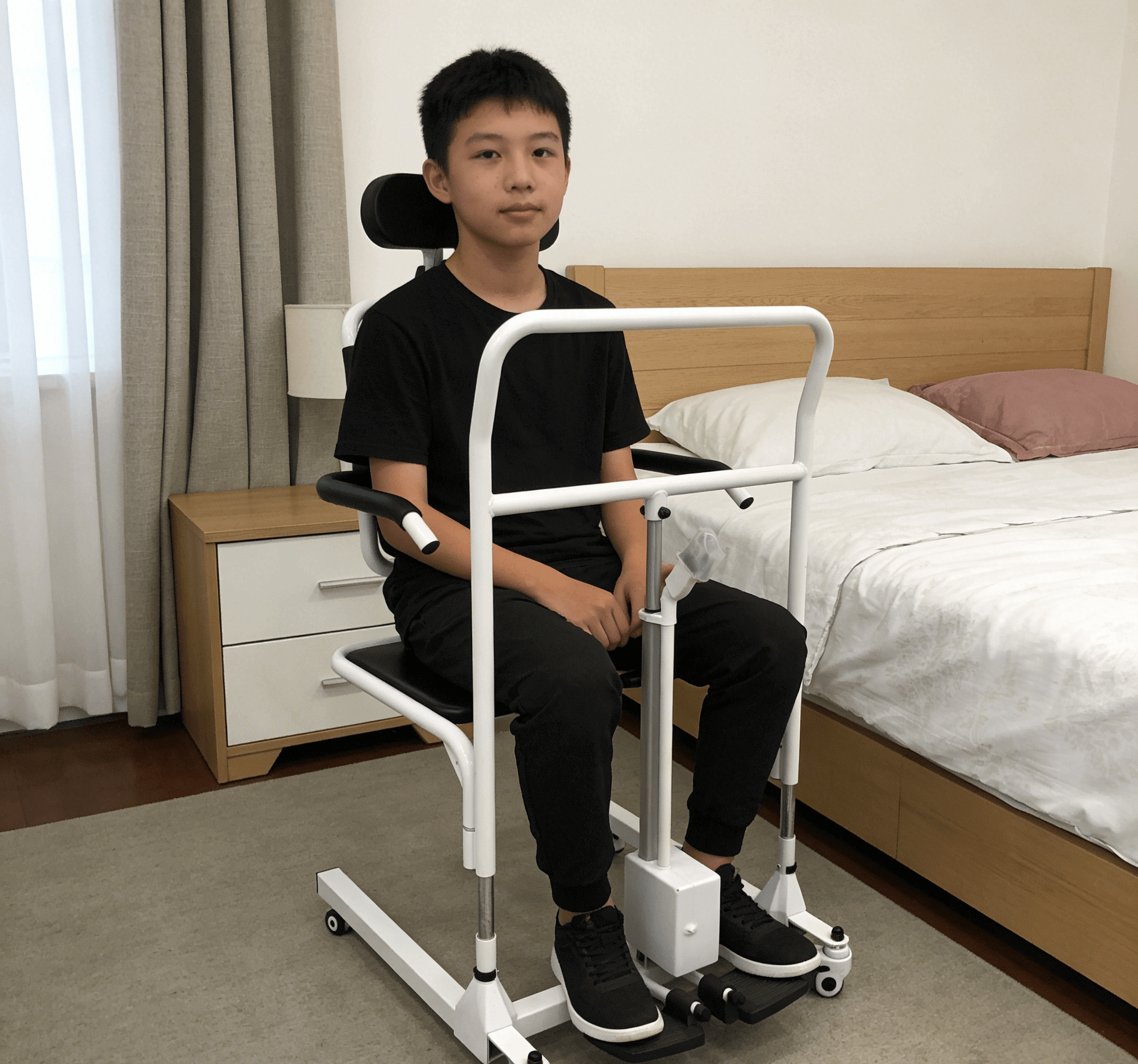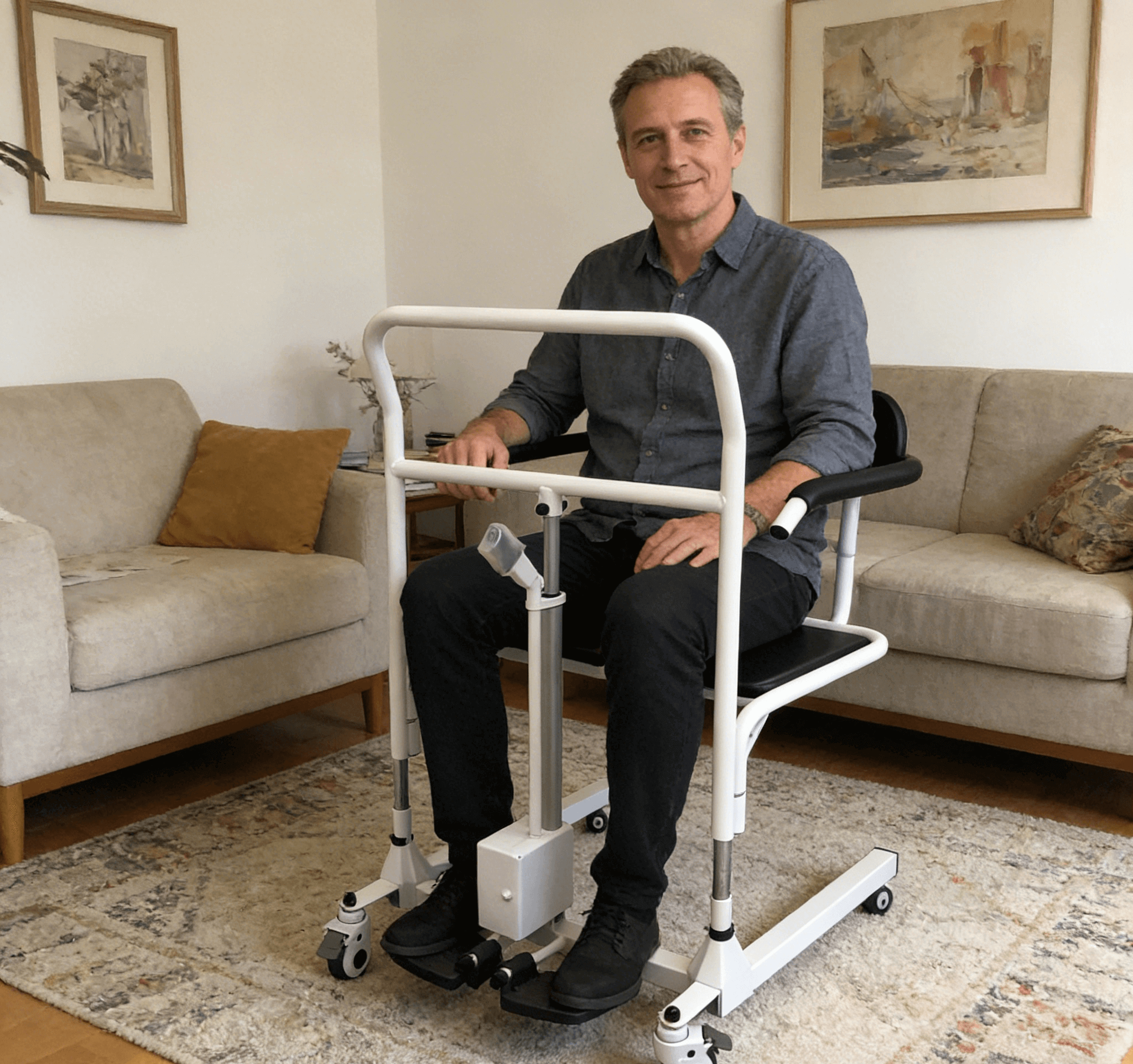
Category: Electric Transfer Chair
Posted by 2025-12-22 11:12
hoyer lift for heavy person
Choosing and Using a Hoyer Lift for Bariatric Individuals: A Guide to Safety and Dignity
For families and professional facilities caring for bariatric (heavily weighted or obese) individuals, safe and dignified transfers pose a significant challenge. Standard Hoyer Lifts may fail to meet their needs, making specialized heavy-duty patient lifts indispensable safety tools. This article aims to provide a comprehensive guide on heavy-duty lifts, ensuring the transfer process is safe and comfortable for both caregivers and recipients.
I. Why Standard Lifts May Be Insufficient?
Standard Hoyer Lifts typically have a weight capacity ranging from 135 kg to 227 kg. Using standard equipment for individuals exceeding this weight range is extremely dangerous, as it can lead to:
Equipment failure: Hydraulic system breakdown, boom bending, or base deformation.
Tipping risk: Insufficient equipment stability, making it prone to overturning during movement.
Sling tearing: Standard slings lack the strength and width to safely support heavier weights.
Severe injuries: Catastrophic physical harm to both the user and the caregiver.
Core Principle: Never exceed the equipment’s rated weight capacity.
II. How to Choose a Suitable Heavy-Duty Hoyer Lift?
When selecting a heavy-duty lift, focus on the following key aspects:
1. Weight Capacity – The Most Critical Parameter
Range: Heavy-duty lifts usually have a weight capacity between 250 kg and 450 kg, with some professional models offering even higher limits.
Safety margin: The rated capacity of the chosen lift must exceed the user’s current weight. It is recommended to reserve a 10–15% margin to account for daily weight fluctuations, clothing, and the weight of the lifting accessories.
Example: If the user weighs 180 kg, select a lift with a capacity of at least 200 kg.
2. Base Design and Stability
Wider, larger base: Heavy-duty models typically feature wider and longer bases, acting as stable platforms to provide extra stability and prevent sideways tipping.
Adjustable base: Some models have adjustable base widths, ensuring stability during transfers while allowing flexibility in narrow spaces.
H-shaped vs. U-shaped: H-shaped bases are generally more stable and preferred for heavy-duty transfers.
3. Slings – The Core of Safety
Width and strength: Heavy-duty slings are wider to distribute pressure and enhance comfort, and are made of high-strength materials.
Specialized styles: Choose slings designed for bariatric individuals, such as:
Extended-length slings: Offer greater length to fit wider torsos and leg circumferences.
Reinforced full-body slings: Provide comprehensive support, often with additional adjustment points to accommodate different body types.
Commode/shower slings: Made of quick-drying mesh material, with heavy-duty versions available.
Proper sizing: Strictly follow the manufacturer’s size chart (usually based on chest and waist circumference). When in doubt, opt for a larger size rather than a smaller one.
4. Power System
Electric/battery-powered: Highly recommended for heavy-duty transfers. Lifting a very heavy person with a manual hydraulic pump requires significant physical effort from the caregiver. Electric lifts, operated with a simple button press, are smooth, labor-saving, and significantly reduce caregiver fatigue and operational risks.
5. Boom and Lifting Range
Reinforced boom: Constructed from stronger materials to withstand additional weight.
Sufficient lifting height: Ensure the lift range is adequate to safely lift the user from the bed and transfer them to various seating (e.g., reinforced wheelchairs, sofas, or toilets).
III. Key Safety Tips for Using Heavy-Duty Lifts (Extremely Important)
In addition to following standard lift safety procedures, heavy-duty transfers require extra precautions:
Professional assessment and training: Before purchasing and using the lift, consult an occupational therapist or medical equipment specialist. They can recommend suitable equipment and provide on-site operation training.
Double-check weight capacity: After the equipment arrives and before use, reconfirm that both the equipment’s capacity and the user’s weight fall within the safe range.
Floor stability: Use the lift only on solid, level floors. Never operate it on soft carpets or uneven surfaces, as this can easily cause the base to sink and the equipment to tip.
Slow, smooth operation: Whether electric or manual, operate the lift extremely slowly and smoothly. Avoid sudden movements or jolts to reduce swinging and pressure.
Center alignment: Always ensure the user’s center of gravity is directly above the center of the lift’s base.
Regular in-depth maintenance: Heavy-duty equipment endures greater pressure. Conduct more frequent inspections and maintenance strictly in accordance with the manufacturer’s recommendations, especially for the hydraulic system and load-bearing structures.
IV. Recommended Equipment Features and Purchasing Advice
Look for these features:
Built-in digital scale: Convenient for monitoring weight at any time without additional transfers.
Emergency manual lowering system: For electric models, in case of battery failure.
Smooth, quiet casters: Facilitate moving heavy equipment and protect flooring.
Reputable brands: Choose brands with a strong reputation in heavy-duty medical equipment, such as ArjoHuntleigh, Invacare, and Joerns. Always purchase from authorized suppliers.
V. Preserving the Care Recipient’s Dignity and Comfort
For bariatric users, psychological well-being is just as important as physical safety:
Private communication: Explain that the equipment is for the safety of both parties, not because of the user’s "weight issue."
Ensure comfort: Wide slings reduce pressure and discomfort. Always place soft clothing between the sling and the user’s skin.
Post-transfer skin check: After each use, inspect pressure points (e.g., underarms, groin) for signs of redness or damage—this is crucial for preventing pressure sores.
Conclusion
Investing in a suitable heavy-duty Hoyer Lift for a bariatric family member is not a luxury, but a vital safety investment. It protects caregivers from career-ending injuries while ensuring the care recipient enjoys the highest level of safety, comfort, and dignity during transfers. With the right tools and knowledge, a high-risk task can be transformed into a safe, controlled daily routine.
Would you like me to adjust the terminology (e.g., "bariatric" alternatives) for greater readability in non-professional contexts? Or should I format this translation into a comparison table for key heavy-duty lift features to simplify equipment selection?