Category: Electric Transfer Chair
Posted by 2025-12-27 10:12
hoyer lift from wheelchair

Critical Preparations Before Transfer
Key Environmental Preparation Points
Ensure the transfer path is completely unobstructed.
Check that the floor is dry and level.
Fully engage the wheelchair brakes.
Remove the wheelchair armrests and footrests (if detachable).
Adjust the bed height to be flush with the wheelchair seat.
Equipment Safety Inspection
Check the sling for wear or tears.
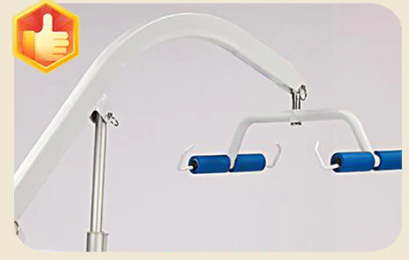
Confirm that all hook safety locks function properly.
Test the hydraulic system for smooth lifting and lowering.
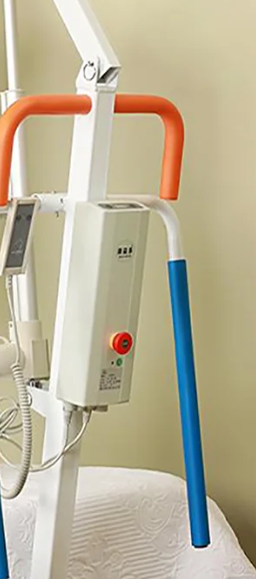
Inspect the stability of the lift base.
Ensure the wheels rotate flexibly and the brakes work effectively.
User Preparation
Explain the transfer process to gain understanding and cooperation.
Confirm the user is in a comfortable body position.
Check that the user’s clothing is smooth and free of wrinkles.
Ensure the user is mentally prepared.
Standardized Transfer Process
Step 1: Sling Placement
Assist the user to sit upright in the wheelchair.
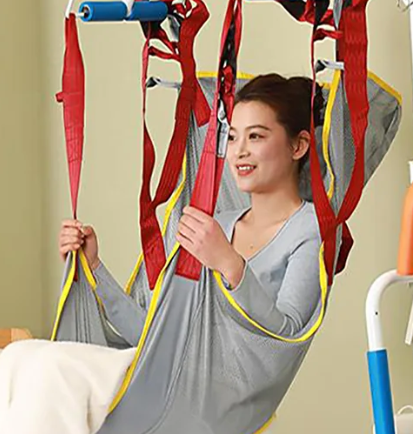
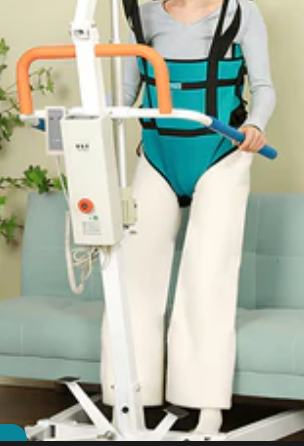
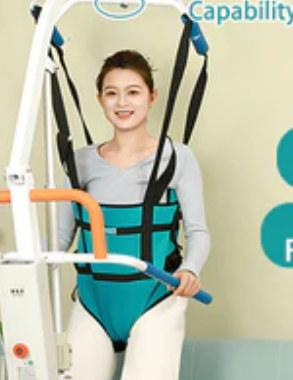
Place the sling downward from the user’s back, hoyer lift from wheelchair ensuring it fully covers the buttocks and back.
Pass the leg straps of the sling under each thigh respectively.
Adjust the sling position to ensure even weight distribution.
Step 2: Equipment Positioning
Push the lift close to the wheelchair at a 30–45 degree angle.
Step on the brakes of all wheels to secure the equipment.
Adjust the boom to be directly above the user.
Confirm the base is stable and does not wobble.
Step 3: Connection Check
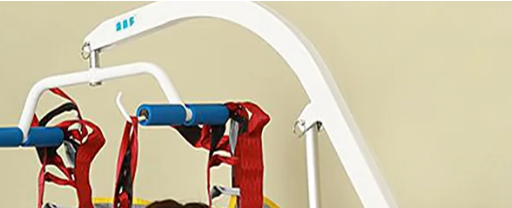
Connect the sling following the "far-to-near" principle.
Double-check that all hooks are fully locked.
Ensure the four corners of the sling bear weight evenly.
Check if the sling position is comfortable for the user.
Step 4: Stable Lifting
Operate slowly to lift the user off the wheelchair seat.
First lift slightly to check the balance.
Lift steadily to a sufficiently safe height.
Confirm the user’s posture is comfortable and stable.
Step 5: Safe Transfer
Release the brakes and push the equipment smoothly.
Maintain a constant moving speed and avoid sudden stops or starts.
Accurately move the user to a position above the target location.
Use the boom’s telescopic function to fine-tune the position (if available).
Step 6: Precise Lowering
Lower slowly to allow the user to contact the target seat.
Unfasten the hooks once the user’s sitting posture is confirmed stable and comfortable.
Disconnect in the order of "near-to-far".
Assist in adjusting the user’s final sitting position.
Handling Techniques for Special Scenarios
Transfer of Patients with Hemiplegia
Slightly shift the lifting point toward the affected side to maintain balance.
Pay special attention to the placement of the affected limb.
Use auxiliary pads to support the affected side of the body.
The caregiver stands on the affected side to provide additional protection.
Transfer of Obese Users
Use a heavy-duty specialized lift model.
Select a widened and reinforced specialized sling.
Arrange for two caregivers to operate collaboratively.
Adopt a phased lifting method with rest breaks.
Space-Constrained Environments
Choose a base model with adjustable width.
Adjust furniture positions in advance to create space.
Use the boom’s telescopic function for precise positioning.
Consider using a more compact sling style.
Safety Standards and Risk Prevention
Absolute Prohibitions
Exceeding the equipment’s rated load capacity.
Operating on sloped or slippery floors.
Using damaged or defective slings.
Leaving a suspended user unattended.
Operating without locking the brakes.
Skin Protection Measures
Place soft cotton clothing between the sling and the user’s skin.
Check the skin condition of pressure-bearing areas after each transfer.
Regularly change the weight-bearing points of the sling.
Select wide, soft specialized slings.
Emergency Preparation Plan
Familiarize yourself with the emergency lowering operation procedure.
Master the process for handling unexpected situations.
Keep emergency contact numbers accessible.
Conduct regular emergency drills.
Advanced Techniques to Improve Care Quality
Key Points for Posture Management
Adjust the user’s sitting position immediately after transfer.
Use cushions to provide appropriate support.
Ensure the user’s feet rest stably on the footrests.
Regularly change the sitting posture to prevent pressure sores.
Psychological Support Methods
Maintain gentle communication throughout the process.
Perform operations with a calm and confident attitude.
Give the user a sufficient sense of control over the process.
Respond promptly to the user’s needs and concerns.
Efficiency Optimization Strategies
Develop a personalized transfer plan.
Establish a standardized operation process.
Reasonably plan the daily transfer schedule.
Keep the equipment in optimal standby condition.
Equipment Selection and Maintenance Guide
Lift Type Selection
Manual hydraulic type: hoyer lift from wheelchair Economical and practical, with simple maintenance.
Electric type: Effort-saving operation and stable lifting/lowering.
Compact type: Suitable for living environments with limited space.
Sling Selection Points
Seated sling: The most commonly used type for wheelchair transfers.
Full-support sling: Suitable for users with poor trunk control.
Toileting/bathing sling: Mesh material, suitable for toileting needs.
Daily Maintenance Plan
Clean and disinfect the equipment after each use.
Check the sling for wear weekly.
Test the hydraulic system and safety devices monthly.
Conduct professional inspection and maintenance annually.
Conclusion
Mastering the wheelchair transfer technology with a Hoyer Lift is the key to transforming daily care from a heavy task into a professional art. hoyer lift from wheelchair Through standardized processes, strict safety standards, and humanized operations, every transfer can become a safe, comfortable, and respectful experience. Remember, the best care is not only reflected in the precision of technology but also in the protection of the user’s dignity and attentive attention to their needs. Investing time in learning the correct operation method provides the most solid guarantee for the safety and comfort of you and your loved ones.