Category: Electric Transfer Chair
Posted by 2025-12-27 11:12
hoyer lift from bed to toilet

Hoyer Lift from Bed to Toilet: A Safe, Private, and Dignified Transfer Solution for Toileting Needs
For elderly individuals with limited mobility, post-surgery recovery patients, or people with severe disabilities, transferring from bed to toilet (bed-to-toilet transfer) is a frequent yet sensitive key part of daily life. This process not only relates to basic physiological needs but also directly impacts the user’s dignity, comfort, and mental health. However, relying on manual lifting to complete this transfer is not only inefficient but also highly likely to cause low back strain in caregivers, and even risks such as falls, skin injuries, or privacy exposure for the user.
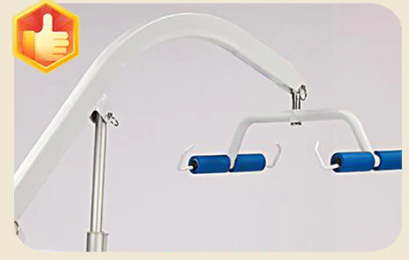
The Hoyer Lift, with its mechanical lifting system and specialized slings, provides a safe, stable, and privacy-respecting solution for this challenging transfer. hoyer lift from bed to toilet Especially when used with a dedicated toileting sling, the Hoyer Lift enables transfer without removing clothing, truly achieving "barrier-free toileting." This article will delve into the full process of Hoyer-assisted bed-to-toilet transfers, key equipment selection points, and operational techniques to help caregivers improve care quality and safeguard the user’s dignity and safety.
Why Is Bed-to-Toilet Transfer So Unique?
Unlike other transfer scenarios, toileting transfers present several unique challenges. First, toilets are usually located in small bathrooms with limited space and difficult maneuvering. Second, the user needs to maintain a stable sitting position on the toilet, and the sling must allow for toileting functionality. Third, the entire process involves high privacy requirements, demanding quick operations with minimal clothing disruption.
Traditional manual lifting is particularly risky in this scenario—bending, twisting, and one-sided weight-bearing easily cause acute low back injuries in caregivers. For users, being assisted by multiple people to remove pants and having their body exposed for extended periods can easily lead to feelings of shame and psychological resistance. Therefore, an efficient, private, and independent transfer solution is particularly important.
How Does a Hoyer Lift Enable Safe Bed-to-Toilet Transfers?
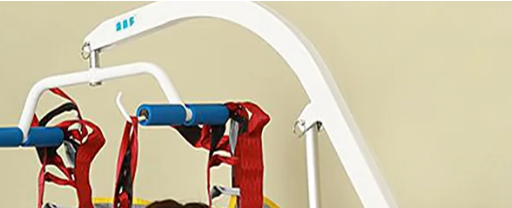
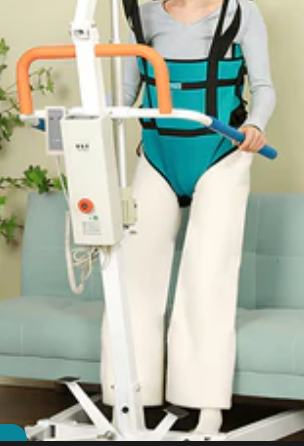
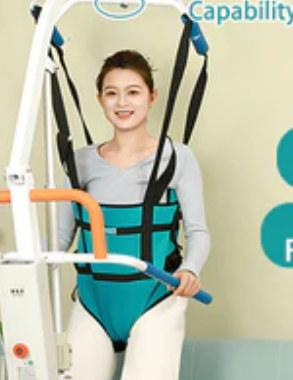
The core lies in the coordination between a dedicated toileting sling and a flexible lifting unit. Toileting slings feature a unique "U-shaped" or "open-crotch" design with a sufficient opening in the middle, allowing the user to use the toilet without removing pants. The sides of the sling support the hips and thighs to ensure a stable sitting position while avoiding pressure on the perineal area.
During operation, the caregiver first helps the user put on the toileting sling by the bed. Then, the Hoyer Lift lifts the user vertically, rotates smoothly into the bathroom, and lowers them precisely onto the toilet. The entire process typically takes only 3 to 5 minutes, and the user remains fully clothed for most of the time, greatly protecting privacy and dignity.
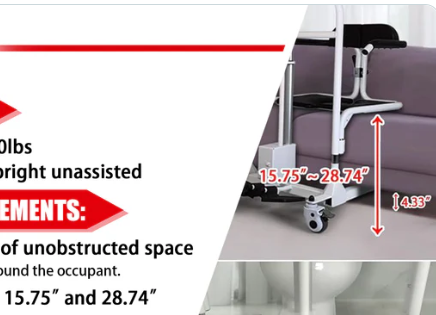
To adapt to small bathrooms, many modern Hoyer Lifts adopt a narrow-base design or foldable legs for flexible movement between doorways and sinks. Some high-end models also support 360-degree unrestricted rotation, further enhancing operational convenience.
Key Details of the Operational Process
A successful bed-to-toilet transfer starts with thorough preparation. First, ensure the bathroom floor is dry and non-slip, the toilet is stable and secure, and install grab bars if necessary to assist with getting up later. Push the Hoyer Lift to the bedside, extend its legs, and lock them to prevent wobbling during movement.
Assist the user to lean slightly forward, gently slide the toileting sling under their back, adjust the position of the leg straps to align the opening with the perineal area, hoyer lift from bed to toilet and fasten all connecting buckles securely. When starting the lift, raise the user slowly at a low speed to avoid discomfort from sudden acceleration. When passing through doorways or turning, pay attention to the distance between the boom and walls/door frames to prevent collisions.
After entering the bathroom, hover the user directly above the toilet and lower them slowly until they are seated securely. At this point, you can briefly leave to give the user privacy. If assistance with cleaning is needed, use the Hoyer Lift to raise the user again, switch to a standard full-body sling, and return them to the bed.
Maintain a calm tone and gentle movements throughout the operation, making the user feel respected rather than "handled."
Core Considerations for Equipment Selection
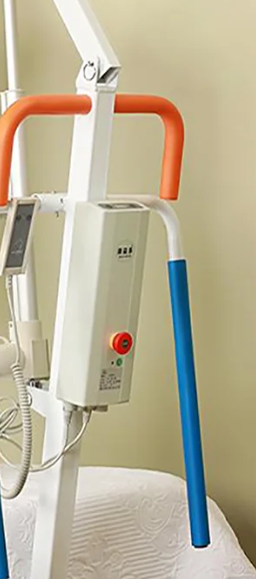
Not all Hoyer Lifts are suitable for toileting transfers. An ideal device should have sufficient lifting height to bridge the height difference between the bed and the toilet, a moderate base width for flexible operation in small spaces, and a stable power system that supports frequent starts and stops. Although electric models are more expensive, they are more labor-saving and reliable in the long run for families or institutions with high-frequency use needs.
The selection of the sling is equally critical. Be sure to choose a dedicated style clearly labeled "toileting" or "hygiene," and select the appropriate size based on the user’s body type. The sling material should be quick-drying, antibacterial, and machine-washable to ensure hygiene. Never replace it with a standard full-body sling, as this will eliminate the toileting function and defeat the original purpose.
In addition, it is recommended to prioritize well-known brands or medically certified products to ensure structural strength and safety redundancy. hoyer lift from bed to toilet Some Chinese manufacturers have launched cost-effective CE-certified Hoyer Lifts that support customized slings and voltage options, suitable for home users’ budgets.
True Significance: Beyond Functionality, Safeguarding Human Dignity
Hoyer Lift transfers from bed to toilet are far more than a technical operation. They allow people with disabilities to avoid shame related to toileting and free caregivers from the dilemma of physical exhaustion. In many families, the introduction of this equipment has significantly improved the user’s quality of life and even delayed the need for institutional care.
An elderly person with hemiplegia after a stroke once said: "Before, I had to trouble my children every time I used the toilet, and I felt like a burden. Now with this machine, I ‘fly’ over by myself, and they just press a button—I still have some dignity left." These words echo the feelings of countless users.
Conclusion
Using the toilet is a basic human right that should not be deprived due to physical limitations. The Hoyer Lift transfer solution from bed to toilet is a strong guarantee of this right. It replaces the strain of manual labor with mechanical precision and safeguards human dignity with thoughtful design. In today’s aging society, equipping your home with a suitable Hoyer Lift may be the most gentle and practical way to care for your loved ones.