Category: Patient Lifts
Posted by 2025-12-18 11:12
hoyer lift for bariatric patients
Bariatric Hoyer Lift: Providing Safe and Comfortable Transfer Solutions for Larger Patients
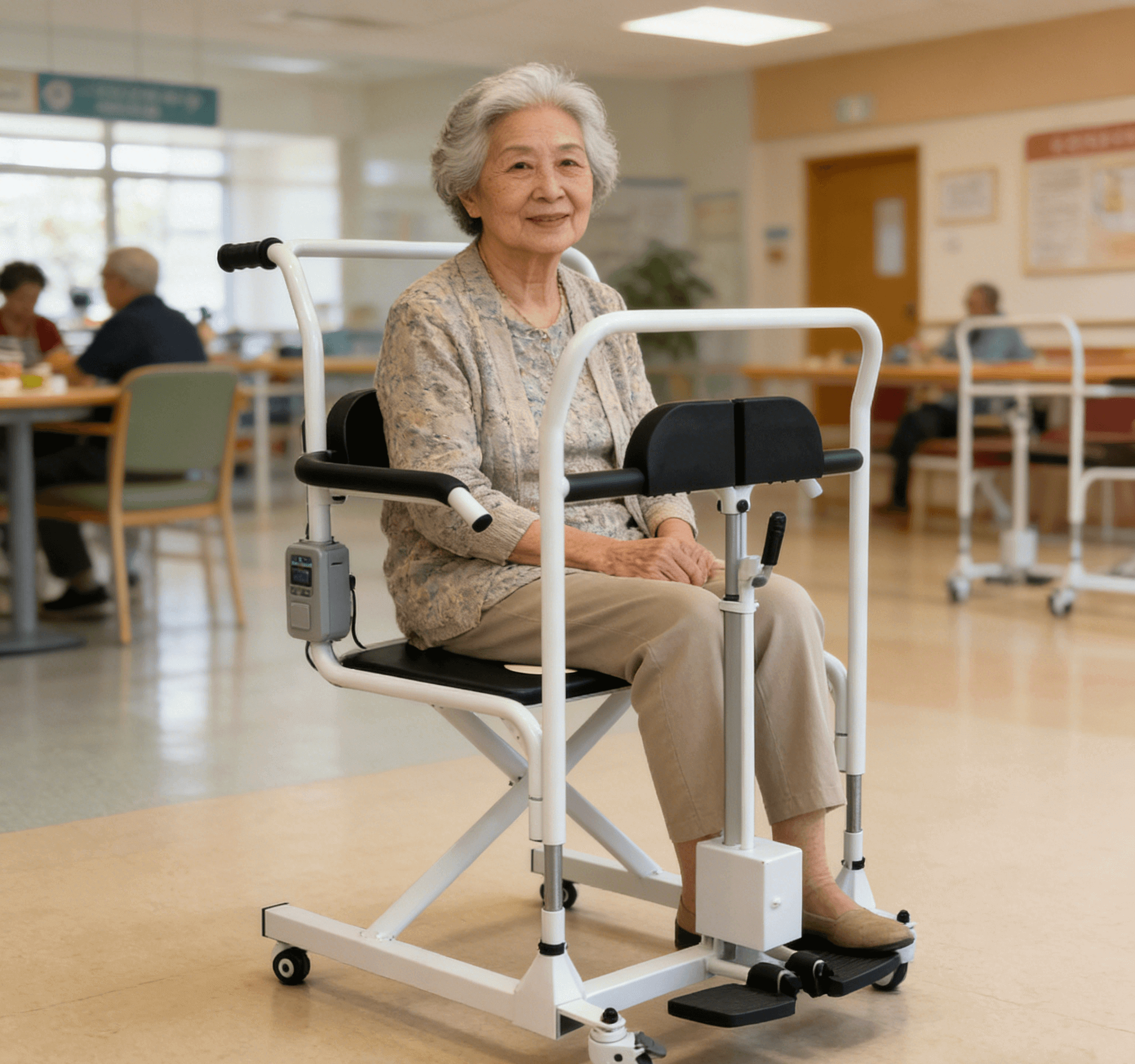
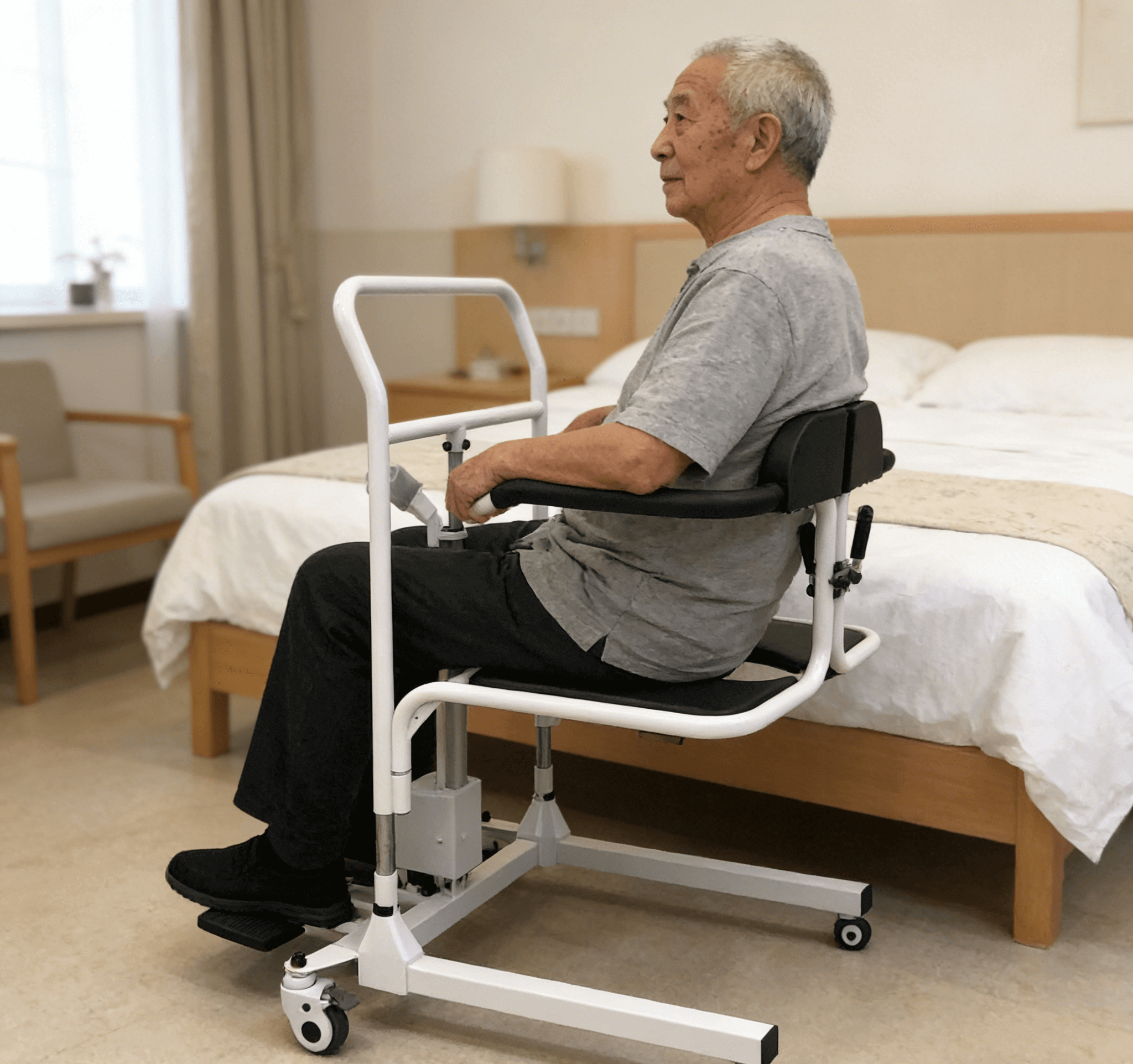
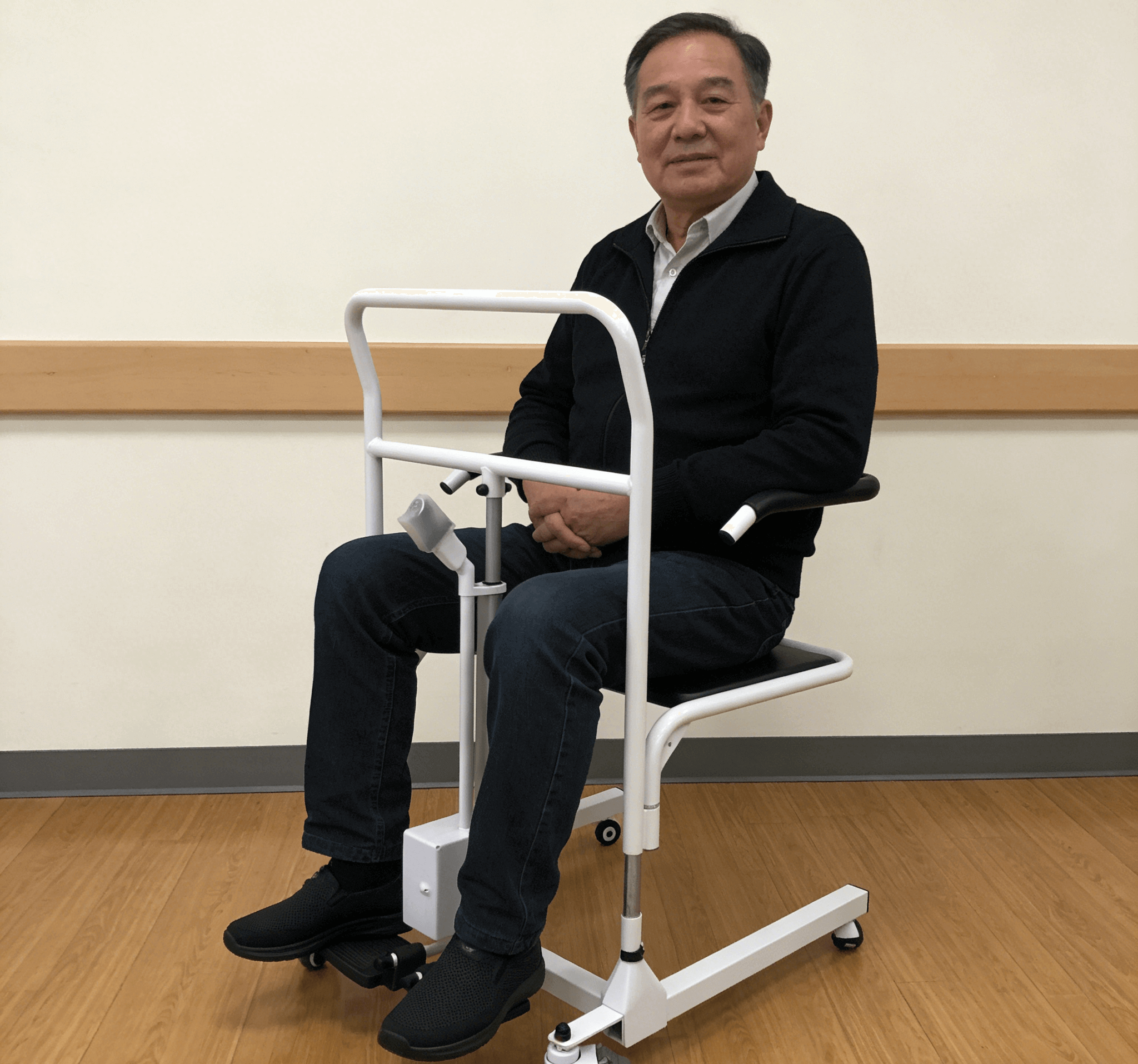
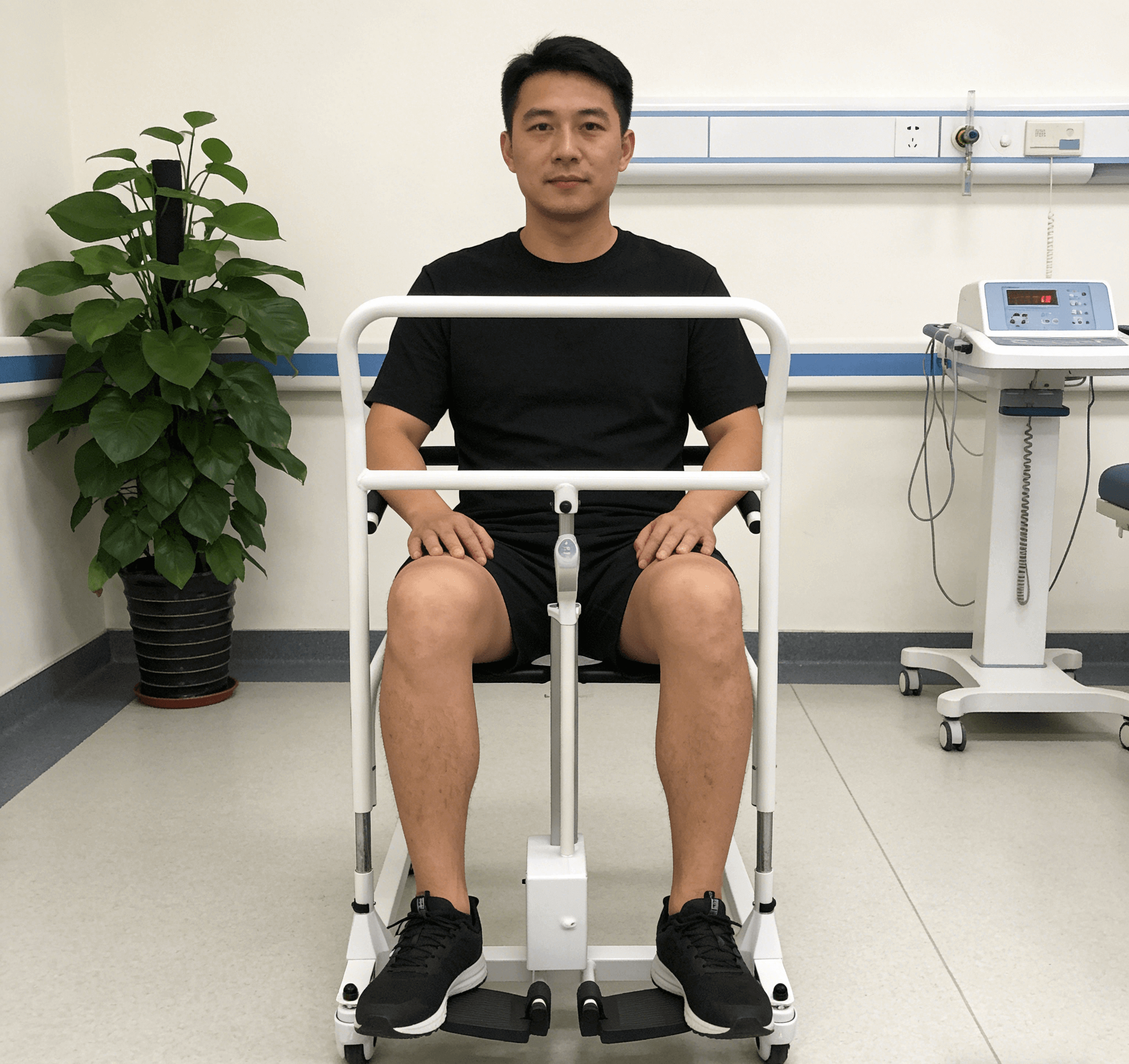
When caring for patients with larger body sizes (typically those weighing over 300 pounds/136 kilograms), traditional patient transfer methods are not only ineffective but also extremely dangerous. Bariatric Hoyer Lifts are specifically designed for the safe transfer of larger users. With a stronger structure, a more stable base, and higher weight-bearing capacity, they ensure the dual safety of both patients and caregivers.
Why Standard Lifts Are Unsuitable for Bariatric Patients?
Using standard lifts to transfer larger patients poses significant risks:
Equipment Failure: Motor overload, boom bending, or hydraulic system malfunction.
Stability Risks: Narrow bases may cause the entire device to tip over.
Safety Hazards: Standard hooks, slings, and harnesses may break under excessive weight.
Caregiver Injuries: Attempting to stabilize an out-of-control device or catch a falling patient can lead to severe harm.
Core Features of Bariatric Hoyer Lifts
When selecting bariatric equipment, look for the following key design elements:
1. High Weight-Bearing Capacity
Range: Genuine bariatric lifts typically have a minimum weight capacity of 400 pounds (181 kg), with common models ranging from 500 pounds (227 kg) to 1000 pounds (454 kg) or higher.
Selection Principle: The capacity of the selected device must exceed the user’s current weight with a sufficient margin (at least 20% more is recommended).
2. Reinforced Structure and Wider Base
Base: A wider and longer base is a hallmark of bariatric equipment. This provides crucial stability and prevents tipping during transfers.
Frame and Boom: Thicker steel and stronger weld points are used to withstand greater weight and stress.
3. Powerful Electric System
Lifts designed for bariatric patients must be electric. Manual hydraulic systems cannot safely or sustainably lift such heavy weights and place excessive demands on caregivers.
Motors are specially designed with higher torque and overload protection.
4. Dedicated Bariatric Slings
This is a non-negotiable accessory. Bariatric slings that match the lift’s capacity must be used.
Features:
Wider webbing and reinforced stitching.
Larger sizes to ensure comfortable wrapping around the user’s body.
More attachment points for better weight distribution.
Leg straps must be used to prevent the user from slipping out of the sling.
Selection Guide: Specifications to Consider
When evaluating a bariatric Hoyer Lift, carefully check the following:
Weight-Bearing Capacity: Confirm its maximum limit.
Base Size (When Fully Extended): Wider bases offer better stability. Ensure your home space can accommodate it.
Boom Type: H-shaped booms are preferred for bariatric care. With four-point support, they provide better stability and balance than I-shaped booms.
Power Source: Confirm it is electric and understand the battery life.
Best Practices for Safe Use of Bariatric Hoyer Lifts
1. Professional Assessment Is Mandatory
Consult an occupational therapist for a comprehensive home and environmental assessment. They can recommend the most suitable model and ensure your home layout allows for safe use of the equipment.
2. Thorough Equipment Inspection
Before each use, carefully check for signs of wear on the sling and ensure hooks and safety locks are in good condition. Bariatric equipment endures greater stress, so daily inspections are critical.
3. Emphasize Balance
Before lifting, take time to adjust the hooks to ensure the user is in a completely balanced position. Unbalanced loads pose risks to both the equipment and the user.
4. Smooth Operation
Avoid sudden starts or stops. Use the controller for smooth, slow operation.
5. Two-Person Collaboration Rule
For transferring bariatric patients, it is strongly recommended that two trained caregivers always operate the lift together. One person controls the equipment, while the other guides the user’s body and monitors safety.
6. Understand Emergency Procedures
Familiarize yourself with the location and operation of the manual release valve. In case of emergencies such as power outages, know how to safely lower the user.
Funding and Resource Support
Bariatric equipment is more costly, but support can be sought through the following channels:
Health Insurance: If medical necessity is proven, Medicare Part B or other insurance plans may cover part of the cost.
Medicaid: Coverage may be available depending on state-specific programs.
Manufacturer or Supplier Financing: Some companies offer payment plans.
Nonprofit Organizations: Certain organizations may provide equipment grants to individuals in need.
Conclusion
Investing in a suitable bariatric Hoyer Lift is a profound investment in patient safety, caregiver health, and overall care quality. Beyond "convenience," it is a necessary condition for providing safe and dignified care. By selecting equipment designed for heavy-duty tasks, adhering to strict safety protocols, and seeking professional guidance, you can create a safe and sustainable home care environment for your larger loved one—turning every transfer into a moment of reassurance rather than fear.