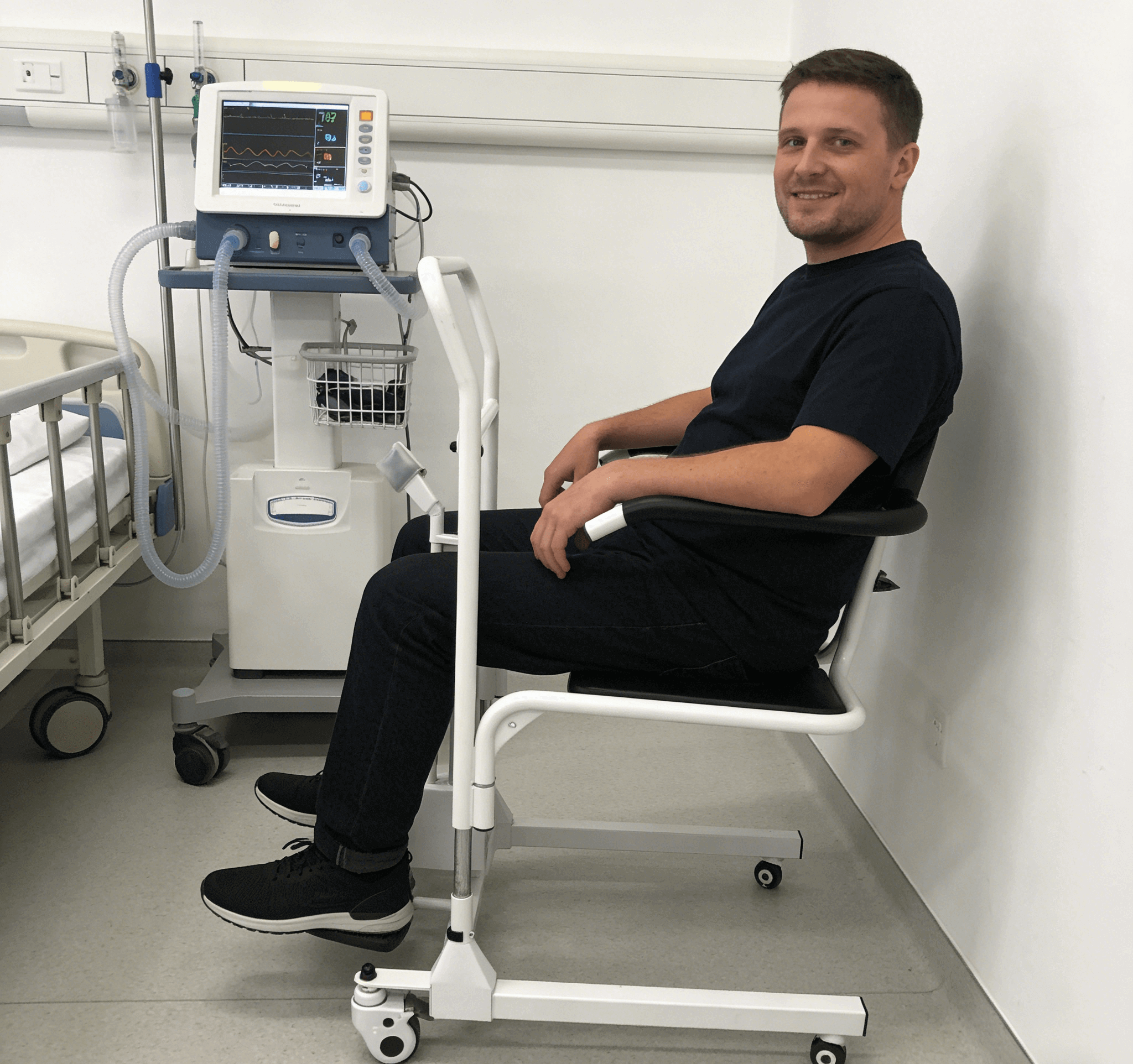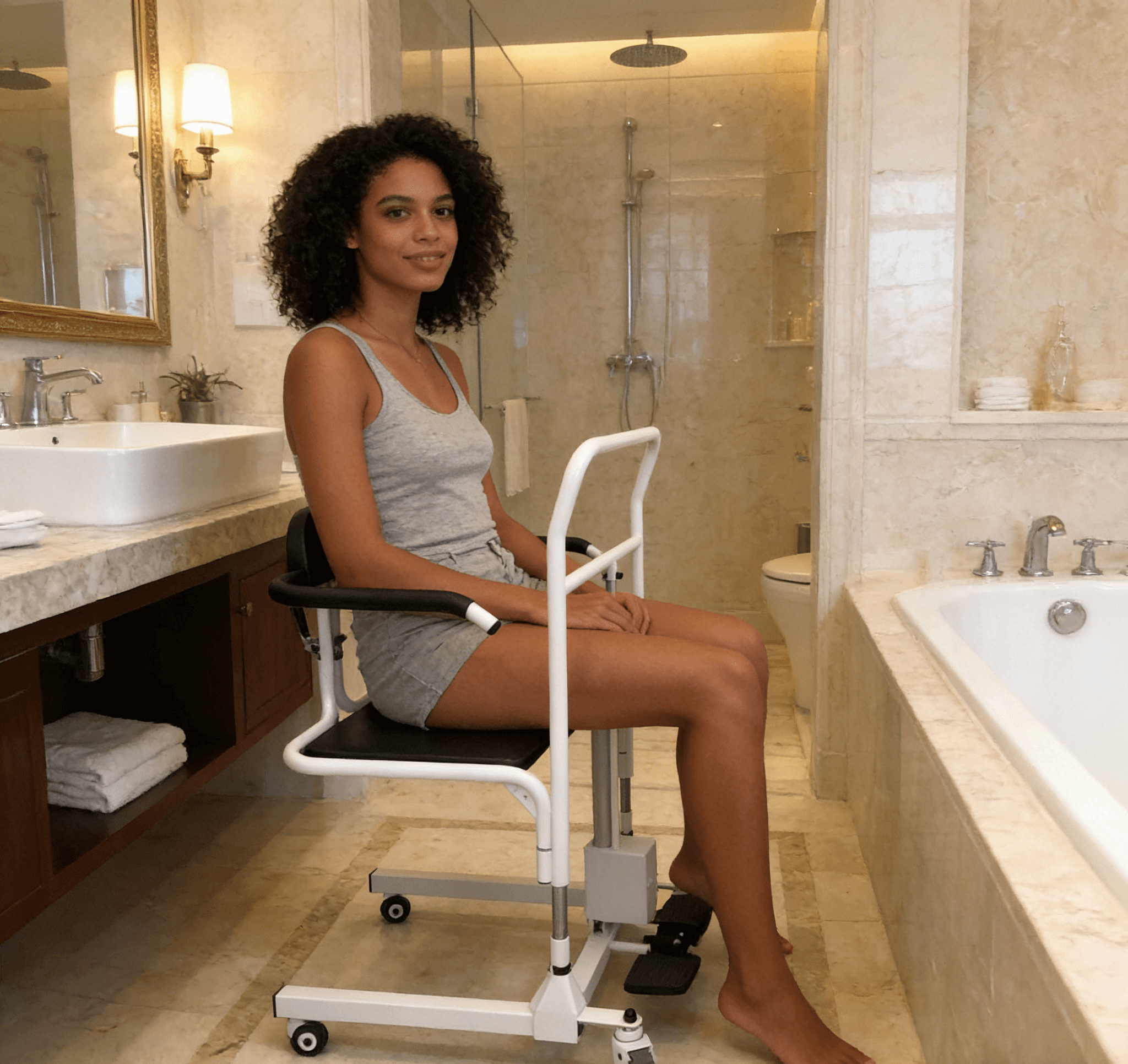
Category: Patient Lifts
Posted by 2025-12-18 11:12
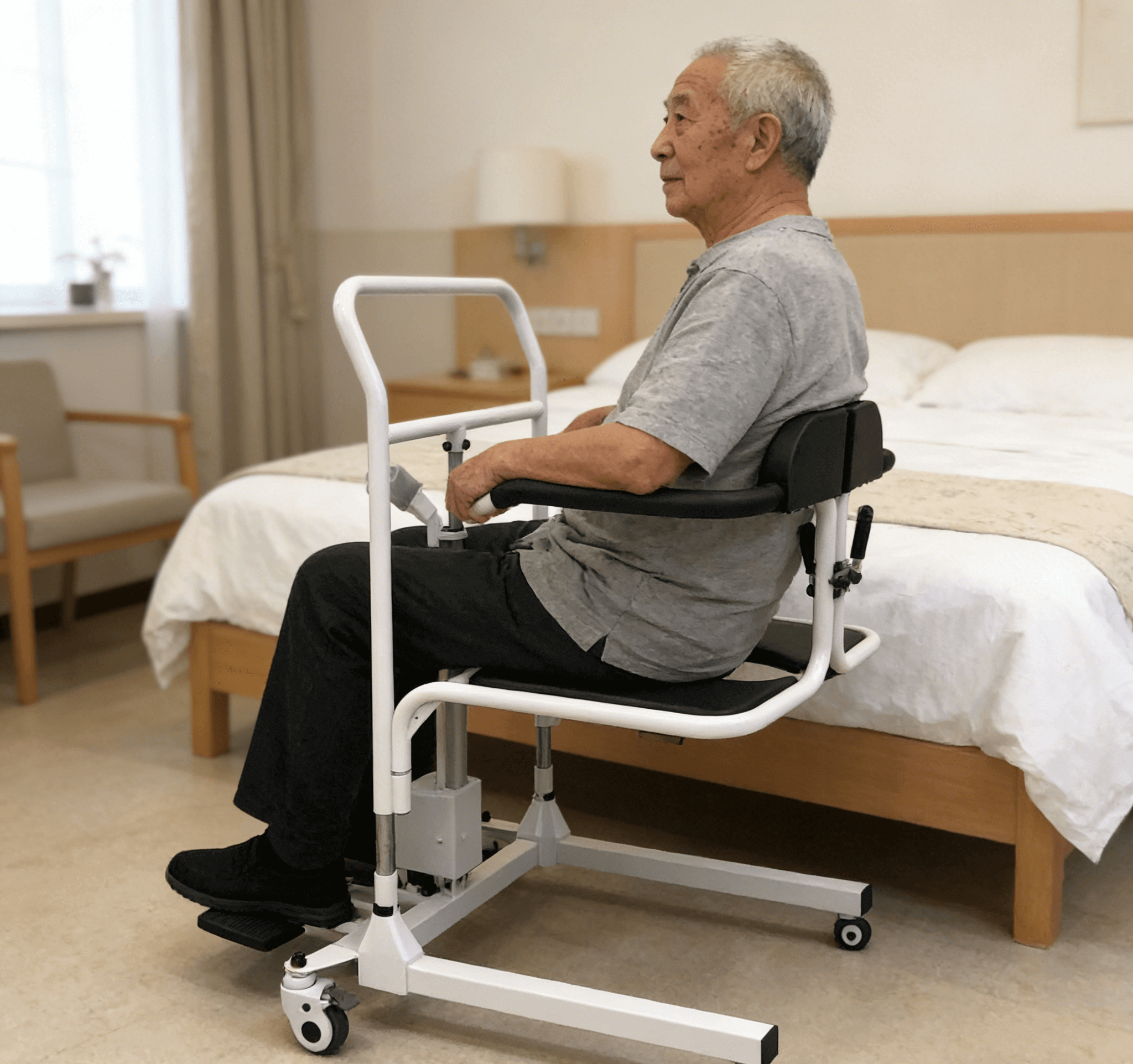
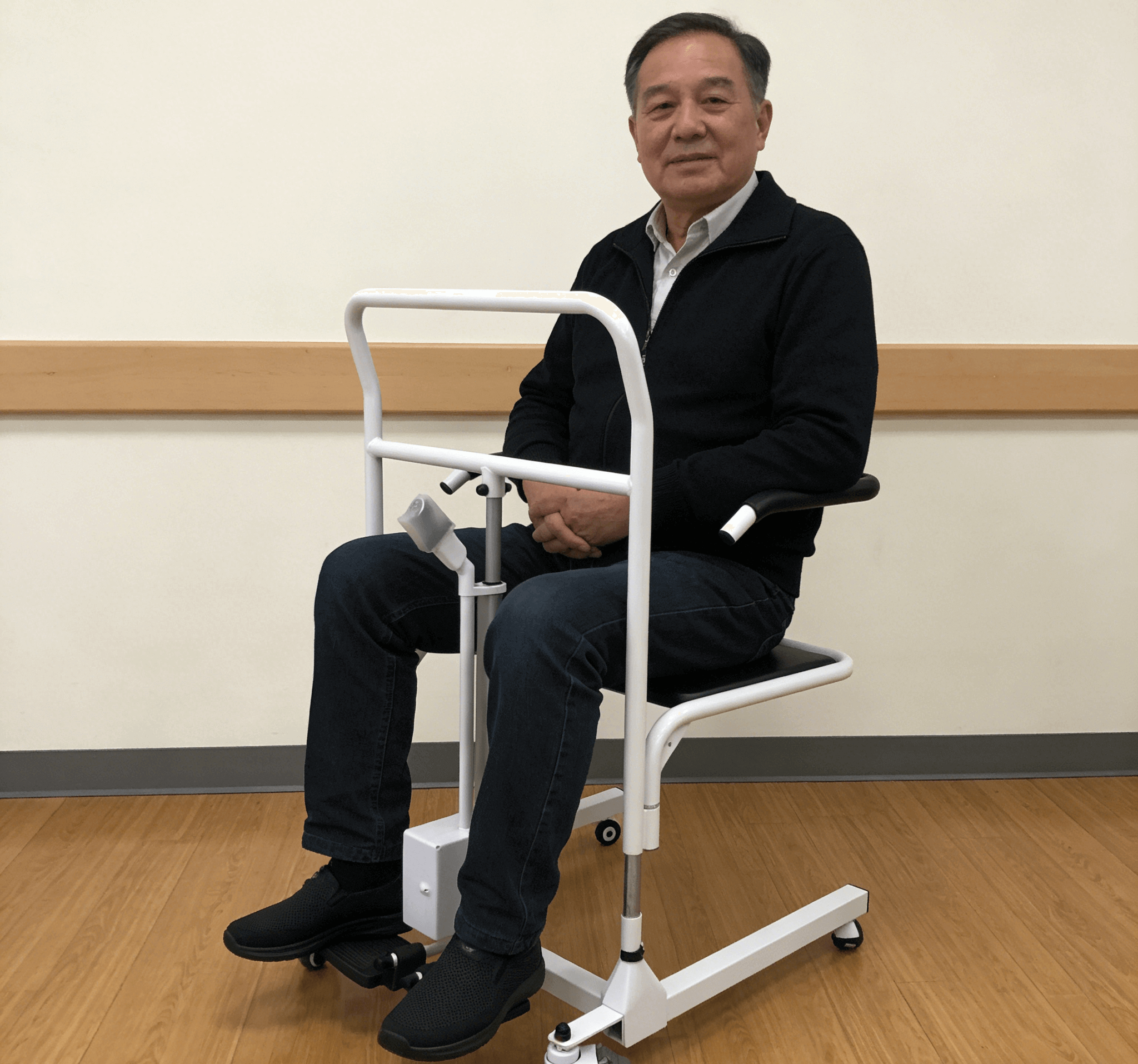
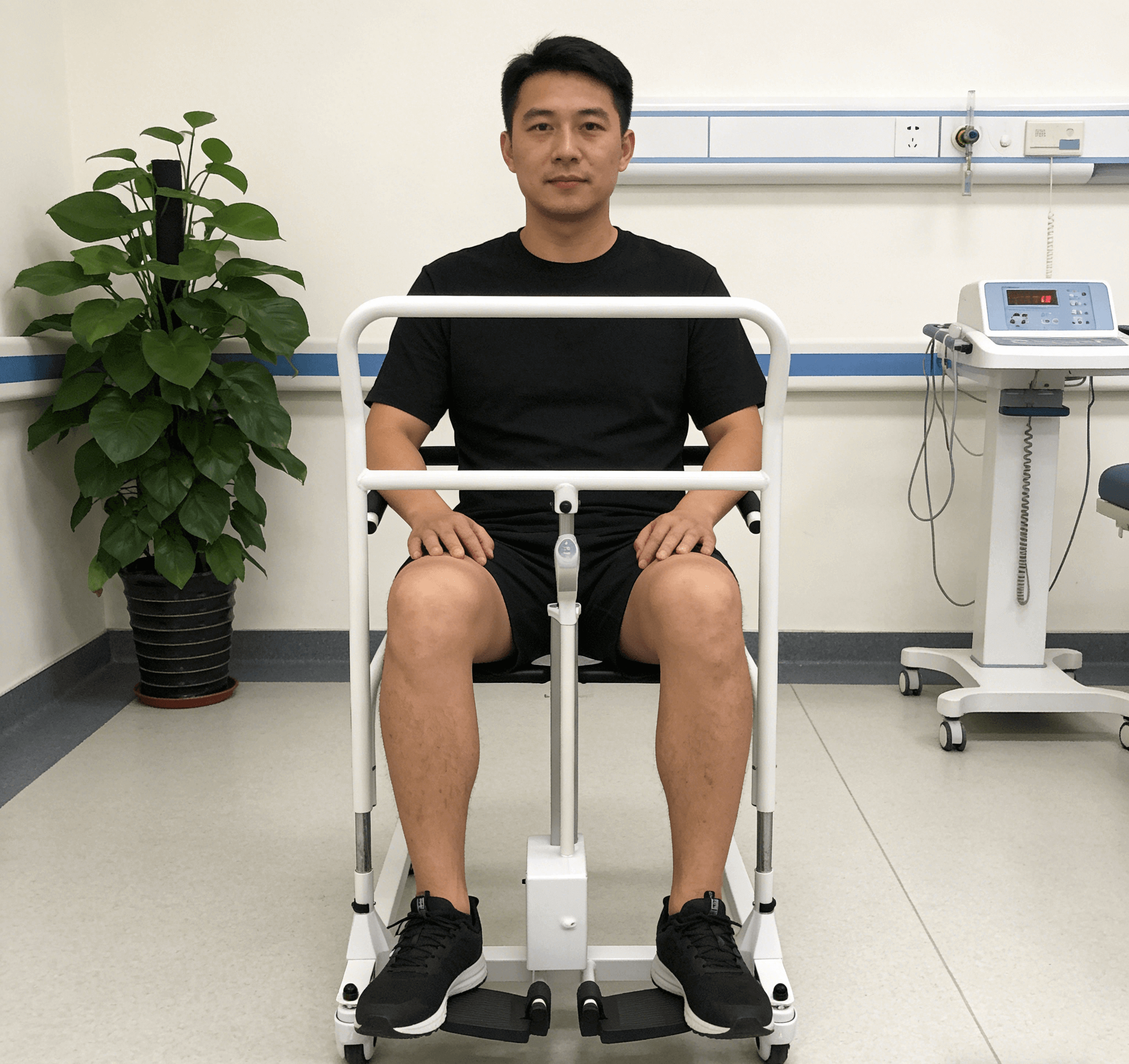
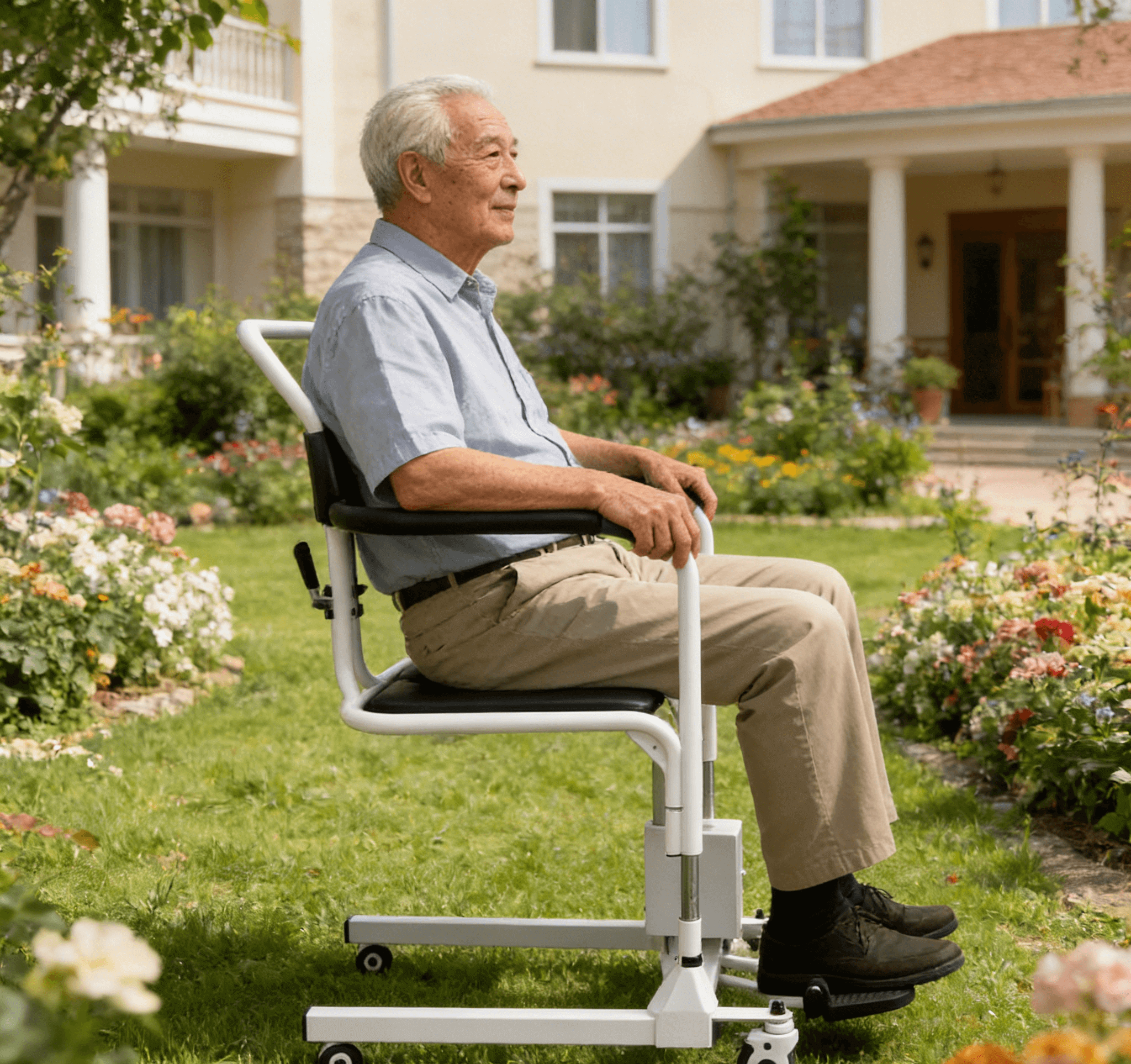
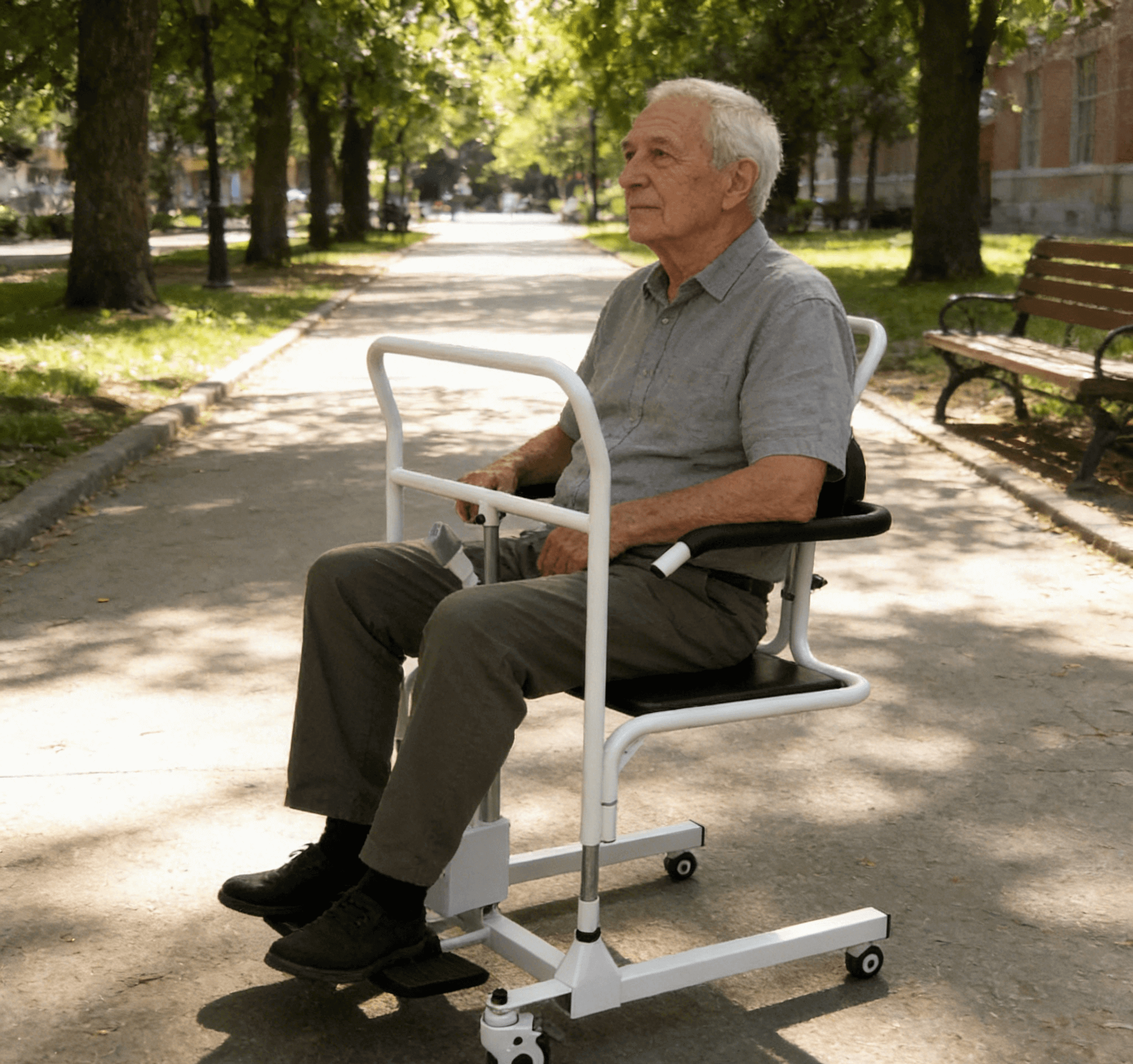
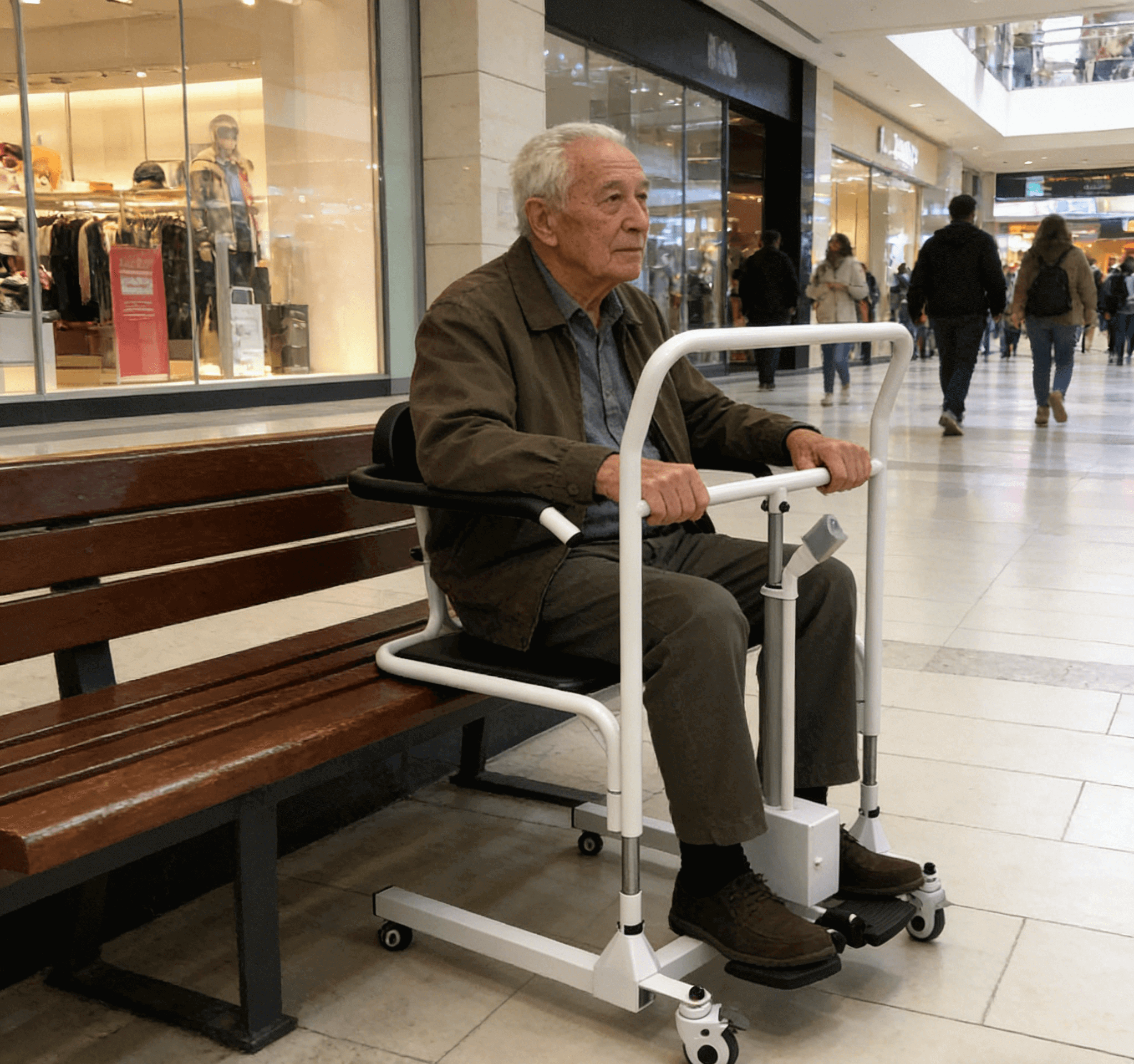
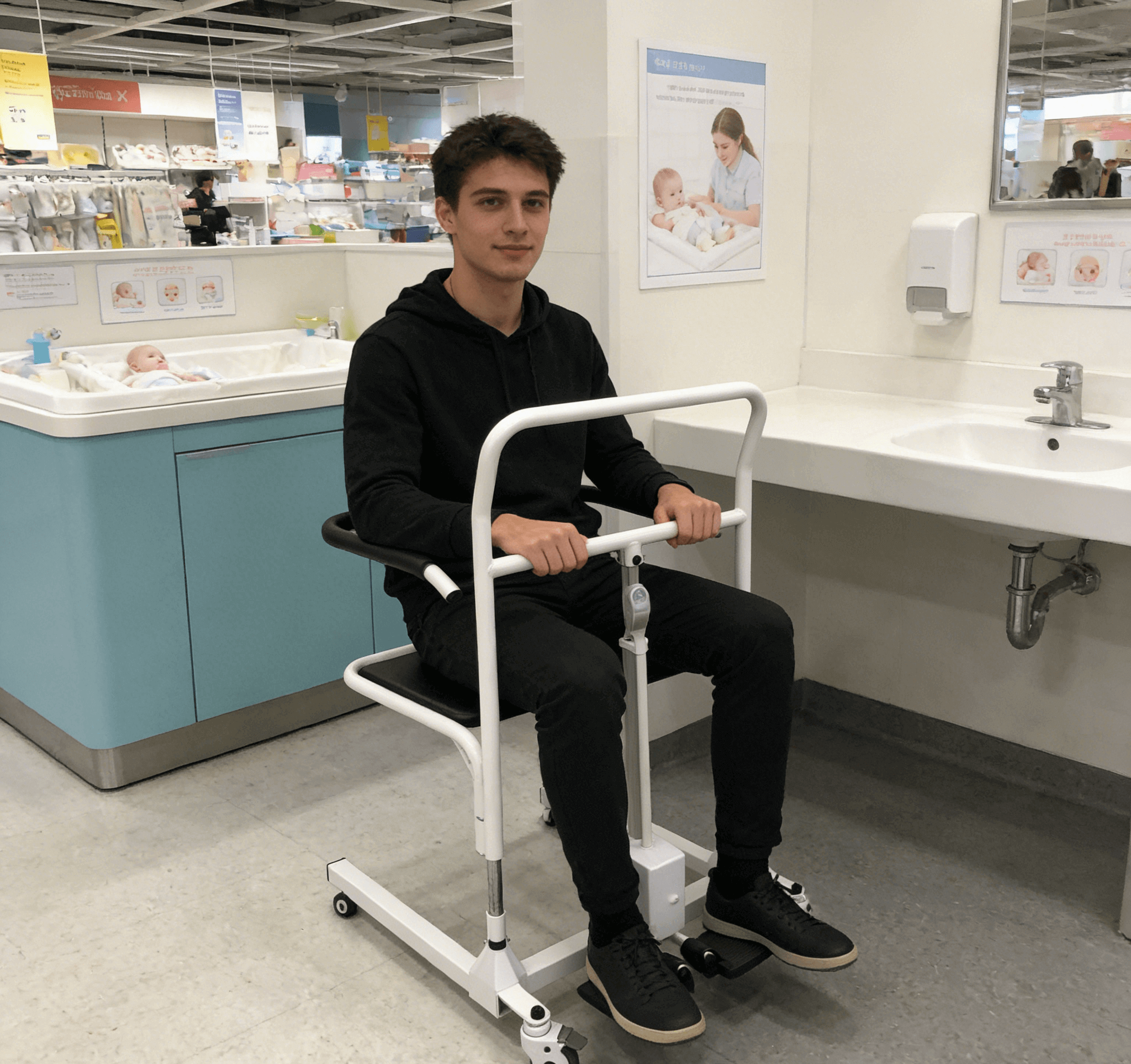
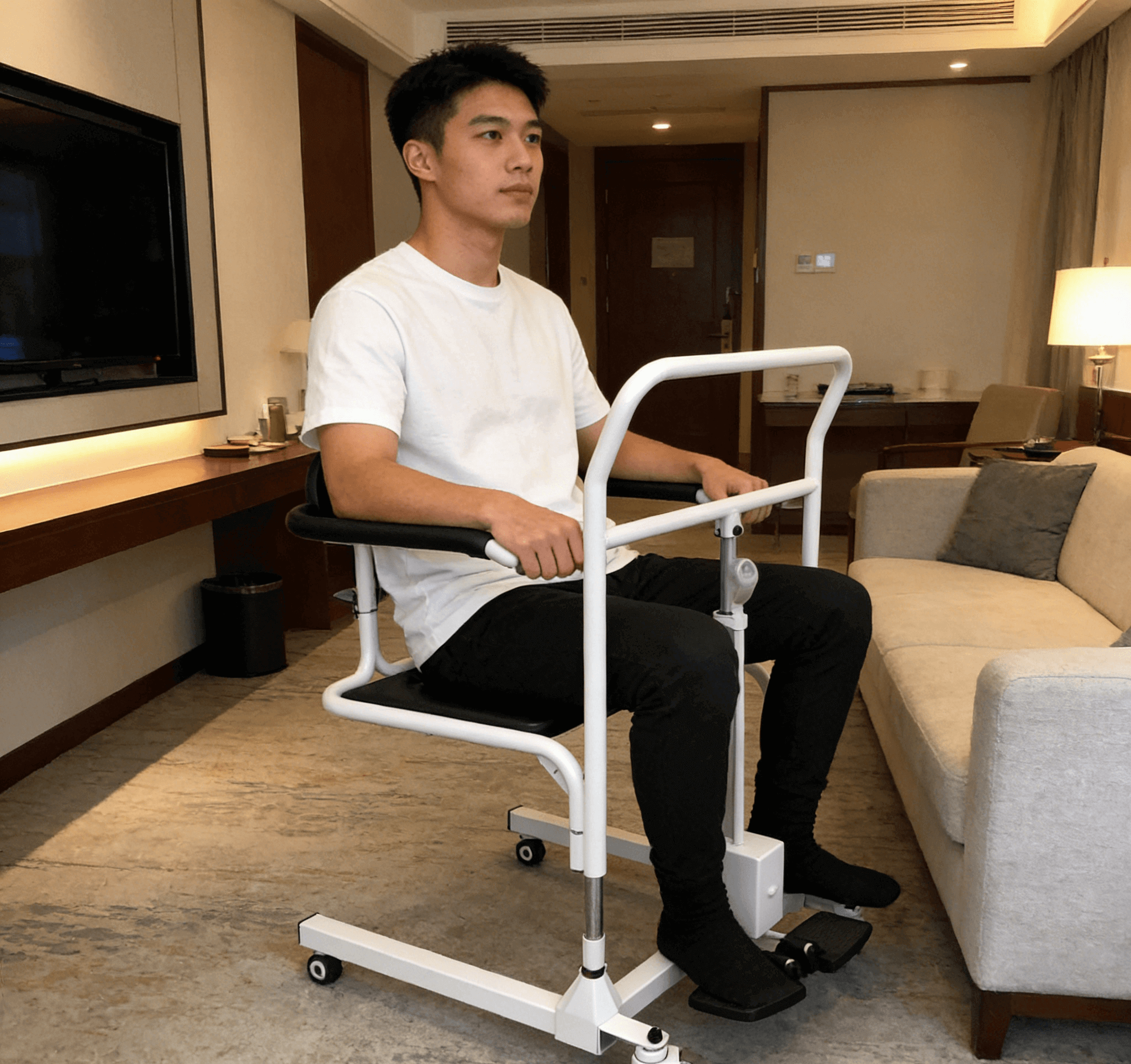
hoyer lift for a patient
Hoyer Lift for Patients: More Than a Transfer Tool, a Guardian of Safety and Dignity
In the daily routine of long-term care, transferring a patient who cannot move independently from a bed to a wheelchair, toilet, or shower chair may seem simple, but it is actually fraught with risks. An improper lift can cause lumbar injuries to the caregiver, and may also lead to skin tears, fractures, or even psychological trauma for the patient. Against this backdrop, the Hoyer Lift has become an indispensable safety barrier in the modern care system.
However, not all patients need it, and not all ways of using it are correct. This article will systematically explain for you: When should a Hoyer Lift be used for a patient? How to use it safely and with compassion?
I. Which Patients Truly Need a Hoyer Lift?
A Hoyer Lift is not "better to use as early as possible"; instead, it is a targeted intervention for specific functional states. The following situations usually constitute clear indications for its use:
✅ Clear Indications for Use:
Complete Disability: Conditions such as high-level spinal cord injury, advanced ALS (Amyotrophic Lateral Sclerosis), and severe post-stroke sequelae, where the patient cannot sit up or bear weight;
Severe Weakness: Patients in the advanced stages of cancer or end-stage heart failure, for whom even slight support can trigger difficulty breathing;
High Fall Risk + Inability to Cooperate: For example, patients with severe dementia accompanied by agitated behavior, who refuse or cannot understand transfer instructions;
Excessive Weight: Patients with a BMI ≥ 35 or weight > 100 kg, who cannot be safely lifted by a single person;
Fragile Skin or High Pressure Sore Risk: Patients with diabetes or those on long-term steroid use, who need to avoid dragging and friction.
❌ Contraindications or Situations Requiring Cautious Evaluation:
The patient can partially bear weight or stand with the help of mobility aids;
Severe osteoporosis without assessment of fracture risk;
Unstable fractures, dislocations, or early post-operative contraindications;
Extreme resistance from the patient, where forced use may trigger struggling and injury.