Category: Patient Lifts
Posted by 2025-12-25 11:12
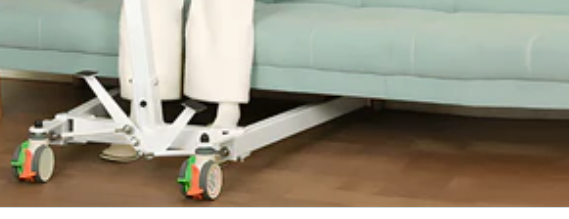
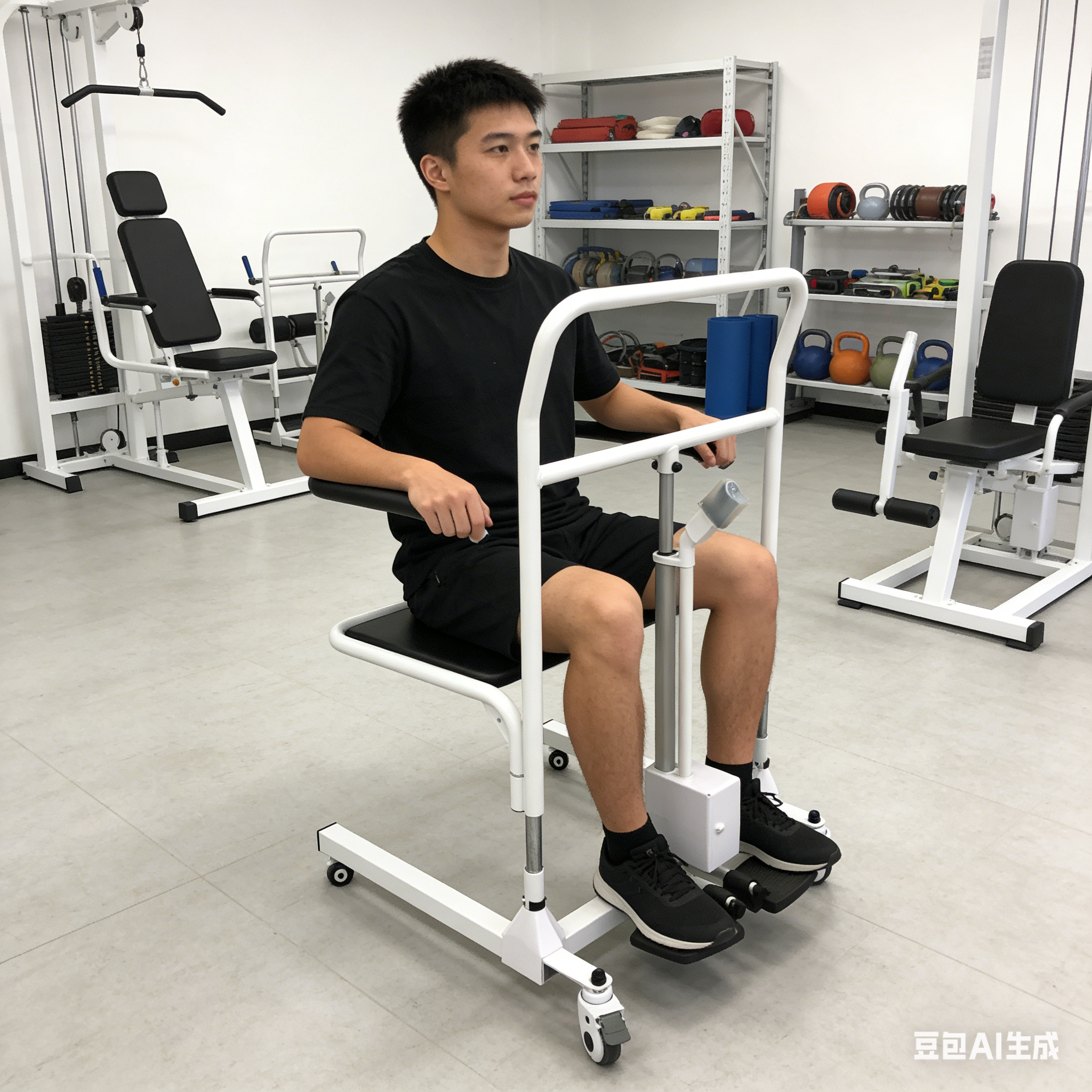
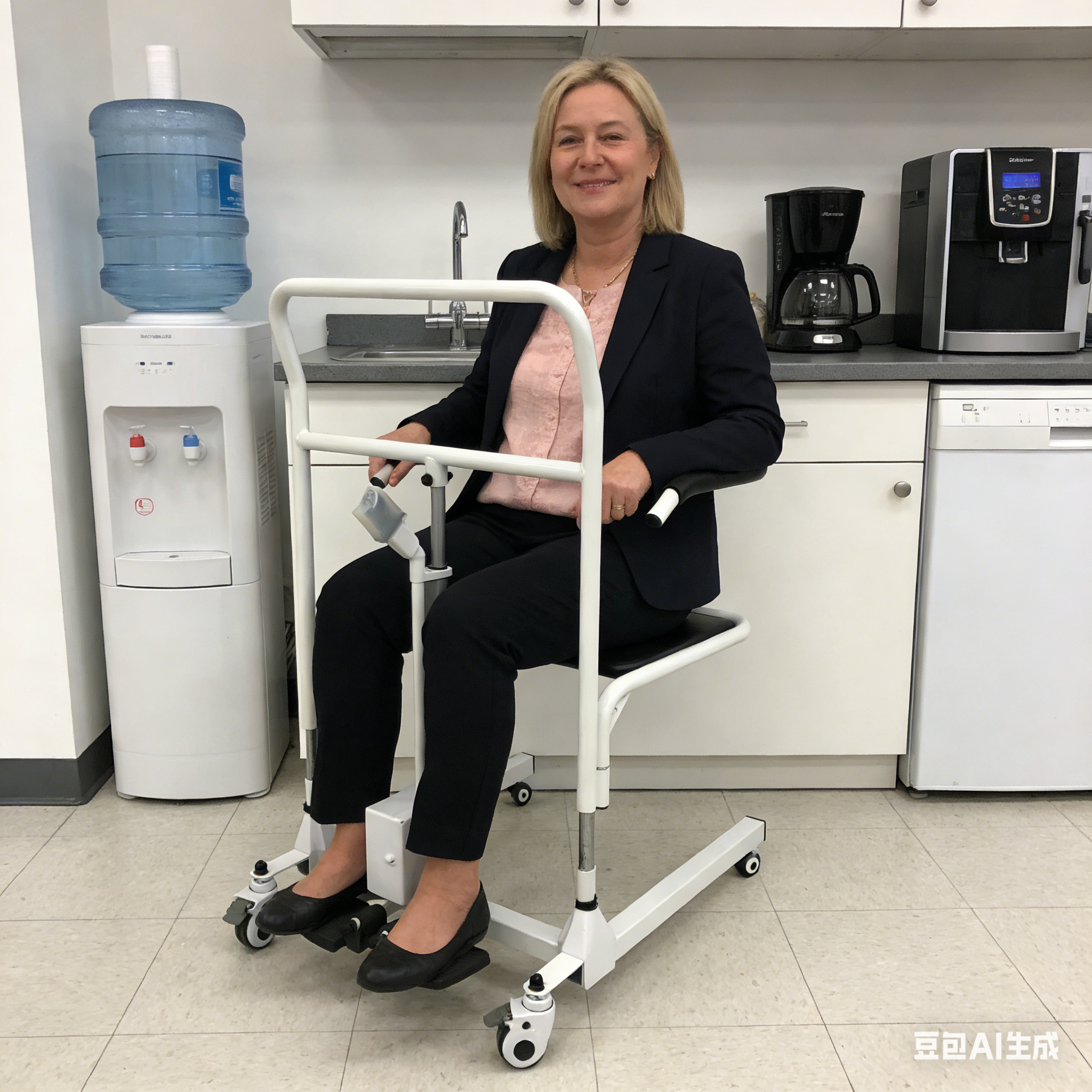
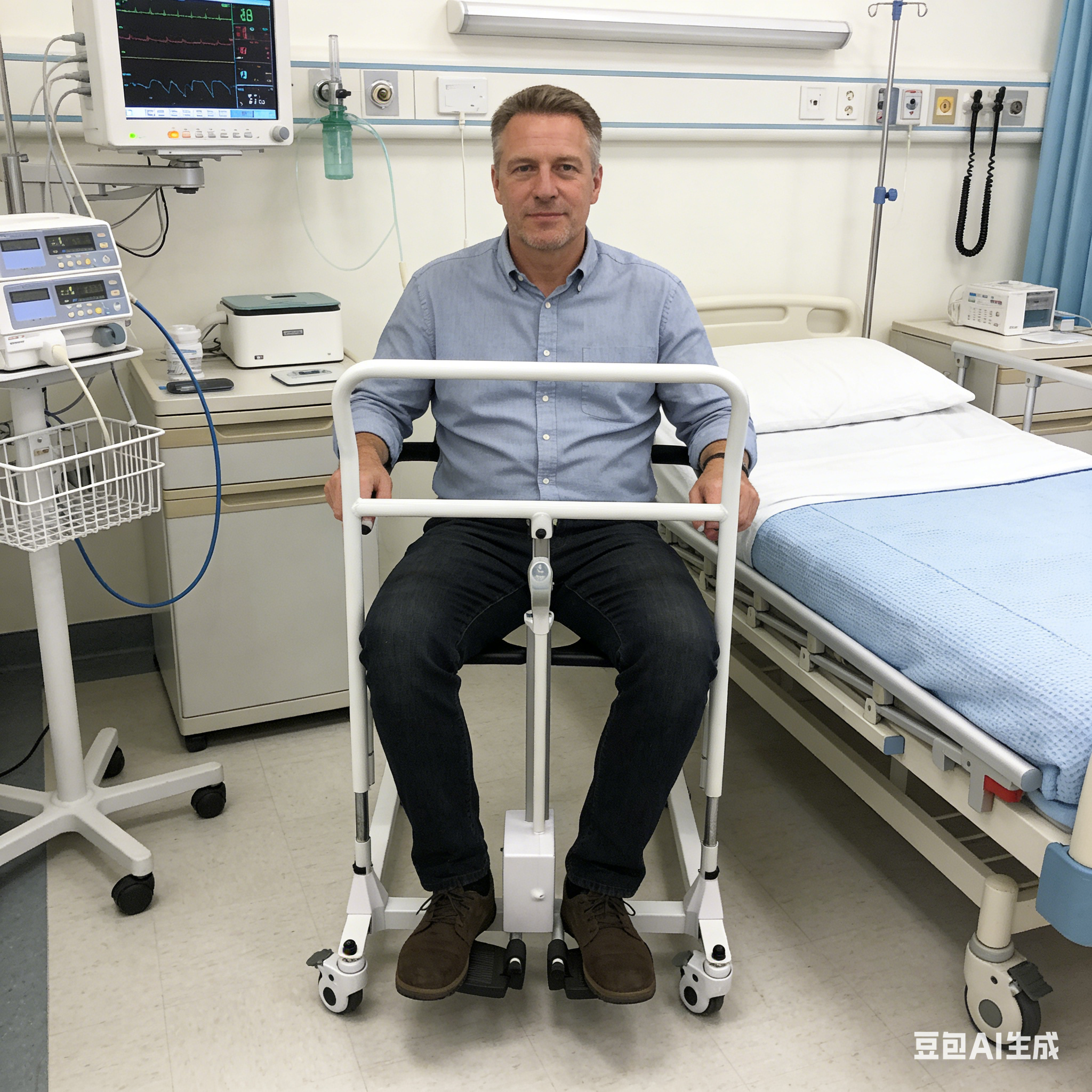
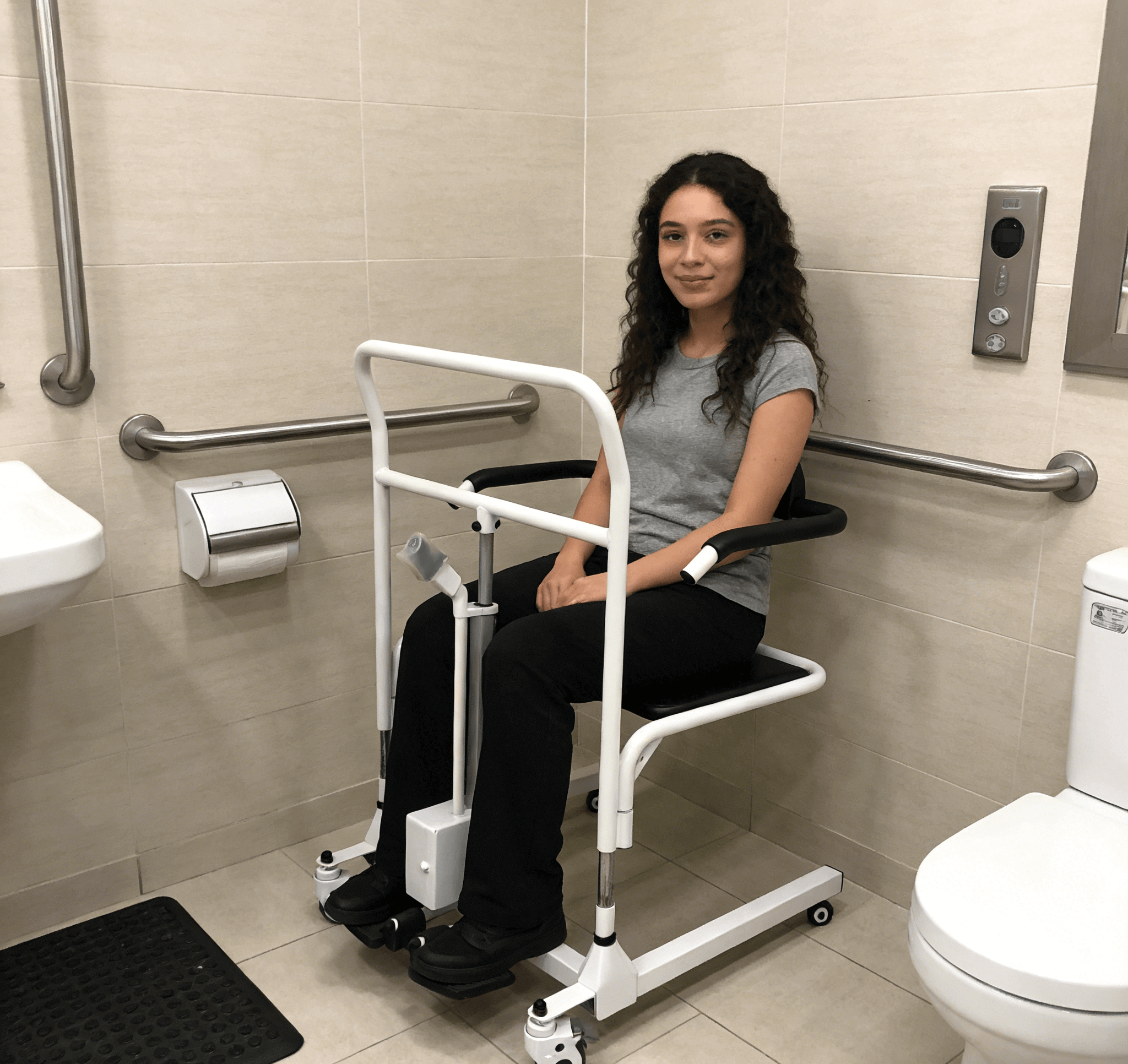
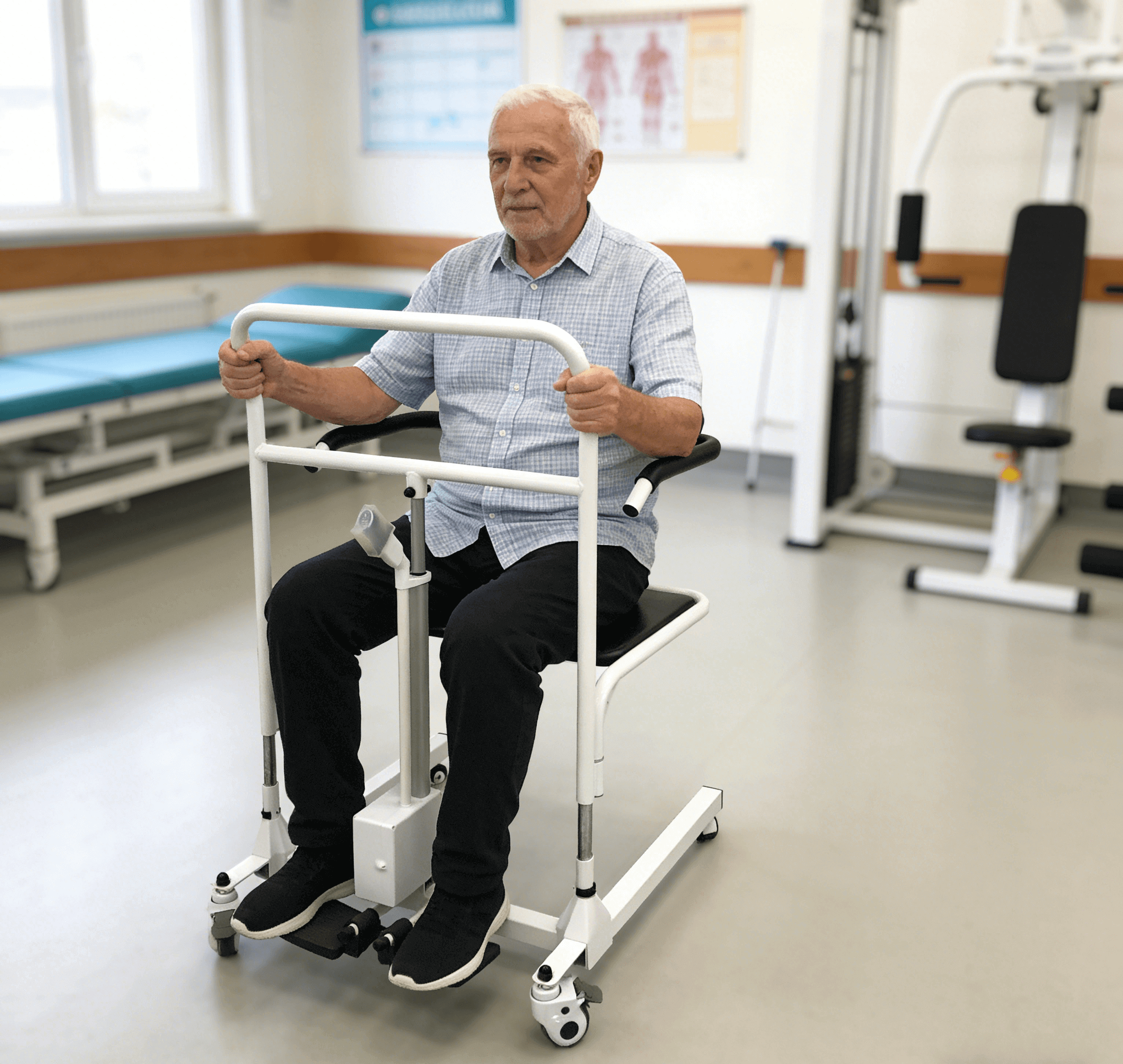
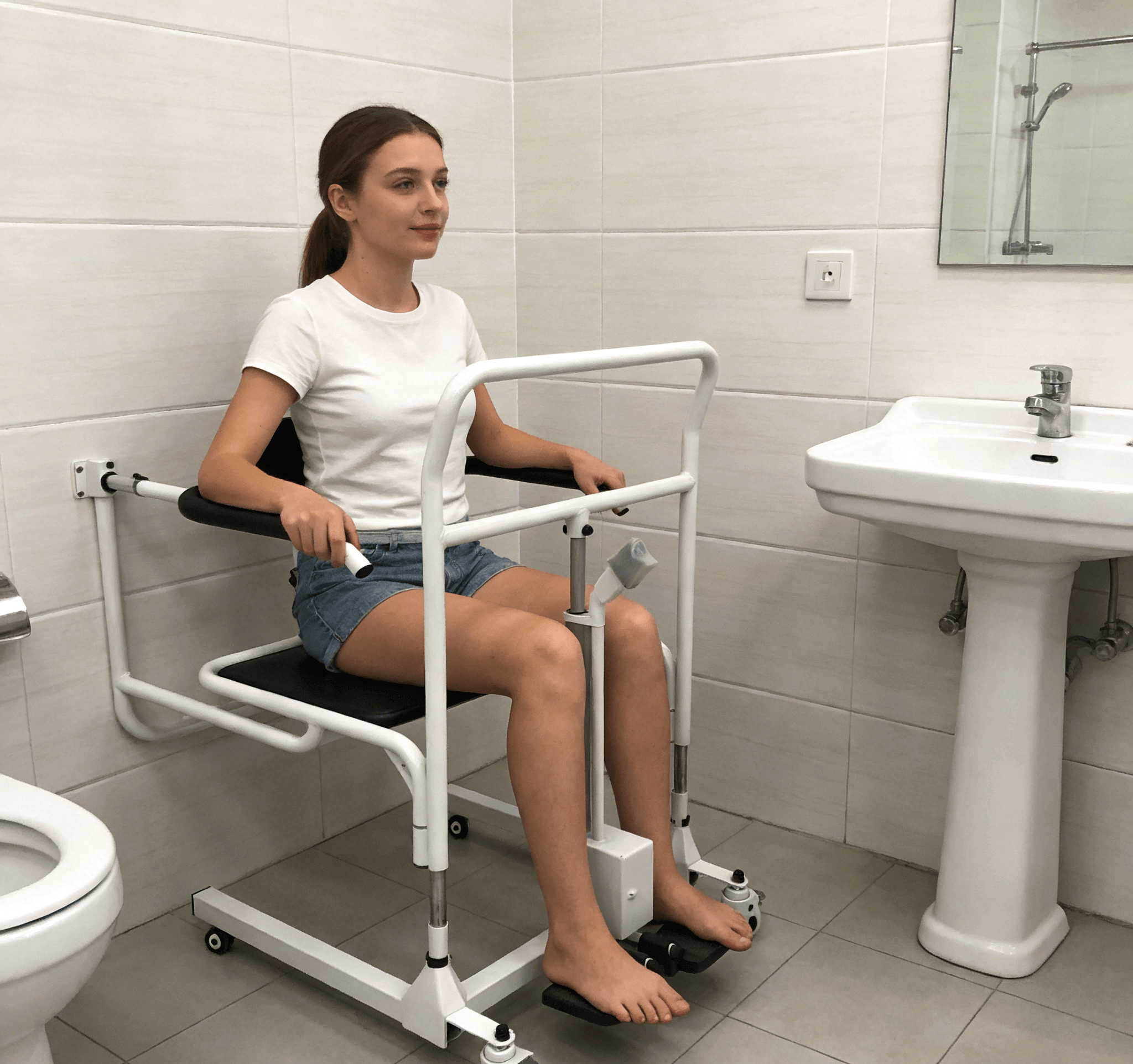
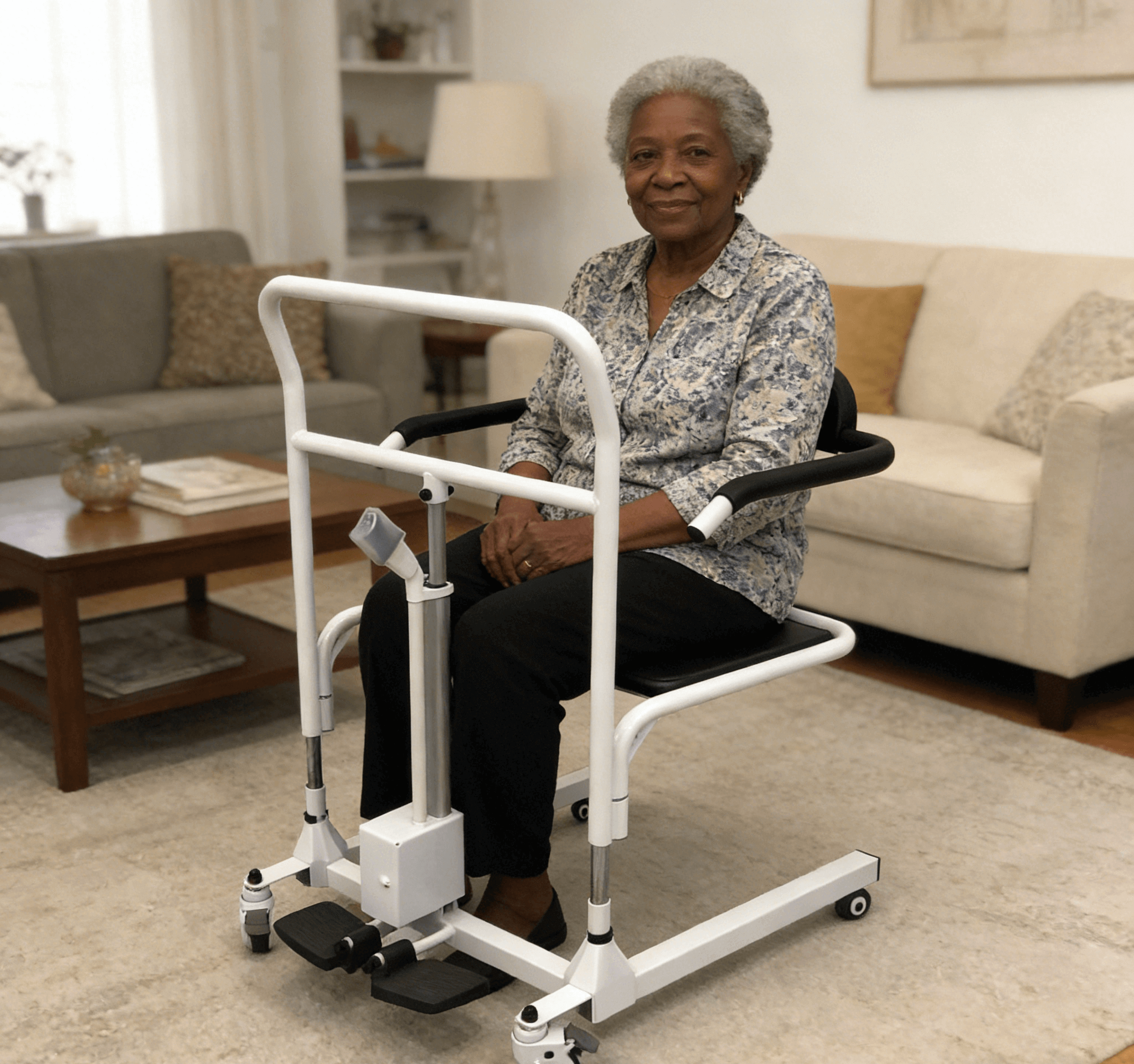
hoyer lift for transfers
Key Preparations Before Transfer
Environmental Assessment
Ensure the transfer path is unobstructed.
Check if the floor is dry and level.
Confirm that the target location (bed, wheelchair, toilet) is secured.
hoyer lift for transfers
hoyer lift for transfers
Equipment Inspection
Check if the sling has wear or tears.
Verify that all hooks and latches function properly.
Test the hydraulic system or electric functions.
Inspect the stability of the base.
Communication Preparation
Clearly explain the transfer steps to the user.
Ensure the user is in a comfortable physical position.
Confirm the user is mentally prepared for the transfer.
Standardized Transfer Process
1. Sling Placement Stage
Assist the user to lie on their side.
Spread the sling flat under the user’s back and buttocks.
Ensure the center line of the sling aligns with the user’s spine.
Help the user return to a supine position and arrange the leg straps of the sling.
2. Equipment Positioning Stage
Push the lift into position beside the bed at a 45-degree angle.
Step on the brakes to secure the wheels.
Adjust the boom to be directly above the user.
3. Connection Inspection Stage
Connect the sling following the "far-to-near" principle.
Double-check that all hooks are locked tightly.
Ensure the sling bears weight evenly.
4. Lifting and Transfer Stage
Slowly lift the user to an appropriate height.
Maintain the user’s body balance.
Steadily push the equipment to the target location.
5. Safe Lowering Stage
Slowly lower the user onto the target seat.
Confirm the user is in a stable sitting position.
Unfasten the hooks in the "near-to-far" order.
Handling Special Transfer Scenarios
Bed-to-Wheelchair Transfer
Position the wheelchair at a 30-degree angle to the bed.
Remove the wheelchair armrests in advance (if possible).
Be careful to avoid knee collisions.
Bathroom Transfer
Use a dedicated toileting/bathing sling.
Ensure there is sufficient operating space around the toilet.
Pay special attention to anti-slip measures.
Floor Rescue Transfer
A dedicated rescue sling must be used.
Seek assistance from a second person.
Follow the special rescue procedure.
Safety Standards and Risk Prevention
Absolutely Prohibited Behaviors
Exceeding the equipment’s rated load capacity.
Leaving a suspended user unattended.
Operating the equipment on an inclined or slippery floor.
Using a damaged sling.
Skin Protection Measures
Place cotton clothing between the sling and the user’s skin.
Check pressure points on the user’s body after transfer.
Regularly change the weight-bearing points of the sling.hoyer lift for transfers
Emergency Response Preparation
Familiarize yourself with the emergency lowering operation.
Master the handling procedure for unexpected situations.
Keep emergency rescue phone numbers accessible.
Advanced Tips for Improving Transfer Quality
Body Position Adjustment Strategies
Use small swings to adjust the center of gravity.
Fine-tune the hanging points to improve balance.
Use auxiliary pads to enhance comfort.
Psychological Support Methods
Maintain a calm and confident attitude.
Alleviate anxiety through verbal guidance.
Give the user a sufficient sense of control over the process.
Efficiency Optimization Solutions
Develop a personalized transfer plan.
Establish a standardized operation process.
Reasonably schedule daily transfer times.
Equipment Maintenance and Care
Daily Maintenance
Clean the equipment after each use.
Check the hydraulic oil level (for manual models).
Keep the equipment charged (for electric models).
Regular Maintenance
Inspect the mechanical structure monthly.
Conduct professional inspections quarterly.
Perform comprehensive maintenance annually.
Conclusion
Mastering the correct transfer technique for Hoyer Lifts is the key to transforming the burden of care into professional compassion. Through standardized processes, strict safety standards, and humanized operations, every transfer can become a warm interaction that upholds dignity and enhances trust. Remember, hoyer lift for transfers the best transfer is not just moving a person from one place to another, but the perfect combination of safety, comfort, and respect.