Category: Patient Lifts
Posted by 2025-12-25 11:12
hoyer lift for the home
I. What is a Home Hoyer Lift?
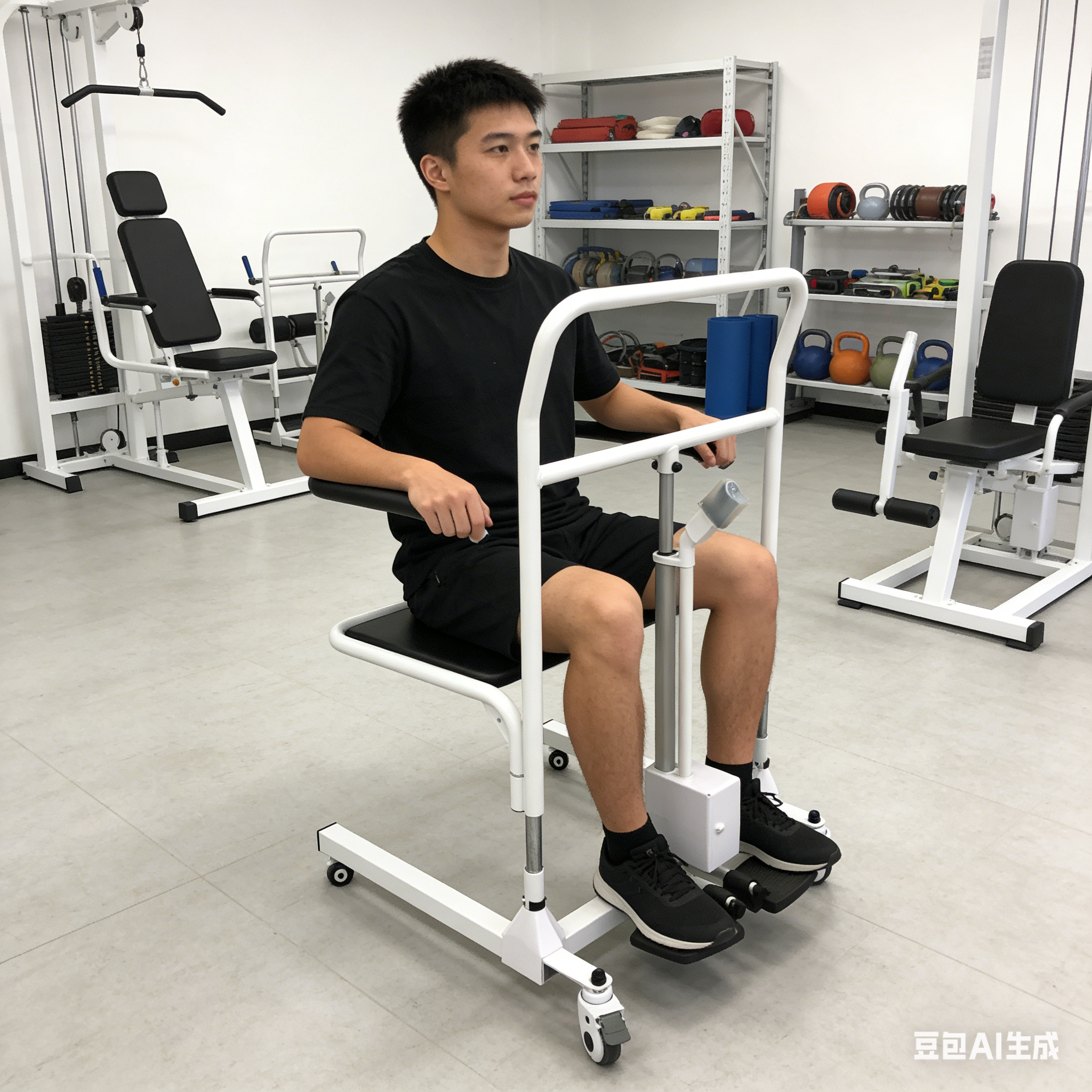
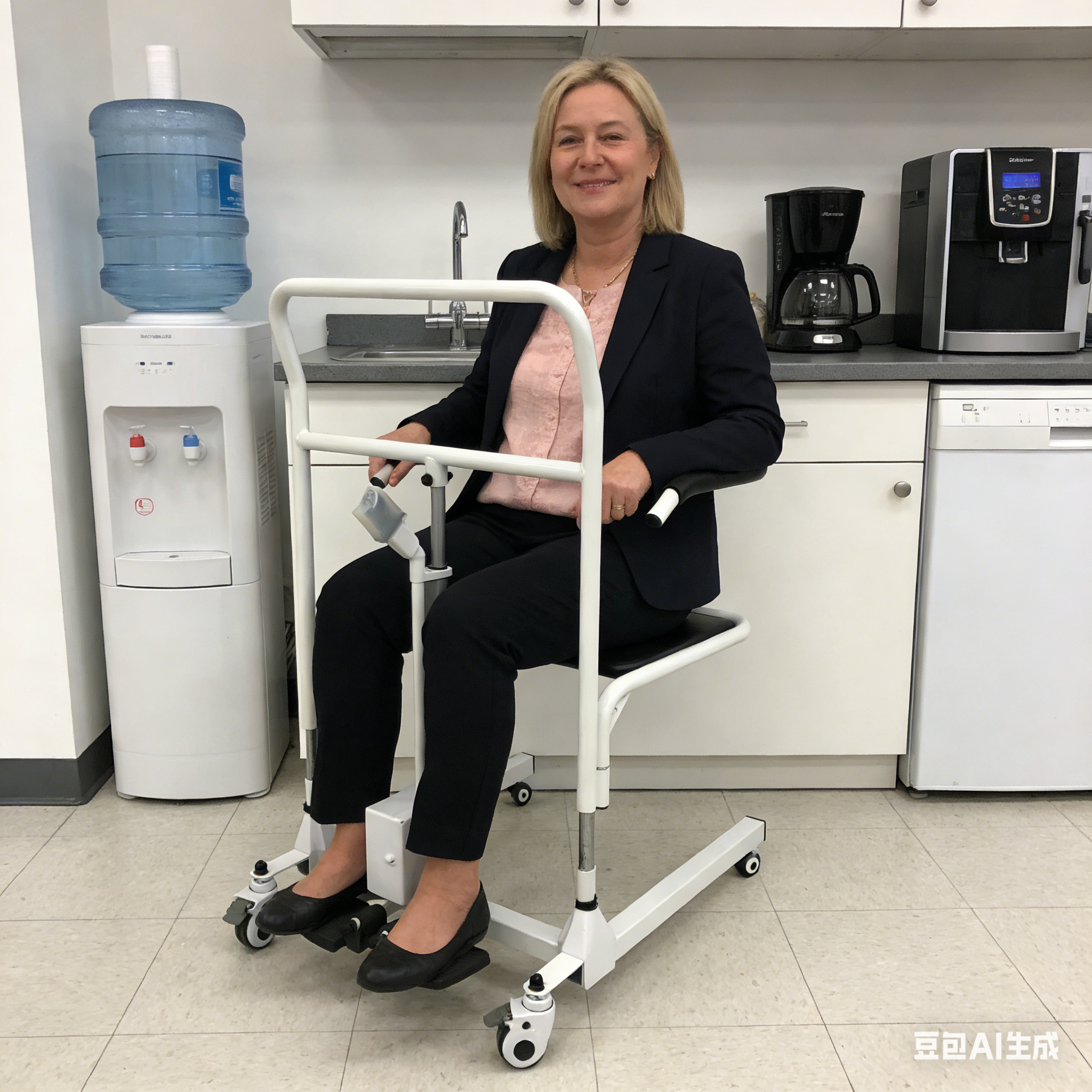
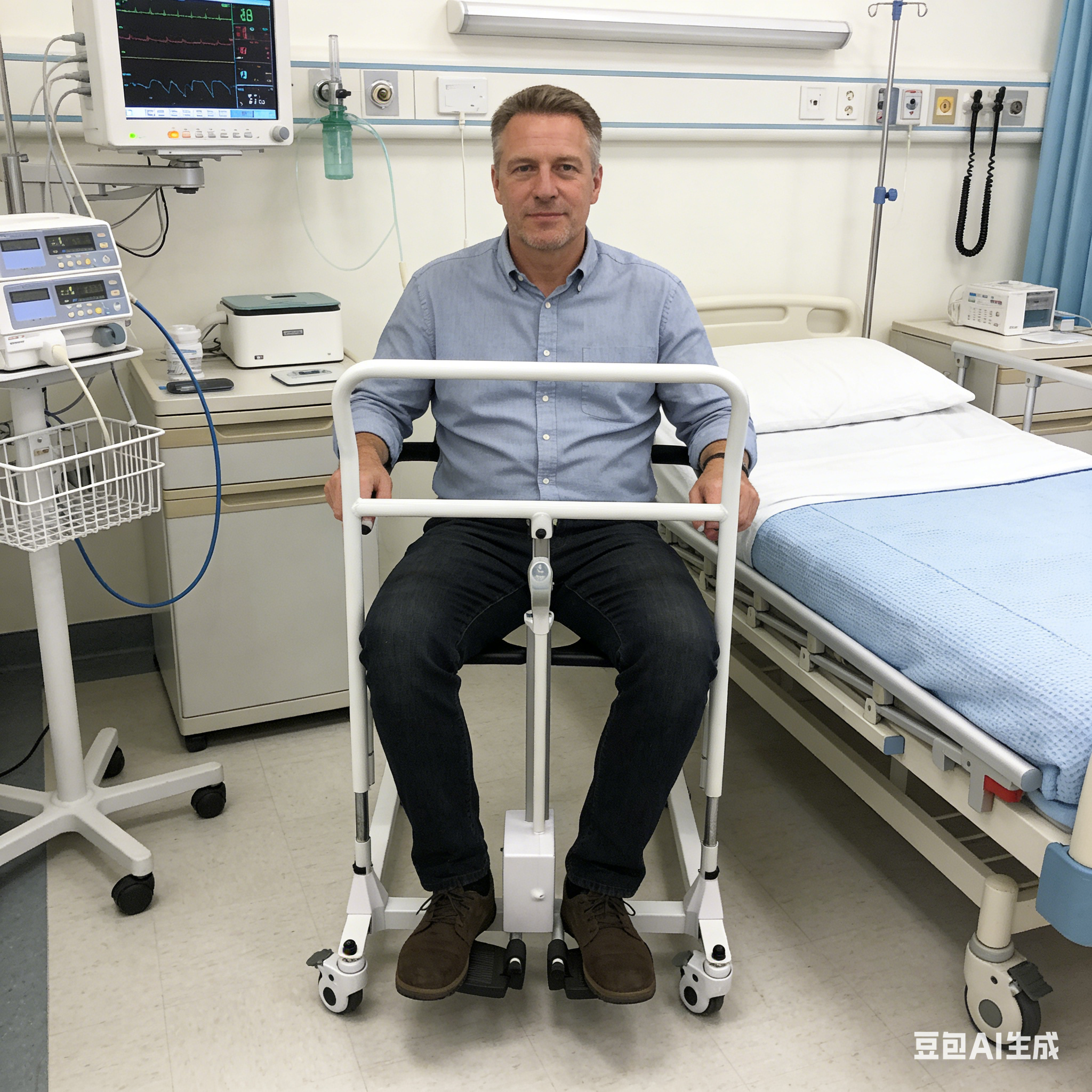
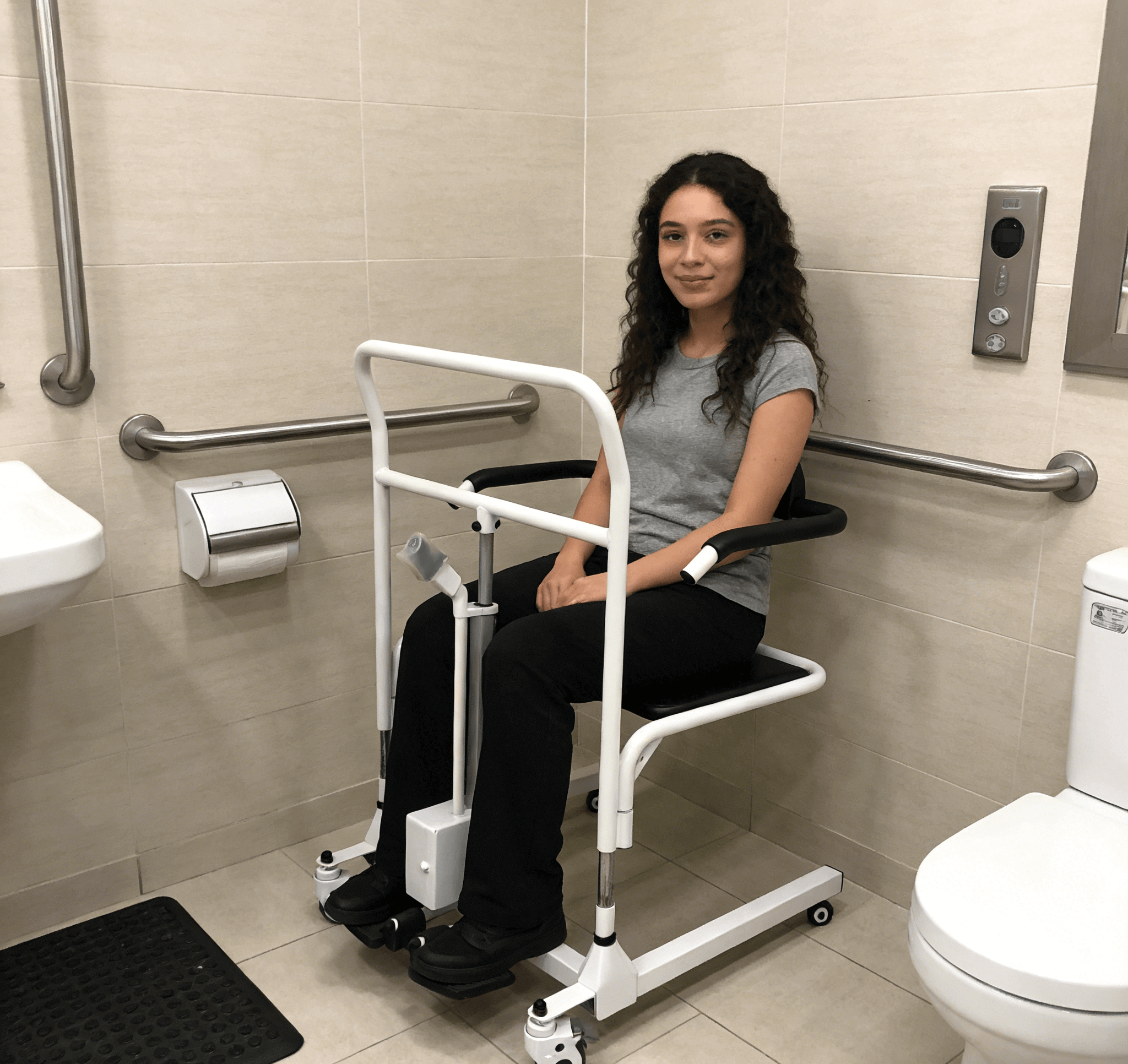
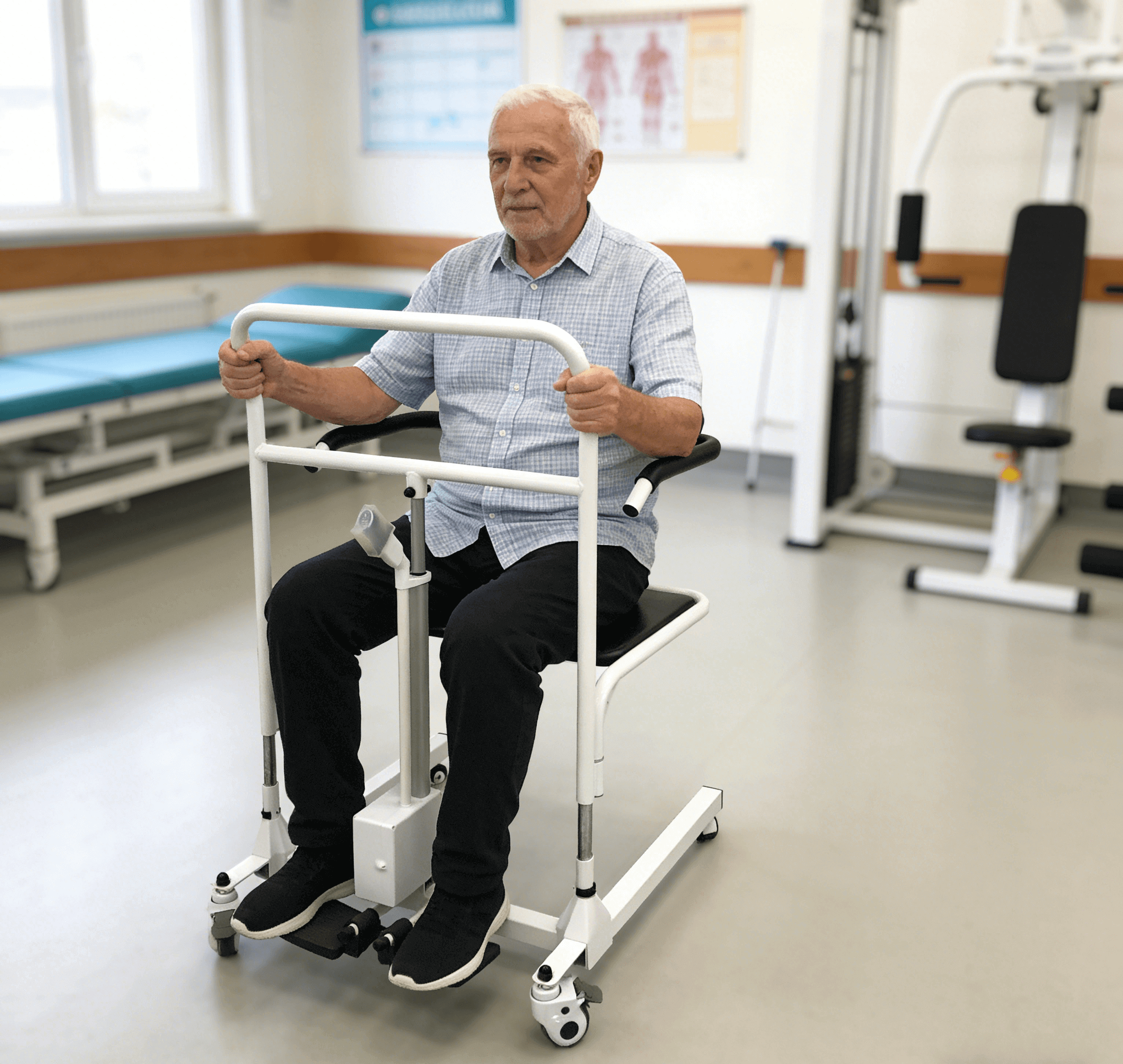
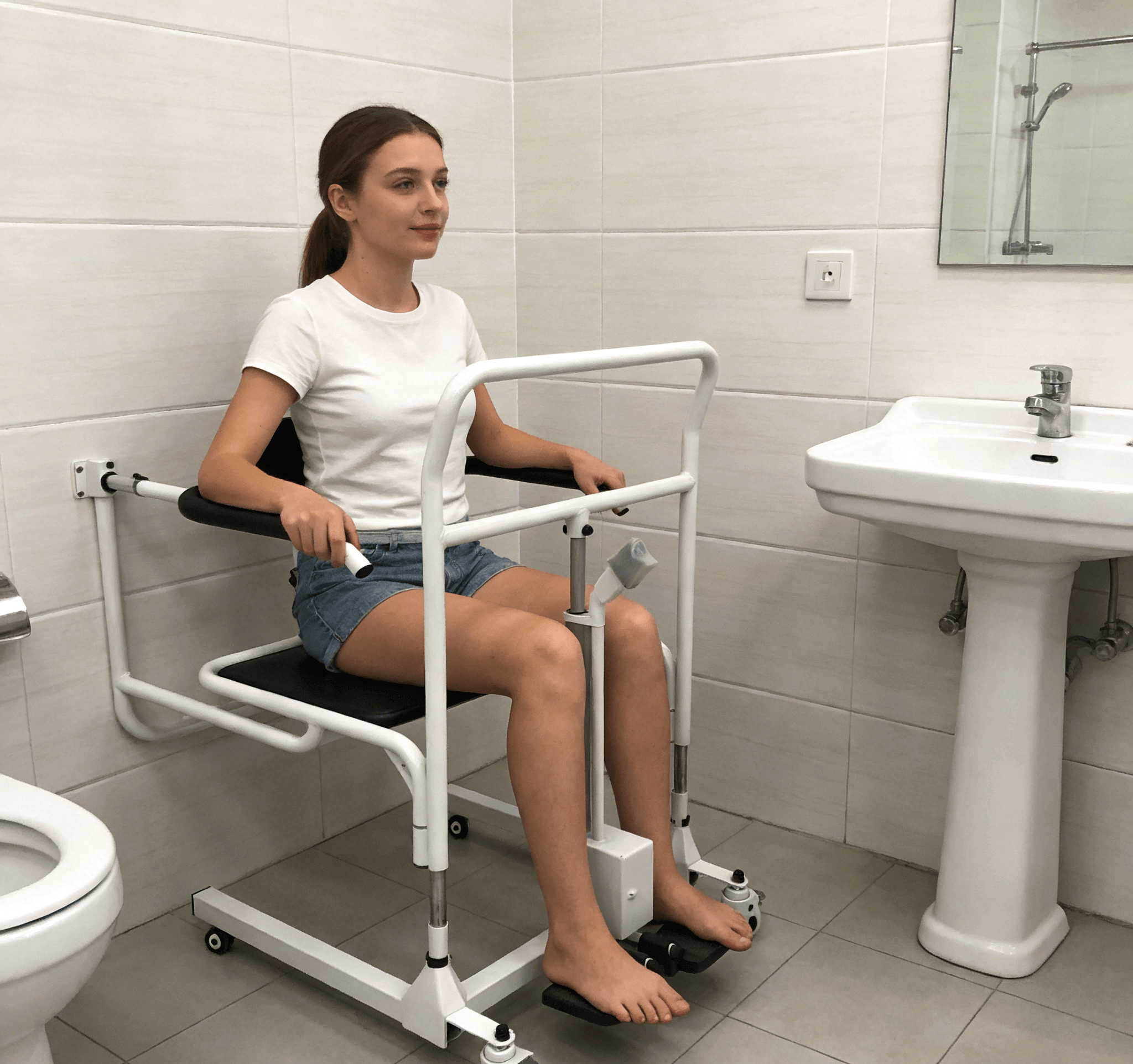
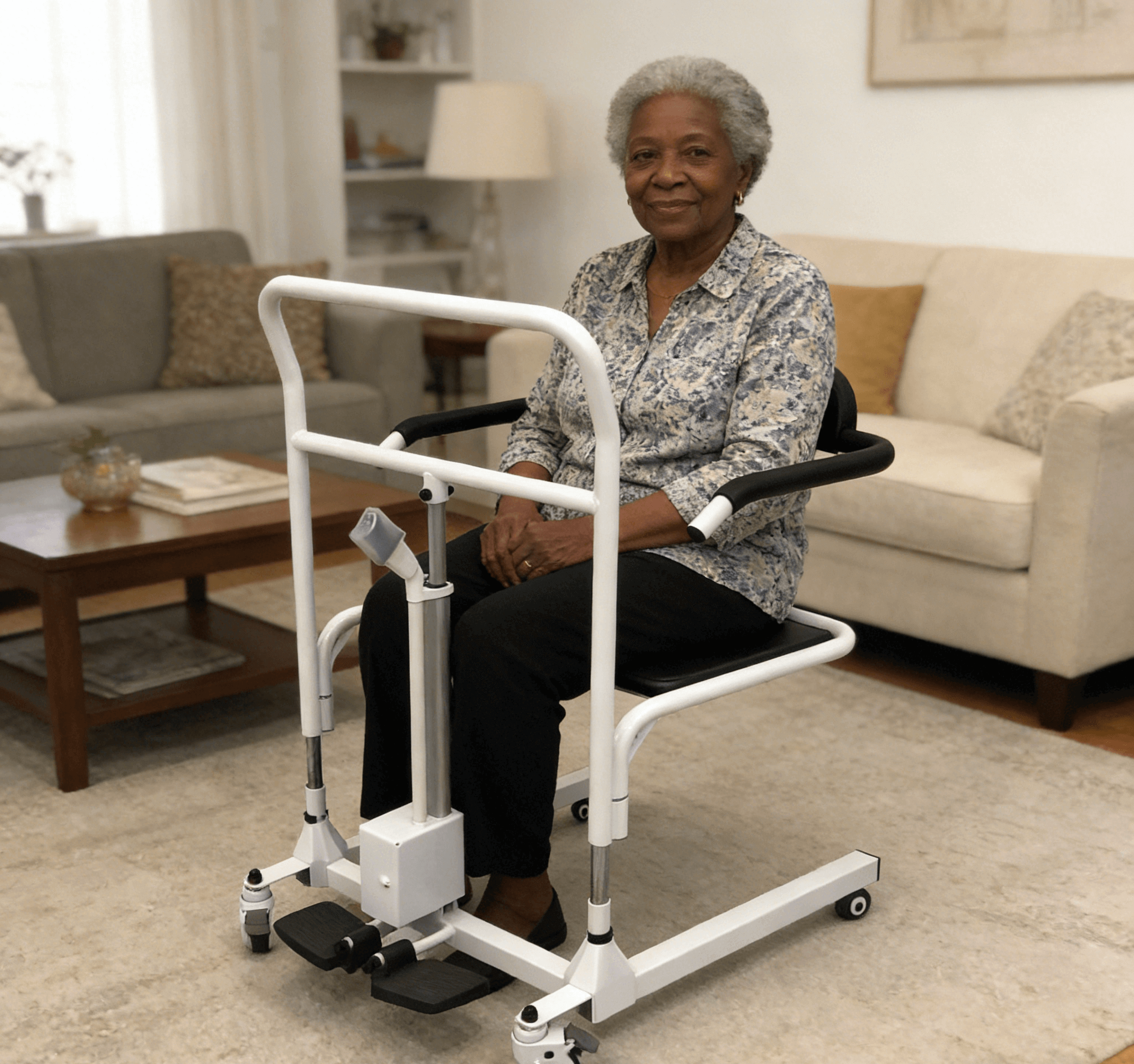
Originally, "Hoyer Lift" referred to a patient transfer system developed by the Hoyer brand under the Arjo company. Due to its efficient and reliable design, it has been widely adopted and now serves as a generic term for patient lifts. "Hoyer Lift for the Home", however, specifically denotes small, quiet, and easy-to-operate lifting devices optimized for home environments, balancing safety, space adaptability, and user-friendliness.
Unlike heavy-duty hospital equipment, home models typically feature the following characteristics:
Compact and lightweight: The base is foldable, and the overall weight of the device is mostly between 25–40 kg.
Quiet motor or manual hydraulic system: Prevents disturbing family members' rest.
No professional installation required: Ready to use right out of the box; some models can be assembled by a single person.
Multi-functional compatibility: One main unit can be paired with toileting slings, bathing slings, sitting slings, etc.
Affordable price: Mainstream products are priced between $400–1,500, hoyer lift for the home much lower than medical-grade equipment.
Common descriptions on the market:
"Home Use Electric Patient Lifter"
"Manual Hydraulic Hoyer Lift for Elderly Care"
"Foldable Transfer Hoist for Family Nursing"
II. Why Do Home Care Needs Require a Hoyer Lift?
1. Protecting the Health of Caregivers
The World Health Organization (WHO) points out that over 60% of family caregivers suffer from chronic low back pain, mainly due to long-term improper lifting. Hoyer Lifts replace manual labor with mechanical force, significantly reducing physical strain.
2. Ensuring User Safety and Dignity
Prevents slipping, collisions, or skin shear injuries during transfers.
Reduces exposure time and protects privacy.
Users can participate in operations (e.g., pressing the remote control), enhancing their sense of autonomy.
3. Improving Care Efficiency and Quality of Life
A single device can meet the need for multiple transfers throughout the day, allowing caregivers to devote more energy to emotional companionship and rehabilitation training rather than being trapped in physical exhaustion.
III. Main Types of Home Hoyer Lifts
Type Working Principle Applicable Scenarios Advantages Limitations
Manual Hydraulic Manual pump pressurization for slow lifting/lowering Limited budget, occasional use, areas without power supply Low price ($400–800), no power required, simple structure Labor-intensive operation, slow lifting/lowering speed
Electric Button/remote control to operate motor for lifting/lowering Frequent use, single-person care, users with severe disabilities Labor-saving, precise, adjustable speed Requires power supply, higher price ($800–1,500)
Ceiling Track (Home Version) Fixed tracks covering the area from bedroom to bathroom Long-term bedridden users, homes allowing renovation for space Most safe and stable, saves floor space High installation cost, requires house construction
Note: Chinese brands such as KDB (Kangdebao), Yearstar, and MobilityAid Tech have launched a variety of CE-certified home Hoyer Lifts. They support customization of sling size, voltage (110V/220V), and color, with outstanding cost-effectiveness.
IV. How to Choose the Right Hoyer Lift for Your Home?
✅ Key Selection Steps:
Evaluate User Needs
Height and weight (determine load capacity and sling size).
Mobility ability (whether the user can cooperate to sit up? Whether full-body support is needed?).
Daily transfer routes (bed → wheelchair → toilet → bathroom).
Measure Home Space
Door width (ensure the device can enter rooms).
Open space beside the bed/bathroom (the base requires ≥70 cm width when unfolded).
Location of power outlets (electric models need to access power nearby).
Match Sling Type
Full-body slings: Suitable for users with complete dependence.
Toileting slings: With openings for easy toileting.
Bathing slings: Quick-drying material, used for transfer during showering.
Prioritize Usability and Maintenance
Is the control panel simple and intuitive?
Are the slings machine-washable?
Is local after-sales service or video guidance available?
V. Real-World Home Application Cases
Case 1 (Urban Apartment): An 82-year-old Alzheimer's patient in Shanghai, whose children purchased a KDB electric Hoyer Lift for him. The folded device is placed against the wall, hoyer lift for the home assisting with 4 transfers daily and significantly reducing care pressure.
Case 2 (Rural Residence): A rural family in Texas, USA, chose a manual hydraulic model due to unstable power supply. Paired with a solar-powered rechargeable lamp, it successfully fulfilled the father's wish of aging in place at home.
VI. Policies and Support Resources
Many countries and regions provide support for home care assistive devices:
China: Subsidies for equipment can be applied for in pilot cities of "home-based elderly care beds".
USA: Medicare Part B can cover part of the cost (a doctor's prescription is required).
EU: Most countries provide 30%–100% funding through disabled persons' federations or social security systems.
Australia: The NDIS (National Disability Insurance Scheme) covers the purchase of compliant Hoyer Lifts.
It is recommended to consult the local civil affairs department, disabled persons' federation, or community elderly care service center for specific policies.
Conclusion
A Home Hoyer Lift is more than just a machine; it is an extension of love and a wise expression of responsibility. It allows care to return to warmth rather than physical exhaustion, enabling people with disabilities to still maintain dignity, safety, and hope in every corner of their home. As "Aging in Place" becomes a global consensus, hoyer lift for the home equipping the home with a suitable Hoyer Lift may be the most practical and gentle way to care for loved ones.