Category: Patient Lifts
Posted by 2025-12-24 11:12
hoyer lift for stroke patients
Hoyer Lifts for Stroke Patients: A Bridge to Safe Transfers, Enhanced Rehabilitation, and Protected Dignity
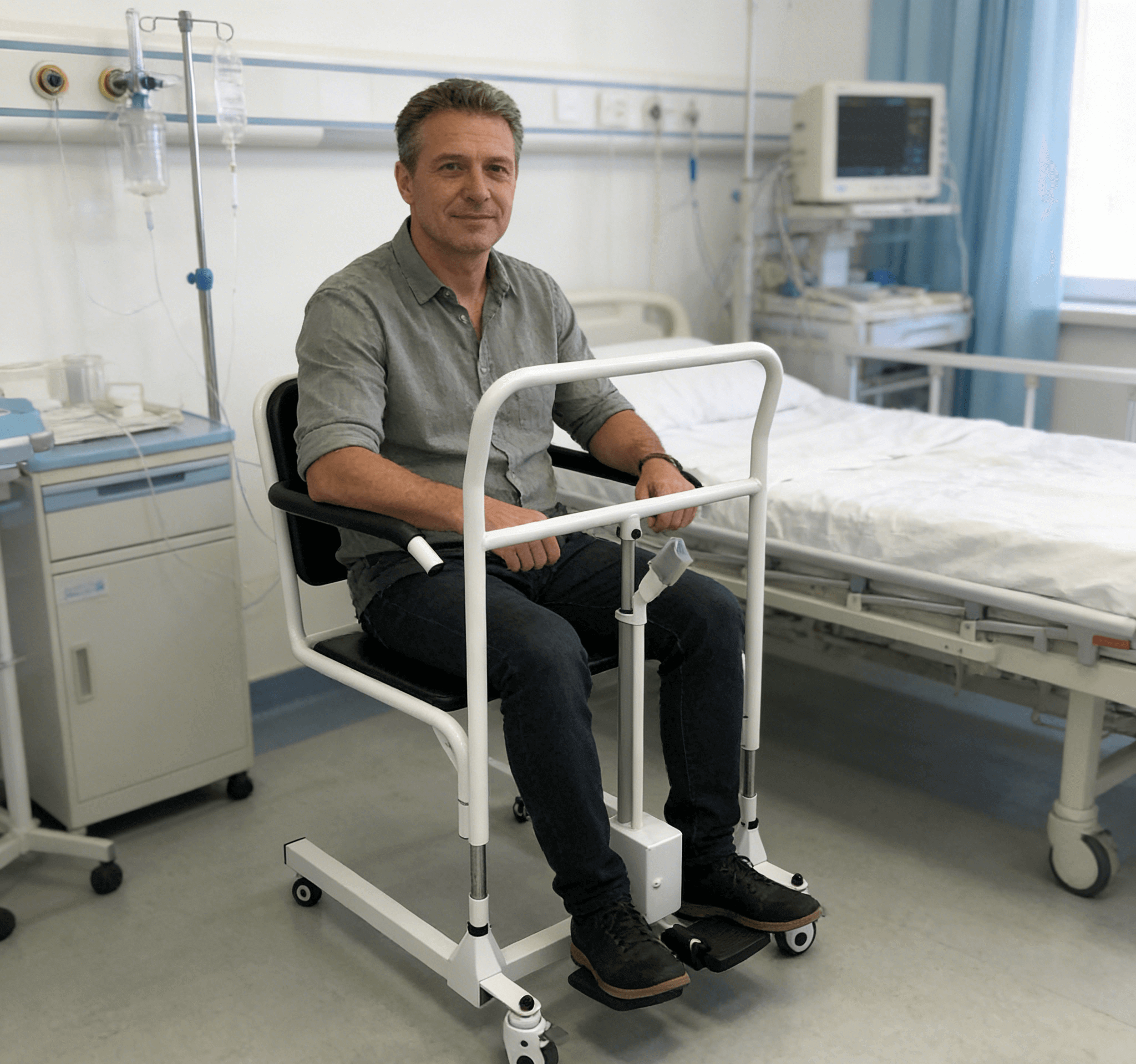
Stroke (cerebrovascular accident) often causes hemiplegia (paralysis) or weakness on one side of the patient’s body, severely impairing their balance, sitting stability, and ability to transfer positions. During this period, moving the patient safely is not only a core challenge in daily care but also a key factor in preventing secondary injuries during rehabilitation. For families of stroke patients, hoyer lift for stroke patients a Hoyer Lift is far more than a simple transfer tool—it is a strategic device that ensures safety, promotes rehabilitation, and safeguards the patient’s dignity.
I. Why Are Hoyer Lifts Critical for Stroke Patients?
Absolute Safety to Prevent Falls
Stroke patients are at the highest risk of falling. A single fall can lead to severe complications such as hip fractures, significantly set back the rehabilitation process, and even threaten life. Hoyer Lifts, through mechanical assistance, completely eliminate the risk of falls during transfers.
Addressing the Unique Challenge of "Hemiplegia"
Patients with hemiplegia have uneven weight distribution between the two sides of their body. During manual transfers, they are highly prone to slipping toward the paralyzed side. Lifts provide vertical lifting and stable support, effectively countering this asymmetry.
Protecting Caregivers
Assisting a patient with poor balance and inability to cooperate effectively during transfers places immense strain on the caregiver’s lower back and poses a high risk of injury. Using a lift is the foundation of sustainable caregiving.
Creating Conditions for Rehabilitation Training
When transfers no longer consume the energy and confidence of patients and therapists, more effort can be invested in genuine rehabilitation training—such as sitting balance exercises, standing practice, and walking training.
Preserving Dignity and Reducing Fear
A smooth, controlled transfer process reduces the patient’s pain, discomfort, and anxiety caused by fear of falling, helping to maintain their psychological well-being.
II. Special Considerations for Selecting and Using Hoyer Lifts for Stroke Patients
1. Equipment Selection: Electric Models Are the First Choice
Reason: Electric lifts operate smoothly and slowly, giving hemiplegic patients sufficient time to adapt to position changes and preventing dizziness caused by orthostatic hypotension. Their labor-saving design also allows caregivers to focus more on stabilizing the patient’s body.
2. Sling Selection and Application: Focus on the Paralyzed Side
Choosing the Right Sling
Seated slings are the most commonly used. Ensure the sling is wide enough to distribute pressure evenly.
Application Techniques
Since the patient’s paralyzed arm may be immobile, have the patient lie on their healthy side first, place the sling under their back and buttocks, then help them return to a supine position.
Pay special attention to the position of the paralyzed arm and leg. hoyer lift for stroke patients Ensure they are comfortably positioned within the sling to avoid the arm being pressed or the leg rotating excessively outward.
Always place soft clothing between the sling and the patient’s skin.
3. Balance and Positioning: Managing Asymmetric Body Posture
Adjusting Lift Points
Due to muscle weakness on the paralyzed side, the patient may tilt toward their healthy side when lifted. In this case, it may be necessary to adjust the position of the hooks on the boom—shifting the lift point slightly toward the paralyzed side to counterbalance the tilt and help the patient maintain a horizontal sitting posture.
Using Auxiliary Support
During transfers, caregivers can gently support the patient’s paralyzed knee and shoulder with their own knees or hands to provide additional stability.
III. Integrating Hoyer Lifts into Rehabilitation Programs
Occupational Therapists (OTs) and Physical Therapists (PTs) are your most important allies.
Professional Assessment
Therapists will evaluate the patient’s transfer ability to determine whether a lift is needed and how to use it.
Personalized Training
They will provide one-on-one standardized operation training for caregivers and patients (if the patient’s cognitive ability allows), including how to safely apply slings to hemiplegic patients and maintain balance.
Goal Setting
Lift use can be temporary. Therapists will set rehabilitation goals and conduct regular re-evaluations. hoyer lift for stroke patients As the patient’s sitting balance and leg strength improve, they will gradually transition to more independent transfer methods (such as slide board transfers).
IV. Safe Use and Psychological Support
Communication and Reassurance
Stroke patients may experience aphasia (language impairment) or cognitive disorders. Before operation, use simple, clear statements to explain each step. Maintain eye contact and a calm demeanor.
Preventing Spasms
Slow, smooth operations help avoid sudden movements that trigger spasms in the paralyzed limbs.
Skin Checks
Stroke patients often have reduced sensation, and the skin on the paralyzed side is less sensitive to pressure. After each lift use, carefully check the skin on the paralyzed side (especially under the armpits, shoulder blades, and elbows) for redness or damage to prevent pressure sores.
V. Beyond Transfers: Promoting Participation and Independence
Encouraging Participation
Even if the patient cannot actively exert force, invite them to use their healthy hand to assist in holding the sling, or express comfort through nodding or shaking their head. This enhances their sense of control and participation.
Proper Sitting Positioning
After safely transferring the patient to a wheelchair, immediately adjust them to a correct sitting posture. Use pillows to support the paralyzed side and ensure an upright position—this is part of rehabilitation in itself.
Conclusion
For stroke patients, a Hoyer Lift is more than just a "transfer" tool—it is a catalyst for rehabilitation and a guardian of safety. By providing a safety net during the patient’s most vulnerable period, it creates space for active rehabilitation. Through close collaboration with the medical team and the adoption of techniques suitable for hemiplegic patients, Hoyer Lifts can significantly improve the quality of care, protect caregivers, and ultimately help patients move toward the next stage of rehabilitation with greater confidence.