Category: Electric Transfer Chair
Posted by 2025-12-23 11:12
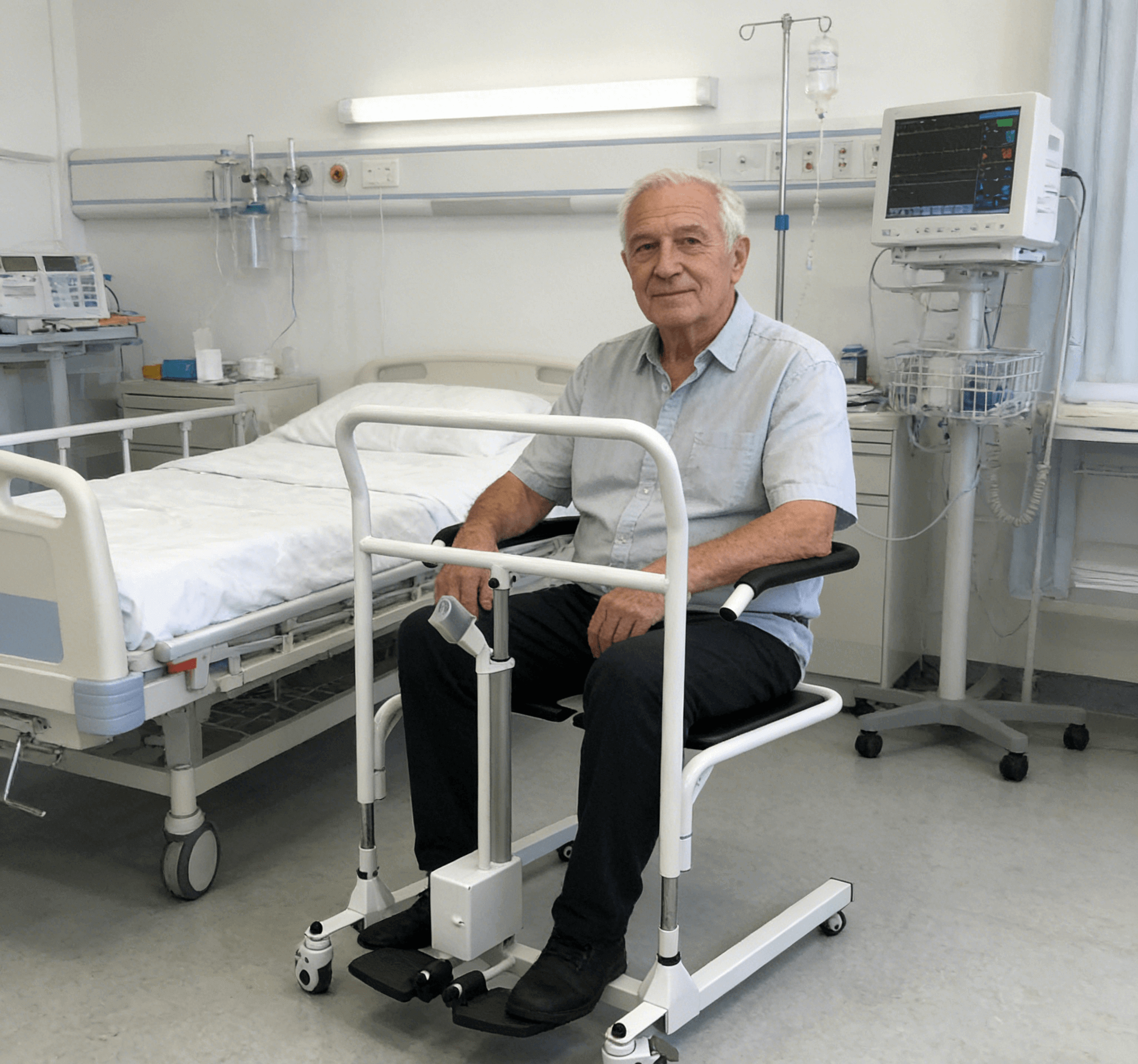
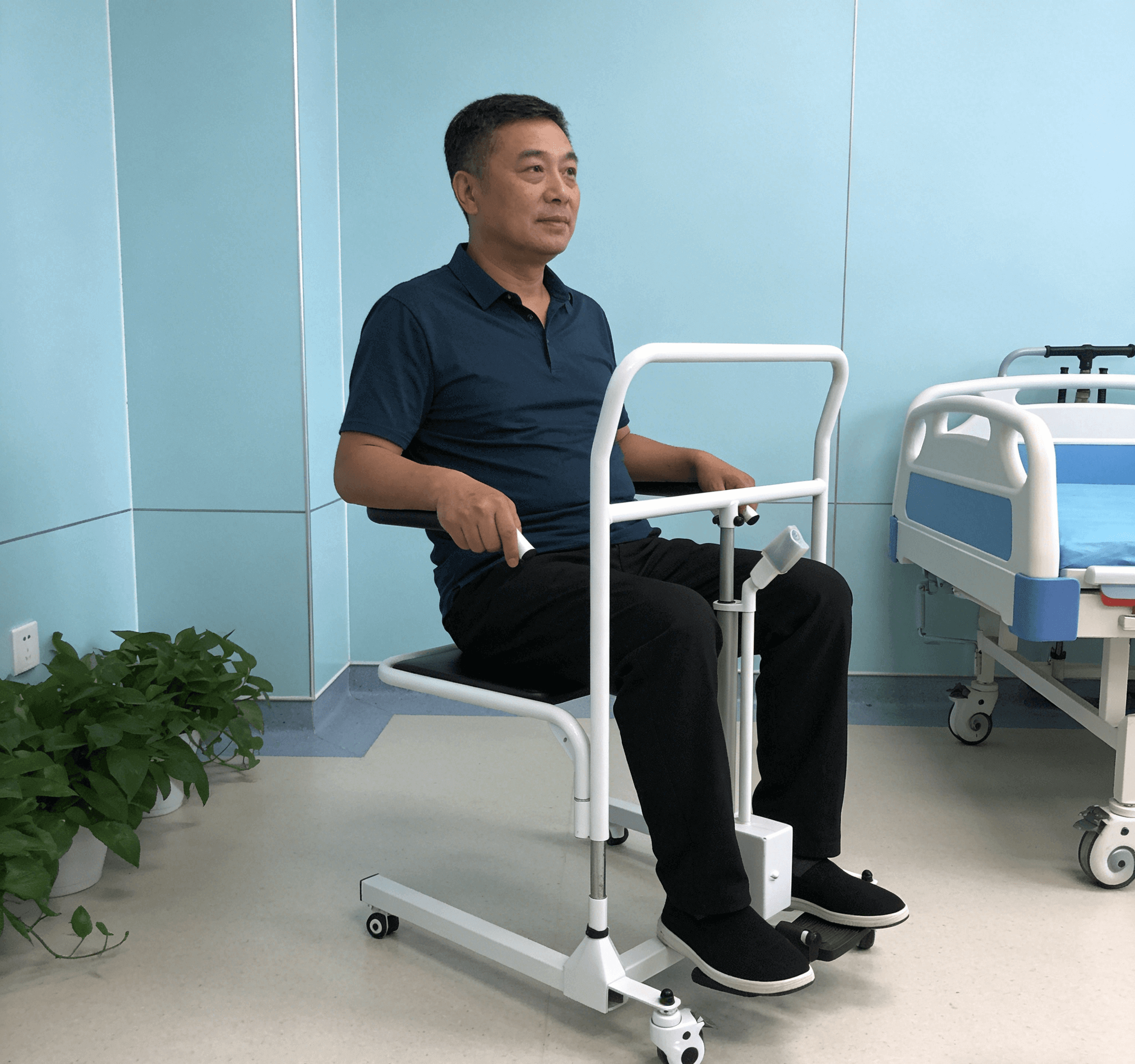
hoyer lift for patients
The Complete Guide to Safe Patient Transfers with a Hoyer Lift: Enhancing Care Quality, Safeguarding Dignity and Safety
In medical and care facilities, safely transferring patients with limited mobility is a fundamental yet crucial task. The Hoyer Lift (a manual or electric patient lift) has become a cornerstone tool in modern professional care. It not only significantly reduces the risk of occupational injuries for caregivers but also serves as a key device to ensure patient safety and preserve their dignity. This article aims to provide medical staff and caregivers with a comprehensive guide covering both principles and practical applications.
I. Core Principles: Why Is the Hoyer Lift Part of Standard Care?
Patient Safety First
Manual patient lifting is a high-risk activity, easily causing skin abrasions, joint sprains in patients, and even severe falls if patients slip from caregivers’ hands. The Hoyer Lift enables smooth, controlled vertical lifting and horizontal movement, fundamentally eliminating such risks.
Caregivers’ Occupational Health
Manual lifting is the primary cause of low back injuries among medical staff and caregivers. Using a lift is a mandatory requirement for occupational safety and health management; it effectively protects human resources and extends caregivers’ professional careers.
Preservation of Patient Dignity
For conscious patients, being "dragged, pulled, or tugged" is an embarrassing and frustrating experience. Mechanically assisted transfers are orderly and respectful, allowing patients to maintain a more comfortable posture throughout the process.
Care Efficiency and Standardization
For patients who are fully dependent on others for transfers, using a lift enables the establishment of standardized procedures. This ensures every transfer is conducted in the safest, most consistent manner, reducing human errors.
II. Patient Assessment: When and Why Is a Hoyer Lift Needed?
Not all patients require a lift, but its use is mandatory in the following situations:
Complete or partial weight-bearing contraindications: Patients recovering from orthopedic surgeries (e.g., hip or knee replacement), spinal surgeries, or fractures.
Excessive body weight: Patients whose weight exceeds the safe manual lifting capacity of caregivers.
Unstable physical condition: Patients with severe orthostatic hypotension, extreme pain, or restlessness.
Neurological diseases: Patients with poor trunk control due to conditions such as advanced Parkinson’s disease, multiple sclerosis, or spinal cord injuries.
High risk of skin issues: Patients with severe pressure ulcers or fragile, easily damaged skin.
Key Note: A physical therapist or occupational therapist should conduct the initial mobility assessment for patients and develop personalized mobility and transfer plans.
III. Detailed Equipment Guide: Selecting the Right Hoyer Lift and Sling
1. Types of Lifts
Manual hydraulic lifts: Cost-effective and easy to maintain, suitable for scenarios with infrequent transfer needs.
Electric/battery-powered lifts: The preferred choice in modern care. They require less effort to operate and ensure smooth lifting, especially suitable for frequent transfers, patients with heavy body weight, or caregivers with limited strength. Many models are equipped with emergency manual lowering devices.
Ceiling track lifts: Provide the highest level of safety and independence. Patients can achieve seamless transfers within a room (e.g., from bed to bathroom) without occupying floor space or requiring equipment pushing.
2. Slings – The Critical Component in Direct Contact with Patients
The selection of slings directly impacts patient comfort and safety.
Full-body slings: Offer maximum support, used for transfers in a lying position or for patients unable to maintain a sitting posture.
Sitting slings: The most commonly used type, designed for transfers between beds and chairs.
Commode/shower slings: Made of mesh material that dries quickly, used for transfers to toilets and during bathing.
Specialized styles: Include slings with head support, slings designed for patients with large thighs, and armpit-free slings for patients with spasms.
Golden Rule: One sling per patient, or strictly disinfect slings before cross-use to prevent cross-infection.
IV. Standard Safe Operation Process (7-Step Method)
Step 1: Preparation
Assessment: Check the patient’s consciousness and suitability for transfer.
Environment: Clear the transfer path and ensure the floor is dry and free of obstacles.
Equipment: Inspect the lift’s functionality and the sling’s integrity; all hooks must be equipped with safety locks.
Communication: Explain each step of the operation to the patient and obtain their cooperation.
Step 2: Positioning the Lift
Stably extend the lift’s base under the bed/chair and engage the brakes. The lift arm should be directly above the patient.
Step 3: Placing the Sling
Assist the patient in rolling onto their side, then lay the folded sling flat under their back and buttocks. Help the patient return to a supine position, separate the leg straps of the sling, and pass them under the patient’s thighs.
Step 4: Attaching the Hooks
Connect the sling’s loops to the lift’s hooks. Follow the principle of "from far to near, color matching (if applicable)" to ensure the patient’s body remains balanced after connection.
Step 5: Smooth Lifting
Reconfirm the safety of the transfer path, then slowly operate the lift to raise the patient. First, lift slightly to check balance and comfort, then raise to a height sufficient to clear obstacles.
Step 6: Careful Transfer
Release the brakes and push the equipment steadily. Caregivers should walk backward to maintain visibility of the path ahead. Move at a slow speed.
Step 7: Safe Lowering
Precisely position the patient directly above the target location, then lower them slowly and smoothly. After confirming the patient is securely seated, first detach the hooks, then remove the sling.
V. Special Precautions and Best Practices
Skin care: After each transfer, check the patient’s skin in pressure-prone areas (armpits, groin, spine).
Prevention of orthostatic hypotension: Pause briefly after lifting to allow the patient to adapt to the upright posture.
Terminal disinfection: Clean and disinfect the equipment (especially slings and handles) after each use.
Continuous training: All operators must receive theoretical training and practical assessments, with regular retraining sessions.
Conclusion
The Hoyer Lift is far more than a "labor-saving tool"; it embodies the concept of modern people-centered care. By placing patient safety, caregivers’ health, and human dignity at its core, it fundamentally enhances the quality of care. Investing in appropriate equipment, strict procedures, and ongoing education is an essential path for any medical or care facility striving for excellence.