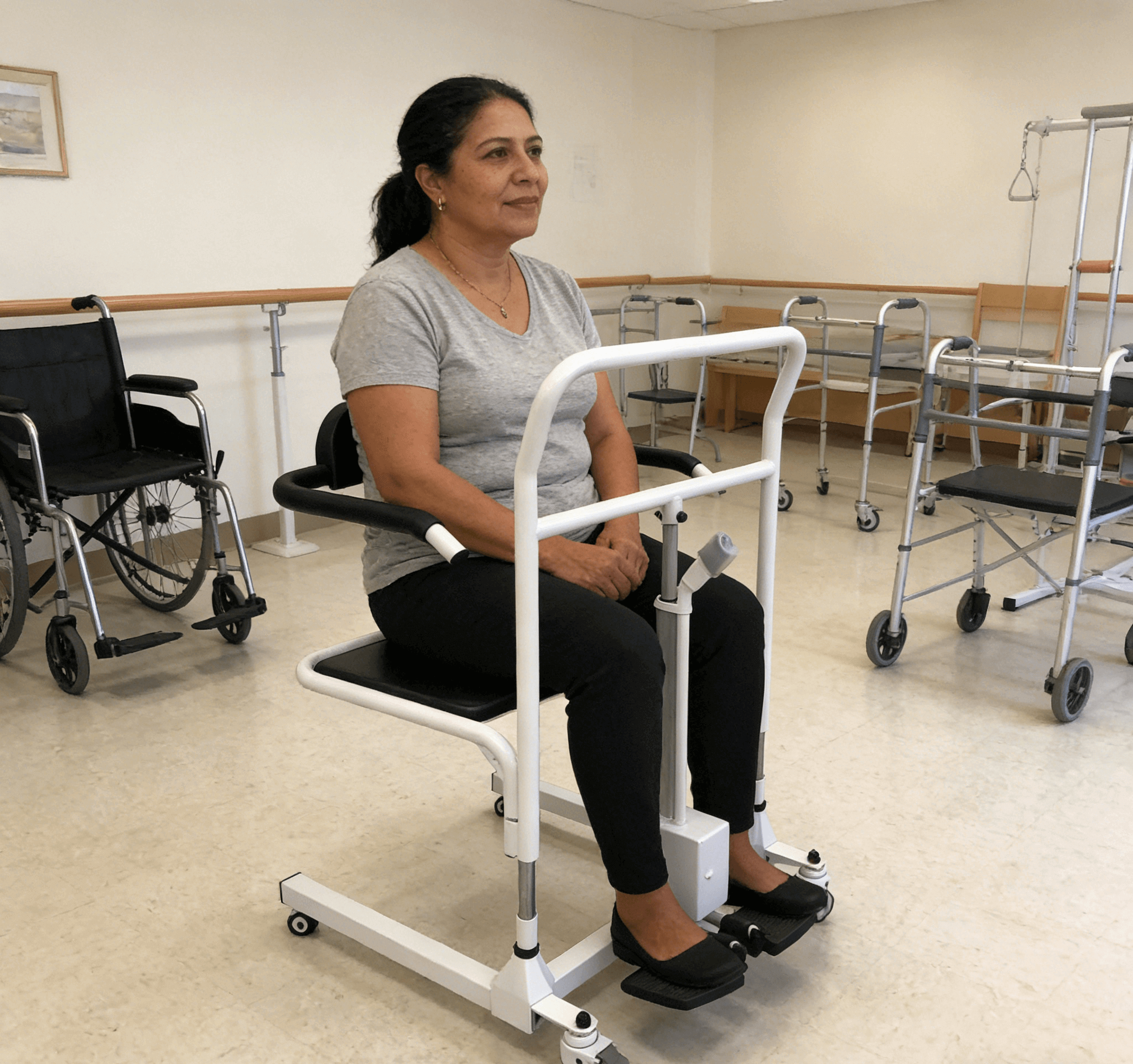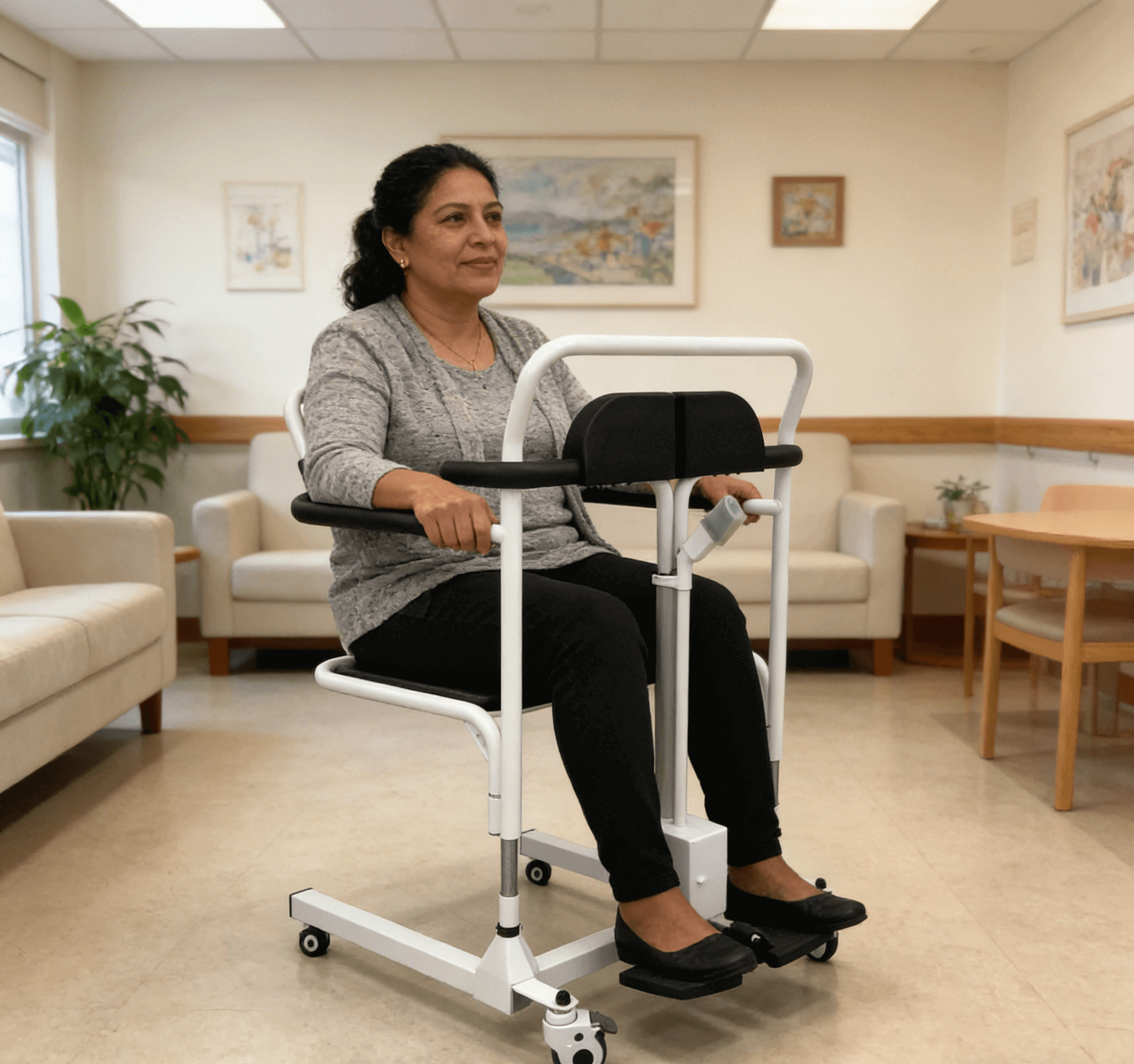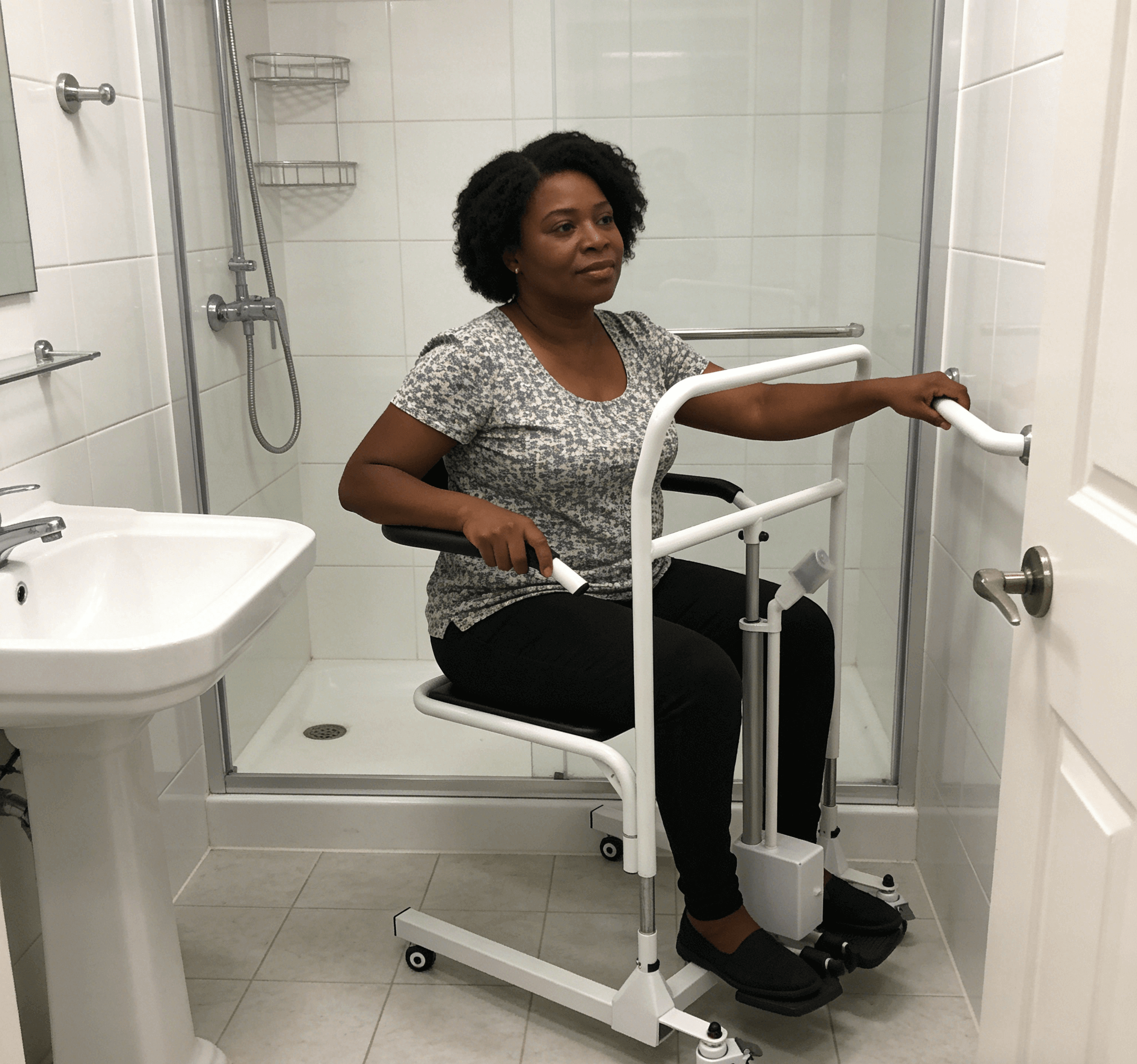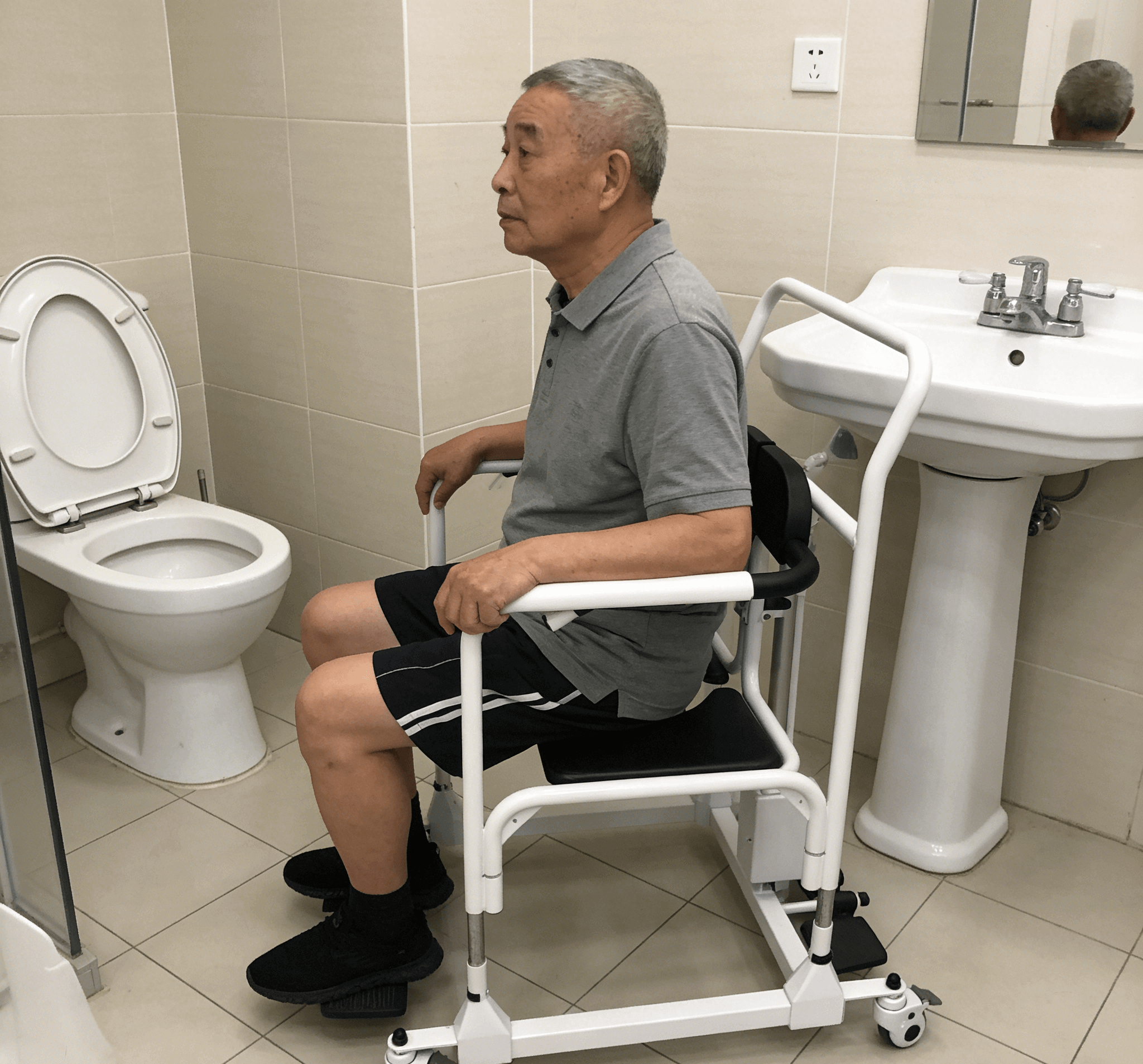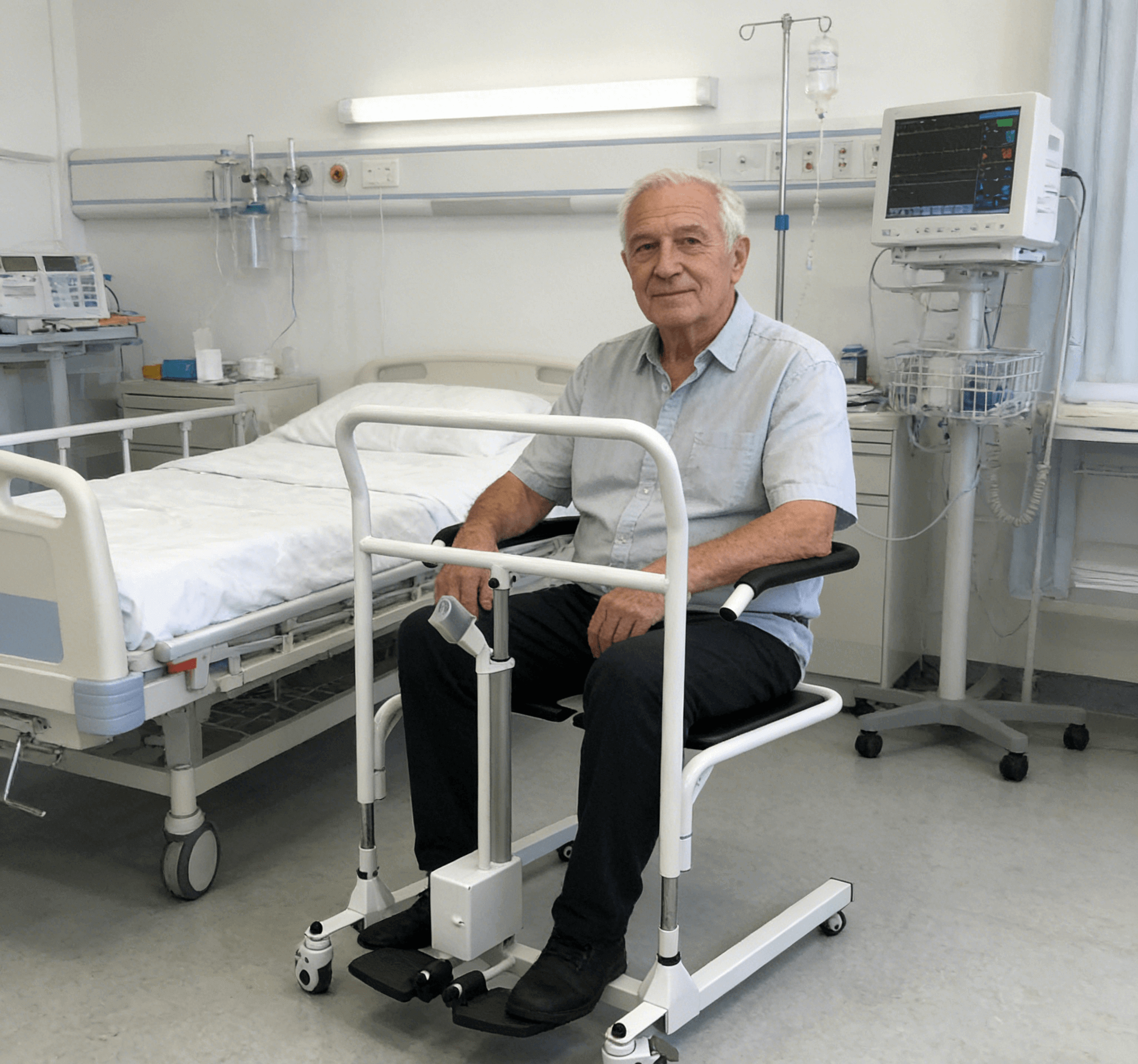
Category: Electric Transfer Chair
Posted by 2025-12-23 11:12
hoyer lift for paraplegic
Hoyer Lifts Empower Individuals with Paraplegia: An Essential Tool for Safety, Independence, and Complication Prevention
For individuals with paraplegia—who experience loss of motor and sensory function in the trunk and lower limbs—every transfer becomes an arduous challenge. In this context, the Hoyer Lift (patient lift) evolves from a simple assistive device into a core tool for safeguarding long-term health, promoting independence, and preserving personal dignity. Proper use not only prevents immediate risks but also serves as a critical link in long-term health management.
I. Why Are Hoyer Lifts Vital for Individuals with Paraplegia?
An Absolute Cornerstone of Safety
Complete Fall Prevention: Individuals with paraplegia cannot use their lower limbs for support or self-protection. If they slip during manual transfers, the consequences can be catastrophic. Hoyer Lifts provide mechanized, absolute stability.
Caregiver Protection: Manually lifting an adult long-term causes devastating damage to a caregiver’s lower back. Using a lift is a prerequisite for sustaining feasible home care.
A Lifeline for Skin Integrity Management
Pressure Sore Prevention: Individuals with paraplegia are at the highest risk of pressure sores. Any improper manual transfer (dragging, pulling, tugging) exerts enormous shear and friction forces on the skin, easily causing skin damage and hard-to-heal pressure sores.
Safe Skin Inspections: Easy, secure transfers facilitate daily full-body skin checks—especially for bony prominences like the sacrococcygeal region, ischial tuberosities, and heels.
The First Step Toward Independence
While caregiver operation is still required, Hoyer Lifts standardize and secure the transfer process, creating possibilities for individuals with paraplegia to engage in social activities, work, and family life. It serves as a foundational platform for achieving greater independence.
Maintenance of Bodily System Health
Regular, risk-free transfers support position changes, improve blood circulation, prevent orthostatic hypotension, and enhance the function of the respiratory and digestive systems.
II. Choosing the Best Equipment for Individuals with Paraplegia: Going Beyond the Basics
Electric Lifts Are a Necessity, Not a Luxury
Reason: Individuals with paraplegia require extremely frequent transfers (up to 6–10 times daily). Electric operation is highly labor-saving, allowing caregivers to sustain their role long-term. Its smooth lifting also avoids physical impact on the patient caused by jolting.
Sling Selection—Combining Comfort and Specialization
Standard Sitting Slings: Suitable for most daily transfers.
Commode/Shower Slings: Made of quick-drying mesh material, these are essential for personal hygiene tasks (toileting, bathing).
Extended/Wide Slings: Provide more comfortable support for individuals with paraplegia who have a larger build or experience spasms.
Armpit-Free Support Slings: Specifically designed for users who need to avoid underarm pressure and promote trunk uprightness, offering better sitting positioning.
The Ultimate Independence Solution: Ceiling Track Lift Systems
For individuals with paraplegia seeking a high level of independence and quality of life, ceiling track systems are revolutionary.
Working Principle: Tracks are installed on the ceiling, covering key areas such as the bedroom, toilet, and bathroom.
Core Advantages:
Maximum Independence: Users can operate the system independently via a remote control, eliminating the need to wait for caregivers. This enables fully autonomous transfers from bed to wheelchair, to toilet, and to bathtub.
Barrier-Free Space: The floor is completely cleared, with no need to store or move floor-based lifts.
Safety and Efficiency: Eliminates the risk of colliding with obstacles when moving floor-based equipment.
III. Safe Usage and Professional Considerations
The Critical Role of Occupational Therapists
Before purchasing and using equipment, an assessment by an occupational therapist is mandatory. They will:
Recommend the most suitable equipment and slings based on the user’s specific physical conditions (e.g., spasm patterns, joint mobility, weight distribution).
Provide one-on-one standardized operation training to ensure all caregivers master correct techniques.
Evaluate the home environment and plan optimal transfer routes and protocols.
Prevention of Autonomic Dysreflexia
This is a severe medical emergency that can occur in individuals with paraplegia (especially those with injuries above the T6 level). Improper positioning, wrinkled clothing, or sling pressure can all trigger it. Smooth, correct lift operation helps avoid such risks.
Positioning and Sitting Balance
After transfers, when the individual is in a wheelchair or bed, caregivers must assist with proper positioning. Tools like cushions should be used to maintain the body’s midline, preventing scoliosis and pressure sores.
IV. Psychological Adaptation and Life Reconstruction
From "Being Carried" to "Being Transferred": Help individuals with paraplegia understand that using a lift is not about highlighting their disability, but about completing a necessary task in the safest, most professional way—as a proactive part of health management.
Establishing Routines: Integrating lift transfers into a fixed daily schedule can reduce anxiety caused by uncertainty.
Empowerment: Involve individuals with paraplegia in the transfer process (e.g., letting them check if hooks are securely locked or operate the remote control for ceiling systems) to enhance their sense of control and participation.
Conclusion
For individuals with paraplegia, the significance of Hoyer Lifts extends far beyond "moving the body." It serves as a comprehensive health management platform, integrating multiple functions: safety protection, complication prevention, independence promotion, and dignity preservation. Investing in a high-quality electric lift or ceiling track system, combined with professional assessment and training, is a profound investment in the quality of life of individuals with paraplegia for decades to come. It does not merely change a single action—it fundamentally reshapes the possibilities and freedom of life.