Category: Patient Lifts
Posted by 2025-12-19 11:12
hoyer lift for car
Automotive Hoyer Lift: The Key Device to Unlock Travel Freedom
For wheelchair-dependent users, one of the biggest challenges is safely getting in and out of a car. The automotive Hoyer Lift (commonly referred to as a "vehicle lift" or "car transfer lift") is specifically designed to solve this problem. It makes family outings, medical visits, and social activities possible again, breaking down the physical isolation caused by limited mobility.
Why Is Specialized Equipment Needed for Car Transfers?
High-Risk Maneuvers: Manually lifting a person from a wheelchair into a car seat is extremely dangerous, posing significant risks to both the user (such as falls and collisions) and the caregiver (such as back strains).
Height Differences and Space Constraints: Car seats are relatively low, and door openings are narrow, making it difficult to operate standard lifts.
Travel Freedom: Without a safe transfer method, users are confined to their homes, which seriously affects their quality of life and the convenience of accessing medical care.
Types of Solutions
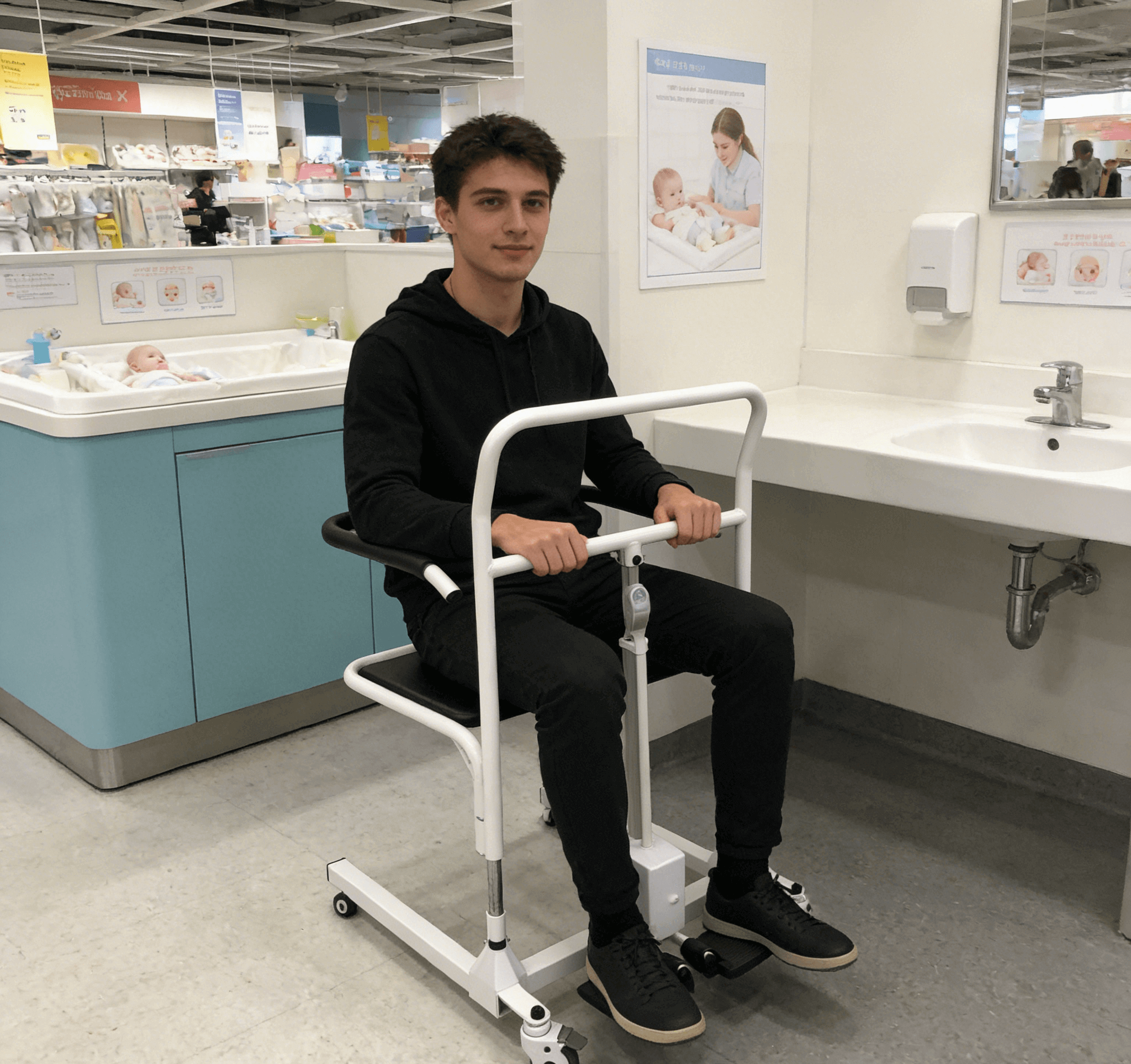
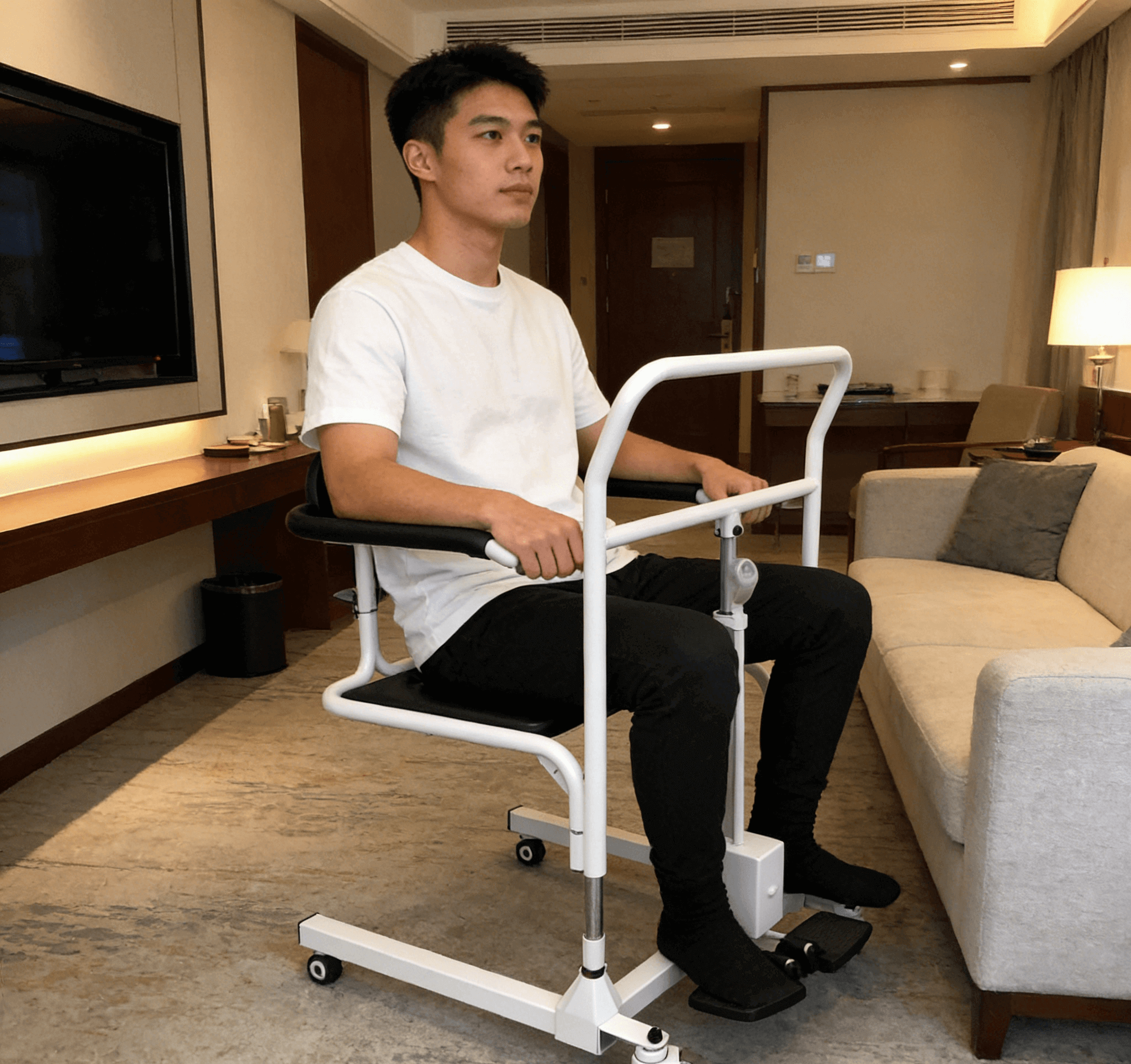
1. Portable Automotive Lift
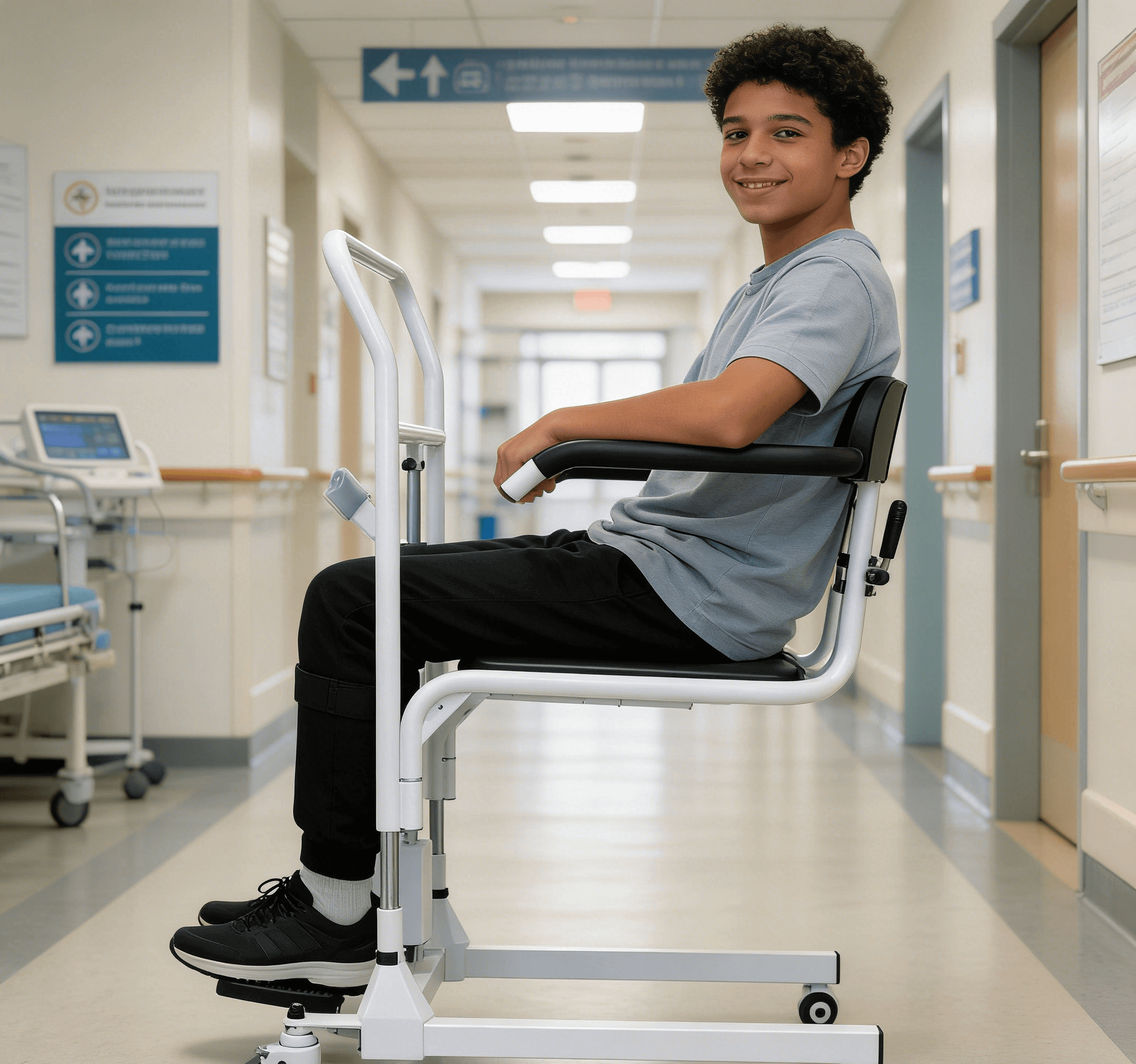
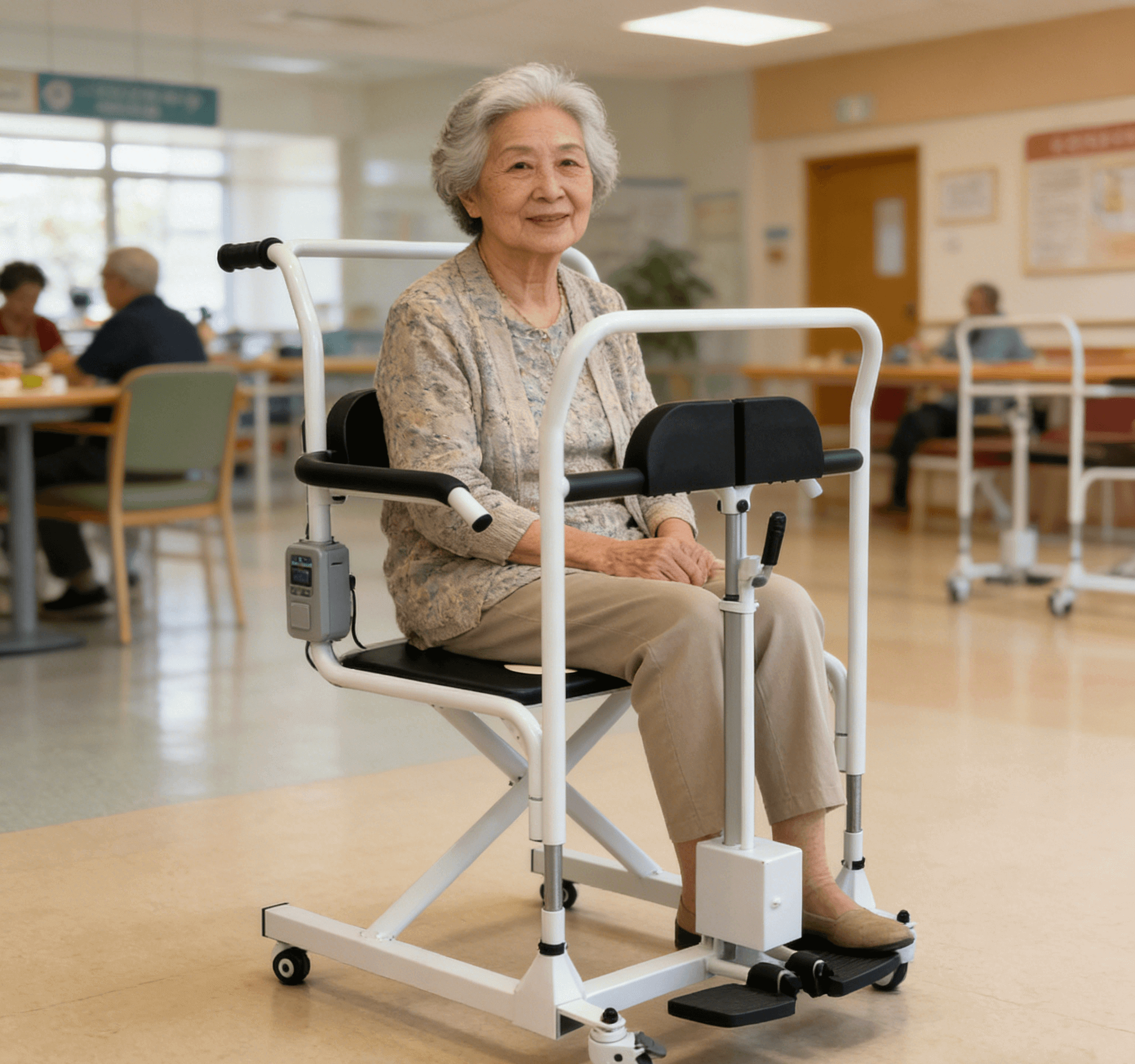
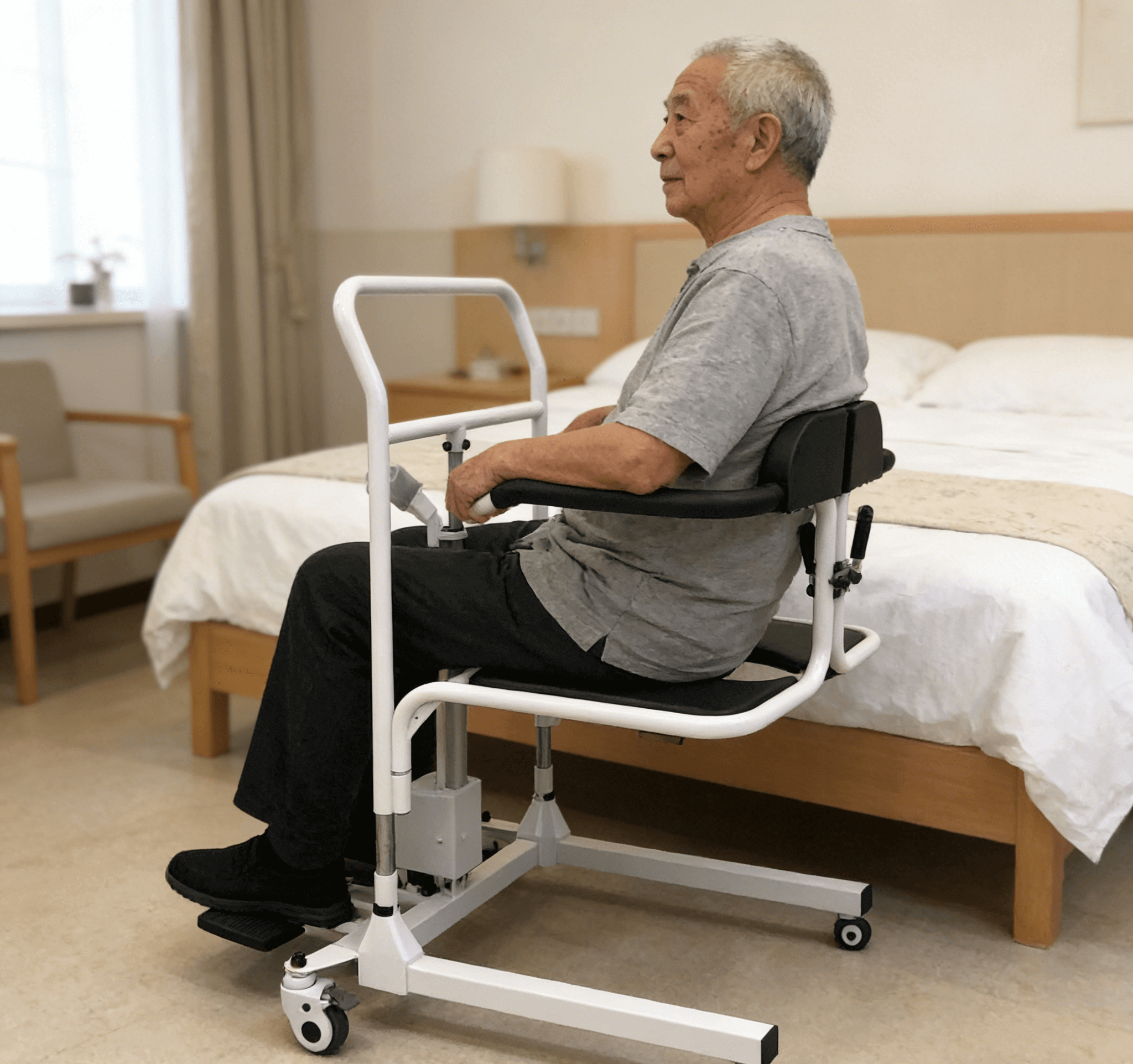
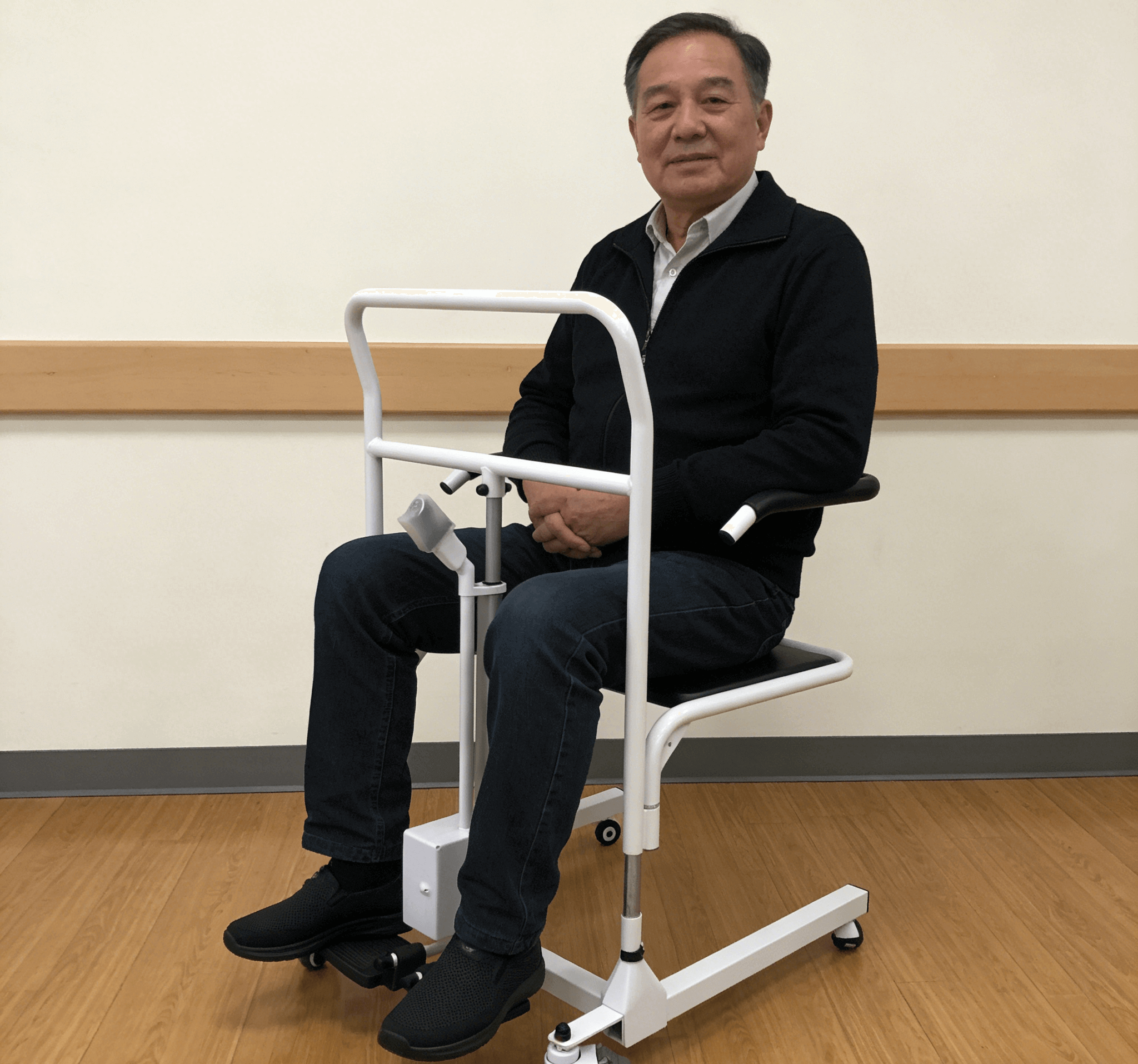
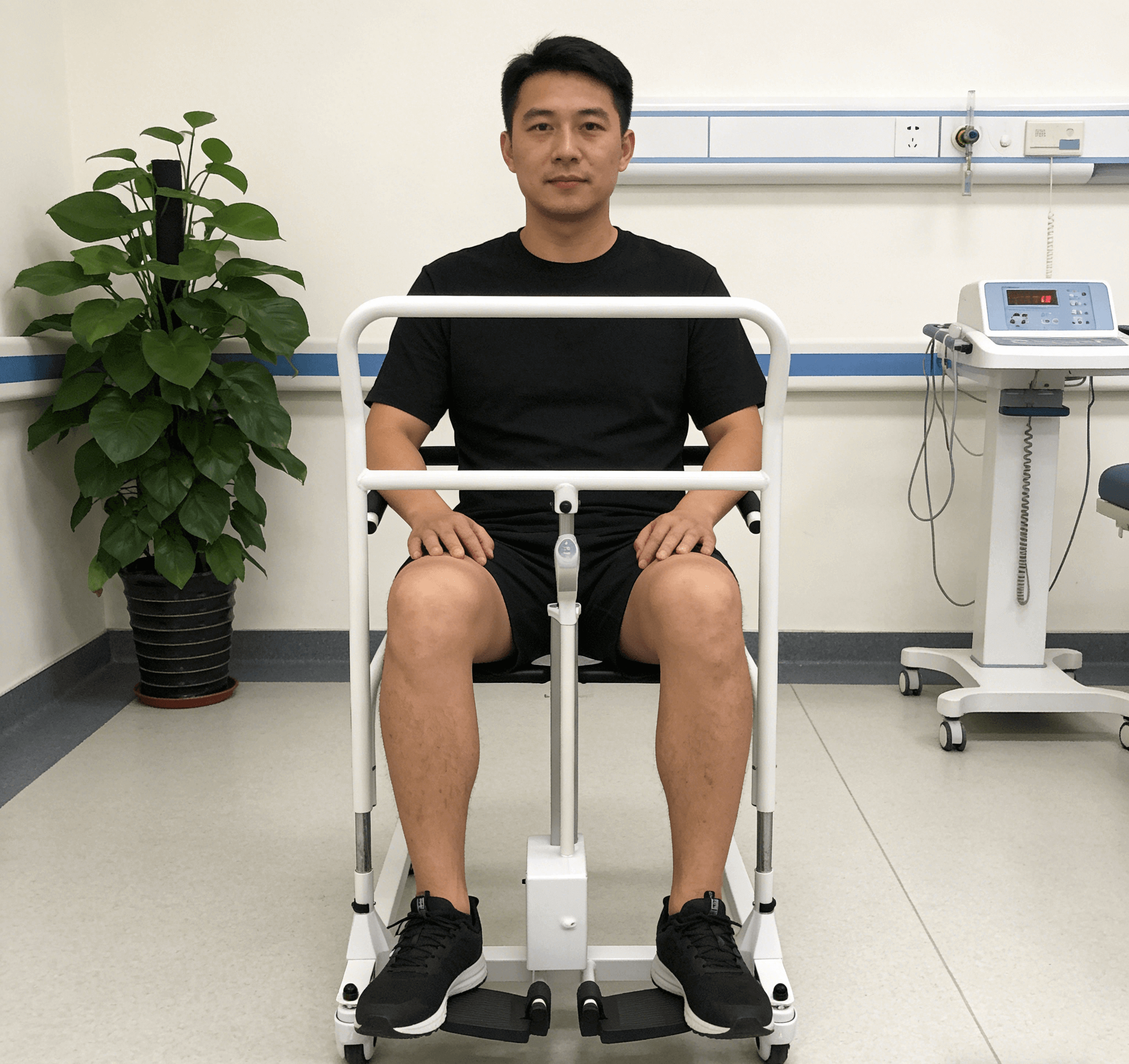
Description: A compact mobile lift specifically designed for vehicle transfers. It is usually lighter and has a narrower base than household models to fit through car door openings.
Working Principle:
Push the lift to the side of the car door.
Lift the user from the wheelchair.
The caregiver pushes the lift closer to the vehicle and rotates the user to face the inside of the car.
Lower the user slowly, position them with their back to the car seat, and guide them to sit down.
Unhook the sling, fold the lift, and store it in the trunk.
Advantages: Relatively flexible and can be used with different vehicles.
Disadvantages: Still requires the caregiver to perform some pushing, pulling, and operating tasks, and needs trunk space for storage.
2. Vehicle-Built-in Elevating Seat
Description: A system integrated into the car itself, typically installed in the driver's seat or front passenger seat. When a button is pressed, the entire seat rotates outside the car door and lowers, allowing the user to move from the wheelchair to the seat. It then rotates back and lifts into the car to lock in place.
Advantages:
High Independence: Users can complete the transfer independently without assistance.
Extreme Convenience: Simple and fast operation, completed with one button.
No Extra Storage Needed: The device itself is the car seat.
Disadvantages:
High Cost: Requires professional modification of the vehicle, which is expensive.
Vehicle-Specific: The function is tied to a single vehicle.
3. Roof-Mounted Lift
Description: A lifting system permanently installed on the roof or door frame of a vehicle (usually a van). When in use, the boom extends from the roof, and the user is lifted and moved into the vehicle via a sling.
Advantages: Very stable and does not take up interior space.
Disadvantages: High modification costs and only suitable for specific vehicle models.
Key Considerations: How to Choose?
User’s Abilities:
Do they need to rely entirely on a sling for transfer, or do they have some ability to stand and pivot? (The latter may be more suitable for an elevating seat.)
Vehicle Type:
Do you own a sedan, SUV, or van? The height of the door and the width of the opening determine which type of device is applicable.
Caregiver’s Abilities:
Does the caregiver have the strength to operate a portable device and store it in the trunk?
Frequency of Use and Budget:
If the device is needed daily and the budget is sufficient, a vehicle-built-in elevating seat is the best choice. If it is only used occasionally, a portable lift is more economical.
Storage Space:
Portable devices require storage space both at home and in the car.
Golden Rules for Safe Use of Automotive Hoyer Lifts
Find Flat, Solid Ground: Never operate the lift on a slope or unstable surface.
Clear the Operation Area: Ensure there are no obstacles around the car door.
Lock All Equipment: Lock the wheels of the lift and the wheelchair.
Watch for Head and Feet: During the transfer, prevent the user’s head from hitting the door frame and their feet from hitting the door sill.
Smoothness First: All operations must be slow and smooth.
Communicate Throughout: Inform the user of each step to reduce their anxiety.
Funding and Resource Support
Car modifications and specialized equipment can be very expensive. The following channels can be explored:
Health Insurance: If the transfer device is deemed "medically necessary" for accessing treatment, some plans may provide coverage.
Vocational Rehabilitation Programs: May offer funding if the device is related to employment.
Nonprofit Organizations: Some organizations specifically provide funding for accessible transportation or equipment.
Conclusion
The automotive Hoyer Lift is more than just a device; it is a bridge connecting the home to the outside world. It represents the freedom to travel, the continuation of social interactions, and the normalization of life. Whether you choose a portable device or a full vehicle modification, the independence, autonomy, and improved quality of life gained from this investment are invaluable. Before making a decision, it is strongly recommended to consult a rehabilitation engineer or a professional car modification company. They can assess your specific situation, recommend the safest and most suitable solution, and ensure that every trip you take is worry-free.