Category: Patient Lifts
Posted by 2025-12-23 11:12
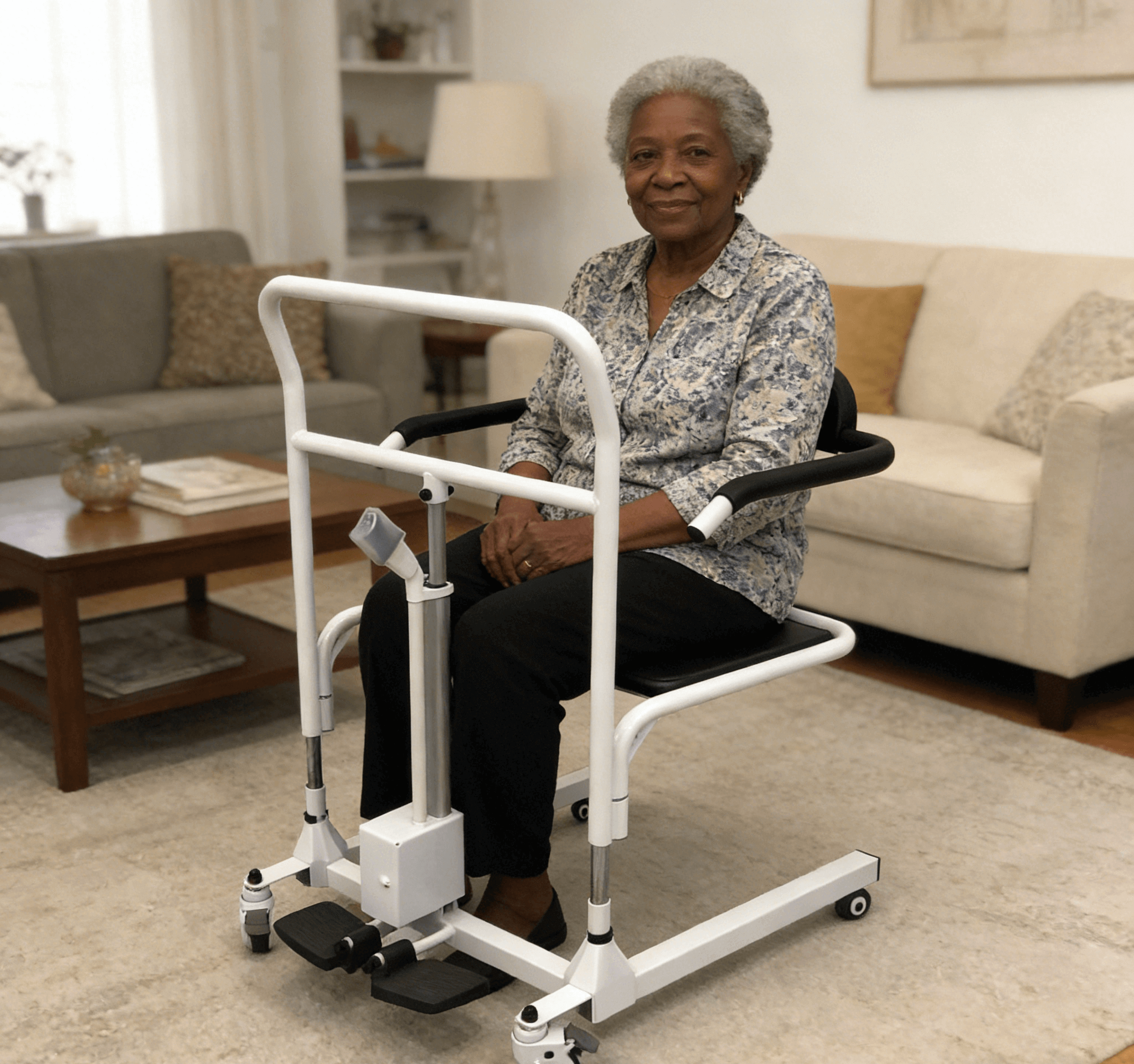
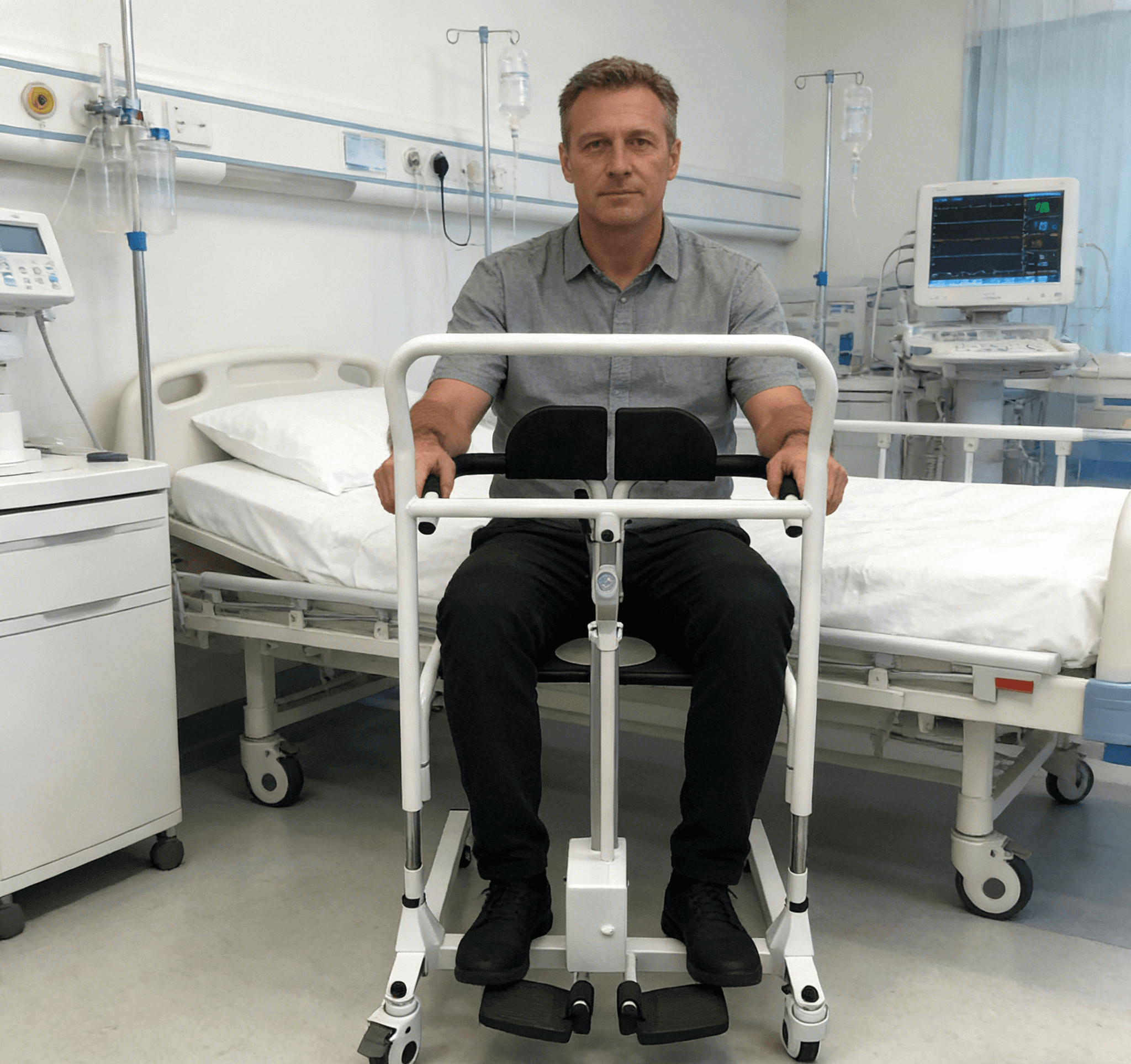
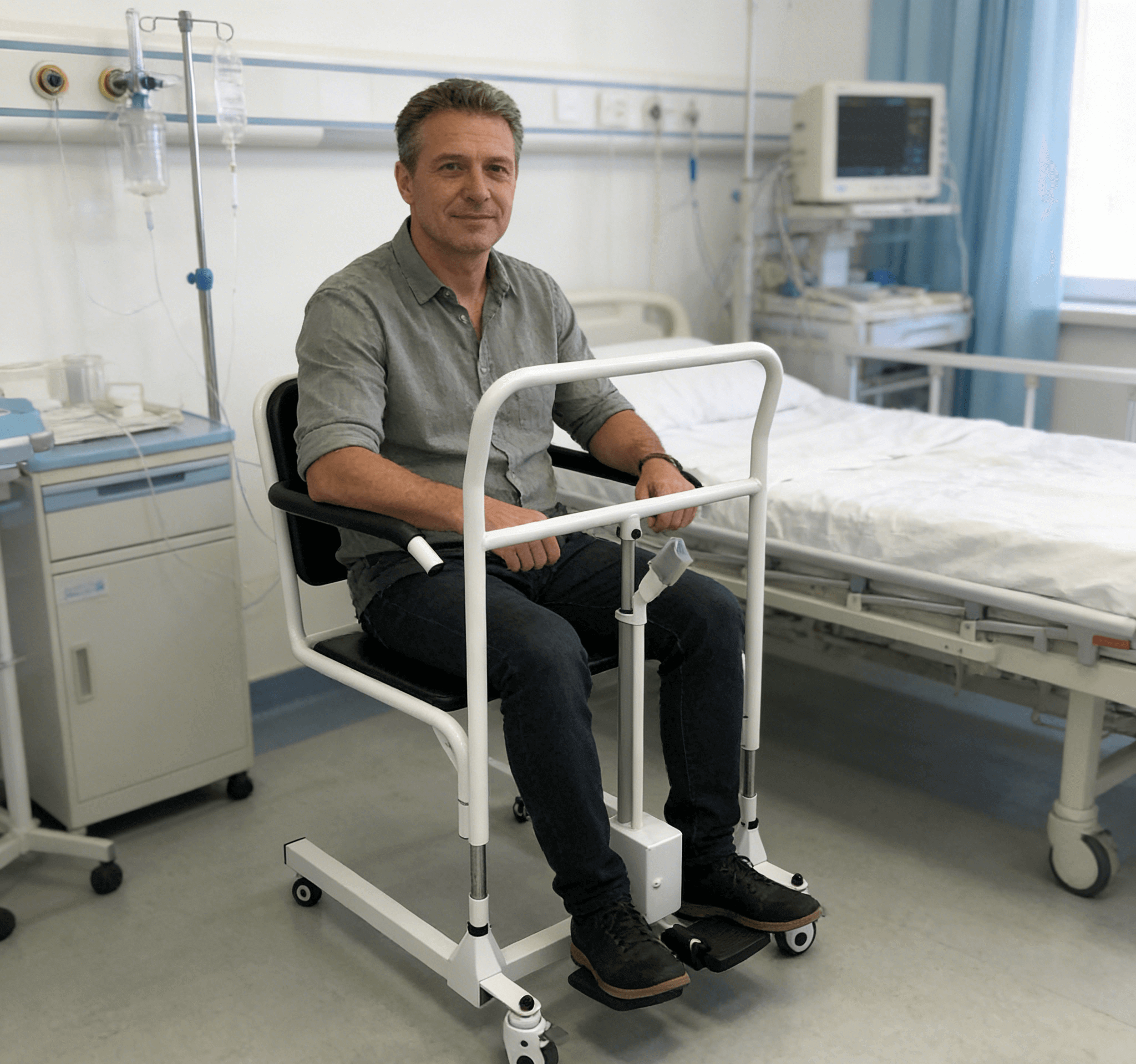
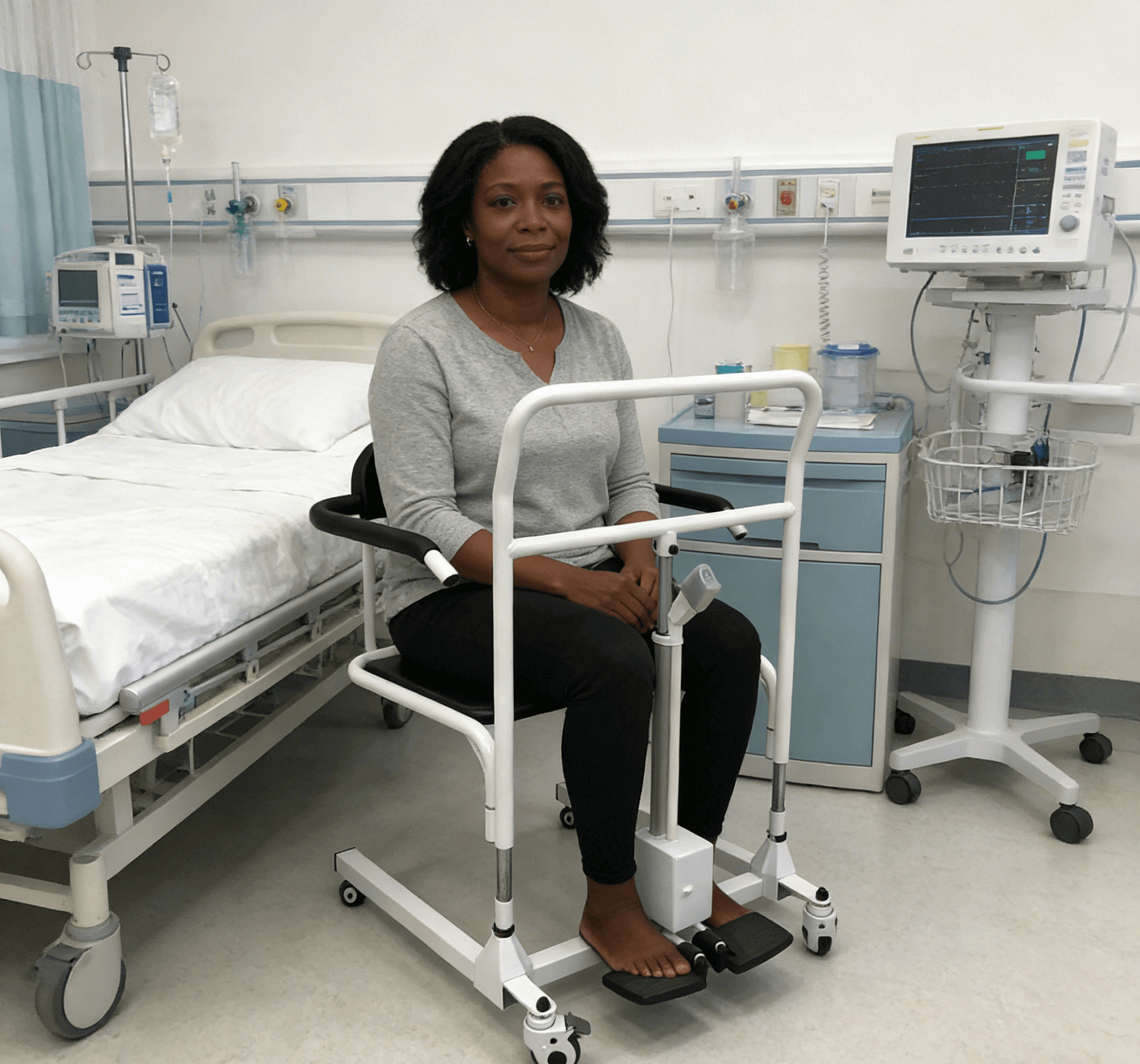
hoyer lift for pt
The Role of Hoyer Lifts in Physical Therapy: Safe Transfer as the First Step in Rehabilitation
In the practice of Physical Therapy (PT), treatment goals often focus on muscle strength training, balance improvement, gait reconstruction, or restoration of joint range of motion. However, for patients with severe functional impairments, the ability to safely transfer from a hospital bed to a treatment table, standing frame, or ambulatory aid is often a critical prerequisite for initiating rehabilitation. At this point, although Hoyer Lifts do not directly participate in "therapeutic movements," they serve as indispensable support tools in the rehabilitation process, laying the foundation for safety and confidence in subsequent interventions.
Why Do Physical Therapists Need Hoyer Lifts?
Many patients receiving PT are in the early stages of rehabilitation: they may have just undergone major surgery (such as hip replacement), suffered severe trauma (such as spinal cord injury), experienced an acute stroke, or are in a weakened state after long-term bed rest. These individuals typically exhibit the following characteristics:
Inability to bear weight or restricted weight-bearing capacity;
Poor trunk control and unstable sitting posture;
High risk of falls;
Fragile skin, prone to pressure sores or lacerations from dragging.
In such cases, if patients are forcibly moved to the treatment area through manual lifting, it not only risks causing secondary injuries but also triggers resistance to rehabilitation due to pain or fear. Hoyer Lifts, through smooth and controlled mechanical transfers, ensure patients enter the treatment process with minimal stress, creating prerequisites for high-quality PT.
Typical Applications in PT Settings
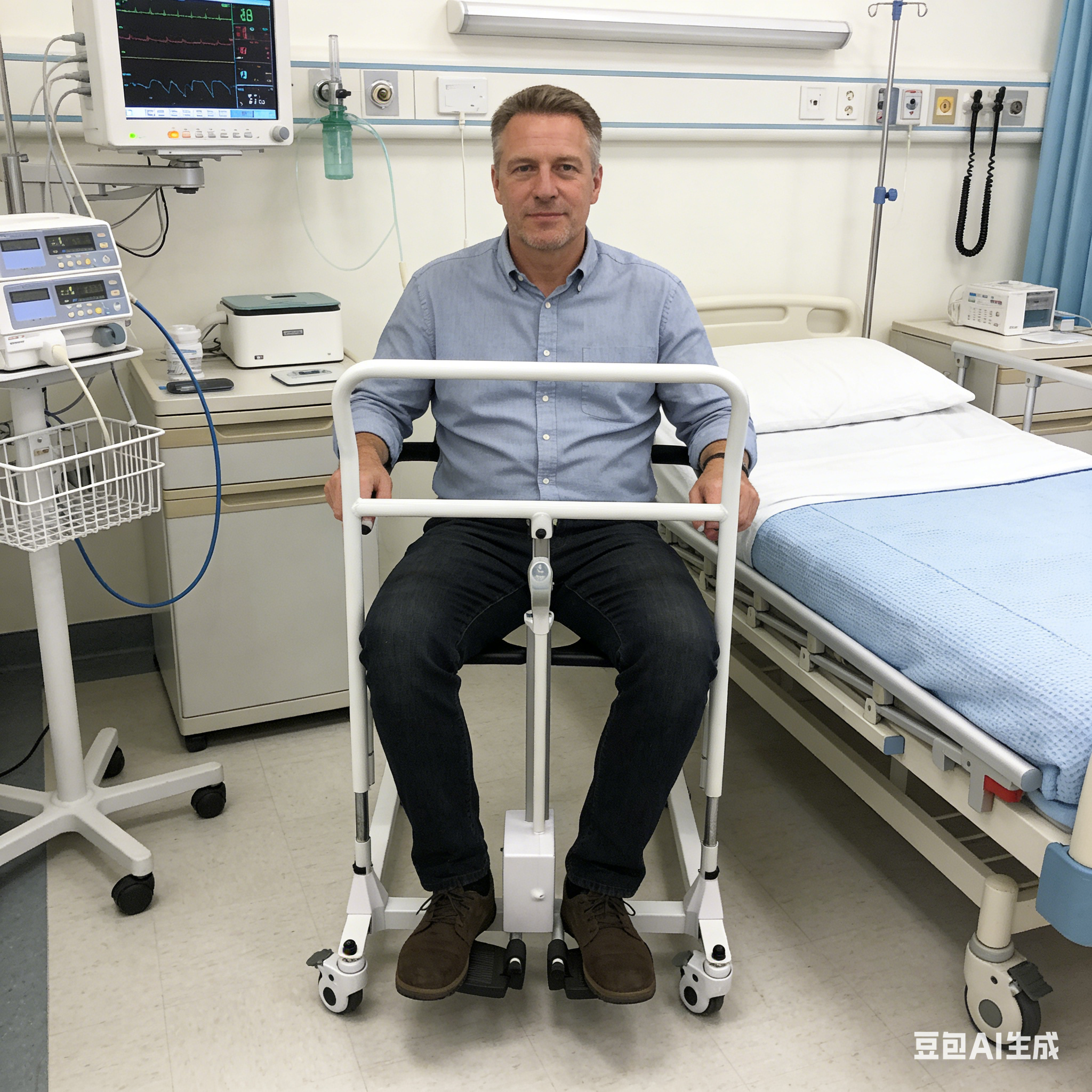
Transfer from Hospital Bed to Treatment Table
This is particularly applicable to patients transferred from the ICU, those in the early post-surgery period, or those undergoing neurocritical rehabilitation. Therapists can focus on assessment and training without being distracted by the safety of manual lifting.
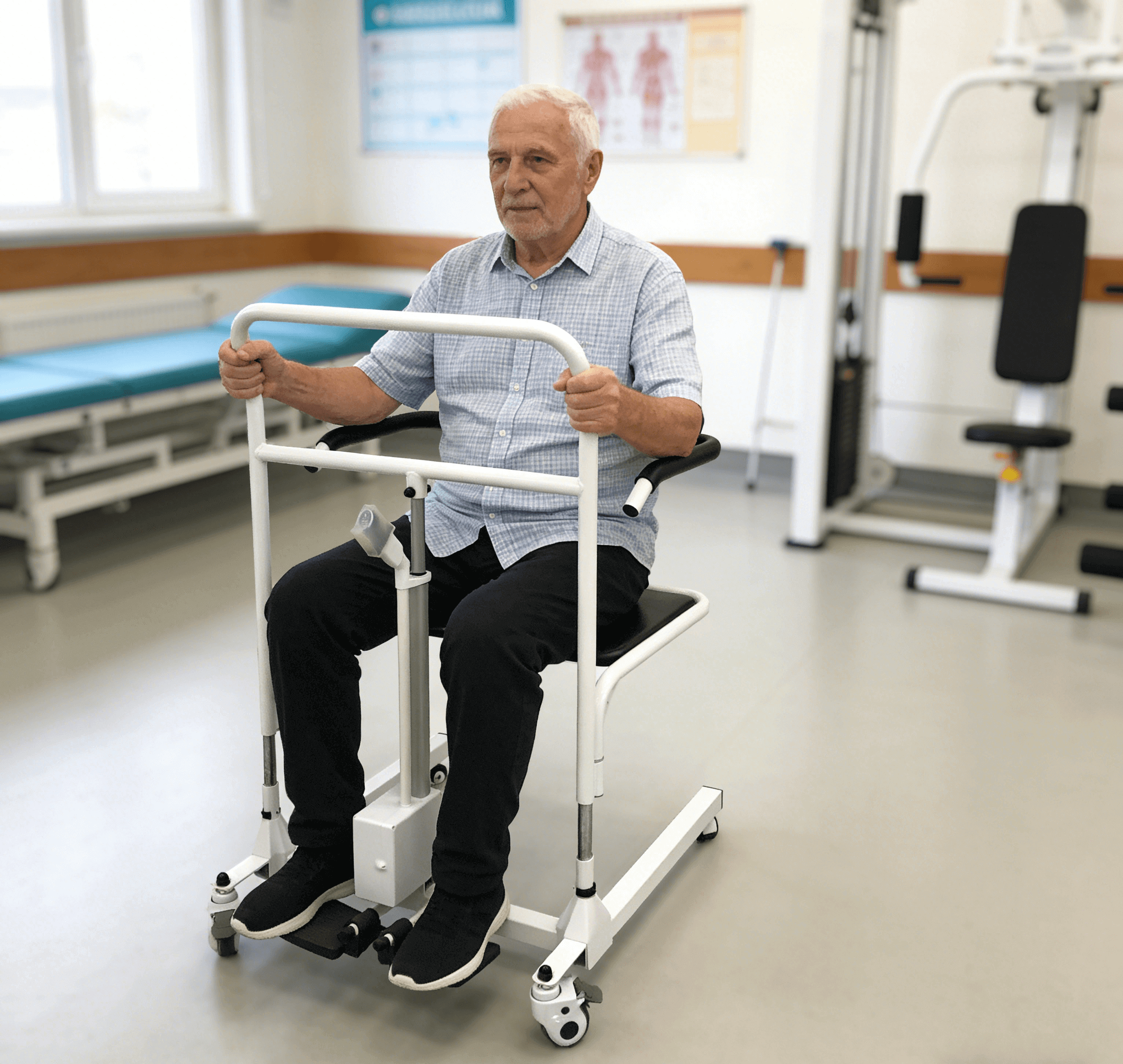
Assisting in the Transition to Standing Training
For patients who cannot stand independently but need to undergo tilt table training, Hoyer Lifts can safely transfer them to the standing equipment, and then work with slings to assist in position conversion.
Preparation for Aquatic Rehabilitation Before Entering the Pool
If the rehabilitation center is equipped with a hydrotherapy pool, specialized waterproof lifts can transfer patients from wheelchairs into the water, enabling pain-free and fear-free initiation of aquatic PT.
Adaptive Support for Patients with High Body Weight or Special Body Types
Bariatric lifts allow obese patients to participate equally in rehabilitation programs, preventing them from being excluded from PT due to transfer difficulties.
How Do Physical Therapists Collaborate with Hoyer Lifts?
Although the operation of lifts is usually performed by nursing staff or therapy assistants, physical therapists play a key decision-making and guiding role:
Participate in equipment selection and assessment: Based on the patient’s weight, cognitive status, skin integrity, and rehabilitation goals, recommend appropriate sling types (such as full-body slings or sitting slings);
Develop transfer plans: Clarify whether slight active participation can be incorporated into the transfer process (e.g., encouraging patients to support themselves with their hands) to promote proprioceptive input;
Monitor transfer responses: Observe the patient’s facial expression, breathing, and pain reactions during lifting, and adjust the intensity of subsequent treatment in a timely manner;
Educate family members and caregivers: During the home rehabilitation phase, guide family members on the correct use of home lifts to ensure PT effects are extended to daily life.
Safety and Ethics: Not Just Technical Issues
When using Hoyer Lifts in PT settings, attention must also be paid to the humanistic dimension:
Respect the patient’s autonomy: Even if fully dependent on the equipment, the process should be communicated in advance and consent obtained to avoid the feeling of "being handled";
Protect privacy: Ensure proper covering during transfers, especially in open treatment areas;
Avoid labeling: Do not lower expectations for the patient’s rehabilitation potential simply because a lift is used—equipment is a bridge, not an endpoint.
Conclusion
Hoyer Lifts may be unobtrusive in physical therapy, but they are crucial. They do not teach patients to walk, but they give patients the opportunity to stand on the training mat; they do not enhance muscle strength, but they prevent a single fall from undoing weeks of effort. In modern rehabilitation concepts, "safe transfer" is no longer a secondary task of nursing, but an integral part of rehabilitation intervention.
When physical therapists work closely with assistive technology, the path of rehabilitation shifts from "whether the patient can move" to "how to start moving safely." And Hoyer Lifts are precisely the invisible yet steady supporting hands on this path—firmly delivering hope through the door of the treatment room.