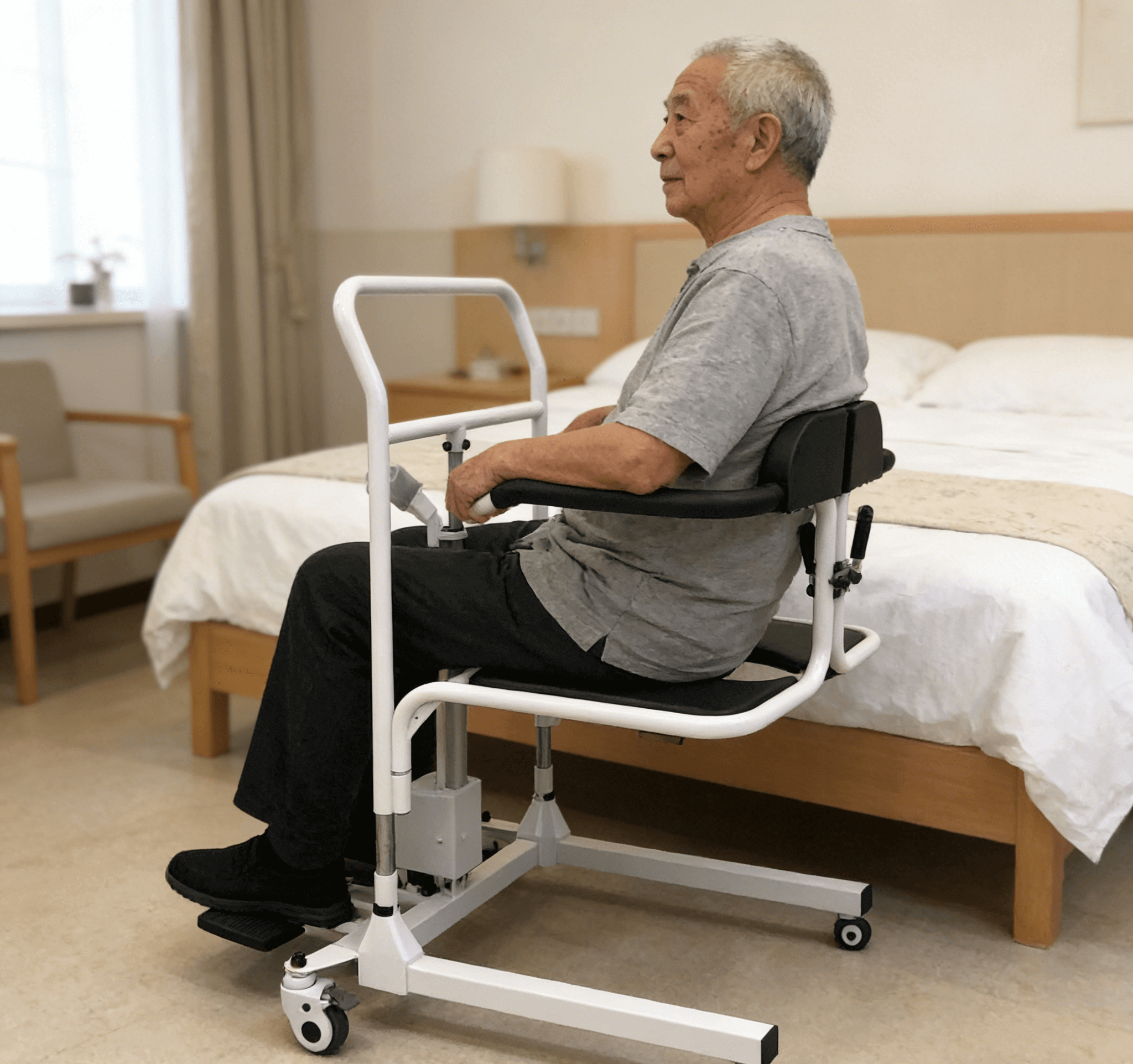
Category: Patient Lifts
Posted by 2025-12-22 11:12
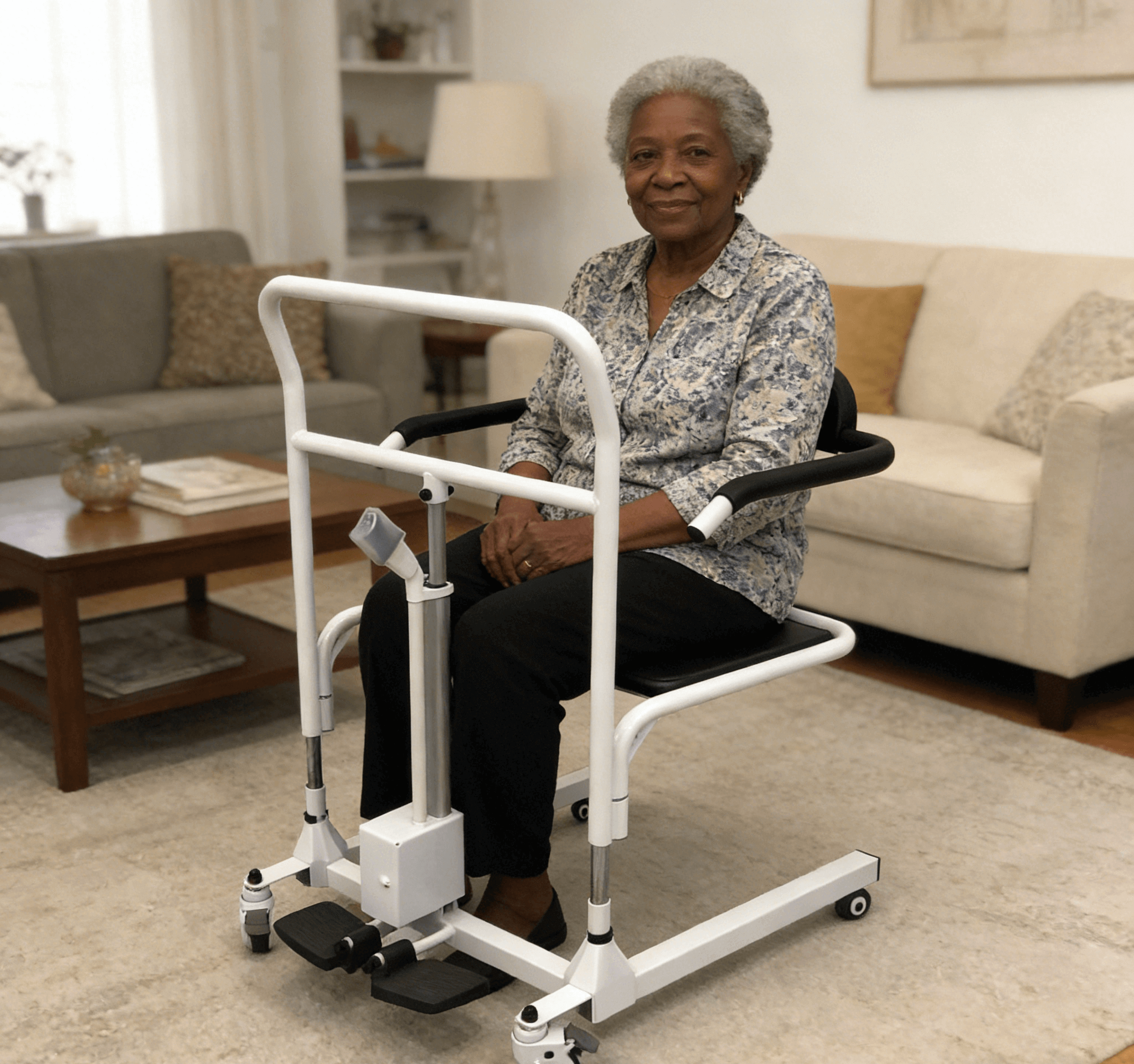
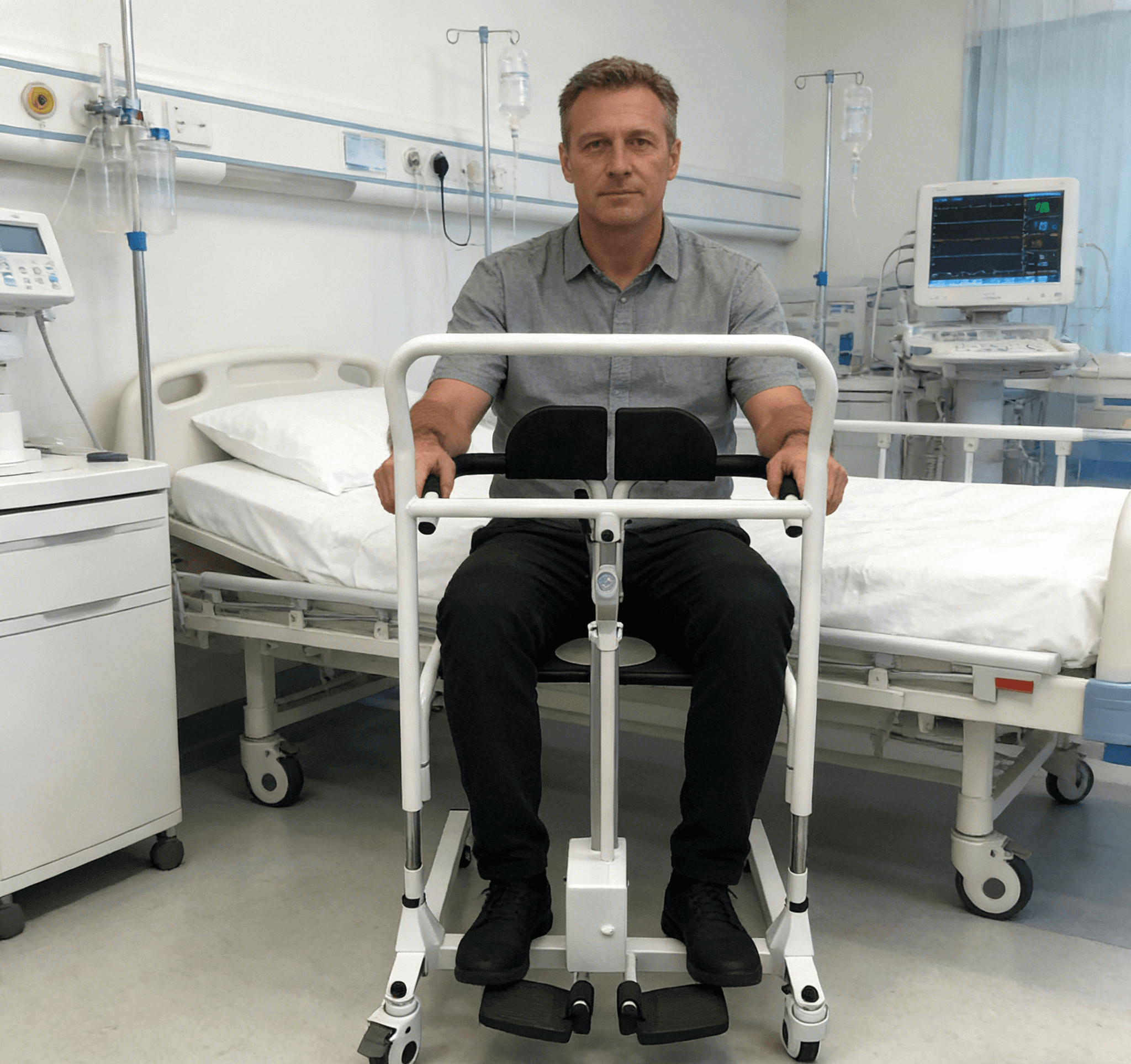
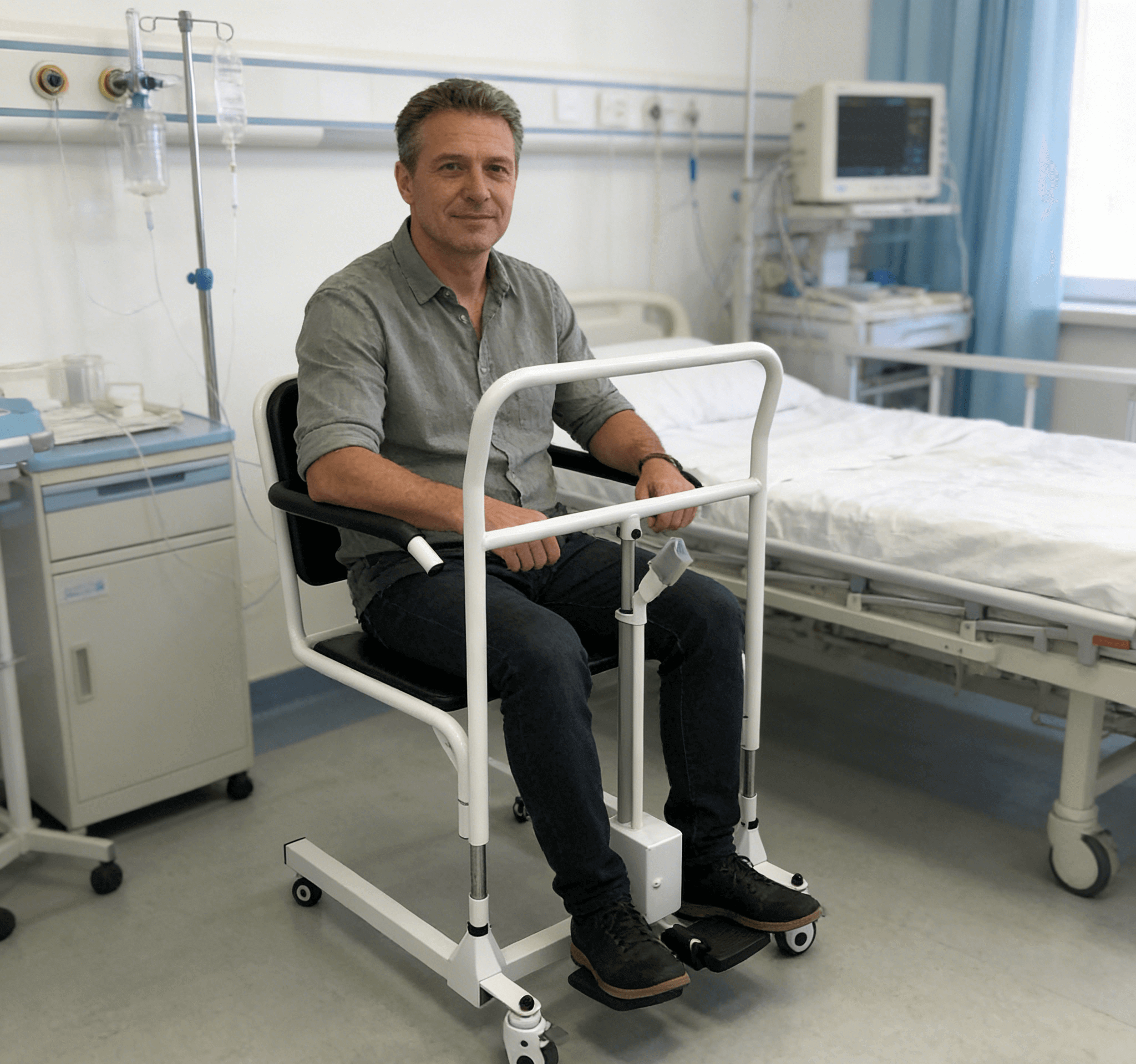
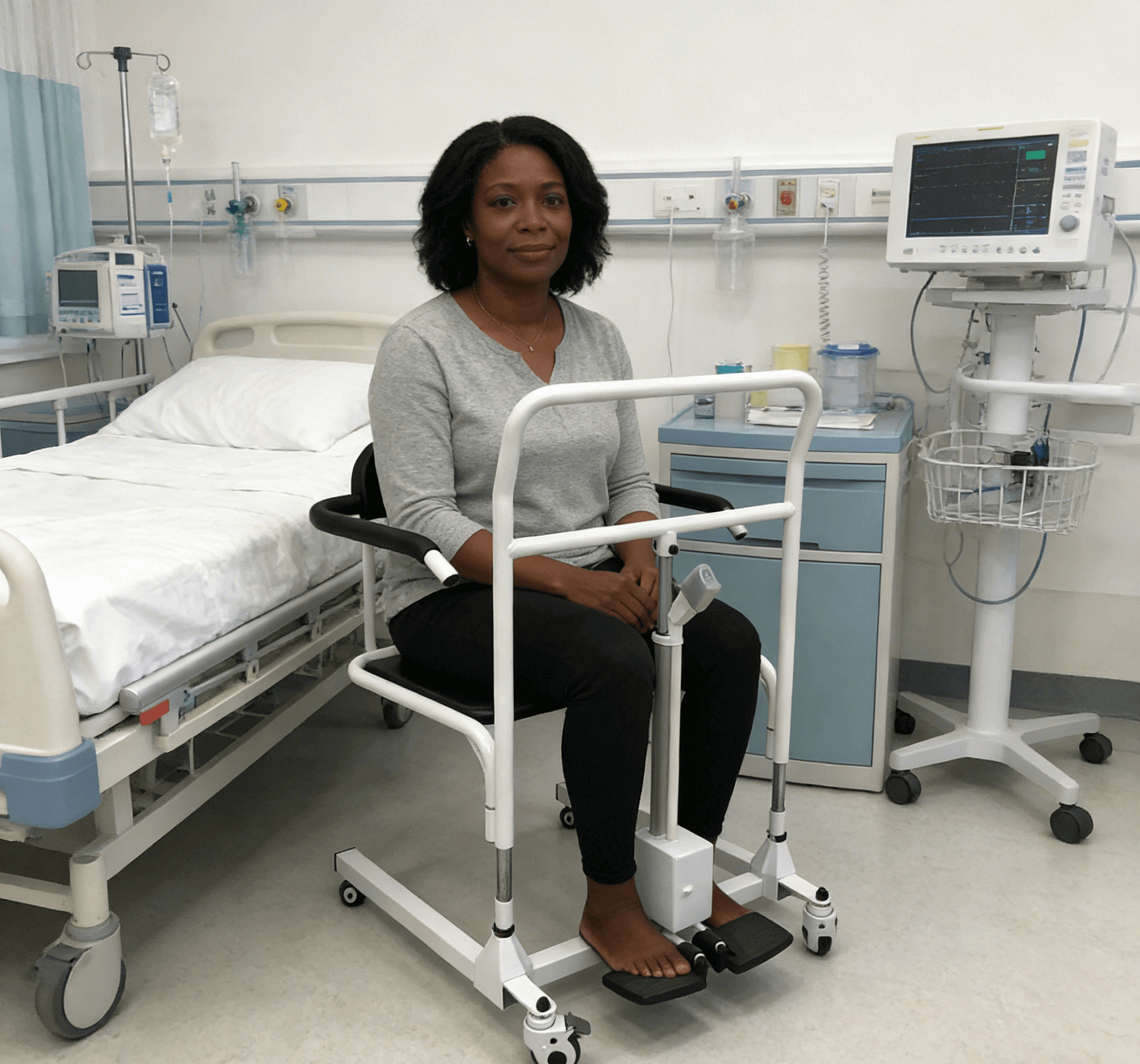
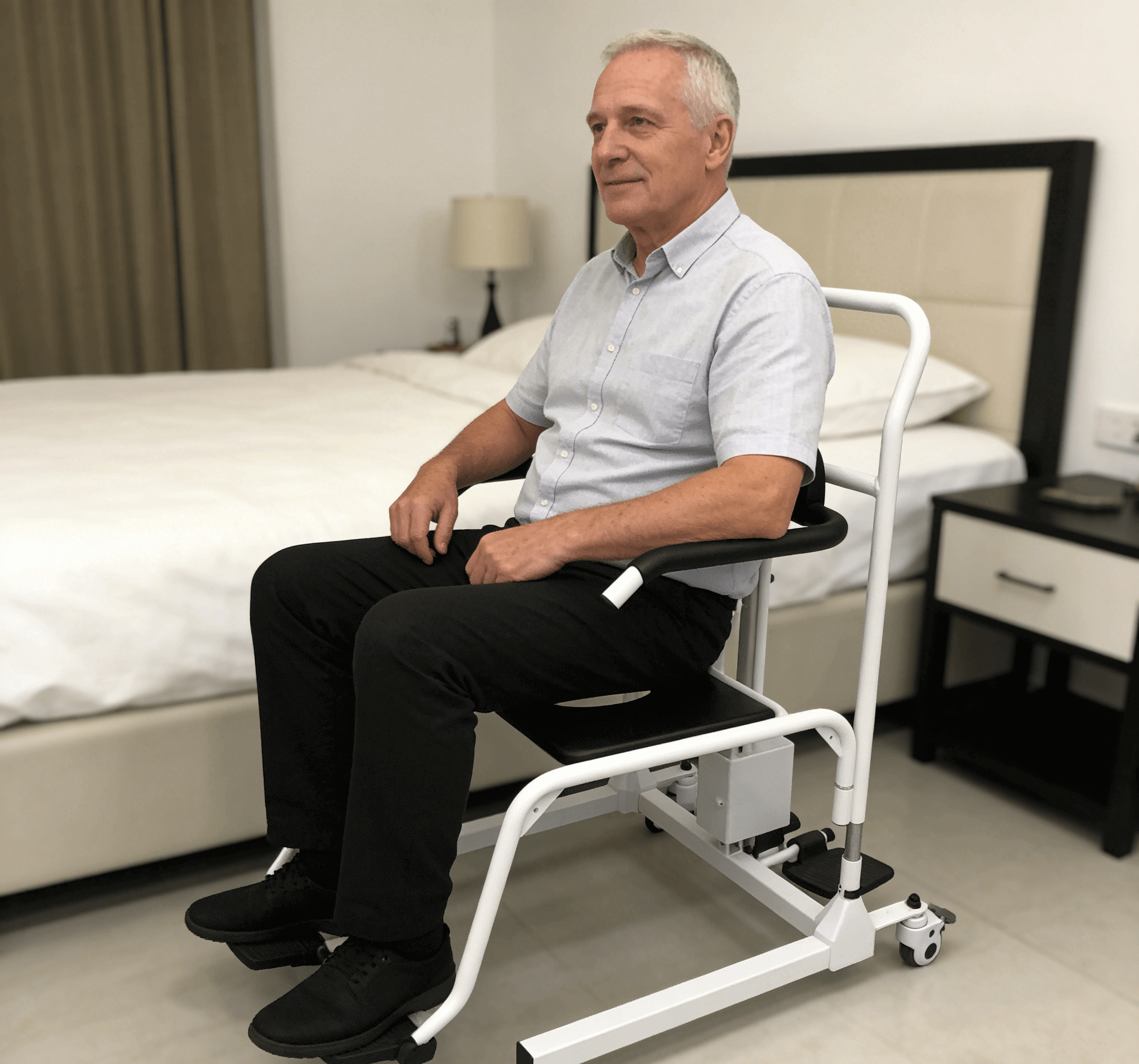
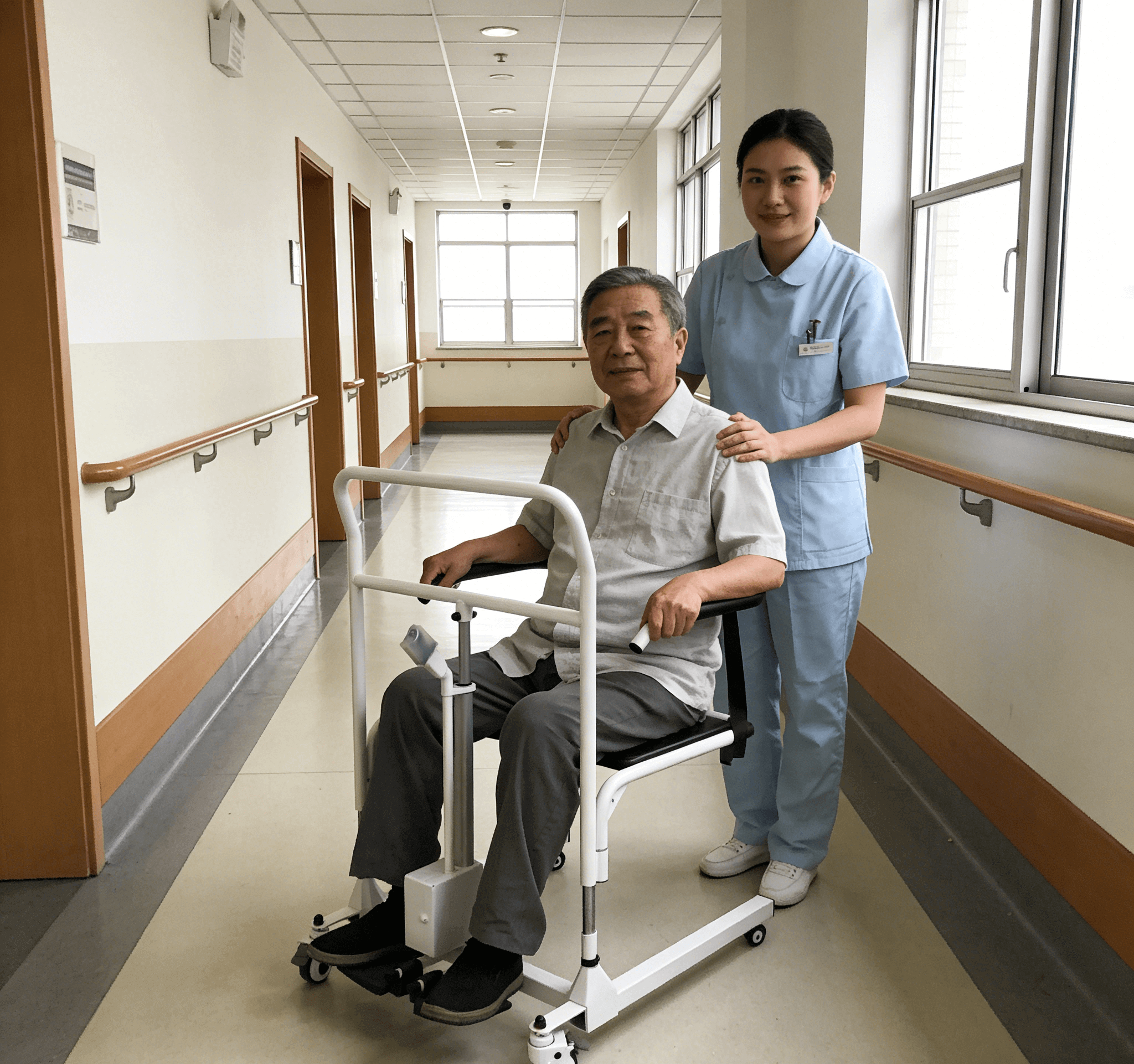
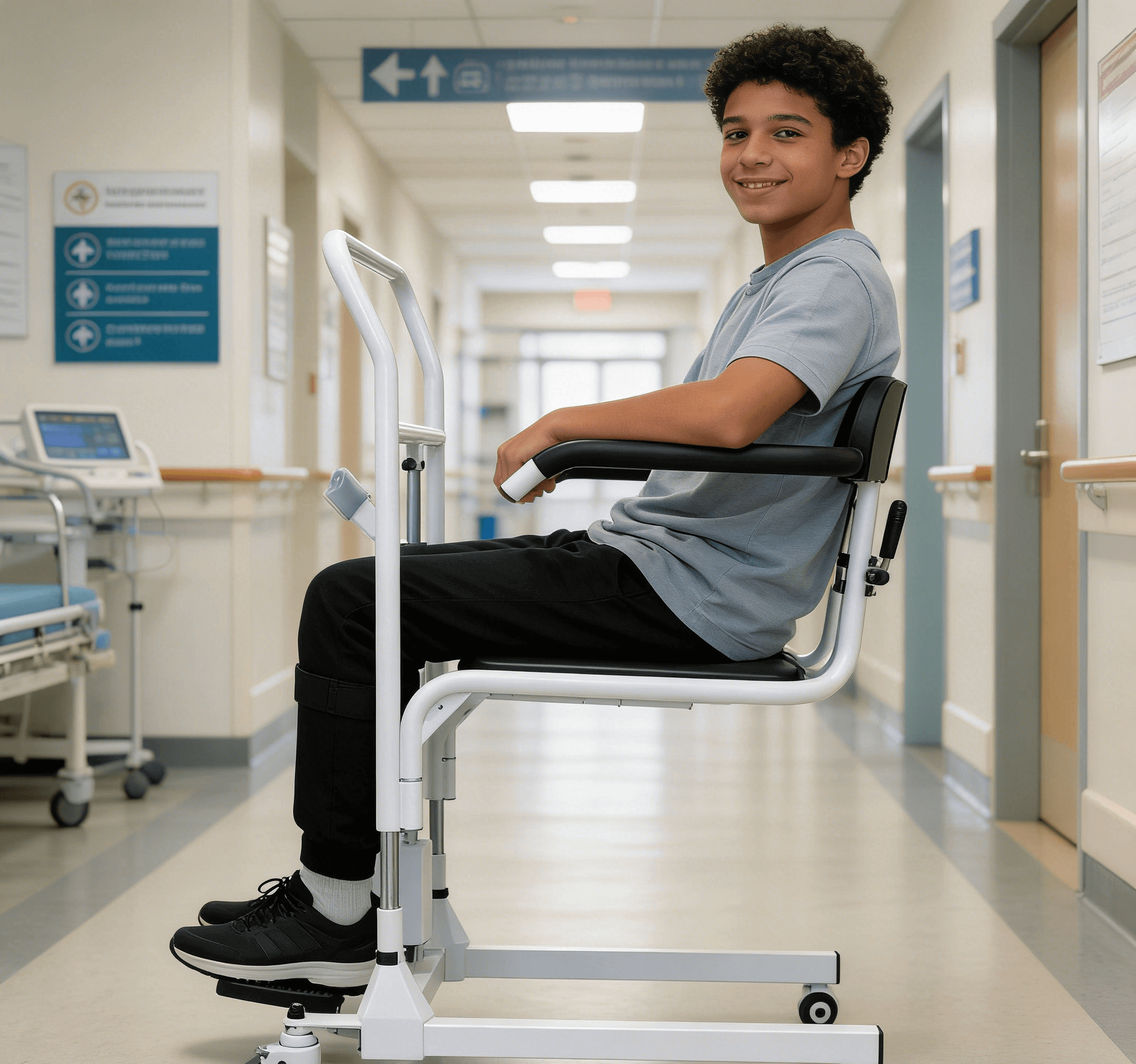
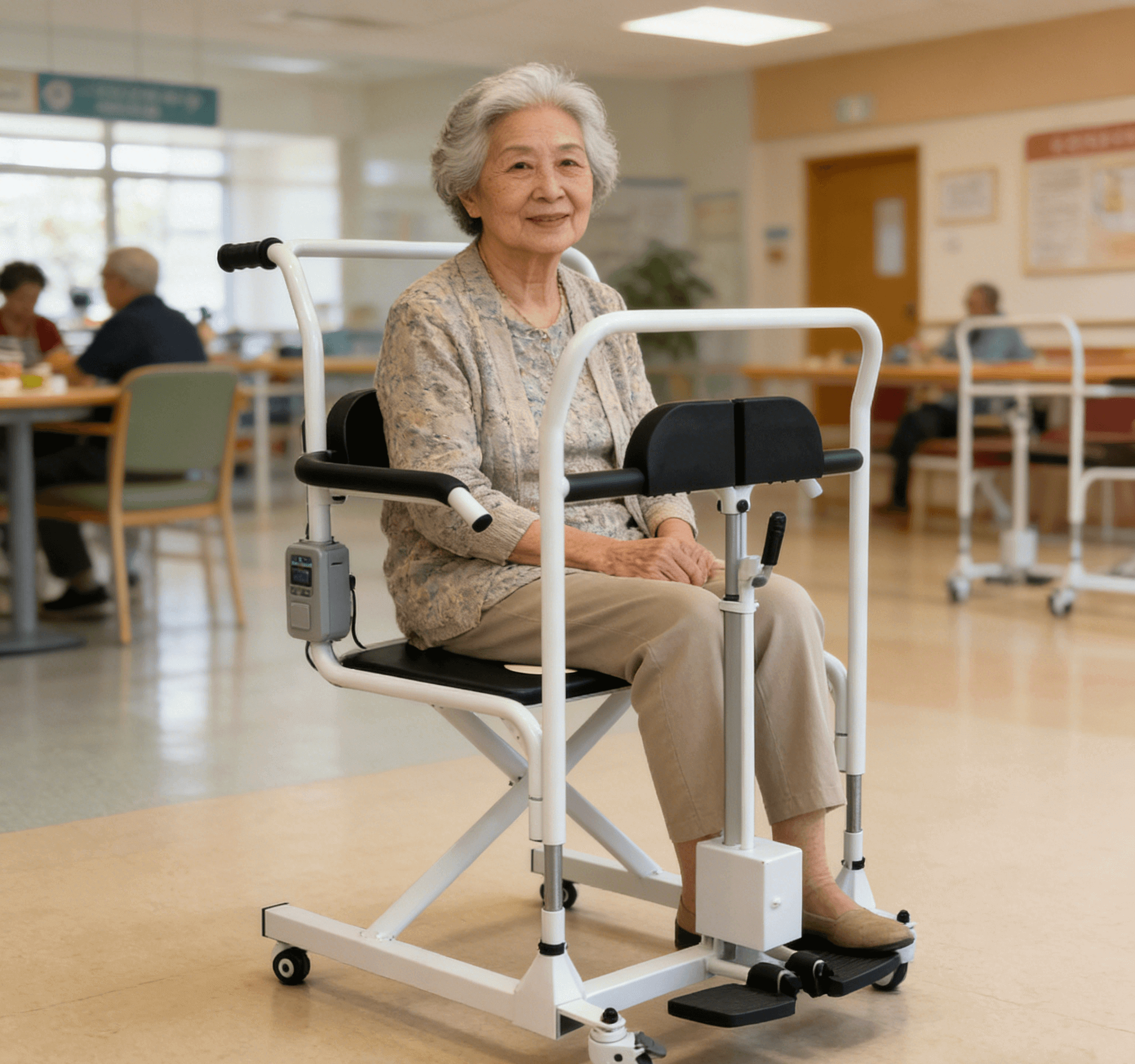
hoyer lift for hospital bed
Hoyer Lift and Hospital Bed: The Golden Combination for Safe Patient Transfers
In hospitals, rehabilitation centers, or long-term care facilities, the daily transfer of patients—from the bed to a wheelchair, examination table, or bathroom equipment—is one of the most frequent yet high-risk tasks in nursing work. To ensure patient safety and reduce the burden on caregivers, modern healthcare settings generally adopt two core assistive devices: height-adjustable hospital beds and Hoyer Lifts. The scientific coordination between these two not only improves care efficiency but also builds a crucial defense line against falls, pressure ulcers, and occupational injuries.
Why Is the Hoyer Lift Particularly Compatible with Hospital Beds?
A hospital bed is not an ordinary home bed. It comes with multiple functions such as electric height adjustment, backrest/leg rest adjustment, side rail protection, and low-position mode, specifically designed to meet the medical and comfort needs of bedridden patients. The structure and operation logic of the Hoyer Lift are optimized around such professional hospital beds:
Height Matching: Hospital beds can lift the bed surface to a height that aligns naturally with the Hoyer Lift’s sling, reducing the lifting height and minimizing the risk of center-of-gravity shift.
Low-Chassis Compatibility: Most Hoyer Lifts feature a "U-shaped" or "fork-style" base design, which can easily slide under the hospital bed and provide stable support even when the bed is in the lowest position.
Foldable Side Rails: The side rails of hospital beds can be folded down on one or both sides, creating sufficient space for inserting the sling and maneuvering the lift.
Load-Bearing and Stability: Hospital beds have a sturdy structure. When used in conjunction with the lift, they do not wobble due to external forces, ensuring a smooth transfer process.
This highly coordinated design allows the Hoyer Lift to maximize its effectiveness in hospital environments.
Key Process for Safe Transfers
In clinical practice, transferring patients using a Hoyer Lift with a hospital bed typically follows these steps:
Assess the Patient’s Condition: Confirm the patient’s consciousness level, ability to follow instructions, presence of skin damage, and whether their weight falls within the lift’s load capacity.
Adjust the Hospital Bed: Raise the bed to an appropriate height (usually slightly higher than the target position) and fold down one side rail.
Place the Specialized Sling: Select a full-body, sitting, or commode sling based on the patient’s functional status, and carefully place it under the patient without dragging.
Connect the Lift: Securely attach the sling hooks to the lift arm, ensuring even force distribution across the four attachment points.
Slowly Lift and Transfer: Operate the control handle to lift the patient at a steady speed, move them smoothly above the wheelchair or toilet, then lower them gently.
Remove the Sling and Reset the Bed: After confirming the patient is seated securely, remove the sling, raise the hospital bed’s side rails, and restore the bed to its original settings.
The entire process emphasizes "slowness, stability, and communication," with particular attention to protecting the patient’s fragile skin and joints.
Clinical Value: Beyond "Being Able to Lift"
The combination of Hoyer Lifts and hospital beds offers multiple values in medical care:
Prevent Patient Injuries: Avoid falls, fractures, skin tears, or worsening of pressure ulcers caused by manual lifting.
Protect Caregivers’ Health: Significantly reduce the incidence of low back strain, complying with occupational safety standards.
Improve Care Efficiency: A single caregiver can complete the transfer, saving manpower—especially critical during night shifts or when staffing is tight.
Support Early Ambulation and Rehabilitation: For post-surgical or critically ill patients, safe transfers are a prerequisite for conducting bedside sitting and standing training.
Preserve Patient Dignity: Standardized, non-invasive operation reduces exposure and discomfort, reflecting humanized care.
Many international healthcare institutions (such as the U.S. CDC and the UK NHS) have incorporated "no manual lifting" into care standards and mandated the provision of an adequate number of patient lifting devices.
Precautions and Common Misconceptions
Despite its significant advantages, the following issues must be guarded against in practical use:
Do Not Replace Hospital Beds with Ordinary Beds: Home mattresses are too soft, bed frames are too low, or lack side rails—these can prevent the lift’s base from sliding under or cause the sling to slip.
Do Not Mix Slings: Slings from different brands/models may be incompatible with the lift’s hooks; forced use risks detachment.
Inspect Equipment Regularly: Check the hydraulic system, battery level, sling wear, and limit switches to ensure proper functionality.
Ensure Adequate Training: Newly hired nurses or nursing assistants must pass hands-on assessments; they should not operate the equipment solely based on "having watched others do it."
Conclusion
The combination of Hoyer Lifts and hospital beds is a seemingly basic yet vital technical pairing in modern medical care systems. It transforms "safe transfer" from an experience-dependent task into a standardized process—protecting patients’ physical well-being while respecting the occupational health of caregivers. In today’s pursuit of high-quality, humanized medical services, this "golden combination" will continue to silently safeguard every smooth rise and every secure move in hospital wards—ensuring that care is both professionally competent and gently compassionate.