Category: Patient Lifts
Posted by 2025-12-23 11:12
hoyer lift for people
Hoyer Lift: Upholding Safety and Dignity for Individuals with Mobility Limitations
In hospital wards, elderly care facilities, or ordinary homes, there exists a group of people—those who have lost the ability to stand or walk independently due to illness, aging, accidents, or congenital conditions. For them, a simple transfer from bed to wheelchair can be filled with pain, risk, and even fear. For their caregivers, every bend, lift, and drag is a dual test of physical strength and mental resilience. It is amid such practical predicaments that the Hoyer Lift emerges as a crucial bridge connecting safety, efficiency, and dignity.
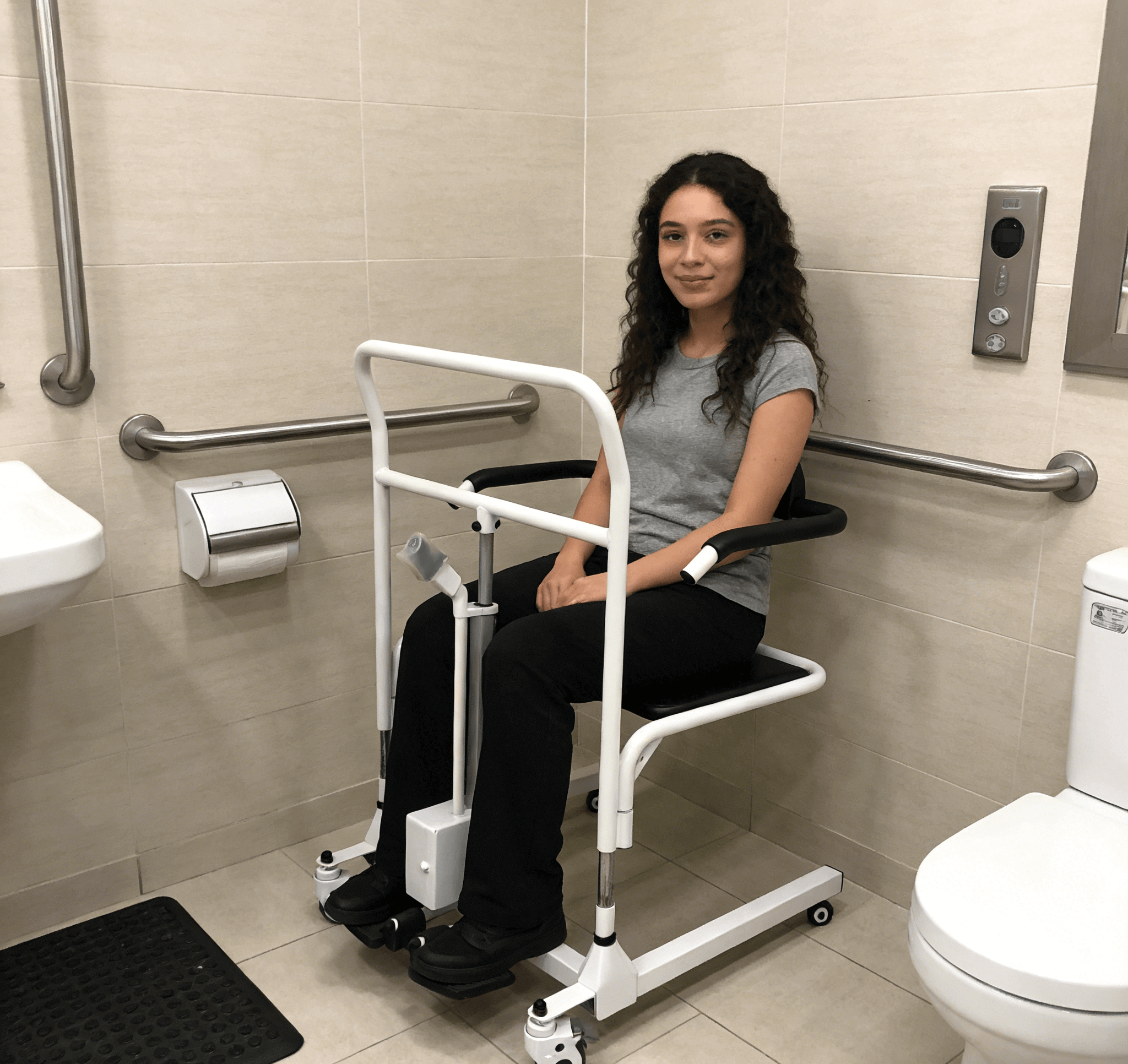
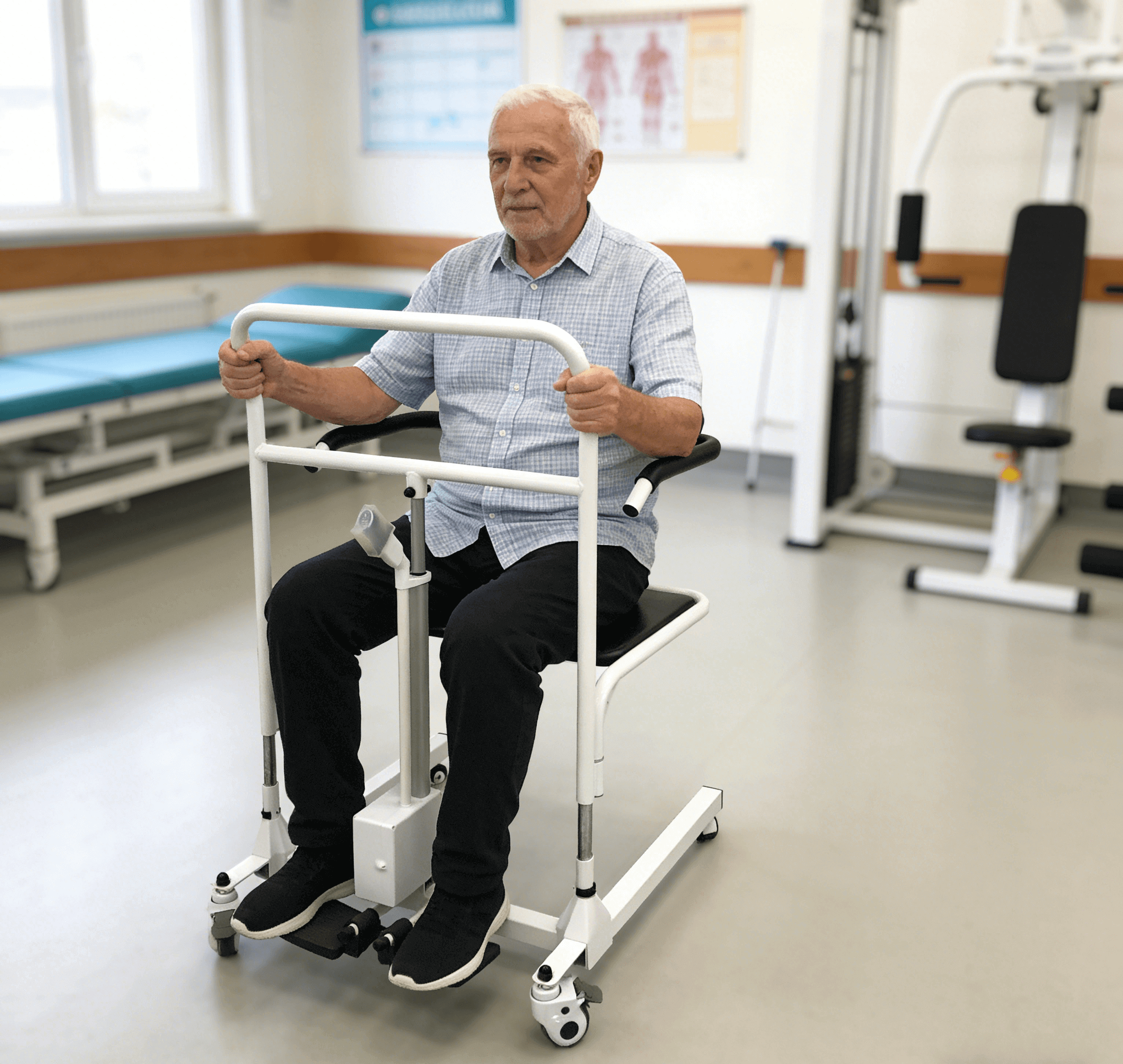
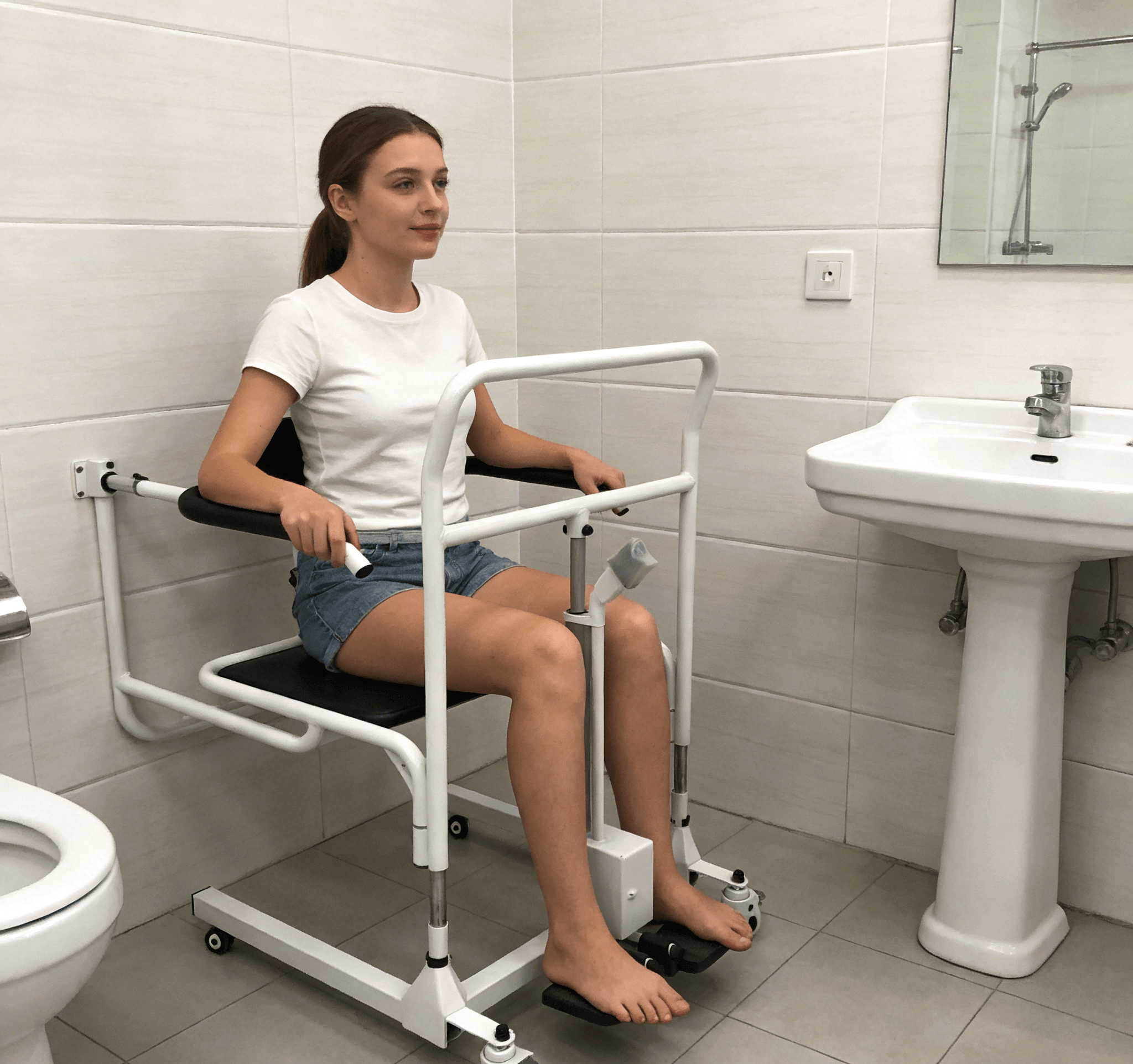
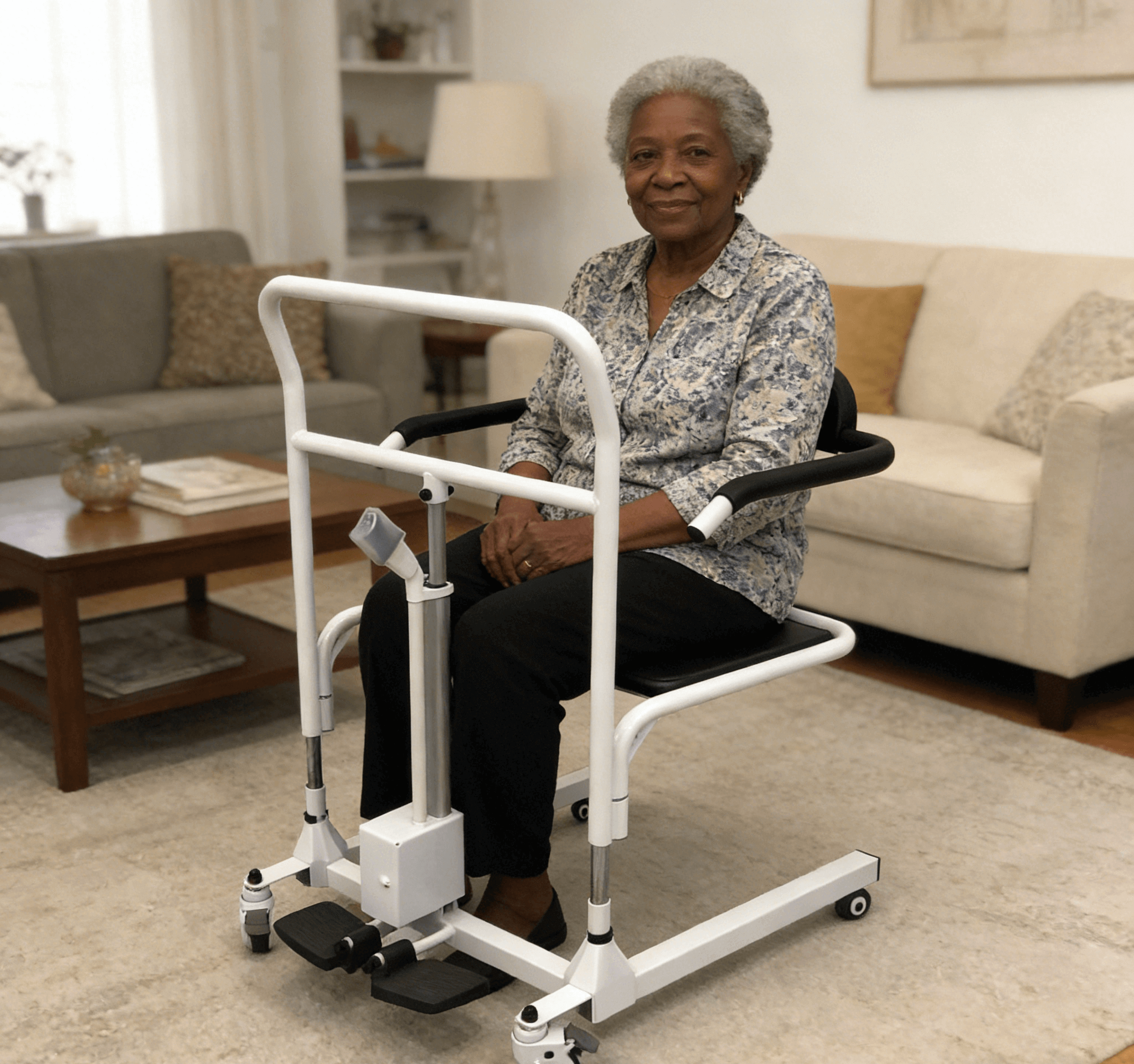
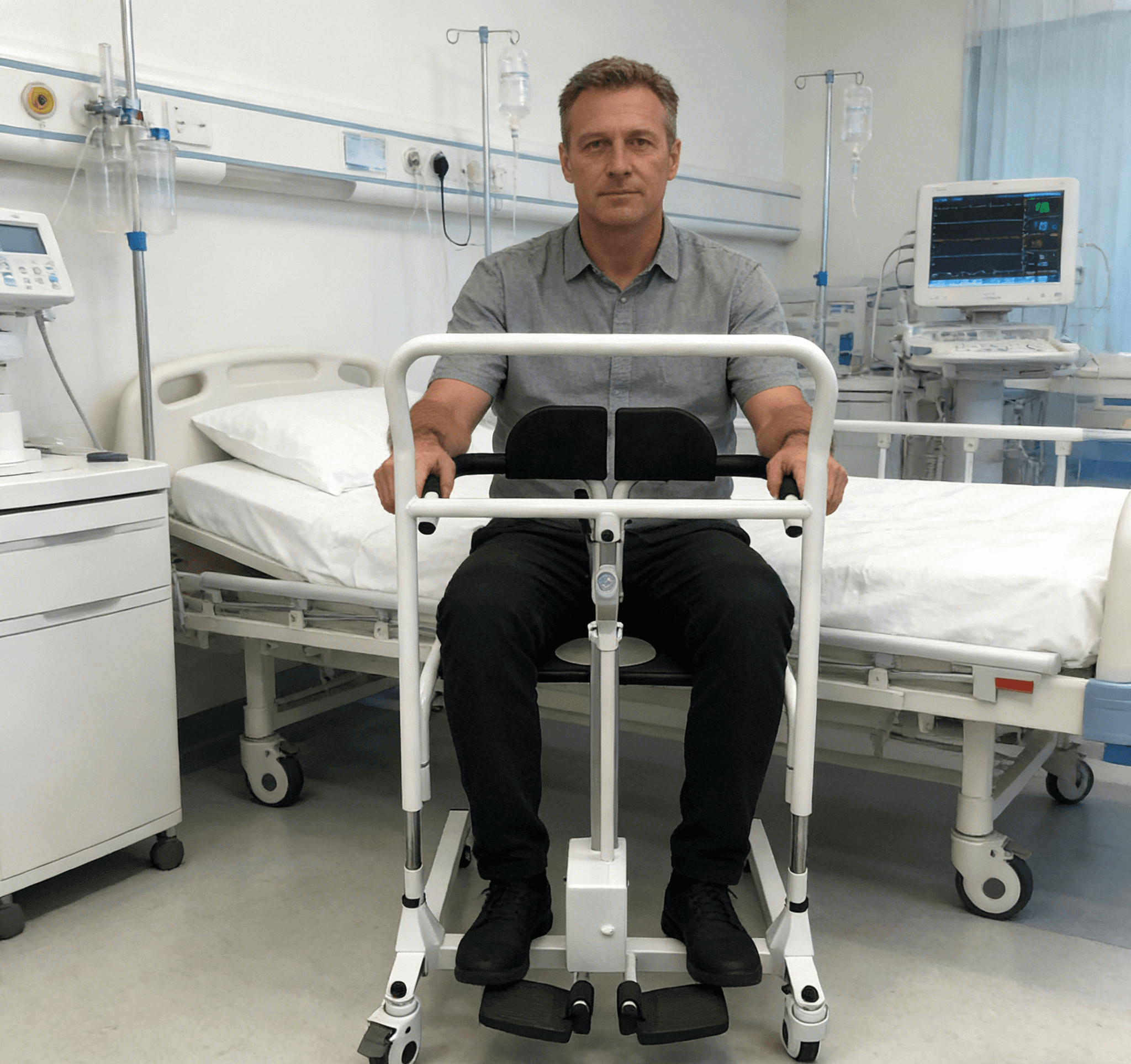
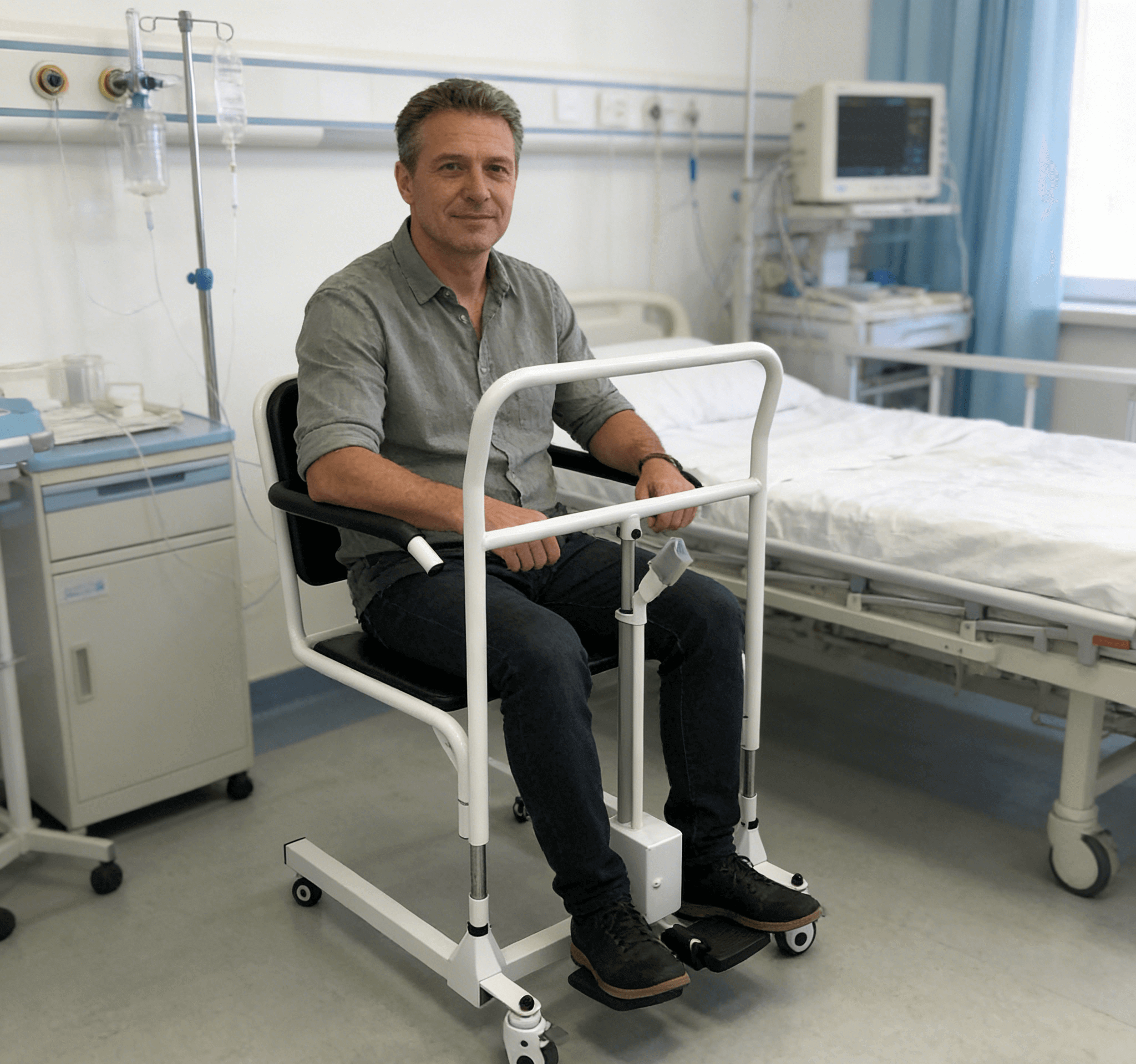
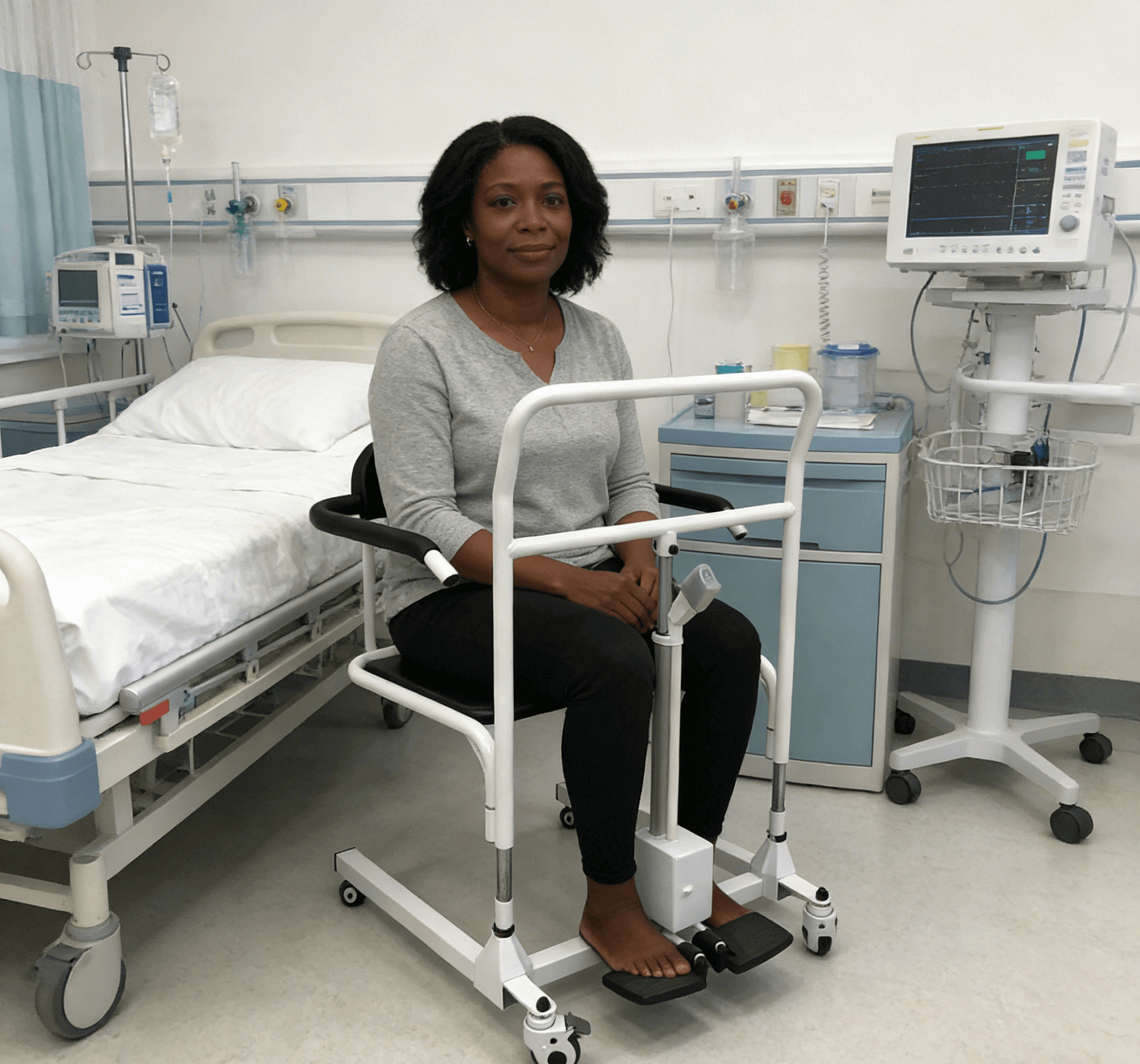
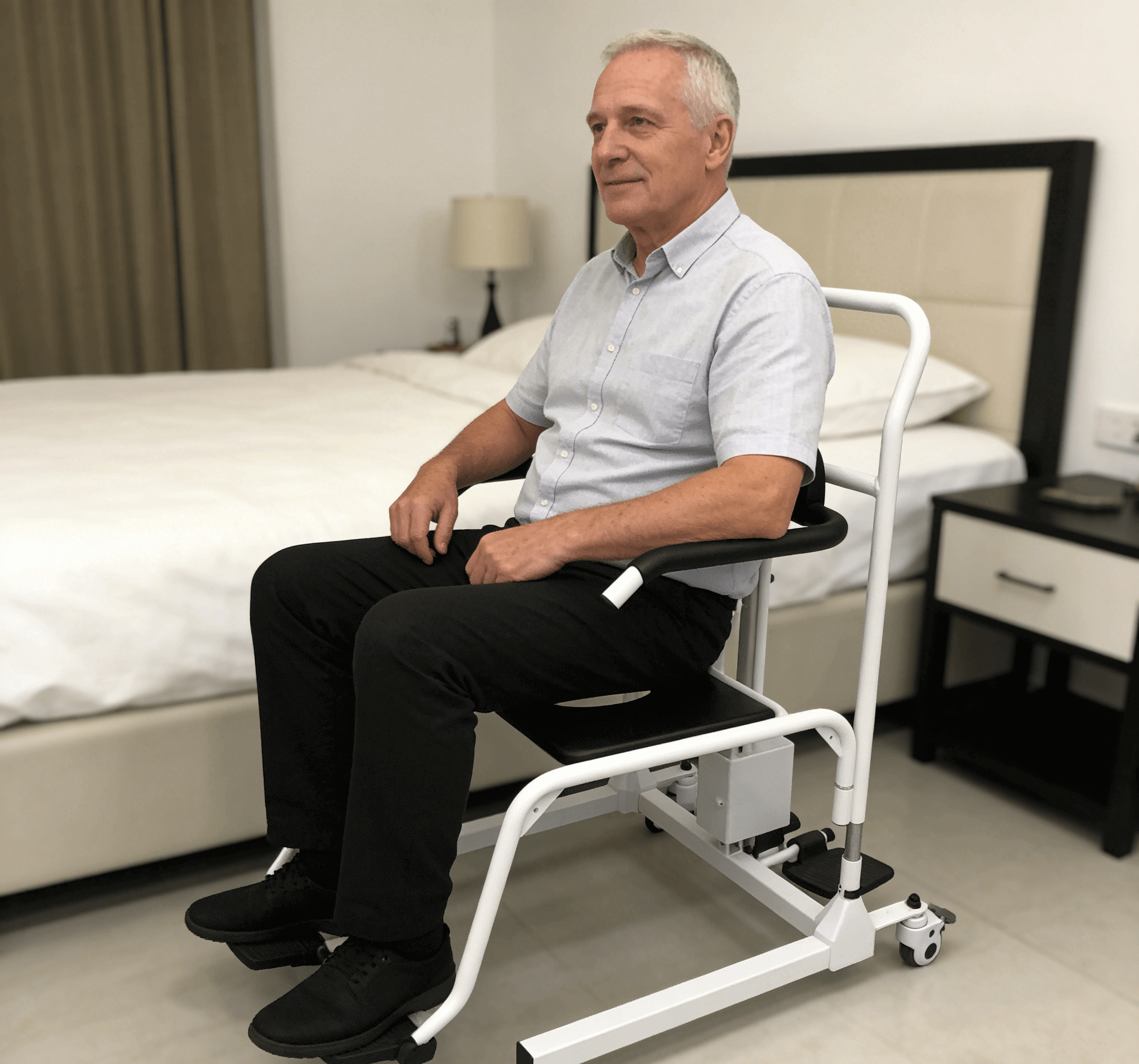
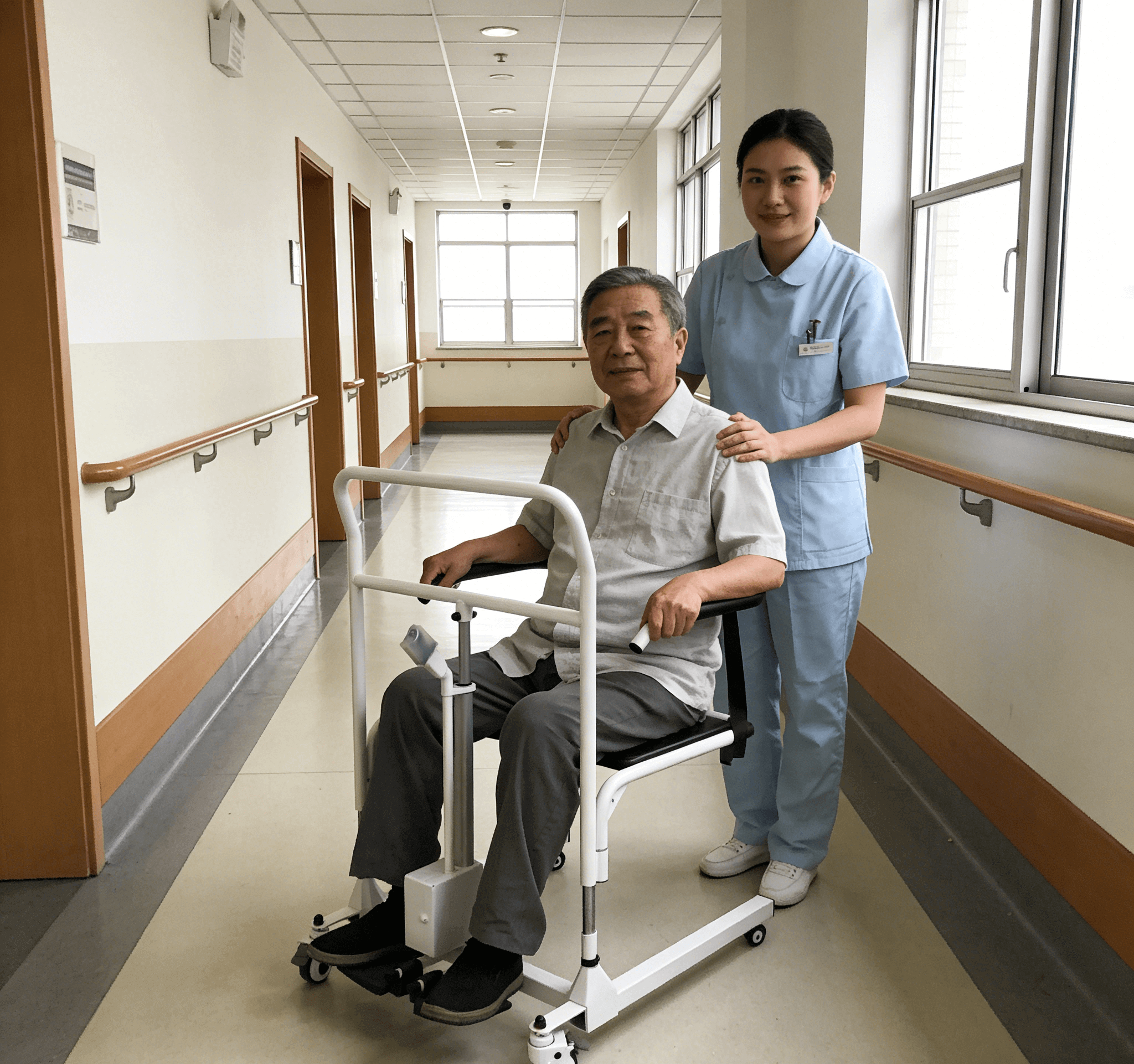
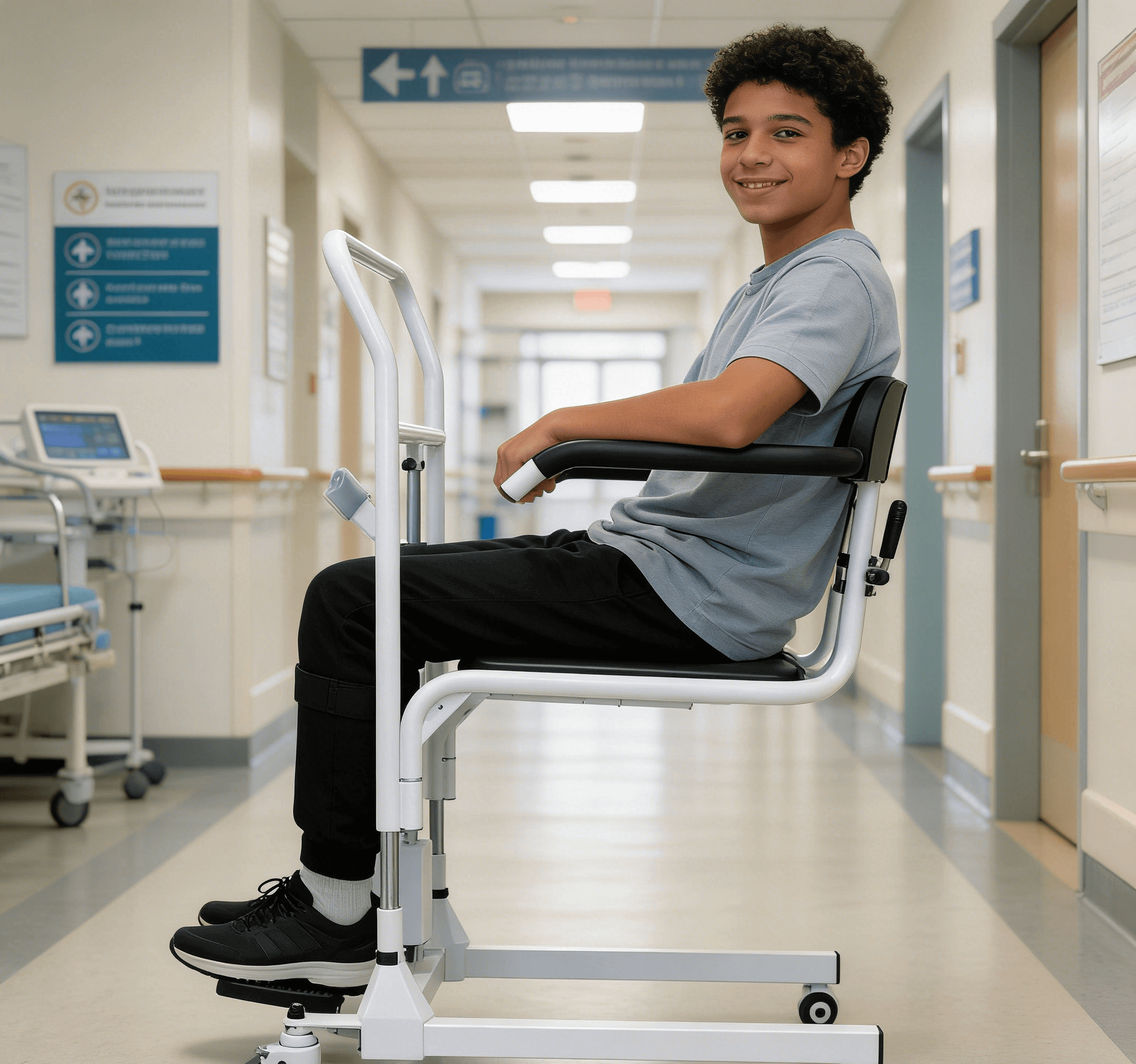
Although "Hoyer" was originally a brand name, it has now become a widely used term for a type of mechanical or electric lifting device designed to assist individuals with mobility impairments in changing positions. Equipped with a stable base, an adjustable lifting arm, and a specialized sling system, it smoothly transfers a person from one location to another without requiring manual weight-bearing—fundamentally transforming traditional care models.
Who Needs a Hoyer Lift?
The Hoyer Lift serves a broad range of individuals whose limited physical function prevents them from moving safely:
Elderly individuals: Those who are completely bedridden or use wheelchairs due to muscle atrophy, osteoporosis, stroke, or Parkinson’s disease;
Post-surgery patients: For example, those who need strict weight-bearing restrictions after hip/knee replacement surgery or spinal surgery;
Patients with neurological disorders: Including those with spinal cord injuries, cerebral palsy, multiple sclerosis, and amyotrophic lateral sclerosis (ALS);
Individuals with severe obesity: Those whose weight exceeds the capacity of conventional manual lifting, requiring specialized high-weight-bearing equipment;
Hospice care recipients: Those who still need comfortable, pain-free position adjustments in the final stages of life;
Accident victims: Those with temporary disability due to fractures, amputations, etc.
Regardless of the cause, if an individual cannot safely transfer independently, the Hoyer Lift is likely to be a key component of their care plan.
Its Value Extends Beyond "Being Able to Lift"
The value of the Hoyer Lift goes far beyond its physical function of moving people. Its true significance is reflected in three dimensions:
1. Ensuring User Safety
It prevents falls, skin tears, worsening pressure sores, or fractures caused by dragging, slipping, or sudden loss of balance. Especially for elderly individuals with fragile skin or patients with neurological injuries who have lost sensation, smooth transfers are the foundation for preventing secondary injuries.
2. Protecting Caregivers’ Health
The World Health Organization and occupational safety agencies in many countries point out that manual lifting is the primary cause of musculoskeletal injuries in the care industry. The Hoyer Lift allows a single caregiver to complete transfers independently, significantly reducing the risk of lower back strain and making care work more sustainable.
3. Preserving Human Dignity
Being assisted in moving gently, stably, and with privacy—rather than being exposed to others while supported by multiple people or bearing the guilt of hearing caregivers’ labored breaths—this attention to detail is crucial for maintaining the user’s mental health. As an elderly person who has been bedridden for a long time put it: "It’s not that I can’t move; I just need to be treated properly."
Effective Use Requires Professionalism
The Hoyer Lift is not an ordinary piece of furniture that "works right out of the box." Safe and effective use depends on:
Personalized assessment: Rehabilitation therapists or assistive device consultants recommend suitable models and slings based on the user’s weight, body type, and cognitive ability;
Standardized operation training: Covering key steps such as sling placement, center-of-gravity control, and emergency stopping;
Regular maintenance checks: Ensuring batteries, hydraulic systems, and sling stitches are in good condition;
Environmental adaptation: Confirming that there is sufficient space in the home or ward for the device to operate, and that the floor is flat and unobstructed.
Many medical equipment suppliers provide on-site installation and operation guidance when delivering the device, and families should make full use of this service.
From Hospitals to Homes: The Evolution of Care Concepts
In the past, Hoyer Lifts were almost exclusively found in hospitals or nursing homes. However, with the popularization of concepts like "aging in place" and "home-based elderly care," more and more families are proactively introducing such professional equipment. This is not just the "downward adoption" of technology, but an upgrade in care philosophy—we no longer ask family members to "persist through gritted teeth," but instead use scientific tools to support "quality companionship."
In some countries and regions, home-use Hoyer Lifts have been included in long-term care insurance, disability assistive device subsidies, or medical insurance reimbursement, further improving their accessibility.
Conclusion
The Hoyer Lift, though seemingly cold metal and fabric, actually embodies the warmest original intention of care. It does not replace verbal comfort or the companionship of family, but it provides a safer way to express love—no longer requiring the sacrifice of health, nor the completion of daily tasks amid fear. In an era increasingly focused on accessibility and inclusivity, a single lift may well be the fulcrum that upholds a person’s dignity and quality of life.
For true care is never just about asking "Can you move?" but about wondering "How can I lift you gently?"