Category: Patient Lifts
Posted by 2025-12-23 11:12
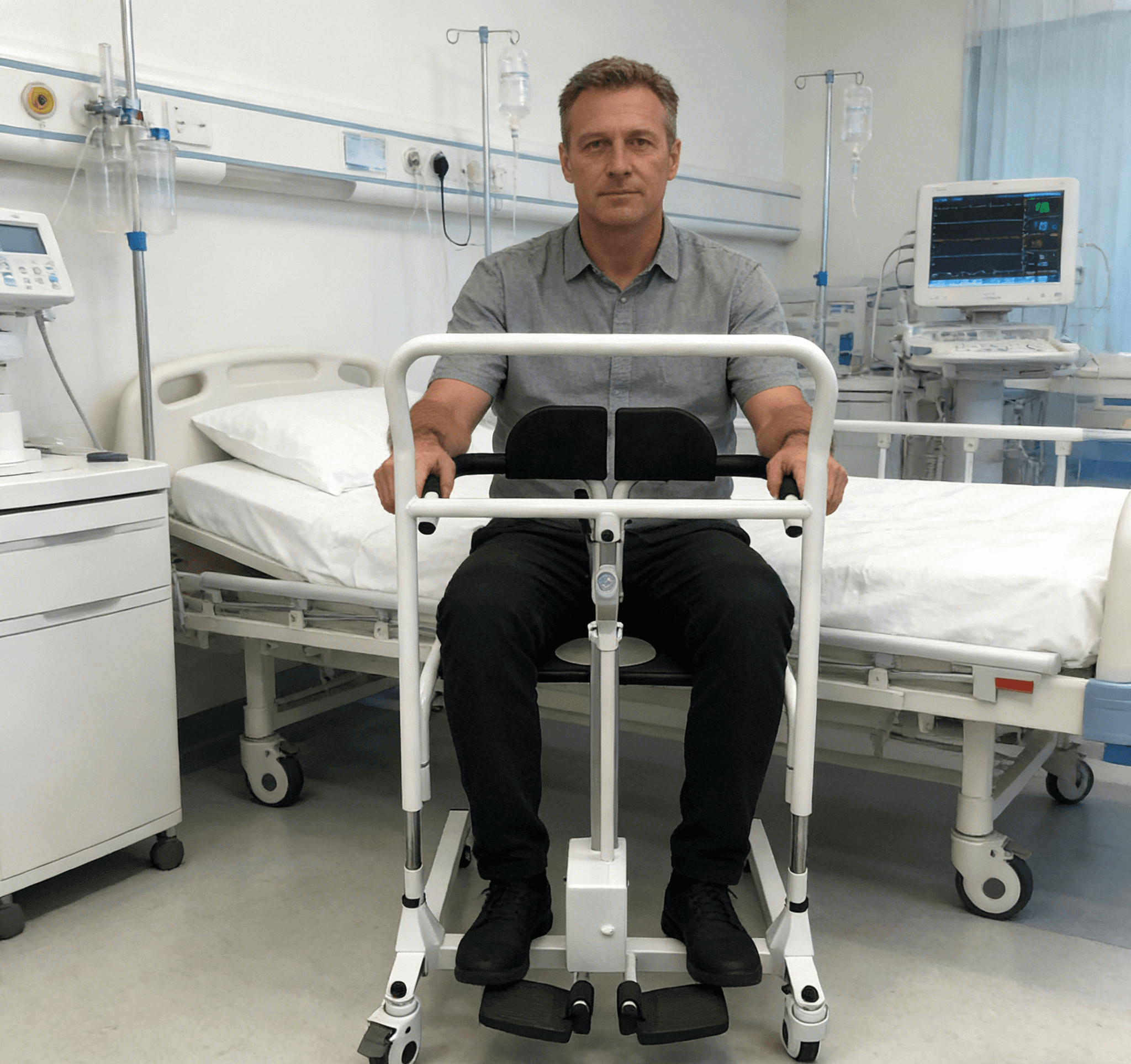
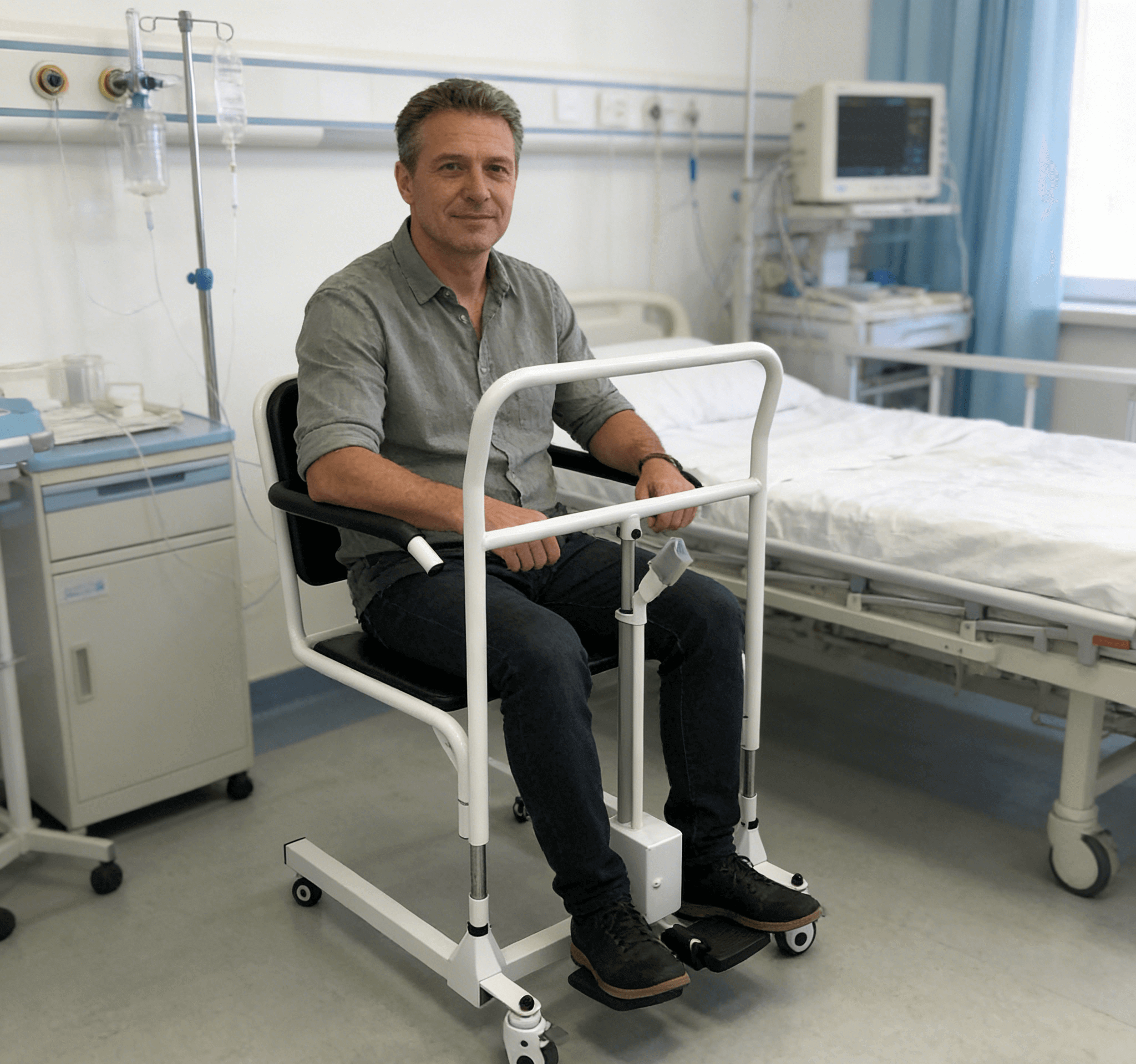
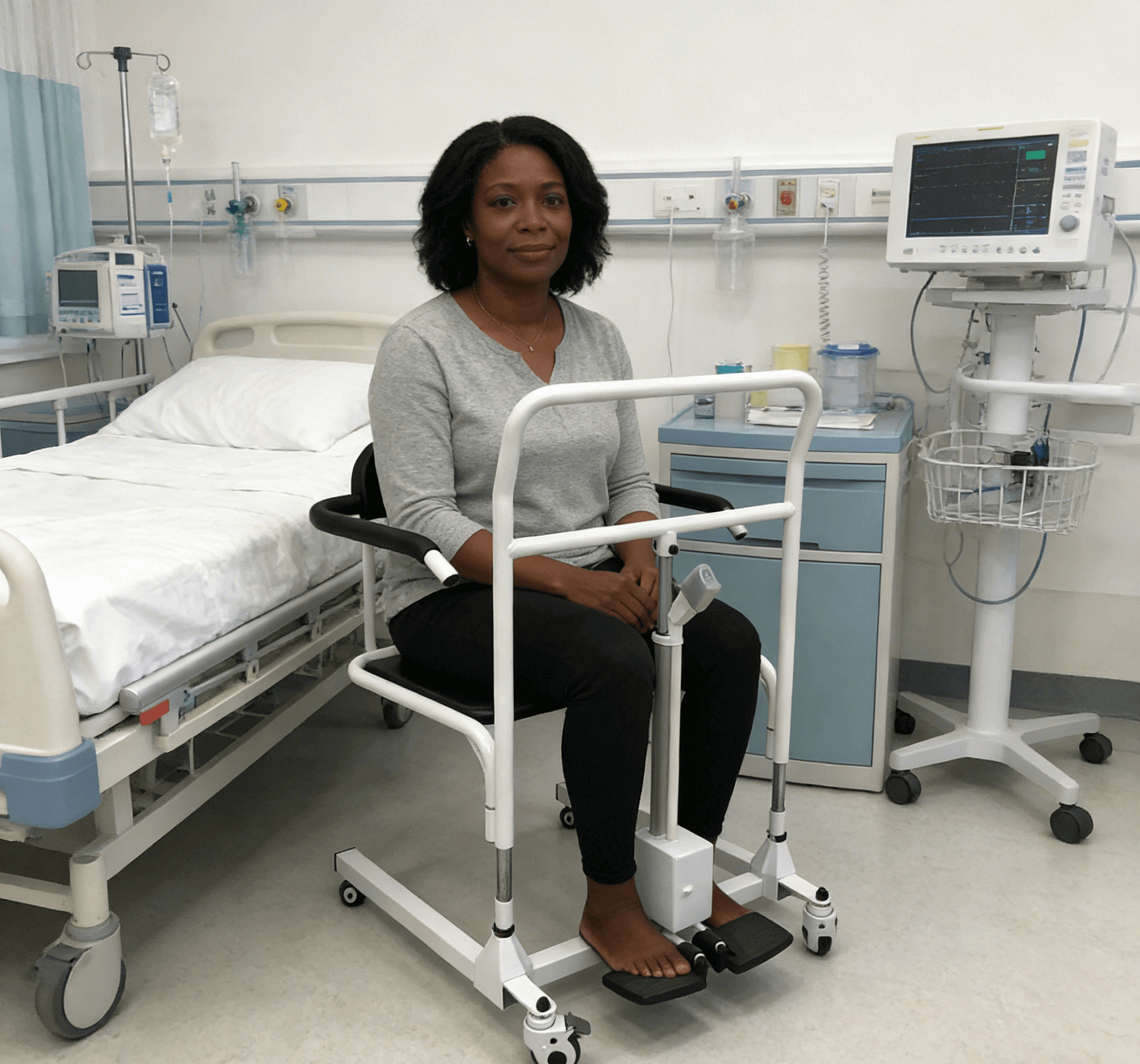
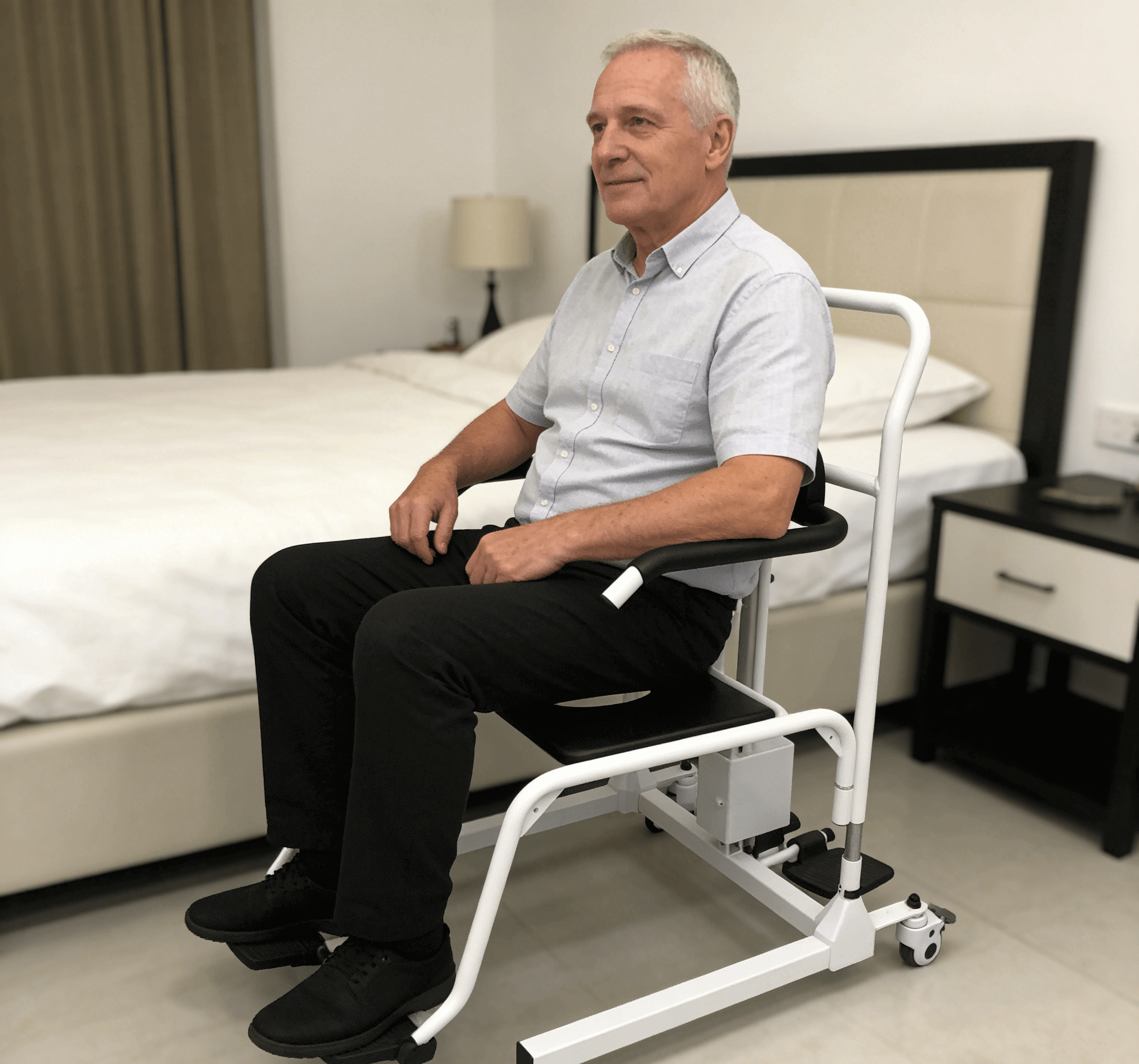
hoyer lift for person
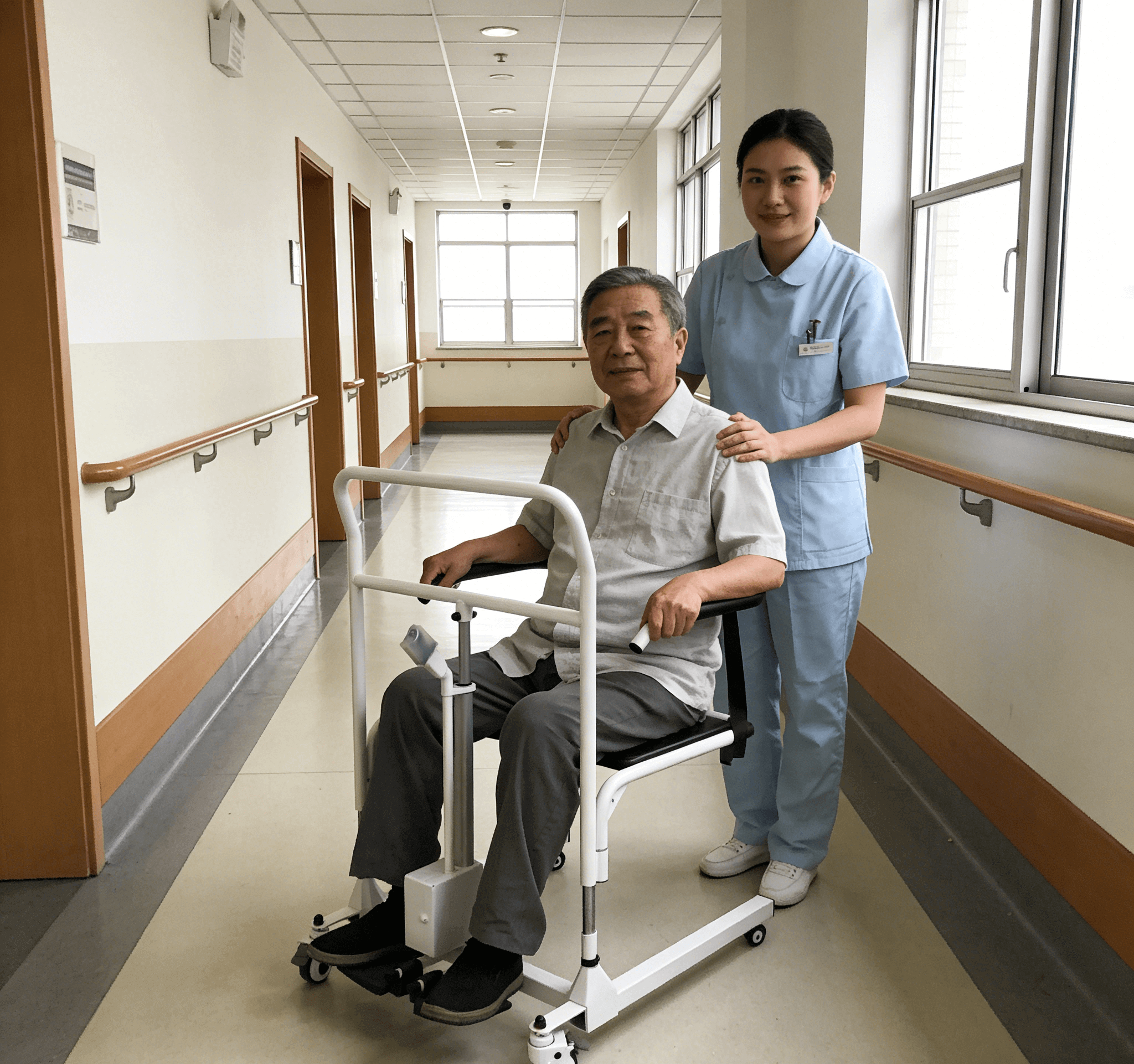
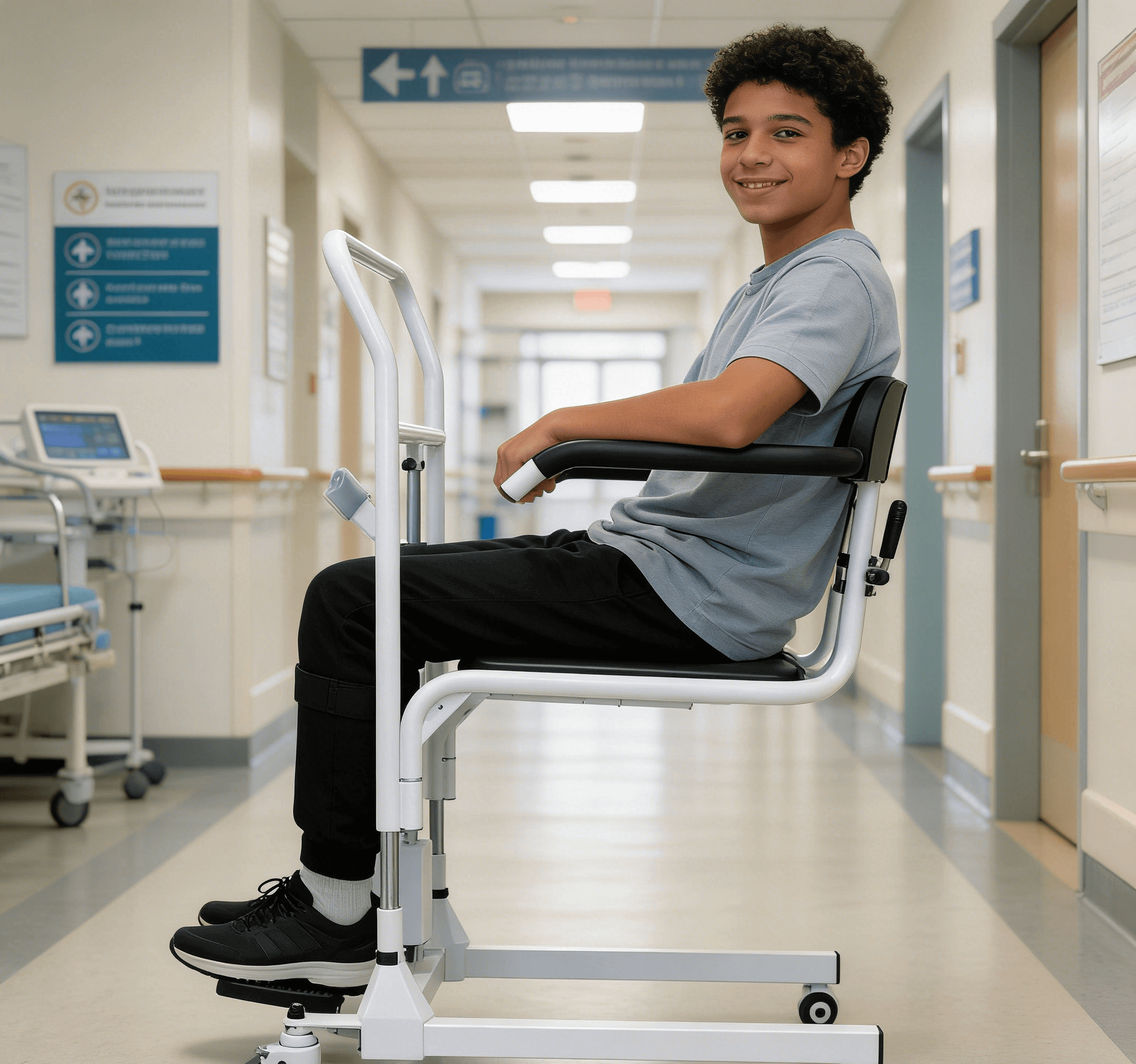
Hoyer Lift: A Transfer Partner That Restores Safety, Comfort, and Dignity for Individuals with Mobility Impairments
When illness, injury, aging, or disability makes it difficult for someone to move independently, even the simplest daily activities—from getting out of bed to a chair, or from a chair to the bathroom—can become challenging, dangerous, or even impossible. In such moments, a Hoyer Lift (a type of patient lift) is far more than a cold mechanical tool; it is a partner that can restore a sense of safety, comfort, and personal dignity.
This article aims to provide a comprehensive, compassionate guide for anyone who may benefit from a lift and their caregivers.
I. Core Philosophy: How Does It Transform Lives?
Regardless of the cause of mobility impairment, a Hoyer Lift can bring fundamental improvements in the following aspects:
Safety First
For users: It eliminates the risk of slipping, falling, or scraping during manual transfers. Smooth mechanical lifting provides a level of control that human strength cannot always guarantee.
For caregivers: It prevents lifelong injuries such as back strains and herniated discs caused by manual lifting, enabling sustainable caregiving.
Dignity and Comfort
Transfers are no longer an embarrassing struggle. Users can move in a supported, respectful posture, reducing unnecessary body exposure and physical contact.
Wide, soft slings distribute pressure more comfortably than human hands, avoiding pain or discomfort during transfers.
Expanding Life Possibilities
When transfers are no longer a "battle," users are more willing to change positions, participate in family activities, and even go out. This significantly improves mental health and quality of life.
II. Who Can Benefit from a Hoyer Lift?
A Hoyer Lift is suitable for anyone unable to safely transfer independently, including but not limited to:
Post-surgery rehabilitation patients: For example, those recovering from hip or knee replacement surgery who need to strictly avoid weight-bearing.
Patients with neurological disorders: Such as multiple sclerosis, amyotrophic lateral sclerosis (ALS), Parkinson’s disease, and post-stroke sequelae.
Individuals with spinal cord injuries: Regardless of the severity of paralysis.
Elderly and frail individuals: Those who have lost muscle strength and balance due to aging.
Anyone with excessive weight or full dependence on others for transfers.
III. How to Choose the Right Equipment for Yourself or Your Loved One?
The key to selection is matching the individual’s specific needs, physical condition, and home environment.
Assess Needs
Transfer frequency: How many transfers are needed per day?
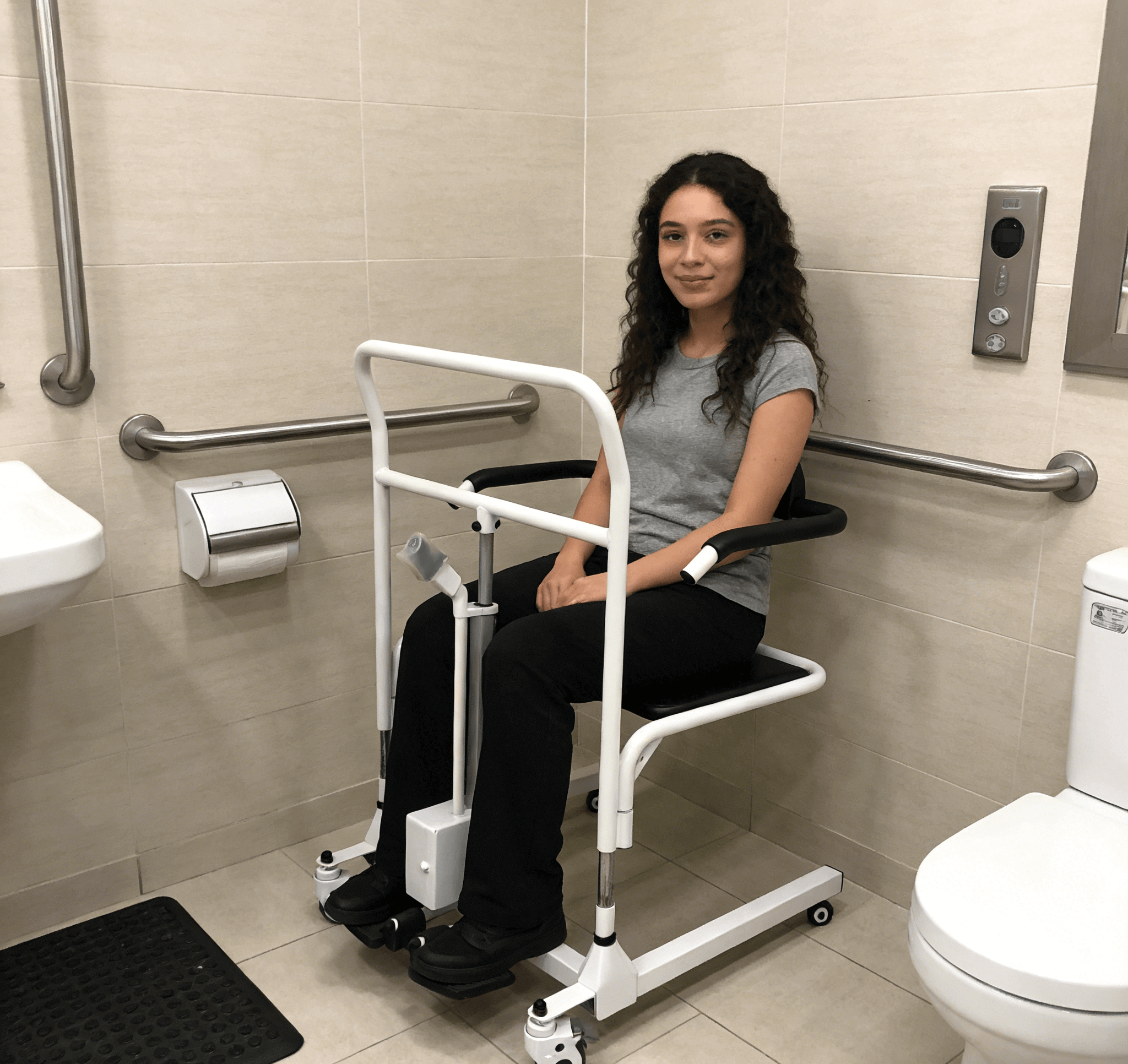
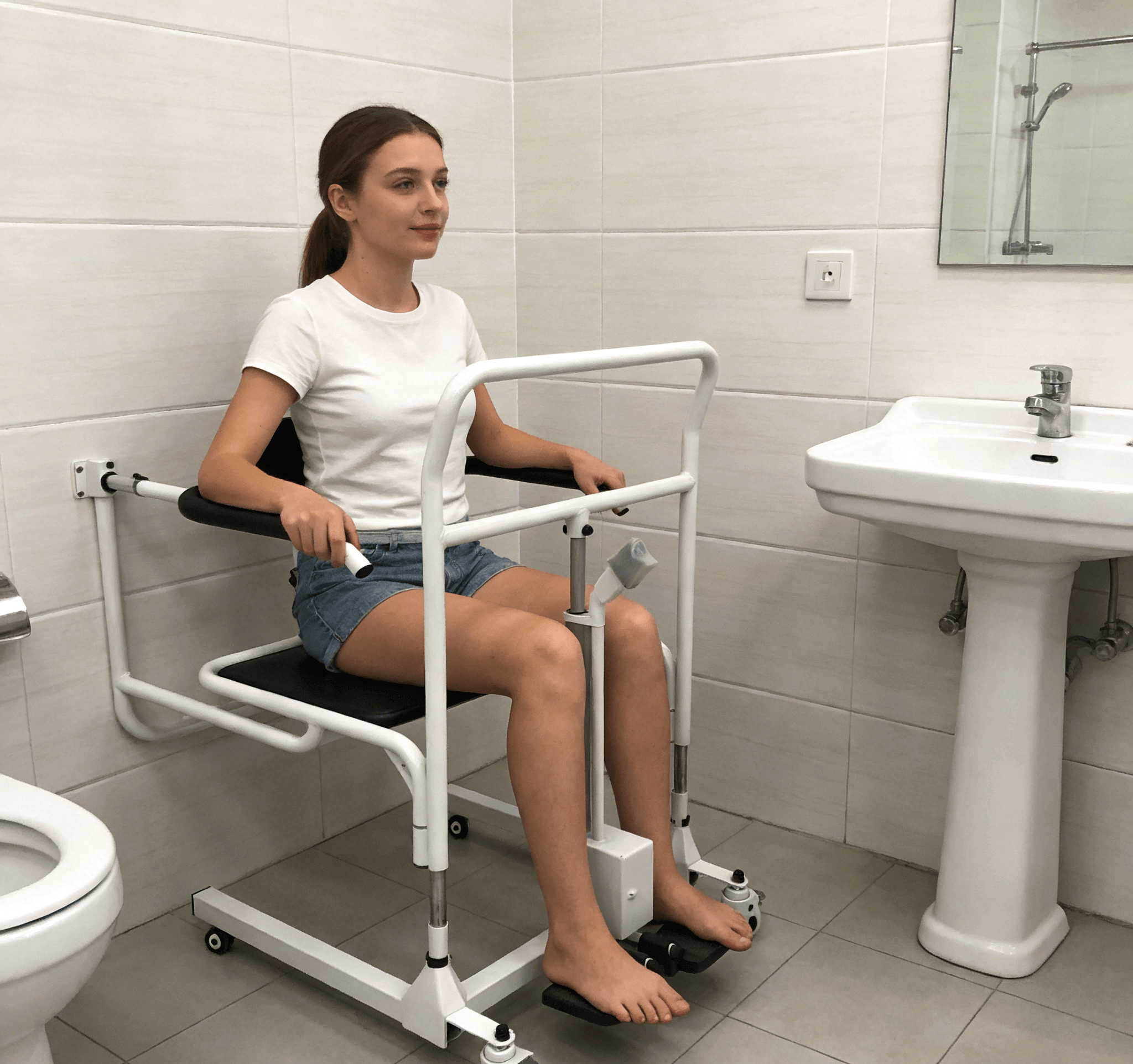
Primary use: Is it for bed-to-chair transfers, or also for toileting and bathing?
User’s weight and body type: Accurate weight and body measurements determine the required weight capacity and sling size.
Choose the Lift Type
Manual hydraulic lift: Suitable for situations with limited budgets and infrequent transfers. Requires manual operation by the caregiver.
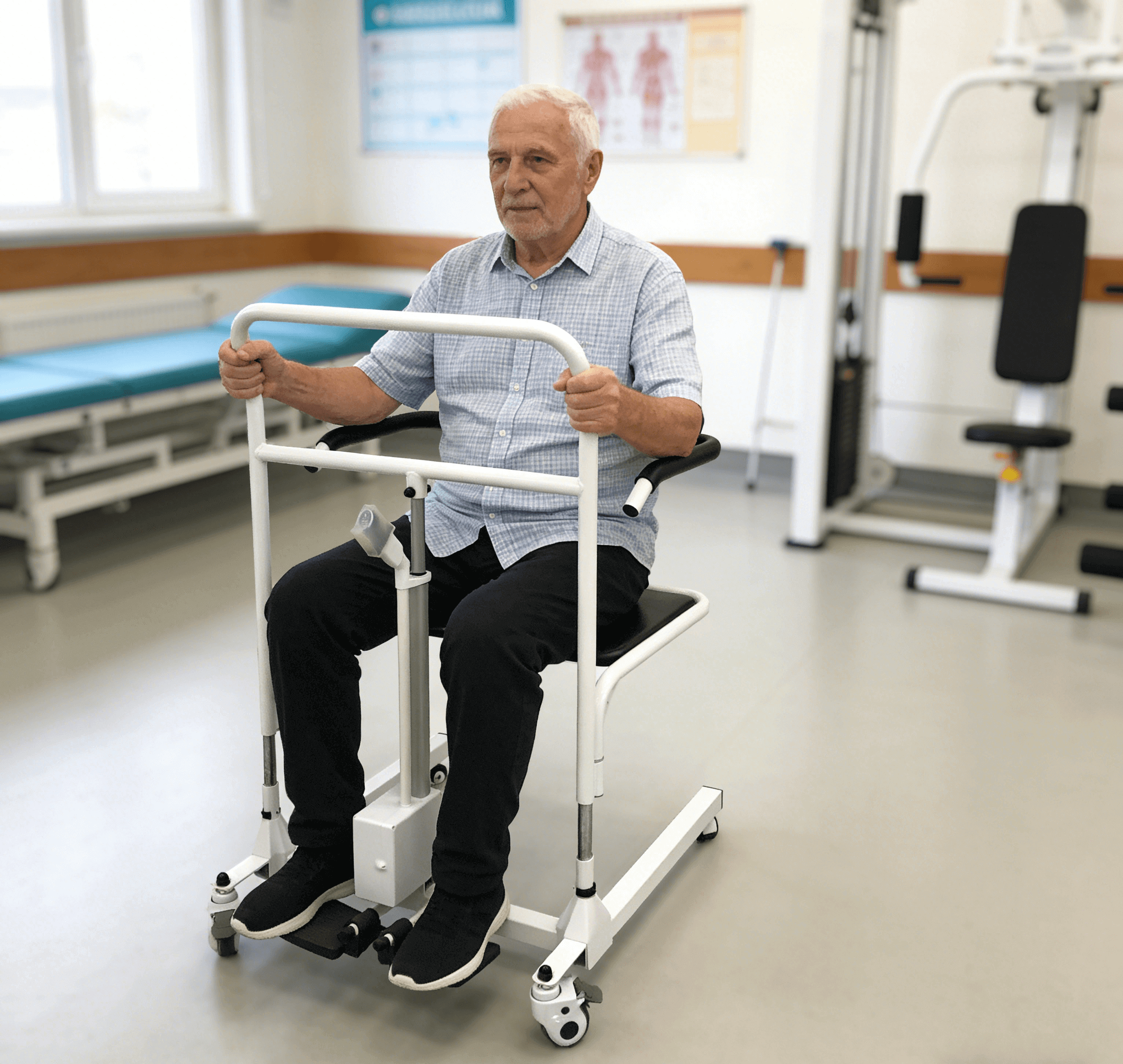
Electric lift: Highly recommended. Operated via buttons, it is extremely labor-saving and lifts smoothly, greatly enhancing the experience for both users and caregivers.
Ceiling track system: Offers the highest level of independence and convenience, especially for long-term, frequent transfer needs.
Choose the Right Sling
The sling is the part that directly contacts the user, so its importance cannot be overstated.
Types: Full-body slings (for lying positions), sitting slings (most common), and commode/shower slings (for toileting).
Proper fit is key: The correct size must be selected based on the user’s torso and thigh measurements to ensure support and comfort.
IV. Safe Usage: A Responsibility for Everyone
Safety is a shared responsibility of all participants.
For Caregivers
Receive professional training (from occupational therapists or equipment suppliers).
Inspect the equipment before each use.
Always follow operating procedures and never exceed the weight limit.
Never leave a suspended user unattended.
For Users
Try to keep your body relaxed during transfers.
Communicate your feelings with the caregiver and report any discomfort immediately.
Trust the equipment, but also understand the basic process.
V. Moving Toward Independence: A Mindset Shift
Introducing a Hoyer Lift may be accompanied by complex emotions. It might be seen as a symbol of "disability." However, a healthier perspective is:This is not about lost abilities, but about gained tools.It is a tool that allows you to stay safely at home, participate in life, and protect your loved ones from harm. It is empowering, not limiting.
Conclusion
The Hoyer Lift represents a people-centered care philosophy. It recognizes the inherent value of every individual and strives to preserve this value through technological means. Whether for a short rehabilitation period or long-term living, it can transform a challenging, high-risk daily task into a safe, respectful, and routine process. Investing in a suitable Hoyer Lift is an investment in a higher quality of life and a more stable caregiving relationship.