Category: Patient Lifts
Posted by 2025-12-20 11:12
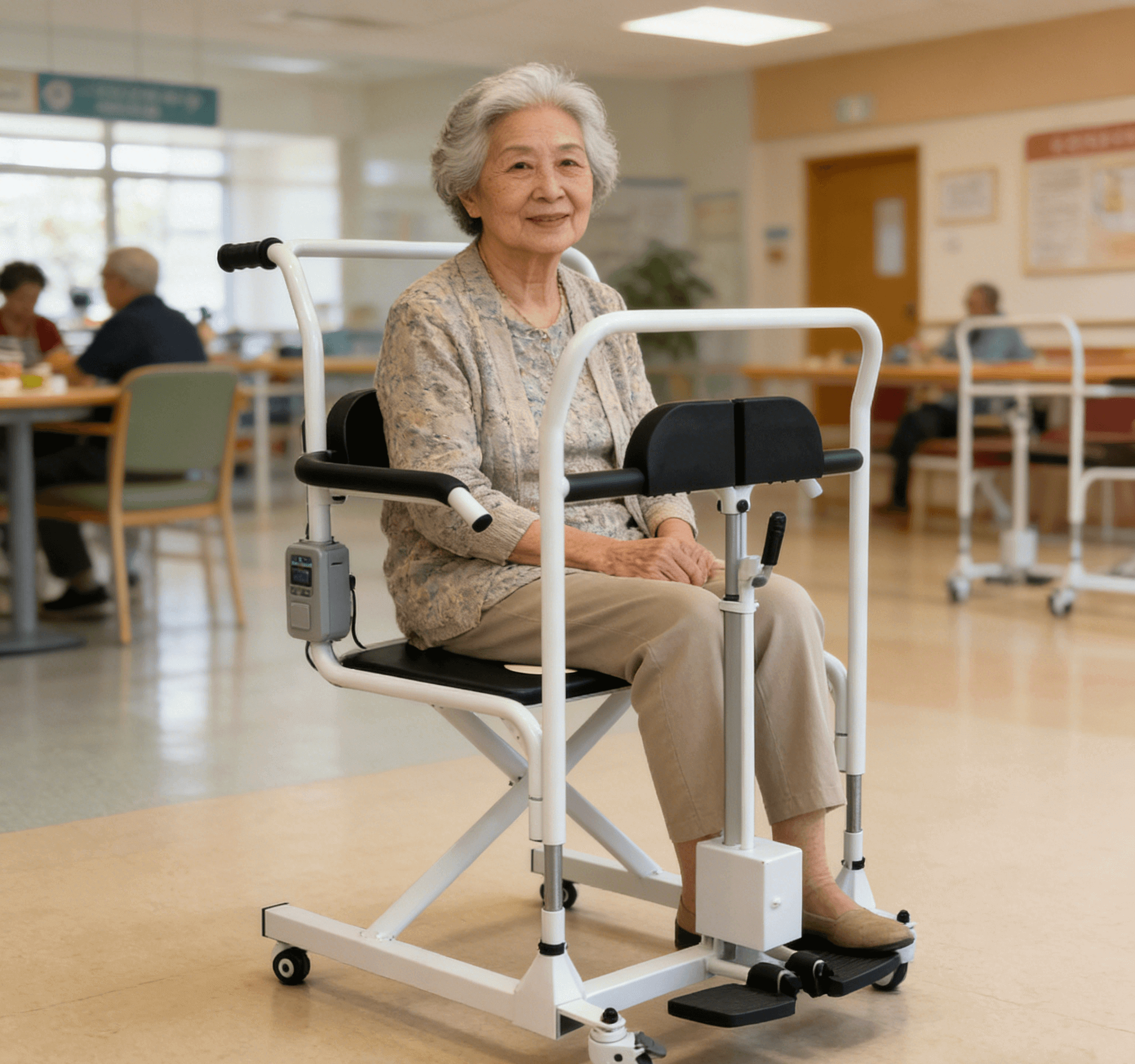
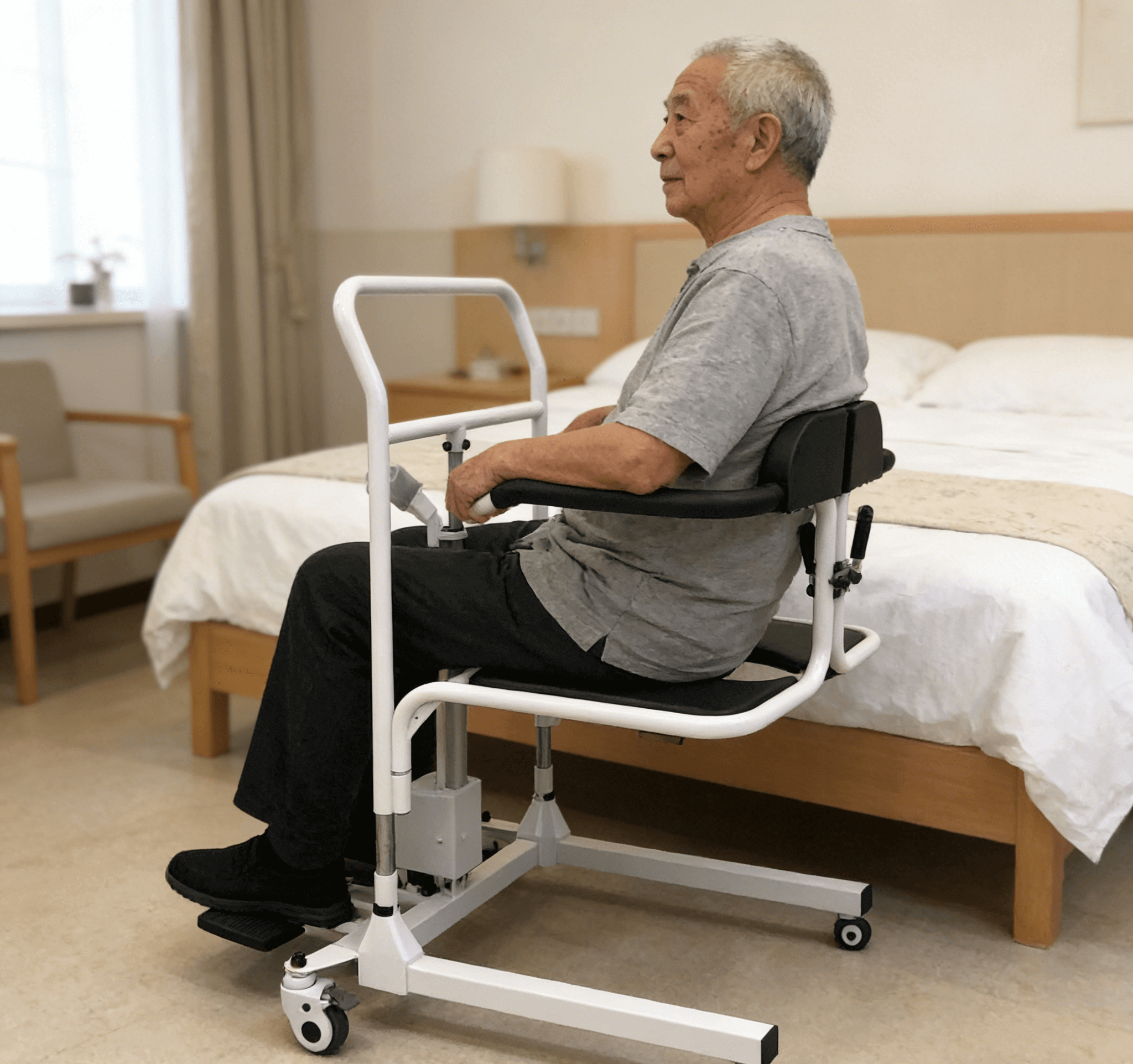
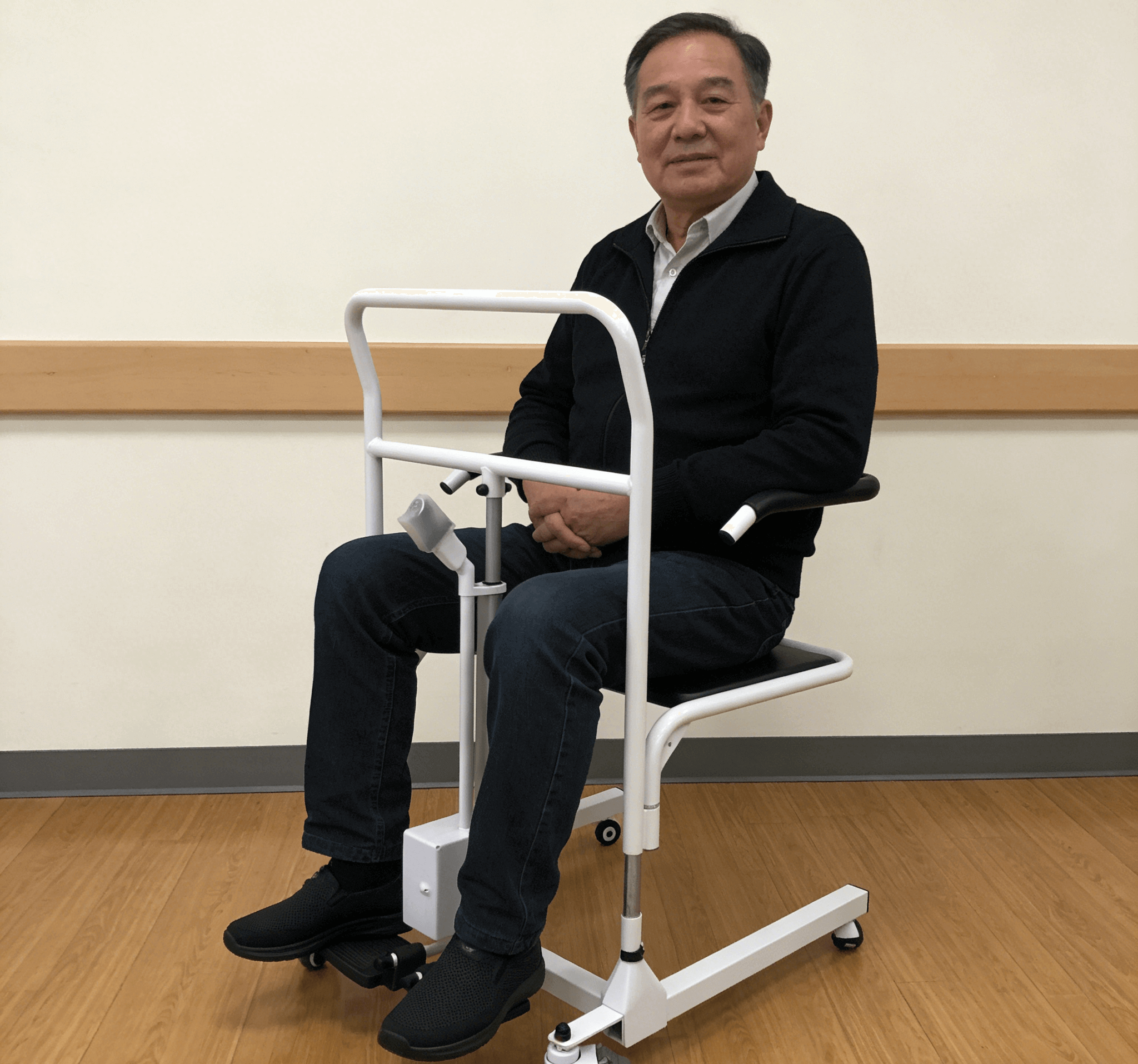
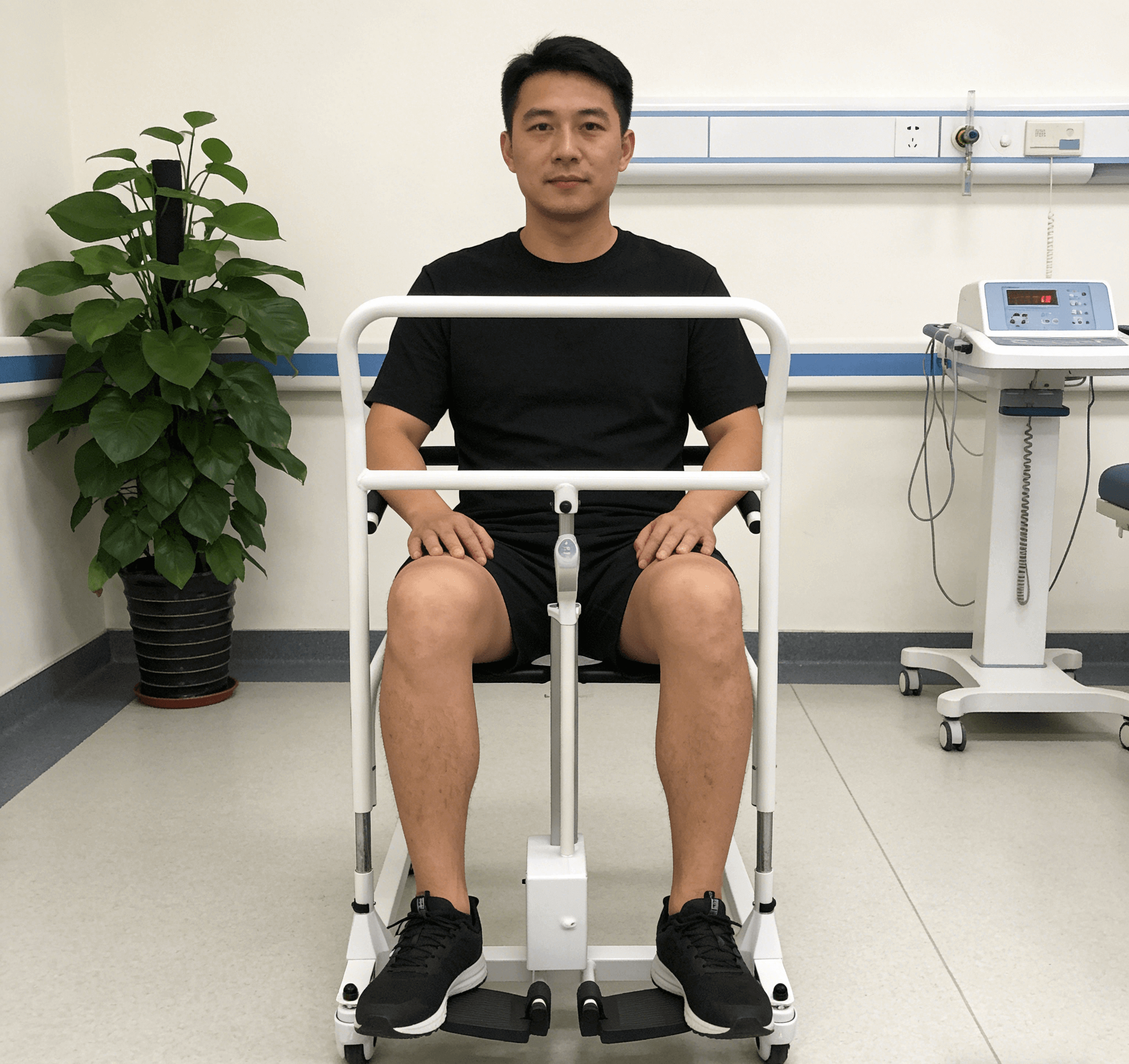
hoyer lift for disabled person
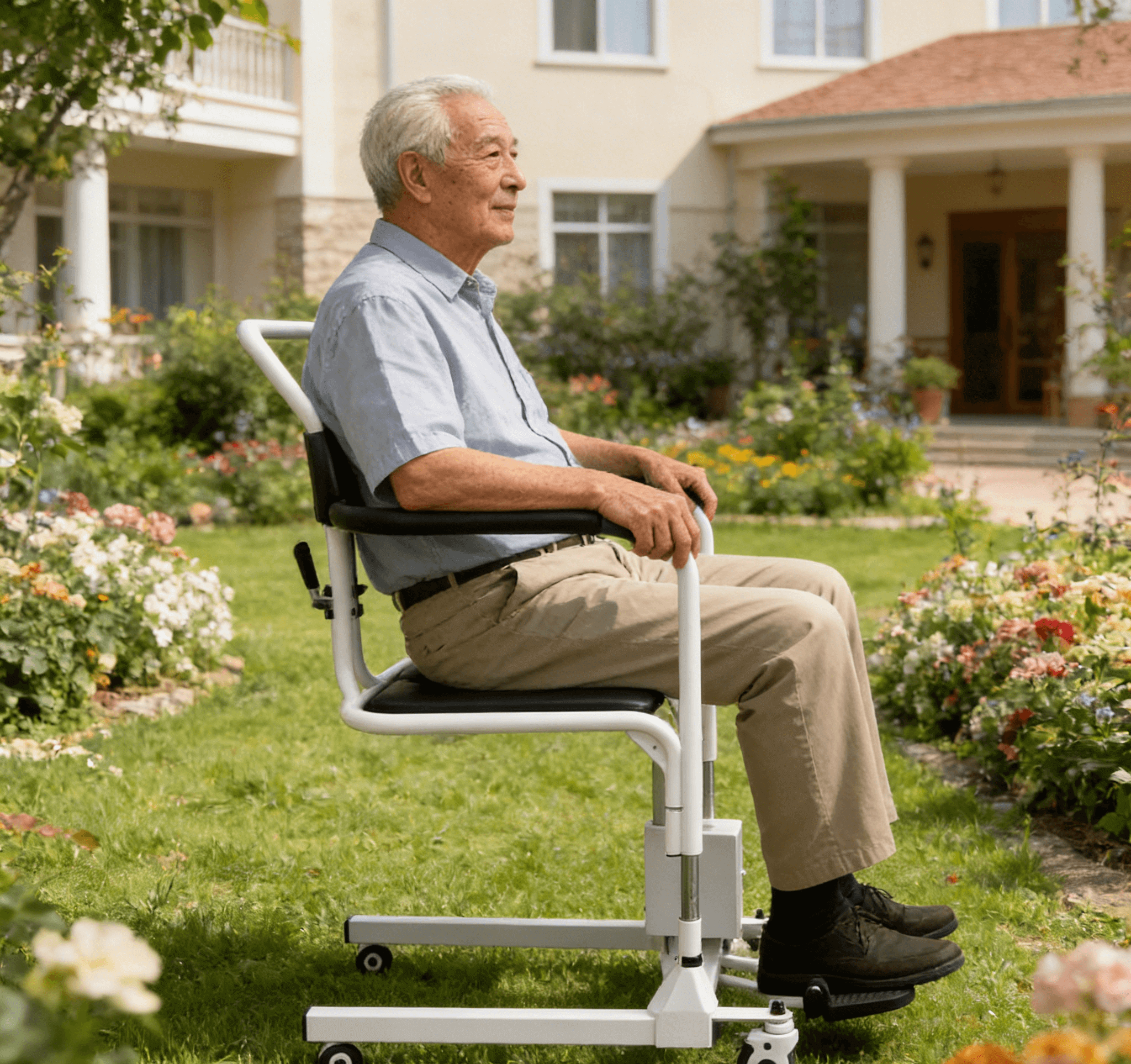
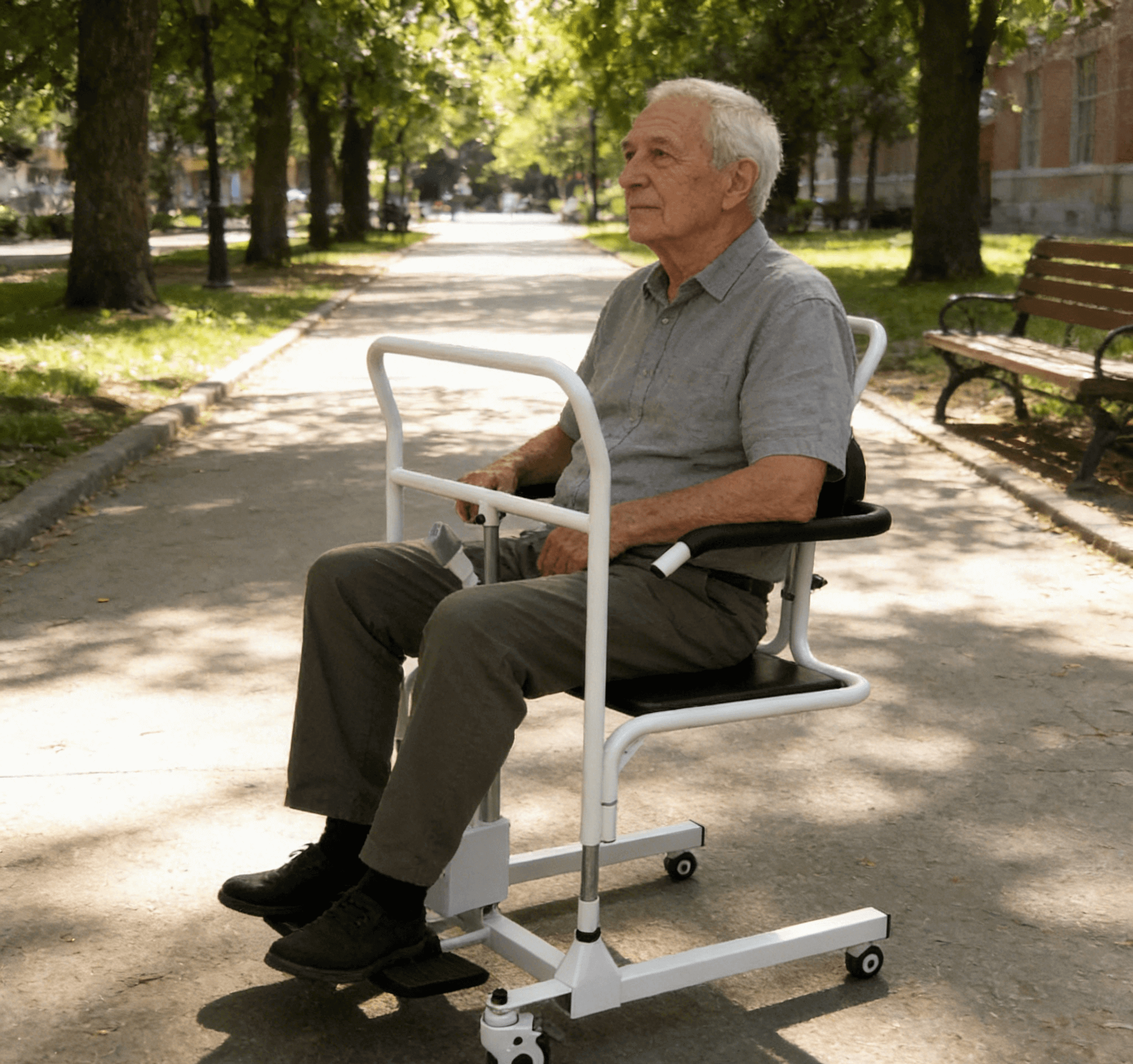
Hoyer Lift: Reshaping Safety and Dignity for People with Disabilities and Caregivers
For many people with disabilities who have limited mobility, daily transfers—from bed to wheelchair, and from wheelchair to bathroom—are the most repetitive, difficult, and dangerous parts of life. A Hoyer Lift (also called a patient hoist) is far more than a cold machine; it is a key bridge to safety, dignity, and independent living, and an indispensable partner for caregivers.
I. Core Value: Why Is a Hoyer Lift Indispensable?
Hoyer Lifts cater to diverse needs and are particularly suitable for:
Severe physical disabilities: Such as tetraplegia or paraplegia caused by spinal cord injuries, cerebral palsy, or multiple sclerosis.
Neuromuscular diseases: Progressive muscle weakness caused by conditions like muscular dystrophy or motor neuron disease.
Severe joint limitations: For example, advanced rheumatoid arthritis, where weight-bearing during transfers is not feasible.
Loss of balance function: Conditions like Parkinson’s disease or post-brain injury sequelae, which bring an extremely high risk of falling when standing or transferring.
Postoperative recovery period: Stages where weight-bearing is strictly prohibited, such as after hip or knee replacement surgery.
Weight management: Providing a safe and feasible transfer solution for users with larger body weights.
The fundamental changes it brings include:
Absolute safety: Completely eliminates the risk of users falling or getting injured during transfers, and also prevents caregivers from suffering severe lower back injuries caused by manual lifting.
Dignity preservation: A smooth, steady mechanical transfer is far better than an embarrassing manual transfer that may involve pulling or dragging.
Empowerment and independence: For users with remaining upper limb function, they can learn to operate electric Hoyer Lifts independently (especially when used with ceiling track systems) through practice. This enables them to transfer autonomously from bed to bathroom, which is a great psychological liberation.
Care sustainability: Allows a single caregiver to safely complete the transfer task, greatly reducing the physical threshold and pressure of caregiving, and making long-term home care possible.
II. How to Choose the Right Hoyer Lift for You?
The choice depends on the user’s physical condition, home environment, and future needs.
1. Type Selection
Mobile Hoyer Lifts: The most common type, equipped with wheels for flexible movement. Suitable for use across multiple rooms, but requires a certain amount of floor space.
Ceiling Track Transfer Systems: Installed on ceiling-mounted tracks. Their biggest advantage is saving floor space and enabling fully independent operation. Users can use a controller to transfer themselves along fixed routes between spaces like bedrooms and bathrooms, significantly enhancing autonomy.
2. Sling Selection
Sitting Slings: The most commonly used type, for transfers between beds, wheelchairs, toilets, and chairs.
Full-body/Recumbent Slings: Provide lying-position transfers for users who cannot maintain a sitting posture or need full-body support.
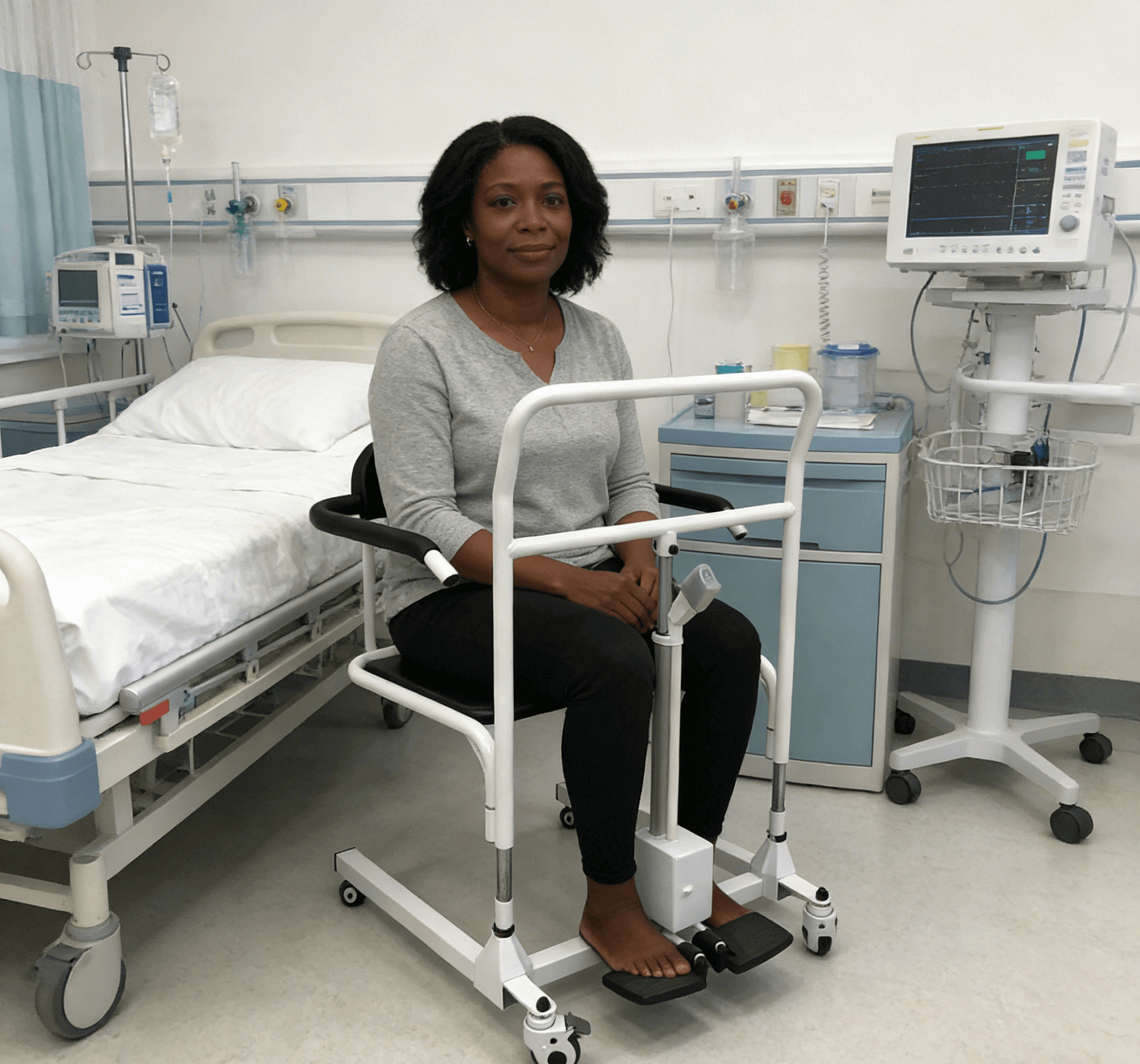
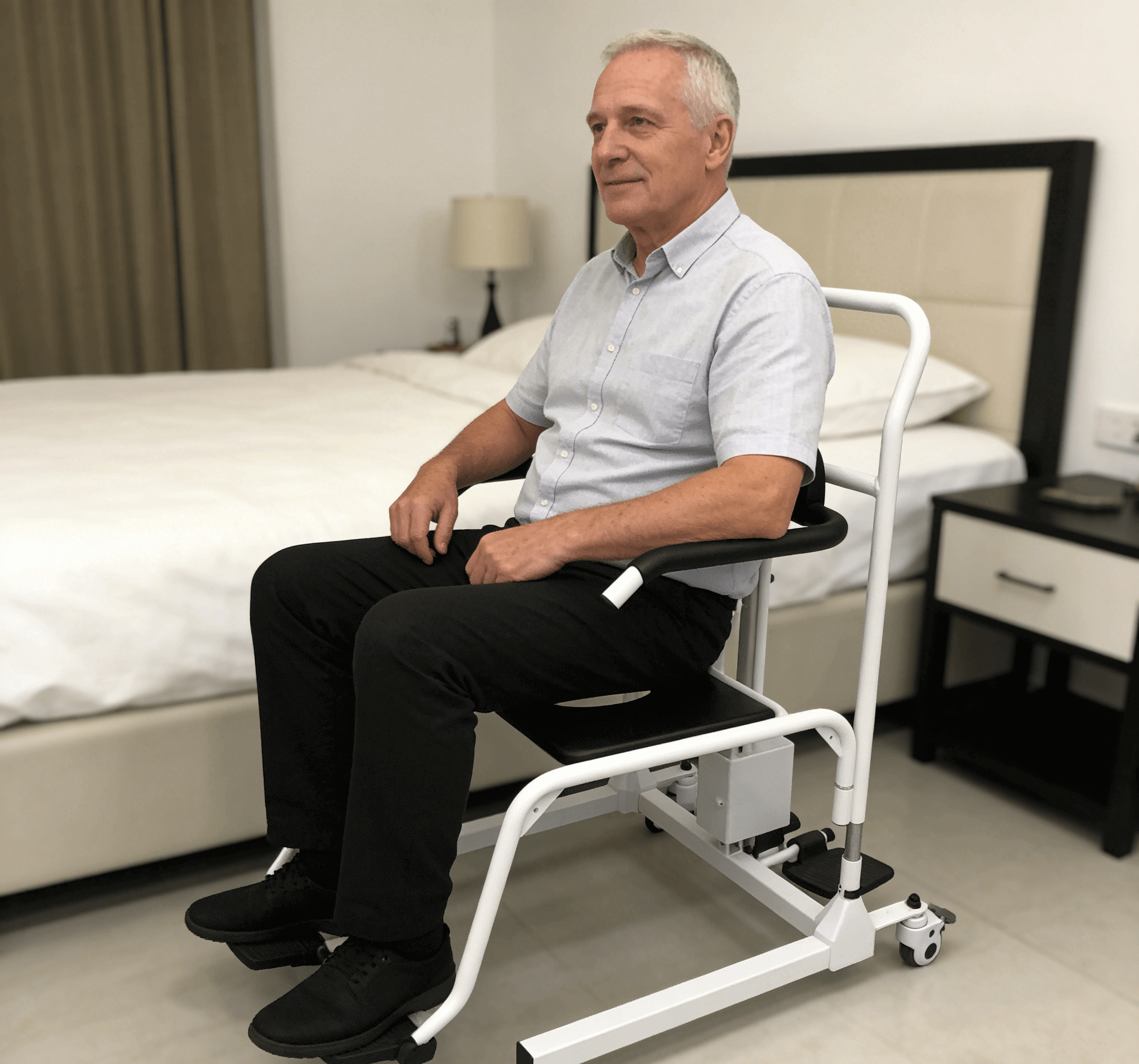
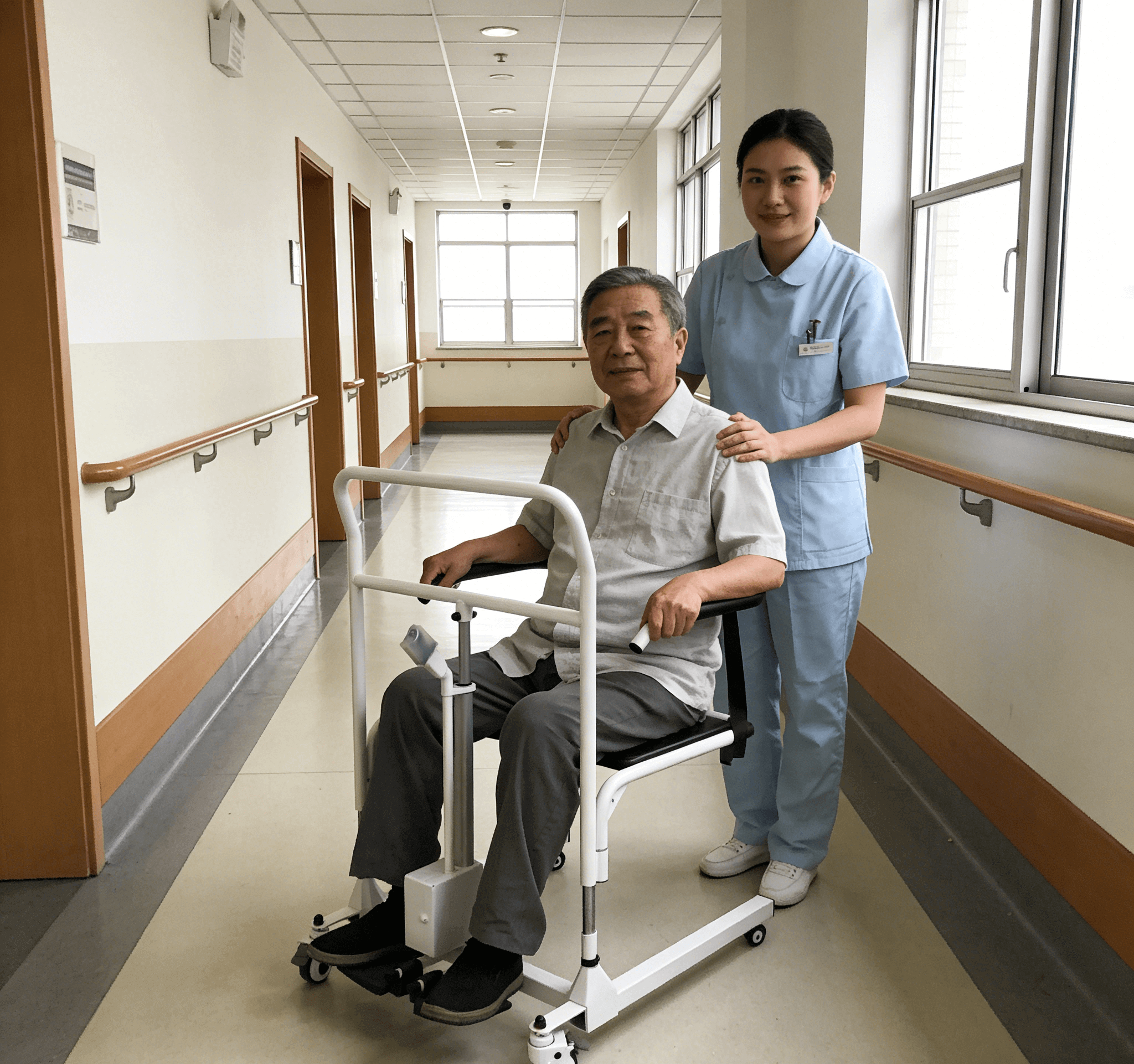
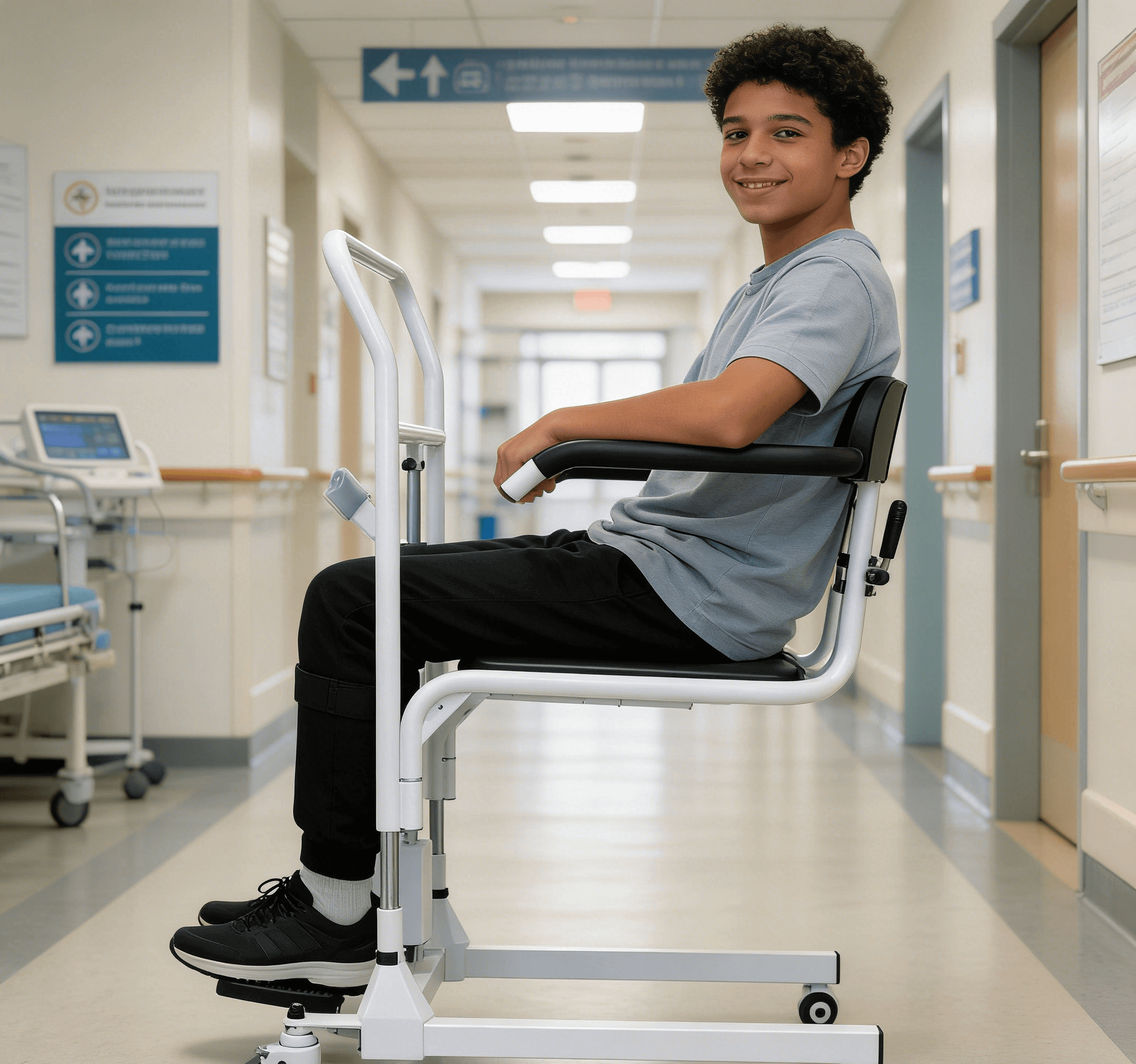
Stand-up Hoyer Lifts: Suitable for users with partial leg weight-bearing ability and cognitive capacity to follow instructions. They assist users in standing up, making activities like using the toilet and getting dressed easier.
3. Drive Type
Hydraulic Lifts: Lifted and lowered via a hand-pressed lever. Economical in price and simple to maintain, but require caregivers to exert a certain amount of physical effort.
Electric Lifts: Powered by batteries and controlled via buttons. Extremely labor-saving, with smooth and quiet operation. They are very suitable for caregivers with limited strength or users with heavier body weights.
4. Key Parameters
Weight Capacity: Must be greater than the user’s body weight.
Boom Height: Ensure it can fully lift the user off the bed or chair surface.
Base Width and Adjustability: Must be able to smoothly and stably fit under furniture.
III. Five-Step Safe Usage Procedure
Communication and Preparation
Always inform the user of each step of the operation in a calm tone.
Inspect the equipment: Confirm the sling is undamaged, the hooks are secure, and the power is sufficient (for electric models).
Clear the transfer path, lock the wheelchair brakes, and secure the Hoyer Lift brakes.
Sling Placement
Assist the user to lie on their side, then spread the sling flat under their body, aligning the centerline with their spine.
Help the user lie flat again, adjust the sling’s position to ensure it is smooth and wrinkle-free.
Firmly connect the sling’s attachment points to the Hoyer Lift’s boom.
Stable Lifting
Double-check that all connections are secure and no part of the user’s body is pinched.
Operate slowly to lift the user a short distance off the bed. Pause, observe the user, and ask about their feelings to ensure comfort and safety.
Careful Movement
Release the Hoyer Lift’s brakes and smoothly push the equipment to a position above the target location.
Safe Placement
Slowly and steadily lower the user onto the seat. After confirming the user is securely seated, first unfasten the hooks on the near side, then assist the user to slightly roll onto their side to unfasten the hooks on the far side, and finally pull out the sling.
IV. Beyond a Tool: Psychological Adaptation and Empowerment Tips
Redefine the Lift: View the Hoyer Lift as a "partner for freedom and safety" rather than a "symbol of disability".
Progress Gradually: Under the guidance of an occupational therapist, conduct the first experience, starting with short-distance transfers to build trust.
Give Control: Involve the user in the process—for example, letting them press the electric button—can significantly enhance their sense of autonomy and participation.
Personalized Comfort: Try slings of different materials and designs to find the most comfortable one, turning transfers into a more positive experience.
V. Common Questions and Answers
Q: Will using a Hoyer Lift cause muscles to atrophy faster?
A: No. Its purpose is to provide protection when safe transfers are not possible. Under the guidance of a therapist, it can also be used to assist with safe standing and rehabilitation training, helping to maintain physical function.
Q: My home is small—can I still use a Hoyer Lift?
A: Yes. Choose a mobile Hoyer Lift with an adjustable base, or opt for a ceiling track system, which saves the most space and is an ideal solution for small homes.
Misconception: Only people who are completely bedridden need it.
A: Correct Answer: Anyone who faces risks during transfers, regardless of the severity of their disability, is a suitable user for a Hoyer Lift. Prevention is far better than dealing with consequences.
Conclusion
A Hoyer Lift is a profound empowerment technology. It unlocks not only physical constraints but also psychological shackles. For people with disabilities, it means safety and autonomy; for caregivers, it means protection and sustainability. Investing in and mastering the use of a Hoyer Lift is a choice to embrace a life of higher quality and greater dignity for both parties.
Would you like me to organize this English translation into a well-formatted Word document with clear section numbering and highlighted key terms? This will make it easier for you to print, share with caregivers, or refer to in daily use.