Category: Patient Lifts
Posted by 2025-12-22 11:12
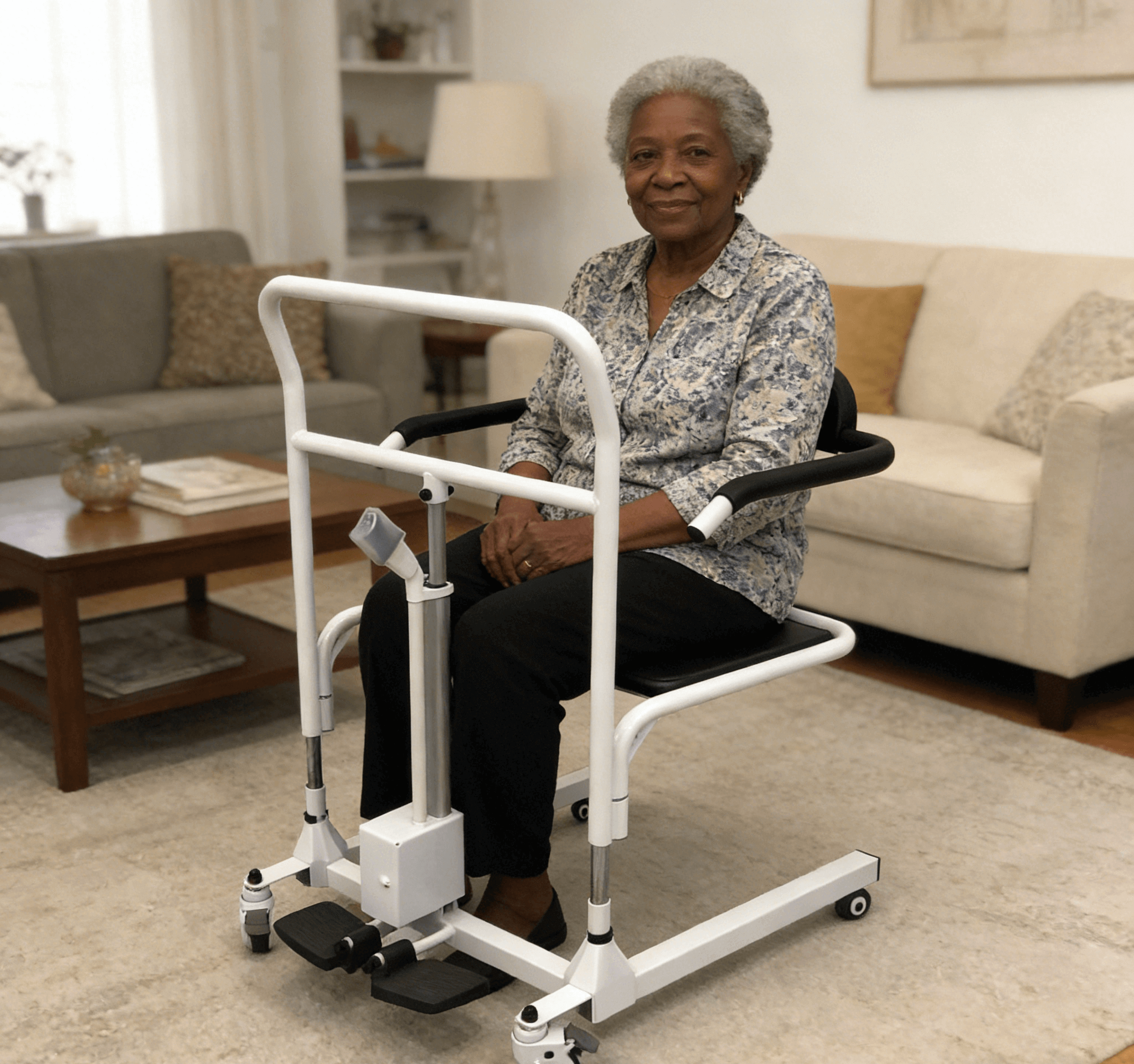
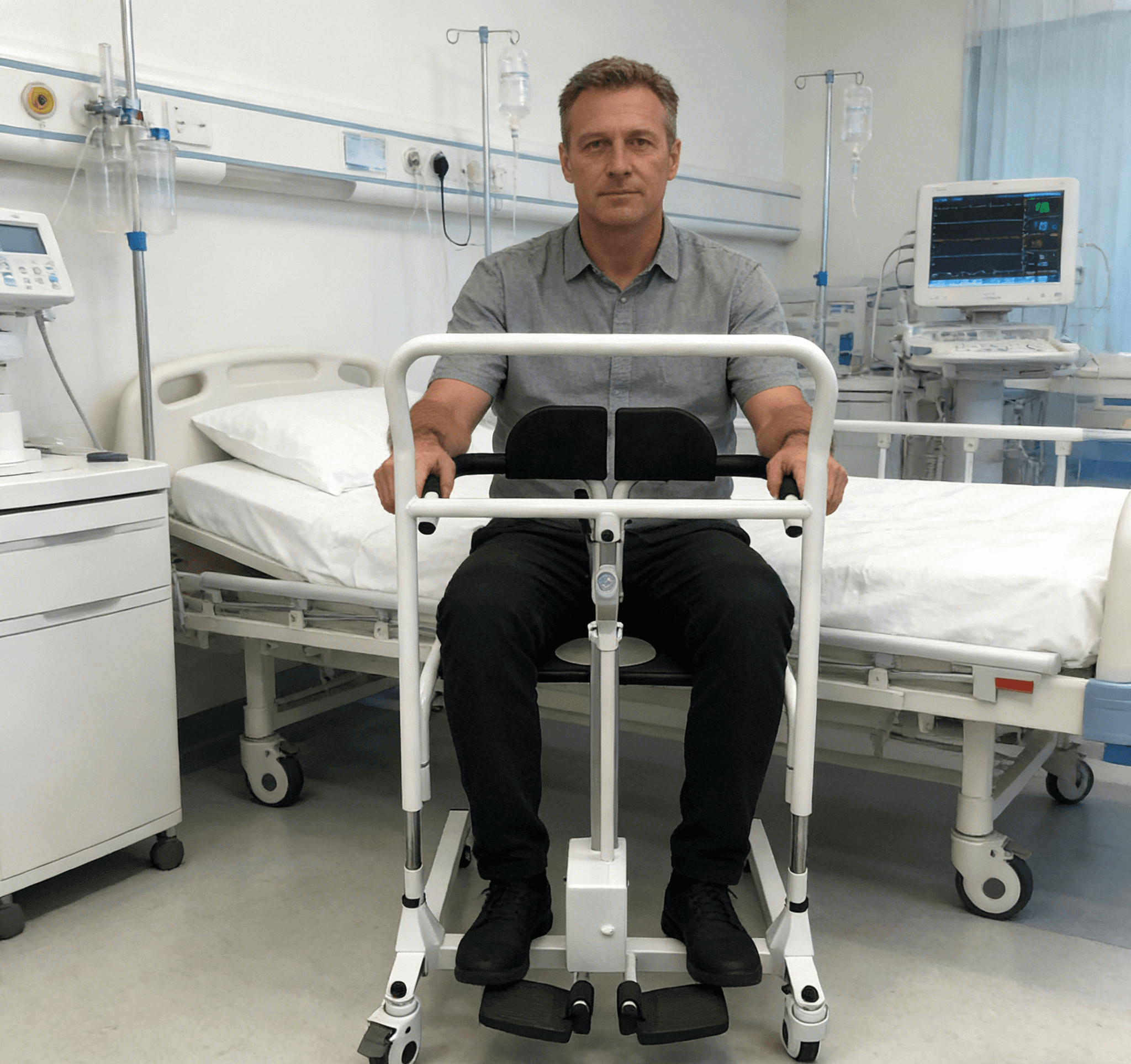
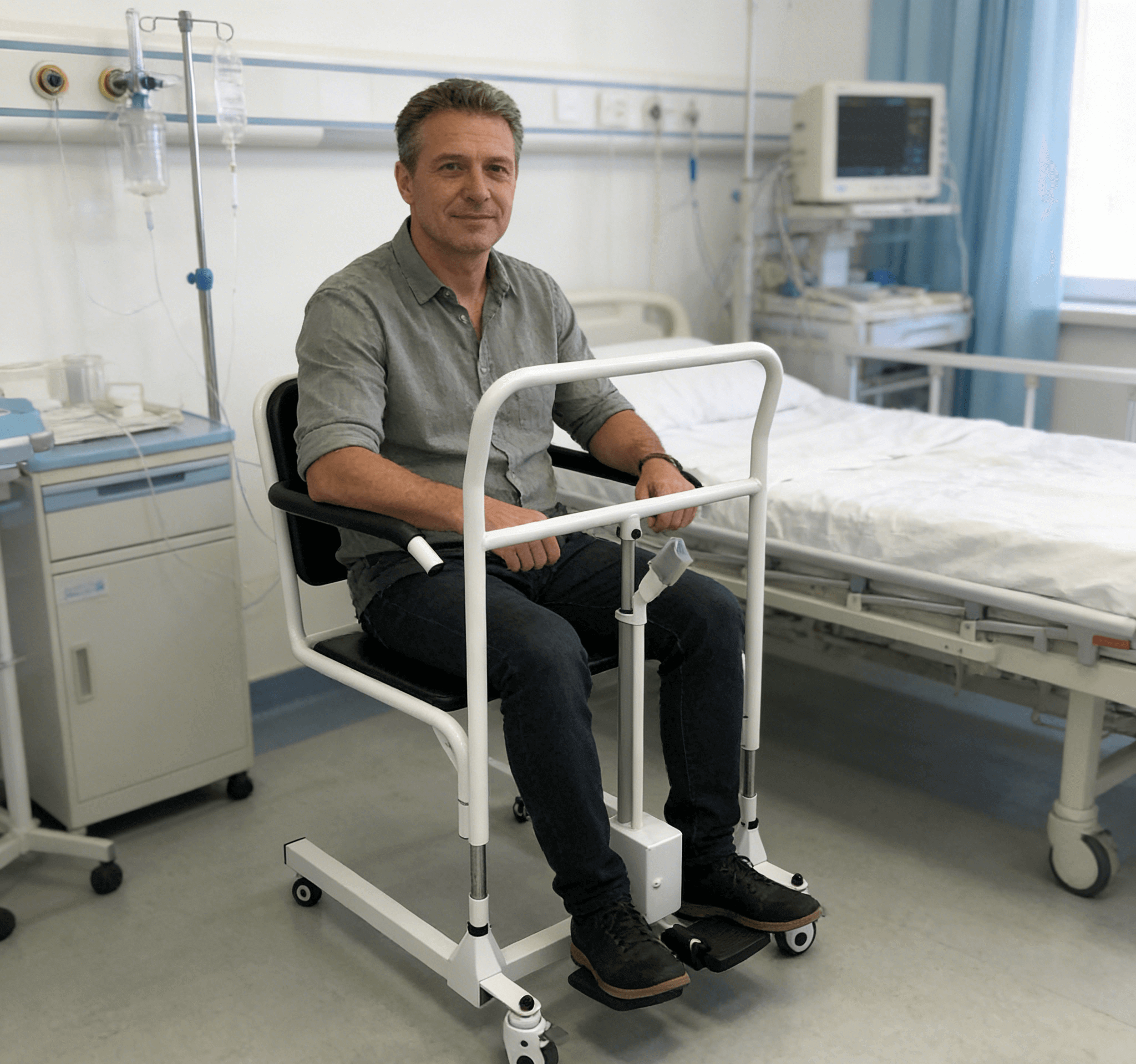
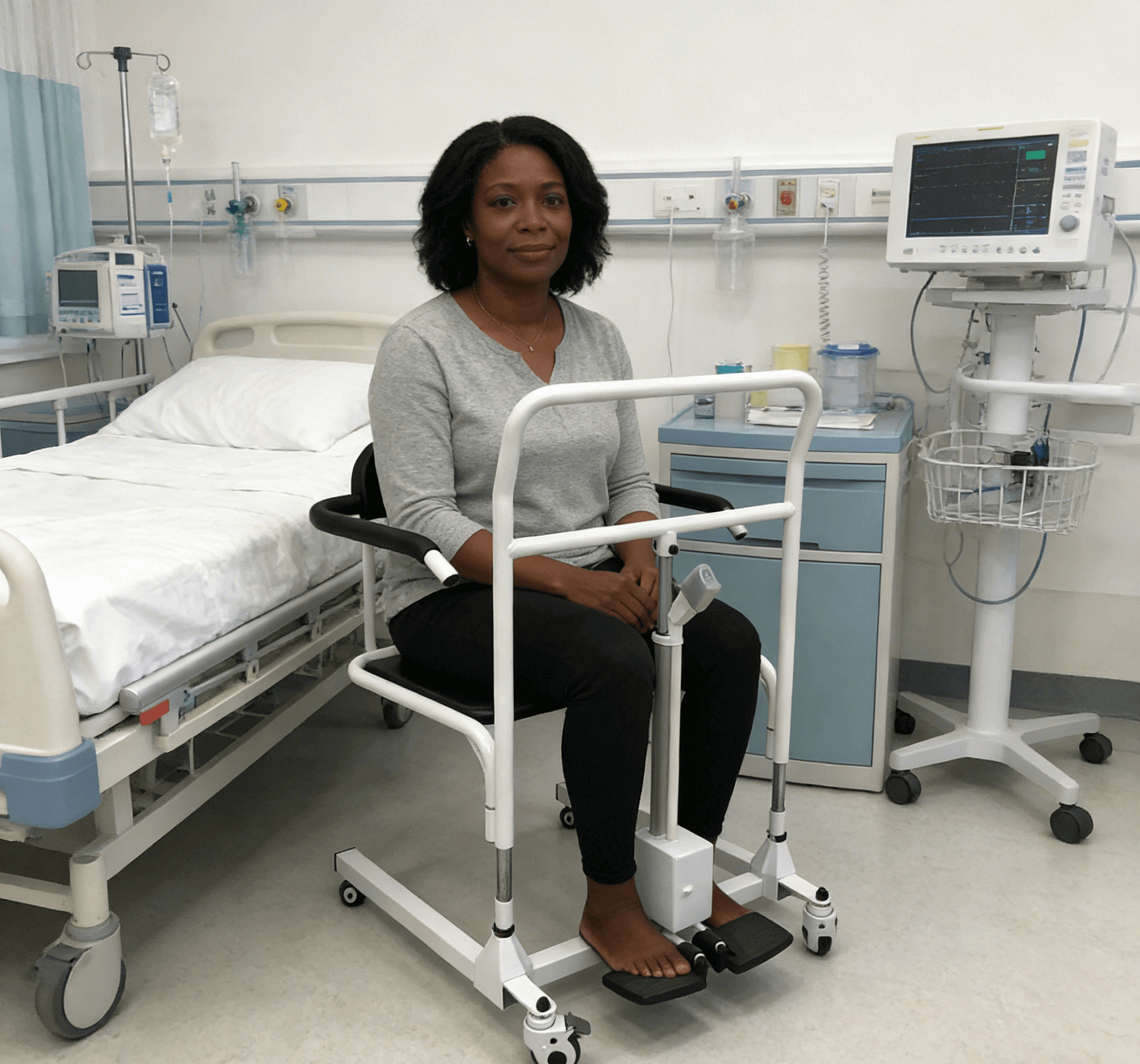
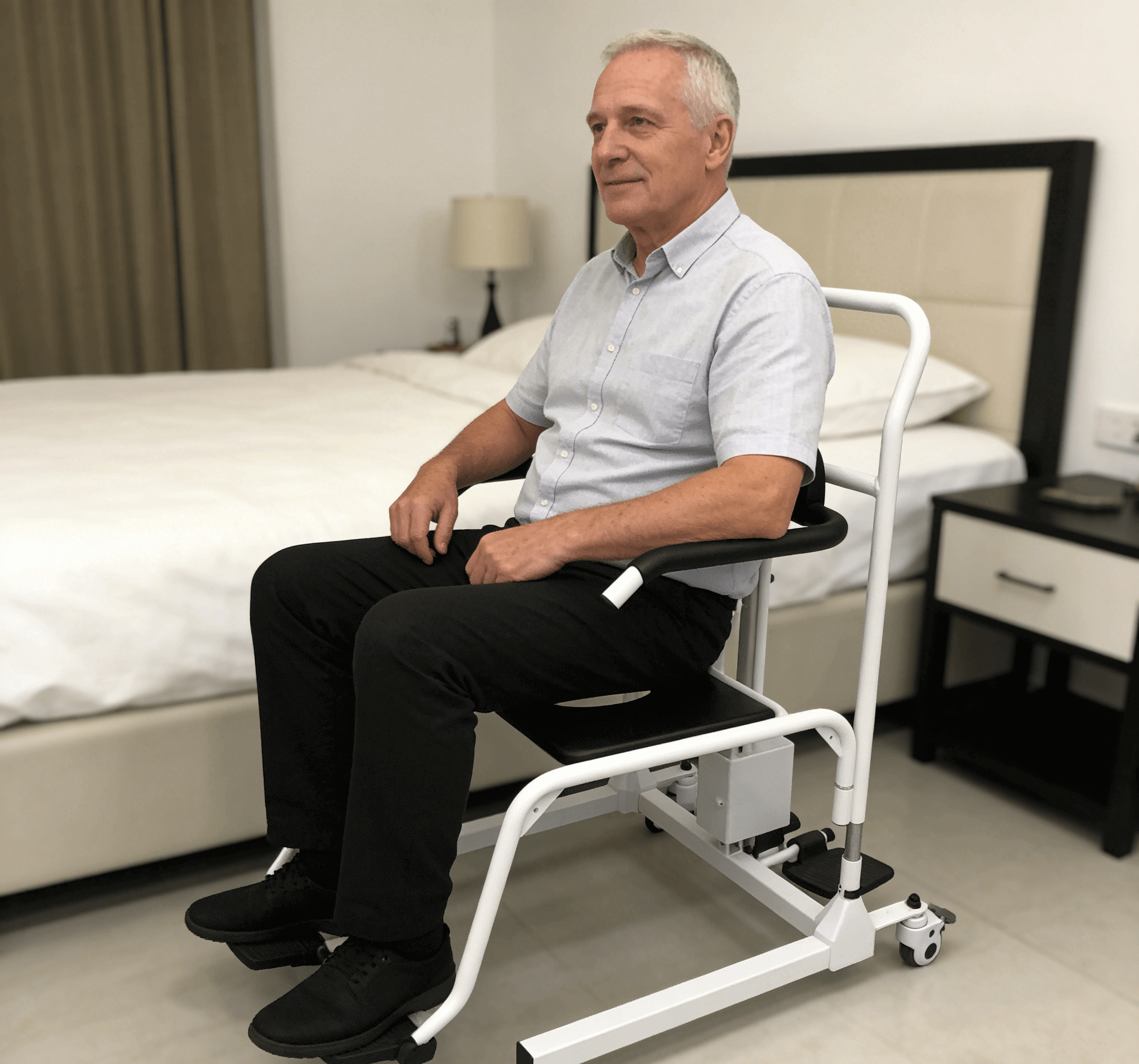
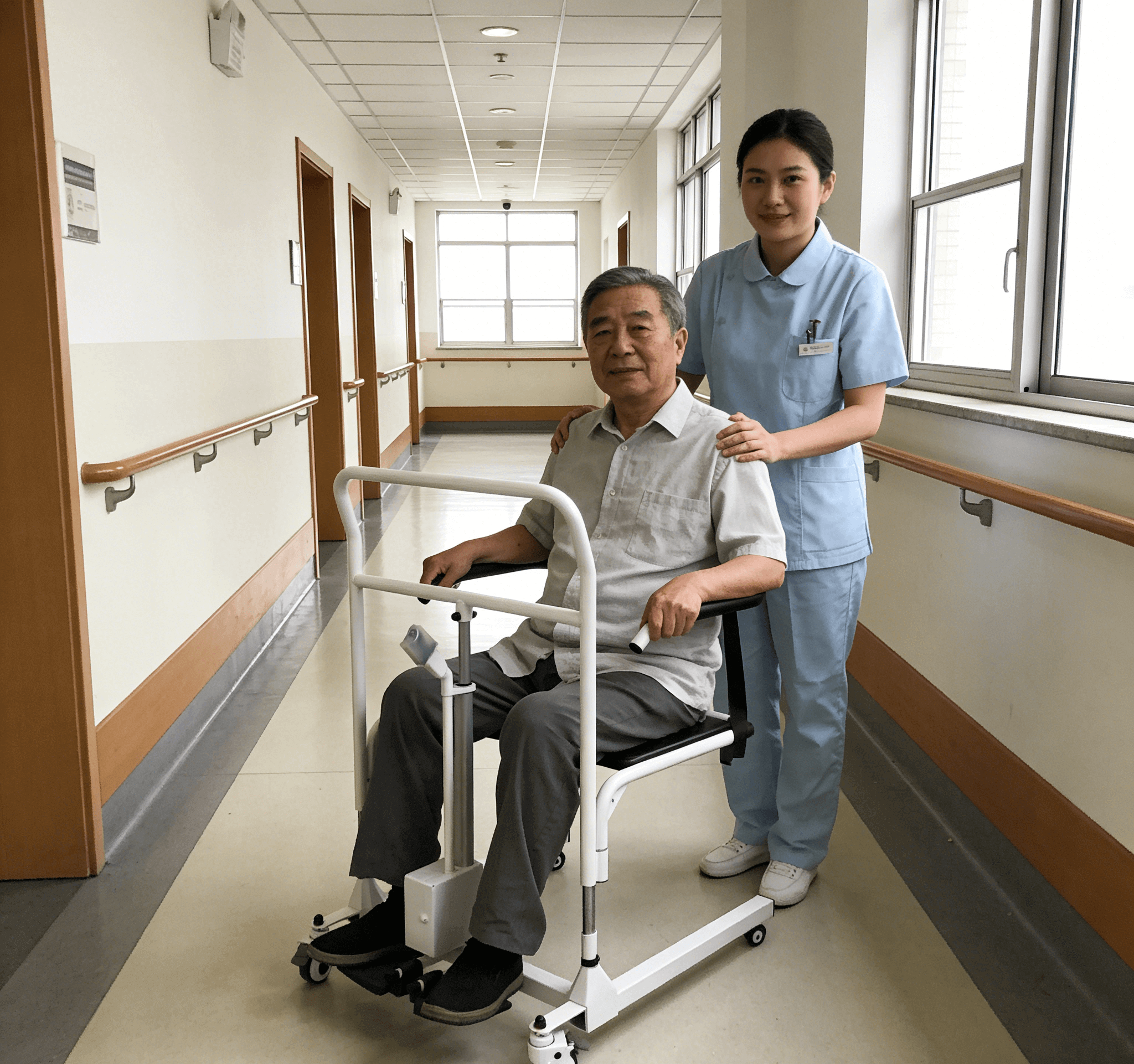
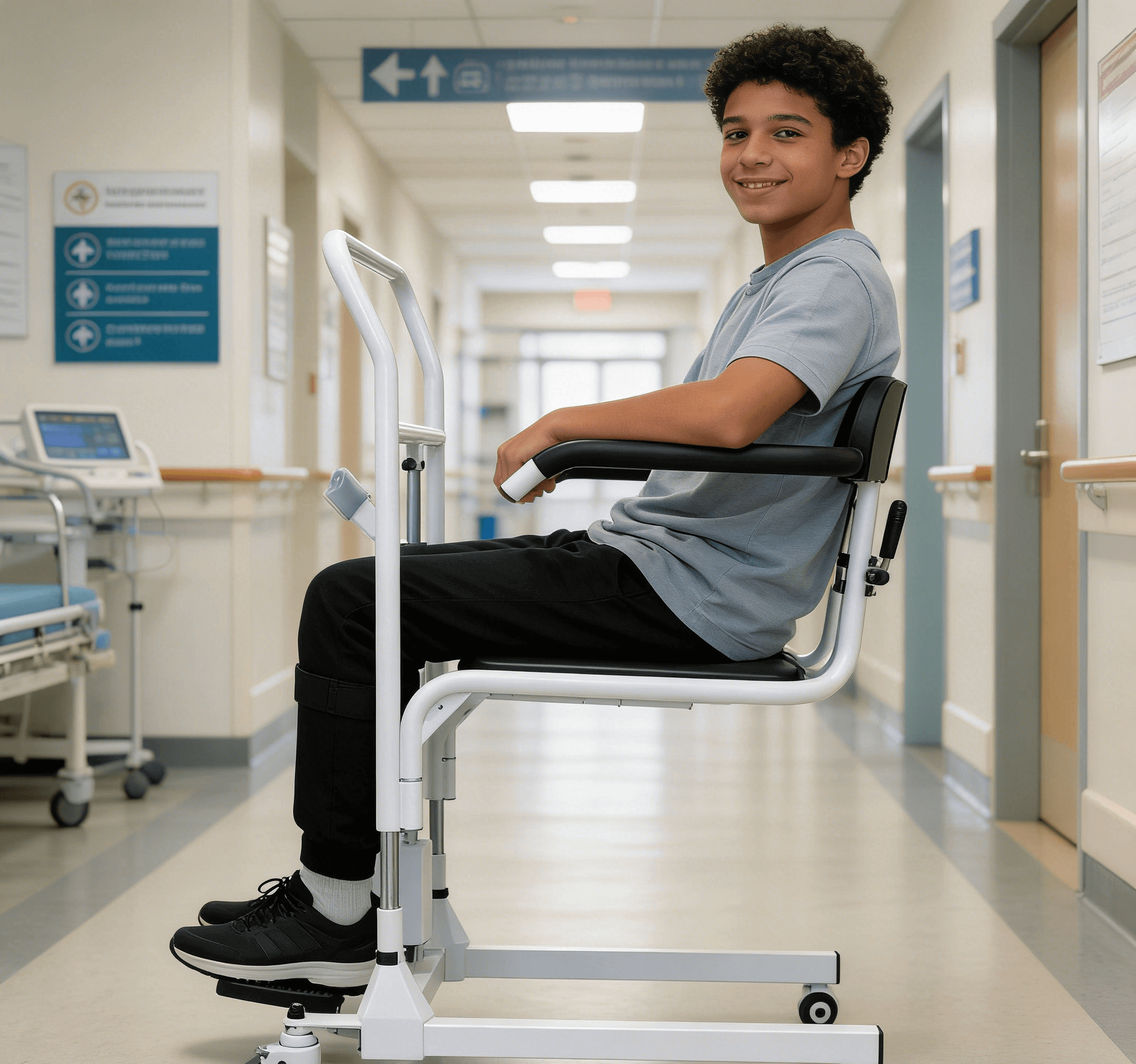
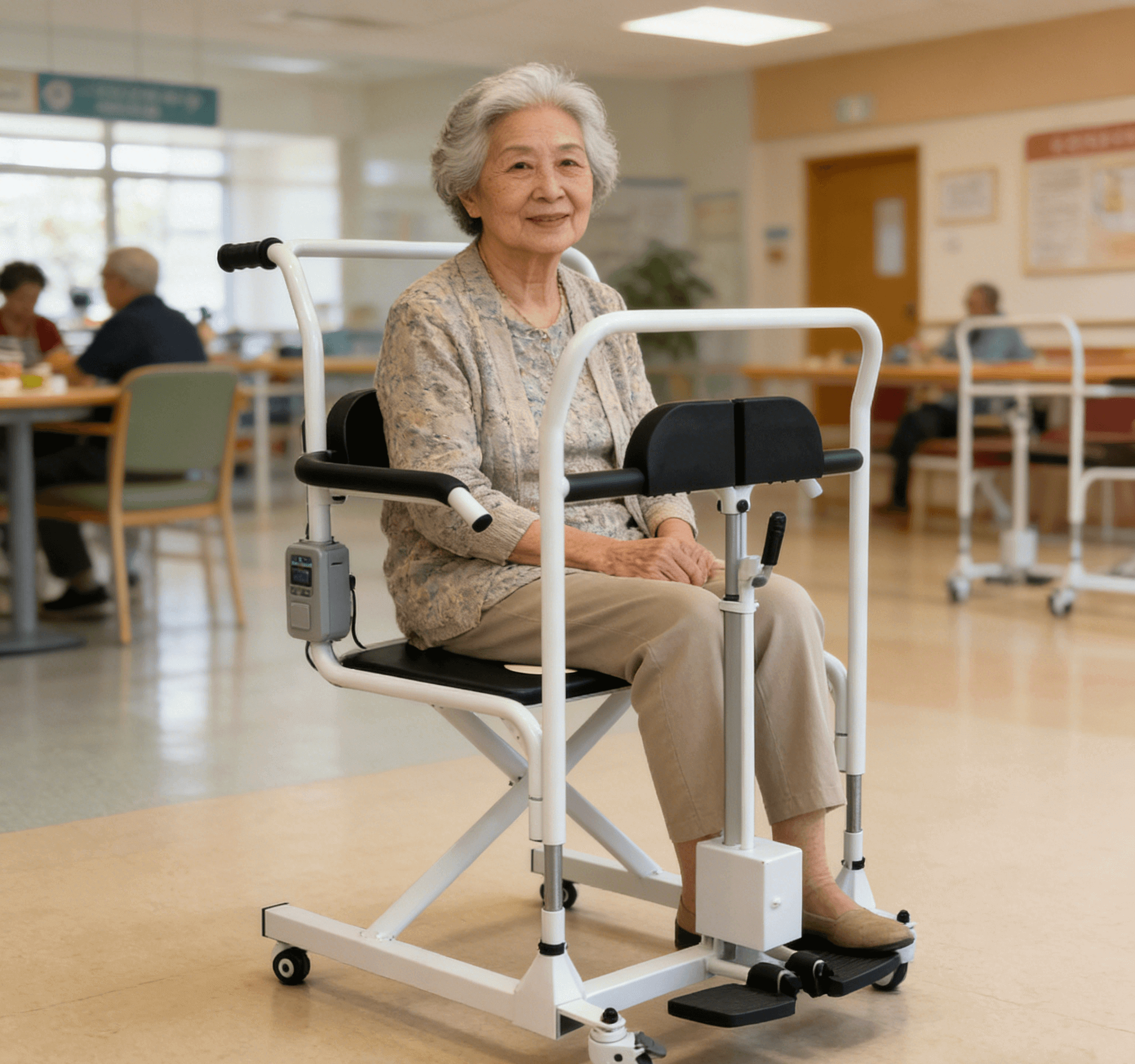
hoyer lift for home care
Hoyer Lift: A Pillar of Safety and Guardian of Dignity in Home Care
With the popularization of the "aging in place" concept, more and more families choose to let their elderly or disabled loved ones stay in the familiar home environment to receive care. However, when parents lose the ability to stand independently due to stroke, fractures, neurodegenerative diseases, or frailty from old age, the most basic daily movements—such as transferring from the bed to a wheelchair or from the wheelchair to the toilet—become the most difficult aspects of care. Manual lifting is not only inefficient and high-risk, but also may inadvertently harm the physical and mental health of both caregivers and care recipients. It is against this backdrop of practical needs that the Hoyer Lift has gradually moved from hospital wards to ordinary households, becoming an indispensable pillar of safety in the modern home care system.
Real Challenges in Home Care
Many family caregivers have had experiences like these: trying to help a bedridden father get up in the morning, only to stumble and fall together due to insufficient strength; having to grit their teeth and carry a mother to the toilet, then suffering from lower back pain for days afterward; worrying about causing skin damage from dragging, but having no other options... Behind these scenarios lies the "transfer dilemma" that is prevalent in long-term care. The World Health Organization and occupational health institutions in many countries have long pointed out that manual lifting is the primary cause of care-related injuries. It not only easily leads to lumbar injuries in caregivers, but also may cause the elderly to fall, develop pressure sores, or even experience psychological fear.
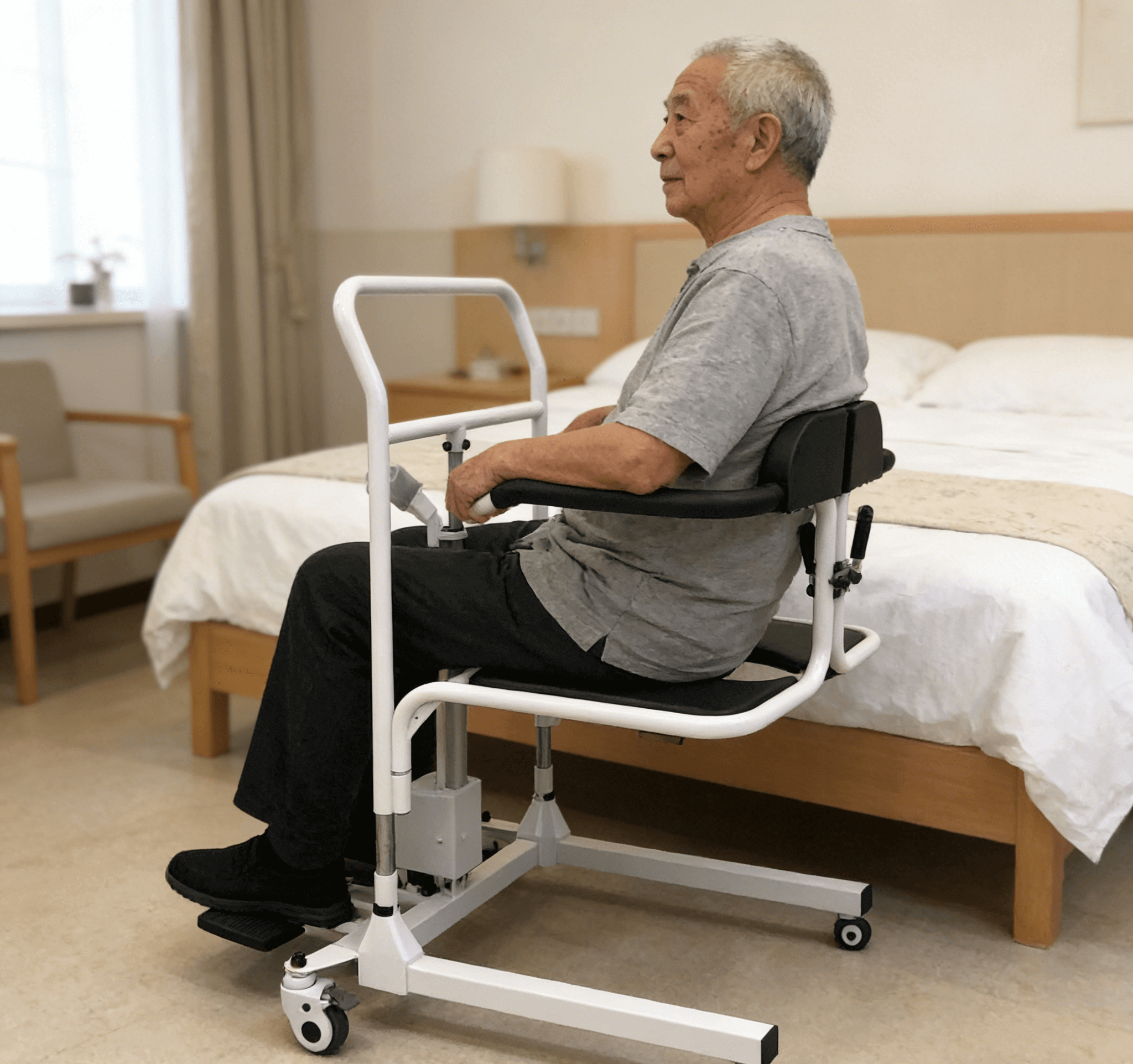
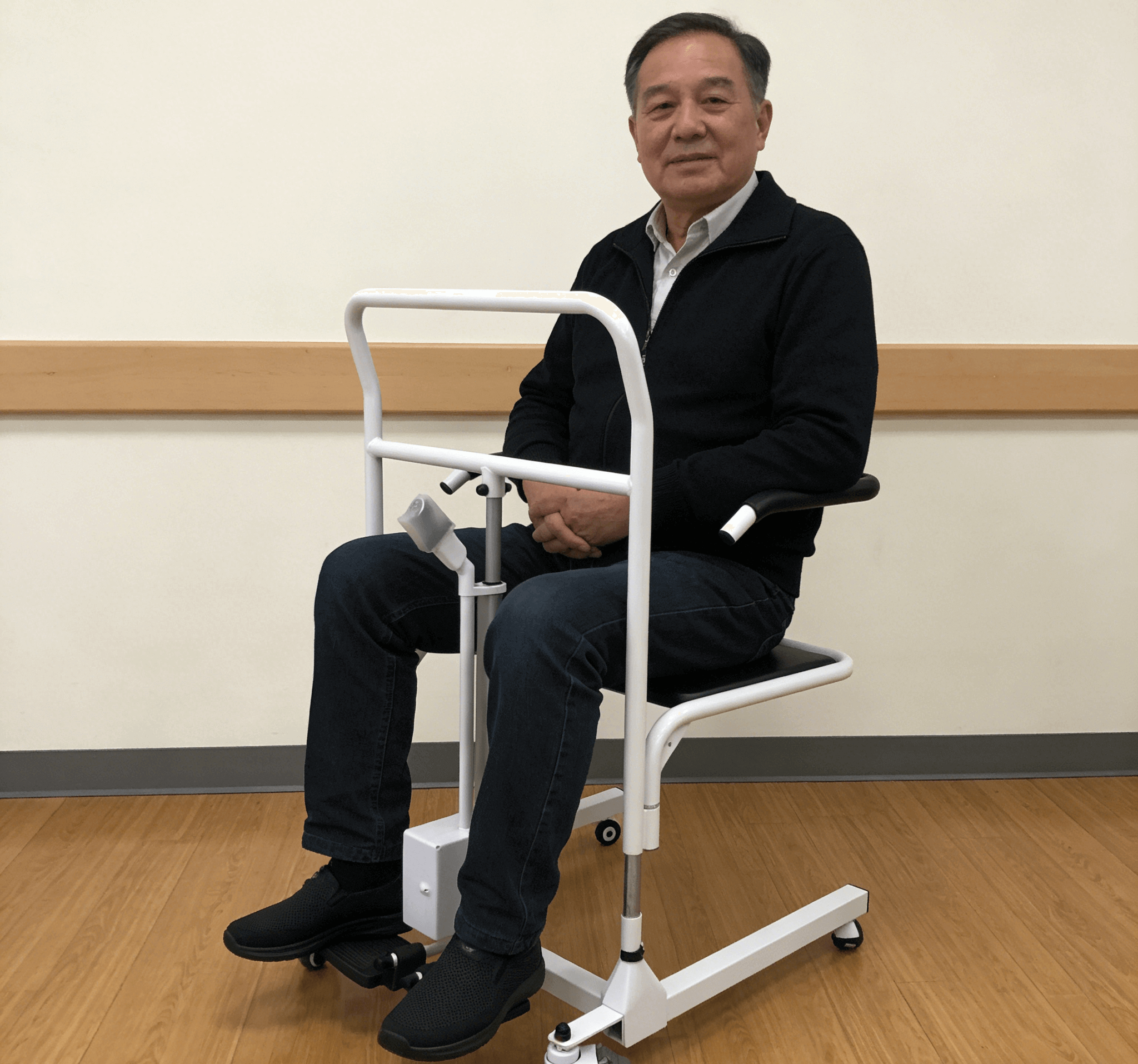
The introduction of the Hoyer Lift is precisely to systematically solve this problem. Equipped with specialized slings and powered by mechanical or electric mechanisms, it lifts and transfers the user to the target position smoothly, without requiring manual weight-bearing throughout the process—greatly improving safety and comfort.
Why Is the Hoyer Lift Particularly Suitable for Home Use?
Although originally designed for medical institutions, in recent years, Hoyer Lifts optimized for home environments have developed several adaptive features:
Compact and foldable: With a narrow base and flexible boom, it can be operated in small spaces such as bedrooms and bathrooms. When not in use, it can be folded and stored against the wall to save space.
Low-chassis design: It can easily slide under ordinary home beds, eliminating the need to replace them with expensive medical beds.
Quiet electric motor: It operates quietly, avoiding disturbing elderly people who are sensitive to noise.
Battery-powered: Free from the constraint of power cords, it can be conveniently moved and used in different rooms.
Multiple sling options: Depending on whether the elderly can sit steadily or have fragile skin, matching slings are available—including full-body slings, sitting slings, and toilet-specific slings.
More importantly, a single caregiver can usually operate the device independently, which greatly reduces the physical burden on caregivers from one-child families or spousal caregivers.
Key to Safe Use: Not Just "Knowing How to Operate," But "Knowing How to Use Properly"
Owning the device is only the first step; using it correctly is the core of ensuring safety. Families should pay special attention to the following when using a Hoyer Lift at home:
Prioritize personalized assessment: Before using the lift for the first time, it is advisable to have a rehabilitation therapist or assistive device consultant evaluate the elderly person’s physical condition, and recommend suitable sling types and operation methods.
Standardize the operation process: This includes checking the device’s battery level/hydraulic status, confirming that the sling is free from wear, lifting and lowering slowly, and ensuring the transfer path is obstacle-free.
Emphasize communication and psychological support: Inform the elderly person of each step before operation to ease their anxiety. Respect their privacy by drawing curtains or closing doors when necessary.
Conduct regular maintenance: Clean the slings, check for loose screws, ensure battery life, and prevent sudden equipment failures.
Many medical equipment suppliers provide on-site installation and operation training services when supplying home-use Hoyer Lifts, and families should make full use of this resource.
Beyond Functionality: Dignity and Warmth in Care
The value of the Hoyer Lift goes far beyond the physical ability to "lift and move." It conveys a profound care philosophy: even when physical mobility is limited, a person still deserves to be treated gently. When an elderly person no longer feels ashamed due to being "dragged," and no longer feels guilty upon hearing the caregiver’s panting, they will gain more peace of mind and less mental burden. This silent respect is the soul of high-quality home care.
For caregivers, the device also represents "sustainable love"—there is no need to sacrifice one’s own health to prove filial piety or responsibility. When the waist no longer aches and the mind is no longer flustered, companionship can truly become a warm connection, rather than a heavy shackle.
Conclusion
As an aging society accelerates, home care is shifting from "instinctive family affection" to "professional support." As an important part of assistive technology, the Hoyer Lift not only solves the technical problem of "how to move," but also responds to the humanistic proposition of "how to age with dignity." It is not a cold machine, but a silent yet steadfast guardian in home care—grounding safety, allowing love to flow calmly, and ensuring that even in the twilight years, life remains warm and dignified.