Category: Patient Lifts
Posted by 2025-12-20 11:12
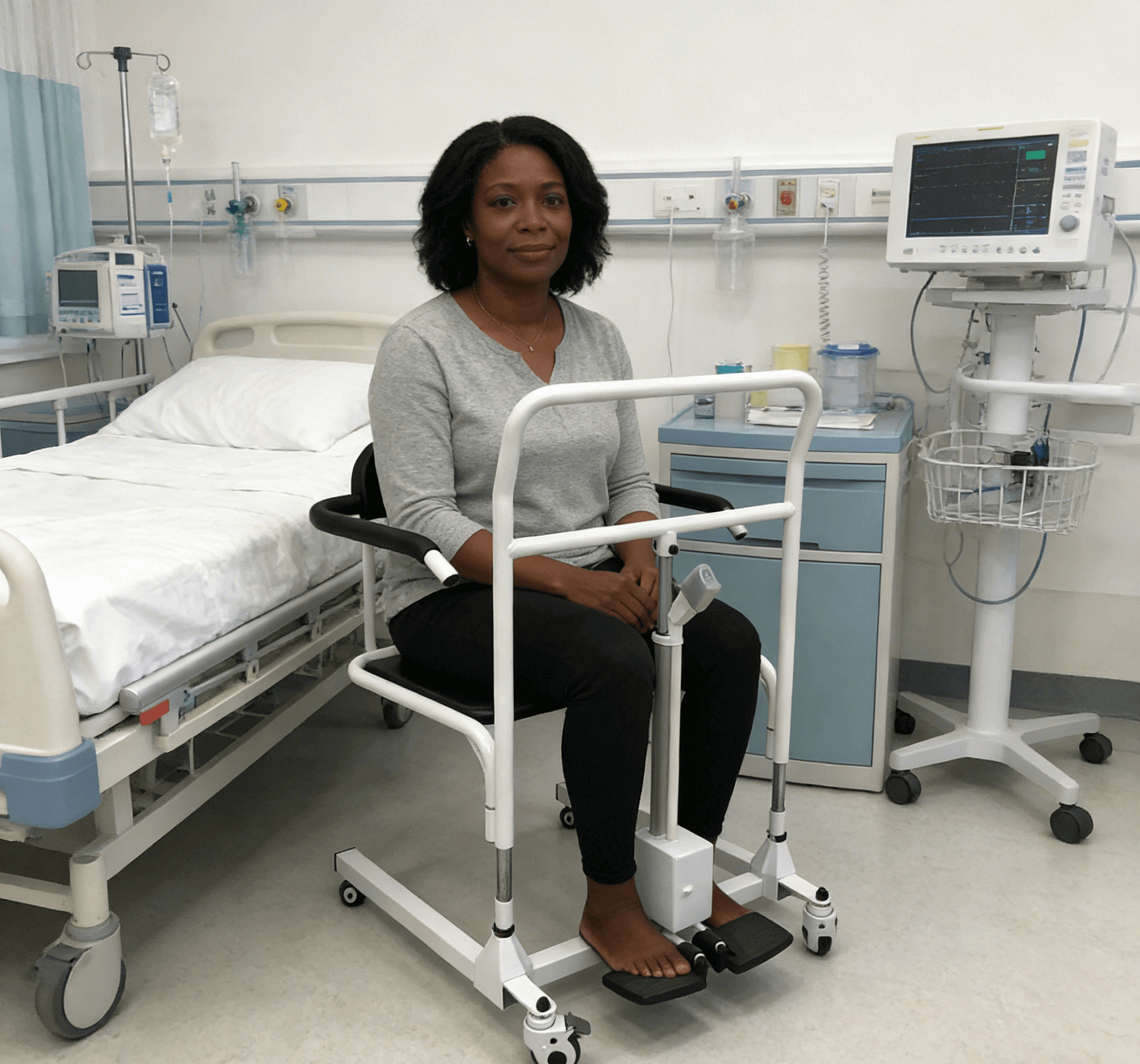
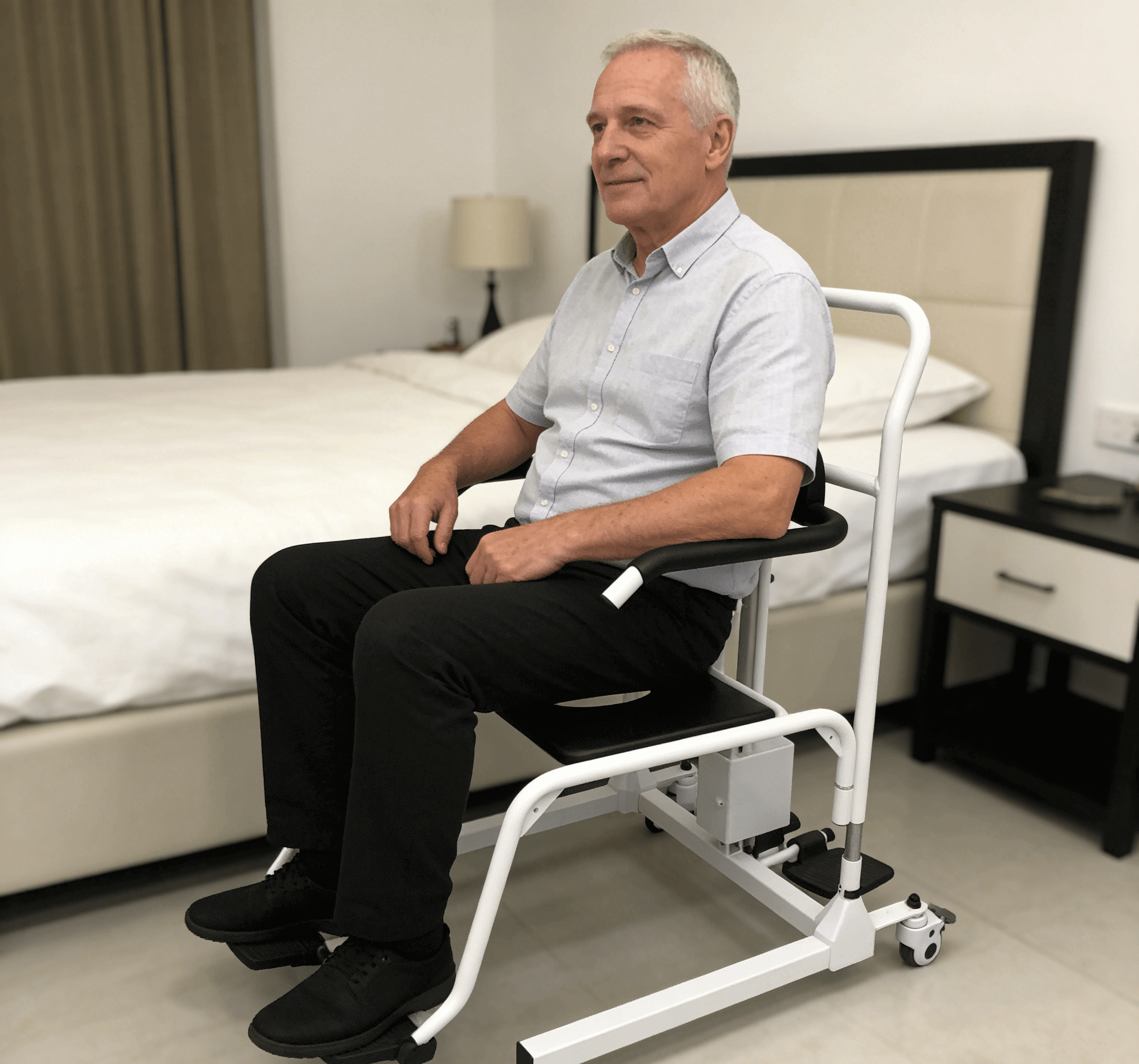
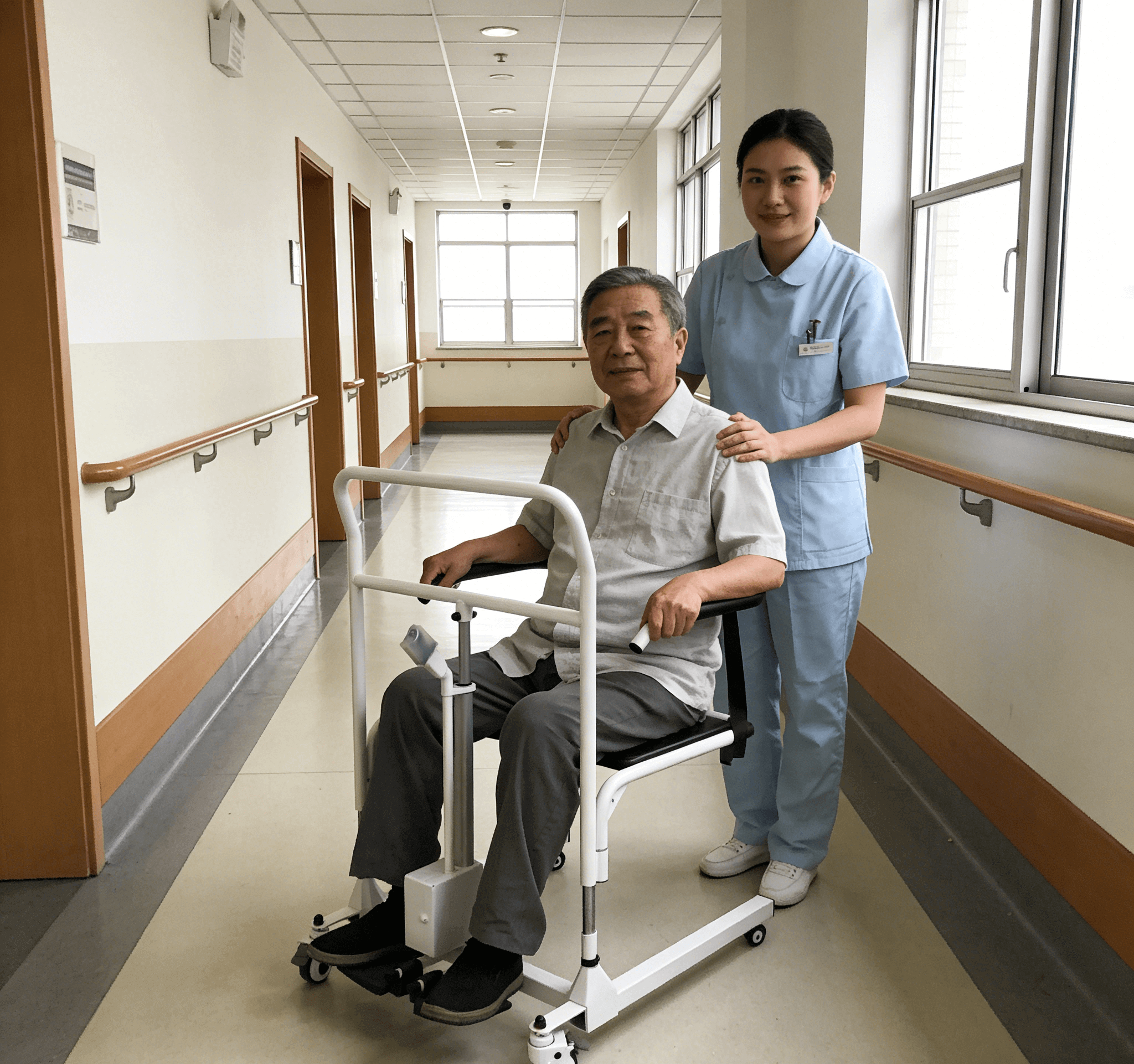
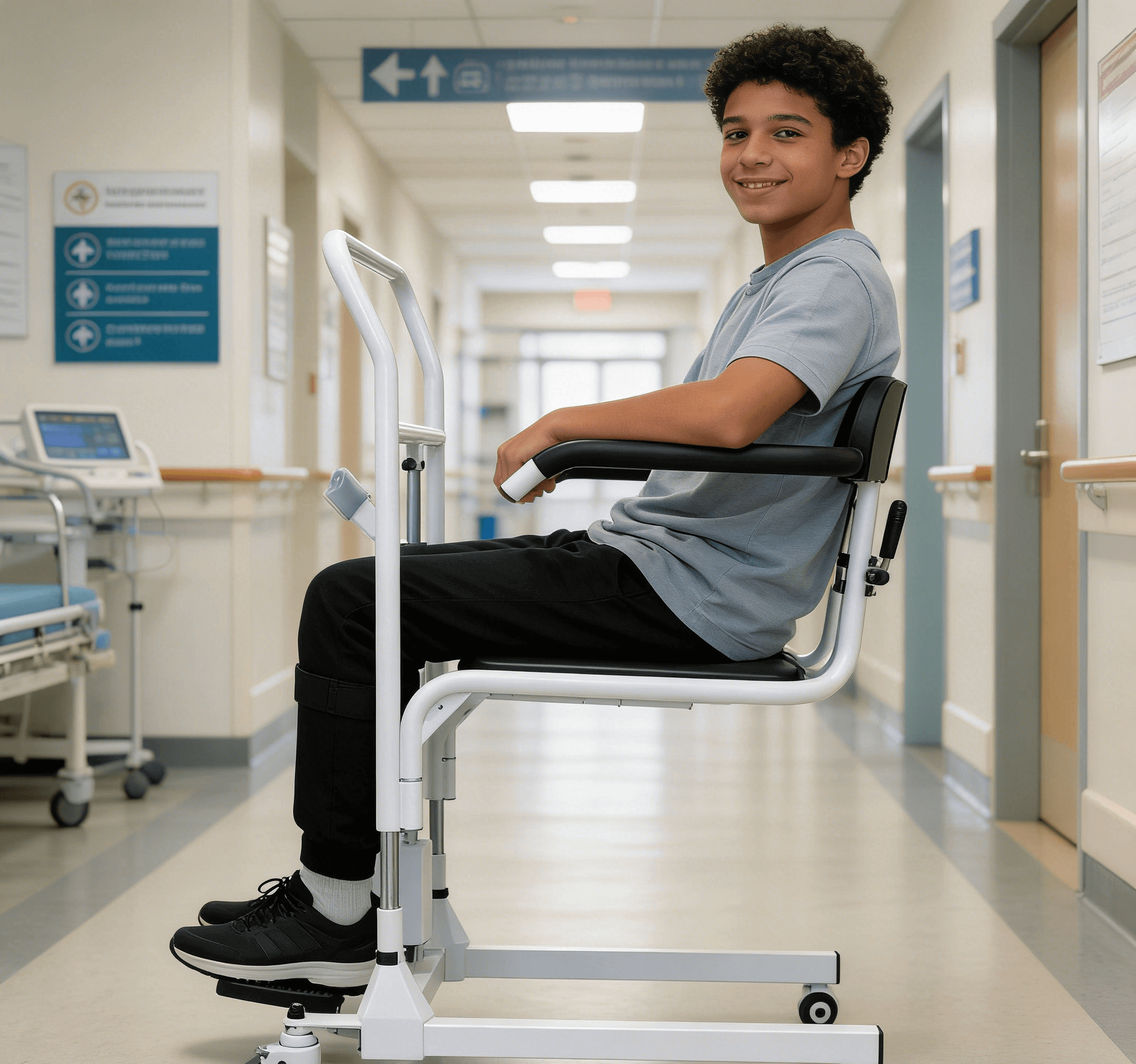
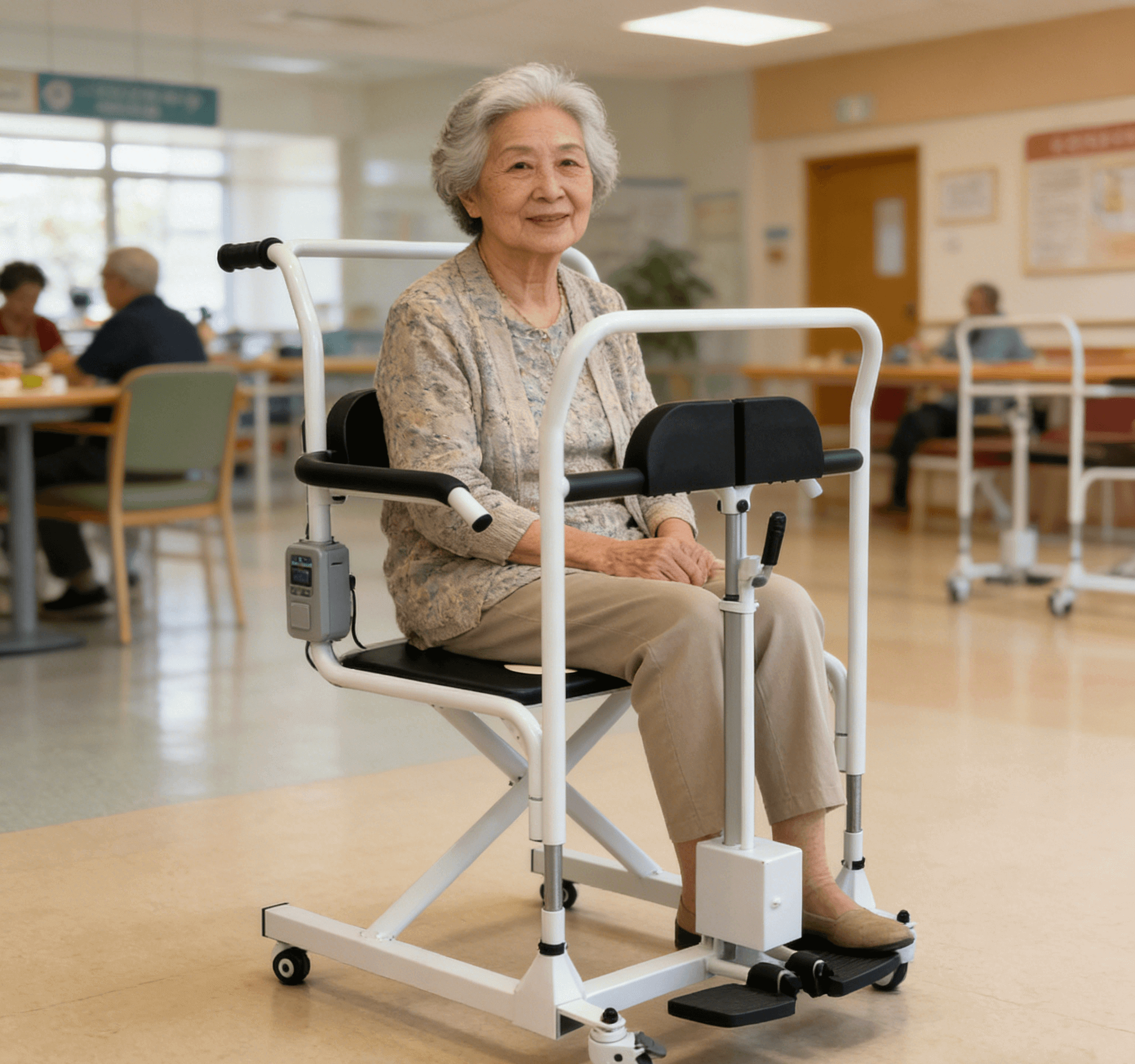
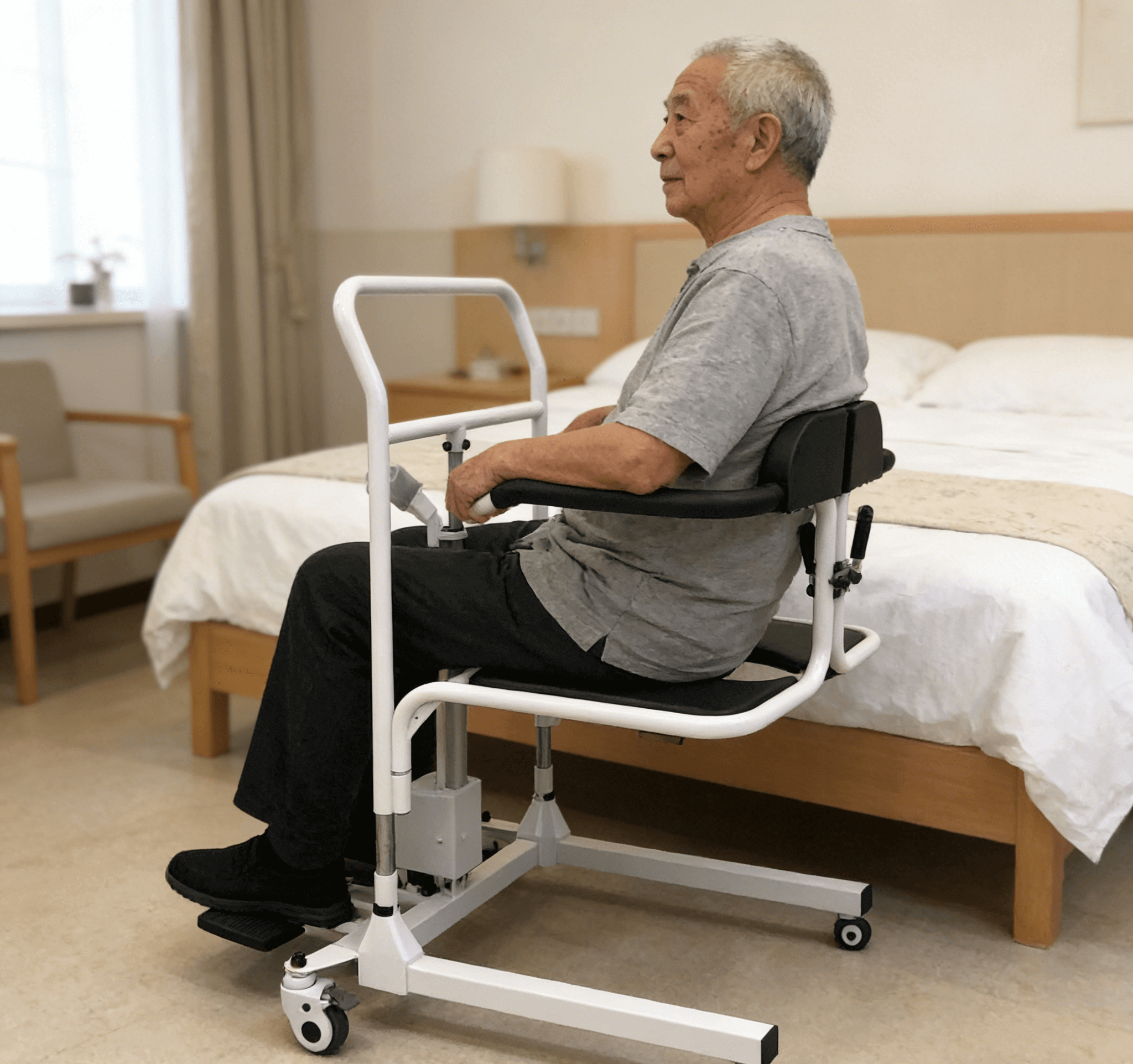
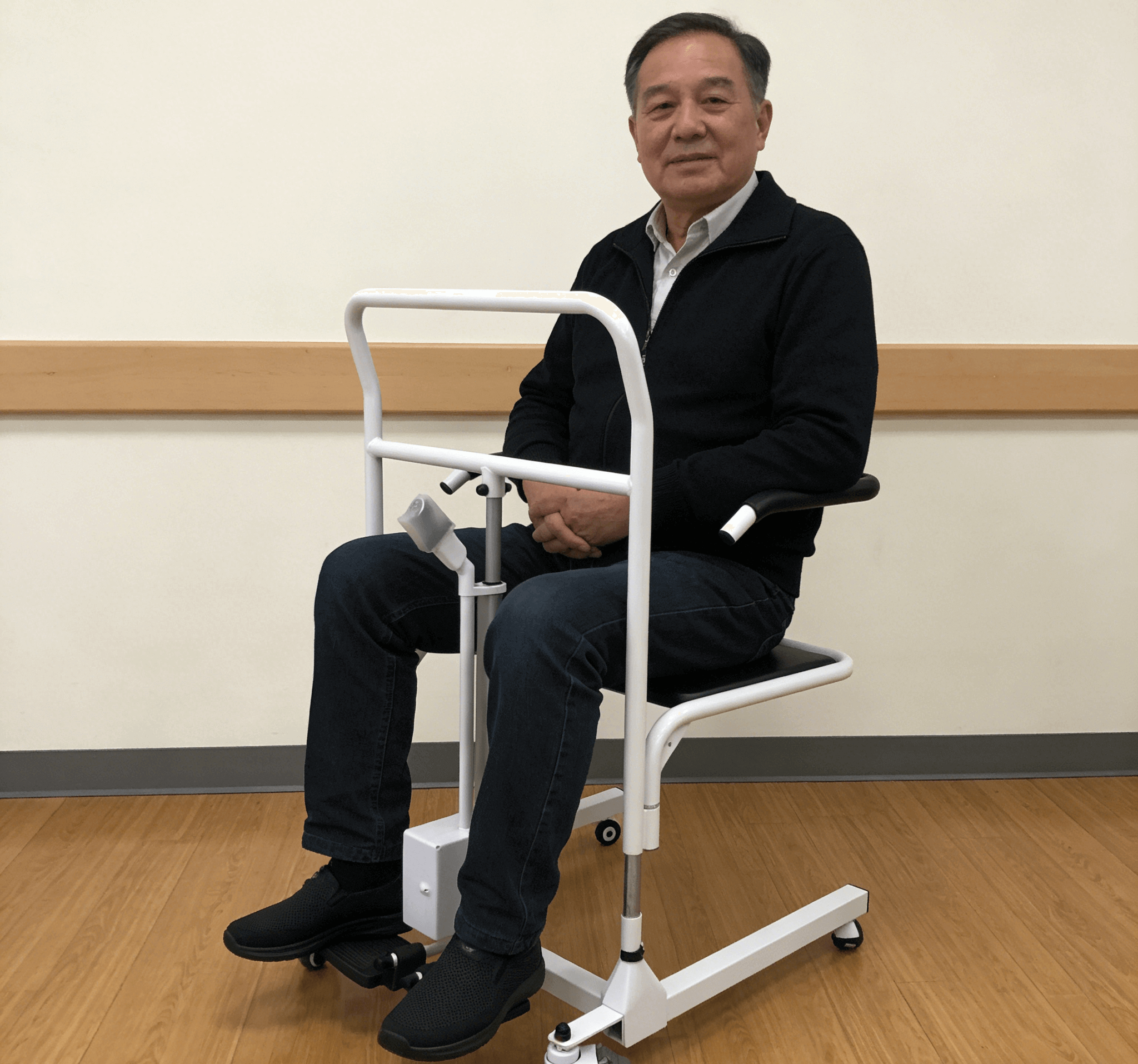
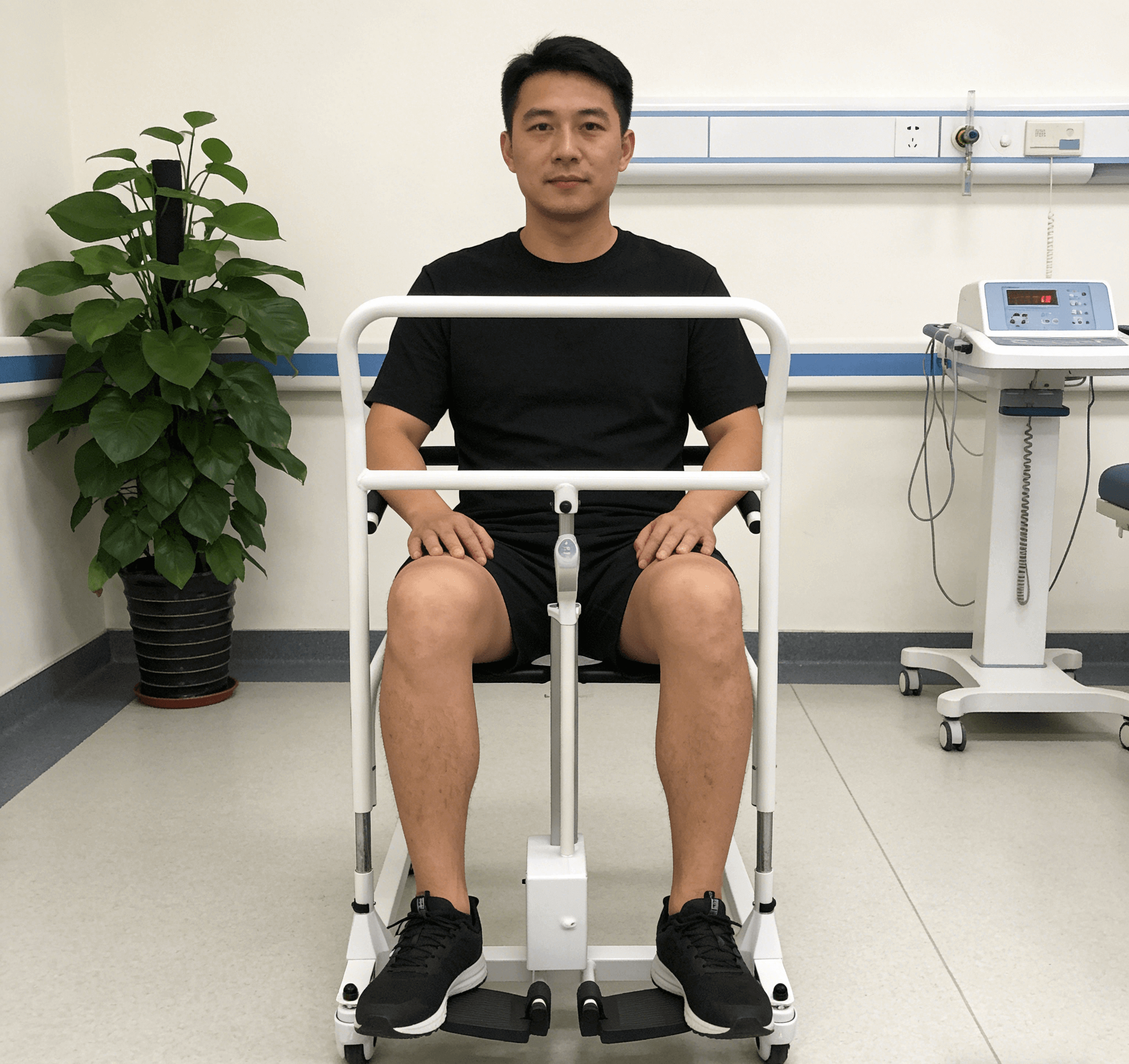
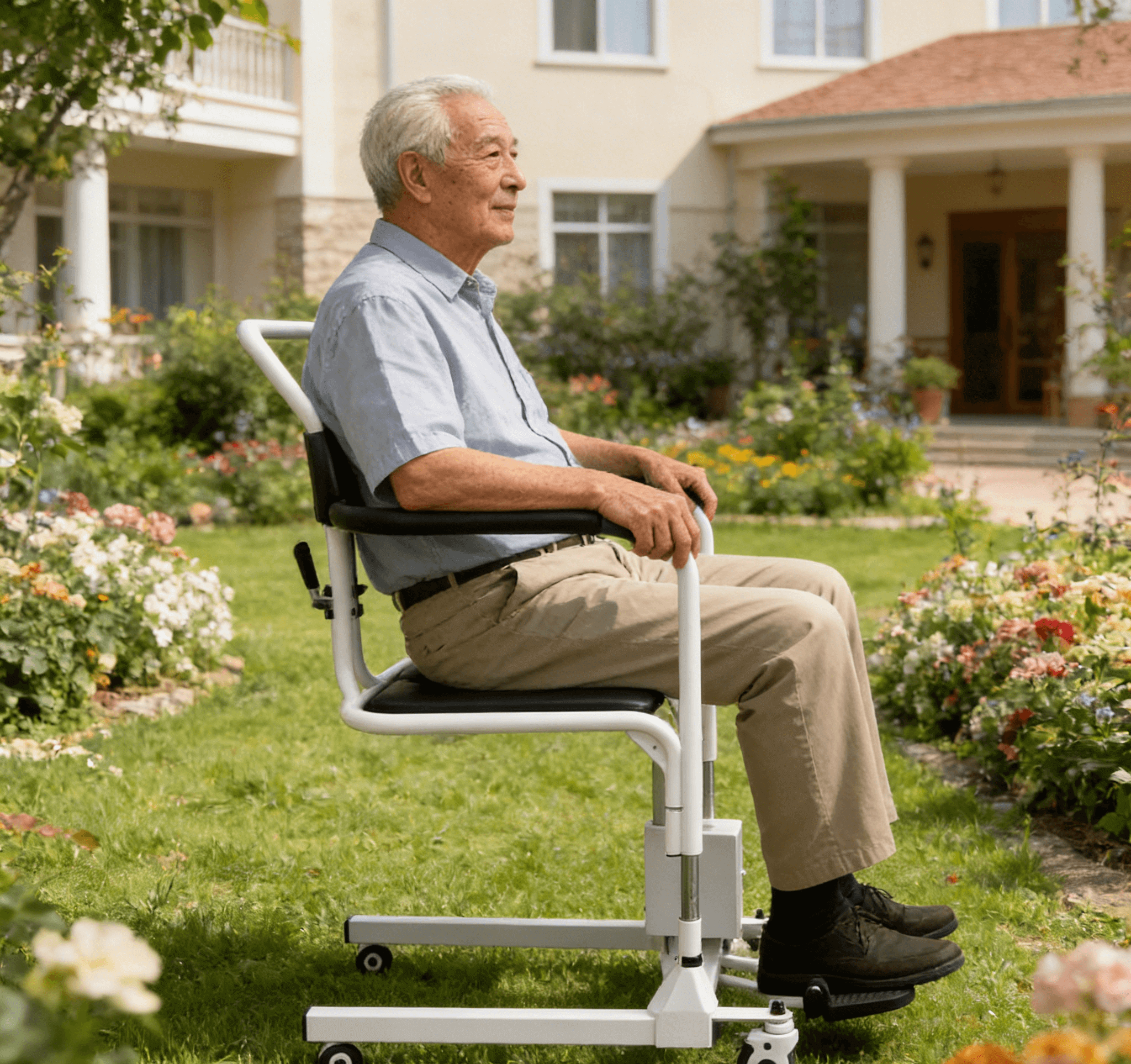
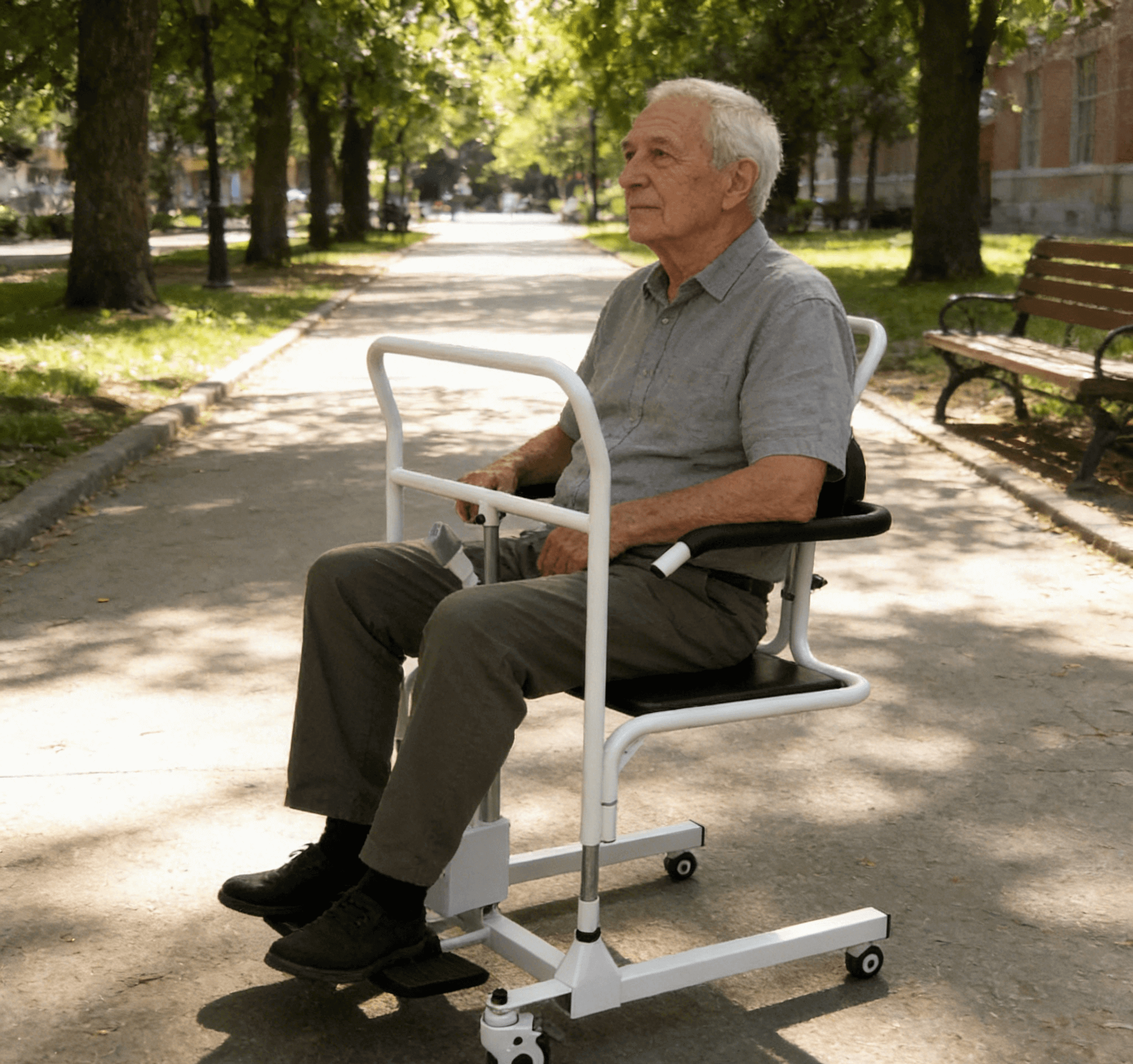
hoyer lift for disabled people
Empowerment and Safety: The Transformative Impact of Hoyer Lifts on the Lives of People with Disabilities
For people with disabilities who have limited mobility and their caregivers, the simplest daily transfers—from bed to wheelchair, wheelchair to toilet, and chair to bed—are often the biggest challenges and most dangerous moments. As a professional transfer device, Hoyer Lifts are not only a guarantee of safety but also a key tool for preserving dignity, enabling independent living, and reducing the burden of caregiving.
I. Why Do People with Disabilities Need Hoyer Lifts?
Hoyer Lifts have a wide range of applications and are suitable for multiple scenarios:
Complete or partial paralysis: Applicable to patients with impaired voluntary movement in the lower limbs or the whole body caused by conditions such as spinal cord injuries, multiple sclerosis, and post-stroke sequelae.
Muscle weakness or atrophy: Suitable for patients with diseases like muscular dystrophy and myasthenia gravis, who cannot stand up or transfer independently.
Severe joint diseases or pain: For patients with advanced rheumatoid arthritis or severe osteoporosis, any weight-bearing or transfer may cause severe pain and the risk of fractures.
Severely impaired balance function: Patients with cerebral palsy, Parkinson’s disease, etc., who cannot stand safely.
Postoperative recovery: Used for safe transfer during the period when weight-bearing is strictly prohibited, such as after hip or knee replacement surgery.
Excess weight: Provides a safe and labor-saving transfer solution for patients with overweight.
II. Core Benefits of Hoyer Lifts
Ultimate Safety
For users: Completely eliminates the risk of falls and injuries caused by slipping, loss of balance, or caregiver errors during transfers.
For caregivers: Prevents occupational injuries such as lower back strain, muscle pulls, and herniated discs caused by manual lifting, protecting the health of caregivers.
Preservation of Dignity and Autonomy
A stable, smooth, and controlled transfer process preserves the user’s dignity far better than strenuous and awkward dragging.
For users with remaining upper limb function, after training, they can learn to operate electric Hoyer Lifts independently (especially when used with ceiling track systems). This enables them to transfer independently from the bed to the bathroom and other places, which is a great psychological empowerment.
Improved Care Efficiency and Sustainability
A single caregiver can safely complete the transfer task, reducing the requirements for the caregiver’s physical strength and the number of caregivers.
Makes home care more sustainable and delays the time when patients need to be sent to nursing institutions.
III. How to Choose the Right Hoyer Lift?
The choice depends on the user’s specific physical condition, home environment, and budget.
Type Selection
Mobile lifts: The most common type, equipped with wheels for flexible movement between rooms. Suitable for families with large spaces that require transfers in multiple locations.
Ceiling track transfer systems: Fixed track systems installed on the ceiling. Their advantages include saving floor space, precise transfer paths, and enabling users to achieve fully independent operation. They are ideal for transfers along fixed routes, such as in bathrooms and bedrooms.
Sling Selection
Full-body slings: Provide full-body support, suitable for users who cannot sit up or cooperate at all.
Sitting slings: The most common type, used for transfers from beds to wheelchairs and to toilets.
Stand-up lifts: Suitable for users with partial leg support ability and cognitive function to understand instructions. They can help users maintain a standing posture, facilitating activities such as getting dressed and using the toilet.
Drive Type
Hydraulic lifts: Powered by hand-pressed levers. They are more affordable and easy to maintain but require a certain amount of physical strength from the caregiver.
Electric lifts: Operated by batteries and buttons, extremely labor-saving. They are very suitable for caregivers with limited strength or users with heavier weights, and their operation is also smoother and quieter.
Key Parameters
Weight capacity: Ensure the maximum weight capacity of the lift is higher than the user’s weight.
Boom height: Ensure there is enough height to fully lift the user off the bed or chair.
Base width and adjustability: The base must be able to fit smoothly under furniture such as beds, wheelchairs, and toilets.
IV. Standard Operating Procedures and Best Practices
Communication and explanation: Always inform the user of the next step and obtain their understanding and cooperation.
Equipment inspection: Check whether the sling, straps, hooks, and mechanical/electric parts are in good condition before each use.
Environment preparation: Clear the passage, lock the wheelchair brakes, and secure the lift brakes.
Proper sling placement: Ensure the sling is laid flat under the user, and the hanging points are connected firmly and balanced.
Stable operation: Lift the user slowly and steadily, and hover briefly to confirm safety before moving.
Safe placement: Lower the user slowly to the target position, and confirm they are seated securely before unfastening the hooks.
Storage: Store the equipment properly after use to keep the passage clear.
V. Psychological Adaptation and Usage Tips
Overcome initial psychological barriers: Many users and caregivers may initially feel that the device is "cold" or "indicates a serious condition". Instead, it should be redefined as an "empowerment tool" and "safety partner".
Progress gradually: The first use should be carried out under the guidance of a therapist. Start with short-distance and low-altitude transfers to help the user build trust.
Personalized comfort adjustment: Try different sling materials and styles to find the one that makes the user feel most comfortable.
Give control: Allow the user to participate in the process as much as possible. For example, letting them press the button of the electric lift can enhance their sense of autonomy.
VI. Common Questions and Misconceptions
Q: Does a Hoyer Lift mean the user will never be able to walk again?
A: Not at all. It is a safety tool that ensures safe transfer when walking is not safe. It can even help with rehabilitation training, such as assisting patients to stand.
Q: Can it be used in a small and cluttered home environment?
A: Yes. Choose a model with an adjustable base, or directly consider installing a ceiling track system, which can perfectly solve space issues.
Misconception: Only people who are "completely bedridden" need it.
A: Correct answer: For anyone at "risk during transfers", whether they can move partially or not at all, Hoyer Lifts are a recommended choice.
Conclusion
Hoyer Lifts are far more than just a machine for completing tasks. They are a solid bridge to safety, dignity, and independent living for people with disabilities, and a guardian of caregivers’ physical health. Investing in and mastering this technology means choosing a safer, easier, and higher-quality way of living together.
Would you like me to convert this English translation into a printable PDF document with clear section headings and bullet points? This will make it more convenient for you to share it with caregivers or refer to it in daily use.