Category: Patient Lifts
Posted by 2025-12-13 11:12
hoyer lift alternative
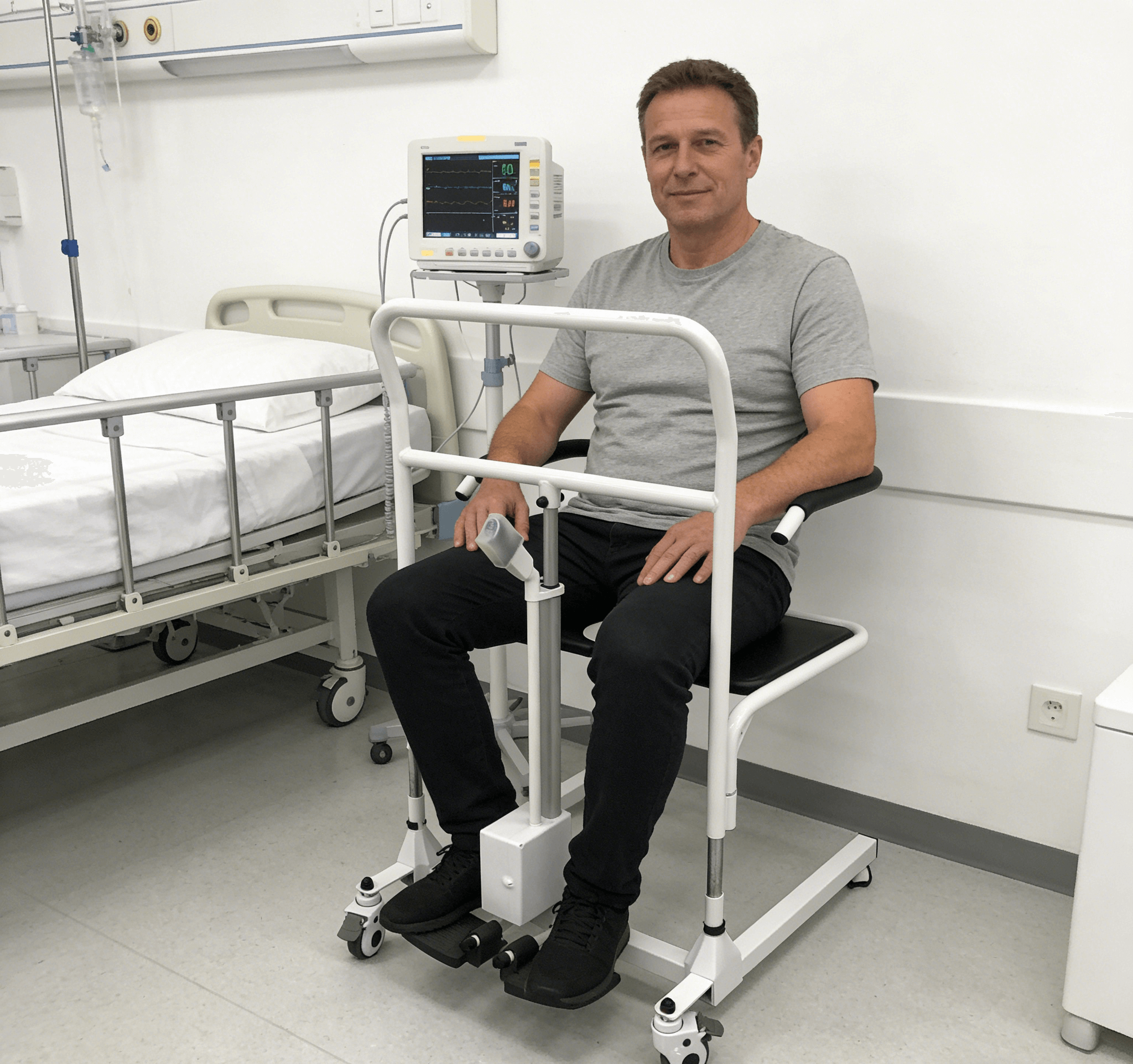
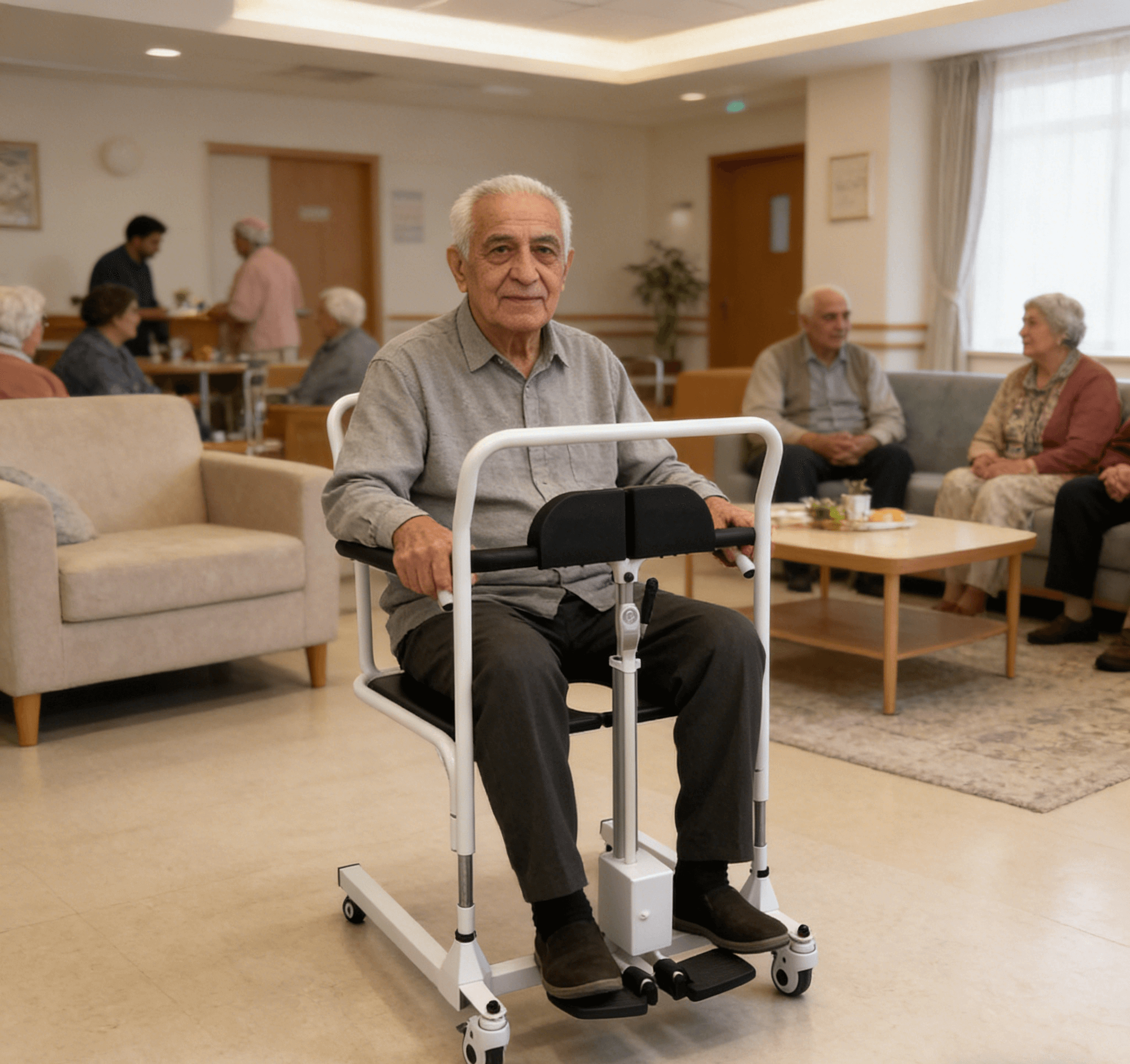
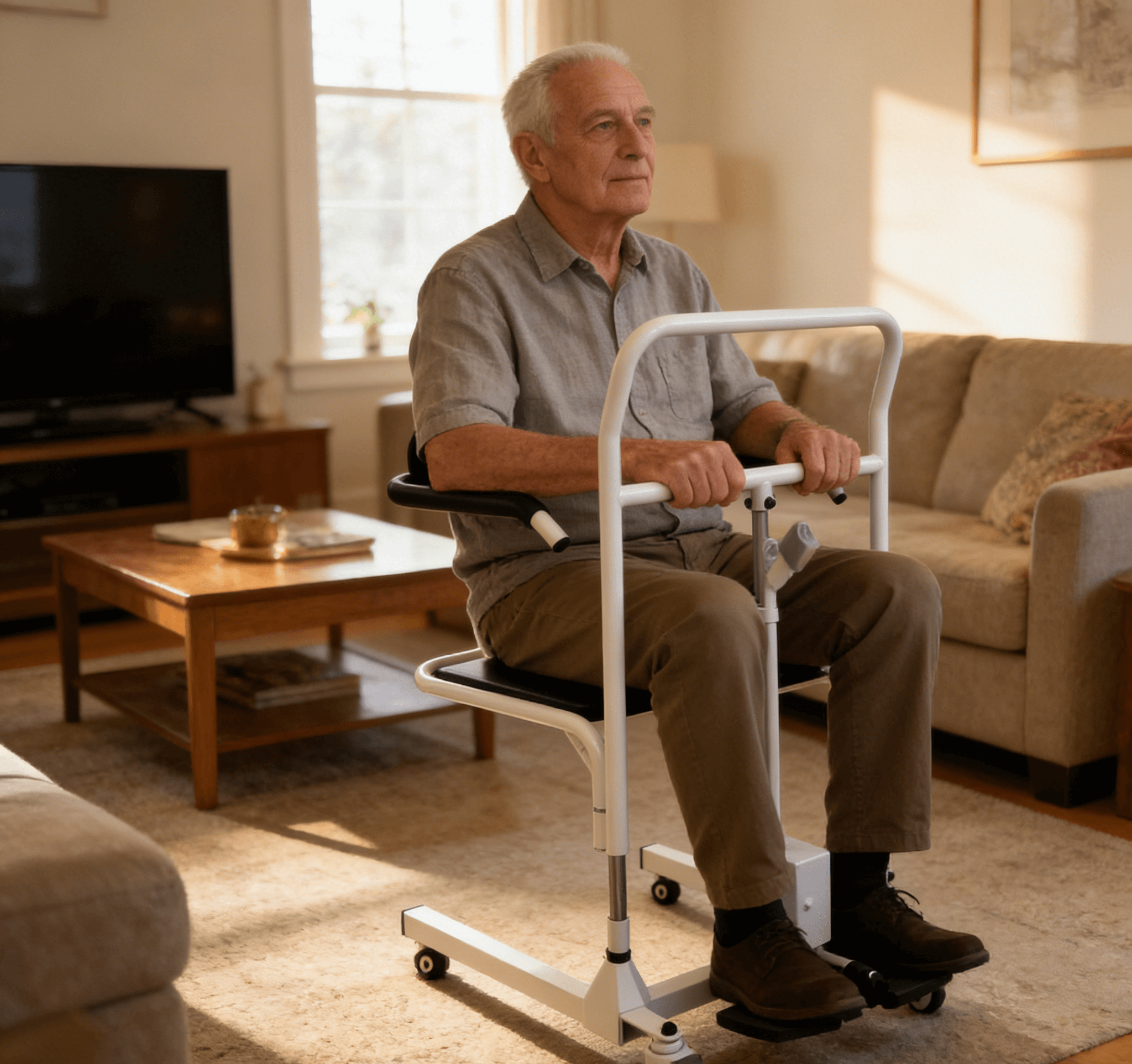
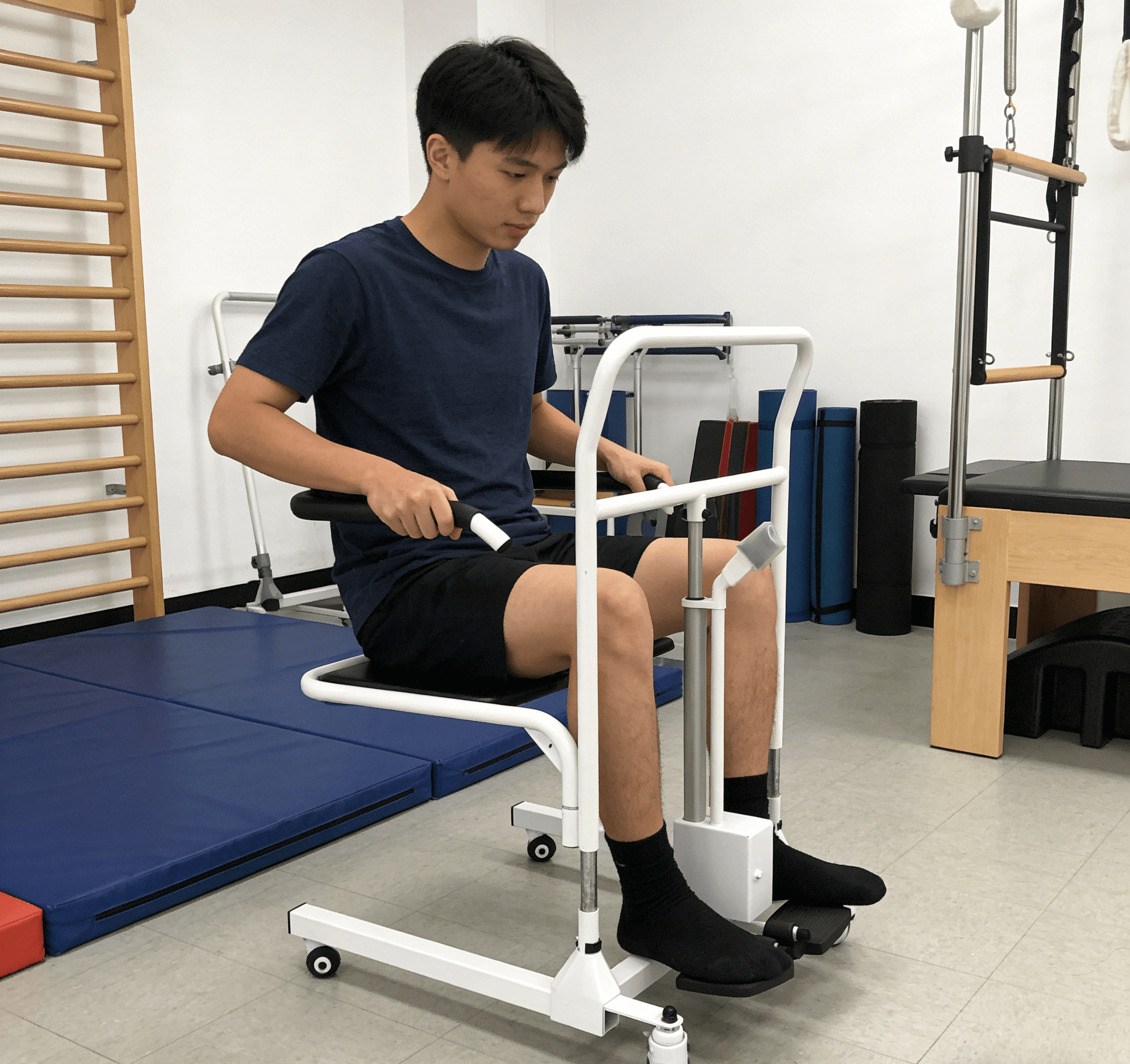
Beyond Hoyer Lifts: Alternative Transfer Solutions for Diverse Needs
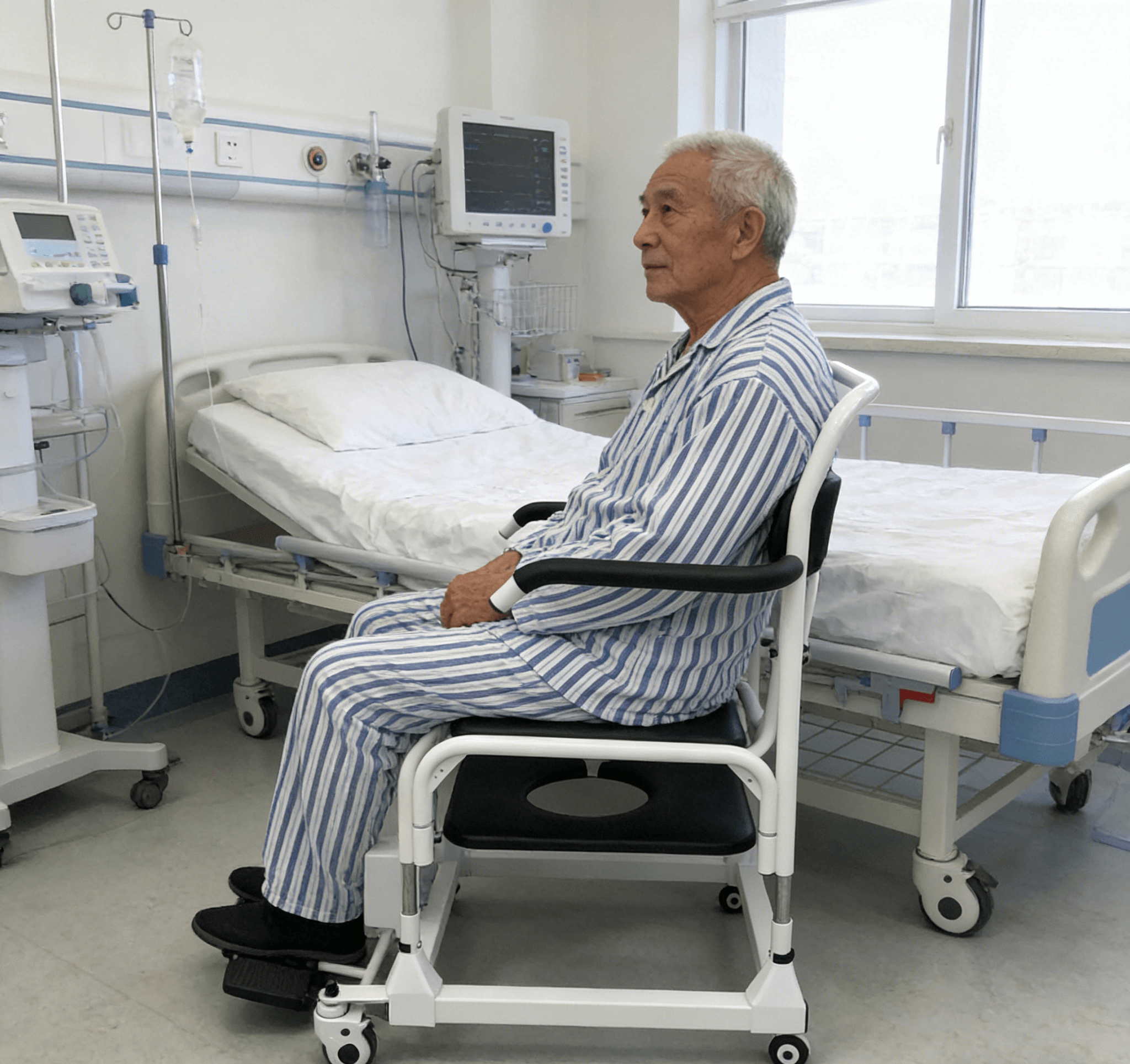
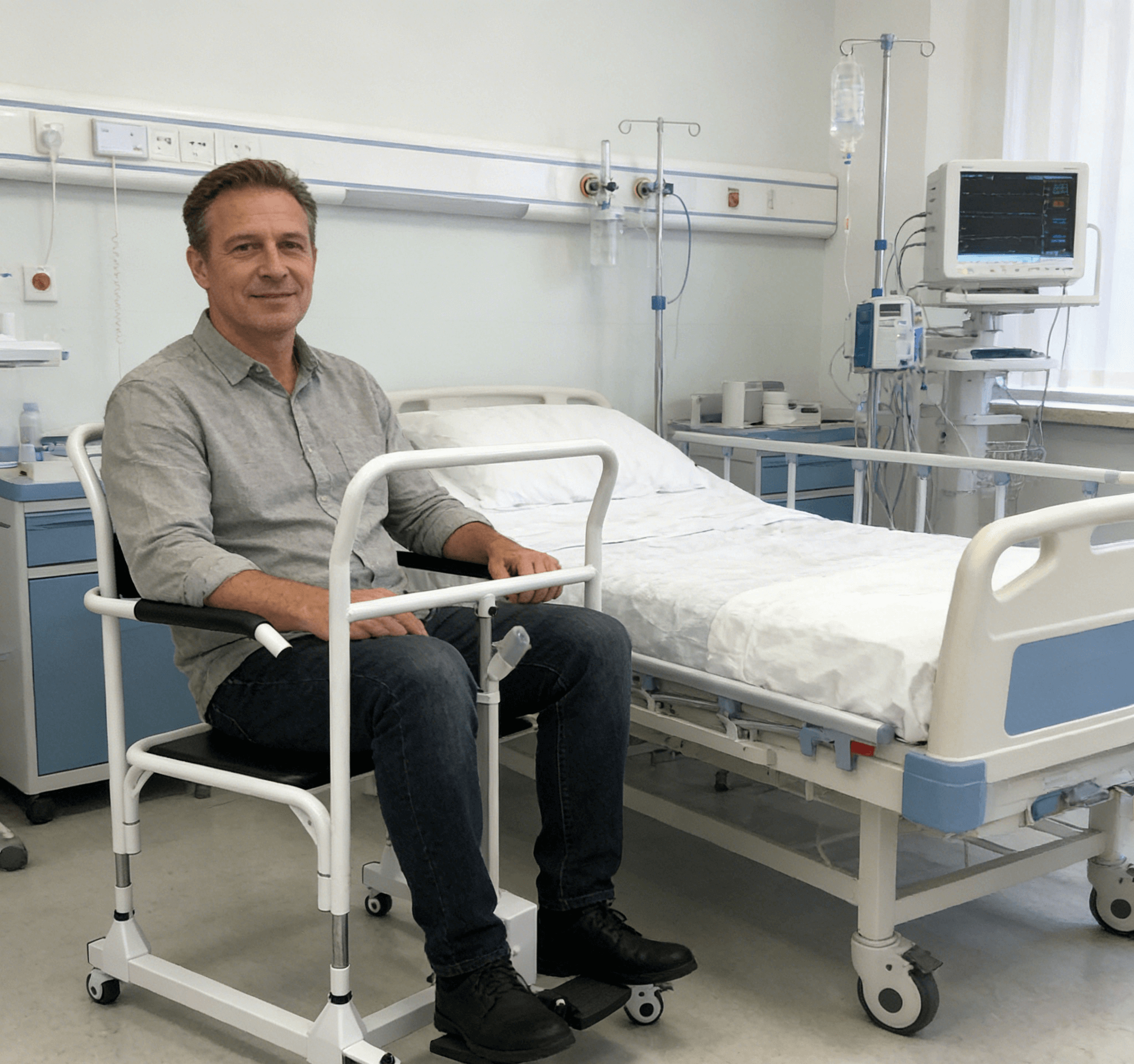
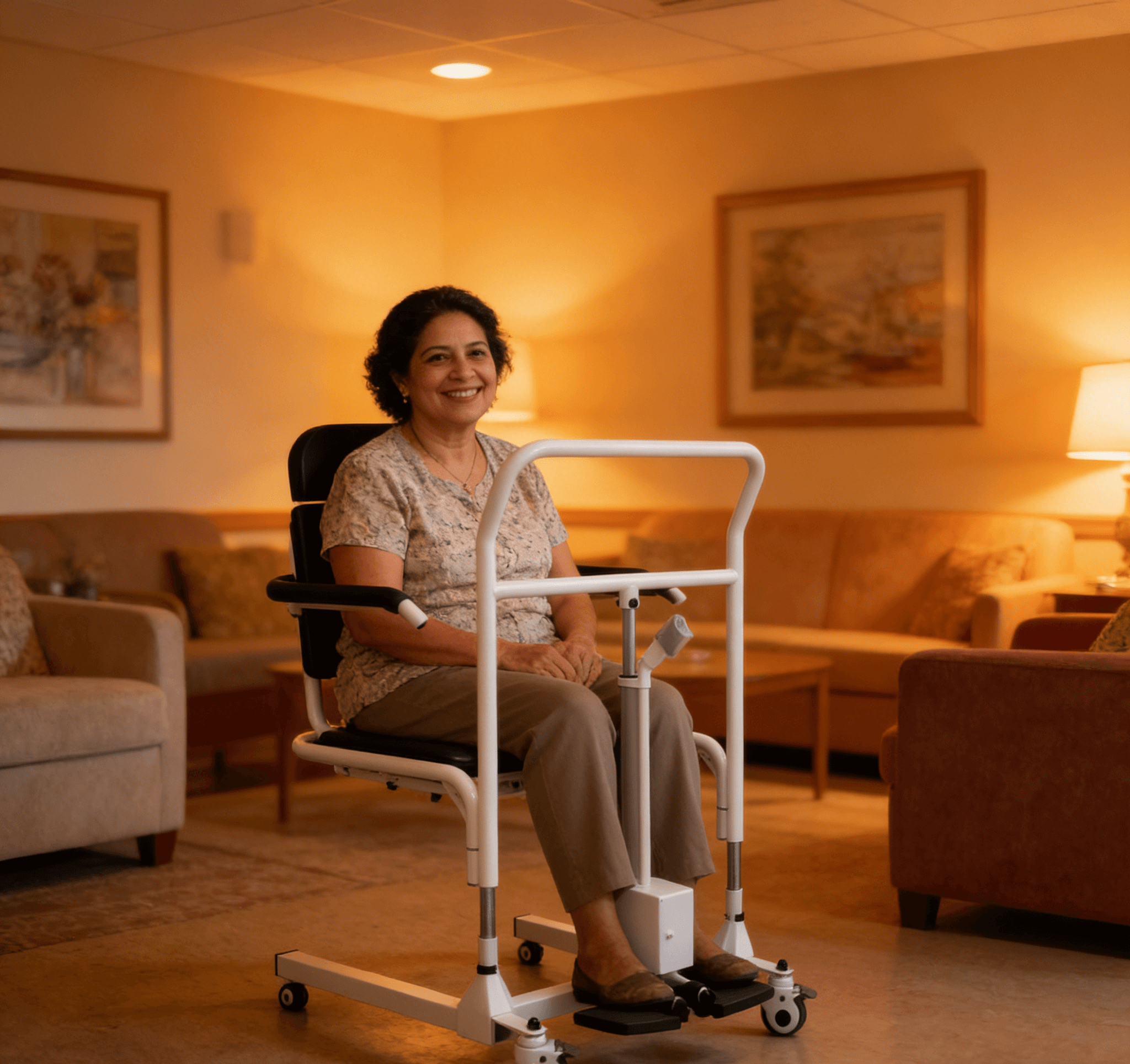
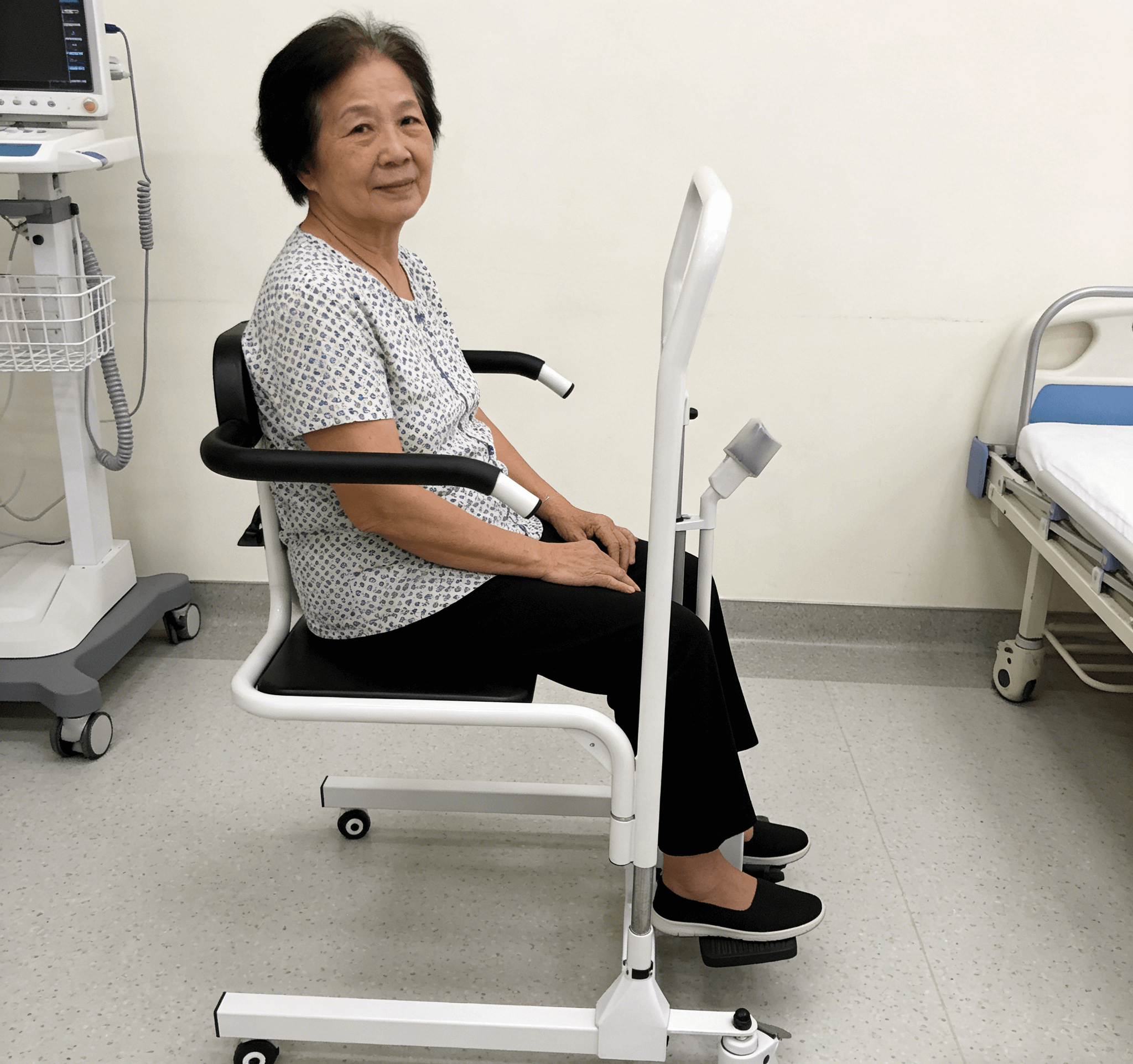
Hoyer Lifts are undoubtedly the gold standard for the safe transfer of patients with severe disabilities, but they are not suitable for every household or every scenario. Their high cost, large space requirements, operational complexity, and low demands on patient cooperation often lead to "overkill" for individuals with mild to moderate dependence. Additionally, they can be prohibitive for families with limited resources.
In fact, the core goal of transfer assistance is not "whether to use a machine" but "how to move a patient with minimal risk." Based on the patient’s functional ability, care environment, and budget, there are many efficient and human-centered alternative solutions worth considering.
This article will systematically outline the main alternative tools to Hoyer Lifts, helping you make more accurate and practical choices.
I. Preliminary Assessment: What Level of Assistance Does the Patient Actually Need?
Before choosing an alternative solution, first clarify the patient’s functional level:
Total Dependence (Level 0): Unable to sit steadily, no trunk control, and unable to bear weight → Hoyer-type equipment is usually still necessary;
Severe Dependence (Levels 1–2): Can sit steadily for short periods but cannot stand or transfer independently → Partial mechanical assistance may be considered;
Moderate Dependence (Levels 3–4): Can stand with support and cooperate with exertion → Multiple low-cost tools are applicable;
Mild Dependence (Level 5): Only needs reminders or slight support → Environmental modifications are sufficient.
✅ Key Principle: The effectiveness of an alternative solution depends on the patient’s ability to actively participate in the transfer process.
II. Detailed Explanation of Mainstream Alternative Solutions
1. Transfer Slide Boards
Principle: A smooth, rigid board is placed between two seating surfaces (e.g., a bed and a wheelchair), allowing the patient to slide and transfer with force;
Suitable Population: Individuals with upper-body strength, the ability to bear weight briefly, and basic sitting balance;
Advantages: Extremely low cost (¥100–300), portable, and no power supply required;
Limitations: Not suitable for completely disabled patients or those with fragile skin (risk of friction);
Usage Tips: The caregiver should stabilize the patient’s waist using a gait belt and guide them to "push with hands and move hips."