Category: Patient Lifts
Posted by 2025-12-13 11:12
hoyer lift als
Hoyer Lifts in ALS Care: An Indispensable Tool for Safety, Dignity, and Care
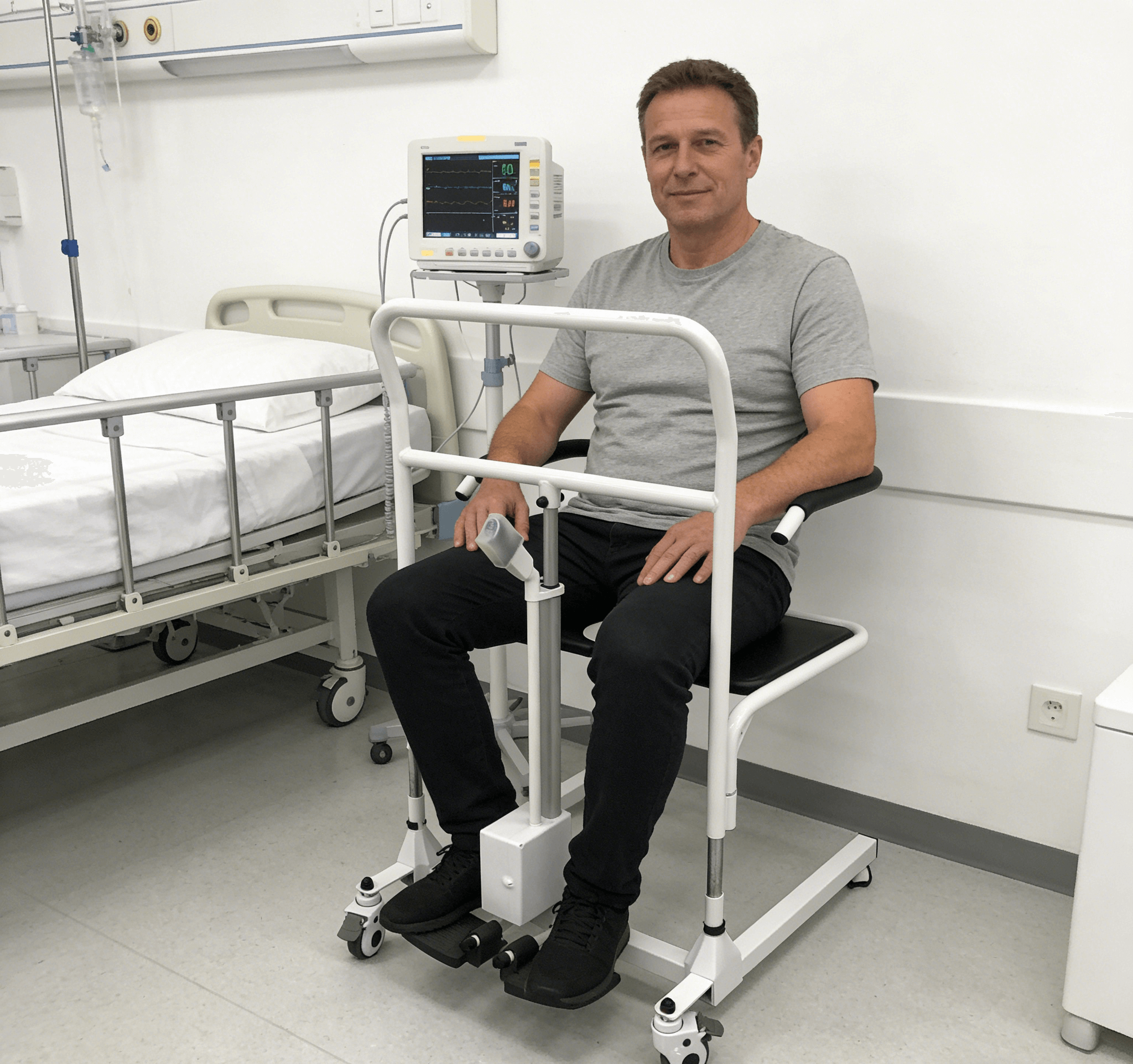
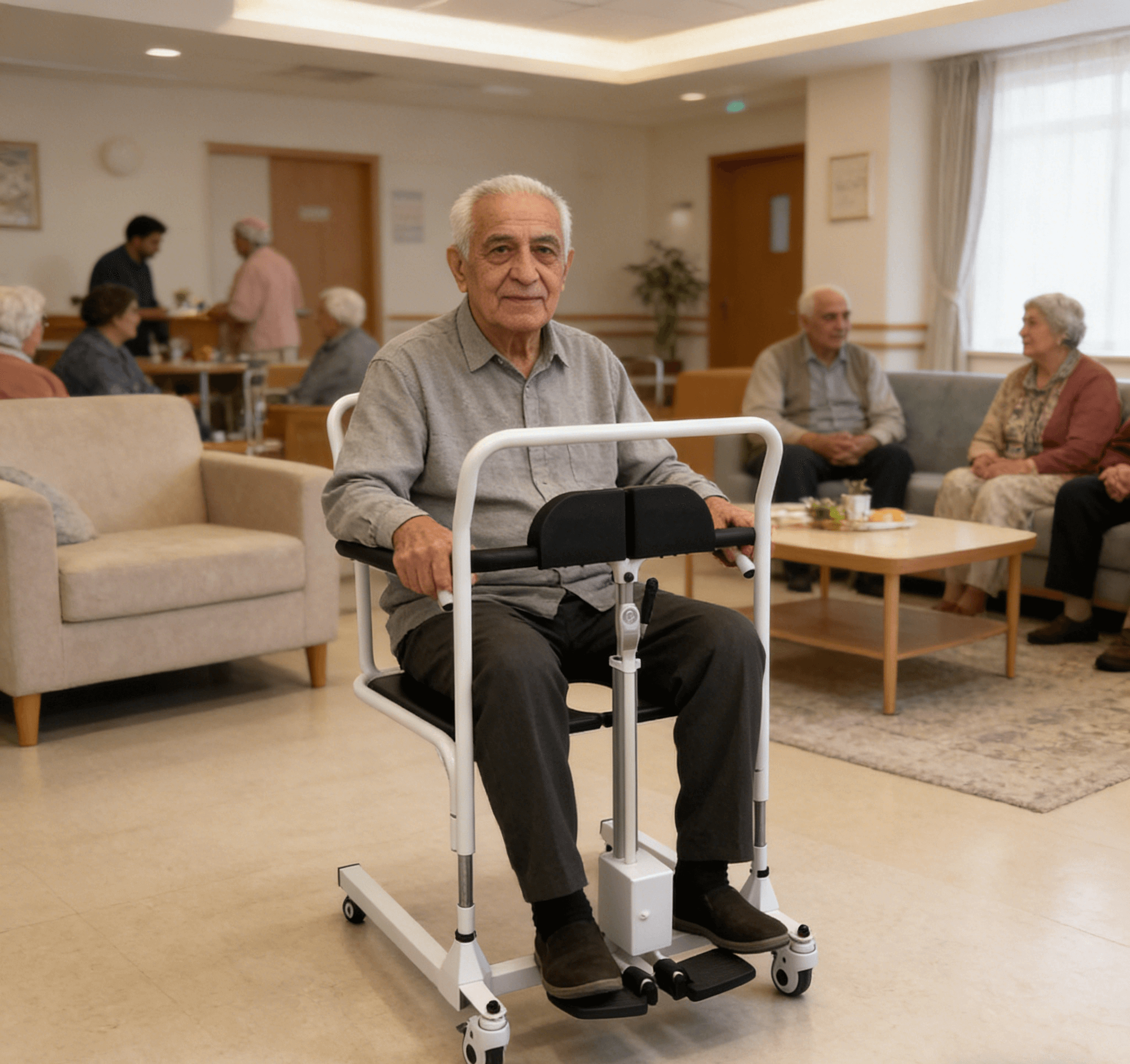
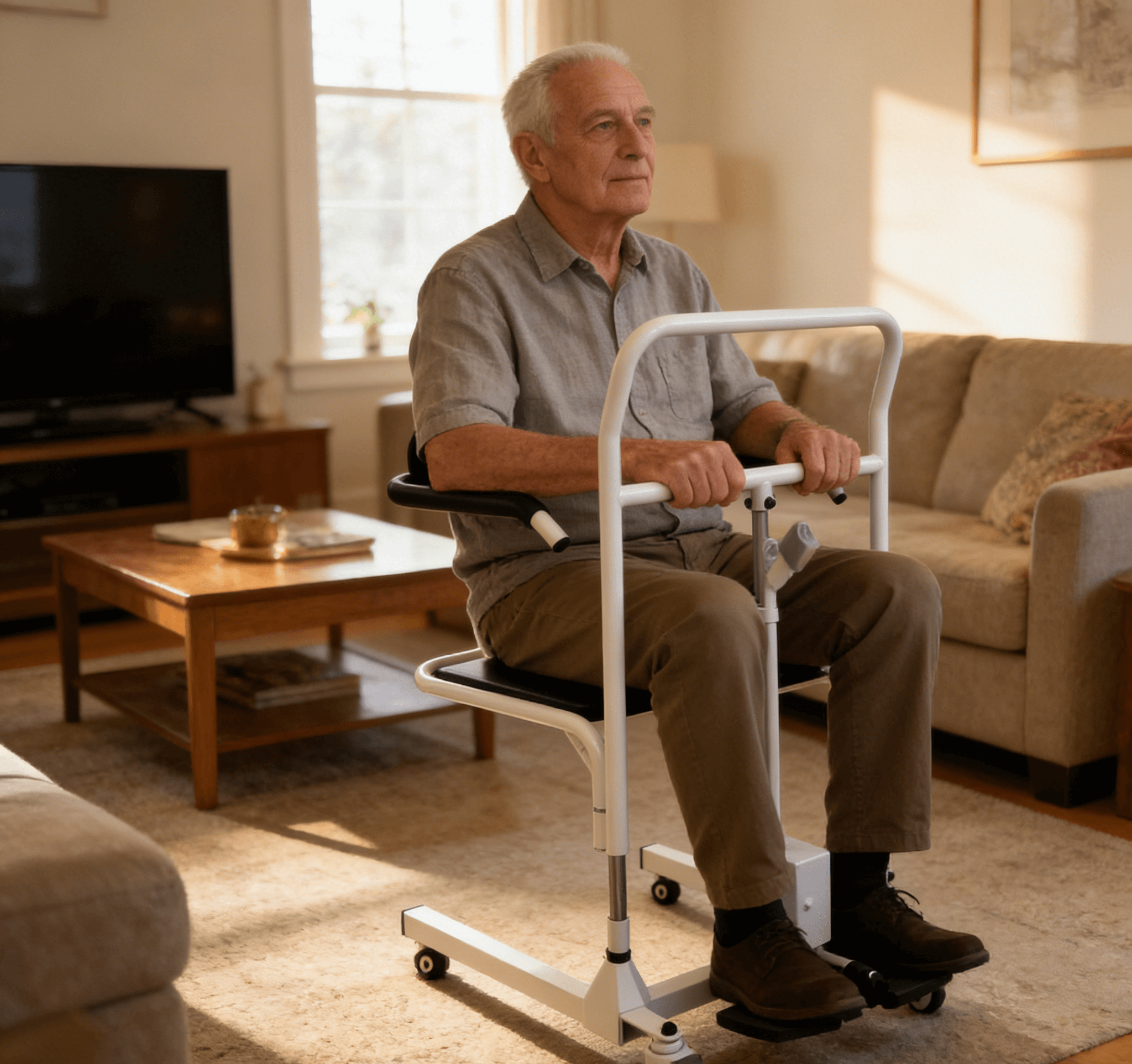
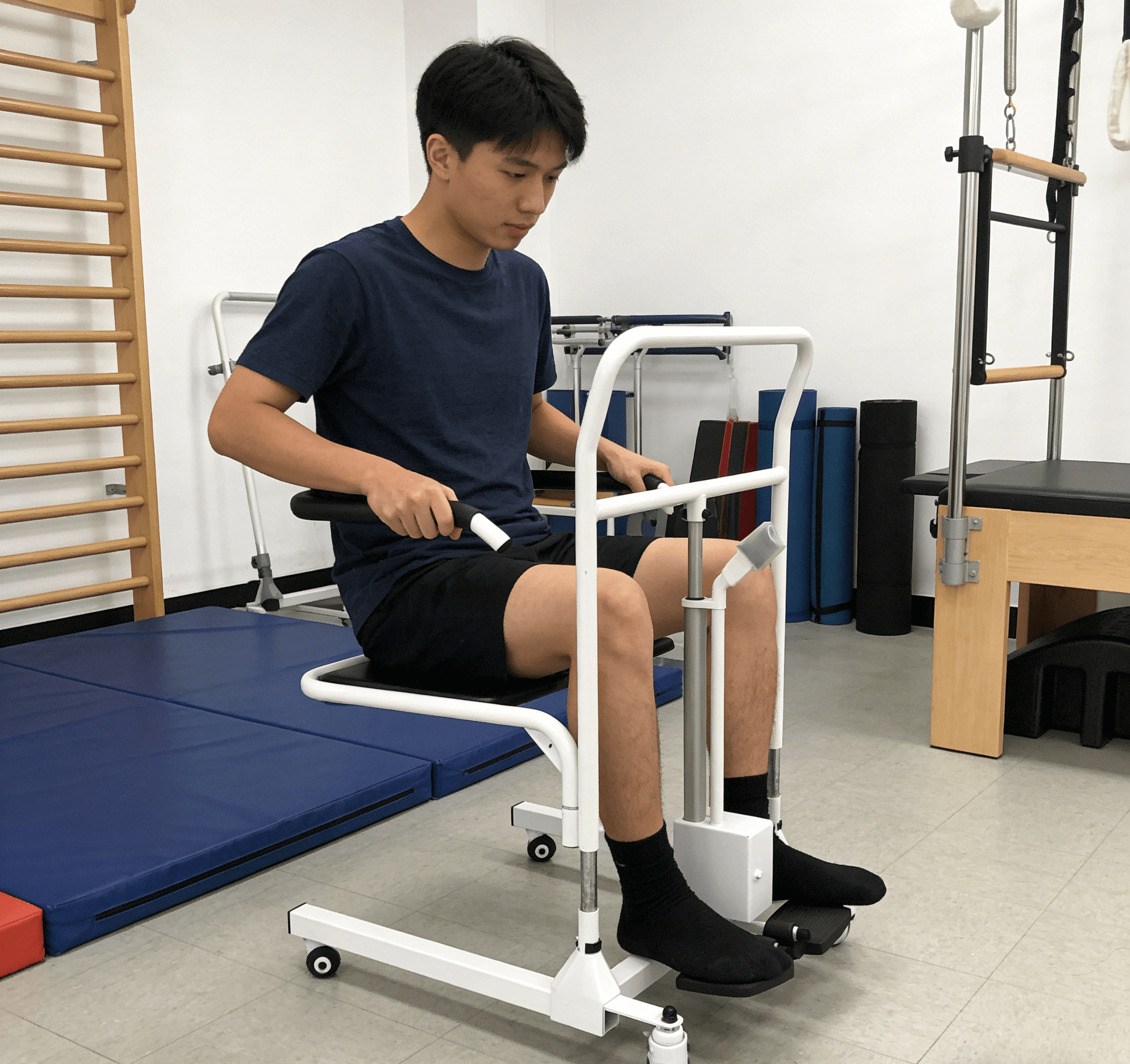
For individuals with Amyotrophic Lateral Sclerosis (ALS), as well as their families and caregivers, each day brings the challenge of gradual loss of physical function. Among the daily activities, one of the most critical and high-risk tasks is transfer—moving from the bed to a wheelchair, to the bathroom, to the sofa, and so on. In this process, a Hoyer Lift is far more than a simple device; it serves as a lifeline that safeguards the patient’s safety, eases the caregiver’s burden, and preserves the patient’s dignity.
Why Are Hoyer Lifts Critical for ALS Patients?
1. Addressing Progressive Muscle Weakness
ALS causes progressive weakness in the limb, trunk, and respiratory muscles. Patients gradually lose the ability to stand, sit up, or support their bodies independently.
Hoyer Lifts complete transfers using mechanical force, requiring no physical effort from the patient—perfectly adapting to the changing physical capabilities of ALS patients.
2. Preventing Caregiver Injuries
Manually transferring an adult is an extremely strenuous physical task, especially when the patient is completely unable to cooperate. Repeated bending, lifting, and twisting movements easily lead to severe back injuries in caregivers.
Hoyer Lifts shift the physical burden to the machine, which is key to protecting the long-term health of caregivers and enabling them to provide sustained care.
3. Maximizing Patient Safety and Comfort
Manual transfers carry an extremely high risk of falls and drops, which can cause severe secondary injuries such as fractures in patients.
Lifts provide smooth, controlled movement, and slings offer even support to the patient’s body—avoiding pain or skin damage caused by improper gripping and pulling.
4. Preserving Patient Dignity and Autonomy
The ability to complete transfers safely and easily means patients can leave their beds more frequently, participate in family activities, and maintain a certain level of social interaction and quality of life.
This process reduces physical embarrassment and discomfort, preserving the patient’s dignity.
Special Considerations When Choosing a Hoyer Lift for ALS Patients
Not all lifts are the same. When selecting one for an ALS patient, the progressive nature of the disease must be taken into account.
Type Selection: Mobile vs. Ceiling-Mounted
Mobile Lifts
Advantages: Flexible (can be used in different rooms, e.g., from bedroom to living room); lower initial cost.
Disadvantages: Require storage space; may be inconvenient to move on carpets or in narrow spaces; for patients in advanced stages, frequent movement of the device may increase caregiver fatigue.
Ceiling-Mounted Lifts
Advantages: Highly recommended for ALS care. They free up floor space and offer unparalleled convenience and safety. Caregivers only need to press a button to complete transfers—extremely efficient, especially on nights with frequent nighttime transfers. They can cover key areas such as the bedroom and bathroom.
Disadvantages: High initial installation cost and complexity; permanent installation.
Key Features and Accessories
Weight Capacity
Choose a model with a weight capacity higher than the patient’s current weight to accommodate potential future changes.
Sling Selection
Comfort and Support: Opt for soft, breathable slings that provide good support for the trunk and head.
Leg Straps: For patients with weak trunk control, leg straps are essential for safety—preventing the patient from slipping out of the sling.
Ease of Putting On/Taking Off: Consider slings with Velcro or quick-release fasteners for easy wearing and adjustment.
Lift Operation
Electric vs. Hydraulic: Definitely choose electric models. Electric lifts are operated via buttons, which are labor-saving and smooth, making them much easier for caregivers to use.
Battery Life: Ensure the battery has sufficient capacity to handle multiple transfers throughout the day.
Integrating into an ALS Care Plan: Steps and Resources
1. Early Consultation and Assessment
Do not wait for a crisis! Consult an Occupational Therapist (OT) when the patient can still partially assist with transfers but already finds it strenuous.
The OT will assess the patient’s function, home environment, and the caregiver’s capabilities, and issue a formal medical necessity assessment report—key to obtaining insurance coverage.
2. Resolving Funding Issues: ADP and Insurance
Assistive Devices Programs (ADP): Programs like Ontario’s ADP typically cover a portion of the cost of a Hoyer Lift. The OT’s assessment report is the core document for the application.
Health Insurance/Medicaid (U.S.): Coverage for lift costs may vary by state and program.
ALS Associations and Other Organizations: Organizations like the ALS Association often have equipment loan libraries or can provide financial assistance to help families obtain necessary devices.
Private Insurance: Contact your insurance provider to understand their coverage policy for Durable Medical Equipment (DME).
3. Comprehensive Training and Practice
After purchasing the device from an authorized supplier, insist on on-site installation and training.
Ensure all potential caregivers (family members, friends, professional caregivers) participate in the training.
Conduct "drills" while the patient’s physical condition is still stable, allowing both parties to adapt to the process and reduce future anxiety.
4. Planning for Disease Progression
Schedule regular follow-ups with your OT. As the disease progresses to advanced stages, adjustments may be needed—such as changing the sling type (e.g., adding head support) or upgrading from a mobile lift to a more convenient ceiling-mounted system.
Emotional and Psychological Support
Introducing a Hoyer Lift can be an emotional milestone, as it symbolizes the progression of the disease. It is important to communicate in a positive, empowering way:
Emphasize the Tool’s Value: Frame it as a tool that "helps us stay together more safely and easily," rather than a symbol of failure.
Focus on Benefits: Highlight how it enables the patient to participate more in life and protects the caregiver from burnout—allowing for long-term care and affection.
Involve the Patient in the Selection: If possible, let the patient choose details like the device color or sling style to enhance their sense of control.
Conclusion
For ALS families, a Hoyer Lift is not a luxury—it is an indispensable part of modern comprehensive care standards. It is a physical embodiment of care: by taking on the heaviest burden, it allows caregivers and patients to dedicate their precious energy to their connection with each other and their quality of life.
Early planning, professional assessment, and wise selection can turn this powerful tool into a pillar of comfort and convenience throughout the long ALS journey—rather than a source of stress.